Unschlittplatz, Upper Palatinate Travel Guide
Discover Nuremberg's Unschlittplatz: A picturesque medieval square with half-timbered houses, rich history, and charming ambiance on the city's Historical Mile.
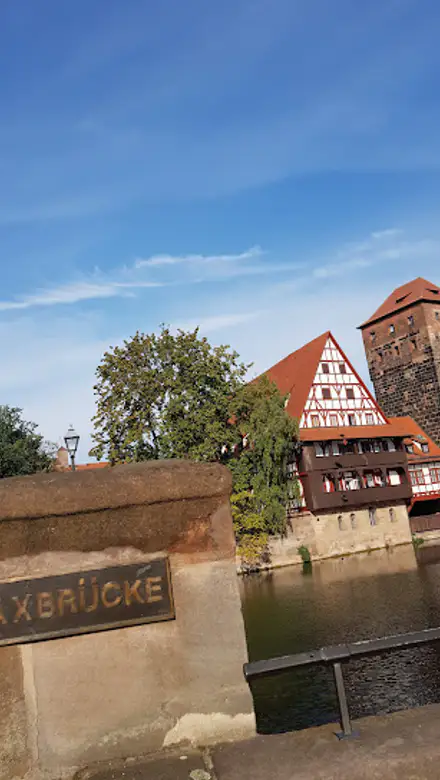
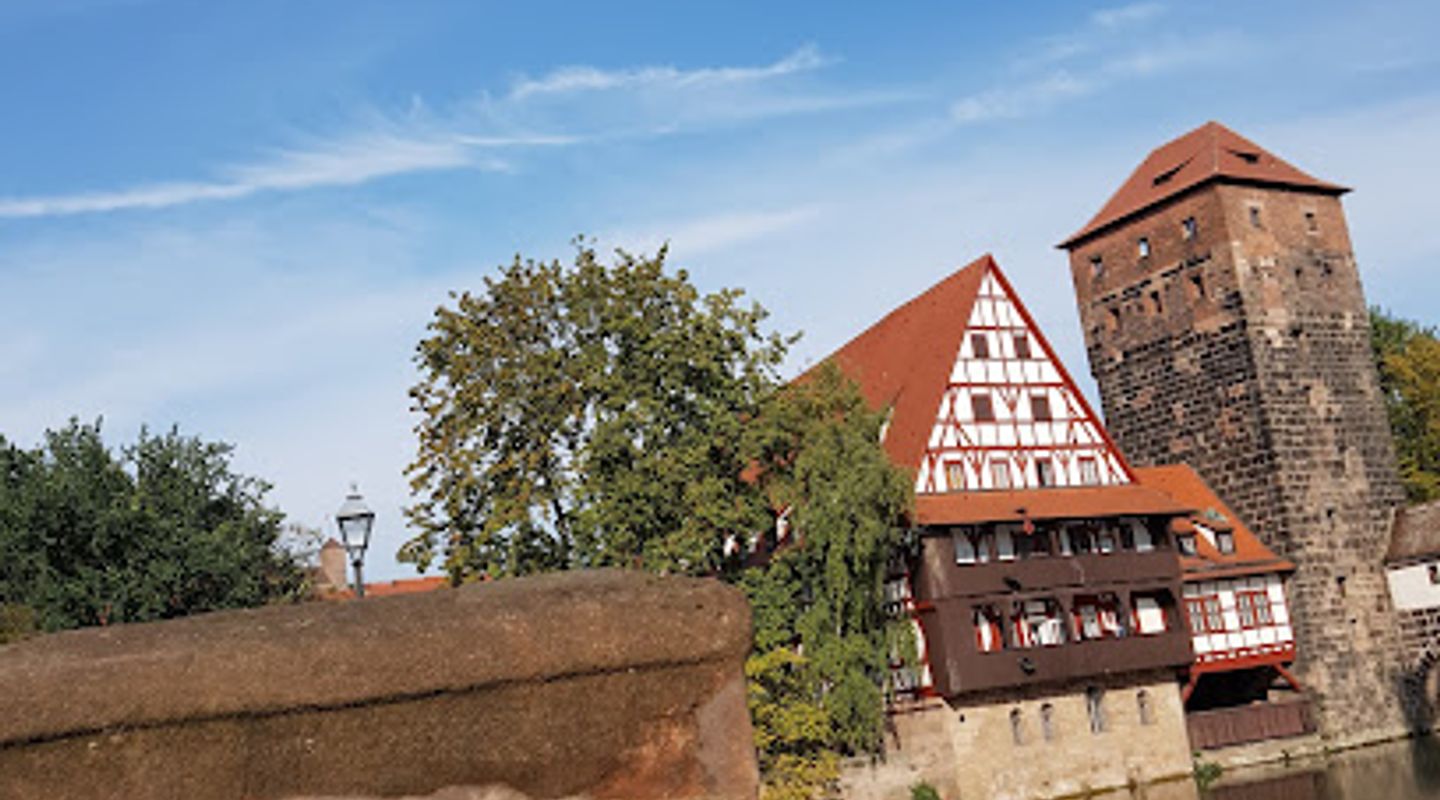
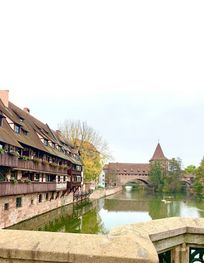
Unschlittplatz, nestled in the heart of Nuremberg's Old Town, is a captivating square that transports visitors back in time. Its name, meaning "Fat Square," hints at its historical role as a center for the tallow trade. Today, it stands as one of the city's most cherished historical ensembles, showcasing meticulously restored medieval buildings with exposed half-timbered constructions, charming bay windows, and intricate wooden decorations. The square's intimate atmosphere, framed by the Pegnitz River, makes it a delightful spot to soak in Nuremberg's rich heritage. Unschlittplatz offers a picturesque glimpse into Nuremberg's past, making it a must-see destination for history enthusiasts and anyone seeking to experience the city's unique charm. Its location on the Historical Mile of Nuremberg ensures it remains a highlight for tourists exploring the city's significant landmarks.
A brief summary to Unschlittplatz
- Unschlittpl., Nuremberg, Mitte, 90403, DE

Know before you go
Hi, I'm Eve. Here are a few practical things to know before exploring Unschlittplatz.
- Visit during the Christmas season to experience the square's magical transformation with festive decorations and traditional markets.
- Take a stroll along the Pegnitz River for picturesque views of the square and its surrounding architecture.
- Explore the nearby Henkersteg (Hangman's Bridge) for a unique perspective of Nuremberg's Old Town.
- Enjoy a traditional Franconian meal at one of the restaurants on the square to savor the local cuisine.
- Look for the memorial plaque commemorating Kaspar Hauser's appearance on the square in 1828.
Do you manage this location?
Take control to get all the benefits, like improved information, better appearance, and stronger visibility across AI-powered discovery. Learn more about listing your business on Evendo
Activate your presenceOther nearby places you may find interesting
The closest places of the same kind, if this one is not quite what you had in mind.

Explore Unschlittplatz on the Map
A handpicked selection of must-see spots near Unschlittplatz, mapped for you.
Getting There
-
Walking
Unschlittplatz is easily accessible on foot from most locations within Nuremberg's Old Town. From the Hauptmarkt (Main Market Square), walk south towards the Pegnitz River. Cross the Fleischbrücke (Meat Bridge) and continue straight ahead. You'll find Unschlittplatz just beyond the bridge, a short walk along the riverbank. The walk is approximately 5 minutes and offers scenic views of the city. Keep an eye out for the Dudelsackpfeiferbrunnen (Bagpiper Fountain) which marks the entrance to the square.
-
Public Transport
If arriving by public transport, the closest stops are Weintraubengasse (served by bus line 36) and Weißer Turm (White Tower) U-Bahn station (U1 and U2 lines). From Weintraubengasse, walk north towards the Pegnitz River and you'll find Unschlittplatz on your right. From Weißer Turm, walk east towards the river, passing the St. Lorenz Church. Cross the Museum Bridge and continue straight ahead to reach Unschlittplatz. A single VGN ticket for a short trip within Nuremberg costs approximately €3.20.
-
Taxi/Ride-Share
Taxis and ride-sharing services are readily available throughout Nuremberg. Simply request a ride to Unschlittplatz. The driver will likely drop you off near the Maxbrücke bridge, from where it's a short walk to the square. A taxi ride from Nuremberg Central Station (Hauptbahnhof) to Unschlittplatz typically costs between €8 and €12, depending on traffic.
-
Driving
If driving, be aware that parking in the immediate vicinity of Unschlittplatz is limited. The nearest public car park is the Hauptmarkt car park, located a short walk away. Parking fees at Hauptmarkt are approximately €3 per hour or €15 per day. From the car park, walk south towards the Pegnitz River and follow the signs to Unschlittplatz. Note that the Old Town is a pedestrian zone, so driving directly to the square is not permitted.
Discover more about Unschlittplatz













Your all‑in‑one travel companion app
Explore expert travel guides, compare and book tours, experiences, hotels, and more—all from the palm of your hand. Download now for seamless trip planning wherever your wanderlust takes you.


Explore More of Upper Palatinate
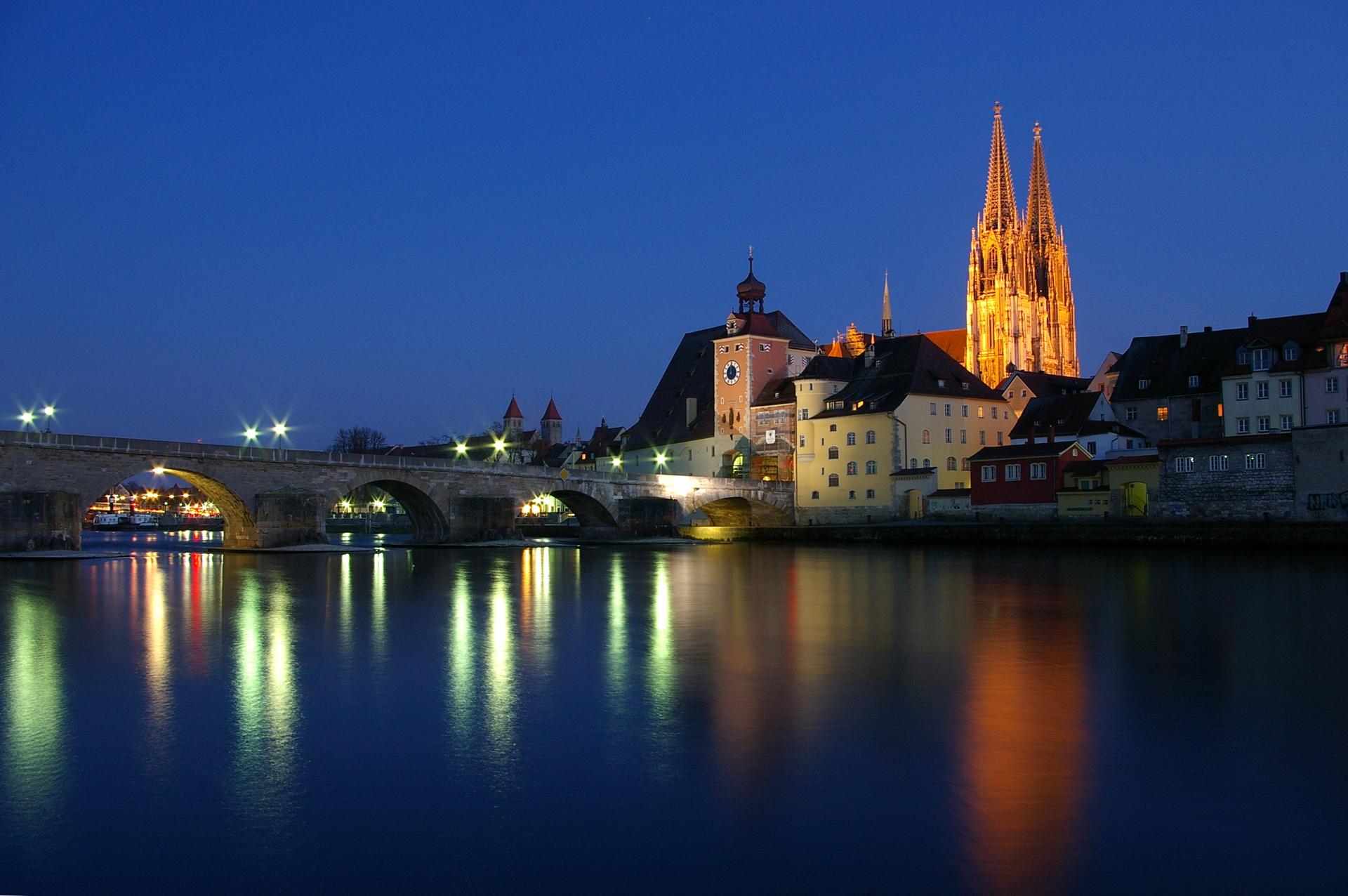
Looking beyond Unschlittplatz? Discover Upper Palatinate for broader travel guides, local hot-spots, and regional highlights.
Explore Upper Palatinate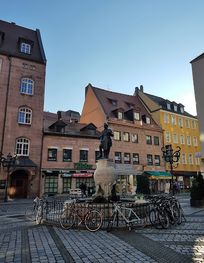
Explore Hefnersplatz in Nuremberg, a charming square that blends history, culture, and relaxation in the heart of the city.
Discover the historic Hangman's Bridge in Nuremberg, a stunning landmark showcasing medieval architecture and beautiful views of the Pegnitz River.