

Free Vogtland Travel Guide & Mobile App
Explore Vogtland with free travel guides. Discover regional history, expert tips, proposed trips, and audio guides on web or mobile app.


Explore Vogtland in Saxony for brick railway bridges, forested hills, musical-instrument crafts, spa towns and walking routes near the Czech border.
Read more about Vogtland
When is the best time to visit Vogtland?
Best: June–August · 22–24°C| Month | High (°C) | Rainfall (mm) |
|---|---|---|
| January | 4 | 45 |
| February | 5 | 39 |
| March | 10 | 45 |
| April | 14 | 48 |
| May | 19 | 68 |
| June (best) | 22 | 77 |
| July (best) | 24 | 82 |
| August (best) | 23 | 81 |
| September | 19 | 58 |
| October | 14 | 49 |
| November | 8 | 54 |
| December | 4 | 52 |
Getting to and around Vogtland
How to get there
Transportation
Best attractions in Vogtland
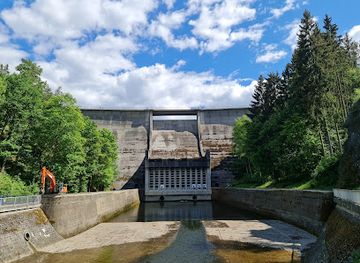
Vogtland's attractions are spread across a landscape of wooded hills, river valleys and small historic towns. In Plauen, museums and surviving urban architecture explain the city's lace and embroidery industry, while the surrounding countryside leads to the Göltzschtalbrücke near Netzschkau, an imposing nineteenth-century railway viaduct set above the Göltzsch valley. The southern Vogtland has a different character: the Musical Instrument Museum in Markneukirchen and related craft traditions in Erlbach make the area especially rewarding for visitors interested in music, woodwork and industrial history. Klingenthal combines instrument-making heritage with the Vogtland Arena and outdoor recreation around the Aschberg. Bad Elster and Bad Brambach offer spa gardens, cultural venues and a quieter pace, while the Vogtland Nature Park, Pöhl Reservoir and Muldenberg Reservoir provide walking, cycling and waterside activities. Attractions are generally modest in scale but varied, and the most satisfying itineraries allow time to travel between them rather than concentrating on a single urban centre.
-
Tourist attraction
Drachenhöhle Syrau
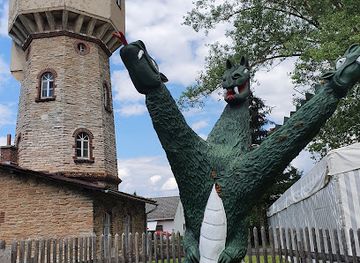
Discover the enchanting Drachenhöhle Syrau, a breathtaking cave system in Germany, showcasing stunning stalactites and rich natural history.
-
Tourist attraction
Miniwelt
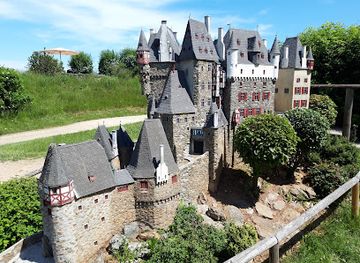
Explore Miniwelt in Lichtenstein, where iconic landmarks come alive in miniature form amidst lush landscapes and thrilling rides.
-
Zoo
Falknerei Herrmann
Experience the thrill of falconry at Falknerei Herrmann, where majestic birds of prey take flight in stunning displays of agility and grace.
-
Tourist attraction
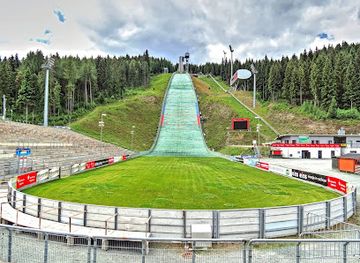
Sparkasse Vogtland Arena Klingenthal
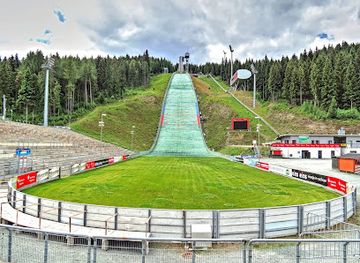
Experience the excitement of ski jumping and athletic events at Sparkasse Vogtland Arena Klingenthal, set against the stunning Erzgebirge mountains.
Best landmarks in Vogtland
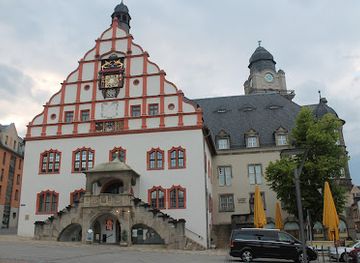
The Göltzschtalbrücke near Netzschkau is Vogtland's most recognisable engineering landmark, with tiers of brick arches spanning the valley as evidence of the ambition of nineteenth-century railway construction. In Plauen, the Old Town Hall and the surrounding historic centre provide an architectural focus, while the Johanniskirche recalls the city's long ecclesiastical and civic history. The Elstertalbrücke near Jocketa is another notable railway structure, set in a wooded valley and associated with the same period of railway expansion. Markneukirchen's historic townscape and musical-instrument collections express the southern Vogtland's specialist craft identity, while Klingenthal's ski-jump complex on the hillside is a prominent modern landmark. Bad Elster's spa gardens and theatre represent a different tradition: the carefully planned architecture of a nineteenth-century health resort. Across the countryside, reservoirs, wooded ridges and the valleys of the White Elster and Göltzsch form geographical landmarks that are often best appreciated from walking routes rather than viewpoints beside major roads.
-
Ski jumping hill
Sparkasse Vogtland Arena Klingenthal
Experience the thrill of ski jumping at Sparkasse Vogtland Arena in Klingenthal, where adventure meets breathtaking views in the heart of Saxony.
-
Hiking area
Triebtal
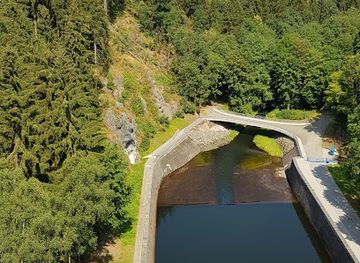
Escape to Triebtal: Hike through lush forests, discover hidden waterfalls, and immerse yourself in the serene beauty of this German nature preserve near the Pöhl Reservoir.
-
Beer Garden
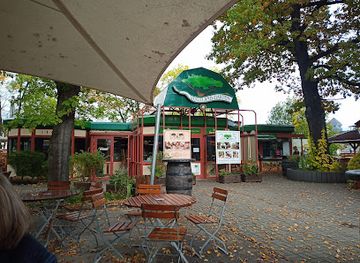
Vogtland-Garten
Experience Plauen's charm at Vogtland-Garten, a welcoming beer garden offering local brews, regional snacks, and a relaxed atmosphere in a picturesque setting, open since 1990.
-
Open air museum
Vogtländisches outdoor museum Landwüst
Discover the rural heritage of the Vogtland region at Landwüst Open-Air Museum: Explore historic farmhouses, witness traditional crafts, and experience the life of 18th-20th century farming families.
Explore Vogtland on the map
Plan your trip on one map. See where the top cities, national parks and sights are, and book hotels and experiences in a few clicks.
Best hotels in Vogtland
Best restaurants in Vogtland
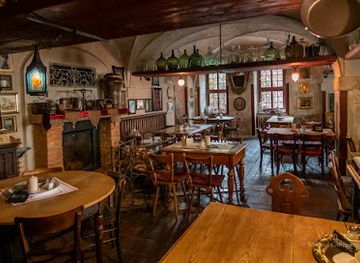
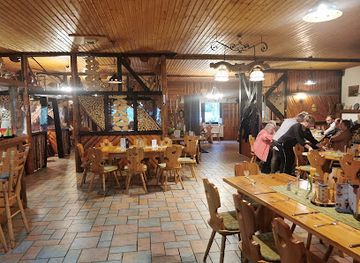
Vogtland dining reflects Saxon and central European traditions, with hearty potato-based dishes, soups, dumplings, meat and seasonal game appearing alongside more contemporary menus. In Plauen and the larger towns, visitors will find bakeries, cafés, traditional German restaurants and international food, while rural inns often provide regional cooking in a more informal setting. Local specialities associated with the area include Vogtland-style potato dishes such as grüner Klöße, alongside seasonal produce from the surrounding uplands. Sausages, freshwater fish, cakes and pastries are common market and restaurant offerings, although menus vary by establishment. The spa towns and larger cultural venues add cafés and more polished dining rooms, while farmers' markets and village shops can be useful for bread, preserves and locally produced goods. Craft beer and regional drinks are more readily encountered than a narrowly defined Vogtland wine culture, and meal times can be earlier and quieter in small settlements than in Plauen.
-
German
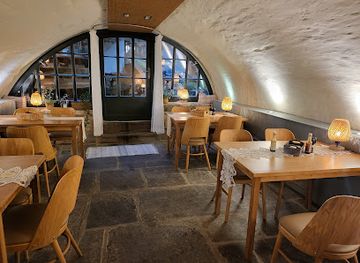
Altes Handelshaus
Discover authentic German flavors at Altes Handelshaus in Plauen—where tradition meets taste in a cozy setting.
-
Gastropub
Troll Schänke
Experience delightful gastropub cuisine at Troll Schänke in Rodewisch - a perfect blend of tradition and modernity in every bite.
-
Beer Garden
Vogtland-Garten
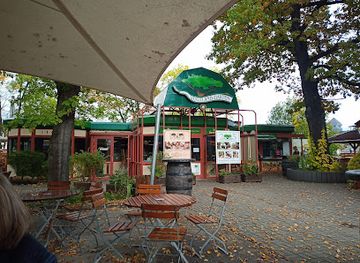
Experience the tranquility of Vogtland-Garten – your go-to beer garden in Plauen for local brews and delightful outdoor ambiance.
-
Restaurant
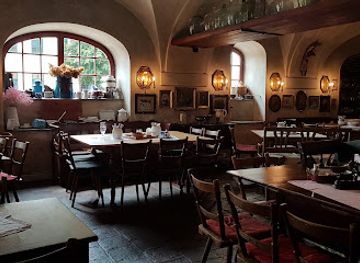
Matsch - Plauens älteste Gastwirtschaft & Hotel
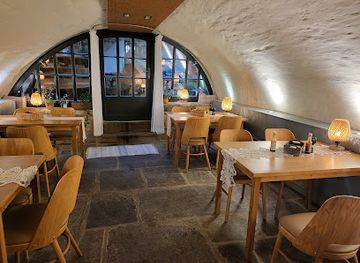
Experience the charm of Matsch - Plauen's oldest inn offering delightful cuisine, cozy accommodations, and rich local history.
Best bars in Vogtland
Vogtland's evening life is centred on traditional pubs, restaurant bars, cafés and cultural performances rather than a large club scene. Plauen has the broadest choice, with bars and venues clustered around the town centre and a programme of concerts, theatre and occasional live music. Reichenbach, Auerbach and Klingenthal offer smaller local scenes, while Bad Elster's theatre and concert calendar gives the spa town a more formal evening rhythm. In rural areas, evenings generally revolve around village inns and seasonal events, so late-night transport should be arranged in advance. Breweries and beer-focused venues may feature German regional styles, but nightlife is not dependent on drinking: a concert, spa performance, evening walk through a historic centre or dinner in a country inn can be equally characteristic ways to spend the night.
-
German
Altes Handelshaus
Discover the heart of German cuisine at Altes Handelshaus, where tradition meets taste in the heart of Plauen.
-
Beer Garden
Vogtland-Garten
Experience the essence of Plauen at Vogtland-Garten, a charming beer garden offering local brews and a relaxing atmosphere amidst lush greenery.
-
Restaurant
Matsch - Plauens älteste Gastwirtschaft & Hotel
Discover the rich history and delightful flavors at Matsch, Plauen's oldest gastwirtschaft & hotel, where tradition meets comfort.
-
Bar
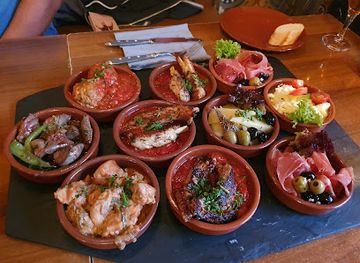
Sin Nombre - Tapas-Bar - Plauen
Discover the vibrant Spanish culinary scene at Sin Nombre, Plauen's premier tapas bar, where every bite is a celebration of flavors.
Best nightclubs in Vogtland
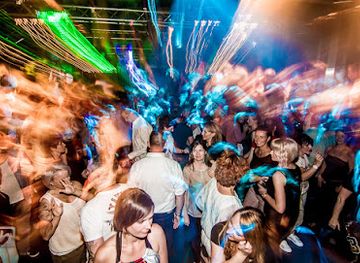
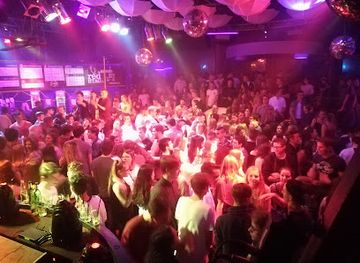
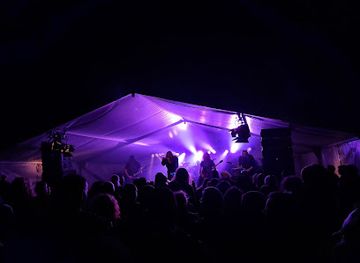
Vogtland's evening life is centred on traditional pubs, restaurant bars, cafés and cultural performances rather than a large club scene. Plauen has the broadest choice, with bars and venues clustered around the town centre and a programme of concerts, theatre and occasional live music. Reichenbach, Auerbach and Klingenthal offer smaller local scenes, while Bad Elster's theatre and concert calendar gives the spa town a more formal evening rhythm. In rural areas, evenings generally revolve around village inns and seasonal events, so late-night transport should be arranged in advance. Breweries and beer-focused venues may feature German regional styles, but nightlife is not dependent on drinking: a concert, spa performance, evening walk through a historic centre or dinner in a country inn can be equally characteristic ways to spend the night.
-
Disco club
Diskothek Nachtwerk
Immerse yourself in the energetic nightlife of Zwickau at Diskothek Nachtwerk, where electrifying music and vibrant crowds create unforgettable experiences.
-
Disco club
Glashaus Adorf
Discover the vibrant nightlife at Glashaus Adorf, a top disco club and event venue in the heart of Adorf, perfect for music lovers and night owls.
-
Rock music club
Chronical Moshers Metalclub Reichenbach
Experience the electrifying ambiance of Chronical Moshers Metalclub, a rock music sanctuary in Reichenbach im Vogtland offering unforgettable live performances.
-
Night club
Club Zooma
Discover the vibrant nightlife of Plauen at Club Zooma, where electrifying music and energy create unforgettable experiences.
Best shops in Vogtland
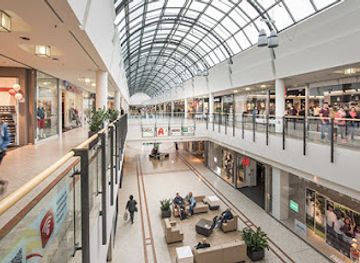
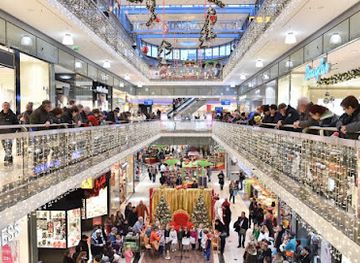
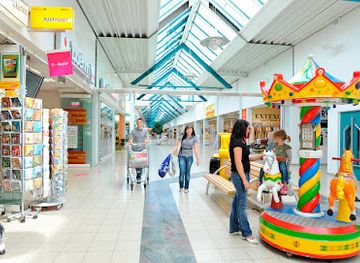
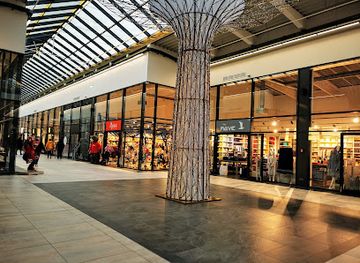
Shopping in Vogtland is concentrated in Plauen and the market towns, where ordinary German high-street retail is joined by independent bakeries, cafés, bookshops, craft outlets and small food producers. Plauen is the best place to look for products connected with the city's textile past, including lace-inspired goods and locally themed gifts, although stock varies between shops. Markneukirchen and Erlbach are the natural centres for musical-instrument heritage, with specialist makers and retailers offering instruments, bows or related items; serious purchases should be arranged with time for expert advice rather than treated as casual souvenirs. Regional foods such as bread, preserves, confectionery and seasonal produce are available through markets and village shops. Bad Elster has a modest spa-town retail character, while rural communities offer occasional markets and craft sales rather than permanent shopping districts. Visitors should check whether small workshops accept cards and should avoid assuming that every displayed instrument or craft item is available for immediate purchase.
-
Shopping mall
Gera Arcaden
Discover Gera Arcaden, a vibrant shopping mall in Gera, Germany, offering a rich blend of retail, dining, and entertainment options for an unforgettable experience.
-
Shopping mall
Stadt-Galerie Plauen
Explore the vibrant city center at Stadt-Galerie Plauen, your ultimate destination for shopping, dining, and entertainment in Germany.
-
Shopping mall
Plauen Park
Discover Plauen Park, a premier shopping mall in Germany, featuring diverse stores, delightful dining, and lively events for all ages.
-
Outlet mall
Outlet Center Selb
Explore Outlet Center Selb, Germany's premier outlet mall, where exclusive deals and fashion meet in an exciting shopping experience.
Get your free copy of our complete guide to Vogtland, delivered straight to you.
Everything on this page, from attractions and restaurants to essentials and local phrases, in one PDF you can read offline, print or share.
Already have an account? Sign in
Your Vogtland guide is ready.
We'll send it to · Not you? Sign out

Getting your guide ready…
We are putting together a fresh copy of the Vogtland guide. This can take up to a minute.
This can take a few moments. If your browser asks, choose Allow so the download can start. You'll find the guide in your Downloads folder.
Nothing happened? Download it again
Sorry, the guide is taking longer than usual. Please try again in a minute, or get it by email instead.
Vogtland essentials
Currency and Payment
Safety
Emergency Situations
Do's and Don'ts
Local Tips
From Eve
Local phrases worth knowing
You don't need to get them perfect. A few words go a long way, and locals appreciate the effort.
Basics
| English | Local | Say it |
|---|---|---|
| Hello | Hallo | [Hah-loh] |
| Goodbye | Auf Wiedersehen | [Owf Veed-er-zay-en] |
| Yes | Ja | [Yah] |
| No | Nein | [Nyn] |
| Please/You're welcome | Bitte | [Bit-teh] |
| Thank you | Danke | [Dahn-keh] |
| Excuse me/Sorry | Entschuldigung | [Ent-shool-dee-goong] |
| How are you? | Wie geht's? | [Vee gates?] |
| Fine. And you? | Gut. Und dir? | [Gooot. Oond deer?] |
| Do you speak English? | Sprechen Sie Englisch? | [Shpreh-ken Zee Eng-lish?] |
| I don't understand | Ich verstehe nicht | [Ikh fer-shteh-eh nikht] |
Eating & Drinking
| English | Local | Say it |
|---|---|---|
| I'd like to see the menu, please | Ich hätte gerne die Speisekarte, bitte | [Ikh heh-teh gair-neh dee Shpy-zeh-kar-teh, bit-teh] |
| I don't eat meat | Ich esse kein Fleisch | [Ikh es-seh kyn Flysh] |
| Cheers! | Prost! | [Prohst!] |
| I would like to pay, please | Ich möchte bezahlen, bitte | [Ikh merkh-teh beh-tsah-len, bit-teh] |
Emergencies
| English | Local | Say it |
|---|---|---|
| Help! | Hilfe! | [Hil-feh!] |
| Go away! | Geh weg! | [Gay vehk!] |
| Call the Police! | Rufen Sie die Polizei! | [Roo-fen Zee dee Po-li-tsai!] |
| Call a doctor! | Rufen Sie einen Arzt! | [Roo-fen Zee eye-nen Artst!] |
| I'm lost | Ich habe mich verirrt | [Ikh hah-beh mikh fer-eert] |
| I'm ill | Ich bin krank | [Ikh bin krangk] |
Shopping
| English | Local | Say it |
|---|---|---|
| I'd like to buy... | Ich möchte kaufen... | [Ikh merkh-teh kau-fen...] |
| I'm just looking | Ich schaue nur | [Ikh shah-oo-eh noor] |
| How much is it? | Wie viel kostet es? | [Vee feel kos-tet es?] |
| That's too expensive | Das ist zu teuer | [Das ist tsoo toy-er] |
| Can you lower the price? | Könnten Sie den Preis senken? | [Kurn-ten Zee den Prise zen-ken?] |
Time & Numbers
| English | Local | Say it |
|---|---|---|
| What time is it? | Wie spät ist es? | [Vee shpaet ist es?] |
| It's one o'clock | Es ist ein Uhr | [Es ist ine Oor] |
| Half past (10) | Halb (10) | [Halb (10)] |
| Morning | Morgen | [Mor-gen] |
| Afternoon | Nachmittag | [Nahkh-mit-tahg] |
| Evening | Abend | [Ah-bent] |
| Yesterday | Gestern | [Geh-stern] |
| Today | Heute | [Hoy-teh] |
| Tomorrow | Morgen | [Mor-gen] |
| 1 | Eins | [Eyns] |
| 2 | Zwei | [Tsvy] |
| 3 | Drei | [Dry] |
| 4 | Vier | [Veer] |
| 5 | Fünf | [Fuenf] |
| 6 | Sechs | [Zex] |
| 7 | Sieben | [Zee-ben] |
| 8 | Acht | [Akh-t] |
| 9 | Neun | [Noyn] |
| 10 | Zehn | [Tsen] |
Transport & Directions
| English | Local | Say it |
|---|---|---|
| Where's a/the...? | Wo ist ein/der...? | [Vo ist ine/der...?] |
| What's the address? | Wie ist die Adresse? | [Vee ist dee Ah-dress-eh?] |
| Can you show me (on the map)? | Könnten Sie mir (auf der Karte) zeigen? | [Kurn-ten Zee meer (owf der Kar-teh) tsai-gen?] |
| When's the next (bus)? | Wann kommt der nächste (Bus)? | [Vahn komt der nayk-stay (Boos)?] |
| A ticket (to ....) | Ein Ticket (nach ....) | [Ine Ti-ket (nahkh ....)] |
History of Vogtland
Early settlement and the medieval Vogts
The region's valleys and uplands were settled gradually by Slavic communities and later by German-speaking colonists during the medieval period. From the twelfth century, the area became associated with the Vogts of Weida, Gera and Plauen, powerful ministerial families whose title gave Vogtland its name. Their authority was expressed through castles, fortified settlements and administrative centres, although control shifted between local dynasties and larger territorial powers. Plauen, Weida and other towns developed as centres of trade and governance, while the surrounding forests and farming communities supplied timber, livestock and agricultural produce.
Plauen and the late-medieval textile economy
Plauen grew as a commercial town on routes linking Saxony, Thuringia and Bohemia. Wool, cloth and other textiles became increasingly important, supported by local merchants and water-powered production. The town's churches, civic buildings and urban fabric reflect periods of prosperity as well as later reconstruction. Vogtland's position near several historic political borders encouraged trade but also exposed it to military passage and changing administrations. The textile tradition that later became famous for Plauen lace therefore had deep roots in the region's medieval commercial development.
Instrument making in the southern Vogtland
Markneukirchen and neighbouring settlements developed a specialised musical-instrument industry from the seventeenth century, when instrument makers brought skills and forms of production into the region. Violin making, bow making, woodwind manufacture and related crafts became central to the local economy. Families and small workshops supplied wider European markets, while the surrounding forests provided suitable timber and the borderland setting encouraged exchange with Bohemia. The tradition survived industrial and political changes, and specialist museums and working makers continue to explain the technical knowledge behind the region's musical reputation.
Railways, industrialisation and the Göltzsch valley
Nineteenth-century railway construction transformed Vogtland by connecting its towns more efficiently with Saxony, Bavaria and Bohemia. The most dramatic surviving evidence is the Göltzschtalbrücke, completed in 1851 near Netzschkau as part of the Saxon-Bavarian railway. Its vast brick arches carried the railway across a deep valley and remain a landmark of early railway engineering. Rail access supported textile production, engineering, instrument manufacture and urban growth in Plauen, Reichenbach and surrounding towns, while also making the region more accessible to visitors and goods.
Plauen lace and the industrial city
During the late nineteenth and early twentieth centuries, Plauen became internationally associated with machine-made lace and embroidery. Industrial firms, skilled workers and export networks turned the city into one of Germany's notable textile centres. The prosperity was uneven and vulnerable to international competition, but the industry left a durable mark on local identity, museum collections and architectural heritage. The First World War, economic crises and later political changes disrupted established markets. Today, the history of lace and textile manufacture is an essential part of understanding Plauen's development from regional market town to industrial city.
The borderland during the twentieth century
Vogtland's location beside Czechoslovakia, later Czechoslovakia and the Czech Republic, shaped everyday life throughout the twentieth century. After 1945, the inner German border and the Iron Curtain restricted movement and weakened many older cross-border connections. Industrial enterprises were reorganised under the German Democratic Republic, while towns such as Plauen experienced the pressures of planned production and changing demographics. The border regime remained particularly visible in the southern countryside, where access was controlled. Reunification restored movement and encouraged new cultural and economic links across the frontier.
The peaceful revolution in Plauen, 1989
Plauen is remembered as one of the first East German towns to witness a large public protest in the autumn of 1989. On 7 October, demonstrations gathered in the city despite pressure from the state authorities, and subsequent protests grew as the political crisis deepened. The events formed part of the wider peaceful revolution that led to the fall of the Berlin Wall and German reunification. Memorials and local historical interpretation preserve the significance of Plauen's demonstrations, giving the city an important place in the modern history of Germany.
Vogtland in Photos
Browse through our photo collection highlighting the charm and character of the destination.
Neighbouring regions of Vogtland
The closest regions to Vogtland, if you have time for more than one.
-

-

-

-

-


Swipe for more regions

