Marienberg Fortress: A Würzburg Icon
Explore the iconic Marienberg Fortress in Würzburg: a historic landmark offering stunning views, Franconian art, and a journey through centuries of power and resilience.
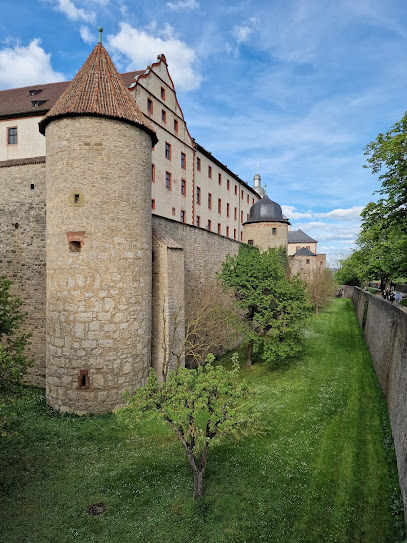
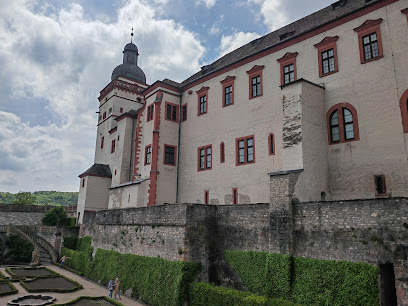
Dominating the Würzburg skyline, Marienberg Fortress is a powerful symbol of the city's rich history. Rising dramatically above the Main River, this ancient stronghold boasts origins stretching back to Celtic times. For centuries, it served as the home of Würzburg's powerful prince-bishops, witnessing countless sieges and transformations. Explore its formidable walls, discover hidden courtyards, and delve into Franconian history at the Museum für Franken. Don't miss the panoramic views from the Princes' Garden, offering a breathtaking perspective of Würzburg's old town and the surrounding vineyards. Whether you're a history enthusiast, a culture seeker, or simply looking for stunning vistas, Marienberg Fortress promises an unforgettable experience. While construction may impact some areas, the fortress remains a captivating destination year-round.
A brief summary to Marienberg Fortress
- Marienberg, Würzburg, Zellerau, 97012, DE
- +499313551750
- Visit website
Local tips
- Wear comfortable shoes for the uphill walk to the fortress and for exploring the extensive grounds.
- Check the Bavarian Palace Administration website for current opening hours and information about potential construction closures before your visit.
- Consider taking a guided tour to delve deeper into the fortress's history and architecture.
- Visit the Princes' Garden for panoramic views of Würzburg and the Main River (open April to October, but check for current accessibility).
- Allow ample time to explore both the fortress grounds and the Museum für Franken, which houses an impressive collection of Franconian art.

Getting There
-
Walking
From the Old Main Bridge (Alte Mainbrücke) in the city center, follow the signs towards Marienberg Fortress. The walk is a steep, but rewarding, climb through vineyards, taking approximately 20-30 minutes. The path offers scenic views of the city along the way. Note that the ascent can be challenging for those with mobility issues.
-
Public Transport
During the summer season (roughly Easter to mid-October), Bus line 9 operates from the city center (e.g., Mainfranken Theater) directly to the 'Festung' stop near the fortress entrance. Check the WVV (Würzburger Verkehrsverbund) website for the current schedule and fare information. A single ticket within Würzburg costs around €2.60.
-
Driving
If driving, follow Höchberger Strasse and Oberen Burgweg to reach Marienberg Fortress. Parking is available near the fortress, but spaces can be limited, especially during peak season. Parking fees apply, with hourly rates around €2-3 and a daily maximum of approximately €10.
-
Taxi/Ride-Share
A taxi or ride-share from Würzburg city center to Marienberg Fortress typically costs between €15-€19 and takes approximately 8 minutes, depending on traffic.
Discover more about Marienberg Fortress
Iconic landmarks you can’t miss

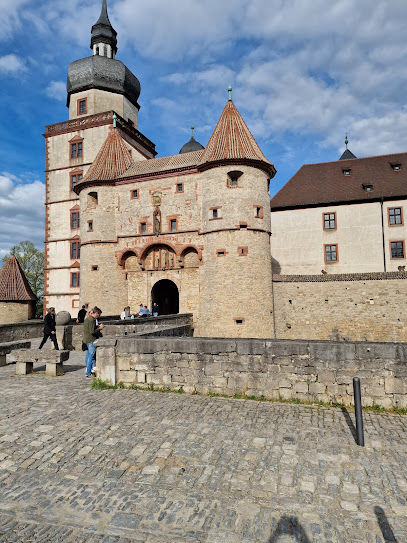
Scherenberg Gate
0.0 km
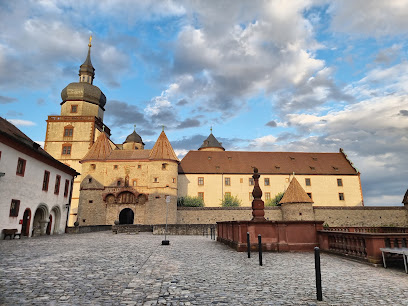
Discover the Scherenberg Gate, a historical landmark in Würzburg, showcasing stunning architecture and rich cultural heritage in Germany.
Keep
0.0 km
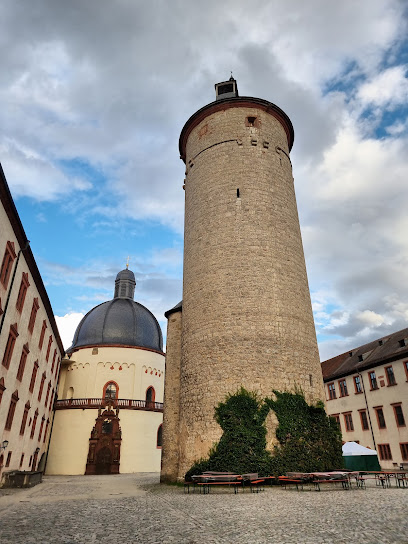
Experience the historical splendor of the Keep in Würzburg, Germany, where medieval architecture meets stunning panoramic views.
Wolfkeelsche Ringmauer
0.1 km
Discover the historical charm of Wolfkeelsche Ringmauer in Würzburg, a captivating landmark offering panoramic views and a glimpse into the city's medieval past, nestled in the serene Zellerau district.
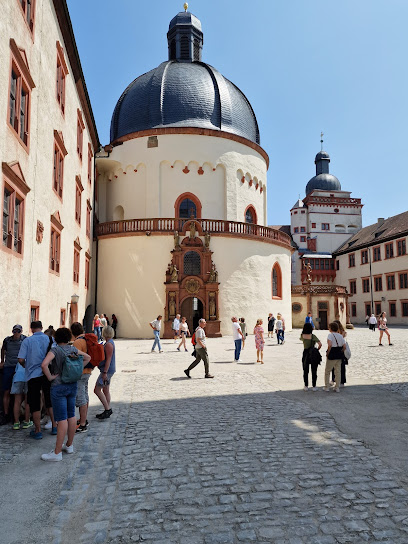
Marienkirche Festung Marienberg
0.1 km
Discover Würzburg's oldest church, the Marienkirche, nestled within the historic Festung Marienberg, showcasing a blend of Romanesque, Gothic, and Renaissance architecture and centuries of Franconian history.
Echterbastei
0.1 km
Explore the Echterbastei, a Renaissance-era bastion in Würzburg's Marienberg Fortress, offering history, art, and panoramic views of the city and Main River.
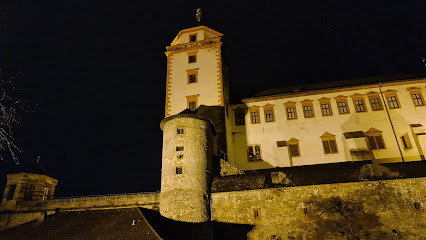
St Mary's Tower
0.1 km
Explore the historical charm of St Mary's Tower in Würzburg, a stunning architectural gem offering breathtaking views and rich heritage.
Fürstengarten
0.1 km
Escape to the tranquil Fürstengarten within Marienberg Fortress for panoramic Würzburg views, Baroque beauty, and a glimpse into the lives of Prince-Bishops, offering a serene historical retreat.
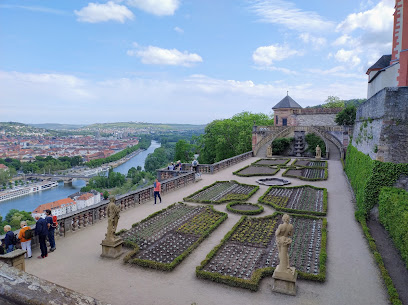
Husarenkeller
0.1 km
Explore the enchanting Husarenkeller in Würzburg, a historical landmark that brings the region's rich heritage to life with its stunning architecture.
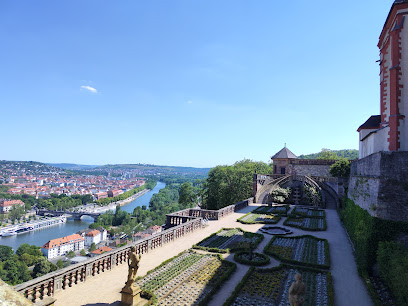
Marienberg viewpoint over Würzburg
0.2 km
Experience breathtaking panoramic views of Würzburg from the historic Marienberg Fortress, a symbol of Franconian heritage and architectural grandeur, offering a journey through time.
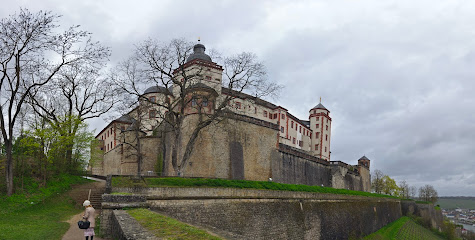
Reichsravelin
0.3 km
Immerse yourself in the rich history of Würzburg at Reichsravelin, a stunning historical landmark showcasing military architecture and beautiful views.
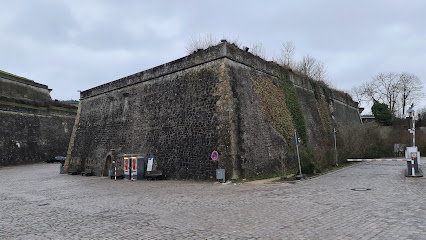
Burkard Gate
0.3 km
Discover the Burkard Gate, a stunning Baroque architectural marvel in Würzburg, a must-visit landmark steeped in history and beauty.
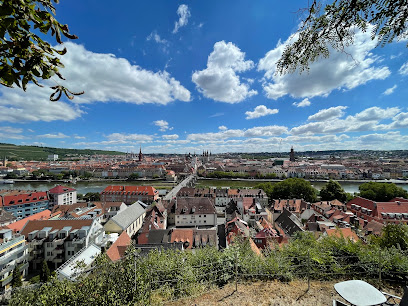
Aussichtspunkt Festung Marienberg
0.4 km
Discover centuries of history and breathtaking views at Festung Marienberg, Würzburg's iconic fortress overlooking the Main River and offering a glimpse into Franconian art and culture.
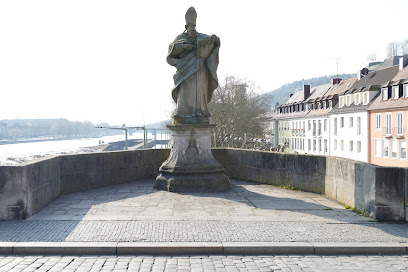
Statue of Saint Bruno
0.5 km
Admire the Statue of Saint Bruno on Würzburg's Old Main Bridge, a historic landmark offering stunning views and a taste of Franconian culture, connecting past and present.
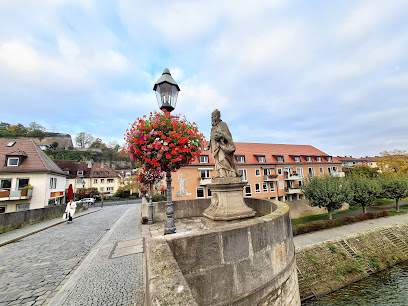
Statue of Emperor Carl the Great
0.5 km
Admire the Statue of Emperor Carl the Great on Würzburg's Alte Mainbrücke, a historical landmark offering stunning views and a taste of Franconian heritage.
Brückenstatue Jungfrau Maria
0.6 km
Discover the Brückenstatue Jungfrau Maria in Würzburg, a historical landmark offering breathtaking views and rich cultural significance along the beautiful Alte Mainbrücke.
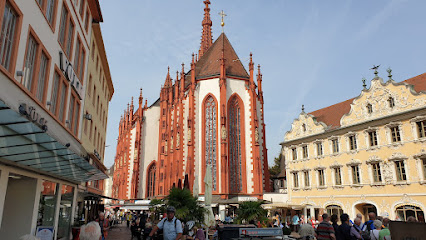
Unmissable attractions to see

Fürstenbaumuseum
0.1 km
Experience Würzburg's heritage at Fürstenbaumuseum, where local history comes alive through captivating exhibits and stunning views.
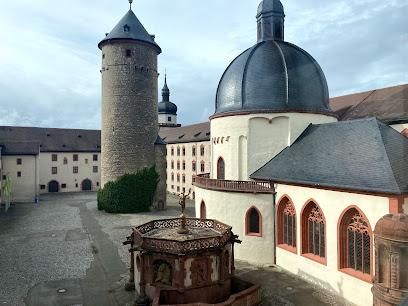
Lower Franconian Museum
0.2 km
Explore the Lower Franconian Museum in Würzburg, where history, art, and culture come to life in a captivating setting.
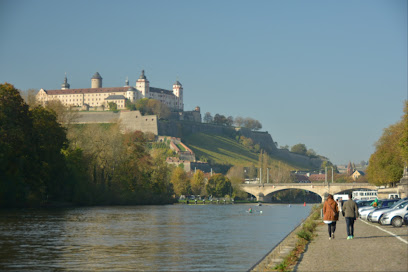
Kiliansstatue
0.2 km
Explore the historical allure of Kiliansstatue in Würzburg, a captivating monument celebrating the city's patron saint and artistic heritage.
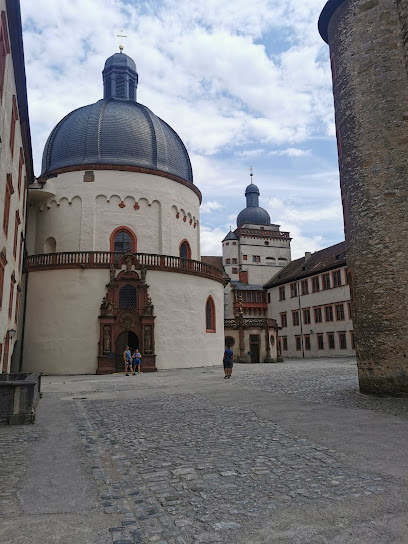
Maschikuli Tower
0.2 km
Explore the Maschikuli Tower, a historical landmark in Würzburg that showcases stunning architecture and breathtaking views over the city and countryside.
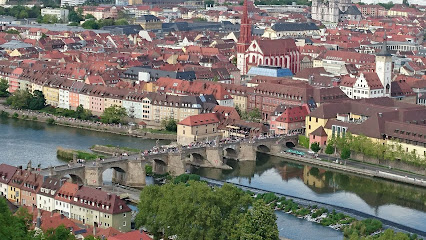
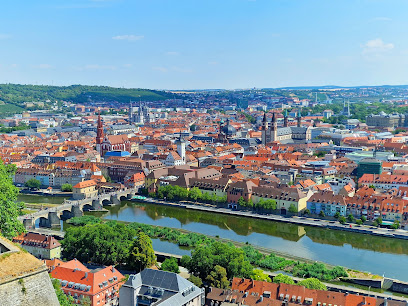
Marienberg
0.3 km
Discover the stunning Marienberg Fortress in Würzburg, a blend of history, architecture, and breathtaking views overlooking the city and the Main River.
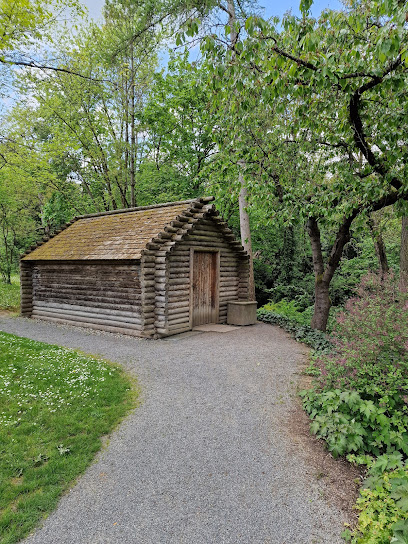
Blockhaus und Totempfahl
0.3 km
Explore Blockhaus und Totempfahl, a unique blend of history and nature in the heart of Würzburg, offering a peaceful retreat for all visitors.
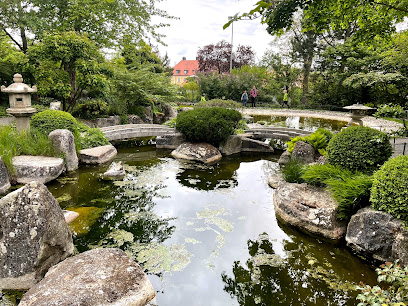
Japanese Garden
0.3 km
Experience tranquility and cultural harmony at the stunning Japanese Garden in Würzburg, a perfect escape for nature lovers and peace seekers.
Barockfiguren
0.4 km
Explore Barockfiguren in Würzburg, a captivating tourist attraction showcasing exquisite baroque sculptures and rich cultural heritage.
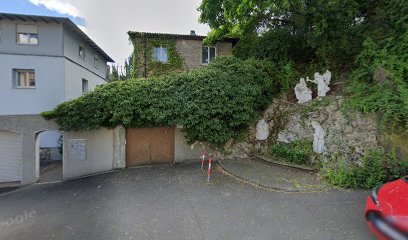
Blindenmodell Alte Mainbrücke Würzburg
0.5 km
Explore Würzburg's Blindenmodell Alte Mainbrücke, a captivating representation of the historic Old Main Bridge surrounded by charming streets and picturesque views.

Dreikronenbrunnen
0.5 km
Explore Dreikronenbrunnen, the enchanting Three Crowns Fountain in Würzburg, a serene spot showcasing the city's rich history and artistic charm.
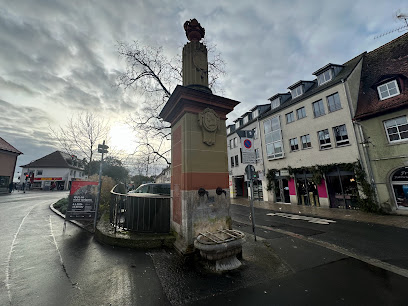
Old Main Bridge
0.6 km
Explore the historical majesty of the Old Main Bridge in Wuerzburg, where stunning views meet rich heritage in a picturesque setting.
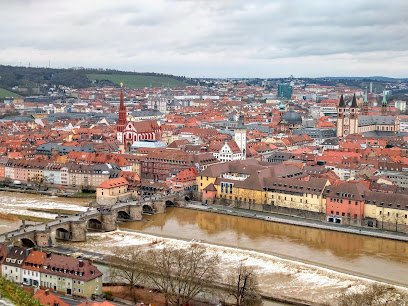
Käppele Sanctuary
0.6 km
Explore the divine beauty of Käppele Sanctuary in Würzburg, a captivating blend of spiritual serenity, historical intrigue, and stunning hiking trails.
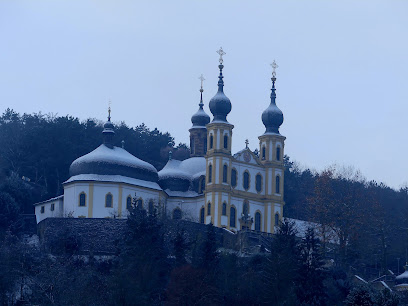
Waterfront Am Main Würzburg
0.7 km
Discover the beauty and culture of Würzburg at the enchanting Waterfront Am Main, a serene riverside escape for all travelers.
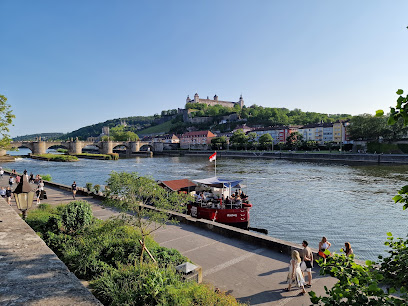
Four Tubes Fountain
0.7 km
Explore the Four Tubes Fountain, a historical landmark in Würzburg, where art meets history in a picturesque setting.
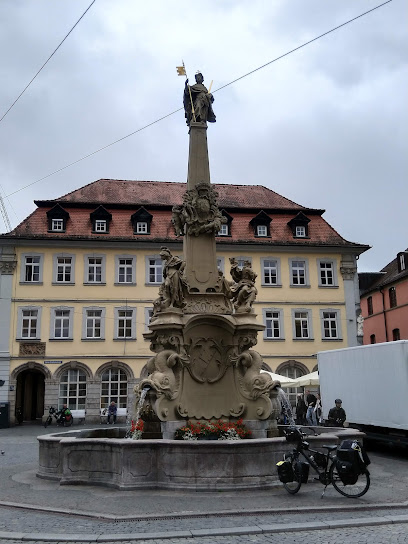
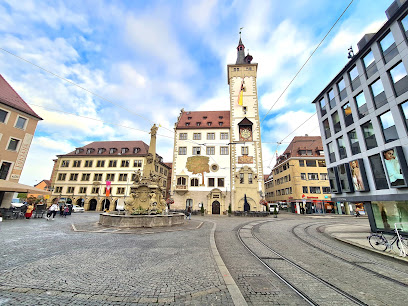
Grafeneckart
0.7 km
Discover the historical charm of Grafeneckart in Würzburg, a stunning landmark that reflects the city's rich cultural heritage.
Essential places to dine

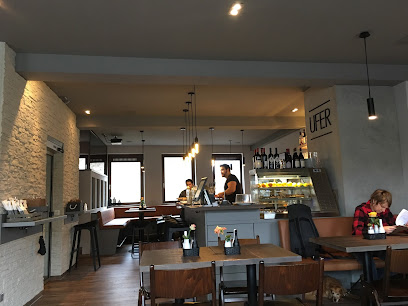
UFER Essen & Trinken
0.5 km
Experience authentic Würzburg flavors at UFER Essen & Trinken—a delightful restaurant and bar perfect for every occasion.
Gasthaus Alte Mainmühle
0.6 km
Experience exquisite German cuisine with stunning views at Gasthaus Alte Mainmühle in beautiful Würzburg.
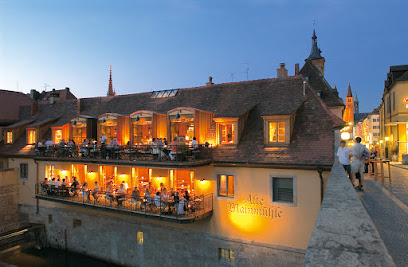
Chase Steakhouse
0.7 km
Experience the finest American dining at Chase Steakhouse in Würzburg – where perfectly grilled steaks meet gourmet flavors.
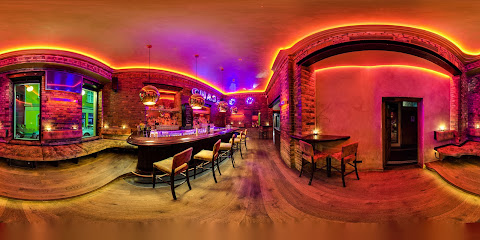
Nikolaushof
0.7 km
Experience authentic Franconian cuisine at Nikolaushof in Würzburg - where tradition meets taste in a cozy atmosphere.
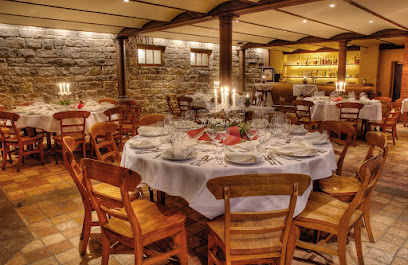
Backöfele
0.7 km
Experience authentic Franconian cuisine at Backöfele in Würzburg, where tradition meets flavor in every dish.
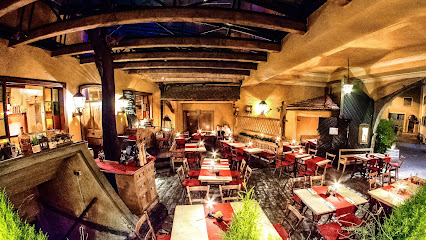
Würzburger Ratskeller
0.7 km
Experience authentic Franconian cuisine at Würzburger Ratskeller in Würzburg's charming Altstadt.
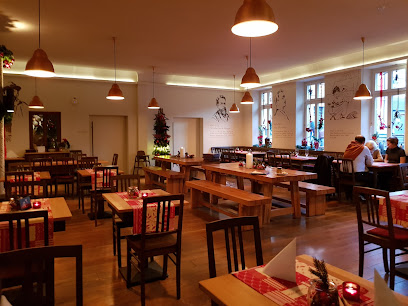
La Rustica | Ristorante & Pizzeria
0.7 km
Experience authentic Italian flavors at La Rustica in Würzburg - where every meal feels like a culinary journey through Italy.
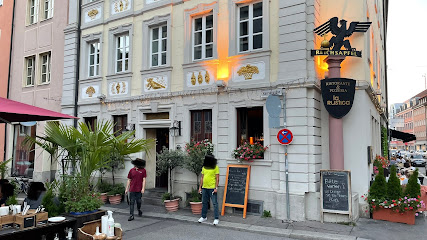
KUNO 1408
0.8 km
Experience fine dining at KUNO 1408 in Würzburg - where traditional Franconian cuisine meets modern culinary artistry.
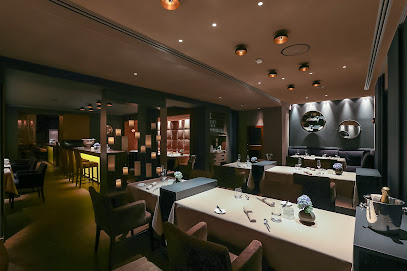
Sternbäck
0.8 km
Experience authentic German cuisine and lively atmosphere at Sternbäck in Würzburg's historic Altstadt.
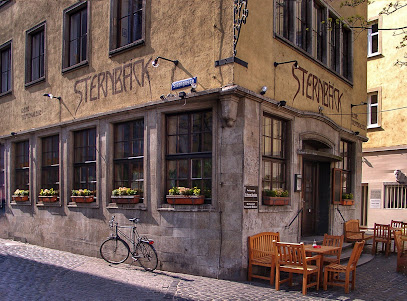
Capri Blue Grotto
0.8 km
Experience culinary bliss at Capri Blue Grotto – where Mediterranean flavors meet warm hospitality in the heart of Würzburg.
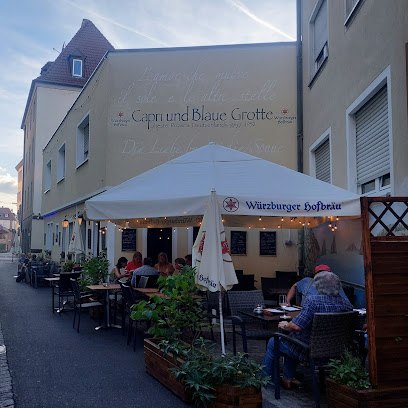
Restaurant & Weinhaus Stachel
0.8 km
Experience authentic German cuisine and exquisite Franconian wines at Restaurant & Weinhaus Stachel in the heart of Würzburg.
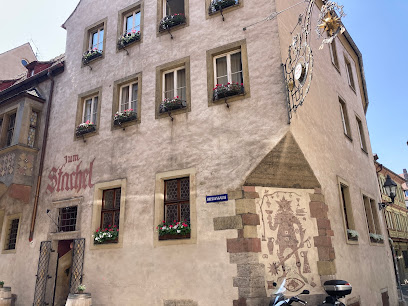
Almoço e jantar Brewery Inn Alter Kranen
0.8 km
Experience authentic German cuisine at Brewery Inn Alter Kranen in Würzburg, where delicious flavors meet breathtaking river views.
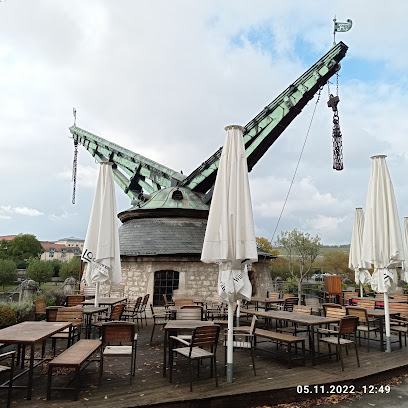
Franziskaner - Würzburg
0.8 km
Discover authentic German cuisine at Franziskaner in Würzburg - where tradition meets flavor in a warm ambiance.
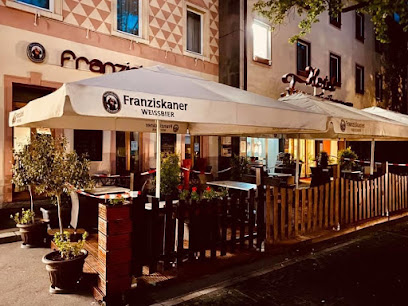
Aifach Reisers
0.8 km
Discover Aifach Reisers in Würzburg for a delightful blend of traditional German cuisine and modern culinary artistry.
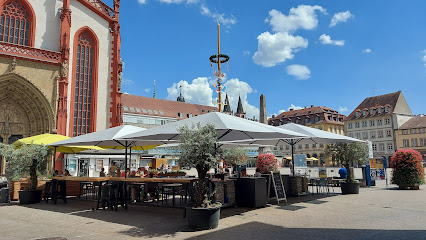
Locanda Würzburg - Pizza & Pasta
0.8 km
Discover authentic Italian cuisine at Locanda Würzburg – where every dish tells a story.
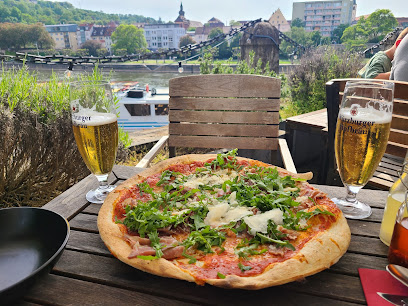
Markets, malls and hidden boutiques

Oxfam Shop Würzburg
0.6 km
Explore Oxfam Shop Würzburg: A sustainable shopping haven for used clothing, unique accessories, and treasures that support global charity efforts.
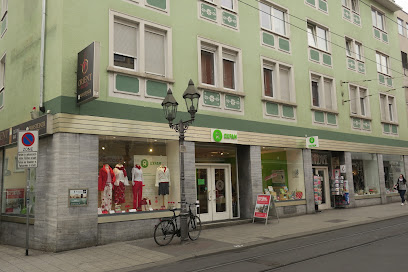
WÖHRL
0.6 km
Discover WÖHRL in Würzburg: Your ultimate destination for fashion, offering a wide range of stylish clothing for the whole family.
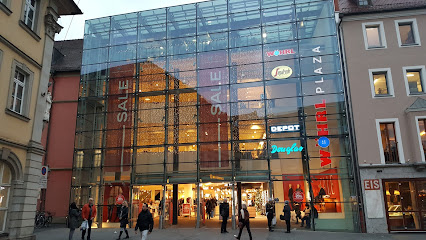
The Murmel
0.7 km
Explore The Murmel in Würzburg, a magical toy store filled with unique gifts and enchanting toys for all ages.
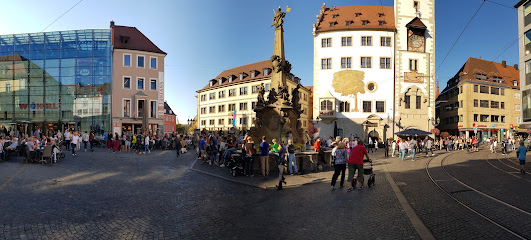
Soirée
0.7 km
Discover unique fashion at Soirée in Würzburg's Altstadt, where style meets local charm for an unforgettable shopping experience.
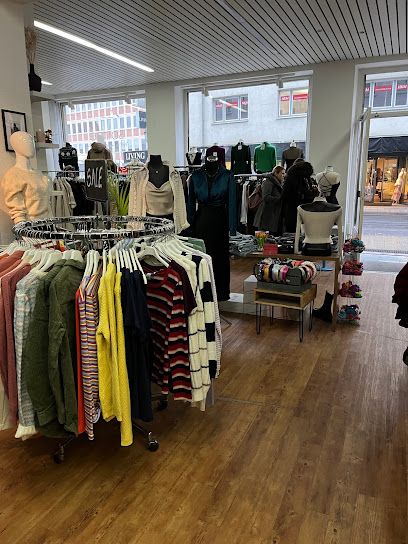
JAC (Just Act Collective)
0.7 km
Discover unique fashion at JAC (Just Act Collective) in Würzburg - where style meets sustainability in a vibrant shopping environment.
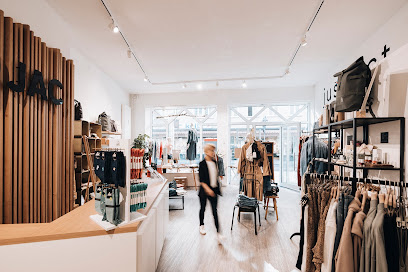
FORMSCHÖN
0.7 km
Discover unique gifts and local artistry at FORMSCHÖN, Würzburg's charming gift shop in the heart of the Altstadt.
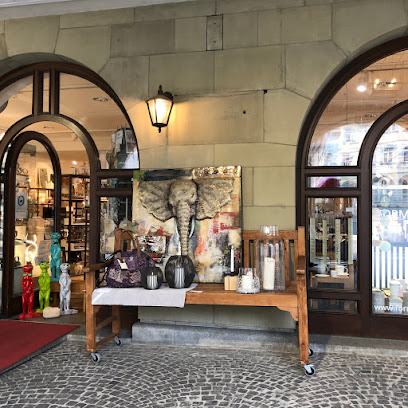
Eton Place - Schönes aus England
0.7 km
Explore Eton Place in Würzburg for unique English gifts and souvenirs that capture the charm and artistry of England.
PUR Mode
0.7 km
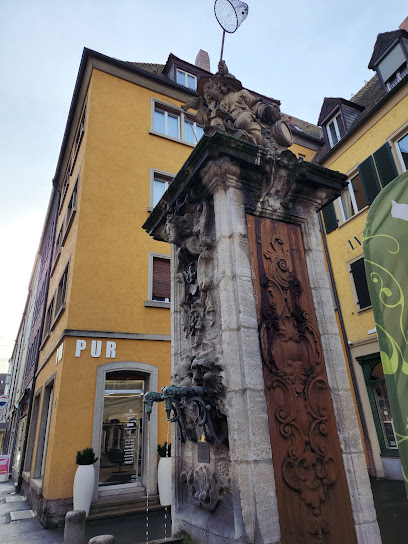
Discover chic women's fashion at PUR Mode in Würzburg, where style meets elegance in a charming boutique setting.
comma
0.7 km
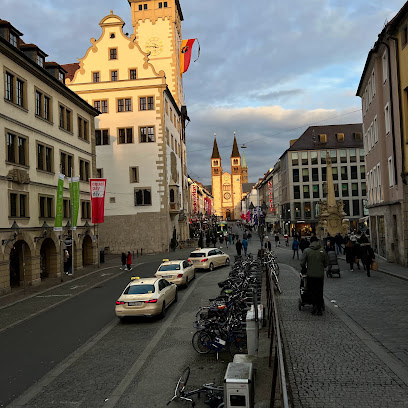
Explore stylish collections at Comma in Würzburg, where fashion meets elegance and affordability.
Severin Men's Fashion
0.7 km
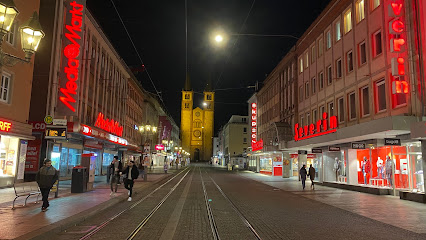
Discover stylish menswear at Severin Men's Fashion in Würzburg, where quality meets contemporary trends in the heart of the city.
's Fachl Würzburg
0.8 km
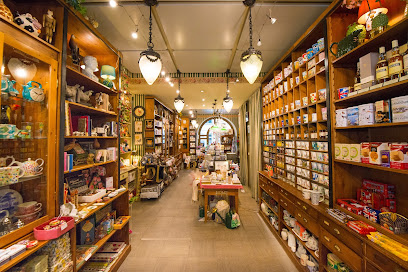
Explore 's Fachl Würzburg for unique local gifts and handcrafted treasures that embody the spirit of this charming German city.
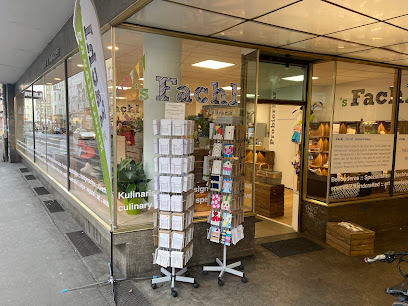
Eckhaus Wohnaccessoires
0.8 km
Discover unique gifts and home accessories at Eckhaus Wohnaccessoires in Würzburg, where local craftsmanship meets charming design.
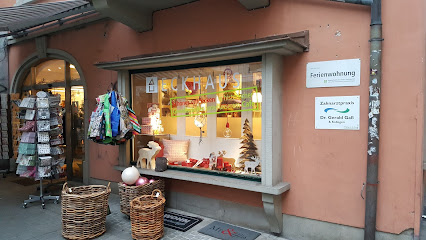
Dompassage
0.8 km
Explore the vibrant shopping scene at Dompassage in Würzburg, where retail therapy meets delightful dining and local culture.
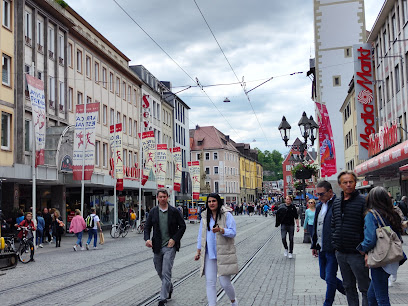
Habakuk Mode
0.8 km
Discover the chic and stylish clothing selections at Habakuk Mode in the heart of Würzburg's vibrant Altstadt, perfect for all fashion enthusiasts.
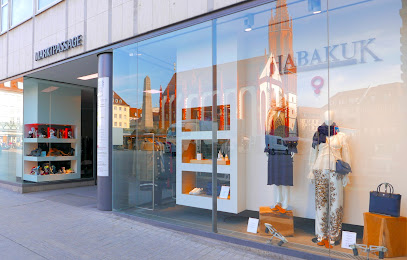
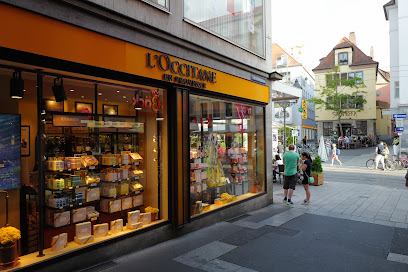
L'OCCITANE EN PROVENCE
0.8 km
Explore the exquisite world of beauty and skincare at L'OCCITANE EN PROVENCE, where nature meets luxury in the heart of Würzburg.
Essential bars & hidden hideouts

Moritz Bar
0.4 km
Experience the lively atmosphere of Moritz Bar in Würzburg, where great drinks and social connections await you.

Biertümpel
0.5 km
Experience the heart of Würzburg's nightlife at Biertümpel, where local beers and friendly vibes create an unforgettable atmosphere.
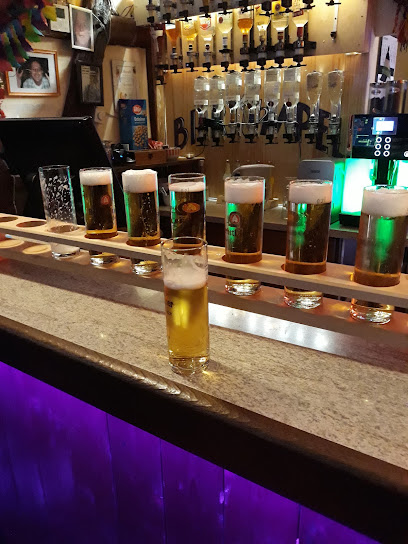
Zum Udo - Würzburg
0.6 km
Discover the vibrant bar scene at Zum Udo in Würzburg, where locals and tourists come together to enjoy exceptional drinks and a lively atmosphere.
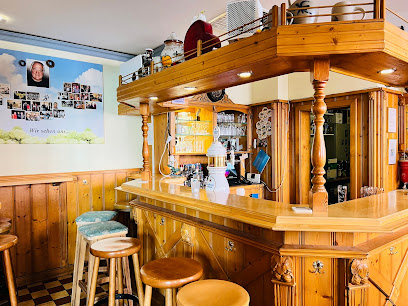
hoch3 - Skylounge
0.6 km
Discover hoch3 - Skylounge, the premier rooftop bar in Würzburg offering stunning views, a vibrant atmosphere, and a delightful selection of drinks.
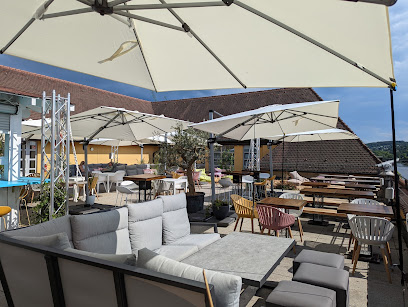
Chase Bar
0.7 km
Discover the vibrant nightlife at Chase Bar in Würzburg, where cocktails flow and the dance floor beckons!
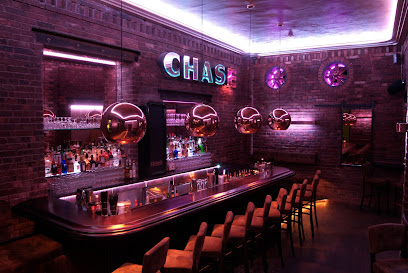
Nachtwächter
0.7 km
Experience the vibrant atmosphere of Nachtwächter, a charming pub in Würzburg offering local beers and traditional German cuisine.
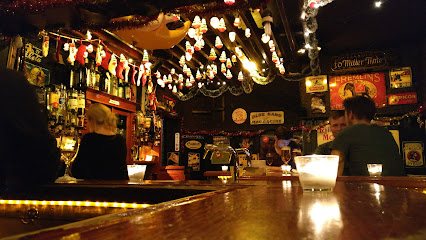
Weinstube und Bierkeller Till Eulenspiegel
0.7 km
Discover the heart of Würzburg's culinary scene at Weinstube und Bierkeller Till Eulenspiegel, where local wines and traditional dishes come together in a cozy setting.
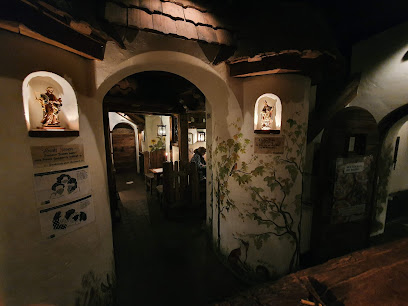
Hoffnung - Würzburg
0.7 km
Discover Hoffnung, a lively bar in Würzburg's Altstadt, perfect for enjoying local drinks and vibrant nightlife amidst charming surroundings.
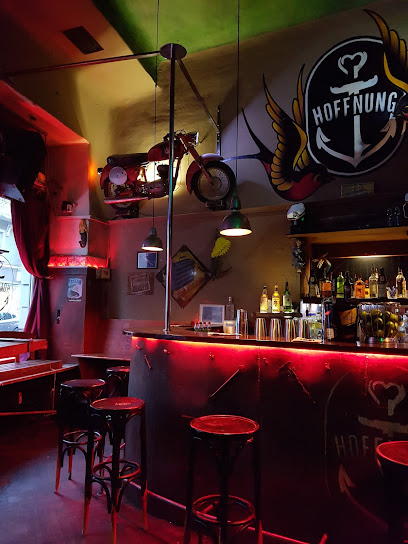
Loma
0.7 km
Discover Loma, Würzburg's vibrant bar that offers exquisite drinks and an electrifying atmosphere for nightlife lovers.
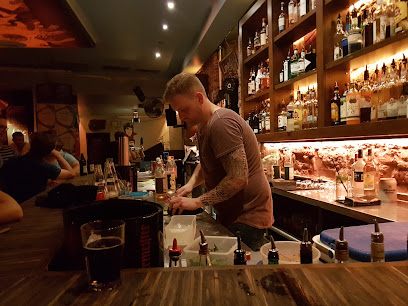
Reuererbäck
0.8 km
Discover the lively bar scene at Reuererbäck in Würzburg, where locals and tourists unite for great drinks and vibrant nightlife.
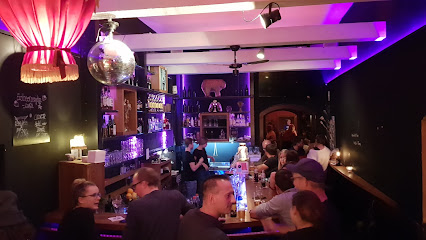
Irish Pixie
0.8 km
Experience the heart of Würzburg nightlife at Irish Pixie Bar, where delightful drinks and a warm atmosphere await.
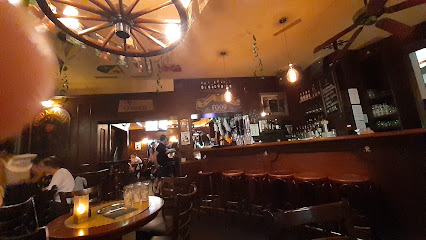
Heinrich
0.8 km
Discover Heinrich in Würzburg – an inviting bar with a vibrant atmosphere and a rich selection of drinks perfect for unwinding and socializing.
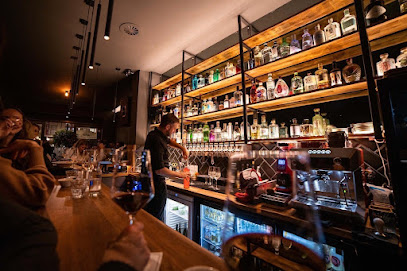
Lemondrive Bar
0.8 km
Discover the vibrant nightlife of Würzburg at Lemondrive Bar, where expertly crafted cocktails meet a lively atmosphere for an unforgettable night out.
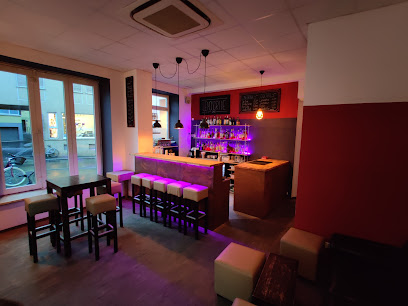
Wohnzimmer Bar Würzburg
0.9 km
Discover the vibrant ambiance and delightful drinks at Wohnzimmer Bar in Würzburg, where nightlife meets cozy comfort.
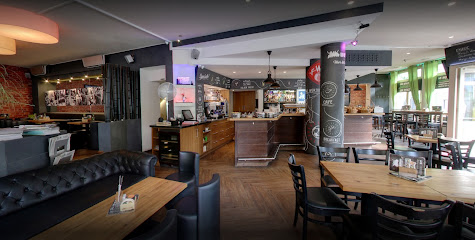
Mekong - Würzburg
0.9 km
Discover the vibrant nightlife at Mekong in Würzburg, where great drinks and a lively atmosphere await you.