

Free Dagbon Travel Guide & Mobile App
Explore Dagbon with free travel guides. Discover regional history, expert tips, proposed trips, and audio guides on web or mobile app.


Explore Dagbon in northern Ghana for royal history, savannah landscapes, traditional food, craft, music and the cultural life of Yendi and Tamale.
Read more about Dagbon
When is the best time to visit Dagbon?
Best: November–January · 32°C| Month | High (°C) | Rainfall (mm) |
|---|---|---|
| January (best) | 32 | 2 |
| February | 34 | 5 |
| March | 35 | 15 |
| April | 34 | 25 |
| May | 32 | 50 |
| June | 31 | 90 |
| July | 30 | 130 |
| August | 30 | 150 |
| September | 31 | 100 |
| October | 32 | 50 |
| November (best) | 32 | 15 |
| December (best) | 32 | 5 |
Getting to and around Dagbon
How to get there
Transportation
Top city travel guides in Dagbon
The cities of Dagbon, and the easiest places to base yourself.

Swipe for more cities
Destinations in Dagbon
Resorts, valleys and scenic spots worth a trip of their own.
-

-


Swipe for more destinations
Best attractions in Dagbon
Dagbon's attractions are primarily cultural, historical and community-based rather than concentrated in a conventional park or monument circuit. Yendi is the essential starting point for the kingdom's royal history, with the Gbewaa Palace and associated chieftaincy traditions best approached through local introductions and careful attention to access rules. Tamale, the largest urban centre in the wider Dagbon area, adds museums, cultural organisations, craft activity, markets and a broader choice of accommodation. Around Savelugu, Tolon, Kumbungu and other market towns, visitors can encounter traditional compounds, farming landscapes, weaving, leatherwork, drumming and seasonal community events. The open savannah itself is part of the experience, particularly in the dry season when shea trees, dusty tracks and expansive horizons define the countryside. Guided village visits can provide insight into food preparation, architecture and agriculture, but they should be arranged with community consent rather than treated as informal sightseeing. Nature experiences are modest in scale compared with Ghana's major national parks: the appeal lies in birdlife, seasonal vegetation and the relationship between settlements, farms and the savannah environment.
-
Memorial park
Naa Gbewa palace
Explore the cultural and historical significance of Naa Gbewa Palace, the heart of Dagbon's rich heritage in Yendi, Ghana.
-
 Historical landmark
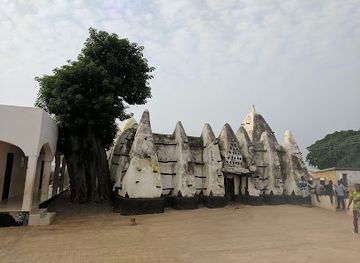
Old Dondoli Mosque
Discover the Old Dondoli Mosque in Wa, a historical landmark reflecting Ghana's rich Islamic heritage and architectural beauty.
-
Monument maker
Naa Gbewaa Shrine
Explore the Naa Gbewaa Shrine in Pusiga, a sacred monument reflecting the rich cultural heritage and traditions of the Mamprusi kingdom.
-
Tourist attraction
Saakpuli Slave Site
Explore the powerful history of the Saakpuli Slave Site, a poignant reminder of Ghana's past and the resilience of its people.
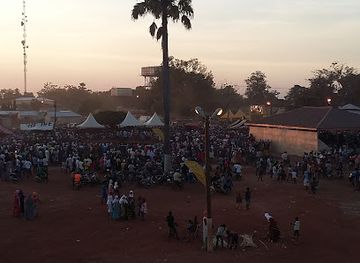
Best landmarks in Dagbon
The Gbewaa Palace in Yendi is Dagbon's most important royal landmark, associated with the Ya-Na and the political history of the kingdom. It is also a place of living authority rather than simply a historic building, so visitors should arrange access locally and observe restrictions on photography and movement. Yendi's wider townscape, including market spaces and traditional compounds, helps explain the relationship between royal institutions and everyday urban life. In Tamale, the central mosque and other civic and religious buildings reflect the city's position as a northern commercial and administrative centre, although religious sites should be visited with appropriate dress and permission. Across the Dagbon countryside, the most characteristic landmarks may be less monumental: earth-coloured compounds, village chief's residences, shea-dotted fields, market squares and seasonal watercourses. Together, these places express a landscape shaped by farming, chieftaincy, Islamic influence, trade and changing urban growth rather than by a dense collection of stone ruins.
-
Historical landmark
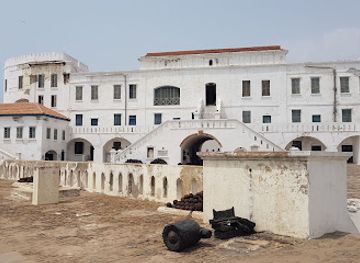
Cape Coast Castle
Discover Cape Coast Castle, Ghana's historical landmark that unveils the profound stories of the transatlantic slave trade and offers breathtaking coastal views.
-
Museum
Kwame Nkrumah Memorial Park & Mausoleum
Visit the Kwame Nkrumah Memorial Park & Mausoleum in Accra to discover the legacy of Ghana's first president and enjoy serene gardens and historical insights.
-
Castle
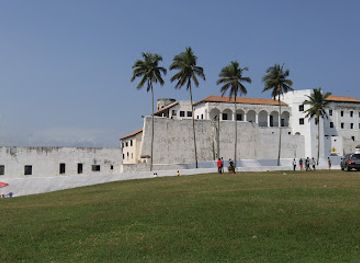
Elmina Castle
Explore Elmina Castle, a UNESCO World Heritage Site in Ghana, rich in history and a poignant reminder of the transatlantic slave trade.
-
National park
Mole National Park
Explore the breathtaking landscapes and diverse wildlife of Mole National Park, Ghana's premier destination for nature lovers and adventure seekers.
Explore Dagbon on the map
Plan your trip on one map. See where the top cities, national parks and sights are, and book hotels and experiences in a few clicks.
Best hotels in Dagbon
Best restaurants in Dagbon
Dagbon's food culture is grounded in northern Ghana's grains, leafy soups, legumes and livestock products. Tuo zaafi, a soft maize or millet meal served with soup, is a regional staple and is commonly paired with ayoyo or other leafy sauces, spice and meat or fish. Groundnuts, dawadawa, beans, rice, millet porridge and shea-based ingredients also appear in everyday cooking, while grilled meat and fried snacks are common in town. Tamale has the broadest selection of Ghanaian restaurants, cafés and informal food stalls, with Yendi and smaller towns offering simpler eateries linked closely to local markets. Food is often most readily available during daylight and early evening, particularly outside the largest urban areas. Visitors should ask about chilli, stock ingredients and preparation methods if they have dietary restrictions. Bottled or treated water is the sensible choice, and a patient, respectful approach is appreciated when eating in family or community settings.
-
Restaurant
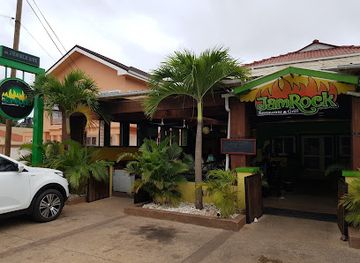
Jamrock Restaurant & Grill
Experience authentic Caribbean cuisine at Jamrock Restaurant & Grill in Accra - where every dish tells a story!
-
African
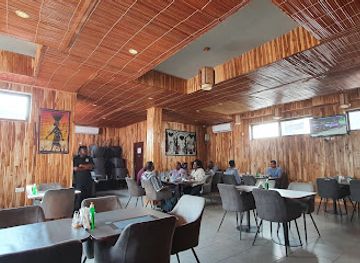
Chez Clarisse Mama Africa
Savor authentic West African cuisine at Chez Clarisse Mama Africa—where every dish is a celebration of flavor and culture.
-
Restaurant
Sankofa Restaurant
Discover the essence of Ghanaian cuisine at Sankofa Restaurant - where tradition meets modernity in every dish.
-
Restaurant
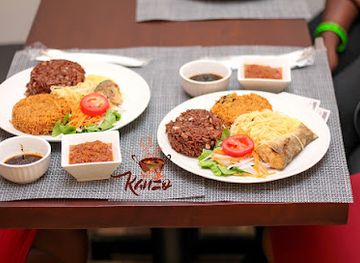
KANZO Restaurant
Discover culinary excellence at KANZO Restaurant in Accra – where local flavors meet international cuisine in a vibrant setting.

Best bars in Dagbon
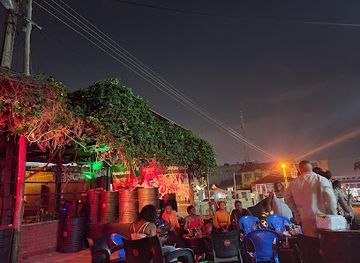
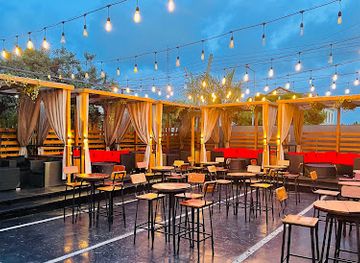
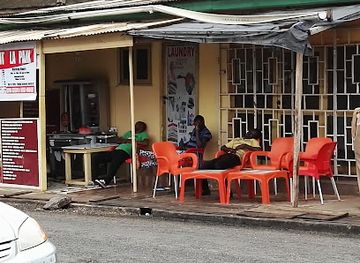
Evening life in Dagbon is more strongly associated with food, conversation, music and community gatherings than with a large club circuit. Tamale has the widest choice of pubs, bars, lounges, restaurants with evening entertainment and occasional live music, while Yendi offers a smaller and more locally oriented selection. In market towns and rural communities, evenings may centre on open-air food sellers, modest drinking spots, local music and social visits rather than formal nightlife venues. Traditional drumming and dance may accompany festivals or ceremonies, but these are cultural occasions rather than nightly performances, and access should never be assumed. Alcohol is available in many urban establishments, while non-alcoholic drinks and local refreshments are widely enjoyed. Check transport arrangements before staying out late, especially beyond Tamale, as taxis and shared vehicles become less predictable at night.
-
Grill
The Republic Bar & Grill
Discover the vibrant flavors of Accra at The Republic Bar & Grill, where delicious grilled dishes meet a lively atmosphere.
-
Bar
Bloom Bar
Experience Accra's nightlife at Bloom Bar, a vibrant hub for music, cocktails, and cultural exchange.
-
Grill
Duncan's pub
Experience the vibrant flavors of Ghana at Duncan's Pub, where delicious grilled dishes meet a lively atmosphere in the heart of Accra.
-
Bar
Dans' Bar
Experience the lively nightlife of Accra at Dans' Bar, where refreshing drinks and a vibrant atmosphere await.
Best nightclubs in Dagbon
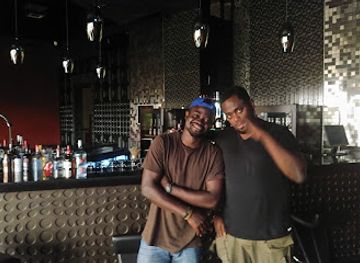
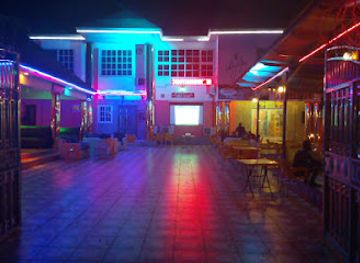
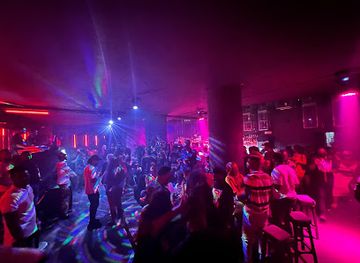
Evening life in Dagbon is more strongly associated with food, conversation, music and community gatherings than with a large club circuit. Tamale has the widest choice of pubs, bars, lounges, restaurants with evening entertainment and occasional live music, while Yendi offers a smaller and more locally oriented selection. In market towns and rural communities, evenings may centre on open-air food sellers, modest drinking spots, local music and social visits rather than formal nightlife venues. Traditional drumming and dance may accompany festivals or ceremonies, but these are cultural occasions rather than nightly performances, and access should never be assumed. Alcohol is available in many urban establishments, while non-alcoholic drinks and local refreshments are widely enjoyed. Check transport arrangements before staying out late, especially beyond Tamale, as taxis and shared vehicles become less predictable at night.
-
Night club
Twist Night Club
Discover the vibrant nightlife of Accra at Twist Night Club – a hub of music, dancing, and unforgettable experiences.
-
Disco club
Octapuz lounge and night club
Discover Accra's nightlife at Octapuz Lounge and Night Club, the ultimate disco experience with vibrant music and a lively atmosphere.
-
Night club
Kavalli @ Night
Experience the electrifying nightlife at Kavalli @ Night in Accra, where music, dance, and vibrant energy come together for an unforgettable evening.
-
Night club
KRUNA The Club
Discover the ultimate nightlife experience at KRUNA The Club in Accra, where vibrant music and an electric atmosphere await you.

Best shops in Dagbon
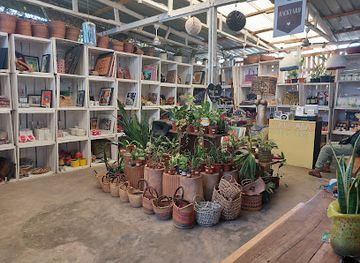
Shopping in Dagbon is centred on markets, independent stalls and locally made goods rather than large-scale luxury retail. Tamale provides the broadest choice, including northern Ghanaian smocks, woven cloth, leather items, baskets, jewellery, carved objects and packaged shea products. Yendi and smaller market towns offer a more direct connection with everyday regional commerce, where grains, groundnuts, seasonal produce, household goods and clothing are traded alongside craft products. Look for well-finished textiles and goods sold through identifiable makers or established shops, particularly when buying items described as handmade. Shea butter and related skincare products are practical souvenirs when properly labelled and sealed for travel. Market bargaining is common for some non-food items, but prices are often fixed in formal shops and courtesy matters everywhere. Shopping is generally easiest during daylight, and carrying small cedi notes is useful for modest purchases.
-
Gift shop
The Shop Accra
Explore The Shop Accra: Your destination for unique gifts and authentic Ghanaian souvenirs in the heart of the city.
-
Grocery store
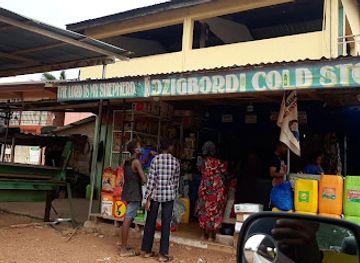
Dzigbordi Cold store Point one
Explore local flavors at Dzigbordi Cold Store in Amrahia, where fresh produce and unique snacks await every traveler.
-
Shopping mall
Dunamis Ventures
Explore Dunamis Ventures in Nkwanta, Ghana - a vibrant shopping mall with diverse retail, dining, and entertainment options for all travelers.
-
Clothing store
BHIM shop
Explore a vibrant selection of clothing blending traditional and modern styles at BHIM Shop in Tema, Ghana.
Get your free copy of our complete guide to Dagbon, delivered straight to you.
Everything on this page, from attractions and restaurants to essentials and local phrases, in one PDF you can read offline, print or share.
Already have an account? Sign in
Your Dagbon guide is ready.
We'll send it to · Not you? Sign out

Getting your guide ready…
We are putting together a fresh copy of the Dagbon guide. This can take up to a minute.
This can take a few moments. If your browser asks, choose Allow so the download can start. You'll find the guide in your Downloads folder.
Nothing happened? Download it again
Sorry, the guide is taking longer than usual. Please try again in a minute, or get it by email instead.
Dagbon essentials
Currency and Payment
Safety
Emergency Situations
Do's and Don'ts
Local Tips
From Eve
Local phrases worth knowing
You don't need to get them perfect. A few words go a long way, and locals appreciate the effort.
Basics
| English | Local | Say it |
|---|---|---|
| Hello | Naa | [Nah] |
| Goodbye | Naa nyɛ | [Nah nyay] |
| Yes | Aane | [Ah-neh] |
| No | Daa | [Dah] |
| Please/You're welcome | Mɛ bɔkɔ | [Meh bo-koh] |
| Thank you | Meda wo akpe | [Meh-dah woh ah-kpeh] |
| Excuse me/Sorry | Nana bɔkɔ | [Nah-nah bo-koh] |
| How are you? | O bɛ yɛ? | [Oh beh yay?] |
| Fine. And you? | Yɛ bɛ yɛ. Na wo? | [Yeh beh yay. Nah woh?] |
| Do you speak English? | Wopɛ English? | [Woh-peh English?] |
| I don't understand | Mɛ nni asɛm | [Meh nee ah-sehm] |
Eating & Drinking
| English | Local | Say it |
|---|---|---|
| I'd like to see the menu, please | Mɛ pɛ sɛ mɛ hwehwɛ menu no | [Meh peh seh meh hweh-weh meh-no noh] |
| I don't eat meat | Mɛ nni nkyɛn | [Meh nee n-kyen] |
| Cheers! | Nya abɔ | [Nyah ah-baw] |
| I would like to pay, please | Mɛ pɛ sɛ mɛ sika, bɔkɔ | [Meh peh seh meh see-kah, bo-koh] |
Emergencies
| English | Local | Say it |
|---|---|---|
| Help! | Bɔ me mpae! | [Baw meh mpah-eh!] |
| Go away! | Kɔ nkyɛn! | [Koh n-kyen!] |
| Call the Police! | Frɛ ɔmanpanyin! | [Freh oh-mahn-pah-nyin!] |
| Call a doctor! | Frɛ dɔkita! | [Freh doh-kee-tah!] |
| I'm lost | Mɛ hia ɔkwan | [Meh hee-ah oh-kwa-n] |
| I'm ill | Mɛ yare | [Meh yah-reh] |
Shopping
| English | Local | Say it |
|---|---|---|
| I'd like to buy... | Mɛ pɛ sɛ mɛ tɔ... | [Meh peh seh meh taw...] |
| I'm just looking | Mɛ yɛ nkyɛn | [Meh yeh n-kyen] |
| How much is it? | Ɛyɛ sika bɛn? | [Eh-yeh see-kah behn?] |
| That's too expensive | Ɛyɛ sika kɛse | [Eh-yeh see-kah keh-seh] |
| Can you lower the price? | Wobɛ tɔ sika no ase? | [Woh-beh taw see-kah noh ah-seh?] |
Time & Numbers
| English | Local | Say it |
|---|---|---|
| What time is it? | Dɛn na ɛyɛ? | [Den nah eh-yeh?] |
| It's one o'clock | Ɛyɛ ɔkɔtɔkɔ | [Eh-yeh oh-koh-tah-koh] |
| Half past (10) | Akan no (10) | [Ah-kahn noh (10)] |
| Morning | Anɔpa | [Ah-noh-pah] |
| Afternoon | Awia | [Ah-wee-ah] |
| Evening | Anɔpa | [Ah-noh-pah] |
| Yesterday | Nnɛ | [N-nay] |
| Today | Ɛnnɛ | [Eh-nay] |
| Tomorrow | Ɛkyɛ | [Eh-cheh] |
| 1 | Baako | [Bah-koh] |
| 2 | Mmienu | [M-meh-nu] |
| 3 | Mmienu | [M-meh-nu] |
| 4 | Mmienan | [M-meh-nan] |
| 5 | Mmiennum | [M-meh-num] |
| 6 | Nsia | [N-see-ah] |
| 7 | Nsia | [N-see-ah] |
| 8 | Nkrɔn | [N-kron] |
| 9 | Nkyɛn | [N-kyen] |
| 10 | Du | [Doo] |
Transport & Directions
| English | Local | Say it |
|---|---|---|
| Where's a/the...? | Ɛhe na ...? | [Eh-heh nah ...?] |
| What's the address? | Dɛn na ɔdan no yɛ? | [Den nah oh-dan noh yeh?] |
| Can you show me (on the map)? | Wobɛ da me adi (wɔ mpa no)? | [Woh-beh dah meh ah-dee (woh m-pah noh)?] |
| When's the next (bus)? | Berɛ bɛn na ɛyɛ (bɔs)? | [Beh-reh behn nah eh-yeh (baws)?] |
| A ticket (to ....) | Kɔtɔ (kɔ ....) | [Koh-taw (koh ....)] |
History of Dagbon
The Foundation of Dagbon
Dagbon's royal tradition traces its foundation to Naa Gbewaa, a figure associated with the formation of several related kingdoms in the savannah belt of present-day northern Ghana and neighbouring regions. Historical traditions combine oral genealogies, political memory and later written interpretation, so accounts of the earliest period differ in detail. What is clear is that Dagbon developed as a centralised chieftaincy with a sacred kingship, court offices and a network of subordinate chiefs. The institution of the Ya-Na became the defining political and cultural structure of the kingdom.
Yendi and the Consolidation of Royal Power
Yendi emerged as the principal royal centre of Dagbon and remains the seat of the Ya-Na. Over successive generations, Dagbon's rulers consolidated authority over farming settlements and important routes crossing the northern savannah. Power was expressed through tribute, appointments, ritual obligations and relationships between the royal court and local chiefs. The kingdom was not an isolated polity: its history was shaped by interactions with Mamprugu, Gonja, Nanumba and other neighbouring societies, as well as by trade and migration across the wider region.
Trade, Islam and Savannah Networks
Long before modern roads, northern Ghana was connected by regional trade routes carrying livestock, grain, kola, leather, salt and manufactured goods. Muslim merchants and scholars contributed to the growth of Islamic learning and commercial networks, particularly in larger settlements and royal centres. Dagbon's religious landscape consequently developed through interaction between Islam, older forms of spiritual authority and the ceremonial practices of the chieftaincy. These influences remain visible in architecture, names, festivals, dress and the region's links with neighbouring Sahelian cultures.
Colonial Rule and the Northern Territories
British rule incorporated Dagbon into the Northern Territories of the Gold Coast during the late nineteenth and early twentieth centuries. Colonial administrators governed partly through existing chiefs, while also reshaping their authority through taxation, courts, boundaries and indirect rule. Roads, schools and administrative stations gradually altered the relationship between Yendi and other settlements, but the traditional institution retained substantial cultural importance. Colonial economic policy also encouraged new patterns of agricultural production and labour migration that continued after Ghanaian independence.
Independence and Regional Change
Ghana's independence in 1957 brought new national institutions, education policies and infrastructure programmes to the north. Tamale grew into the principal administrative, commercial and transport centre of the Northern Region, while Yendi continued as Dagbon's royal capital. Improved roads and expanding schooling connected rural communities to urban markets, but seasonal agriculture, migration and unequal access to services remained important features of regional life. The chieftaincy continued to operate alongside Ghana's constitutional government rather than as a separate state authority.
The Dagbon Chieftaincy Crisis
A prolonged dispute over the Dagbon kingship caused serious violence in Yendi in 2002 and led to the destruction of the Gbewaa Palace, with deep consequences for families and communities. The conflict involved competing royal lines, political tensions and unresolved questions of succession. Mediation by national leaders and respected traditional authorities eventually supported a peace process. In 2019, Yakubu Andani II was enskinned as Ya-Na, an important moment in the restoration of the central kingship, although the history of the crisis remains sensitive and should be discussed with care.
Renewed Cultural and Economic Development
Contemporary Dagbon combines a respected traditional institution with modern urban growth, education, commerce and public administration. Tamale has become a major northern Ghanaian centre for transport, business, culture and services, while Yendi remains the key focus of royal identity and eastern Dagbon's markets. Festivals, music, craft production and food traditions provide continuity, while roads, mobile connectivity and changing agricultural markets are reshaping everyday life. Visitors encounter a region whose heritage is living and negotiated rather than confined to monuments or museums.
Dagbon in Photos
Browse through our photo collection highlighting the charm and character of the destination.
Neighbouring regions of Dagbon
The closest regions to Dagbon, if you have time for more than one.
-

-
-

-

-


Swipe for more regions
Explore more

Explore more of Ghana
Discover Ghana: A vibrant blend of rich history, stunning landscapes, and warm hospitality in the heart of West Africa.
Explore Ghana