

Free Upper East Region Travel Guide & Mobile App
Explore Upper East Region with free travel guides. Discover regional history, expert tips, proposed trips, and audio guides on web or mobile app.


Experience the cultural richness, natural beauty, and warm hospitality of Ghana's Upper East Region, a destination that offers a unique and authentic Ghanaian adventure.
Read more about Upper East Region
When is the best time to visit Upper East Region?
Best: December–February · 30–32°C| Month | High (°C) | Rainfall (mm) |
|---|---|---|
| January (best) | 30 | 2 |
| February (best) | 32 | 3 |
| March | 35 | 5 |
| April | 36 | 10 |
| May | 34 | 20 |
| June | 32 | 50 |
| July | 31 | 70 |
| August | 30 | 100 |
| September | 32 | 50 |
| October | 34 | 20 |
| November | 32 | 10 |
| December (best) | 31 | 2 |
Getting to and around Upper East Region
How to get there
Transportation
Destinations in Upper East Region
Resorts, valleys and scenic spots worth a trip of their own.

Swipe for more destinations
Best attractions in Upper East Region
The Upper East Region of Ghana offers a captivating blend of cultural heritage and natural wonders that will leave visitors enthralled. Explore the ancient Paga Nania Slave Camp, an evocative reminder of the region's historical significance, or visit the Paga Crocodile Pond where you can get up close with these revered reptiles. Marvel at the intricate and vibrant traditional architecture of the Tengzug Shrine, nestled within the rugged hills of Tongo, offering breathtaking panoramic views. Discover the Bolgatanga Craft Village, where you can witness skilled artisans creating exquisite handwoven baskets and textiles, perfect souvenirs of your journey. For nature enthusiasts, the awe-inspiring landscapes of the Tono Dam and the lush expanse of the Red Volta Valley provide ideal settings for birdwatching and serene picnics. Each corner of the Upper East Region promises a unique and unforgettable experience, steeped in the rich tapestry of Ghanaian culture and history.
-
Animal park
Paga Crocodile Park
Explore the enchanting Paga Crocodile Park in Ghana, a unique wildlife sanctuary for Nile crocodiles offering unforgettable experiences and conservation insights.
-
Park
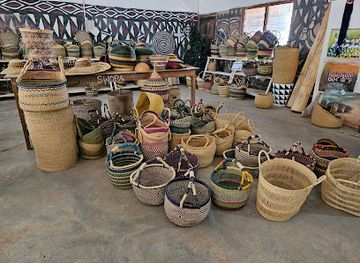
Ghbasket
Experience the lush beauty and vibrant culture of Jubeli Park, a serene escape in the heart of Bolgatanga, Ghana.
-
Tourist attraction
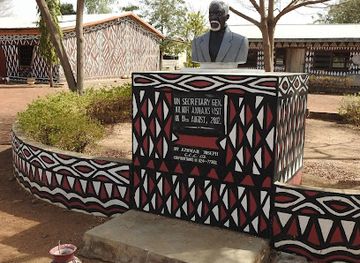
Sirigu Murals and Traditional Arts
Explore the captivating Sirigu Murals and immerse yourself in the vibrant traditional arts of Ghana, a must-visit cultural gem.
-
Tourist attraction
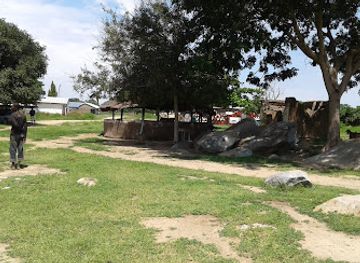
Nakpanduri Waterfalls
Discover the breathtaking beauty of Nakpanduri Waterfalls, a hidden gem in Ghana's lush landscapes, perfect for nature lovers and adventure seekers.
Best landmarks in Upper East Region
The Upper East Region of Ghana is a treasure trove of historical and cultural landmarks that promise an immersive experience for any traveler. Step into the past at the Paga Nania Slave Camp, where you can explore relics of the trans-Saharan slave trade, and visit the sacred crocodile ponds, home to revered creatures believed to embody ancestral spirits. Marvel at the ancient architecture of the Navrongo Cathedral, one of the oldest in the country, built entirely from mud bricks, or wander through the vibrant Bolgatanga Market, a bustling hub offering traditional crafts, including the region's famous handwoven baskets and hats. Don't miss the Tengzug Shrine in Tongo, a mystical site perched on rocky hills that offers panoramic views and insights into local spiritual practices. Each landmark in Upper East Region is a gateway into the rich tapestry of Ghanaian history and culture, waiting to be discovered.
-
Memorial park
Pikworo Slave Camp
Explore the Pikworo Slave Camp in Paga, Ghana, a memorial park dedicated to the history and legacy of the transatlantic slave trade.
-
Tourist attraction
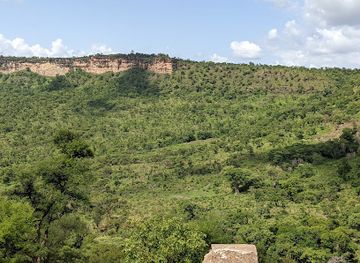
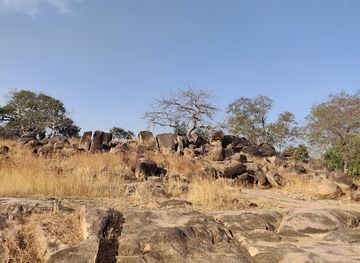
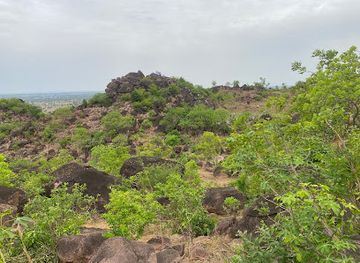
Tongo:upper East region (Ghana)
Explore the stunning landscapes and vibrant culture of Tongo in Ghana's Upper East Region, where tradition meets breathtaking natural beauty.
Explore Upper East Region on the map
Plan your trip on one map. See where the top cities, national parks and sights are, and book hotels and experiences in a few clicks.
Best hotels in Upper East Region
Best restaurants in Upper East Region
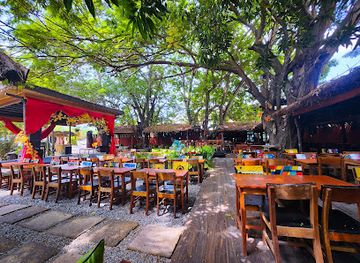
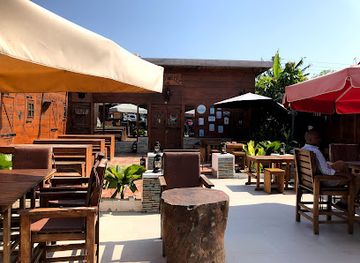
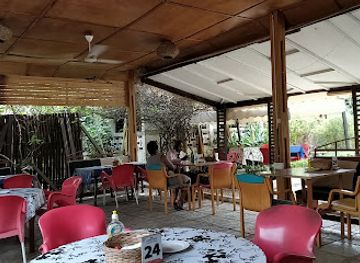
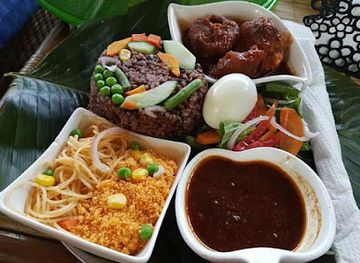
The dining scene in the Upper East Region of Ghana is a vibrant tapestry of flavors that reflects its rich cultural heritage and agricultural bounty. Visitors can expect to feast on traditional Ghanaian dishes like Tuo Zaafi, a hearty cornmeal dish often served with a variety of savory soups made from local ingredients such as okra and ayoyo leaves. Street food stalls and local markets offer an array of tantalizing snacks, including Guinea fowl kebabs, sizzling grilled tilapia, and fresh tropical fruits. For a truly immersive experience, dine at community-centered eateries where meals are prepared with age-old recipes passed down through generations, ensuring an authentic taste of the region's culinary legacy.
-
Restaurant
Zen Garden
Discover the vibrant flavors and lively atmosphere at Zen Garden in Accra - where delicious pizza meets captivating live music.
-
Restaurant
Potbelly Shack Adjiringanor
Discover vibrant culinary delights at Potbelly Shack Adjiringanor in Accra – where local flavors meet lively atmosphere.
-
Restaurant
Living Room
Discover comfort food in Accra at Living Room – where vibrant flavors meet cozy ambiance for an unforgettable dining experience.
-
Restaurant
Chez Afrique
Experience the vibrant flavors of Ghana at Chez Afrique – where traditional cuisine meets modern dining.
Best bars in Upper East Region
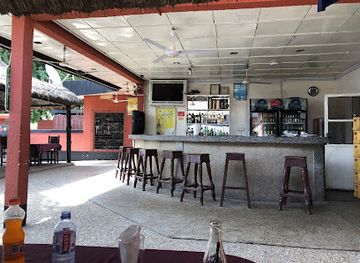
The nightlife in the Upper East Region of Ghana offers an immersive and vibrant experience, blending traditional cultural elements with modern entertainment. Visitors can expect to enjoy lively music and dance performances at local spots like the Tap Hotel and Blue Sky Hotel, where traditional drumming and contemporary Afrobeat rhythms fill the air. The region's bars, such as the Golden Horse Night Club and Oasis Lounge, serve a variety of local brews and cocktails, and often host themed nights that allow guests to experience the rich cultural tapestry of the area. Street food vendors add to the nocturnal charm, offering delicious local delicacies like guinea fowl kebabs and tuo zaafi, making the night a feast for all senses.
-
Bar
EDDIS PUB
Discover the lively ambiance and local flavors of EDDIS PUB, Navrongo's favorite social spot for tourists and locals alike.
-
Restaurant
Secret Pub
Experience the vibrant flavors of Ghana at Secret Pub, a cozy restaurant in Paga offering traditional dishes and a friendly atmosphere.
-
Bar
New Life Line Drinking Bar
Discover the lively ambiance of New Life Line Drinking Bar in Bolgatanga, where drinks and local culture come together for a memorable night out.
-
Bar
Emmrich Bar
Experience the lively nightlife and local culture at Emmrich Bar in Bolgatanga – a perfect spot for relaxation and enjoyment.

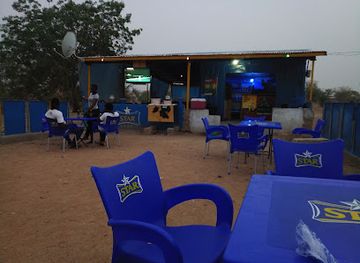
Best nightclubs in Upper East Region
The nightlife in the Upper East Region of Ghana offers an immersive and vibrant experience, blending traditional cultural elements with modern entertainment. Visitors can expect to enjoy lively music and dance performances at local spots like the Tap Hotel and Blue Sky Hotel, where traditional drumming and contemporary Afrobeat rhythms fill the air. The region's bars, such as the Golden Horse Night Club and Oasis Lounge, serve a variety of local brews and cocktails, and often host themed nights that allow guests to experience the rich cultural tapestry of the area. Street food vendors add to the nocturnal charm, offering delicious local delicacies like guinea fowl kebabs and tuo zaafi, making the night a feast for all senses.
-
Night club
Soul Train
Discover the vibrant nightlife at Soul Train, Bolgatanga's premier night club with lively music, exclusive VIP experiences, and a welcoming atmosphere.
-
Disco club
JC Nightclub
Experience the vibrant nightlife at JC Nightclub in Bolgatanga, where great music and dancing create unforgettable evenings.
-
Hotel
Comme Ci Comme Ca Ghana
Discover the essence of Bolgatanga at Comme Ci Comme Ca Ghana, a vibrant hotel and event venue blending dining, nightlife, and local culture.


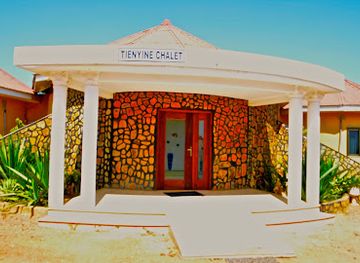
Best shops in Upper East Region
In the vibrant Upper East Region of Ghana, shopping is an immersive cultural adventure, offering a treasure trove of traditional crafts and local produce that beckon to be explored. Visitors can meander through bustling markets like the Bolgatanga Market, renowned for its exquisite handwoven baskets, colorful textiles, and intricate leather goods, each piece reflecting the rich heritage and craftsmanship of the region. The area is also famed for its unique smocks, traditional attire that showcases the region's weaving artistry. Shoppers can expect to be greeted with the warm hospitality of local vendors, who are more than willing to share the stories behind their wares, making each purchase a meaningful souvenir of their journey. Whether you're on the hunt for handcrafted jewelry, vibrant pottery, or fresh, organic produce, the shopping scene in the Upper East Region promises a sensory feast that captures the essence of Ghanaian culture.
-
Shopping mall
Melcom Bolgatanga
Experience the heart of shopping in Bolgatanga at Melcom, where local culture meets modern retail.
-
Grocery store
Rain In Supermarket
Discover local and international flavors at Rain In Supermarket, Bolgatanga's vibrant shopping destination for tourists seeking unique products.
-
Scrapbooking store
Sirigu Women's Pottery Association (SWOPA)
Experience the beauty of traditional Ghanaian pottery at the Sirigu Women's Pottery Association, where culture and craftsmanship come together.
-
Supermarket
REINSAMIRA DAILY VENTURES
Explore the vibrant offerings of Reinsamira Daily Ventures, Bolgatanga's premier supermarket for local delights and essentials.
Get your free copy of our complete guide to Upper East Region, delivered straight to you.
Everything on this page, from attractions and restaurants to essentials and local phrases, in one PDF you can read offline, print or share.
Already have an account? Sign in
Your Upper East Region guide is ready.
We'll send it to · Not you? Sign out

Getting your guide ready…
We are putting together a fresh copy of the Upper East Region guide. This can take up to a minute.
This can take a few moments. If your browser asks, choose Allow so the download can start. You'll find the guide in your Downloads folder.
Nothing happened? Download it again
Sorry, the guide is taking longer than usual. Please try again in a minute, or get it by email instead.
Upper East Region essentials
Currency and Payment
Safety
Emergency Situations
Do's and Don'ts
Local Tips
From Eve
Local phrases worth knowing
You don't need to get them perfect. A few words go a long way, and locals appreciate the effort.
Basics
| English | Local | Say it |
|---|---|---|
| Hello | Naa | [Naa] |
| Goodbye | Naa yɔɔ | [Naa yɔɔ] |
| Yes | Aane | [Aane] |
| No | Daa | [Daa] |
| Please/You're welcome | Mede bɔkɔ | [Mede bɔkɔ] |
| Thank you | Medase | [Medase] |
| Excuse me/Sorry | Afen na | [Afen na] |
| How are you? | Wo ho te sɛn? | [Wo ho te sɛn?] |
| Fine. And you? | Me ho yɛ, na wo nso? | [Me ho yɛ, na wo nso?] |
| Do you speak English? | Wokasa Borɔfo? | [Wokasa Borɔfo?] |
| I don't understand | Mente ase | [Mente ase] |
Eating & Drinking
| English | Local | Say it |
|---|---|---|
| I'd like to see the menu, please | Mepɛ sɛ mehwɛ menu no, mede bɔkɔ | [Mepɛ sɛ mehwɛ menu no, mede bɔkɔ] |
| I don't eat meat | Mente nka nkyene | [Mente nka nkyene] |
| Cheers! | Nante yie! | [Nante yie!] |
| I would like to pay, please | Mepɛ sɛ meyɛ sika no, mede bɔkɔ | [Mepɛ sɛ meyɛ sika no, mede bɔkɔ] |
Emergencies
| English | Local | Say it |
|---|---|---|
| Help! | Bɔ mpae! | [Bɔ mpae!] |
| Go away! | Kɔ da! | [Kɔ da!] |
| Call the Police! | Frɛ Ɔmanpanyin! | [Frɛ Ɔmanpanyin!] |
| Call a doctor! | Frɛ dɔkita! | [Frɛ dɔkita!] |
| I'm lost | Meda ɔkwan mu | [Meda ɔkwan mu] |
| I'm ill | Meda yare | [Meda yare] |
Shopping
| English | Local | Say it |
|---|---|---|
| I'd like to buy... | Mepɛ sɛ mɛtɔ... | [Mepɛ sɛ mɛtɔ...] |
| I'm just looking | Merehwɛ nko | [Merehwɛ nko] |
| How much is it? | Ɛyɛ sɛn? | [Ɛyɛ sɛn?] |
| That's too expensive | Ɛyɛ dɔɔso | [Ɛyɛ dɔɔso] |
| Can you lower the price? | Wobɛtumi akyɛ sika no? | [Wobɛtumi akyɛ sika no?] |
Time & Numbers
| English | Local | Say it |
|---|---|---|
| What time is it? | Dɛn na ɛyɛ? | [Dɛn na ɛyɛ?] |
| It's one o'clock | Ɛyɛ ɔha | [Ɛyɛ ɔha] |
| Half past (10) | Nkyɛ mu (10) | [Nkyɛ mu (10)] |
| Morning | Anɔpa | [Anɔpa] |
| Afternoon | Awia | [Awia] |
| Evening | Anadwo | [Anadwo] |
| Yesterday | Nnɛ da | [Nnɛ da] |
| Today | Ɛnnɛ | [Ɛnnɛ] |
| Tomorrow | Ɛkyɛ | [Ɛkyɛ] |
| 1 | Baako | [Baako] |
| 2 | Mmienu | [Mmienu] |
| 3 | Mmienɛn | [Mmienɛn] |
| 4 | Nan | [Nan] |
| 5 | Nnan | [Nnan] |
| 6 | Nsia | [Nsia] |
| 7 | Nson | [Nson] |
| 8 | Nkran | [Nkran] |
| 9 | Nkyɛn | [Nkyɛn] |
| 10 | Dɔkɔ | [Dɔkɔ] |
Transport & Directions
| English | Local | Say it |
|---|---|---|
| Where's a/the...? | Ɛhe na ...? | [Ɛhe na ...?] |
| What's the address? | Dɛn na adwuma no? | [Dɛn na adwuma no?] |
| Can you show me (on the map)? | Wobɛtumi akyerɛ me (ɛda ho)? | [Wobɛtumi akyerɛ me (ɛda ho)?] |
| When's the next (bus)? | Nnɛda bɛn na (bɔs) no bɛba? | [Nnɛda bɛn na (bɔs) no bɛba?] |
| A ticket (to ....) | Kɔtɔ (kɔ ....) | [Kɔtɔ (kɔ ....)] |
History of Upper East Region
Pre-Colonial Era and Ancient Settlements
The Upper East Region of Ghana has a rich history that dates back to ancient times. Archaeological evidence suggests that the area was inhabited as far back as 5000 BC. The region was home to several indigenous groups, including the Gurunsi, Frafra, and Kusasi people, who built complex societies with unique cultural practices, languages, and traditions. The ancient settlements in this region were known for their impressive mud brick architecture and intricate social structures.
The Trans-Saharan Trade Routes
During the medieval period, the Upper East Region played a significant role in the trans-Saharan trade routes. These trade routes connected West Africa to North Africa and beyond, facilitating the exchange of goods such as gold, salt, and kola nuts. The region's strategic location made it a bustling hub for traders and merchants, contributing to the growth of local economies and the spread of Islamic culture and education.
Colonial Era and German Influence
In the late 19th and early 20th centuries, the Upper East Region came under European colonial rule. Initially, the area was part of German Togoland, and the Germans established administrative centers and infrastructure to exploit the region's resources. However, after World War I, the League of Nations mandated the territory to British control. The British continued to develop the region's infrastructure, including roads, schools, and health facilities, which significantly impacted the socio-economic landscape.
Struggle for Independence
The Upper East Region, like the rest of Ghana, experienced a wave of nationalist movements in the mid-20th century. Influential figures from the region, such as S. D. Dombo, played crucial roles in advocating for self-governance and independence from British colonial rule. The region's people participated in various protests and political activities that eventually led to Ghana's independence in 1957.
Cultural Festivals and Traditions
The Upper East Region is renowned for its vibrant cultural festivals and traditions. One of the most famous festivals is the Fao Festival, celebrated by the Gurunsi people to mark the end of the farming season and to give thanks to the gods for a bountiful harvest. Another significant festival is the Damba Festival, observed by the Mamprusi people, which includes drumming, dancing, and horse-riding events. These festivals offer a glimpse into the rich cultural heritage and communal spirit of the region's inhabitants.
Contemporary Developments
In recent years, the Upper East Region has seen considerable development in various sectors, including agriculture, education, and tourism. The introduction of modern farming techniques has boosted agricultural productivity, making the region a key producer of crops such as millet, sorghum, and rice. Educational institutions have expanded, providing better opportunities for the youth. Additionally, the region's historical sites and natural attractions, such as the Paga Crocodile Pond and the Tongo Hills, have become popular tourist destinations, contributing to the local economy.
Upper East Region in Photos
Browse through our photo collection highlighting the charm and character of the destination.
Neighbouring regions of Upper East Region
The closest regions to Upper East Region, if you have time for more than one.
-

-

-

-

-


Swipe for more regions
Explore more

Explore more of Ghana
Discover Ghana: A vibrant blend of rich history, stunning landscapes, and warm hospitality in the heart of West Africa.
Explore Ghana