

Free Northern Region Travel Guide & Mobile App
Explore Northern Region with free travel guides. Discover regional history, expert tips, proposed trips, and audio guides on web or mobile app.


Explore Northern Region Ghana through Tamale’s culture, Dagbon heritage, savanna landscapes, local crafts and distinctive northern cuisine.
Read more about Northern Region
When is the best time to visit Northern Region?
Best: November–January · 29–30°C| Month | High (°C) | Rainfall (mm) |
|---|---|---|
| January (best) | 30 | 1 |
| February | 31 | 2 |
| March | 34 | 5 |
| April | 35 | 10 |
| May | 34 | 20 |
| June | 32 | 25 |
| July | 31 | 30 |
| August | 31 | 30 |
| September | 31 | 25 |
| October | 30 | 20 |
| November (best) | 29 | 10 |
| December (best) | 29 | 2 |
Getting to and around Northern Region
How to get there
Transportation
Top city travel guides in Northern Region
The cities of Northern Region, and the easiest places to base yourself.

Swipe for more cities
Destinations in Northern Region
Resorts, valleys and scenic spots worth a trip of their own.
-

-

-


Swipe for more destinations
Best attractions in Northern Region
Northern Region’s attractions centre on living culture, local landscapes and the urban life of Tamale rather than a concentration of monumental heritage sites. Tamale’s Centre for National Culture and related cultural spaces introduce visitors to northern Ghanaian textiles, music, dance and craft traditions, while markets and workshops reveal the practical skill behind smocks, woven cloth, leather goods and shea products. The city also provides access to contemporary galleries, food stalls, religious architecture and community-led cultural visits. Outside Tamale, journeys through Dagbon communities offer opportunities to learn about farming, chieftaincy, seasonal festivals and village craft production when arranged with appropriate local introductions. Yendi is significant for Dagbon history and traditional authority, although access to palaces and ceremonies is controlled by local customs. The region’s savanna itself is an attraction, changing markedly between the green months and the dry Harmattan season. Birdwatching, rural photography, cycling and short walks are possible with local guidance, but visitors should plan for heat and limited facilities. Older guidebooks may describe Mole National Park and Larabanga as part of Northern Region; both are now in neighbouring Savannah Region and should not be confused with attractions within the present administrative boundary.
-
Tourist attraction
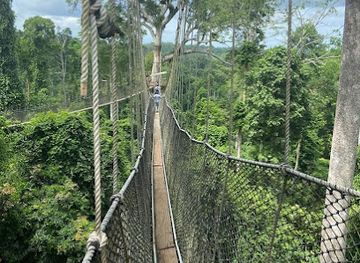
Kakum National Park
Explore the stunning Kakum National Park in Ghana, where adventure meets nature in a breathtaking rainforest setting.
-
Stadium
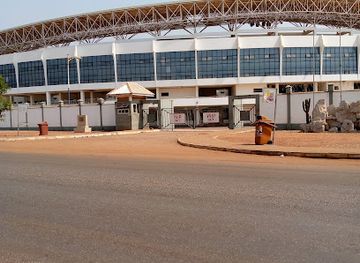
Aliu Mahama Sports Stadium, Tamale
Discover the vibrant atmosphere of Aliu Mahama Sports Stadium in Tamale, the heart of northern Ghana's sports culture and community events.
-
Tourist attraction
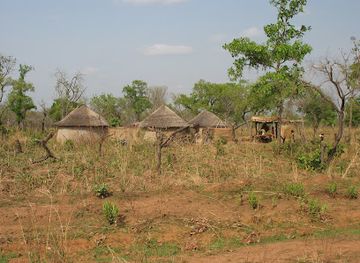
Mole National Park
Explore the wild heart of Ghana at Mole National Park, a national treasure teeming with wildlife, stunning landscapes, and unforgettable adventures.
-
Tourist attraction
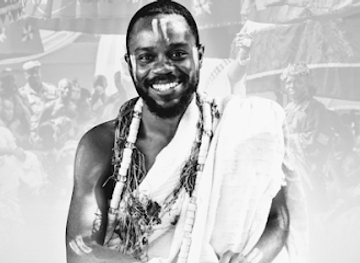
Osu Mantse (Nortse Nii Nortey Owuo IV)
Explore Osu Mantse in Accra, a historic palace that showcases the vibrant culture and traditions of the Osu people, a must-visit attraction for travelers.
Best landmarks in Northern Region
Tamale’s most recognisable landmarks are civic, cultural and religious rather than ancient monumental structures. The Tamale Central Mosque is a prominent feature of the cityscape, although visitors should observe worship times and ask before entering or photographing. The Centre for National Culture represents the region’s public cultural identity and provides a useful setting for understanding northern crafts and performance traditions. Tamale’s markets, broad arterial roads and low-rise urban expansion reflect its role as a regional capital and commercial meeting point. In Yendi, the town’s importance lies less in a single freely accessible monument than in its longstanding association with Dagbon’s royal institutions and traditional authority; visitors should approach palace-related spaces only through proper local channels. Across the countryside, shea parklands, seasonal waterways, laterite roads and scattered village compounds form a changing environmental landmark shaped by agriculture and rainfall. Mosques, chief’s compounds and festival grounds may be visually significant, but many are active community spaces rather than tourist sites. Northern Region’s most meaningful landmarks therefore combine built places with living institutions and landscapes, and respectful interpretation is more important than simply collecting photographs.
-
Market
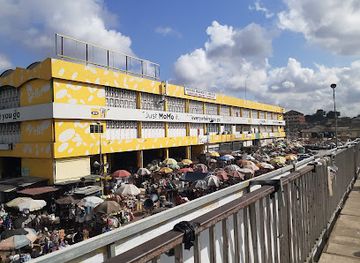
Kaneshie Market Complex
Discover the lively Kaneshie Market Complex in Accra, a vibrant hub for local goods, fresh produce, and a taste of authentic Ghanaian culture.
-
Historical landmark
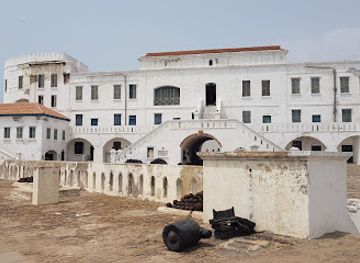
Cape Coast Castle
Discover the historical depths of Cape Coast Castle, a UNESCO site that narrates the poignant story of Ghana's heritage and the transatlantic slave trade.
-
 Museum
Kwame Nkrumah Memorial Park & Mausoleum
Explore the rich history of Ghana at the Kwame Nkrumah Memorial Park & Mausoleum, where the legacy of independence thrives amidst serene gardens.
-
Castle
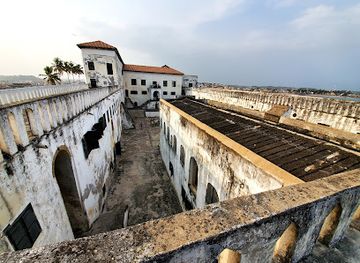
Elmina Castle
Explore Elmina Castle, a UNESCO World Heritage Site in Ghana, and witness the powerful history of the transatlantic slave trade.
Explore Northern Region on the map
Plan your trip on one map. See where the top cities, national parks and sights are, and book hotels and experiences in a few clicks.
Best hotels in Northern Region
Best restaurants in Northern Region
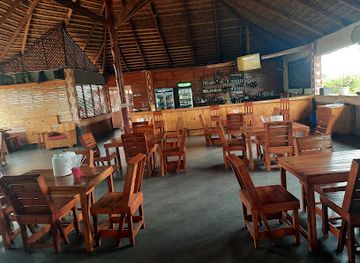
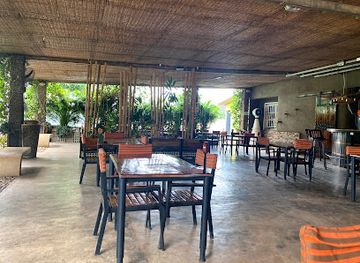
Dining in Northern Region is closely tied to grains, legumes, vegetables and the produce of small farms. Tuo zaafi, a soft maize or millet preparation served with green-leaf soup and meat or fish, is one of the area’s most characteristic meals; other common choices include waakye, rice dishes, beans, groundnut-based sauces, fried yam and grilled meat. Tamale has the region’s broadest selection, from informal chop bars and street-food stalls to cafés, hotel restaurants and contemporary Ghanaian kitchens. Millet-based drinks, sobolo and fresh fruit juices are useful refreshments in the heat, while shea is an important regional product even when it is not used prominently in everyday cooking. Food in smaller towns is often simpler and more seasonal, with menus shaped by what is available that day. Ask about spice levels, serving times and ingredients, and choose busy, well-maintained eateries where food turnover is high. Northern Ghanaian cuisine is best understood as part of a wider savanna food culture, with local variations between Dagbon communities and other groups living in the region.
-
Restaurant
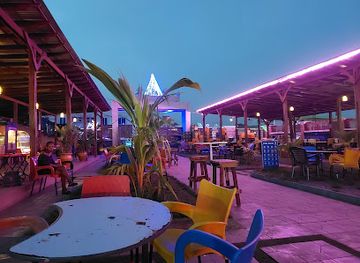
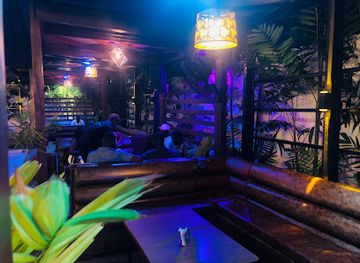
OASIS LOUNGE BAR & RESTAURANT
Experience the rich flavors of Ghana at Oasis Lounge Bar & Restaurant in Tamale - where local cuisine meets vibrant atmosphere.
-
Grill
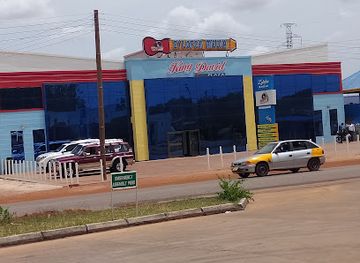
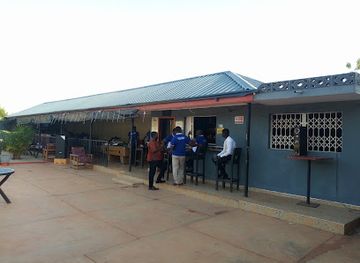
King Davids Spot
Discover authentic Ghanaian flavors at King David's Spot in Tamale - your gateway to delicious grilled cuisine.
-
Restaurant
Luxury Restaurant
Experience exquisite local and continental cuisine at Tamale's top luxury restaurant with an inviting ambiance and exceptional service.
-
Restaurant
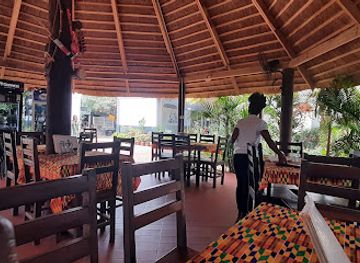
Wooden Bakery, Coffee Shop, Bar And Restaurant
Discover unique flavors at Wooden Bakery in Tamale – where delicious food meets warm hospitality.
Best bars in Northern Region
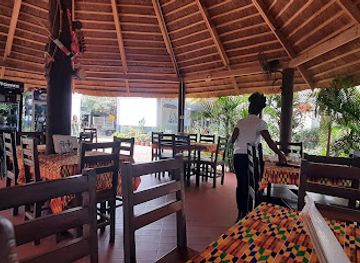
Evening life in Northern Region is concentrated in Tamale, where restaurants, cafés, hotel lounges, local drinking spots and a modest selection of music venues provide most of the after-dark options. Traditional pito, a fermented drink made from sorghum, may be found in local settings, while bottled beer, soft drinks and non-alcoholic beverages are widely available. The city’s nightlife can include highlife, hiplife and contemporary Ghanaian music, but it is less extensive than the club scenes of Accra or Kumasi. In smaller towns and rural communities, evenings generally centre on family life, local food stalls, informal socialising and occasional community events rather than a formal nightlife district. Dress and behaviour should remain respectful, particularly around mosques and residential areas, and visitors should arrange a reliable way back to their accommodation before going out. Seasonal festivals and cultural performances can add evening activity, but dates and access vary and should be confirmed locally rather than assumed.
-
Restaurant
OASIS LOUNGE BAR & RESTAURANT
Experience the vibrant flavors of Ghana at Oasis Lounge Bar & Restaurant, a must-visit destination for food lovers in Tamale.
-
Grill
King Davids Spot
Experience the flavors of Ghana at King David's Spot, a grill restaurant in Tamale where tradition meets taste.
-
Restaurant
The Dons Pub, Gumani
Discover the vibrant flavors and lively atmosphere of The Dons Pub in Tamale, where local culture meets delicious cuisine.
-
Bar
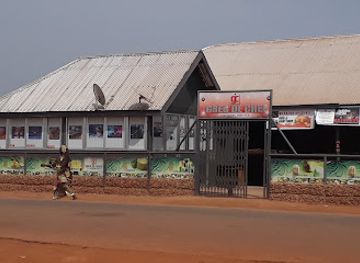
Greg De Chef
Greg De Chef in Tamale: A culinary and nightlife destination offering delicious food, refreshing drinks, and vibrant entertainment.
Best nightclubs in Northern Region
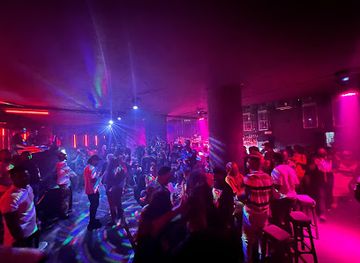
Evening life in Northern Region is concentrated in Tamale, where restaurants, cafés, hotel lounges, local drinking spots and a modest selection of music venues provide most of the after-dark options. Traditional pito, a fermented drink made from sorghum, may be found in local settings, while bottled beer, soft drinks and non-alcoholic beverages are widely available. The city’s nightlife can include highlife, hiplife and contemporary Ghanaian music, but it is less extensive than the club scenes of Accra or Kumasi. In smaller towns and rural communities, evenings generally centre on family life, local food stalls, informal socialising and occasional community events rather than a formal nightlife district. Dress and behaviour should remain respectful, particularly around mosques and residential areas, and visitors should arrange a reliable way back to their accommodation before going out. Seasonal festivals and cultural performances can add evening activity, but dates and access vary and should be confirmed locally rather than assumed.
-
Night club
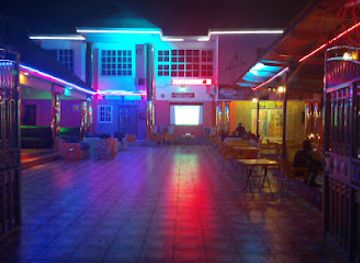
Twist Night Club
Discover the heartbeat of Accra's nightlife at Twist Night Club, where unforgettable memories and electrifying music await every night.
-
Disco club
Octapuz lounge and night club
Experience the vibrant nightlife of Accra at Octapuz Lounge and Night Club, where great music and a lively atmosphere await you.
-
Lounge
The Area Bar
Experience the vibrant nightlife of Accra at The Area Bar, a lively lounge in Osu Klottey, offering crafted cocktails and a friendly atmosphere.
-
Night club
KRUNA The Club
Dive into Accra's vibrant nightlife at KRUNA The Club, where electrifying music and unforgettable moments await you.

Best shops in Northern Region
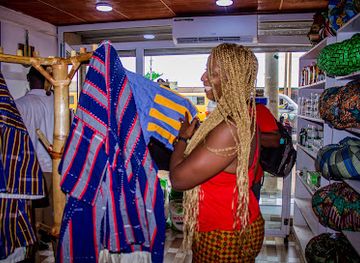
Tamale is the strongest shopping centre in Northern Region, with markets and independent stalls offering woven northern fabrics, smocks, leather sandals, bags, belts, carved objects, baskets and shea-based products. The city’s craft economy serves local residents as well as visitors, so buyers can often find practical goods rather than only souvenir versions. Market shopping is busy and informal: compare quality, ask whether an item is locally made, and agree the price before completing a purchase. Small workshops and craft communities may offer a more informative experience than a general market, particularly for visitors interested in weaving, embroidery or leatherwork. Food products such as shea butter, groundnuts, dried foods and locally produced spices can make useful gifts, provided packaging and customs rules are considered for international journeys. Rural towns have fewer specialised retail options but may provide direct access to makers and seasonal produce. Large-scale luxury shopping is not a defining feature of the region; its most distinctive purchases are connected to northern textile traditions, everyday craftsmanship and agricultural products.
-
Shopping mall
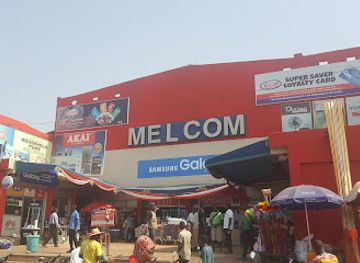
Melcom Tamale Shop
Experience the vibrant shopping culture at Melcom Tamale Shop, where affordability meets a diverse range of local goods in the heart of Tamale.
-
Shopping mall
Quality First Shopping Center
Experience the vibrant culture of Tamale at Quality First Shopping Center, your go-to spot for shopping, dining, and entertainment.
-
E-commerce service
Jowato SME Marketplace
Explore the vibrant Jowato SME Marketplace in Tamale, Ghana, where local culture, crafts, and culinary delights come alive.
-
Clothing store
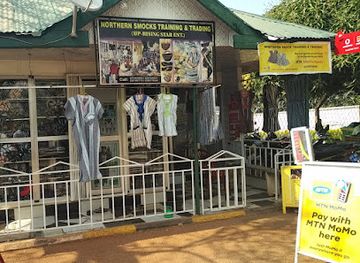
Northern Smocks Trading & Training
Explore the heart of Savelugu's culture at Northern Smocks Trading & Training, where traditional craftsmanship meets modern fashion.
Get your free copy of our complete guide to Northern Region, delivered straight to you.
Everything on this page, from attractions and restaurants to essentials and local phrases, in one PDF you can read offline, print or share.
Already have an account? Sign in
Your Northern Region guide is ready.
We'll send it to · Not you? Sign out

Getting your guide ready…
We are putting together a fresh copy of the Northern Region guide. This can take up to a minute.
This can take a few moments. If your browser asks, choose Allow so the download can start. You'll find the guide in your Downloads folder.
Nothing happened? Download it again
Sorry, the guide is taking longer than usual. Please try again in a minute, or get it by email instead.
Northern Region essentials
Currency and Payment
Safety
Emergency Situations
Do's and Don'ts
Local Tips
From Eve
Local phrases worth knowing
You don't need to get them perfect. A few words go a long way, and locals appreciate the effort.
Basics
| English | Local | Say it |
|---|---|---|
| Hello | Naa | [Nah] |
| Goodbye | Naa nyɛ | [Nah nyeh] |
| Yes | Aane | [Ah-neh] |
| No | Daabi | [Dah-bee] |
| Please/You're welcome | Mepa wo kyɛw | [Meh-pah woh cheh] |
| Thank you | Medase | [Meh-dah-seh] |
| Excuse me/Sorry | Kafra | [Kah-frah] |
| How are you? | Wo ho te sɛn? | [Woh hoh teh sen?] |
| Fine. And you? | Me ho yɛ, na wo nso? | [Meh hoh yeh, nah woh nso?] |
| Do you speak English? | Wokasa borɔfo? | [Woh-kah-sah boh-roh-foh?] |
| I don't understand | Mentumi m'ate | [Men-too-mee mah-teh] |
Eating & Drinking
| English | Local | Say it |
|---|---|---|
| I'd like to see the menu, please | Mepɛ sɛ mehwɛ menu no | [Meh-peh seh meh-hweh meh-noo noh] |
| I don't eat meat | Mentɔ abɔde | [Men-toh ah-boh-deh] |
| Cheers! | Nsɛm a ɛyɛ | [Nseh-m ah eh-yeh] |
| I would like to pay, please | Mepɛ sɛ meyɛ ka | [Meh-peh seh meh-yay kah] |
Emergencies
| English | Local | Say it |
|---|---|---|
| Help! | Mɛboa! | [Meh-boh-ah!] |
| Go away! | Kɔ na kɔ! | [Koh nah koh!] |
| Call the Police! | Frɛ mpanyin! | [Freh mpahn-yin!] |
| Call a doctor! | Frɛ dɔkita! | [Freh doh-kee-tah!] |
| I'm lost | Meda ho kwan | [Meh-dah hoh kwahn] |
| I'm ill | Meda anigye | [Meh-dah ah-nee-geh] |
Shopping
| English | Local | Say it |
|---|---|---|
| I'd like to buy... | Mepɛ sɛ mɛtɔ... | [Meh-peh seh meh-toh...] |
| I'm just looking | Merehwɛ nko | [Meh-reh-hweh n-koh] |
| How much is it? | Ɛyɛ sika bɛn? | [Eh-yeh see-kah behn?] |
| That's too expensive | Ɛyɛ sika dodo | [Eh-yeh see-kah doh-doh] |
| Can you lower the price? | Wobɛtɔ sika no ase? | [Woh-beh-toh see-kah noh ah-seh?] |
Time & Numbers
| English | Local | Say it |
|---|---|---|
| What time is it? | Ɛyɛ bere bɛn? | [Eh-yeh beh-reh behn?] |
| It's one o'clock | Ɛyɛ dɔnhwere baako | [Eh-yeh don-hweh-reh bah-koh] |
| Half past (10) | Dɔnhwere mpɛn abien | [Don-hweh-reh mp-ehn ah-bee-en] |
| Morning | Anɔpa | [Ah-noh-pah] |
| Afternoon | Awia | [Ah-wee-ah] |
| Evening | Anadwo | [Ah-nah-joh] |
| Yesterday | Ɛnnɛ da | [Eh-neh dah] |
| Today | Ɛnnɛ | [Eh-neh] |
| Tomorrow | Mmarima | [Mmah-ree-mah] |
| 1 | Baako | [Bah-koh] |
| 2 | Mmienu | [Mee-eh-noo] |
| 3 | Mmienu | [Mee-eh-nah] |
| 4 | Mmamfɔ | [Mmah-mfoh] |
| 5 | Num | [Noom] |
| 6 | Nnan | [Nah-nahn] |
| 7 | Nson | [N-sohn] |
| 8 | Nkyɛn | [N-kyen] |
| 9 | Nkyɛn | [N-kyen] |
| 10 | Dɛn | [Dehn] |
Transport & Directions
| English | Local | Say it |
|---|---|---|
| Where's a/the...? | Ɛhe na ...? | [Eh-heh nah ...?] |
| What's the address? | Ɛyɛ adres bɛn? | [Eh-yeh ah-dres behn?] |
| Can you show me (on the map)? | Wobɛda me ho adi (wɔ map no)? | [Woh-beh-dah meh hoh ah-dee (woh map noh)?] |
| When's the next (bus)? | Bɛn na ɛbɛba (bus no)? | [Beh-nah eh-beh-bah (bus noh)?] |
| A ticket (to ....) | Tiket (kɔ ...) | [Tee-ket (koh ...)] |
History of Northern Region
Early settlement and savanna trade
Northern Ghana has been inhabited for many centuries by farming and pastoral communities that adapted to a seasonal savanna climate. The region formed part of wider networks linking the Sahel, the forest zone and the Volta basins. Long-distance trade in salt, kola, livestock, textiles and other goods helped connect settlements, while ironworking and agriculture supported permanent communities. Archaeological evidence and oral traditions both contribute to understanding this past, although many histories are preserved through families, chiefs and community specialists rather than through monumental remains.
The rise of Dagbon
Dagbon developed as one of the most important traditional states in the northern savanna. Its history is associated with the Dagomba people, royal lineages and the authority of the Ya-Na, the paramount chief of Dagbon. Yendi, in the eastern part of the present region, has long been a major centre of Dagbon political and cultural life. Chieftaincy institutions, praise poetry, drumming, festivals and customary law remain significant today, though their roles operate alongside Ghana’s modern state administration.
Islamic influence and regional exchange
Islam reached northern Ghana gradually through trade, scholarship and contact with Muslim communities to the north and west rather than through a single moment of conversion. Muslim clerics, traders and learned families contributed to literacy, commerce and religious life, while older beliefs and customary institutions continued alongside Islam. The result is a layered cultural landscape visible in mosques, festivals, personal names, schooling traditions and the coexistence of Islamic practice with diverse local customs.
Colonial Northern Territories
During the late nineteenth and early twentieth centuries, British control expanded over the northern territories that now form parts of northern Ghana. Colonial administration governed through a combination of appointed officials and existing chiefly structures, while taxation, labour demands, military recruitment and new administrative boundaries altered local political and economic relationships. Roads, posts and later schools linked the area more closely to the south, but colonial policy also left northern communities with fewer educational and commercial opportunities than many parts of the Gold Coast.
Tamale and the making of a regional capital
Tamale grew from a settlement in the Dagbon area into the principal administrative, commercial and educational centre of northern Ghana. Its expansion accelerated during the twentieth century as roads, public institutions, markets and services connected the city with surrounding districts. Tamale’s growth brought together people from different northern communities and strengthened its role as a transport and cultural crossroads. Contemporary development has transformed the urban landscape, while older markets, neighbourhood mosques and craft traditions continue to provide links with the city’s regional roots.
Agriculture, shea and changing livelihoods
Farming remains central to life across Northern Region, with crops including maize, millet, sorghum, rice, groundnuts, yam and vegetables varying by locality and water availability. Shea trees are particularly important in the parkland landscape, and the collection and processing of shea nuts have long supported women’s household and commercial livelihoods. Modern markets, mobile communications, improved roads and development programmes have diversified the regional economy, although seasonal rainfall, land pressure and climate variability continue to influence rural life.
The 2019 regional reorganisation
In 2019, Ghana’s regional boundaries were reorganised following a national referendum and the creation of new regions. The former much larger Northern Region was divided, with Savannah and North East regions becoming separate administrative regions. The present Northern Region therefore has a different geographical scope from the historical Northern Region commonly encountered in older guidebooks. This distinction matters for travellers: famous sites such as Mole National Park and Larabanga are now in Savannah Region, not in the contemporary Northern Region.
Northern Region in Photos
Browse through our photo collection highlighting the charm and character of the destination.
Neighbouring regions of Northern Region
The closest regions to Northern Region, if you have time for more than one.
-

-
-

-

-


Swipe for more regions
Explore more

Explore more of Ghana
Discover Ghana: A vibrant blend of rich history, stunning landscapes, and warm hospitality in the heart of West Africa.
Explore Ghana