

Free North East Region Travel Guide & Mobile App
Explore North East Region with free travel guides. Discover regional history, expert tips, proposed trips, and audio guides on web or mobile app.


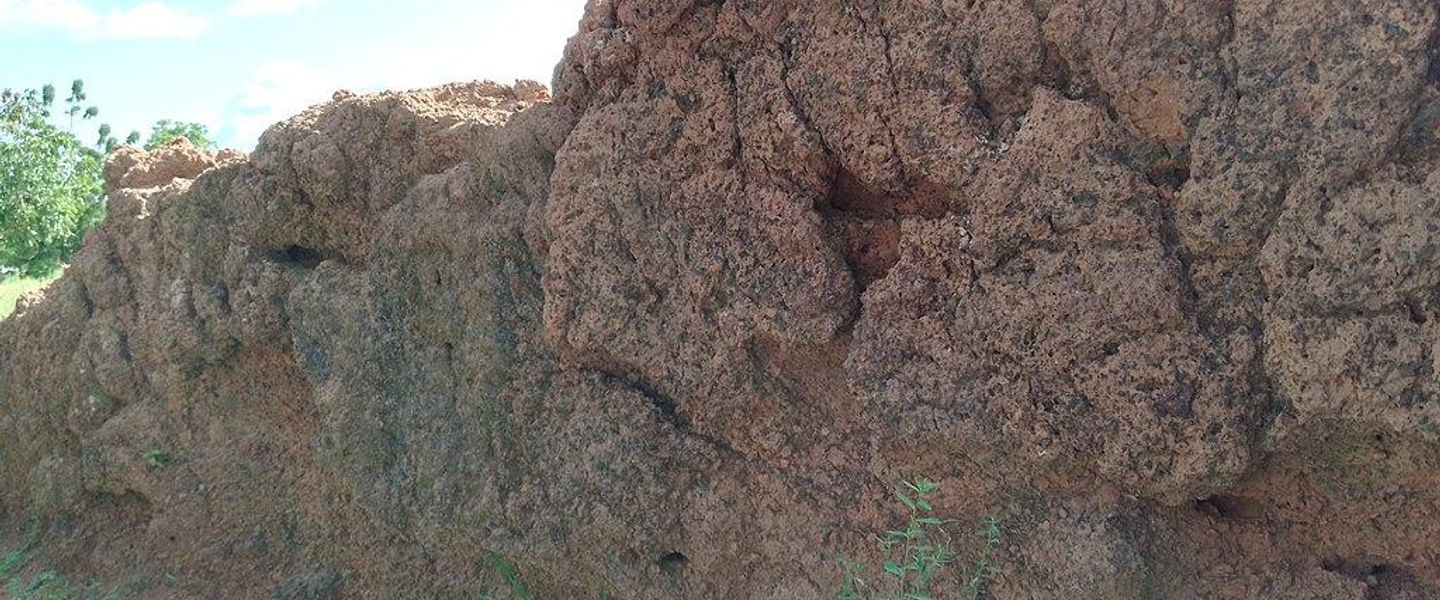


Explore Ghana’s North East Region for Mamprugu heritage, savannah scenery, the Gambaga Escarpment and thoughtful travel between historic market towns.
Read more about North East Region
When is the best time to visit North East Region?
Best: December–February · 34–37°C| Month | High (°C) | Rainfall (mm) |
|---|---|---|
| January (best) | 35 | 2 |
| February (best) | 37 | 4 |
| March | 39 | 20 |
| April | 41 | 40 |
| May | 40 | 50 |
| June | 37 | 60 |
| July | 35 | 70 |
| August | 35 | 80 |
| September | 36 | 70 |
| October | 37 | 50 |
| November | 36 | 20 |
| December (best) | 34 | 5 |
Getting to and around North East Region
How to get there
Transportation
Destinations in North East Region
Resorts, valleys and scenic spots worth a trip of their own.

Swipe for more destinations
Best attractions in North East Region
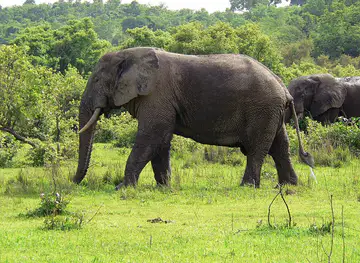
The North East Region’s attractions centre on landscape, living heritage and the history of Mamprugu rather than on large commercial visitor complexes. Nalerigu is the principal cultural base, with the Nalerigu Defence Wall and the traditional sphere of the Nayiri offering insight into pre-colonial political and defensive organisation. Nearby Gambaga adds historic associations and access to the edge of the Gambaga Escarpment, whose elevated terrain contrasts with the surrounding open savannah. Walewale and other market towns provide a window into contemporary commerce, food production and rural transport. Across the region, visitors can arrange guided walks, observe seasonal farming landscapes and learn about shea processing, local building traditions and community life. The eastern districts offer a more dispersed experience, with journeys shaped by village roads, seasonal waterways and varied cultural communities. There are no large national-park style attractions within the region, so wildlife viewing should not be promised as a principal draw; the appeal lies instead in patient exploration, local interpretation and the relationship between terrain, settlement and customary authority.
-
Park
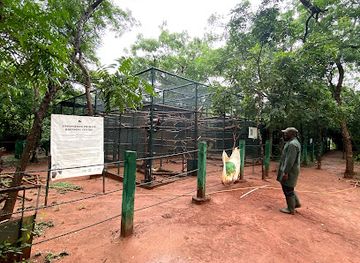
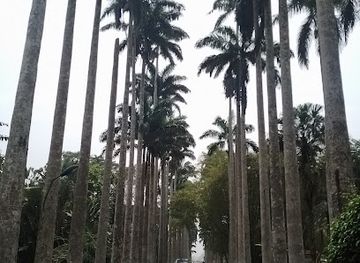
Achimota Forest
Discover Achimota Forest, a serene park in Accra, offering lush greenery, diverse wildlife, and tranquil trails for a refreshing escape from city life.
-
Park
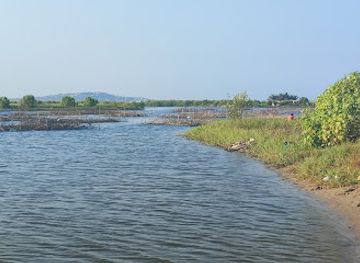
Densu Delta Protected Area
Discover the rich biodiversity and tranquil beauty of the Densu Delta Protected Area, a natural paradise near Accra, Ghana.
-
Museum
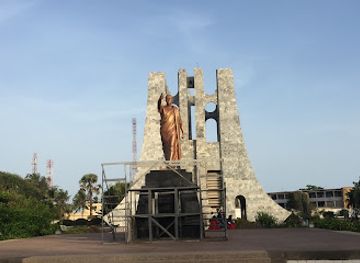
Kwame Nkrumah Memorial Park & Mausoleum(NAB VOYAGE)
Explore the Kwame Nkrumah Memorial Park & Mausoleum in Accra, a serene tribute to Ghana's founding father with lush gardens and rich history.
-
Castle
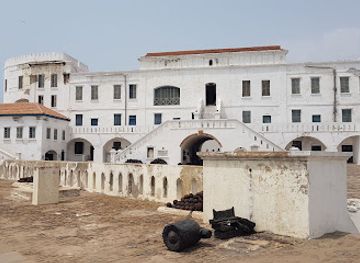
Elmina Castle
Explore Elmina Castle, a UNESCO World Heritage site in Ghana, where history, culture, and stunning coastal views intertwine.
Best landmarks in North East Region
The Nalerigu Defence Wall is the North East Region’s most recognisable historic structure, although surviving sections are earth-built remains rather than an intact monumental fortification. Traditionally linked with Naa Jaringa, it represents the defensive needs and political organisation of pre-colonial Mamprugu. Nalerigu’s traditional palace area is also significant as the seat associated with the Nayiri, the paramount chief of Mamprugu; access and photography should be treated according to local protocol. The Gambaga Escarpment provides the region’s defining natural landmark, rising above the surrounding savannah and creating distinct viewpoints, vegetation patterns and walking terrain. Gambaga itself carries historical importance within Mamprugu’s political landscape, while the region’s market towns offer more contemporary landmarks of commerce and administration. These places are not isolated monuments detached from local life: their meaning lies in the connection between landscape, customary authority, settlement and memory. A guide or local introduction can add essential context, particularly where physical remains are fragmentary.
-
Market
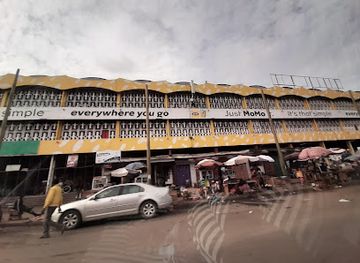
Kaneshie Market Complex
Explore the bustling Kaneshie Market Complex in Accra, a vibrant hub of local culture, fresh produce, and unique crafts that captures the essence of Ghanaian life.
-
Architecture firm
IDARKCONSULT LTD
Discover the unique blend of modern architecture and natural beauty at IDARKCONSULT LTD in Aburi, Ghana.
-
Historical landmark
Cape Coast Castle
Uncover the profound history of Ghana at Cape Coast Castle, a UNESCO World Heritage Site with stories that echo through time.
-
Park
Densu Delta Protected Area
Experience the tranquility and biodiversity at Densu Delta Protected Area, a prime destination for nature lovers and adventure seekers in Ghana.
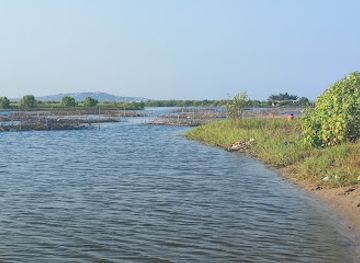
Explore North East Region on the map
Plan your trip on one map. See where the top cities, national parks and sights are, and book hotels and experiences in a few clicks.
Best hotels in North East Region
Best restaurants in North East Region
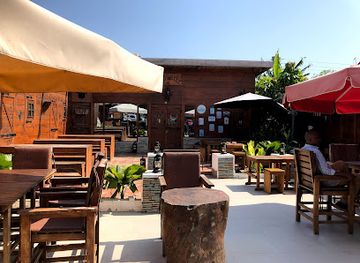
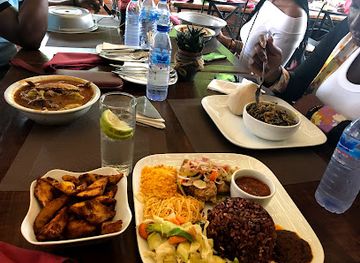
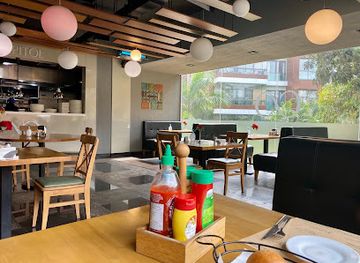
Dining in the North East Region is generally informal and rooted in Ghanaian and northern savannah cooking. Small restaurants, chop bars, market stalls and roadside vendors serve staples such as tuo zaafi with soup, rice dishes, beans, yam, plantain and grilled or stewed meat, with recipes varying between communities. Shea products and dawadawa, the fermented seeds of the African locust bean, are important ingredients in local food traditions, while millet and sorghum remain significant crops in the wider northern food culture. In Nalerigu and Walewale, visitors will find the broadest choice of simple eateries, drinks and prepared food; outside the larger towns, meals may depend on market days or advance arrangements. Travellers should choose busy, well-kept food stalls, carry drinking water and understand that service can be unhurried. Local hosts can be invaluable in identifying seasonal produce, household cooking and community food traditions that are not represented on standard menus.
-
Restaurant
Potbelly Shack Adjiringanor
Discover the culinary delights of Potbelly Shack Adjiringanor – where local flavors meet international cuisine in a vibrant setting.
-
West African
The Buka Restaurant, Osu, Accra
Experience authentic West African cuisine at The Buka Restaurant in Osu, Accra – where tradition meets flavor.
-
Restaurant
Capitol Cafe & Restaurant
Discover the flavors of Ghana at Capitol Cafe & Restaurant in Accra, where local cuisine meets international flair in a vibrant setting.
-
Restaurant
Living Room
Experience the vibrant culinary scene at The Living Room in Accra, where local flavors meet international cuisine in a warm atmosphere.
Best bars in North East Region
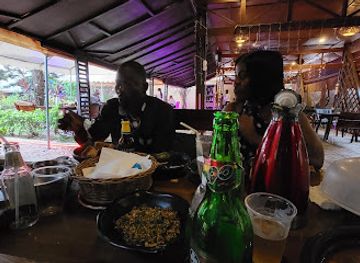
Nightlife in the North East Region is modest and concentrated in Nalerigu, Walewale and other district centres rather than organised around a major club scene. Evenings commonly revolve around local drinking spots, chop bars, small restaurants, open-air social spaces and occasional music, with activity often increasing around market days, festivals and community celebrations. Ghanaian beer, soft drinks and locally made beverages may be available, but visitors should ask about ingredients and preparation when offered traditional drinks. Rural settlements become quiet early, and long journeys after dark are best avoided because of road conditions, livestock and limited lighting. The region’s evening culture is better approached through conversation, food and community events than through a search for a dense nightlife district. Always follow local etiquette and remember that ceremonies and traditional gatherings are not automatically public entertainment.
-
Pub
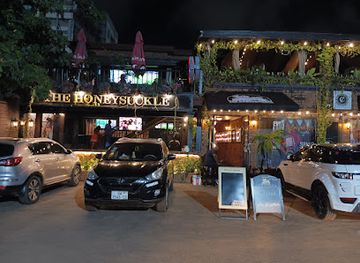
The Honeysuckle Pub & Restaurant- Osu
Discover the lively atmosphere and delicious cuisine at The Honeysuckle Pub & Restaurant in Accra's vibrant Osu district.
-
Grill
The Republic Bar & Grill
Experience Ghanaian hospitality at The Republic Bar & Grill, where grilled delights meet a lively bar atmosphere in the heart of Accra.
-
Sports bar
The Honeysuckle Pub & Restaurant- East Legon
Experience the perfect blend of sports and fine dining at The Honeysuckle Pub & Restaurant in East Legon, a must-visit for culinary enthusiasts.
-
Jazz
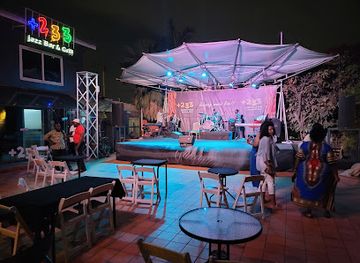
+233 Jazz Bar & Grill
Immerse yourself in the vibrant jazz scene at +233 Jazz Bar & Grill, where live music and delicious cuisine create an unforgettable cultural experience.

Best nightclubs in North East Region
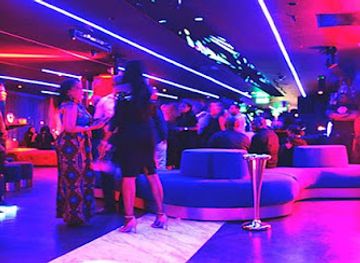
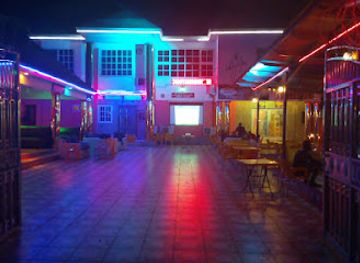
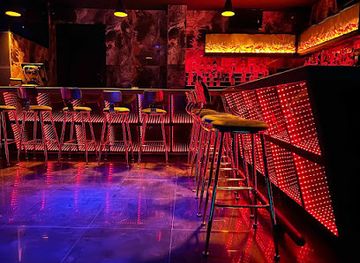
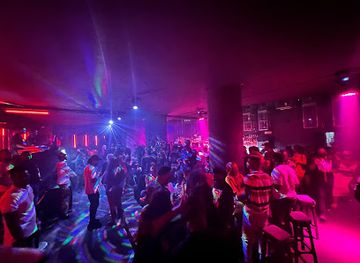
Nightlife in the North East Region is modest and concentrated in Nalerigu, Walewale and other district centres rather than organised around a major club scene. Evenings commonly revolve around local drinking spots, chop bars, small restaurants, open-air social spaces and occasional music, with activity often increasing around market days, festivals and community celebrations. Ghanaian beer, soft drinks and locally made beverages may be available, but visitors should ask about ingredients and preparation when offered traditional drinks. Rural settlements become quiet early, and long journeys after dark are best avoided because of road conditions, livestock and limited lighting. The region’s evening culture is better approached through conversation, food and community events than through a search for a dense nightlife district. Always follow local etiquette and remember that ceremonies and traditional gatherings are not automatically public entertainment.
-
Night club
Twist Night Club
Experience the vibrant nightlife at Twist Night Club in Accra, where music, dance, and fun come together for an unforgettable night out.
-
Disco club
Octapuz lounge and night club
Dive into the nightlife at Octapuz Lounge and Night Club, Accra's premier disco destination with vibrant music, great drinks, and a lively atmosphere.
-
Night club
Kavalli @ Night
Discover the lively nightlife of Accra at Kavalli @ Night, a vibrant nightclub offering diverse music and a dynamic atmosphere.
-
Night club
KRUNA The Club
Experience the vibrant nightlife at KRUNA The Club in Accra, Ghana, where music, dance, and unforgettable moments come together.
Best shops in North East Region
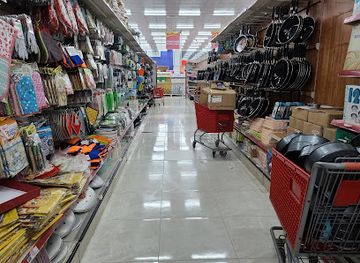
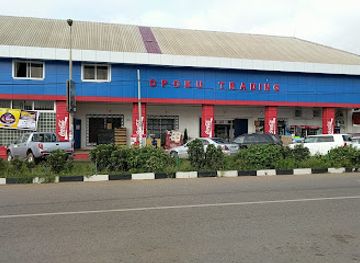
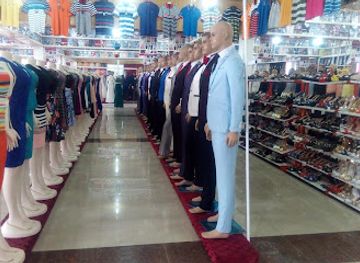
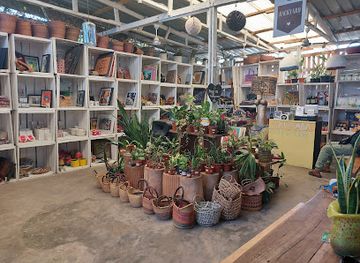
Shopping in the North East Region is centred on market towns, roadside stalls, small provision shops and personal introductions rather than large retail centres. Walewale and Nalerigu offer the broadest range of everyday goods, fabrics, clothing, household items and travel supplies, while local markets are useful places to see grain, vegetables, livestock and seasonal produce moving through the regional economy. Shea butter and other shea-based products are among the most characteristic purchases, alongside locally made foods, woven items and practical craft goods when available. Quality and availability vary, so ask about local production rather than assuming every item is regionally made. Bargaining may be normal in some market settings but should remain good-natured and proportionate. Carry cash in smaller cedi denominations, protect purchases from dust and heat, and avoid buying archaeological objects or anything presented as an artefact from a historic site.
-
Shopping mall
Palace Mall
Palace Mall in Accra: A vibrant shopping destination blending culture, dining, and entertainment for an unforgettable experience.
-
Shopping mall
Opoku Trading
Discover Kumasi's vibrant shopping culture at Opoku Trading, where local crafts, cuisine, and community come together in an unforgettable experience.
-
Boutique
Excellence boutique Head office
Explore fashion and local artistry at Excellence Boutique, Accra's premier shopping destination for unique and stylish finds.
-
Gift shop
The Shop Accra
Experience the vibrant culture of Ghana through unique, handcrafted items at The Shop Accra, a must-visit gift shop in the heart of Accra.
Get your free copy of our complete guide to North East Region, delivered straight to you.
Everything on this page, from attractions and restaurants to essentials and local phrases, in one PDF you can read offline, print or share.
Already have an account? Sign in
Your North East Region guide is ready.
We'll send it to · Not you? Sign out

Getting your guide ready…
We are putting together a fresh copy of the North East Region guide. This can take up to a minute.
This can take a few moments. If your browser asks, choose Allow so the download can start. You'll find the guide in your Downloads folder.
Nothing happened? Download it again
Sorry, the guide is taking longer than usual. Please try again in a minute, or get it by email instead.
North East Region essentials
Currency and Payment
Safety
Emergency Situations
Do's and Don'ts
Local Tips
From Eve
Local phrases worth knowing
You don't need to get them perfect. A few words go a long way, and locals appreciate the effort.
Basics
| English | Local | Say it |
|---|---|---|
| Hello | Nkyinkyim | [n-kee-n-chi-m] |
| Goodbye | Nante yie | [nan-teh yee-eh] |
| Yes | Aane | [ah-neh] |
| No | Daabi | [dah-bee] |
| Please/You're welcome | Mepa wo kyɛw | [meh-pah woh cheh] |
| Thank you | Medase | [meh-dah-seh] |
| Excuse me/Sorry | Kafra | [kah-frah] |
| How are you? | Wo ho te sɛn? | [woh hoh teh sen] |
| Fine. And you? | Me ho yɛ, na wo nso? | [meh hoh yeh, nah woh n-soh] |
| Do you speak English? | Wokasa wɔ Borɔfo? | [woh-kah-sah woh boh-roh-foh] |
| I don't understand | Mente ase | [men-teh ah-seh] |
Eating & Drinking
| English | Local | Say it |
|---|---|---|
| I'd like to see the menu, please | Mepɛ sɛ mehu menu no, mepa wo kyɛw | [meh-peh seh meh-hoo meh-noo noh, meh-pah woh cheh] |
| I don't eat meat | Mente nkyɛn | [men-teh n-chi-ehn] |
| Cheers! | Nkyinkyim! | [n-kee-n-chi-m] |
| I would like to pay, please | Mepɛ sɛ mɛtɔ sika no, mepa wo kyɛw | [meh-peh seh meh-taw see-kah noh, meh-pah woh cheh] |
Emergencies
| English | Local | Say it |
|---|---|---|
| Help! | Boa me! | [boh-ah meh] |
| Go away! | Kɔ nko! | [kaw n-koh] |
| Call the Police! | Frɛ Polisie! | [freh poh-lee-see-eh] |
| Call a doctor! | Frɛ dɔkita! | [freh doh-kee-tah] |
| I'm lost | M'ani so | [m'ah-nee soh] |
| I'm ill | M'ani da | [m'ah-nee dah] |
Shopping
| English | Local | Say it |
|---|---|---|
| I'd like to buy... | Mepɛ sɛ mɛtɔ... | [meh-peh seh meh-taw] |
| I'm just looking | Merehwɛ pɛ | [meh-reh-hweh peh] |
| How much is it? | Ɛyɛ dɛn? | [eh-yeh dehn] |
| That's too expensive | Ɛyɛ sika kɛse | [eh-yeh see-kah keh-seh] |
| Can you lower the price? | Wobɛtɔ sika no ase? | [woh-beh-taw see-kah noh ah-seh] |
Time & Numbers
| English | Local | Say it |
|---|---|---|
| What time is it? | Ɛyɛ dɛn na ɛda so? | [eh-yeh dehn nah eh-dah so] |
| It's one o'clock | Ɛyɛ ɔha | [eh-yeh oh-hah] |
| Half past (10) | Nkyɛn mmienu | [n-chi-ehn mmienu] |
| Morning | Anɔpa | [ah-noh-pah] |
| Afternoon | Anɔpa | [ah-noh-pah] |
| Evening | Anɔkɔda | [ah-noh-koh-dah] |
| Yesterday | Ɛnnɛ da | [eh-neh dah] |
| Today | Ɛnnɛ | [eh-neh] |
| Tomorrow | Ɛdɔm | [eh-dohm] |
| 1 | Baako | [bah-koh] |
| 2 | Mmienu | [mmienu] |
| 3 | Mmienan | [mmie-nahn] |
| 4 | Nan | [nahn] |
| 5 | Num | [noom] |
| 6 | Nsia | [n-see-ah] |
| 7 | Nson | [n-sohn] |
| 8 | Nwɔtwe | [n-wo-tweh] |
| 9 | Nkyɛn | [n-chi-ehn] |
| 10 | Dɔkɔ | [doh-koh] |
Transport & Directions
| English | Local | Say it |
|---|---|---|
| Where's a/the...? | Ɛhe na ...? | [eh-heh nah] |
| What's the address? | Dɛn na adwuma no? | [dehn nah ah-dwoo-mah noh] |
| Can you show me (on the map)? | Wobɛda me ho adi? | [woh-beh-dah meh hoh ah-dee] |
| When's the next (bus)? | Bɔkɔ mu bɛn? | [boh-koh moo behn] |
| A ticket (to ....) | Kɔtɔ (kɔ ...) | [koh-taw (koh)] |
History of North East Region
Early settlement and savannah societies
The area now forming the North East Region has long been occupied by farming and trading communities adapted to the wooded savannah. Settlement patterns developed around seasonal water, fertile soils and routes linking the northern savannah with the Volta basin and lands farther north. Archaeology and oral traditions together indicate a long history of movement, exchange and political organisation, although many early histories remain embedded in community traditions rather than in large surviving monuments.
The formation of Mamprugu
Mamprugu became one of the major traditional political systems of northern Ghana, with Nalerigu and Gambaga among its historic centres. Mampruli traditions trace the kingdom’s origins to the wider history of the Mole-Dagbani peoples and to the establishment of dynastic authority in the northern savannah. The Nayiri, the paramount chief of Mamprugu, remains an important traditional institution. Its influence helps explain the region’s continuing connection between customary leadership, land and community identity.
Nalerigu’s defensive heritage
The Nalerigu Defence Wall is traditionally associated with Naa Jaringa, a renowned Mamprugu ruler generally placed in the pre-colonial period. Built from earth, the defensive structure reflected an era when settlements protected themselves against raids and warfare affecting the northern trade routes. What survives is not a complete fortress in the European sense, but a valuable reminder of local military architecture and the strategic importance of Nalerigu. Its significance is best interpreted with local guidance and oral history.
Trade, migration and nineteenth-century upheaval
Before colonial rule, the region was connected to trading networks carrying livestock, grain, leather, kola and other goods between the forest belt, the savannah and territories to the north. These networks also brought political competition, migration and insecurity, including the effects of slave raiding that affected much of northern West Africa. The resulting movement of peoples helped shape the region’s cultural diversity, while the authority of Mamprugu continued to structure local political life.
Colonial Northern Territories
British rule incorporated the area into the Northern Territories, an administrative zone governed differently from the Gold Coast’s coastal and forest regions. Colonial administration relied partly on existing chiefly structures, including Mamprugu’s traditional hierarchy, while taxation, roads and new forms of authority altered older relationships. The region remained predominantly rural, with agriculture and local trade at its economic core. Many present-day administrative and transport patterns have roots in this period.
Regional reorganisation in modern Ghana
After Ghana’s independence, the area was administered within the former Northern Region and later the larger Northern administrative structure. The North East Region was created in 2019 as part of Ghana’s programme of regional reorganisation, with Nalerigu designated its capital. The new region brought together districts with shared savannah geography but varied cultural identities. Its contemporary development continues to centre on roads, education, agriculture, market towns and the preservation of traditional institutions.
North East Region in Photos
Browse through our photo collection highlighting the charm and character of the destination.
Neighbouring regions of North East Region
The closest regions to North East Region, if you have time for more than one.
-

-

-

-

-


Swipe for more regions

