

Mamprugu, Ghana Travel Guide
Discover Mamprugu: Experience the rich cultural heritage and natural beauty of one of Ghana's oldest kingdoms in the heart of Northern Ghana.
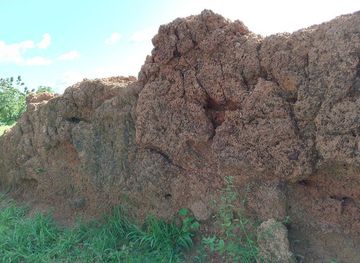
Mamprugu, situated in the northern region of Ghana, is a destination rich in culture and history. This ancient kingdom, founded in the 14th century by the legendary Naa Gbewaa, is one of the oldest traditional states in Ghana. The people of Mamprugu, known as the Mamprusi, have preserved their traditions and customs through the centuries, making it a fascinating place for any visitor interested in deep-rooted African heritage. One of the highlights of visiting Mamprugu is exploring the vibrant town of Nalerigu, the capital of the Mamprusi people. Here, tourists can visit the centuries-old Naa Gbewaa Palace, a symbol of the kingdom's enduring legacy. Nalerigu also hosts the historic Defensive Wall and the mysterious Slave Defense Wall, which offer a glimpse into the region's storied past. For nature enthusiasts, the White Volta River and its lush surroundings provide excellent opportunities for bird watching and scenic boat rides. The natural landscapes around Mamprugu are serene and largely untouched, offering a peaceful escape from the hustle and bustle of city life. The annual Damba Festival is another major attraction, where visitors can witness traditional dance, music, and the rich cultural tapestry of the Mamprusi people. Mamprugu is also known for its warm hospitality. Visitors are often welcomed with open arms and are encouraged to partake in local customs and traditions. Whether it's enjoying a meal of traditional dishes like TZ (Tuo Zaafi) and groundnut soup, or engaging with village elders, the immersive cultural experiences in Mamprugu are unforgettable.

Know before you go
Hi, I'm Eve. Here are a few practical things to know before exploring Mamprugu.
- Visit during the Damba Festival to experience the vibrant cultural celebrations.
- Engage a local guide to fully understand the historical significance of landmarks like the Naa Gbewaa Palace.
- Bring binoculars for bird watching along the White Volta River.
- Learn basic greetings in Mampruli to connect better with the locals.
- Respect local customs and dress modestly, especially when visiting traditional sites.
Destinations in Mamprugu
Resorts, valleys and scenic spots worth a trip of their own.
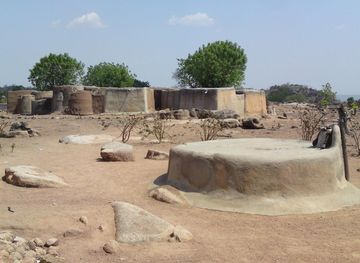
Explore Mamprugu: Things to Do, Places to Eat, Hotels & More
Handpicked recommendations for top attractions, local dining, accommodations, and more

Top Attractions & Sightseeing in Mamprugu
Top-rated picks
Best Attractions

Pikworo Slave Camp
Explore the poignant history of the Pikworo Slave Camp in Paga, Ghana, a memorial park dedicated to the legacy of the slave trade.

ATV Aburi - Quad biking
Experience the thrill of quad biking at ATV Aburi, an adventure sports center surrounded by Ghana's stunning landscapes and vibrant culture.

Maranatha Beach Camp
Discover the serene beauty and vibrant culture of Ada Foah at Maranatha Beach Camp, where relaxation meets adventure on Ghana's stunning coastline.

Royal Palace of King of Mamprugu ( Nayiri Palace)
Explore the Royal Palace of King of Mamprugu in Nalerigu, a cultural museum showcasing the rich heritage and traditions of the Mamprugu people.

Best landmarks in Mamprugu
Top-rated picks
Best Landmarks

Cape Coast Castle
Explore the poignant history of Cape Coast Castle, a UNESCO World Heritage site and a symbol of Ghana's rich heritage and resilience.

Kwame Nkrumah Memorial Park & Mausoleum
Explore the rich history of Ghana at the Kwame Nkrumah Memorial Park & Mausoleum, a serene tribute to the nation's founding father.
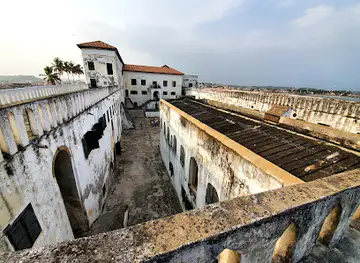
Elmina Castle
Discover Elmina Castle, a UNESCO World Heritage site in Ghana, where history meets breathtaking coastal views and vibrant culture.

Kakum National Park
Discover the breathtaking beauty and rich biodiversity of Kakum National Park, Ghana's jewel of nature and adventure.

Best restaurants in Mamprugu
Top-rated picks
Best Restaurants

The Buka Restaurant, Osu, Accra
Discover the vibrant tastes of West Africa at The Buka Restaurant in Accra—where every dish tells a story.

Capitol Cafe & Restaurant
Experience the vibrant culinary scene at Capitol Cafe & Restaurant in Accra - where local flavors meet international cuisine.

The Gold Coast Restaurant & Cocktail Bar
Experience exceptional seafood and innovative cocktails at The Gold Coast Restaurant & Cocktail Bar in Accra - a culinary highlight for every traveler.

Oliver Twist Shack
Experience authentic Ghanaian cuisine and vibrant nightlife at Oliver Twist Shack in Accra – where flavor meets fun.

Best bars in Mamprugu
Top-rated picks
Best Bars

The Republic Bar & Grill
Experience the vibrant nightlife of Accra at The Republic Bar & Grill, where delicious grilled dishes meet a lively bar atmosphere.

Purple Pub Osu
Experience the vibrant nightlife of Accra at Purple Pub Osu, where local flavors and unforgettable cocktails come together in a lively atmosphere.

Bloom Bar
Experience the energetic nightlife at Bloom Bar in Accra, where delightful cocktails and vibrant ambiance set the stage for a memorable evening.

The Gold Coast Restaurant & Cocktail Bar
Experience the vibrant flavors of Ghana at The Gold Coast Restaurant & Cocktail Bar, where exquisite seafood meets expertly crafted cocktails in Accra.

Best nightclubs in Mamprugu
Top-rated picks
Best Nightclubs

Plot 7
Dive into the electrifying nightlife of Accra at Plot 7, a premier disco club offering an unforgettable party experience.

Twist Night Club
Twist Night Club in Accra: A vibrant nightlife hotspot with electrifying music and an unforgettable party atmosphere.

Emperor Nite Club
Experience the vibrant nightlife of Kumasi at Emperor Nite Club, where electrifying music meets a lively atmosphere for an unforgettable night.

Boomerang Nite Club
Dive into the electric atmosphere of Boomerang Nite Club in Accra, where unforgettable nights and local beats await every visitor.

Best shops in Mamprugu
Top-rated picks
Best Shops

Kumasi City Mall
Kumasi City Mall: A vibrant shopping and entertainment destination in Ghana, where modern retail meets rich local culture.

Marina mall
Experience the best of shopping, dining, and entertainment at Marina Mall, Accra's top destination for tourists and locals alike.

The Shop Accra
Explore The Shop Accra for unique, high-quality gifts and authentic Ghanaian souvenirs crafted by local artisans.

Global Mamas
Explore vibrant fashion and beauty at Global Mamas, where every purchase supports local artisans in Accra, Ghana.

Explore Mamprugu on the Map
A handpicked selection of must-see spots in Mamprugu, mapped for you.
Mamprugu Essentials
-
Mamprugu is located in the Northern Region of Ghana. The nearest major city is Tamale, which has an international airport, Tamale Airport (TML). From Tamale, you can take a taxi or bus to Nalerigu, the traditional capital of Mamprugu, which is about a 2 to 3-hour drive. Alternatively, you can rent a car for more flexibility.
-
Mamprugu is a relatively rural area, so transportation options are limited. Local buses and shared taxis are the most common forms of public transportation. For more convenience, renting a car is advisable. Motorcycles are also available for hire, which are useful for navigating the more remote and rural areas. Walking is a viable option within towns and villages.
-
The official currency in Ghana is the Ghanaian Cedi (GHS). Credit cards are accepted in some hotels and larger stores, but it is advisable to carry cash, especially in smaller towns and rural areas. ATMs are available in larger towns like Nalerigu, but it is wise to withdraw sufficient cash in Tamale before traveling further into Mamprugu.
-
Mamprugu is generally a safe destination for tourists. However, standard precautions are recommended. Avoid walking alone at night in unfamiliar areas and always keep an eye on your belongings. While Mamprugu does not have specific high-crime areas targeting tourists, it’s best to stay vigilant and aware of your surroundings.
-
In case of emergency, dial 191 for police assistance and 193 for medical emergencies. The nearest hospitals are in Nalerigu and Walewale. It is recommended to have travel insurance that covers medical emergencies. For minor health issues, there are pharmacies in larger towns where you can purchase over-the-counter medications.
-
Fashion: Do dress modestly, especially when visiting religious sites. Avoid wearing revealing clothing. Religion: Do respect local customs and traditions. Always ask for permission before taking photos in religious or sacred places. Public Transport: Do be respectful and give up your seat to elderly passengers. Don’t eat or drink on public transport. Greetings: Do greet people with a handshake. A slight bow of the head is also a sign of respect. Eating & Drinking: Do try local delicacies and accept food offerings graciously. Don’t refuse hospitality, as it is considered impolite.
-
To experience Mamprugu like a local, visit the local markets where you can buy fresh produce and traditional goods. Engaging with locals will enrich your experience, as they are often friendly and willing to share stories about the area's history and culture. Don’t miss visiting the Nayiri Palace in Nalerigu, a significant cultural and historical site. Also, consider participating in traditional festivals if your visit coincides with one.
When is the best time to visit Mamprugu?
Useful Local Phrases for Mamprugu
You don't need to speak the language perfectly. Even learning a few simple words can make conversations warmer—and locals usually appreciate the effort.
— Eve

Here are the phrases I use most often in Mamprugu. Try a few—you'll be surprised how far they go! 😊
❤️
-
- HelloNaa
[Nah] - GoodbyeNaa yilli
[Nah yee-lee] - YesAane
[Ah-neh] - NoBene
[Beh-neh] - Please/You're welcomeNaa ma
[Nah mah] - Thank youMeda wo ase
[Meh-dah woh ah-seh] - Excuse me/SorryKafra
[Kah-frah] - How are you?Naa wula?
[Nah woo-lah?] - Fine. And you?Naa yela. A na?
[Nah yeh-lah. Ah nah?] - Do you speak English?Naa lɛɛ English?
[Nah leh English?] - I don't understandNaa m'ka
[Nah em-kah]
- HelloNaa
-
- I'd like to see the menu, pleaseNaa pɔ nɛ mɛnu, naa ma
[Nah paw neh meh-noo, nah mah] - I don't eat meatNaa m'ɛ dɔɔ
[Nah em-eh doh] - Cheers!Bɔɔ
[Boh] - I would like to pay, pleaseNaa pɔ yala, naa ma
[Nah paw yah-lah, nah mah]
- I'd like to see the menu, pleaseNaa pɔ nɛ mɛnu, naa ma
-
- Help!Mɔ bɔ!
[Moh boh!] - Go away!Naa bɔ yɔ!
[Nah boh yoh!] - Call the Police!Naa kɔ yɔ bɔlisa!
[Nah koh yoh boh-lee-sah!] - Call a doctor!Naa kɔ yɔ dɔkta!
[Nah koh yoh doh-kah!] - I'm lostNaa m'ka aŋ
[Nah em-kah ahng] - I'm illNaa m'ɛ nɛ
[Nah em-eh neh]
- Help!Mɔ bɔ!
-
- I'd like to buy...Naa pɔ tɔ...
[Nah paw toh...] - I'm just lookingNaa Ɛ bɔ aŋ
[Nah eh boh ahng] - How much is it?Naa bɛ a?
[Nah beh ah?] - That's too expensiveNaa bɛ a kɔbɔ
[Nah beh ah koh-boh] - Can you lower the price?Naa bɛ tɔ kɔ bɛ a?
[Nah beh toh koh beh ah?]
- I'd like to buy...Naa pɔ tɔ...
-
- What time is it?Naa bɛ nɛ nɔ?
[Nah beh neh noh?] - It's one o'clockNaa bɛ nɔ ɨtɔ
[Nah beh noh ee-taw] - Half past (10)Naa bɛ nɔ faŋ (10)
[Nah beh noh fahng (10)] - MorningNaa nɛ rɔ
[Nah neh roh] - AfternoonNaa nɛ mɔr
[Nah neh mohr] - EveningNaa nɛ bɔtɔ
[Nah neh boh-toh] - YesterdayNaa bɛ tɔ nɛɛ
[Nah beh toh neh-eh] - TodayNaa nɛ bɔ
[Nah neh boh] - TomorrowNaa nɛ kɔ
[Nah neh koh] - 1Nɔ
[Noh] - 2Nɔŋ
[Nohng] - 3Nɔtɔ
[Noh-toh] - 4Nɔɨ
[Noh-ee] - 5Nɔrɔ
[Noh-roh] - 6Nɔŋbɔ
[Nohng-boh] - 7Nɔŋtɔ
[Nohng-toh] - 8Nɔŋbɔtɔ
[Nohng-boh-toh] - 9Nɔŋsɔ
[Nohng-soh] - 10Nɔŋkɔ
[Nohng-koh]
- What time is it?Naa bɛ nɛ nɔ?
-
- Where's a/the...?Naa bɛ nɛ...?
[Nah beh neh...?] - What's the address?Naa bɛ nɛ adɛs?
[Nah beh neh ah-dehs?] - Can you show me (on the map)?Naa bɛ nɛ yɔ (bɔ mɔtɔ)?
[Nah beh neh yoh (baw mo-toh)?] - When's the next (bus)?Naa bɛ nɛ yɔ (bus) nɛ?
[Nah beh neh yoh (bus) neh?] - A ticket (to ....)Naa bɛ nɛ ticket (kɔ ....)
[Nah beh neh ticket (koh ....)]
- Where's a/the...?Naa bɛ nɛ...?
History of Mamprugu
-
Mamprugu, a traditional kingdom in northern Ghana, was founded in the 14th century by the legendary warrior Na Gbewa. He united several tribes and established a centralized kingdom, which became a significant political and cultural entity in the region. Na Gbewa's legacy is still revered, and his story is integral to the identity of the Mamprusi people.
-
In the 15th century, the Mamprusi people experienced a significant migration southwards due to pressures from neighboring empires and internal conflicts. This migration led to the expansion of Mamprugu's influence and the establishment of several satellite communities. The period is noted for the spread of Mamprusi culture and traditions across a broader region.
-
During the late 19th and early 20th centuries, Mamprugu encountered European colonial forces, particularly the British. The kingdom maintained a degree of autonomy through diplomatic negotiations but was eventually incorporated into the British colonial administration. This period saw the introduction of Western education and infrastructure, which coexisted with traditional governance systems.
-
After Ghana gained independence in 1957, Mamprugu became part of the newly formed nation-state. The kingdom adapted to modern political structures while preserving its traditional authority. The NaYiri, the paramount chief of Mamprugu, continues to play a vital role in local governance and cultural preservation. The region has since seen various development projects aimed at improving infrastructure and education.
-
Mamprugu is renowned for its rich cultural heritage, which includes vibrant festivals, traditional music, and dance. The Damba Festival, celebrated annually, is one of the most significant events, marking the birth and naming ceremonies of Prophet Muhammad. Traditional crafts such as weaving and pottery are also integral to the cultural landscape, showcasing the artistic skills of the Mamprusi people.
-
Chieftaincy remains a cornerstone of Mamprusi society. The NaYiri, along with sub-chiefs, oversees various aspects of governance, dispute resolution, and ceremonial duties. The chieftaincy institution is deeply respected and serves as a link between the past and present, ensuring the continuity of Mamprusi customs and social structures.
Neighbouring Regions of Mamprugu
The closest regions to Mamprugu, if you have time for more than one.


Your all‑in‑one travel companion app
Explore expert travel guides, compare and book tours, experiences, hotels, and more—all from the palm of your hand. Download now for seamless trip planning wherever your wanderlust takes you.


Explore More of Ghana

Looking beyond Mamprugu? Discover Ghana for broader travel guides, local hot-spots, and regional highlights.
Explore GhanaMamprugu in Photos
Browse through our photo collection highlighting the charm and character of the destination.





Mamprugu: The Heartbeat of Northern Ghana's Rich Heritage
Mamprugu, situated in the northern region of Ghana, is a destination rich in culture and history. This ancient kingdom, founded in the 14th century by the legendary Naa Gbewaa, is one of the oldest traditional states in Ghana. The people of Mamprugu, known as the Mamprusi, have preserved their traditions and customs through the centuries, making it a fascinating place for any visitor interested in deep-rooted African heritage. One of the highlights of visiting Mamprugu is exploring the vibrant town of Nalerigu, the capital of the Mamprusi people. Here, tourists can visit the centuries-old Naa Gbewaa Palace, a symbol of the kingdom's enduring legacy. Nalerigu also hosts the historic Defensive Wall and the mysterious Slave Defense Wall, which offer a glimpse into the region's storied past. For nature enthusiasts, the White Volta River and its lush surroundings provide excellent opportunities for bird watching and scenic boat rides. The natural landscapes around Mamprugu are serene and largely untouched, offering a peaceful escape from the hustle and bustle of city life. The annual Damba Festival is another major attraction, where visitors can witness traditional dance, music, and the rich cultural tapestry of the Mamprusi people. Mamprugu is also known for its warm hospitality. Visitors are often welcomed with open arms and are encouraged to partake in local customs and traditions. Whether it's enjoying a meal of traditional dishes like TZ (Tuo Zaafi) and groundnut soup, or engaging with village elders, the immersive cultural experiences in Mamprugu are unforgettable.