

Savannah Region, Ghana Travel Guide
Discover the Savannah Region in Ghana: A journey through untamed landscapes, rich wildlife, and vibrant cultures.
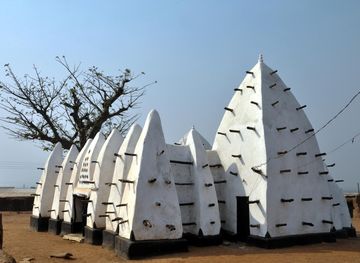
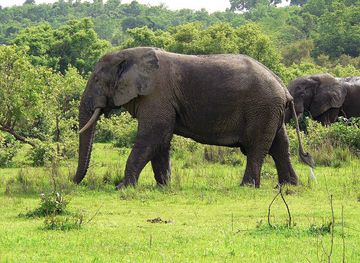
The Savannah Region in Ghana is a captivating destination that boasts a rich tapestry of landscapes and cultures. This region, known for its vast savannah grasslands, is dotted with iconic baobab trees and intersected by the White Volta River. The natural beauty here is pristine and largely untouched, offering a tranquil escape for those looking to reconnect with nature. One of the highlights of the Savannah Region is the Mole National Park, Ghana’s largest wildlife refuge. Here, you can embark on walking safaris or jeep tours to see elephants, antelopes, and a variety of bird species in their natural habitat. The park also offers picturesque views and the chance to explore ancient rock formations and waterholes. Beyond its natural wonders, the Savannah Region is steeped in history and culture. Visit the ancient mud-and-stick mosques in Larabanga, which stand as a testament to the area's rich Islamic heritage. The local communities are warm and welcoming, offering visitors a glimpse into traditional Ghanaian life. You can partake in local festivals, sample traditional cuisine, and learn about the customs and crafts that have been passed down through generations.

Know before you go
Hi, I'm Eve. Here are a few practical things to know before exploring Savannah Region.
- Visit during the dry season (November to April) for the best wildlife viewing opportunities at Mole National Park.
- Carry cash, as ATMs and card services may not be available in remote areas.
- Hire a local guide to explore Mole National Park for a more informative and safe experience.
- Try the local dish 'Tuo Zaafi' – a traditional meal made of maize and served with soup or stew.
- Respect local customs and traditions, especially when visiting religious sites like the Larabanga Mosque.
Top City Travel Guides in Savannah Region
The cities of Savannah Region, and the easiest places to base yourself.


Destinations in Savannah Region
Resorts, valleys and scenic spots worth a trip of their own.

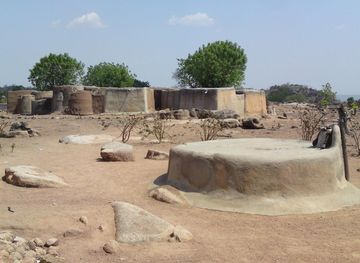
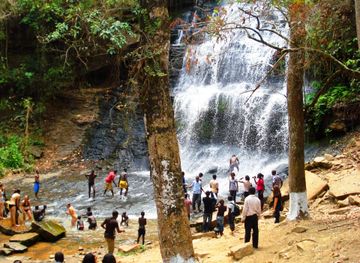
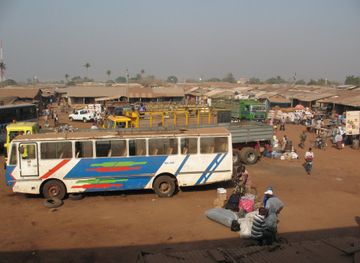
Explore Savannah Region: Things to Do, Places to Eat, Hotels & More
Handpicked recommendations for top attractions, local dining, accommodations, and more

Top Attractions & Sightseeing in Savannah Region
Top-rated picks
Best Attractions

Mole Motel
Discover the beauty and wildlife of Ghana at Mole Motel, your gateway to adventure and relaxation in the heart of Mole National Park.

Sagnarigu Chief Palace
Explore the Sagnarigu Chief Palace, a cultural gem in Tamale, Ghana, showcasing the rich heritage of the Dagbon Kingdom through its stunning architecture and history.

Mole National Park
Explore the vast wilderness of Mole National Park, Ghana's premier wildlife sanctuary, where elephants roam and nature thrives.

Jakpa Palace
Explore the cultural heart of Damongo at Jakpa Palace, a vibrant center of tradition and heritage in Ghana.

Best landmarks in Savannah Region
Top-rated picks
Best Landmarks

Mole National Park
Explore the breathtaking wildlife and stunning landscapes of Mole National Park, Ghana's premier national park and wildlife sanctuary.

Larabanga Mosque
Explore the Larabanga Mosque, one of Ghana's oldest mosques, and immerse yourself in its rich history and stunning architecture.

Best restaurants in Savannah Region
Top-rated picks
Best Restaurants

The Eco clubhouse
Experience the taste of Ghana at The Eco Clubhouse, where sustainability meets authentic culinary delights in the heart of Damongo.

Savanna city cuisine ( restaurant)
Experience authentic Ghanaian flavors at Savanna City Cuisine in Salaga - a culinary gem showcasing local ingredients and traditional dishes.

Amalia Remains Fried Rice Restaurant
Experience authentic Ghanaian fast food at Amalia Remains Fried Rice Restaurant in Bole – where every dish tells a story.

Wasipe Gate Hotel Restorant
Experience authentic Ghanaian cuisine in a welcoming atmosphere at Wasipe Gate Hotel Restaurant in Daboya.

Best bars in Savannah Region
Top-rated picks
Best Bars

The Eco clubhouse
Experience sustainable dining at The Eco Clubhouse in Damongo, where delicious cuisine meets eco-friendly practices in a vibrant atmosphere.

Happy Dayz Lounge
Experience the vibrant nightlife and delicious cuisine at Happy Dayz Lounge in Tamale, a perfect blend of relaxation and excitement.

Kasha Restaurant and Lounge
Experience the vibrant flavors of Ghana at Kasha Restaurant and Lounge, where every meal is a celebration of culinary artistry.
Peace and love
Discover the vibrant atmosphere of Peace and Love Bar in Bole, where local culture and lively nightlife come together for an unforgettable experience.


Best shops in Savannah Region
Top-rated picks
Best Shops

The Shop Accra
Explore The Shop Accra, where unique gifts and local crafts come together to celebrate Ghana's vibrant culture.

FAA Shoppings (Indian & Western Dress Store/Indian Boutique)
Explore the vibrant fusion of Indian and Western fashion at FAA Shoppings, Accra's premier clothing store for stylish outfits.

RHESA | Fashion Store | World wide shipping
Explore RHESA, the ultimate fashion store offering trendy styles and worldwide shipping for every fashion enthusiast.

Kumasi City Mall
Explore the vibrant Kumasi City Mall for a blend of shopping, dining, and local culture in the heart of Ghana.

Explore Savannah Region on the Map
A handpicked selection of must-see spots in Savannah Region, mapped for you.
Savannah Region Essentials
-
The Savannah Region in Ghana is accessible primarily via the Tamale Airport, which is the nearest major airport. From Tamale, you can take a bus or hire a taxi to reach various parts of the Savannah Region. The journey by road typically takes 2 to 4 hours depending on your exact destination. There are also long-distance buses operating from Accra and Kumasi directly to key towns such as Damongo and Buipe in the Savannah Region.
-
Within the Savannah Region, transportation options include local minibuses known as 'trotros,' taxis, and motorbikes. Trotros are the most economical way to get around, though they can be crowded. Taxis offer a more comfortable alternative and can be hired for the day for a more flexible itinerary. Motorbikes are also a popular mode of transport, especially for shorter distances and in rural areas. Car rentals are available but may be limited in selection.
-
The official currency in Ghana is the Ghanaian Cedi (GHS). Credit and debit cards are accepted in some hotels, restaurants, and large shops, but it's advisable to carry cash, especially when traveling to more remote areas. ATMs are available in larger towns such as Damongo and Buipe, but they might not always be reliable, so it’s wise to withdraw sufficient cash in Tamale or Accra before traveling to the Savannah Region.
-
The Savannah Region is generally safe for tourists, but standard precautions should be taken. Avoid walking alone at night and be cautious with your belongings in crowded places. While the crime rate is relatively low, petty theft can occur, especially in busier areas. There are no specific high-crime areas targeting tourists, but it's always best to stay vigilant.
-
In case of emergency, dial 191 for police assistance and 193 for medical emergencies. Major towns in the Savannah Region have police stations and medical facilities. It is strongly recommended to have travel insurance that covers medical emergencies. For minor health issues, pharmacies are available in larger towns where you can purchase over-the-counter medications.
-
Fashion: Do dress modestly, especially in rural areas and when visiting religious sites. Avoid wearing very revealing clothing. Religion: Do respect local customs and traditions. Always ask for permission before taking photos of people, particularly in religious settings. Public Transport: Do be patient and polite. Trotros can be crowded and schedules unpredictable. Don’t be aggressive when boarding. Greetings: Do greet people with a handshake and a smile. Elders should be greeted first as a sign of respect. Eating & Drinking: Do try local dishes such as 'fufu' and 'jollof rice.' Don’t refuse food offered by locals, as it is considered impolite.
-
To experience the Savannah Region like a local, visit the weekly markets where you can buy fresh produce and traditional crafts. Engage with the locals; they are often friendly and willing to share stories about their culture and history. Don't miss visiting Mole National Park for wildlife viewing and the Larabanga Mosque, which is one of the oldest mosques in West Africa. For a unique experience, take a guided tour of the ancient Gonja Kingdom sites.
When is the best time to visit Savannah Region?
Useful Local Phrases for Savannah Region
You don't need to speak the language perfectly. Even learning a few simple words can make conversations warmer—and locals usually appreciate the effort.
— Eve

Here are the phrases I use most often in Savannah Region. Try a few—you'll be surprised how far they go! 😊
❤️
-
- HelloHello
[Hello] - GoodbyeGoodbye
[Goodbye] - YesYes
[Yes] - NoNo
[No] - Please/You're welcomePlease/You're welcome
[Please/You're welcome] - Thank youThank you
[Thank you] - Excuse me/SorryExcuse me/Sorry
[Excuse me/Sorry] - How are you?How are you?
[How are you?] - Fine. And you?Fine. And you?
[Fine. And you?] - Do you speak English?Do you speak English?
[Do you speak English?] - I don't understandI don't understand
[I don't understand]
- HelloHello
-
- I'd like to see the menu, pleaseI'd like to see the menu, please
[I'd like to see the menu, please] - I don't eat meatI don't eat meat
[I don't eat meat] - Cheers!Cheers!
[Cheers!] - I would like to pay, pleaseI would like to pay, please
[I would like to pay, please]
- I'd like to see the menu, pleaseI'd like to see the menu, please
-
- Help!Help!
[Help!] - Go away!Go away!
[Go away!] - Call the Police!Call the Police!
[Call the Police!] - Call a doctor!Call a doctor!
[Call a doctor!] - I'm lostI'm lost
[I'm lost] - I'm illI'm ill
[I'm ill]
- Help!Help!
-
- I'd like to buy...I'd like to buy...
[I'd like to buy...] - I'm just lookingI'm just looking
[I'm just looking] - How much is it?How much is it?
[How much is it?] - That's too expensiveThat's too expensive
[That's too expensive] - Can you lower the price?Can you lower the price?
[Can you lower the price?]
- I'd like to buy...I'd like to buy...
-
- What time is it?What time is it?
[What time is it?] - It's one o'clockIt's one o'clock
[It's one o'clock] - Half past (10)Half past (10)
[Half past (10)] - MorningMorning
[Morning] - AfternoonAfternoon
[Afternoon] - EveningEvening
[Evening] - YesterdayYesterday
[Yesterday] - TodayToday
[Today] - TomorrowTomorrow
[Tomorrow] - 11
[1] - 22
[2] - 33
[3] - 44
[4] - 55
[5] - 66
[6] - 77
[7] - 88
[8] - 99
[9] - 1010
[10]
- What time is it?What time is it?
-
- Where's a/the...?Where's a/the...?
[Where's a/the...?] - What's the address?What's the address?
[What's the address?] - Can you show me (on the map)?Can you show me (on the map)?
[Can you show me (on the map)?] - When's the next (bus)?When's the next (bus)?
[When's the next (bus)?] - A ticket (to ....)A ticket (to ....)
[A ticket (to ....)]
- Where's a/the...?Where's a/the...?
History of Savannah Region
-
The Savannah Region of Ghana has a rich tapestry of history that dates back to ancient times. The area was once the home of powerful and influential kingdoms such as the Gonja Kingdom, established in the 16th century. These early settlers were primarily involved in trade, agriculture, and hunting, contributing to the region's development and prosperity. The Gonja people played a significant role in the trans-Saharan trade, exchanging gold, kola nuts, and other goods with North African traders.
-
The Gonja Kingdom, founded by Sumaila Ndewura Jakpa in the 16th century, remains one of the most significant historical landmarks in the Savannah Region. Jakpa, a warrior and leader, expanded the kingdom through a series of military campaigns and strategic alliances. The kingdom's capital, Yagbon, became a central hub for political and economic activities. The Gonja Kingdom's influence extended over a vast area, including parts of present-day Ivory Coast, demonstrating its power and reach.
-
During the colonial era, the Savannah Region experienced significant changes with the arrival of the British. The region was incorporated into the British Gold Coast Colony in the late 19th century. The Gonja people, known for their resilience, resisted colonial rule through various means, including armed conflicts and diplomatic negotiations. Despite the challenges, the colonial period led to infrastructural development, such as the construction of roads and schools, which contributed to the region's modernization.
-
The Savannah Region is renowned for its vibrant cultural heritage and colorful festivals. The region's diverse ethnic groups, including the Gonja, Dagomba, and Mamprusi, each have unique traditions and customs. One of the most notable festivals is the Damba Festival, celebrated by the Gonja people to commemorate the birth and naming of the Prophet Muhammad. The festival features traditional music, dance, and drumming, providing a captivating insight into the region's rich cultural tapestry.
-
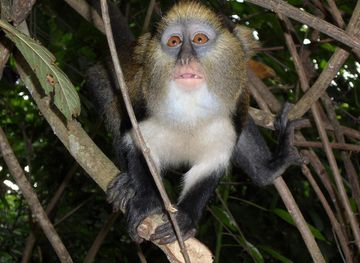
The Savannah Region is blessed with breathtaking natural attractions that draw visitors from all over the world. Mole National Park, the largest wildlife refuge in Ghana, is a haven for ecotourism enthusiasts. The park is home to a diverse array of wildlife, including elephants, antelopes, and over 300 bird species. The region's landscapes, characterized by savannah grasslands, rivers, and waterfalls, offer numerous opportunities for hiking, bird watching, and experiencing the serene beauty of nature.
-
In recent years, the Savannah Region has seen considerable developments in infrastructure, education, and healthcare. The establishment of the Damongo Senior High School and the West Gonja District Hospital are testaments to the region's progress. Additionally, initiatives aimed at promoting tourism and preserving cultural heritage have been implemented, setting the stage for a brighter future. The region's strategic location and untapped potential make it a promising destination for investors and adventurers alike.
Neighbouring Regions of Savannah Region
The closest regions to Savannah Region, if you have time for more than one.



Your all‑in‑one travel companion app
Explore expert travel guides, compare and book tours, experiences, hotels, and more—all from the palm of your hand. Download now for seamless trip planning wherever your wanderlust takes you.


Explore More of Ghana

Looking beyond Savannah Region? Discover Ghana for broader travel guides, local hot-spots, and regional highlights.
Explore GhanaSavannah Region in Photos
Browse through our photo collection highlighting the charm and character of the destination.


Savannah Region: Ghana's Untamed Beauty
The Savannah Region in Ghana is a captivating destination that boasts a rich tapestry of landscapes and cultures. This region, known for its vast savannah grasslands, is dotted with iconic baobab trees and intersected by the White Volta River. The natural beauty here is pristine and largely untouched, offering a tranquil escape for those looking to reconnect with nature. One of the highlights of the Savannah Region is the Mole National Park, Ghana’s largest wildlife refuge. Here, you can embark on walking safaris or jeep tours to see elephants, antelopes, and a variety of bird species in their natural habitat. The park also offers picturesque views and the chance to explore ancient rock formations and waterholes. Beyond its natural wonders, the Savannah Region is steeped in history and culture. Visit the ancient mud-and-stick mosques in Larabanga, which stand as a testament to the area's rich Islamic heritage. The local communities are warm and welcoming, offering visitors a glimpse into traditional Ghanaian life. You can partake in local festivals, sample traditional cuisine, and learn about the customs and crafts that have been passed down through generations.