

Free Gonjaland Travel Guide & Mobile App
Explore Gonjaland with free travel guides. Discover regional history, expert tips, proposed trips, and audio guides on web or mobile app.


Explore Gonjaland in northern Ghana for Gonja heritage, Mole wildlife, historic Larabanga, savannah scenery and community-led cultural encounters.
Read more about Gonjaland
When is the best time to visit Gonjaland?
Best: December–February · 30–31°C| Month | High (°C) | Rainfall (mm) |
|---|---|---|
| January (best) | 30 | 10 |
| February (best) | 31 | 20 |
| March | 32 | 25 |
| April | 33 | 30 |
| May | 34 | 35 |
| June | 34 | 40 |
| July | 33 | 45 |
| August | 34 | 40 |
| September | 33 | 35 |
| October | 32 | 30 |
| November | 31 | 25 |
| December (best) | 30 | 20 |
Getting to and around Gonjaland
How to get there
Transportation
Top city travel guides in Gonjaland
The cities of Gonjaland, and the easiest places to base yourself.
-

-


Swipe for more cities
Destinations in Gonjaland
Resorts, valleys and scenic spots worth a trip of their own.
-

-

-

-


Swipe for more destinations
Best attractions in Gonjaland
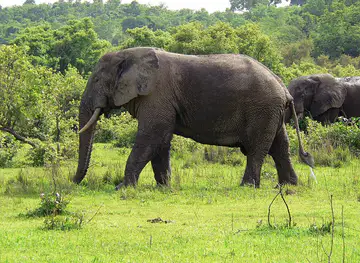
Gonjaland’s attractions combine wildlife, cultural heritage and open savannah rather than a dense chain of conventional tourist sites. Mole National Park is the region’s principal draw, offering guided game drives and walking experiences in a landscape of woodland, grassland and seasonal watercourses, with elephants, antelope, baboons and abundant birdlife among the notable species. The Larabanga area adds historic and religious interest through its old mosque and associated local traditions, while nearby Mognori provides community-guided activities and insight into life beside the protected landscape. Damongo introduces visitors to the contemporary centre of Gonja traditional authority and regional administration. In the south-west, Bui National Park presents a different environment around the Black Volta, with riverine scenery and forested habitat. Rural markets, shea-processing activities and guided village visits can add social context, but these should be arranged respectfully rather than treated as staged entertainment. Distances are considerable, facilities are concentrated in a few bases, and the quality of a visit often depends on advance local arrangements.
-
Museum
Salaga Slave Market
Explore the poignant history at Salaga Slave Market, a museum dedicated to the legacy of the transatlantic slave trade in Ghana.
-
Cultural landmark
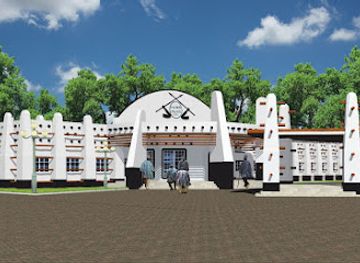
Jakpa Palace
Discover the rich heritage of the Gonja people at Jakpa Palace, a cultural landmark in Damongo, Ghana, filled with history and vibrant community life.
-
Historical landmark
Kawukudi Roundabout
Discover the vibrant culture of Accra at Kawukudi Roundabout, a historical landmark that embodies the spirit of Ghanaian life and community.
-
Historical landmark
ANKOBEA TRADITIONAL PALACE
Explore the AnkoBea Traditional Palace in Amasu: A Stunning Historical Landmark Rich in Culture and Heritage.
Best landmarks in Gonjaland
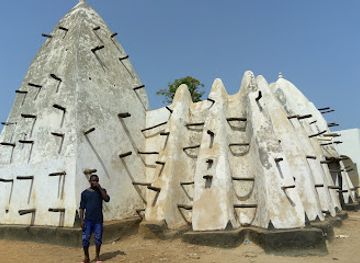
The Larabanga Mosque is Gonjaland’s most recognisable architectural landmark, a historic mud-built mosque associated with the Sudano-Sahelian architectural tradition that extends across the savannah belt of West Africa. Its form, materials and continuing religious use reflect the region’s long connections with Islam and trans-Sahelian culture, although visitors should approach with local guidance and respect for worshippers. Damongo’s traditional and civic institutions are another important expression of place: it is the seat of the Yagbonwura and the principal centre of Gonja customary authority, even though the relevant palaces and compounds are not simply public monuments. The Black Volta forms a major geographical landmark along the southern and western reaches of the wider Gonja area, with Bui’s river valleys and woodland offering a marked contrast to the open savannah around Mole. Within Mole National Park, escarpments, seasonal waterholes and broad woodland views provide natural landmarks whose value lies in their ecological setting rather than monumental construction.
-
Historical landmark
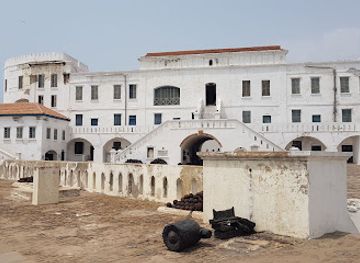
Cape Coast Castle
Explore Cape Coast Castle, a UNESCO World Heritage Site, and delve into Ghana's profound history of resilience and the legacy of the transatlantic slave trade.
-
 Museum
Kwame Nkrumah Memorial Park & Mausoleum
Explore the Kwame Nkrumah Memorial Park & Mausoleum, a historical gem in Accra celebrating Ghana's independence and rich cultural heritage.
-
Castle
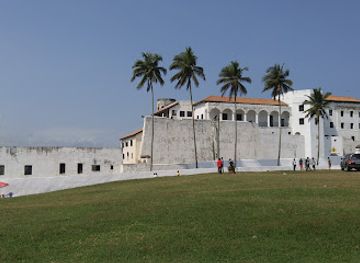
Elmina Castle
Discover Elmina Castle, a UNESCO World Heritage Site in Ghana, steeped in history and offering breathtaking coastal views.
-
National park
Mole National Park
Explore Ghana's premier wildlife destination at Mole National Park, where adventure meets breathtaking nature and unforgettable wildlife encounters.
Explore Gonjaland on the map
Plan your trip on one map. See where the top cities, national parks and sights are, and book hotels and experiences in a few clicks.
Best hotels in Gonjaland
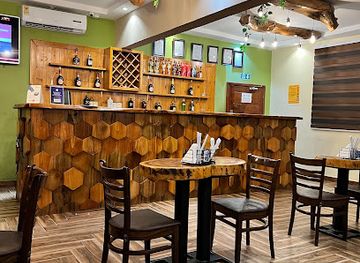
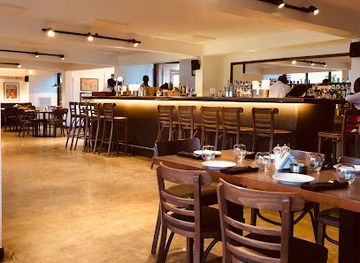
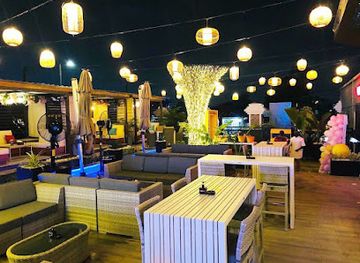
Best restaurants in Gonjaland
Dining in Gonjaland is straightforward, regional and closely connected to northern Ghanaian food traditions. Tuo zaafi, a soft maize or millet staple served with soups and leafy sauces, is one of the dishes visitors are most likely to encounter, alongside rice, beans, groundnuts, okra, grilled meat and guinea fowl where available. Local cooking varies between households and communities, and menus in Damongo are generally broader than those in villages or near remote park areas. Small chop bars, roadside food stalls and informal eateries provide the most direct introduction to everyday meals, while lodges and guesthouses cater more predictably for visitors. Shea products are important to the local economy, though shea butter is more commonly encountered as a food ingredient or craft and cosmetic product than as a restaurant speciality. Carry water and snacks on excursions, since food options may be limited once travelling away from major settlements.
-
Restaurant
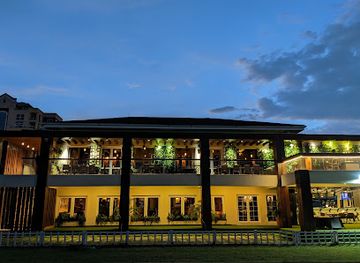
Polo Club Restaurant & Lounge
Experience luxury dining at Polo Club Restaurant & Lounge, where Italian flair meets sushi artistry amidst vibrant surroundings.
-
Restaurant
Oliver Twist Shack
Experience the vibrant culinary scene at Oliver Twist Shack - where delicious meals meet lively bar vibes in Accra.
-
Restaurant
Bistro 22 - Kitchen + Bar
Experience gourmet dining at Bistro 22 - Kitchen + Bar in Accra, where local flavors meet international cuisine in an elegant setting.
-
Restaurant
Tunnel Lounge
Discover exquisite seafood and steak dishes at Tunnel Lounge in Accra's vibrant dining scene.
Best bars in Gonjaland
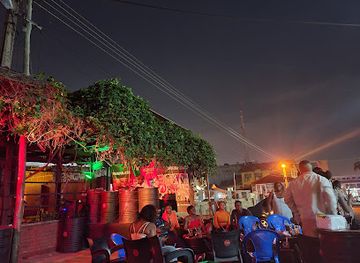
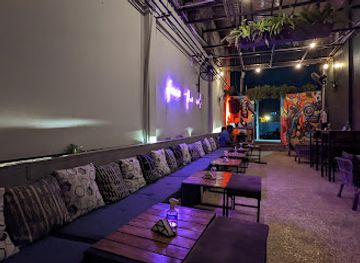
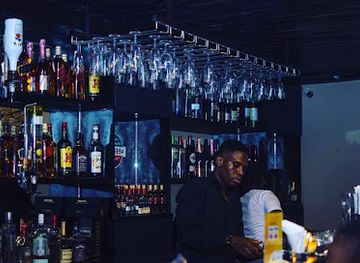
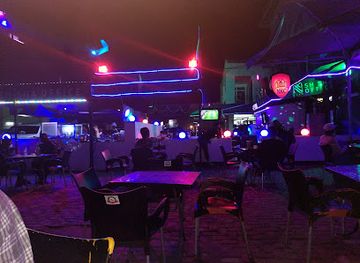
Evening life in Gonjaland is modest and community-oriented rather than built around large nightclubs. Damongo has the widest choice of small bars, drinking spots, chop bars and places where residents meet over conversation, music and football. Around Mole, lodge bars and restaurants provide a quieter evening setting after wildlife excursions, while villages such as Larabanga generally offer a small number of informal local venues rather than a formal entertainment district. Live or recorded Ghanaian music may feature, but schedules and opening arrangements are changeable. Outside the main towns, evenings are shaped by household gatherings, food stalls and early starts for work or wildlife activities. Visitors should drink responsibly, arrange transport before going out and avoid assuming that rural roads or venues will remain active late into the night.
-
Grill
The Republic Bar & Grill
Experience the vibrant atmosphere of The Republic Bar & Grill in Accra, where delicious grilled dishes and unique drinks await you.
-
Restaurant
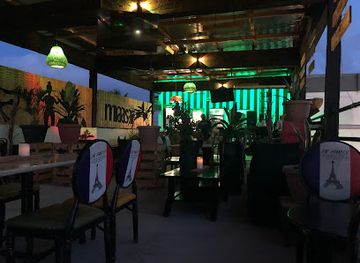
The Piano Bar and MAASAI Bar
Experience the vibrant culture of Accra at The Piano Bar and MAASAI Bar, where exceptional cuisine meets lively entertainment in a stylish setting.
-
Bar
Alley Bar
Discover the lively Alley Bar in Accra, where local drinks and vibrant music create an unforgettable nightlife experience.
-
Bar
Ramies Pub & Lounge
Discover the lively charm of Ramies Pub & Lounge in Accra - where great food, drinks, and entertainment come together.
Best nightclubs in Gonjaland
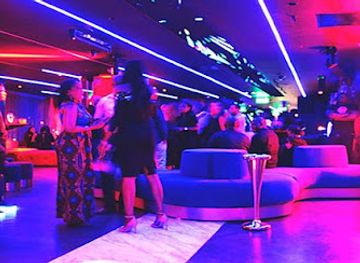
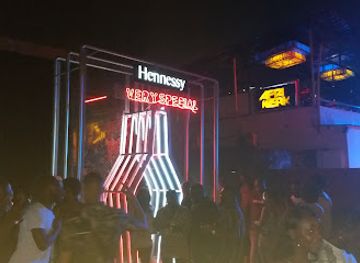
Evening life in Gonjaland is modest and community-oriented rather than built around large nightclubs. Damongo has the widest choice of small bars, drinking spots, chop bars and places where residents meet over conversation, music and football. Around Mole, lodge bars and restaurants provide a quieter evening setting after wildlife excursions, while villages such as Larabanga generally offer a small number of informal local venues rather than a formal entertainment district. Live or recorded Ghanaian music may feature, but schedules and opening arrangements are changeable. Outside the main towns, evenings are shaped by household gatherings, food stalls and early starts for work or wildlife activities. Visitors should drink responsibly, arrange transport before going out and avoid assuming that rural roads or venues will remain active late into the night.
-
Night club
Twist Night Club
Experience the vibrant nightlife of Accra at Twist Night Club, where music, cocktails, and dancing create unforgettable memories.
-
Night club
Club Onyx
Discover the heart of Accra's nightlife at Club Onyx, where pulsating beats and vibrant energy create an unforgettable experience.
-
Night club
Nhyiraba Kojo City Night Club
Discover the lively nightlife scene at Nhyiraba Kojo City Night Club in Accra, where music, dance, and fun come together for an unforgettable experience.
-
Disco club
Club Kudjoe
Immerse yourself in the electric atmosphere of Club Kudjoe, Legon's ultimate disco club for an unforgettable night out.
Best shops in Gonjaland
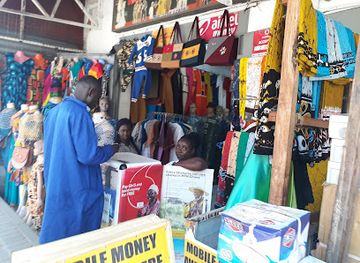
Shopping in Gonjaland is centred on local markets, small high streets and practical regional products rather than large retail complexes. Damongo is the main place to look for everyday goods, fabrics, household items, foodstuffs and basic travel supplies, while market activity in smaller settlements offers a closer view of local trade. Shea butter and products made from shea nuts are among the region’s most relevant purchases, especially when bought through reputable community groups or established sellers. Groundnuts, dried foods and locally produced snacks may also be available, subject to transport and seasonal supply. Visitors can find woven fabrics, beads, baskets and other handmade articles, but quality and provenance vary, so it is sensible to ask who made an item and to pay fairly. Near major visitor sites, consider buying directly from community-based producers rather than bargaining aggressively over small amounts.
-
Wholesale jeweler
Akosnachi Enterprise Gh.
Discover unique and exquisite jewelry at Akosnachi Enterprise Gh. in Makola Shopping Mall, Accra - a vibrant cultural hub for tourists.
-
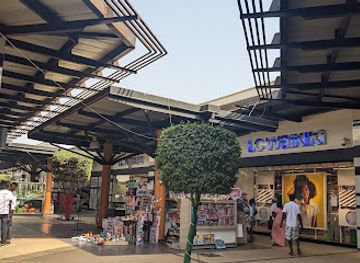
Shopping mall
Junction mall
Experience the best of shopping, dining, and entertainment at Junction Mall, Accra's premier shopping destination.
-
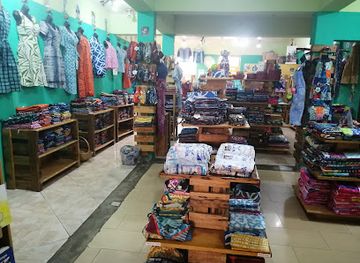
Clothing store
Global Mamas
Explore Global Mamas in Accra for authentic Ghanaian craftsmanship in clothing, beauty products, and unique accessories that empower local artisans.
-
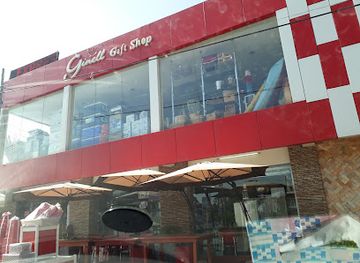
Shopping mall
Ginell Gift Shop
Explore Ginell Gift Shop in Accra for unique Ghanaian souvenirs and gifts reflecting the rich culture and artistry of the region.
Get your free copy of our complete guide to Gonjaland, delivered straight to you.
Everything on this page, from attractions and restaurants to essentials and local phrases, in one PDF you can read offline, print or share.
Already have an account? Sign in
Your Gonjaland guide is ready.
We'll send it to · Not you? Sign out

Getting your guide ready…
We are putting together a fresh copy of the Gonjaland guide. This can take up to a minute.
This can take a few moments. If your browser asks, choose Allow so the download can start. You'll find the guide in your Downloads folder.
Nothing happened? Download it again
Sorry, the guide is taking longer than usual. Please try again in a minute, or get it by email instead.
Gonjaland essentials
Currency and Payment
Safety
Emergency Situations
Do's and Don'ts
Local Tips
From Eve
Local phrases worth knowing
You don't need to get them perfect. A few words go a long way, and locals appreciate the effort.
Basics
| English | Local | Say it |
|---|---|---|
| Hello | Naa | [Nah] |
| Goodbye | Naa wula | [Nah woo-lah] |
| Yes | Aye | [Eye] |
| No | Ala | [Ah-lah] |
| Please/You're welcome | Naa juma | [Nah joo-mah] |
| Thank you | Medasi | [Meh-dah-see] |
| Excuse me/Sorry | Mepa wo kyɛw | [Meh-pah wo cheh] |
| How are you? | Ɛte sɛn? | [Eh-teh sen?] |
| Fine. And you? | Me ho yɛ, na wo nso? | [Meh ho yeh, nah wo n-so?] |
| Do you speak English? | Wokasa Borɔfo? | [Woh-kah-sah Bor-oh-fo?] |
| I don't understand | Mente ase | [Men-teh ah-seh] |
Eating & Drinking
| English | Local | Say it |
|---|---|---|
| I'd like to see the menu, please | Mepɛ sɛ mehwɛ menu no, please | [Meh-peh seh meh-hweh meh-nu no, please] |
| I don't eat meat | Mente mmoa | [Men-teh mm-oh-ah] |
| Cheers! | Nkyinkyim! | [Nkyin-kyim] |
| I would like to pay, please | Mepɛ sɛ meyɛ sika no, please | [Meh-peh seh meh-yay see-kah no, please] |
Emergencies
| English | Local | Say it |
|---|---|---|
| Help! | Mɛboa! | [Meh-boh-ah!] |
| Go away! | Kɔ n'ankɔ! | [Koh nahn-koh!] |
| Call the Police! | Frɛ ɔmanpanyin! | [Freh oh-man-pah-nyin!] |
| Call a doctor! | Frɛ dɔkita! | [Freh doh-kee-tah!] |
| I'm lost | Meda ho | [Meh-dah ho] |
| I'm ill | Meda yare | [Meh-dah yah-reh] |
Shopping
| English | Local | Say it |
|---|---|---|
| I'd like to buy... | Mepɛ sɛ mɛtɔ... | [Meh-peh seh meh-taw...] |
| I'm just looking | Merehwɛ nko | [Meh-reh-hweh n-koh] |
| How much is it? | Ehe na ɛyɛ dɛn? | [Eh-heh nah eh-yeh dehn?] |
| That's too expensive | Ɛyɛ dɔɔso | [Eh-yeh doh-oh-so] |
| Can you lower the price? | Wobɛtɔ so? | [Woh-beh-taw soh?] |
Time & Numbers
| English | Local | Say it |
|---|---|---|
| What time is it? | Ɛhe na ɛyɛ berɛ bɛn? | [Eh-heh nah eh-yeh beh-reh ben?] |
| It's one o'clock | Ɛyɛ dɔnhwerebaako | [Eh-yeh don-hweh-reh-bah-koh] |
| Half past (10) | Dɔnhwere mmerɛ ne (10) | [Don-hweh-reh meh-reh neh (10)] |
| Morning | Anɔpa | [Ah-noh-pah] |
| Afternoon | Awia | [Ah-wee-ah] |
| Evening | Anadwo | [Ah-nah-dwoh] |
| Yesterday | Ɔkyena | [Oh-cheh-nah] |
| Today | Ɛnnɛ | [Eh-neh] |
| Tomorrow | Mmerɛ a ɛbɛba | [Meh-reh ah eh-beh-bah] |
| 1 | Baako | [Bah-koh] |
| 2 | Mmienu | [Mee-eh-noo] |
| 3 | Mmienu | [Mee-eh-noo] |
| 4 | Nan | [Nah-n] |
| 5 | Num | [Noom] |
| 6 | Nsia | [N-see-ah] |
| 7 | Nsia | [N-see-ah] |
| 8 | Nkran | [N-krahn] |
| 9 | Nkron | [N-kron] |
| 10 | Dɛn | [Den] |
Transport & Directions
| English | Local | Say it |
|---|---|---|
| Where's a/the...? | Ɛhe na ...? | [Eh-heh nah ...?] |
| What's the address? | Dɛn na ɛyɛ adwuma no? | [Den nah eh-yeh ah-dwoo-mah no?] |
| Can you show me (on the map)? | Wobɛda me ho adi (wɔ krataa no so)? | [Woh-beh-dah meh ho ah-dee (woh krah-tah no so)?] |
| When's the next (bus)? | Berɛ bɛn na ɔbɛba (bus) no? | [Beh-reh ben nah oh-beh-bah (bus) no?] |
| A ticket (to ....) | Ɔtɔ a (kɔ ....) | [Oh-taw ah (koh ....)] |
History of Gonjaland
Early Gonja Formation and the Seventeenth-Century Kingdom
The Gonja Kingdom emerged in the seventeenth century in the savannah belt between the forested south and the Sahelian north. Gonja traditions associate the foundation of the kingdom with Ndewura Jakpa, whose campaigns brought several communities under a central political system. The kingdom’s authority was organised through divisions and chiefly institutions, with Yagbon becoming the seat of the paramount ruler. Its location gave it access to important routes linking the northern markets with forest-zone trading areas.
Islam, Trade and Northern Savannah Networks
Islam spread through commercial, scholarly and political contacts across northern Ghana, although it developed alongside older religious practices and institutions rather than replacing them uniformly. Gonja territory participated in trade in kola, livestock, salt and other goods moving between the forest and savannah zones. Muslim clerics, merchants and local rulers helped connect settlements to wider West African networks. The continuing presence of mosques, Islamic learning and Muslim communities forms an important part of Gonjaland’s historical landscape.
Chieftaincy and the Yagbon Institution
Gonja political life has long been structured through a hierarchy of chiefs, divisions and customary offices centred on the Yagbonwura, the paramount chief of the Gonja people. Succession and authority have been shaped by established customary rules, relationships among royal houses and the history of the kingdom’s divisions. In modern Ghana, chiefs do not exercise state administrative power, but they remain important custodians of land, history, mediation and public ceremony. Damongo continues to serve as the principal seat of this traditional authority.
Colonial Incorporation and the Northern Territories
British expansion into northern Ghana brought Gonja political territory into the colonial system that became the Northern Territories of the Gold Coast. Colonial officials governed through a mixture of indirect rule, taxation, boundary-making and cooperation with established chiefs. This period altered the relationship between customary authorities and central administration, while roads, schools and new administrative centres gradually changed patterns of movement. The legacy remains visible in the coexistence of Ghanaian state institutions and Gonja customary structures.
Missionary Education, Islam and Social Change
During the twentieth century, formal education, Islamic schooling, Christian missions and government administration expanded unevenly across the region. Damongo and other larger settlements became points from which schools, health services and commercial activity reached surrounding communities. These developments introduced new professional and religious networks without erasing older systems of kinship, chieftaincy and seasonal farming. The result is a region in which Islamic, Christian and indigenous traditions coexist, sometimes within the same extended communities.
Agriculture, Shea and Changing Rural Economies
Farming has remained central to life in Gonjaland, with households adapting to the seasonal rhythm of rains and dry weather. Maize, millet, sorghum, rice, groundnuts and other crops are cultivated in different local conditions, while shea trees support the collection and processing of nuts, particularly by women’s groups and small producers. Livestock keeping and local trading also contribute to rural livelihoods. Climate variability, changing markets, conservation policies and improved roads continue to reshape how communities use the savannah.
Modern Ghana and the Creation of Savannah Region
After Ghana’s independence, the Gonja heartland remained part of the wider Northern administrative structure before later reorganisations created new districts and regions. Savannah Region was established in 2019, with Damongo as its capital, giving the area a distinct contemporary administrative identity while Gonjaland remains a broader cultural and traditional concept. Tourism around Mole National Park, Larabanga and community conservation projects now forms part of the region’s economy, alongside agriculture, public services and trade.
Gonjaland in Photos
Browse through our photo collection highlighting the charm and character of the destination.
Neighbouring regions of Gonjaland
The closest regions to Gonjaland, if you have time for more than one.
-

-
-

-

-


Swipe for more regions
Explore more

Explore more of Ghana
Discover Ghana: A vibrant blend of rich history, stunning landscapes, and warm hospitality in the heart of West Africa.
Explore Ghana