
Brong-Ahafo, Ghana Travel Guide
Explore Brong-Ahafo, Ghana's serene region filled with lush landscapes, historical sites, and rich cultural heritage.
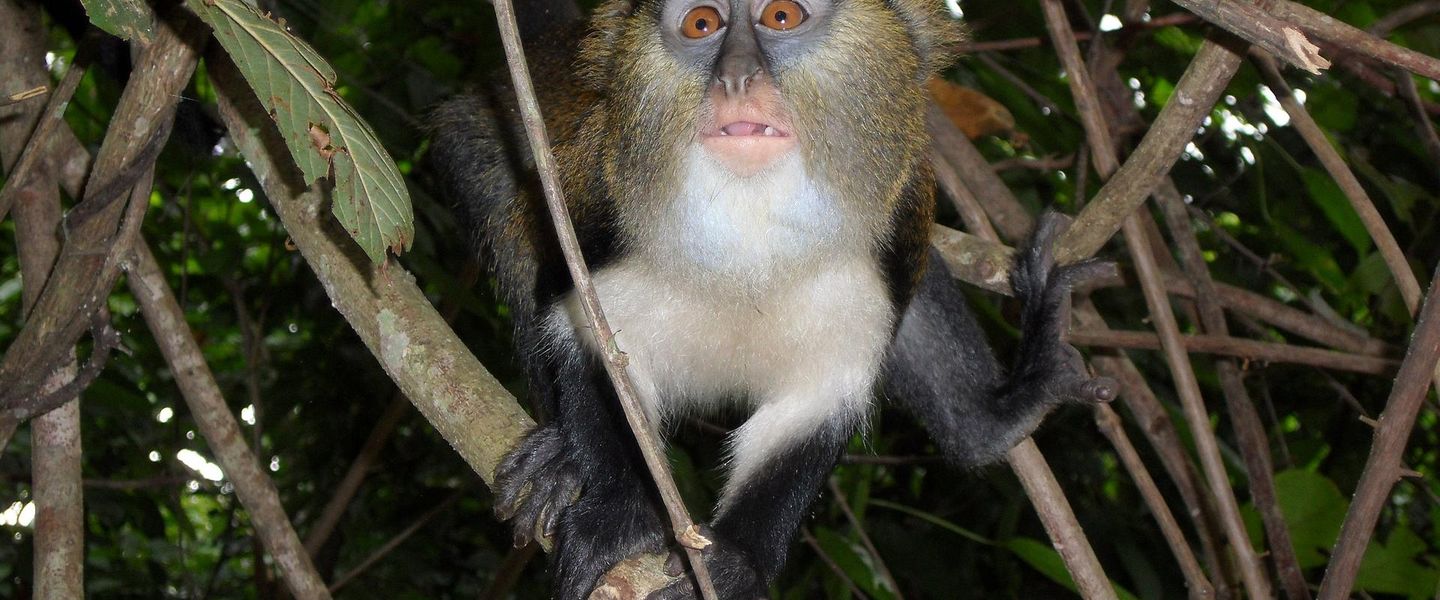
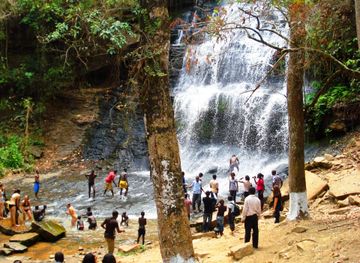
Brong-Ahafo, a region in central Ghana, is a treasure trove of culture, nature, and history. Known for its lush landscapes and rich cultural heritage, this destination offers visitors a unique glimpse into the traditional life and natural beauty of Ghana. Home to several natural attractions, including the Kintampo Waterfalls and the Buabeng-Fiema Monkey Sanctuary, Brong-Ahafo is perfect for nature lovers. The Kintampo Waterfalls, with its cascading waters and serene environment, is ideal for a refreshing dip or a peaceful retreat. The Buabeng-Fiema Monkey Sanctuary provides a rare opportunity to see and interact with the sacred mona and colobus monkeys, revered by the locals. The region is also steeped in history and tradition. The Bono Manso Slave Market and the Hani Archaeological Site offer a somber but important look into the region's past. Visitors can learn about the history of the trans-Atlantic slave trade and the ancient civilizations that once thrived here. Brong-Ahafo's hospitality is unrivaled, with friendly locals ready to share their culture and traditions. The region's vibrant festivals, such as the Apoo Festival, are a must-see. These events are filled with colorful parades, traditional music, and dance, providing an immersive cultural experience. Whether you're an adventure seeker, a history buff, or someone looking to relax and enjoy nature, Brong-Ahafo has something for everyone.

Know before you go
Hi, I'm Eve. Here are a few practical things to know before exploring Brong-Ahafo.
- Visit during the dry season (November to March) for the best outdoor experience.
- Bring cash as ATMs and card payment facilities are limited in rural areas.
- Wear comfortable walking shoes and insect repellent when exploring natural sites.
- Participate in local festivals for an authentic cultural experience.
- Hire a local guide for historical sites to gain deeper insights into the region's heritage.
Top City Travel Guides in Brong-Ahafo
The cities of Brong-Ahafo, and the easiest places to base yourself.


Destinations in Brong-Ahafo
Resorts, valleys and scenic spots worth a trip of their own.


Explore Brong-Ahafo: Things to Do, Places to Eat, Hotels & More
Handpicked recommendations for top attractions, local dining, accommodations, and more

Top Attractions & Sightseeing in Brong-Ahafo
Top-rated picks
Best Attractions

Achimota Forest
Explore Achimota Forest: A lush park in Accra, Ghana, offering tranquility, biodiversity, and a perfect escape from city life.

Densu Delta Protected Area
Explore the serene beauty of Densu Delta Protected Area in Ghana, a natural paradise for wildlife enthusiasts and outdoor lovers.

W.E.B. DuBois Centre in Accra
Discover the inspiring legacy of W.E.B. Du Bois at his dedicated Centre in Accra, celebrating African history and culture.

KNUST Botanical Garden
Discover the serene beauty of KNUST Botanical Garden, a lush paradise showcasing Ghana's rich biodiversity and ideal for peaceful retreats.

Best landmarks in Brong-Ahafo
Top-rated picks
Best Landmarks

Kwame Nkrumah Memorial Park & Mausoleum
Discover the legacy of Kwame Nkrumah at the Memorial Park & Mausoleum, a serene tribute in Accra showcasing Ghana's rich history and independence.

Eusbett Hotel
Experience luxury and local charm at Eusbett Hotel, your perfect retreat in the heart of Sunyani, Ghana.

Legon Botanical Gardens Ghana..
Explore the lush landscapes and vibrant flora of Legon Botanical Gardens, a serene oasis in Accra, perfect for relaxation and exploration.

Centre for National Culture
Experience the heartbeat of Ghanaian culture at the Centre for National Culture, a vibrant hub for arts, crafts, and traditional performances in Accra.

Best restaurants in Brong-Ahafo
Top-rated picks
Best Restaurants

Sweet Touch Restaurant And Bar
Discover the heart of Ghanaian cuisine at Sweet Touch Restaurant and Bar in Sunyani - a flavorful journey awaits you!

Mandela Restaurant
Savor the essence of Ghana with traditional dishes at Mandela Restaurant in Sunyani – where every meal tells a story.

Falls Rest Stop Restaurant
Falls Rest Stop Restaurant: A Culinary Oasis in Kintampo Offering Authentic Ghanaian Flavors.

Esbak Kitchen
Experience the flavors of Ghana at Esbak Kitchen in Sunyani – where local meets continental cuisine in a warm setting.

Best bars in Brong-Ahafo
Top-rated picks
Best Bars

the cabin lounge
Experience the vibrant flavors of Ghana at The Cabin Lounge, Sunyani's top destination for grilled delights and a cozy atmosphere.
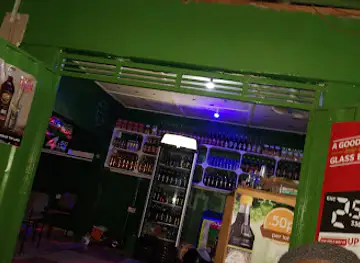
Me And You Pub
Experience the vibrant flavors of Nkoranza at Me And You Pub, where delicious grilled dishes meet a welcoming atmosphere.

Rooftop Pub
Discover the vibrant nightlife at Rooftop Pub in Nkoranza, where delicious grilled food meets stunning city views.

Bantama high street
Experience the vibrant culture of Ghana at Bantama High Street, a lively bar offering a diverse selection of drinks and local entertainment.

Best nightclubs in Brong-Ahafo
Top-rated picks
Best Nightclubs

Dreamers Joint
Discover the lively bar scene at Dreamers Joint in Sunyani, where local flavors and vibrant ambiance meet for an unforgettable night.

the cabin lounge
Experience the best of Ghanaian barbecue at The Cabin Lounge in Sunyani, where flavor meets a cozy atmosphere.

XO 95 Bar & Lounge
Discover the lively spirit of Sunyani at XO 95 Bar & Lounge, where locals and tourists come together for unforgettable nights filled with music and great drinks.

Rex Palace
Discover the pulse of Techiman's nightlife at Rex Palace, where vibrant music and an energetic atmosphere await every night.

Best shops in Brong-Ahafo
Top-rated picks
Best Shops

Melcom
Experience the vibrant shopping culture of Brong-Ahafo at Melcom, offering a diverse range of products in a convenient and welcoming environment.

MELCOM
Explore a vibrant shopping experience at MELCOM in Brong-Ahafo, Ghana, where local culture meets diverse retail options.
KVNGCYRUS
Explore the rich fashion culture of Sunyani at KVNGCYRUS, where local craftsmanship meets modern style in a vibrant clothing store.

Kumasi City Mall
Explore Kumasi City Mall, a vibrant shopping destination in Ghana that offers a unique blend of local and international brands, dining, and entertainment.

Explore Brong-Ahafo on the Map
A handpicked selection of must-see spots in Brong-Ahafo, mapped for you.
Brong-Ahafo Essentials
-
Brong-Ahafo is accessible via the Sunyani Airport, which has domestic flights connecting from Accra, the capital city of Ghana. Alternatively, you can travel by road from Accra to Sunyani, which takes approximately 6 to 7 hours by bus or car. Bus services like VIP and STC provide comfortable and reliable routes to Sunyani and other major towns within the region.
-
Within Brong-Ahafo, transportation options include taxis, buses, and tro-tros (shared minibuses). Taxis are plentiful and can be hailed on the streets or booked via phone. Tro-tros are a more economical option and travel fixed routes within towns and between towns. For a more personal experience, you can rent a car, though driving can be challenging due to road conditions and local driving habits.
-
The official currency in Ghana is the Ghanaian Cedi (GHS). Credit cards are accepted in some hotels, restaurants, and larger shops in the major towns, but it's advisable to carry cash, especially when traveling to rural areas. ATMs are available in Sunyani and other major towns, but ensure you have cash on hand for smaller establishments and markets.
-
Brong-Ahafo is generally safe for tourists, but it is advisable to take standard precautions. Avoid walking alone at night, particularly in unfamiliar areas. Be cautious with your belongings in crowded places like markets and bus stations. While most areas are safe, be aware of pickpocketing and petty theft in busy areas. Always be vigilant and aware of your surroundings.
-
In case of emergency, dial the national emergency number 112 for assistance. Sunyani and other major towns have hospitals and clinics for medical emergencies. It is recommended to have travel insurance that covers medical emergencies. For minor health issues, pharmacies are available in most towns where you can purchase over-the-counter medications.
-
Fashion: Do dress modestly, especially when visiting religious sites and rural areas. Avoid wearing revealing clothing. Religion: Do respect local customs and traditions. When visiting religious sites, dress conservatively and remove your shoes if required. Public Transport: Do be respectful and give up your seat to elderly passengers. Don't eat or drink on public transport. Greetings: Do greet people with a handshake. It's polite to ask about someone's well-being before starting a conversation. Eating & Drinking: Do try local dishes and accept food offerings graciously. Don't refuse hospitality, as it is considered impolite.
-
To experience Brong-Ahafo like a local, visit the vibrant markets where you can buy fresh produce, traditional crafts, and textiles. Engage with locals, as they are often friendly and willing to share stories about their culture and traditions. Don't miss a visit to the Kintampo Waterfalls and the Boabeng-Fiema Monkey Sanctuary for unique and memorable experiences. For a deeper cultural experience, attend a local festival or traditional ceremony.
When is the best time to visit Brong-Ahafo?
Useful Local Phrases for Brong-Ahafo
You don't need to speak the language perfectly. Even learning a few simple words can make conversations warmer—and locals usually appreciate the effort.
— Eve

Here are the phrases I use most often in Brong-Ahafo. Try a few—you'll be surprised how far they go! 😊
❤️
-
- HelloAgoo
[Ah-goo] - GoodbyeNante yie
[Nahn-teh yee-eh] - YesAane
[Ah-neh] - NoDabi
[Dah-bee] - Please/You’re welcomeMepa wo kyɛw
[Meh-pah woh cheh] - Thank youMedase
[Meh-dah-seh] - Excuse me/SorryKafra
[Kah-frah] - How are you?Wo ho te sɛn?
[Woh hoh teh sen?] - Fine. And you?Me ho yɛ, na wo nso?
[Meh hoh yeh, nah woh n-so?] - Do you speak English?Wokasa borɔfo?
[Woh-kah-sah bo-roh-foh?] - I don't understandMente ase
[Men-teh ah-seh]
- HelloAgoo
-
- I’d like to see the menu, pleaseMepɛ sɛ mehwɛ abatoɔ no, please
[Meh-peh seh meh-hweh ah-bah-toh noh, please] - I don't eat meatMente abɛyɛ
[Men-teh ah-beh-yeh] - Cheers!Nante yie!
[Nahn-teh yee-eh!] - I would like to pay, pleaseMepɛ sɛ mɛtua ka, please
[Meh-peh seh meh-twah kah, please]
- I’d like to see the menu, pleaseMepɛ sɛ mehwɛ abatoɔ no, please
-
- Help!Boa me!
[Boh-ah meh!] - Go away!Kɔ na nkɔ!
[Kaw nah n-kaw!] - Call the Police!Frɛ ɔkɔmfoɔ no!
[Freh oh-kohm-foh noh!] - Call a doctor!Frɛ dɔkita!
[Freh doh-kee-tah!] - I’m lostMeda mu
[Meh-dah moo] - I’m illM'ani yɛ me ho
[Mah-nee yeh meh hoh]
- Help!Boa me!
-
- I’d like to buy...Mepɛ sɛ mɛtɔ...
[Meh-peh seh meh-taw...] - I’m just lookingMerehwɛ nko ara
[Meh-reh-hweh n-koh ah-rah] - How much is it?Ɛyɛ dɛn?
[Eh-yeh dehn?] - That’s too expensiveƐyɛ sika kɛse
[Eh-yeh see-kah keh-seh] - Can you lower the price?Wobɛtɔ sika no ase?
[Woh-beh-taw see-kah noh ah-seh?]
- I’d like to buy...Mepɛ sɛ mɛtɔ...
-
- What time is it?Dɛn na ɛyɛ?
[Dehn nah eh-yeh?] - It’s one o'clockƐyɛ dɔnhwere baako
[Eh-yeh dohn-hweh-reh bah-koh] - Half past (10)Dɔnhwere mpɔtam
[Dohn-hweh-reh mpaw-tahm] - MorningAnɔpa
[Ah-noh-pah] - AfternoonAwia
[Ah-wee-ah] - EveningAnadwo
[Ah-nah-dwoh] - YesterdayƐda a atwam
[Eh-dah ah ah-twahm] - TodayƐnnɛ
[Eh-neh] - TomorrowƐkyɛ
[Eh-cheh] - 1Baako
[Bah-koh] - 2Mmienu
[Mee-yen-oo] - 3Mmienu
[Mee-eh] - 4Anan
[Ah-nahn] - 5Anan
[Ah-nan] - 6Nsia
[Nsee-ah] - 7Nson
[N-sohn] - 8Nkyɛ
[N-cheh] - 9Nkyɛn
[N-cheh] - 10Dɔkita
[Doh-kee-tah]
- What time is it?Dɛn na ɛyɛ?
-
- Where's a/the...?He na ɛda?
[Heh nah eh-dah?] - What’s the address?Dɛn na address no?
[Dehn nah ah-dress noh?] - Can you show me (on the map)?Wobɛda me ho adi (map no so)?
[Woh-beh-dah meh hoh ah-dee (map noh so)?] - When’s the next (bus)?Bɔtani a ɔbɛba no da bɛn?
[Boh-tah-nee ah oh-beh-bah noh dah behn?] - A ticket (to ....)Abɔdeɛ (kɔ ...)
[Ah-boh-deh (kaw ...)]
- Where's a/the...?He na ɛda?
History of Brong-Ahafo
-
The Brong-Ahafo region, now part of the Bono, Bono East, and Ahafo Regions, has a rich history dating back to ancient times. The area was originally inhabited by the Bono people, who established the Bono Manso state around the 11th century. This ancient kingdom was known for its early adoption of iron smelting and advanced agricultural practices, which laid the foundation for the region’s prosperity.
-
The Bono Kingdom, also known as Bono Manso, flourished between the 12th and 14th centuries. It became a significant center for trade, particularly in gold, kola nuts, and ivory. The kingdom’s strategic location facilitated trade with the northern Sahelian regions and the trans-Saharan trade routes. This period marked the height of Bono cultural and economic influence in the region.
-
In the late 19th century, the Brong-Ahafo region came under the influence of the powerful Ashanti Empire. The Ashanti, known for their military prowess and centralized governance, integrated the Bono territories into their expanding empire. During the colonial period, the British exerted control over the area, incorporating it into the Gold Coast colony. The introduction of cocoa farming during this time significantly transformed the region’s economy.
-
On April 4, 1959, the Brong-Ahafo Region was formally created, separating it from the Ashanti Region. This administrative reorganization was aimed at fostering development and addressing the unique needs of the Brong and Ahafo peoples. Sunyani was chosen as the regional capital, and the area experienced significant infrastructural development and modernization efforts in the subsequent decades.
-
Brong-Ahafo is renowned for its vibrant cultural heritage, with numerous traditional festivals celebrated throughout the year. These include the Apoo Festival in Techiman, the Kwafie Festival in Dormaa Ahenkro, and the Yam Festival in Kintampo. These festivals are characterized by colorful processions, traditional music and dance, and rituals that honor the ancestors and celebrate agricultural bounty.
-
In 2018, the Brong-Ahafo Region was divided into three separate regions: Bono, Bono East, and Ahafo, as part of a nationwide effort to improve local governance and development. Today, these regions continue to thrive as important agricultural and cultural hubs in Ghana. The legacy of the Brong-Ahafo region remains evident in the rich tapestry of traditions, historical sites, and the enduring spirit of its people.
Neighbouring Regions of Brong-Ahafo
The closest regions to Brong-Ahafo, if you have time for more than one.




Your all‑in‑one travel companion app
Explore expert travel guides, compare and book tours, experiences, hotels, and more—all from the palm of your hand. Download now for seamless trip planning wherever your wanderlust takes you.


Explore More of Ghana

Looking beyond Brong-Ahafo? Discover Ghana for broader travel guides, local hot-spots, and regional highlights.
Explore GhanaBrong-Ahafo in Photos
Browse through our photo collection highlighting the charm and character of the destination.


Discover the Heart of Ghana: Brong-Ahafo
Brong-Ahafo, a region in central Ghana, is a treasure trove of culture, nature, and history. Known for its lush landscapes and rich cultural heritage, this destination offers visitors a unique glimpse into the traditional life and natural beauty of Ghana. Home to several natural attractions, including the Kintampo Waterfalls and the Buabeng-Fiema Monkey Sanctuary, Brong-Ahafo is perfect for nature lovers. The Kintampo Waterfalls, with its cascading waters and serene environment, is ideal for a refreshing dip or a peaceful retreat. The Buabeng-Fiema Monkey Sanctuary provides a rare opportunity to see and interact with the sacred mona and colobus monkeys, revered by the locals. The region is also steeped in history and tradition. The Bono Manso Slave Market and the Hani Archaeological Site offer a somber but important look into the region's past. Visitors can learn about the history of the trans-Atlantic slave trade and the ancient civilizations that once thrived here. Brong-Ahafo's hospitality is unrivaled, with friendly locals ready to share their culture and traditions. The region's vibrant festivals, such as the Apoo Festival, are a must-see. These events are filled with colorful parades, traditional music, and dance, providing an immersive cultural experience. Whether you're an adventure seeker, a history buff, or someone looking to relax and enjoy nature, Brong-Ahafo has something for everyone.