

Free Upper West Region Travel Guide & Mobile App
Explore Upper West Region with free travel guides. Discover regional history, expert tips, proposed trips, and audio guides on web or mobile app.


Explore Upper West Region for Wa heritage, Dagaaba traditions, savannah landscapes, Black Volta wildlife and distinctive northern Ghanaian food.
Read more about Upper West Region
When is the best time to visit Upper West Region?
Best: December–February · 30–32°C| Month | High (°C) | Rainfall (mm) |
|---|---|---|
| January (best) | 30 | 1 |
| February (best) | 32 | 2 |
| March | 34 | 5 |
| April | 35 | 20 |
| May | 33 | 40 |
| June | 31 | 80 |
| July | 30 | 100 |
| August | 30 | 100 |
| September | 31 | 80 |
| October | 32 | 40 |
| November | 31 | 20 |
| December (best) | 30 | 2 |
Getting to and around Upper West Region
How to get there
Transportation
Top city travel guides in Upper West Region
The cities of Upper West Region, and the easiest places to base yourself.

Swipe for more cities
Destinations in Upper West Region
Resorts, valleys and scenic spots worth a trip of their own.

Swipe for more destinations
Best attractions in Upper West Region
Upper West’s attractions combine cultural heritage, community-led conservation and open savannah scenery. Wa is the best starting point for exploring Wala history, royal traditions, Islamic heritage and local markets, while nearby historic mosques and traditional buildings provide insight into the town’s long connection with northern trade and scholarship. In the west, the Gwollu Defence Wall offers a powerful encounter with the region’s history of slave raiding and resistance. The Wechiau Community Hippo Sanctuary protects a section of the Black Volta, where guided canoe or riverside experiences may reveal hippopotamuses, birds and village landscapes, subject to water levels and local conditions. Gbele Resource Reserve, near Tumu, offers woodland and savannah habitat, with opportunities for birdwatching and possible sightings of antelope and monkeys. Lawra, Jirapa and Nandom are valuable for visitors interested in Dagaaba architecture, festivals, craft traditions and community life. Activities are generally more interpretive and locally organised than heavily commercialised, so advance arrangements and patience are part of the experience.
-
Wechiau Hippo Santuary
Explore Wechiau Hippo Sanctuary, a serene haven in Ghana, where you can witness endangered hippos in their natural habitat amidst rich biodiversity.
-
Tourist attraction
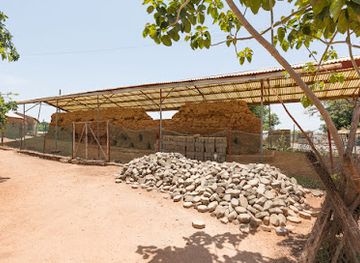
Gwollu Slave Defense Wall
Discover the historical significance of the Gwollu Slave Defense Wall, a testament to resilience and culture in Ghana's Sissala region.
-
Tourist attraction
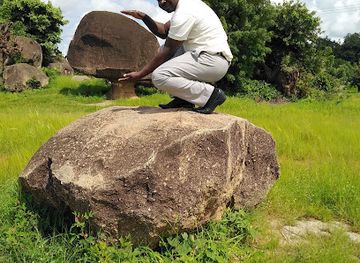
Mushroom Rock, Wulling, Babile
Explore Mushroom Rock in Wulling, Babile - a stunning natural attraction in Ghana featuring unique geological formations and breathtaking landscapes.
-
National park
Gbelle Game Reserve
Discover the natural wonders of Gbelle Game Reserve, a national park in Ghana known for its diverse wildlife and stunning landscapes.

Best landmarks in Upper West Region
The Wa Naa’s Palace is one of Upper West’s most significant cultural landmarks, representing the continuing authority and historical identity of the Wala state in the regional capital. Wa’s historic mosques and older religious buildings reflect the town’s long association with Islamic scholarship and Sahelian trading connections, although access to active places of worship should be arranged respectfully. The Gwollu Defence Wall is a major historical landmark: its earth construction recalls the defensive strategies used by communities confronting slave raiding in the nineteenth-century savannah. Along the Black Volta, the landscape itself becomes a landmark at Wechiau, where river channels, wooded banks and seasonal floodplains define the setting of the community sanctuary. In Nandom and surrounding Dagaaba areas, traditional earth-built compounds and settlement forms are important architectural markers, even when individual structures are private or altered. Gbele’s woodland and rocky savannah terrain provide a natural counterpoint to the region’s built heritage.
-
Tourist attraction
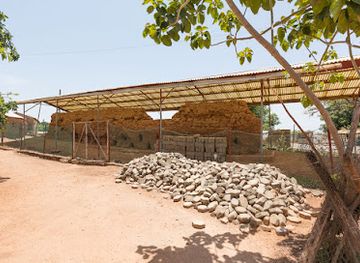
Gwollu Slave Defense Wall
Explore the Gwollu Slave Defense Wall, a historic monument in Ghana reflecting the resilience of the Sissala people against the slave trade.
-
 Historical landmark
First White Settlers in North West Ghana
Uncover the historical significance of the First White Settlers in North West Ghana, a landmark that blends culture, history, and community in a unique setting.
Explore Upper West Region on the map
Plan your trip on one map. See where the top cities, national parks and sights are, and book hotels and experiences in a few clicks.
Best hotels in Upper West Region
Best restaurants in Upper West Region
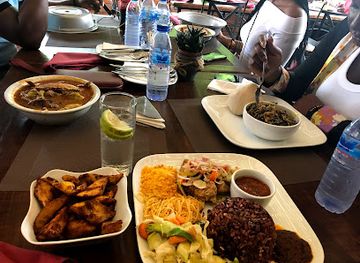
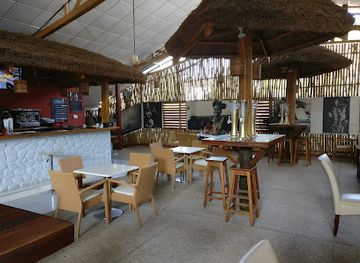
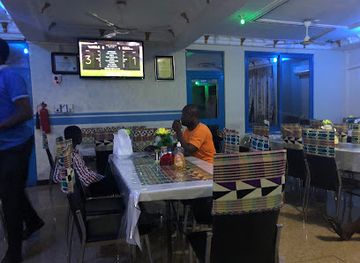
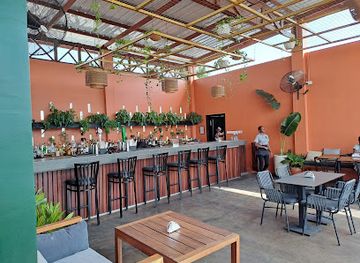
Dining in Upper West is rooted in northern Ghanaian staples and the seasonal produce of the savannah. Tuo zaafi, a soft maize or millet-based dish served with soups such as ayoyo, is one of the region’s defining meals, while beans, groundnuts, leafy vegetables, dawadawa seasoning and rice appear widely in home cooking and local chop bars. Grilled or stewed guinea fowl and chicken are common choices, though availability varies. Pito, a mildly fermented drink made from cereals, is traditionally associated with social settings and should be sampled respectfully. In Wa, visitors will find the broadest selection of restaurants, cafés and informal eateries; in smaller towns, choices are simpler and may follow local market rhythms. Shea products, millet and other savannah foods are also important to the region’s agricultural identity. Ask about ingredients, preparation times and payment options when eating outside the main urban areas.
-
West African
The Buka Restaurant, Osu, Accra
Experience authentic West African flavors at The Buka Restaurant in Osu, Accra – where every dish tells a story.
-
Restaurant
The Gold Coast Restaurant & Cocktail Bar
Experience exquisite seafood and cocktails at The Gold Coast Restaurant & Cocktail Bar in Accra - a blend of local flavors and fine dining.
-
Restaurant
Mummy's Kitchen
Discover authentic Ghanaian flavors at Mummy's Kitchen in Wa – a delightful dining experience that showcases local cuisine.
-
Restaurant
Treehouse Restaurant
Experience the magic of nature-inspired dining at Treehouse Restaurant in Accra – where local flavors meet delightful ambiance.
Best bars in Upper West Region
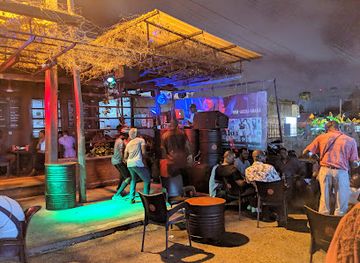
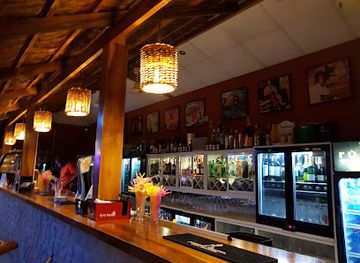
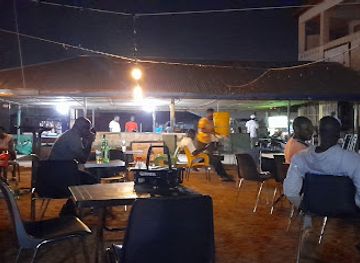
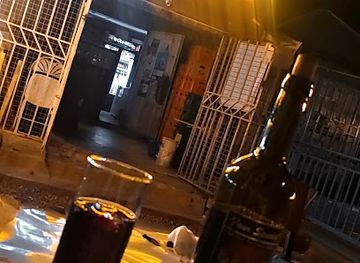
Nightlife in Upper West is modest and largely social rather than centred on large clubs. Wa has the region’s widest choice of bars, beer gardens, casual restaurants and occasional live-music settings, while evenings in smaller towns commonly revolve around neighbourhood drinking spots, food vendors, conversation and locally brewed pito. During festival periods, music, drumming and dancing can create a livelier atmosphere in communities such as Lawra and Nandom, although programmes and venues change from year to year. Rural evenings are generally quiet, and visitors staying outside Wa should not assume that late-night transport or entertainment will be available. Enjoy alcohol in moderation, use trusted transport after dark and remember that festivals and ceremonies are community occasions rather than performances arranged solely for visitors.
-
Grill
The Republic Bar & Grill
Discover the vibrant flavors of Ghana at The Republic Bar & Grill, a lively bar and grill in Accra serving delicious grilled dishes and drinks.
-
Bar
The Gold Coast Restaurant & Cocktail Bar
Experience the vibrant blend of flavors at The Gold Coast Restaurant & Cocktail Bar in Accra, where fine dining meets a lively atmosphere.
-
Bar
The Guys PUB
Experience the vibrant nightlife at The Guys PUB in Wa, a welcoming spot for drinks, music, and local culture.
-
Pub
Bugatti Black Friday Pub
Discover the lively ambiance of Bugatti Black Friday Pub in Wa, where local drinks and live entertainment come together for an unforgettable night out.
Best nightclubs in Upper West Region
-
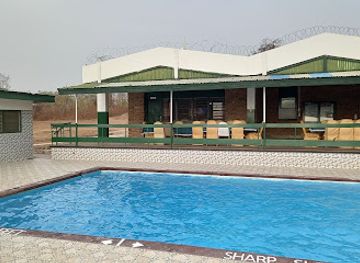
Hotel
Mole Motel
Discover the serenity of Mole Motel, your gateway to the wonders of Mole National Park and the beauty of Ghanaian wildlife.
-
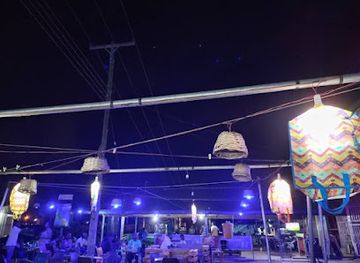
Pub
The Guys PUB
Experience the vibrant nightlife at The Guys PUB in Wa, where great drinks, music, and camaraderie come together for an unforgettable evening.
-
Pub
Bugatti Black Friday Pub
Discover the energetic nightlife at Bugatti Black Friday Pub in Wa, offering a vibrant atmosphere, live music, and diverse drink selections.
-
Bar
Dayuori Bar
Discover the lively ambiance of Dayuori Bar in Tuna, where affordable drinks meet a welcoming atmosphere for an unforgettable night out.
Best shops in Upper West Region
Shopping in Upper West is concentrated in Wa’s markets and high streets, with smaller market days serving towns such as Lawra, Jirapa, Nandom and Tumu. Visitors can look for shea butter and other shea-based products, woven fabrics, baskets, leather goods, beads, pottery and practical household items, although quality and availability differ between sellers. Food markets are useful for seeing the region’s agricultural economy through millet, sorghum, groundnuts, beans, dried leaves and other seasonal produce. Craft purchases are most meaningful when buyers ask about provenance and negotiate courteously rather than treating every object as a souvenir commodity. In rural communities, direct buying may be possible through cooperatives or established local organisations, but arrangements should be made in advance. Wa offers the greatest range of everyday goods, while smaller towns provide a more focused experience of regional produce and handcraft traditions.
-
Shopping mall
MELCOM
Explore Melcom Shopping Mall in Wa for a vibrant shopping experience featuring local crafts, fashion, and delicious cuisine.
-
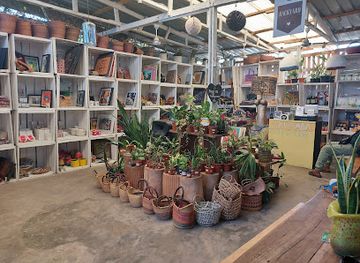
Gift shop
The Shop Accra
Explore The Shop Accra, where local craftsmanship meets vibrant culture in a treasure trove of unique gifts and souvenirs.
-
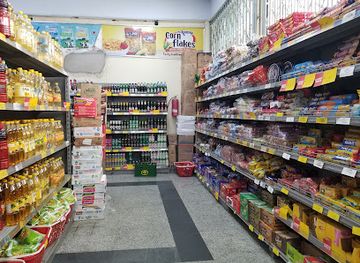
Grocery store
Heaven Sent Super Market
Discover local flavors and essential goods at Heaven Sent Super Market in Wa, Ghana's vibrant grocery shopping destination.
-
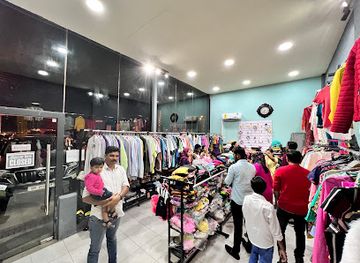
Clothing store
FAA Shoppings (Indian & Western Dress Store/Indian Boutique)
Explore the vibrant blend of Indian and Western fashion at FAA Shoppings, Accra's boutique for unique cultural attire.
Get your free copy of our complete guide to Upper West Region, delivered straight to you.
Everything on this page, from attractions and restaurants to essentials and local phrases, in one PDF you can read offline, print or share.
Already have an account? Sign in
Your Upper West Region guide is ready.
We'll send it to · Not you? Sign out

Getting your guide ready…
We are putting together a fresh copy of the Upper West Region guide. This can take up to a minute.
This can take a few moments. If your browser asks, choose Allow so the download can start. You'll find the guide in your Downloads folder.
Nothing happened? Download it again
Sorry, the guide is taking longer than usual. Please try again in a minute, or get it by email instead.
Upper West Region essentials
Currency and Payment
Safety
Emergency Situations
Do's and Don'ts
Local Tips
From Eve
Local phrases worth knowing
You don't need to get them perfect. A few words go a long way, and locals appreciate the effort.
Basics
| English | Local | Say it |
|---|---|---|
| Hello | Naa | [Nah] |
| Goodbye | Naa bɔŋ | [Nah bong] |
| Yes | Eey | [Eh-yee] |
| No | Daa | [Dah] |
| Please/You're welcome | Mɔbɔ | [Moh-boh] |
| Thank you | Meda w'ase | [Meh-dah wah-seh] |
| Excuse me/Sorry | Mepa wo kyɛw | [Meh-pah woh chay] |
| How are you? | Nɛ nyɛ? | [Neh nyay?] |
| Fine. And you? | Me ho yɛ. Na wo? | [Meh ho yeh. Nah woh?] |
| Do you speak English? | Wopɛ ɔkasa bea? | [Woh-peh oh-kah-sah beh?] |
| I don't understand | Mente ase | [Men-teh ah-seh] |
Eating & Drinking
| English | Local | Say it |
|---|---|---|
| I'd like to see the menu, please | Mepɛ sɛ menya menu no, mɔbɔ | [Meh-peh seh men-yah meh-noh noh, moh-boh] |
| I don't eat meat | Mente mɛtɔ | [Men-teh meh-toh] |
| Cheers! | Nda nyɛ! | [N-dah nyay!] |
| I would like to pay, please | Mepɛ sɛ mɛyɛ sika no, mɔbɔ | [Meh-peh seh meh-yay see-kah noh, moh-boh] |
Emergencies
| English | Local | Say it |
|---|---|---|
| Help! | Bɔ m'aso! | [Boh mah-soh!] |
| Go away! | Kɔ n'ako! | [Koh nah-koh!] |
| Call the Police! | Frɛ ɔmanpanyin! | [Freh oh-mahn-pah-nyin!] |
| Call a doctor! | Frɛ dɔkita! | [Freh doh-kee-tah!] |
| I'm lost | Mede me ho bɔ | [Meh-deh meh ho boh] |
| I'm ill | Meyare | [Meh-yah-reh] |
Shopping
| English | Local | Say it |
|---|---|---|
| I'd like to buy... | Mepɛ sɛ mɛtɔ... | [Meh-peh seh meh-toh...] |
| I'm just looking | Merehwɛ | [Meh-reh-hweh] |
| How much is it? | Ɛyɛ sɛn? | [Eh-yeh sen?] |
| That's too expensive | Ɛyɛ dɛdɛɛdɛ | [Eh-yeh deh-deh-deh] |
| Can you lower the price? | Wobɛtɔ sika no ase? | [Woh-beh-toh see-kah noh ah-seh?] |
Time & Numbers
| English | Local | Say it |
|---|---|---|
| What time is it? | Dɛn na ɛyɛ? | [Den nah eh-yeh?] |
| It's one o'clock | Ɛyɛ dɔkita baako | [Eh-yeh doh-kee-tah bah-koh] |
| Half past (10) | Mpɛn mmiɛnsa | [Mpenh mee-en-sah] |
| Morning | Anɔpa | [Ah-noh-pah] |
| Afternoon | Mmerɛ | [Mmeh-reh] |
| Evening | Awia | [Ah-wee-ah] |
| Yesterday | Anɔpa a atwa | [Ah-noh-pah ah at-wa] |
| Today | Ɛnnɛ | [Eh-neh] |
| Tomorrow | Ɛkyɛ | [Eh-chyeh] |
| 1 | Baako | [Bah-koh] |
| 2 | Mbɔ | [Mboh] |
| 3 | Mmienu | [Mmeen-oo] |
| 4 | Mmienu | [Mmeen-oo] |
| 5 | Mmienum | [Mmeen-oom] |
| 6 | Nkron | [N-kron] |
| 7 | Nkyɛn | [N-chyen] |
| 8 | Nkyɛ | [N-chyeh] |
| 9 | Nkyɛn | [N-chyen] |
| 10 | Dɔn | [Dohn] |
Transport & Directions
| English | Local | Say it |
|---|---|---|
| Where's a/the...? | He na ...? | [Heh nah ...?] |
| What's the address? | Dɛn na adwuma no? | [Den nah ah-dwoo-mah noh?] |
| Can you show me (on the map)? | Wobɛda me ho adi (ɔkɛse no)? | [Woh-beh-dah meh ho ah-dee (oh-keh-seh noh)?] |
| When's the next (bus)? | Bɛn na bus no bɛba? | [Ben nah boos noh beh-bah?] |
| A ticket (to ....) | Tiket (kɔ ...) | [Tee-ket (koh ...)] |
History of Upper West Region
Early Settlement and Savannah Communities
The Upper West landscape has been shaped by long-established farming and trading communities whose livelihoods adapted to seasonal rainfall, open woodland and access to the Black Volta. Archaeological evidence and oral traditions point to successive settlement and movement across the wider savannah zone. Earth construction, compound living, hunting, farming and craft production developed in response to the environment. These older patterns remain visible in settlement layouts, foodways and the relationship between households, land and traditional authority.
The Wala State and the Growth of Wa
Wa became the centre of the Wala political tradition, whose influence extended across an important area of the north-western savannah. The town developed as a place of authority, commerce and Islamic learning, with the Wa Naa serving as the traditional ruler. Although modern administration has changed the region’s political structures, royal institutions, palace traditions and historic religious buildings continue to express Wa’s distinctive identity. The town’s position also reflects older links between northern Ghana and trading networks reaching towards the Sahel.
Islamic Scholarship and Regional Trade
Islam spread through northern Ghana gradually, carried by scholars, merchants and political connections rather than by a single episode of conversion. In the Wa area, Islamic institutions became important centres of learning and worship, while Muslim and indigenous traditions often existed alongside one another. Trade connected communities in present-day Upper West with markets elsewhere in Ghana and across the former savannah trade routes. Historic mosques and Muslim family traditions form part of this layered legacy, particularly around Wa and neighbouring settlements.
Slave Raiding and Local Resistance
During the eighteenth and nineteenth centuries, slave raiding and warfare affected communities across the northern savannah. Gwollu is remembered for the defensive wall built under the leadership associated with Kuoro Bawa to protect residents from raiders. The surviving earthwork is both a physical monument and a reminder of the insecurity experienced by many communities. Its history should be approached through local interpretation, oral memory and the wider context of regional conflict, capture and resistance rather than as an isolated fortification.
Dagaaba, Sissala and Neighbouring Cultural Histories
The modern Upper West Region contains several interconnected but distinct cultural histories. Dagaaba communities are prominent in the west and north-west, including around Lawra, Jirapa and Nandom, while Sissala communities are particularly associated with the eastern part of the region. Wala history is centred on Wa, and many communities have long interacted through marriage, farming, trade and migration. Their languages, festivals, compound architecture and systems of traditional authority contribute to a regional identity that is diverse rather than uniform.
Colonial Administration and Missionary Change
British colonial rule incorporated the area into the administrative systems of the Gold Coast, bringing new boundaries, taxation, roads and forms of authority. Missionary activity and formal schooling expanded during the colonial and post-colonial periods, while Christian institutions became especially influential in parts of the region. These developments did not erase older authorities or customs; instead, contemporary Upper West reflects overlapping royal, religious, civic and family institutions. Roads and administrative towns also helped connect the region more closely with southern Ghana.
The Creation of Upper West Region
Upper West became a separate region during Ghana’s administrative reorganisation in the 1980s, with Wa designated as its capital. The change gave the north-western districts a more concentrated regional administrative identity and supported the development of public services, education and infrastructure. Modern Upper West continues to balance regional institutions with district and traditional identities. Its economy remains strongly connected to farming, livestock, small-scale trade, seasonal migration and the use of shea and other savannah products.
Upper West Region in Photos
Browse through our photo collection highlighting the charm and character of the destination.
Neighbouring regions of Upper West Region
The closest regions to Upper West Region, if you have time for more than one.
-

-

-

-

-


Swipe for more regions
Explore more

Explore more of Ghana
Discover Ghana: A vibrant blend of rich history, stunning landscapes, and warm hospitality in the heart of West Africa.
Explore Ghana