

Free Kusaug Travel Guide & Mobile App
Explore Kusaug with free travel guides. Discover regional history, expert tips, proposed trips, and audio guides on web or mobile app.


Explore Kusaug in north-eastern Ghana for Bawku’s borderland culture, savanna landscapes, historic Pusiga traditions and local food.
Read more about Kusaug
When is the best time to visit Kusaug?
Best: December–February · 30–33°C| Month | High (°C) | Rainfall (mm) |
|---|---|---|
| January (best) | 32 | 4 |
| February (best) | 33 | 7 |
| March | 34 | 10 |
| April | 32 | 25 |
| May | 32 | 60 |
| June | 31 | 90 |
| July | 30 | 100 |
| August | 30 | 100 |
| September | 30 | 90 |
| October | 31 | 60 |
| November | 31 | 30 |
| December (best) | 30 | 10 |
Getting to and around Kusaug
How to get there
Transportation
Destinations in Kusaug
Resorts, valleys and scenic spots worth a trip of their own.

Swipe for more destinations
Best attractions in Kusaug
Kusaug’s attractions are primarily cultural, historical and landscape-based rather than concentrated in a formal tourism circuit. Bawku provides the best introduction through its markets, streets, transport activity and connections with surrounding farming communities, while Pusiga offers access to traditions associated with Na Gbewaa and the early history of northern dynasties. Such customary sites should be visited only with permission and suitable local guidance. The open savanna around Garu and Tempane is best appreciated through a carefully arranged drive, with seasonal fields, shea trees, village compounds and changing light creating the setting. Kulungugu has national historical importance because of the 1962 attack on Kwame Nkrumah, although the location should not be treated as a conventional, fully serviced visitor attraction. Local food, craft production, market exchange and conversations with community guides are central to understanding the area. Because facilities, access arrangements and security conditions can change, Kusaug rewards slow, responsible travel rather than an itinerary built around guaranteed opening hours or numerous ticketed sites.
-
Market
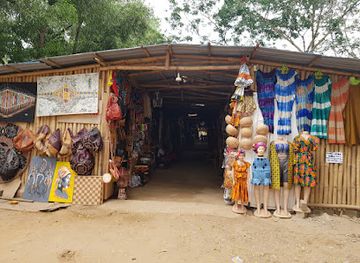
Tetteh Quashie Art market
Explore the Tetteh Quashie Art Market in Accra for unique crafts, local art, and an authentic taste of Ghanaian culture.
Best landmarks in Kusaug
Pusiga is Kusaug’s most important heritage landmark in the broad cultural sense, associated with oral traditions concerning Na Gbewaa and the origins of several northern dynastic histories. Its importance lies in the continuing relationship between place, chieftaincy and memory, so access should be arranged respectfully rather than assumed. Kulungugu is a nationally significant historical site linked to the 1962 assassination attempt on Kwame Nkrumah, an event that placed this north-eastern locality in the story of Ghana’s early republic. Bawku’s urban form, market spaces and civic buildings are less monumental but express its role as a long-established borderland centre. Beyond built landmarks, the seasonal savanna itself is a defining geographical feature: fields, shea trees, dry-season dust and small settlements reveal the environmental conditions that have shaped Kusaug society. Customary palaces, shrines and community spaces may be important landmarks locally, but their status, accessibility and photography rules are determined by local authorities and should never be treated as ordinary public attractions.
-
Architecture firm
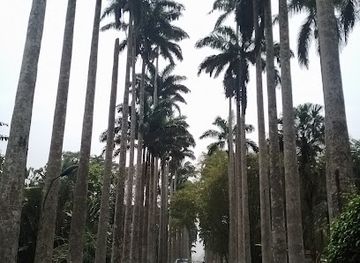
IDARKCONSULT LTD
Experience the architectural charm and natural beauty of Aburi, a serene escape that embodies Ghana's rich culture and vibrant landscapes.
-
Historical landmark
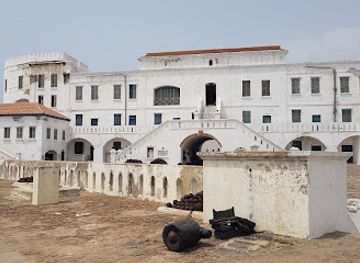
Cape Coast Castle
Discover the poignant history of Cape Coast Castle, a UNESCO World Heritage Site that reveals the deep narratives of Ghana's past and its coastal beauty.
-
 Museum
Kwame Nkrumah Memorial Park & Mausoleum
Explore the Kwame Nkrumah Memorial Park & Mausoleum, a historic site in Accra celebrating Ghana's independence and its founding father's legacy.
-
Castle
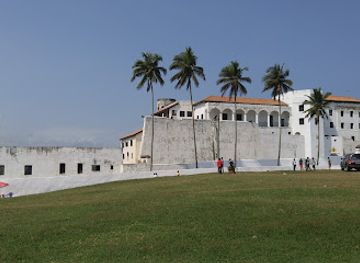
Elmina Castle
Discover the rich history and stunning beauty of Elmina Castle, a UNESCO World Heritage Site that tells the tale of Ghana's past and coastal charm.
Explore Kusaug on the map
Plan your trip on one map. See where the top cities, national parks and sights are, and book hotels and experiences in a few clicks.
Best hotels in Kusaug
Best restaurants in Kusaug
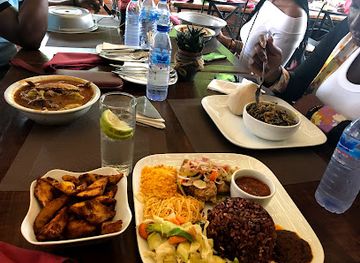
Dining in Kusaug is generally informal and closely connected with household cooking, markets, roadside stalls and small local eateries rather than a large restaurant scene. Expect staples based on millet, maize, rice, beans and groundnuts, served with leafy sauces, pepper, okra or other seasonal ingredients; meat and chicken may be available, while regional availability depends on the market and time of year. Tuo zaafi, a soft staple commonly eaten with soup in northern Ghana, may appear alongside other Ghanaian dishes, though recipes and names vary between cooks and communities. Bawku offers the widest choice of cooked food, provisions and drinks, while smaller settlements may have limited options outside busy market periods. Shea and dawadawa are important local products, even when not presented as restaurant dishes. Visitors should carry water, ask about ingredients and dietary requirements clearly, and choose busy, clean-looking food outlets with good turnover. Eating respectfully and accepting that menus may be verbal or improvised is part of travelling in this less formal dining environment.
-
West African
The Buka Restaurant, Osu, Accra
Experience authentic West African cuisine at The Buka Restaurant in Osu, Accra – where every dish tells a story.
-
Japanese
Kōzo Restaurant
Experience authentic Japanese flavors at Kōzo Restaurant in Accra—where tradition meets modern dining.
-
Restaurant
Valleyz Restaurant & Bar
Discover culinary excellence at Valleyz Restaurant & Bar in Oyibi - where vibrant flavors meet breathtaking views.
-
Restaurant
The Venue
Experience the rich flavors of Ghana at The Venue, where culinary excellence meets warm hospitality in the heart of Accra.


Best bars in Kusaug
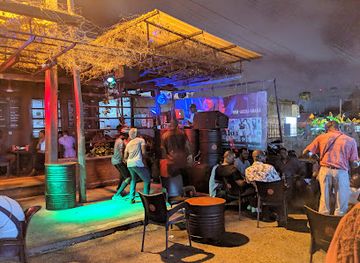
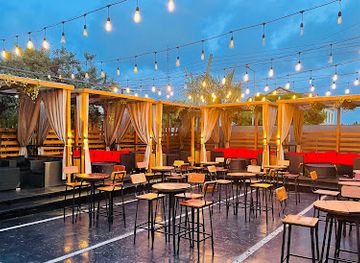
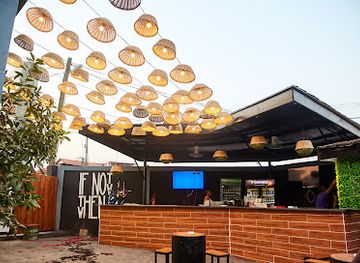
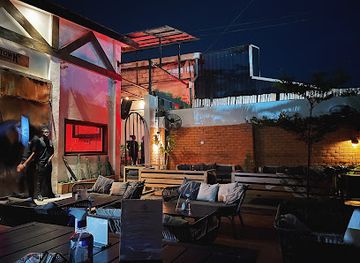
Kusaug does not have a large, internationally oriented nightclub scene. Evening life is more commonly found in Bawku’s informal food spots, local drinking places, small bars and venues where recorded music or conversation continues after the day’s trading. In rural communities, evenings are quieter and social activity often centres on family compounds, community gatherings or modest local establishments rather than purpose-built entertainment districts. Alcohol is available, but it is not necessary to engage with local culture, and visitors should follow the tone of the place they are visiting. Security conditions can affect opening arrangements, movement after dark and the availability of evening venues, especially in Bawku and along border routes. Ask accommodation staff or trusted local contacts about current conditions, return transport before going out and avoid photographing people or security activity without permission.
-
Grill
The Republic Bar & Grill
Experience the vibrant nightlife of Accra at The Republic Bar & Grill, where delicious grilled dishes and local drinks await.
-
Bar
Bloom Bar
Experience the vibrant nightlife of Accra at Bloom Bar, where eclectic cocktails and a lively atmosphere await every visitor.
-
Grill
Kona
Discover Kona, Accra's lively grill and lounge offering a perfect blend of delicious food, refreshing drinks, and an energetic nightlife atmosphere.
-
Bar
Alley Bar
Experience the vibrant nightlife at Alley Bar in Accra, where great drinks and delicious food create the perfect social atmosphere.
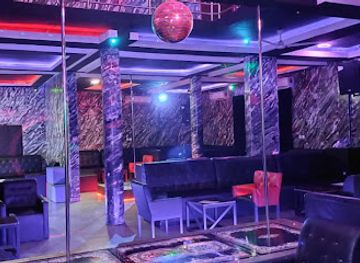
Best nightclubs in Kusaug
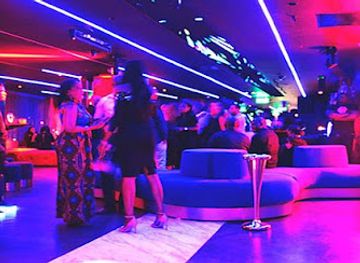
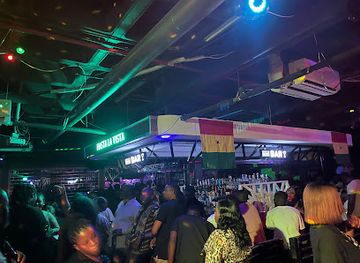
Kusaug does not have a large, internationally oriented nightclub scene. Evening life is more commonly found in Bawku’s informal food spots, local drinking places, small bars and venues where recorded music or conversation continues after the day’s trading. In rural communities, evenings are quieter and social activity often centres on family compounds, community gatherings or modest local establishments rather than purpose-built entertainment districts. Alcohol is available, but it is not necessary to engage with local culture, and visitors should follow the tone of the place they are visiting. Security conditions can affect opening arrangements, movement after dark and the availability of evening venues, especially in Bawku and along border routes. Ask accommodation staff or trusted local contacts about current conditions, return transport before going out and avoid photographing people or security activity without permission.
-
Night club
Twist Night Club
Experience the pulse of Accra's nightlife at Twist Night Club, where vibrant music and exceptional service create unforgettable nights.
-
Night club
Kavalli @ Night
Experience the vibrant nightlife of Accra at Kavalli @ Night, where music, dance, and great drinks blend for an unforgettable evening.
-
Night club
Emperor Nite Club
Discover the pulse of Kumasi's nightlife at Emperor Nite Club, where vibrant music meets an electrifying atmosphere for an unforgettable experience.
-
Night club
Xcobar Nightclub
Discover Accra's nightlife at Xcobar Nightclub, where luxury meets vibrant entertainment in a stylish atmosphere.

Best shops in Kusaug
Shopping in Kusaug is centred on Bawku’s markets, neighbourhood traders and small independent shops rather than large commercial centres. Visitors may find locally produced foodstuffs such as groundnuts, beans, millet, sorghum, shea products and dawadawa, with supplies changing according to harvests, market days and cross-border trade. Craft purchases can include woven materials, handmade household goods, leather items and other northern Ghanaian products, although quality and availability vary and not every item is made locally. Pusiga, Garu and Tempane have smaller trading environments where everyday goods are more prominent than dedicated souvenir retail. Bargaining may be customary in some informal markets, but it should remain courteous and proportionate; fixed prices are more likely in established shops. Carry small cedi notes, inspect food packaging and understand that border commerce can be affected by customs rules, security conditions and changing supply. Ask sellers about provenance if buying crafts marketed as regional products.
-
Gift shop
The Shop Accra
Explore The Shop Accra for unique gifts and authentic Ghanaian craftsmanship in the heart of Accra, a treasure trove for every traveler.
-
Gift shop
Finest Gifts
Explore the essence of Ghanaian culture with unique gifts and handcrafted treasures at Finest Gifts in Accra.
-
Boutique
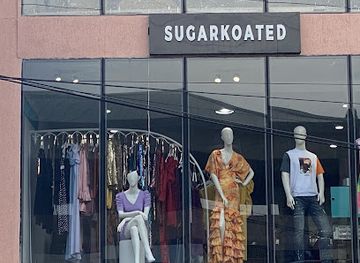
Sugarkoated Unisex Fashion Boutique
Explore the vibrant world of fashion at Sugarkoated Unisex Fashion Boutique in Accra, where style meets inclusivity and culture.
-
Clothing store
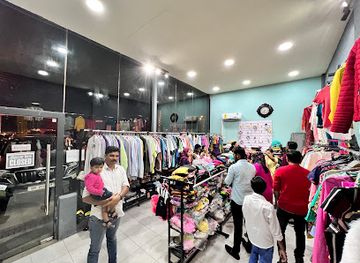
FAA Shoppings (Indian & Western Dress Store/Indian Boutique)
Explore a unique blend of Indian and Western fashion at FAA Shoppings in Accra – your go-to destination for stylish clothing.

Get your free copy of our complete guide to Kusaug, delivered straight to you.
Everything on this page, from attractions and restaurants to essentials and local phrases, in one PDF you can read offline, print or share.
Already have an account? Sign in
Your Kusaug guide is ready.
We'll send it to · Not you? Sign out

Getting your guide ready…
We are putting together a fresh copy of the Kusaug guide. This can take up to a minute.
This can take a few moments. If your browser asks, choose Allow so the download can start. You'll find the guide in your Downloads folder.
Nothing happened? Download it again
Sorry, the guide is taking longer than usual. Please try again in a minute, or get it by email instead.
Kusaug essentials
Currency and Payment
Safety
Emergency Situations
Do's and Don'ts
Local Tips
From Eve
Local phrases worth knowing
You don't need to get them perfect. A few words go a long way, and locals appreciate the effort.
Basics
| English | Local | Say it |
|---|---|---|
| Hello | Akwaba | [ah-kwah-bah] |
| Goodbye | Nante yie | [nan-teh yee-eh] |
| Yes | Aane | [ah-neh] |
| No | Daabi | [dah-bee] |
| Please/You're welcome | Mepa wo kyɛw | [meh-pah woh cheh] |
| Thank you | Medase | [meh-dah-seh] |
| Excuse me/Sorry | Kɔkɔbɔ | [koh-koh-boh] |
| How are you? | Ɛte sɛn? | [eh-teh sen] |
| Fine. And you? | Me ho yɛ, na wo nso? | [meh ho yeh, nah woh n-soh] |
| Do you speak English? | Wokasa Borɔfo? | [woh-kah-sah boh-roh-foh] |
| I don't understand | Mente ase | [men-teh ah-seh] |
Eating & Drinking
| English | Local | Say it |
|---|---|---|
| I'd like to see the menu, please | Mepɛ sɛ mehu menu no, mepa wo kyɛw | [meh-peh seh meh-hoo meh-noo noh, meh-pah woh cheh] |
| I don't eat meat | Mente abɔdwe | [men-teh ah-boh-dweh] |
| Cheers! | Nsa bɔ! | [n-sah boh] |
| I would like to pay, please | Mepɛ sɛ mɛtɔ, mepa wo kyɛw | [meh-peh seh meh-toh, meh-pah woh cheh] |
Emergencies
| English | Local | Say it |
|---|---|---|
| Help! | Mɛboa! | [meh-boh-ah] |
| Go away! | Kɔ n'ankasa! | [koh n-ahn-kah-sah] |
| Call the Police! | Frɛ Abatoɔ! | [freh ah-bah-toh] |
| Call a doctor! | Frɛ dɔkita! | [freh doh-kee-tah] |
| I'm lost | Meda akyirikyiri | [meh-dah ah-kee-ree-kee-ree] |
| I'm ill | Mereyare | [meh-reh-yah-reh] |
Shopping
| English | Local | Say it |
|---|---|---|
| I'd like to buy... | Mepɛ sɛ mɛtɔ... | [meh-peh seh meh-toh] |
| I'm just looking | Merekɔhwɛ | [meh-reh-koh-hweh] |
| How much is it? | Ɛyɛ dɛn? | [eh-yeh den] |
| That's too expensive | Ɛyɛ sika dɔɔso | [eh-yeh see-kah doh-oh-soh] |
| Can you lower the price? | Wobɛtɔ sika no ase? | [woh-beh-toh see-kah noh ah-seh] |
Time & Numbers
| English | Local | Say it |
|---|---|---|
| What time is it? | Dɛn na ɛyɛ? | [den nah eh-yeh] |
| It's one o'clock | Ɛyɛ dɔnhwere baako | [eh-yeh don-hweh-reh bah-koh] |
| Half past (10) | Dɔnhwere mmerɛ (10) | [don-hweh-reh meh-reh] |
| Morning | Anɔpa | [ah-noh-pah] |
| Afternoon | Afehyia | [ah-feh-hee-ah] |
| Evening | Anadwo | [ah-nah-dwoh] |
| Yesterday | Anɔpa a atɔ | [ah-noh-pah ah ah-toh] |
| Today | Ɛnnɛ | [eh-neh] |
| Tomorrow | Ɛbɛyɛ da | [eh-beh-yeh dah] |
| 1 | Baako | [bah-koh] |
| 2 | Mmienu | [mee-eh-noo] |
| 3 | Mmienu | [mee-eh-nin] |
| 4 | Nan | [nahn] |
| 5 | Num | [noom] |
| 6 | Nsia | [n-siah] |
| 7 | Nson | [n-sohn] |
| 8 | Nkyɛ | [n-cheh] |
| 9 | Nkyɛn | [n-cheh-n] |
| 10 | Dɔ | [doh] |
Transport & Directions
| English | Local | Say it |
|---|---|---|
| Where's a/the...? | Ɛhe na ...? | [eh-heh nah] |
| What's the address? | Dɛn na adwuma no yɛ? | [den nah ah-dwoo-mah noh yeh] |
| Can you show me (on the map)? | Wobɛda no adi (ɔkwan so)? | [woh-beh-dah noh ah-dee oh-kwan soh] |
| When's the next (bus)? | Berɛ bɛn na (bɔs) no bɛba? | [beh-reh behn nah bɔs noh beh-bah] |
| A ticket (to ....) | Tiket (kɔ ...) | [tee-ket kɔ] |
History of Kusaug
Early settlement and savanna farming
The Kusaug area has been shaped for centuries by communities farming the savanna and managing seasonal water, livestock and woodland resources. Millet, sorghum, beans, groundnuts and later maize supported settled village life, while shea and dawadawa trees provided food, oil and useful products. Archaeological evidence across northern Ghana indicates long histories of settlement, ironworking, cultivation and regional exchange, although individual sites around Kusaug should not be assigned precise dates without specialist investigation. The cultural landscape remains visible in compounds, fields, tree cover, market routes and oral histories rather than in a large concentration of monumental ruins.
Pusiga and the traditions of Na Gbewaa
Pusiga occupies an important place in oral traditions concerning Na Gbewaa, a foundational ancestor associated with the formation of several northern Ghanaian and neighbouring dynastic traditions. Accounts differ between communities and historical interpretations, so the story is best understood as a living body of tradition rather than a single uncontested chronology. Its importance is reflected in chieftaincy, genealogies, ritual memory and the wider political history of the Mole-Dagbani world. For visitors, Pusiga is significant because it connects the local Kusaug landscape with histories extending across northern Ghana, Burkina Faso and Togo.
The rise of Bawku as a regional centre
Bawku developed as a significant settlement and trading centre within a borderland where farming communities, pastoral movement, market exchange and routes towards present-day Burkina Faso and Togo intersected. Its growth was influenced by the wider systems of chieftaincy and political authority that shaped northern Ghana, as well as by the expanding importance of roads, administrative offices and commercial markets. The town’s identity is therefore both local and cross-border. Contemporary Bawku retains this character in its trade, languages, transport connections and links with surrounding rural communities.
Colonial administration and the northern frontier
During the colonial period, the area that is now Kusaug was incorporated into the administrative structures of the Gold Coast. Colonial officials governed through a combination of district administration, taxation, policing and relationships with existing authorities, while mapped borders increasingly divided communities whose social and trading connections predated them. Roads and market systems were reorganised around colonial priorities, but farming, local authority and cross-border exchange continued to shape daily life. Independence in 1957 transferred formal sovereignty to Ghana without erasing the older cultural and commercial links across the northern frontier.
Kulungugu and the early Ghanaian republic
Kulungugu, in the north-eastern part of Ghana, is remembered nationally for the 1962 assassination attempt against President Kwame Nkrumah. A bomb was thrown during a public reception, killing and injuring people while Nkrumah survived. The incident became one of the defining episodes of Ghana’s early republican history and is associated with the political tensions of the period. Its significance extends beyond the location itself: it illustrates how national politics, public ceremonies and remote northern communities were linked during the first decade of independence.
Agriculture, trade and modern borderland life
Since independence, Kusaug has continued to depend heavily on rain-fed agriculture, livestock, small-scale commerce and movement between Ghana and its neighbours. Bawku’s market and transport functions have given the area an economic role larger than its urban size, while seasonal rainfall and periodic drought continue to influence household livelihoods. Public investment in roads, schools, health services and district administration has altered the built environment, but development remains closely tied to climate, food security and cross-border conditions. Contemporary Kusaug is consequently both rural and commercially connected, with tradition and modern mobility existing side by side.
Chieftaincy, identity and contemporary security
Questions of customary authority, political representation, land, identity and succession have contributed to serious tensions in and around Bawku in recent decades. The resulting conflict has affected ordinary life, travel, commerce and access to some customary places. It should not be reduced to a simple ethnic description, since its causes and interpretations are complex and locally contested. Visitors should monitor current government and diplomatic advice, avoid political discussion unless invited and follow local restrictions. The history remains part of the region’s present reality, making informed and respectful travel especially important.
Kusaug in Photos
Browse through our photo collection highlighting the charm and character of the destination.
Neighbouring regions of Kusaug
The closest regions to Kusaug, if you have time for more than one.
-

-

-

-

-


Swipe for more regions
Explore more

Explore more of Ghana
Discover Ghana: A vibrant blend of rich history, stunning landscapes, and warm hospitality in the heart of West Africa.
Explore Ghana