Gate of Athena Archegetis, Athens Travel Guide
Free Guide: Explore the Gate of Athena Archegetis, a symbol of Roman patronage and Athenian heritage, at the heart of Athens' ancient marketplace.


A brief summary of Gate of Athena Archegetis
Explore the Gate of Athena Archegetis, a symbol of Roman patronage and Athenian heritage, at the heart of Athens' ancient marketplace.
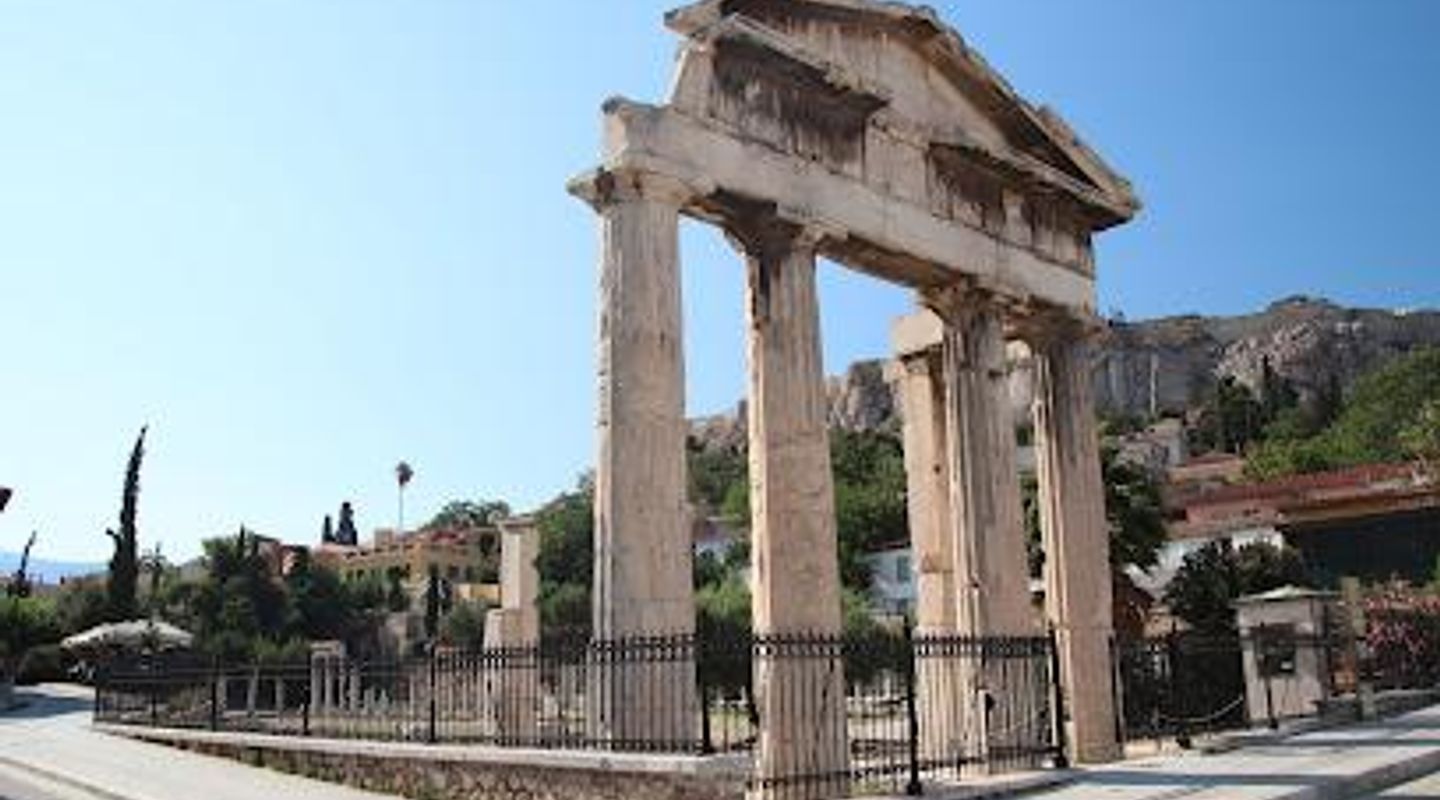
The Gate of Athena Archegetis, located at the Roman Agora's western entrance in Athens, stands as a symbol of Roman influence and Athenian heritage. Built in 11 BCE with funding from Julius Caesar and Augustus, the Doric-style gate was dedicated to Athena Archegetis, the city's patron goddess, blending Roman imperial power with Greek tradition.
Opening hours
- Every day8 am–3 pm
Opening hours as listed on the venue’s Google Business Profile. Hours can change for services and special events, so check with the venue before you go.
- Address
- Διοσκούρων, Epaminonda &, Athina 105 55
Getting there
Public Transport
Walking
Discover more about Gate of Athena Archegetis
Overview
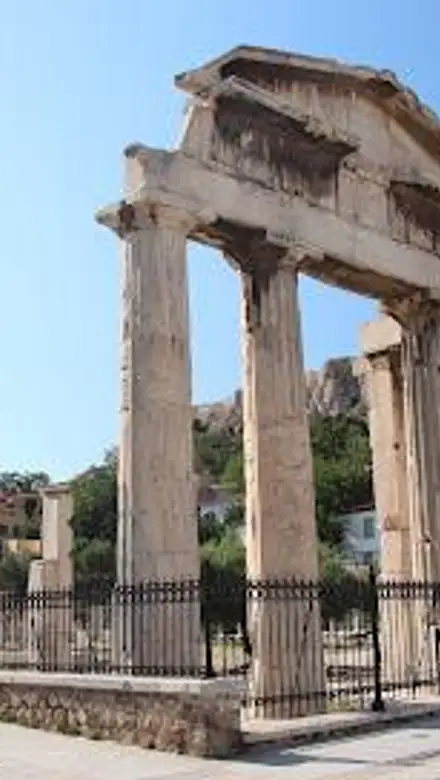
The Gate of Athena Archegetis marks the primary entrance to the Roman Agora in Athens, a captivating reminder of the city's layered history. Constructed in 11 BCE, this monumental gateway was financed by Julius Caesar and completed by Emperor Augustus, reflecting Athens' dual identity as a Greek city under Roman rule. The gate is dedicated to Athena Archegetis (Athena the Leader), the revered patron goddess of Athens, underscoring the city's enduring connection to its divine protector.Designed in the Doric order, the gate consciously echoes the style of classical Athenian monuments like the Parthenon. It is crafted from Pentelic marble, the same radiant white stone used in the Parthenon, ensuring visual harmony with Athens' most celebrated structures. The gate features four imposing Doric columns supporting an elaborate entablature and pediment. An inscription on the entablature attributes the gate's construction to Emperor Augustus, solidifying his role in the city's development. Historical records suggest the gate was originally fitted with bronze doors, further enhancing its grandeur.More than just an architectural marvel, the Gate of Athena Archegetis served as the main ceremonial and commercial entrance to the Roman Agora. It facilitated trade and commerce within the marketplace, monitored efficiently under Roman governance. The gate stands as a testament to Athens' resilience and adaptability, bridging its Greek heritage with its status as a Roman provincial capital. Today, the Gate of Athena Archegetis offers visitors a glimpse into an era when Athens, while no longer an empire, remained a cultural and intellectual center within the Roman world.
Evendo Review Centre
 Google
Guest reviews
Explore Gate of Athena Archegetis on the map
A handpicked selection of must-see spots near Gate of Athena Archegetis, mapped for you.
Get your free copy of our complete guide to Gate of Athena Archegetis, delivered straight to you.
Everything on this page, from opening hours and how to get there to Eve’s tips and the best time to go, in one PDF you can read offline, print or share.
Already have an account? Sign in
Your Gate of Athena Archegetis guide is ready.
We'll send it to · Not you? Sign out

Getting your guide ready…
We are putting together a fresh copy of the Gate of Athena Archegetis guide. This can take up to a minute.
This can take a few moments. If your browser asks, choose Allow so the download can start. You'll find the guide in your Downloads folder.
Nothing happened? Download it again
Sorry, the guide is taking longer than usual. Please try again in a minute, or get it by email instead.
Unlock the best of Gate of Athena Archegetis
Skip-the-line tickets, guided tours with entry, and walking tours of the area, booked in a few clicks.


Other nearby places you may find interesting
The closest places of the same kind, if this one is not quite what you had in mind.
-
Temple of Hephaestus Explore the Temple of Hephaestus, a remarkably preserved ancient Greek temple dedicated to the gods of craftsmanship, in the heart of Athens.
-
Kerameikos Archaeological Site Discover Kerameikos, Athens's ancient cemetery and potters' quarter, a journey through the city's history and burial traditions.
-
Τάφος Μιμίκου και Μαίρης Visit the Tomb of Mimikos and Mairi in Athens, a timeless monument to a tragic love story that continues to inspire and move visitors.
-
Late Roman tower wall foundations Discover Athens' ancient Roman defenses: Explore the Late Roman tower wall foundations, a window into the city's strategic past.
-
Acropolis of Athens Explore the Acropolis of Athens, an ancient citadel and UNESCO World Heritage site, home to the Parthenon and a symbol of classical Greece.
Swipe for more places
More to explore near Gate of Athena Archegetis
-
 Best experiences near Gate of Athena Archegetis
-
 Best hotels near Gate of Athena Archegetis
-
 Best landmarks near Gate of Athena Archegetis
-
 Best attractions near Gate of Athena Archegetis
-
 Best shops near Gate of Athena Archegetis
-
 Best restaurants near Gate of Athena Archegetis
-
 Best bars near Gate of Athena Archegetis







Do you manage this location?
Take control to get all the benefits, like improved information, better appearance, and stronger visibility across AI-powered discovery.
Explore more

Explore more of Athens
Discover Athens: A journey through time in the cradle of Western civilization, where ancient wonders and modern vibrancy create an unforgettable experience.
Explore Athens
Explore more of Greece
Discover Greece: A land where ancient history meets modern vibrancy, offering stunning islands, crystal-clear seas, and unforgettable cultural experiences.
Explore Greece