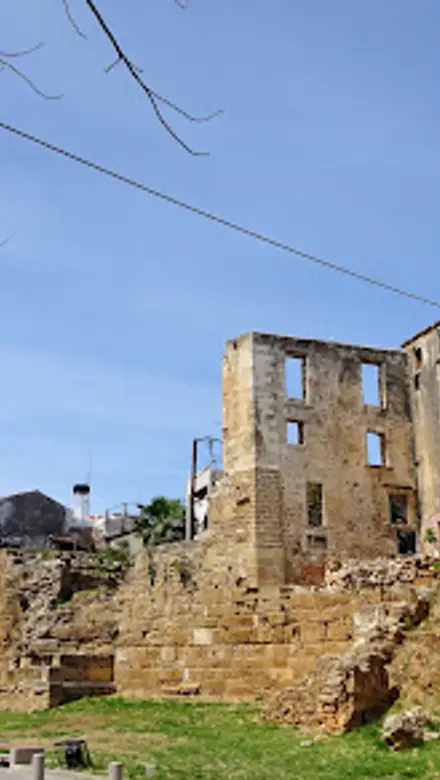
Byzantine Walls, Crete Travel Guide
Free Guide: Explore the ancient Byzantine Walls of Chania, a window into the city's layered history and enduring resilience.


A brief summary of Byzantine Walls
Explore the ancient Byzantine Walls of Chania, a window into the city's layered history and enduring resilience.
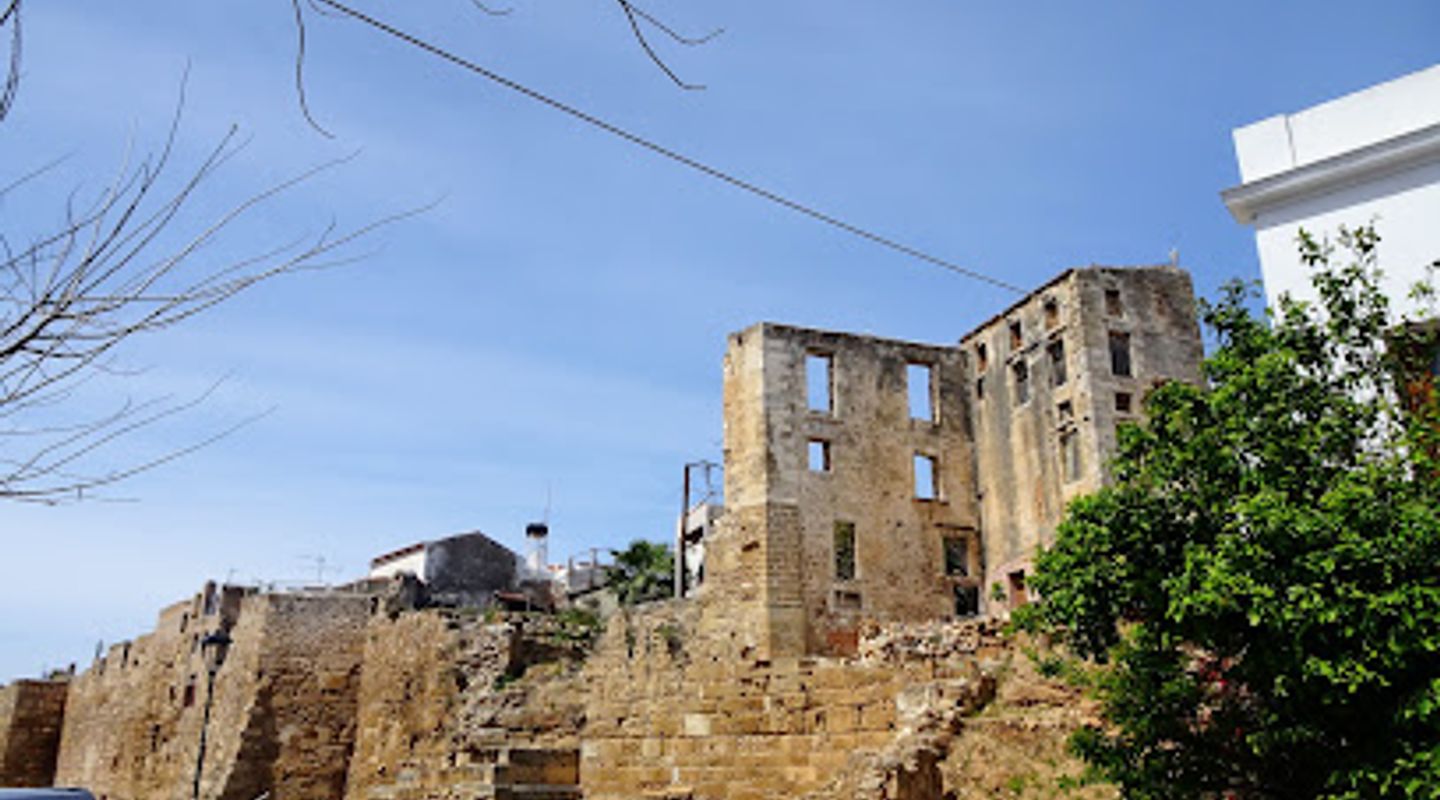
The Byzantine Walls of Chania are the remnants of the city's original fortifications, built between the 6th and 7th centuries AD on the foundations of older Hellenistic walls. These walls, constructed with materials from ancient Kydonia, offer a glimpse into Chania's layered past.
- Address
- Rianou 6, Chania 731 32
Getting there
Walking
Public Transport
Taxi
Discover more about Byzantine Walls
Overview
The Byzantine Walls of Chania stand as a testament to the city's long and storied history. Originally constructed during the Byzantine era between the 6th and 7th centuries AD, these walls were built upon the foundations of even earlier Hellenistic fortifications. The Byzantines sought to protect the city, then known as Kydonia, from Arab raids.The walls were primarily built using materials reclaimed from the ruins of ancient Kydonia, showcasing a practical approach to construction in that era. The structure of the wall is irregular, featuring straight sections interspersed with small rectangular and polygonal towers. In some areas, the wall integrates with the natural rock formations, while in others, it provides complete coverage. Four gates once punctuated the wall, though these have since been demolished. The main gates were located on the western side towards Syntrivaniou Square and on the eastern side at the intersection of Canevaros and Daskalogianni streets.As the city expanded, the walls eventually became less critical for defense. During the Venetian period, new fortifications were constructed, and the Byzantine Walls gradually fell into disrepair. Today, sections of the wall are still visible, particularly along Sifaka Street, offering a tangible link to Chania's Byzantine past. Exploring the remains of the Byzantine Walls provides a unique perspective on the city's evolution and the diverse influences that have shaped its identity.
Evendo Review Centre
 Google
Guest reviews
Explore Byzantine Walls on the map
A handpicked selection of must-see spots near Byzantine Walls, mapped for you.
Get your free copy of our complete guide to Byzantine Walls, delivered straight to you.
Everything on this page, from opening hours and how to get there to Eve’s tips and the best time to go, in one PDF you can read offline, print or share.
Already have an account? Sign in
Your Byzantine Walls guide is ready.
We'll send it to · Not you? Sign out

Getting your guide ready…
We are putting together a fresh copy of the Byzantine Walls guide. This can take up to a minute.
This can take a few moments. If your browser asks, choose Allow so the download can start. You'll find the guide in your Downloads folder.
Nothing happened? Download it again
Sorry, the guide is taking longer than usual. Please try again in a minute, or get it by email instead.
Other nearby places you may find interesting
The closest places of the same kind, if this one is not quite what you had in mind.
-
-
-
-
-


Swipe for more places
More to explore near Byzantine Walls

 Best experiences near Byzantine Walls
 Best hotels near Byzantine Walls
 Best landmarks near Byzantine Walls
 Best attractions near Byzantine Walls
 Best shops near Byzantine Walls
 Best restaurants near Byzantine Walls
 Best bars near Byzantine Walls
Do you manage this location?
Take control to get all the benefits, like improved information, better appearance, and stronger visibility across AI-powered discovery.
Explore more

Explore more of Crete
Discover the enchanting island of Crete, where ancient history meets breathtaking landscapes and vibrant culture. Explore ruins, relax on pristine beaches, and savor local cuisine.
Explore Crete
Explore more of Greece
Discover Greece: A land where ancient history meets modern vibrancy, offering stunning islands, crystal-clear seas, and unforgettable cultural experiences.
Explore Greece