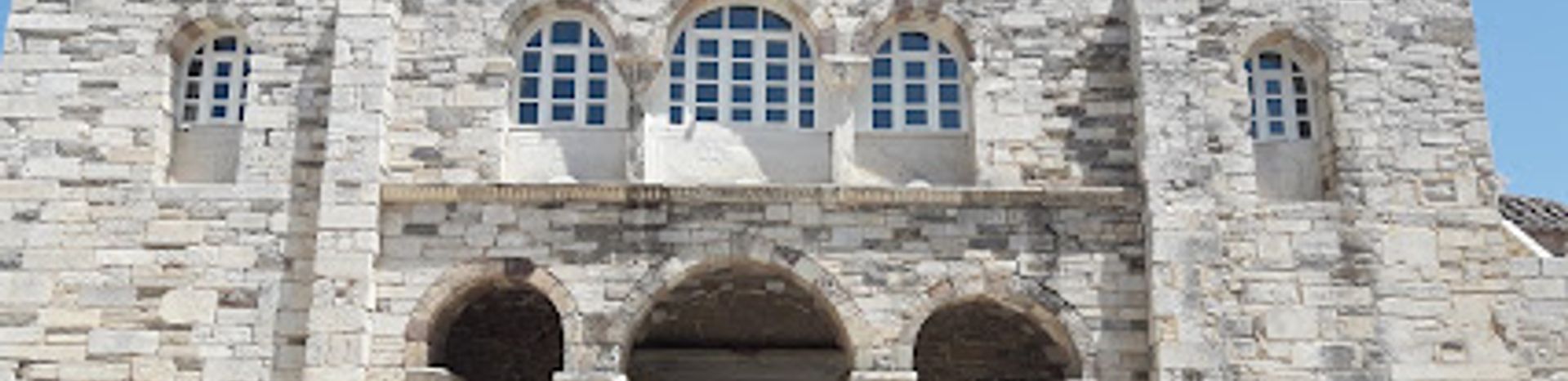
Archaeological Museum of Paros: A Glimpse into the Island's Past
Discover ancient sculptures, pottery, and artifacts at the Archaeological Museum of Paros, showcasing the island's rich history from Neolithic to Roman times.
The Archaeological Museum of Paros, located in Parikia, showcases a diverse collection of artifacts from the Neolithic period to the Roman era. Founded in 1960, the museum provides insights into the island's rich history and cultural heritage through sculptures, pottery, and inscriptions found on Paros and neighboring islands.
A brief summary to Archaeological Museum of Paros
- Christou Konstantopoulos 2, Paros, 844 00, GR
- +302284021231
- Visit website
Local tips
- Visit early in the morning to avoid crowds and enjoy a more peaceful experience.
- Check the museum's opening hours, as they may vary depending on the season.
- Combine your visit with a trip to the nearby Panagia Ekatontapiliani church.

Getting There
-
Walking
The Archaeological Museum of Paros is located in Parikia, the island's capital, behind the Ekatontapiliani Church. From the Parikia Ferry Port, walk straight ahead towards the town center. Pass the church on your left; the museum is located directly behind it. The walk is short and easy, taking approximately 5-10 minutes. There are no costs associated with walking to the museum.
-
Public Transport
Local buses (KTEL) connect Parikia with other major towns and beaches on Paros. From the Parikia bus terminal, located near the ferry port, any bus route will drop you off within a short walking distance of the Ekatontapiliani Church. Bus tickets cost between €2.00 and €3.50 depending on the distance. From the bus stop, walk towards the church, and the museum is located directly behind it.
-
Taxi
Taxis are readily available in Parikia, especially near the ferry port and the main square. A taxi ride from the Parikia Ferry Port to the Archaeological Museum costs approximately €7, as the starting fare is €3.50 and each kilometer is priced at €0.70. The journey is short, and the driver will drop you off near the entrance of the Ekatontapiliani Church, from where you can easily walk to the museum.
Discover more about Archaeological Museum of Paros
Iconic landmarks you can’t miss

Hellenistic Sculpture Workshop
0.3 km
Explore an ancient sculpture workshop on Paros, revealing the artistry and craftsmanship of the Hellenistic period.

Puit de Paros
0.5 km
Explore the historic Puit de Paros in Kalliera, a serene landmark showcasing the island's rich cultural heritage and natural beauty.

Sanctuary of Apollo
1.3 km
Discover the ancient Sanctuary of Apollo on Paros: a historic site with stunning views and a glimpse into Greek mythology.

Venetian Castle
8.8 km
Explore the historic Venetian Castle in Naousa, Paros: a scenic landmark with stunning views and a glimpse into the island's past.
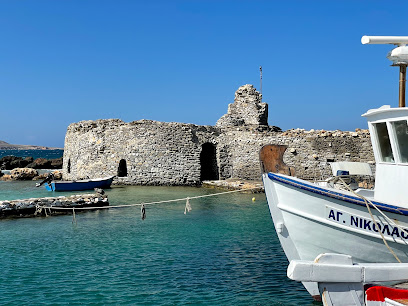
Museum of Cycladic Folklore
8.9 km
Discover the Cycladic spirit through intricate miniatures at this charming folk museum in Aliki, Paros.

Cycladic Arts
9.9 km
Discover a vibrant art space in Aliki, Paros, offering cultural exchange, residencies, and exhibitions in a traditional Cycladic setting.
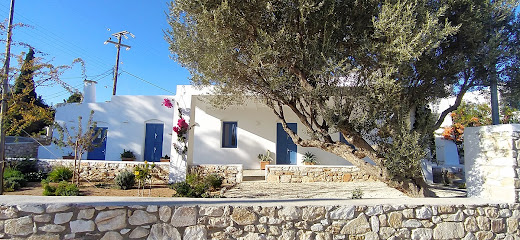
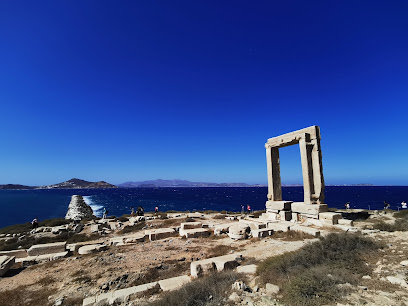
Temple of Apollo
19.7 km
A monumental marble gate on a historic islet, the Temple of Apollo offers stunning views and a glimpse into Naxos's ancient past.
Statue of Afrodite
19.8 km
Discover the modern Statue of Afrodite on Naxos, a tribute to the goddess of love and beauty, offering stunning Aegean views.

Heroes Monument
19.8 km
A solemn tribute to Naxos' heroes, the Heroes Monument stands as a powerful symbol of bravery and remembrance in the heart of Naxos Town.

Catholic Cathedral of the Presentation of the Lord
20.0 km
Explore Naxos's Catholic Cathedral: a blend of Venetian history, Byzantine art, and spiritual tranquility in the heart of Kastro.

Naxos
20.1 km
Explore Naxos: the largest Cycladic island, offering ancient history, stunning beaches, and authentic Greek culture.

Archaeological Site of Yria Naxos
20.2 km
Discover the ancient sanctuary of Yria on Naxos: a journey through Greek history, mythology, and architectural marvels. Explore temples and votive offerings.

Sacred Band monument, October 1944
20.3 km
Honor the heroes of the Sacred Band at this historical Naxos monument, a place of reflection surrounded by the island's natural beauty.

Temple of Dionysus, Yria
20.3 km
Explore the ruins of the Temple of Dionysus in Yria, Naxos, and discover the ancient religious and cultural heritage of the island.
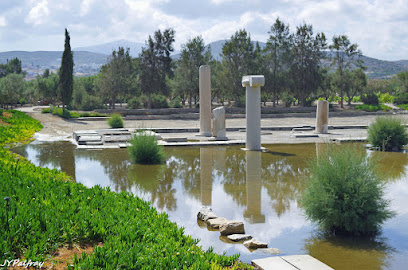
Cedar Forest of Alyko
23.8 km
Discover a unique Naxian paradise: the Cedar Forest of Alyko, where ancient cedar trees meet pristine beaches and vibrant street art.
Unmissable attractions to see

Dasýllio
0.1 km
Experience the tranquility of Dasýllio, a serene park in Paros, perfect for nature lovers and those seeking a peaceful retreat amidst stunning landscapes.
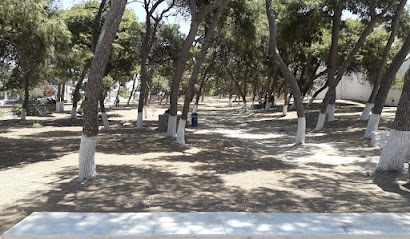
Holy Shrine of the Virgin Mary Ekatontapyliani
0.1 km
Discover the Holy Shrine of the Virgin Mary Ekatontapyliani in Paros, a historical gem and spiritual haven revered for its stunning architecture and rich Orthodox heritage.
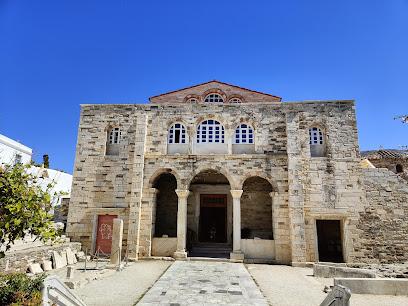
Paros Byzantine Museum
0.1 km
Discover the rich tapestry of Byzantine art and culture at the Paros Byzantine Museum, a hidden gem on the stunning island of Paros.
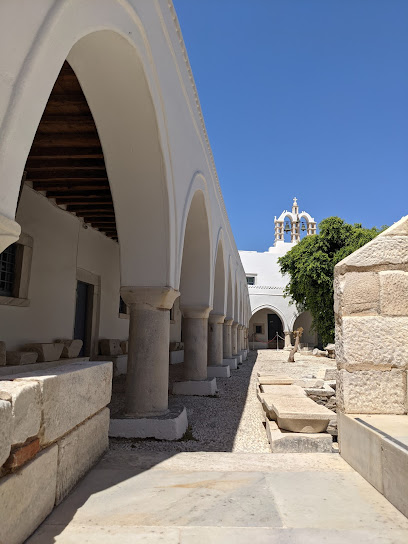
Paros
0.2 km
Explore the enchanting island of Paros, where stunning beaches, rich culture, and vibrant local life await every traveler.
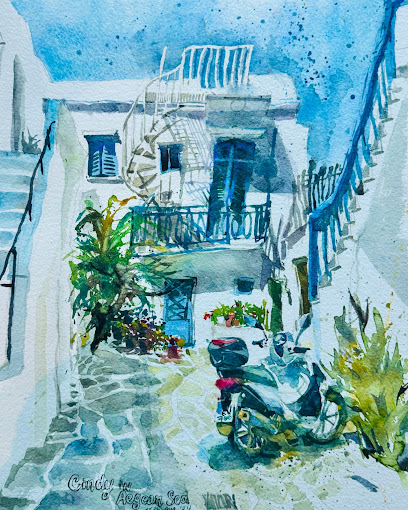
Ιερός Καθολικός Ναός Αγίου Αντωνίου της Παδούης
0.2 km
Immerse yourself in the serene beauty of the Catholic Church of St. Anthony in Paros, a tranquil haven of faith and stunning architecture.
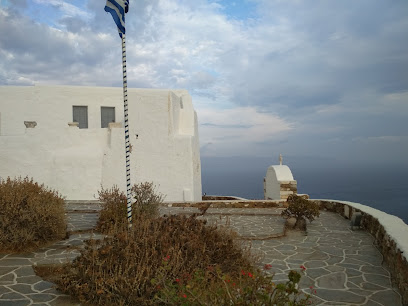
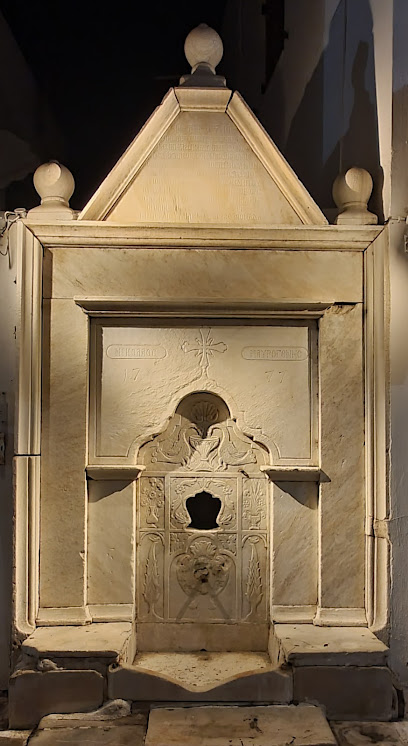
La fontaine de Mavroguenis
0.2 km
Discover the serene beauty and historical charm of La Fontaine de Mavroguenis, a hidden gem in Paros ideal for relaxation and photography.
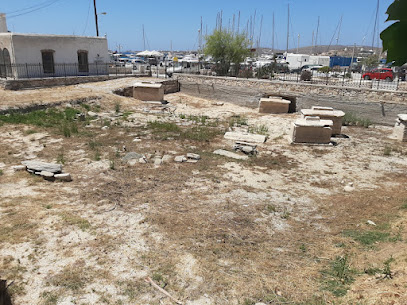
Ancient Cemetery
0.3 km
Discover the Ancient Cemetery in Paros, a captivating archaeological site revealing the island's rich history and ancient burial customs.
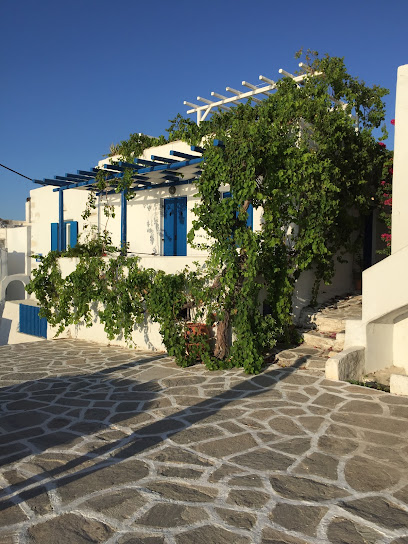
Πλατεία Μαντώς Μαυρογένους
0.3 km
Experience tranquility at Πλατεία Μαντώ Μαυρογένους, a picturesque city park in Paros perfect for relaxation and cultural immersion.
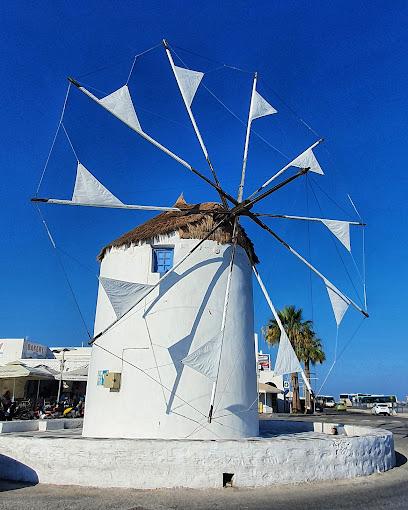
Windmill in port
0.4 km
Explore the historic Windmill of Paros, an iconic landmark offering stunning views and a glimpse into the island's rich cultural heritage.
Lochagou Kourtinou 9, Paros 844 00, Grecia
0.4 km
Explore Paros, Greece: A stunning blend of pristine beaches, rich history, and vibrant culture awaits every traveler in this Cycladic paradise.
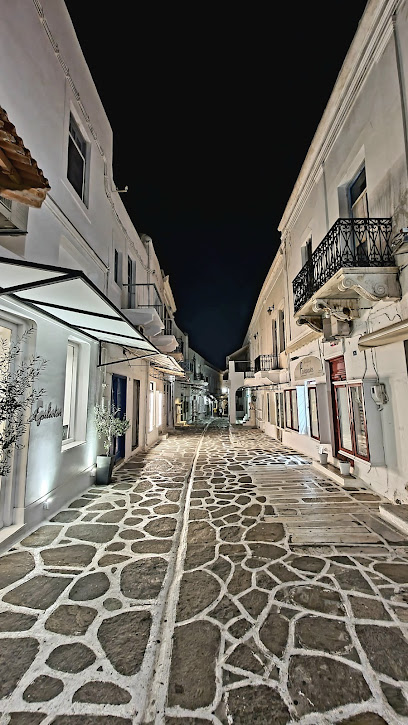
Frankish Castle Paroikia
0.5 km
Explore the historic Frankish Castle in Paroikia, a UNESCO heritage site that offers breathtaking views and a glimpse into the rich history of Paros.
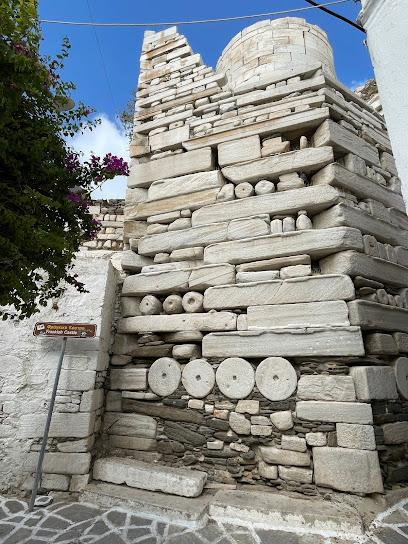
House with flowers and sea view
0.5 km
Discover the captivating beauty of the House with Flowers and Sea View in Paros, where vibrant blooms meet stunning Aegean vistas.
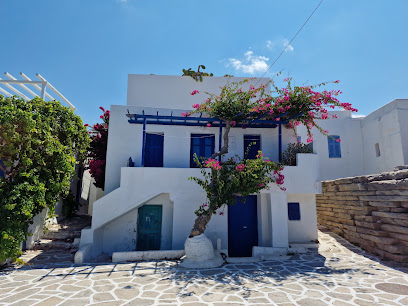
HOLLAND TUNNEL GALLERY
0.5 km
Explore the Holland Tunnel Gallery in Paros for a unique experience of contemporary art and local culture amidst breathtaking island beauty.
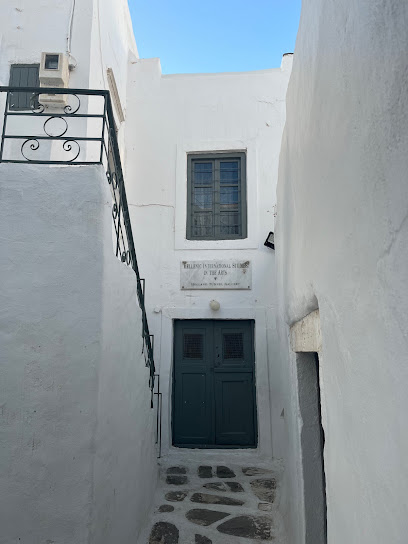
Parikia - Krios Beach
0.7 km
Experience the tranquil beauty of Krios Beach in Parikia, Paros - a perfect retreat for sun-lovers and adventurers alike.
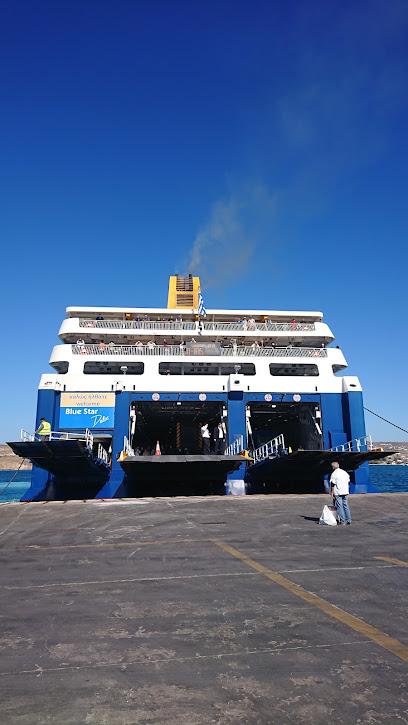
Old platanus (planetree)
0.7 km
Discover the Old Platanus in Paros, a majestic tree that embodies nature's beauty and offers a peaceful retreat for all visitors.
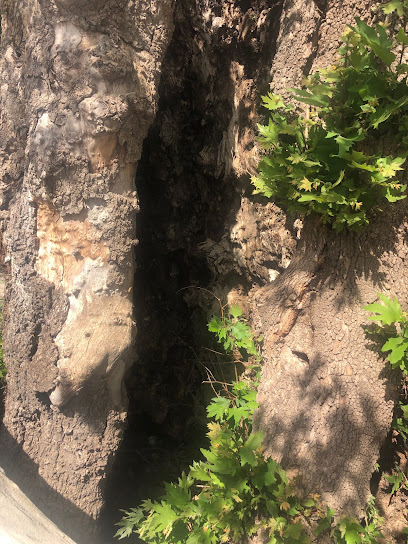
Essential places to dine

Lemon...e
0.2 km
Discover Lemon...e in Paros - where fresh ingredients meet authentic Greek flavors in a charming dining experience.
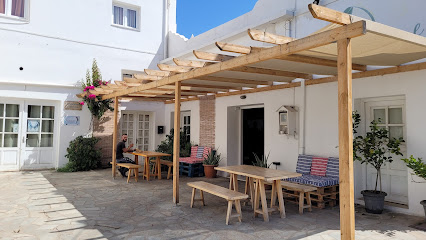
STOU FRED
0.3 km
Discover authentic Greek cuisine at Stou Fred in Paros - where every dish tells a story.
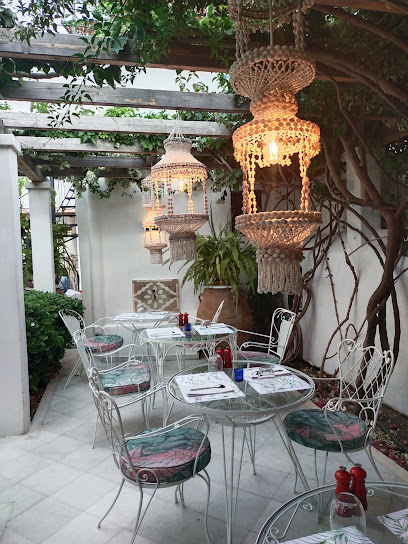
Oasis All Day Restaurant Cafe
0.3 km
Discover the delightful flavors of Italy at Oasis All Day Restaurant Cafe in Paros – where every meal is an experience!
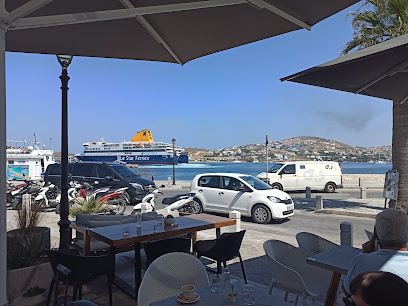
DIONYSOS Garden Restaurant
0.3 km
Discover authentic Greek flavors at DIONYSOS Garden Restaurant in Paros – where every meal is crafted with passion and tradition.
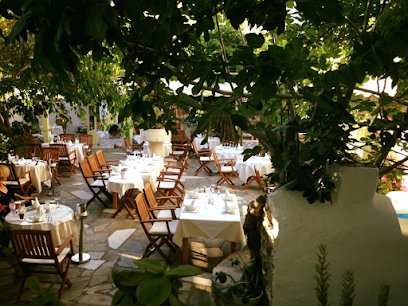
Chaniotis Restaurant
0.3 km
Discover authentic Greek flavors at Chaniotis Restaurant in Paros' vibrant Manto Mavrogenous Square.
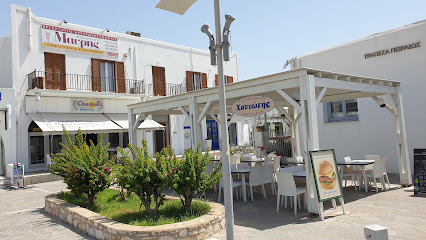
Hellas
0.3 km
Discover the heart of Greece at Hellas Restaurant in Paros - where authentic flavors meet warm hospitality.
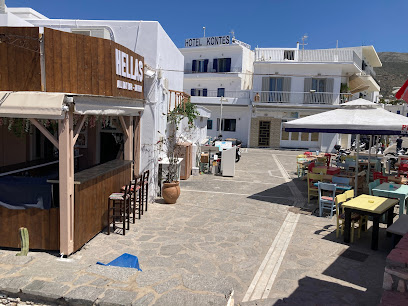
The Little Green Rocket
0.3 km
Experience authentic Greek flavors at The Little Green Rocket in Paros - where culinary excellence meets Mediterranean charm.
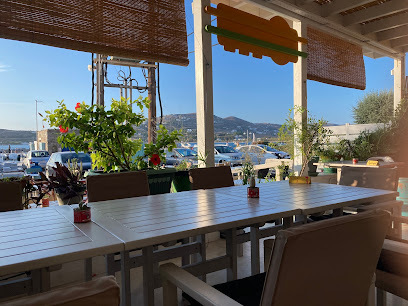
Trata
0.4 km
Experience authentic Greek flavors at Trata in Livadia—where traditional cuisine meets warm hospitality.

Restaurant AROMAS
0.4 km
Savor the essence of Greece at Restaurant AROMAS - where tradition meets flavor in every dish.

Cuore Rosso
0.4 km
Experience authentic Italian flavors at Cuore Rosso in Paros - where every pizza is crafted with passion and tradition.
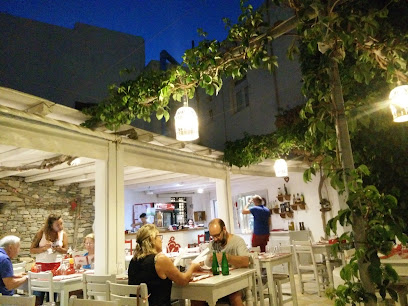
Albatros
0.4 km
Experience authentic Mediterranean flavors at Albatros in Paros - where every dish tells a story of Greek tradition.
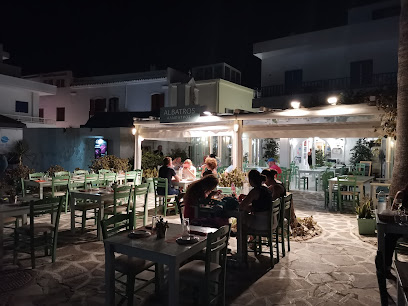
Il sussuro del pino
0.4 km
Experience authentic Greek cuisine at Il Sussuro del Pino in Paros – where fresh ingredients meet exquisite flavors.
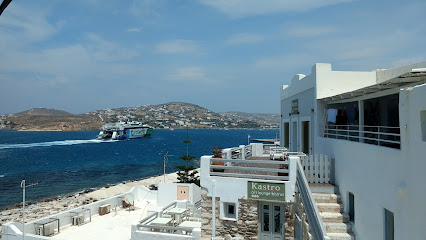
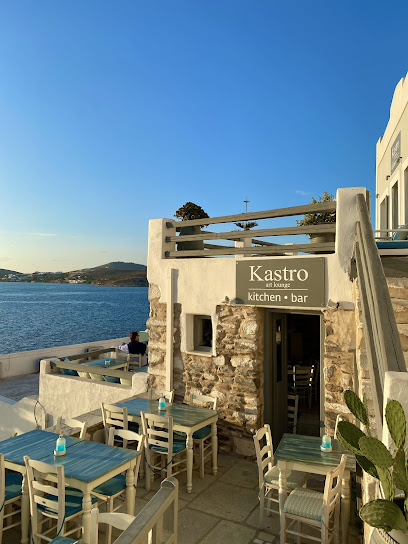
Kastro art lounge bistrot
0.5 km
Kastro Art Lounge Bistrot: Experience exquisite Mediterranean cuisine with stunning sunset views in the heart of Paros.
Levantis Restaurant
0.5 km
Discover authentic Greek flavors at Levantis Restaurant in Paros – where every meal is a celebration of local ingredients and culinary artistry.
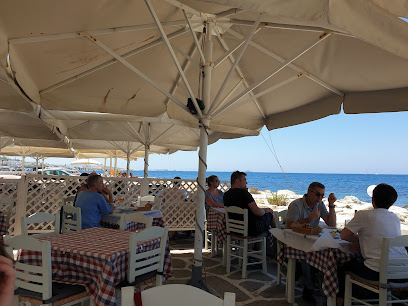
Apollon Garden Restaurant
0.5 km
Discover authentic Greek flavors at Apollon Garden Restaurant in Paros - where every meal is a celebration of tradition.
Markets, malls and hidden boutiques

Melissa
0.2 km
Explore the vibrant Melissa gift shop in Parikia for unique clothing, music, and local treasures that embody the spirit of the Cyclades.

MyPrecious-Shop
0.2 km
Discover unique women's fashion at MyPrecious-Shop in Paros, where style meets the charm of the Greek islands.

Robini Paros
0.2 km
Explore Robini Paros for unique gifts and stylish men's clothing that capture the spirit of the island in every piece.

MOODS OF PAROS
0.2 km
Explore the exquisite home goods and antiques at Moods of Paros, a treasure trove of local artistry and charm.
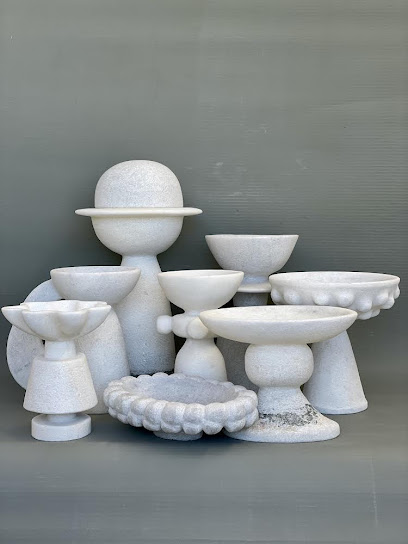
Damay Paros
0.2 km
Explore the enchanting Damay Paros gift shop in Parikia for unique souvenirs and locally crafted treasures that embody the spirit of the Cyclades.

BACK TO SHIP!!!!!!Paros Souvenirs
0.2 km
Explore 'Back to Ship! Paros Souvenirs' for unique gifts and clothing in the heart of Paros, capturing the island's spirit with every purchase.

Parokia
0.3 km
Explore the charm of Parokia, a delightful store in Paros offering authentic local products and a glimpse into the vibrant culture of the island.

unicum
0.3 km
Discover unique fashion accessories at Unicum, a charming boutique in Paros offering handcrafted items that embody the spirit of the island.
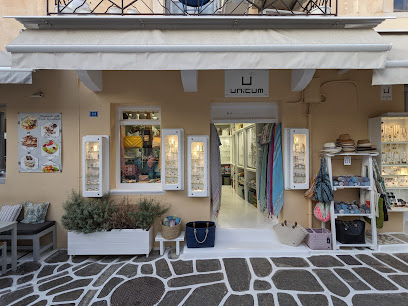
Voila Parikia
0.3 km
Explore Voila Parikia, a stylish women's clothing store in Paros offering unique apparel reflecting the vibrant Greek island spirit.
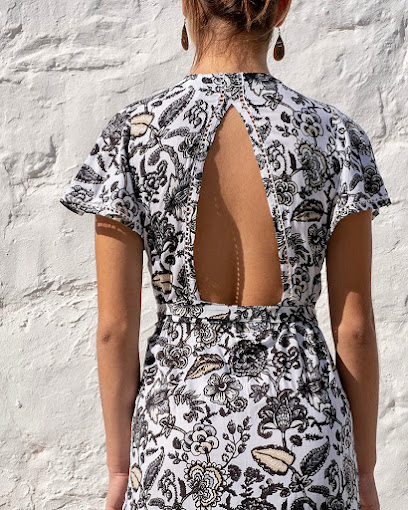
Memories Jewellery
0.4 km
Discover exquisite handcrafted jewelry at Memories Jewellery, a unique boutique in Paros, Greece, perfect for finding special travel keepsakes.
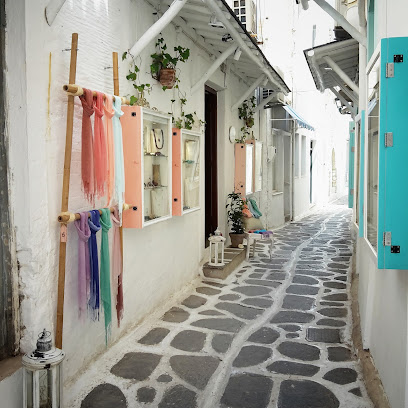
So Shop Paroikia
0.4 km
Explore So Shop Paroikia for unique clothing that blends traditional Greek styles with modern fashion in a charming atmosphere.
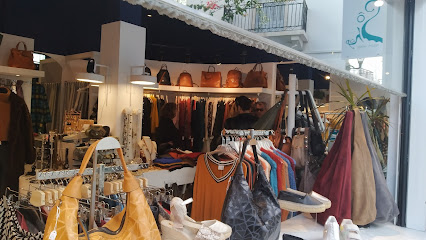
White In Paros
0.4 km
Explore White In Paros for unique fashion accessories, exquisite jewelry, and memorable gifts that capture the essence of the Greek island.
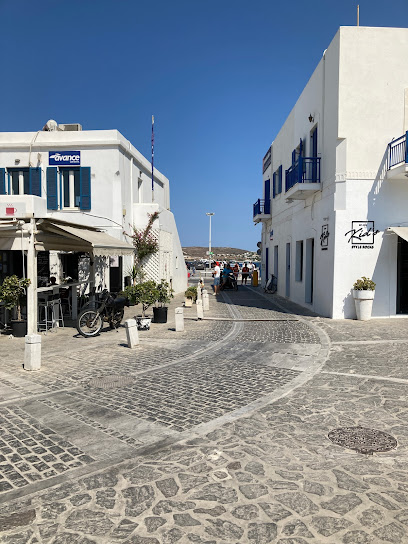
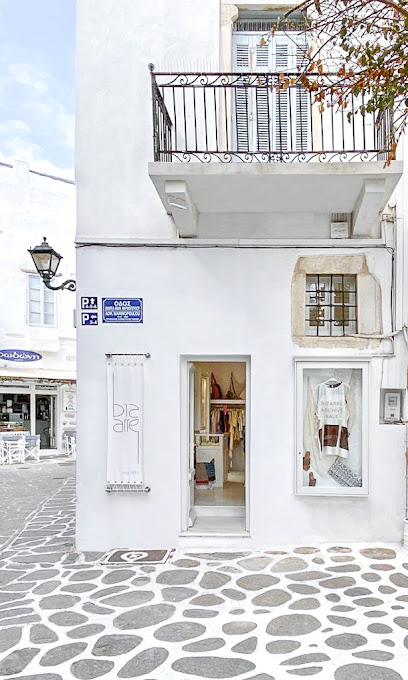
bizarre boutique Paroikia
0.4 km
Explore the unique and vibrant styles at Bizarre Boutique, a must-visit dress store in the heart of Paroikia, Paros.
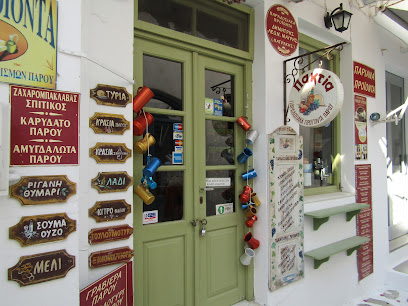
Paktia
0.4 km
Discover Paktia, a charming store in Paros, Greece, offering unique handmade crafts and local art reflecting the island's rich culture.
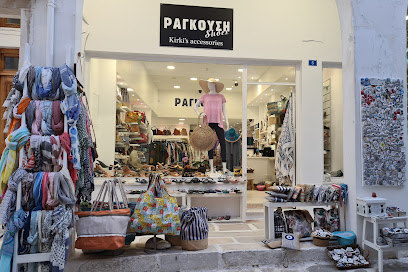
Kirki's accessories
0.4 km
Explore Kirki's Accessories: A Fashion Haven in Paros Offering Unique and Stylish Accessories for Every Taste.
Essential bars & hidden hideouts

The Jolly Roger pub Paroikia
0.3 km
Experience the lively atmosphere of The Jolly Roger Pub in Paroikia, where delicious food and live music create unforgettable evenings.
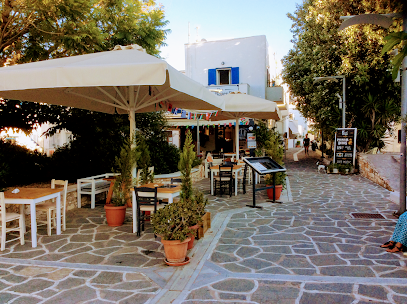
Spiti House Bar
0.3 km
Discover the cozy charm of Spiti House Bar in Paros, where expertly crafted cocktails and a vibrant atmosphere await.
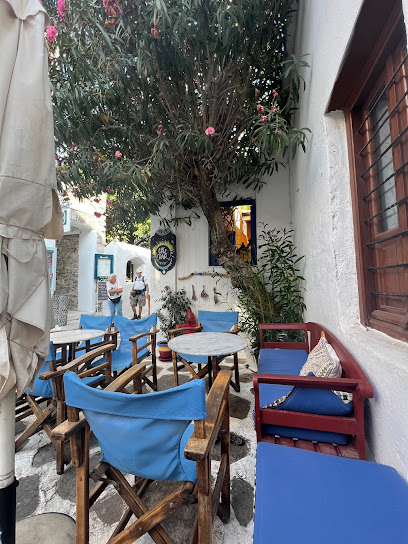
Nemobar
0.5 km
Discover the vibrant atmosphere of Nemobar on Paralia Seafront, where refreshing drinks and local delicacies meet stunning Aegean views.
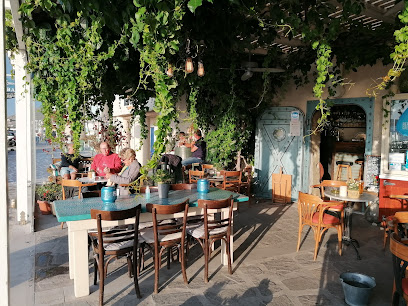
Pirate Bar
0.5 km
Discover the lively atmosphere and unique cocktails at Pirate Bar in Agia Triada, a must-visit nightlife destination in Paros.
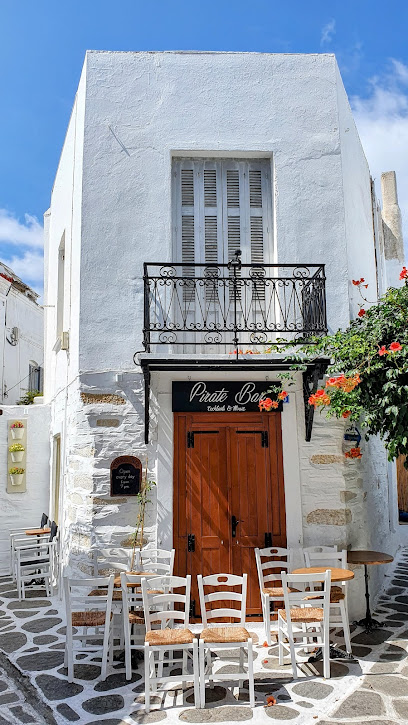
Evinos
0.5 km
Experience the vibrant nightlife of Paros at Evinos, where delicious cocktails and great music create unforgettable memories.
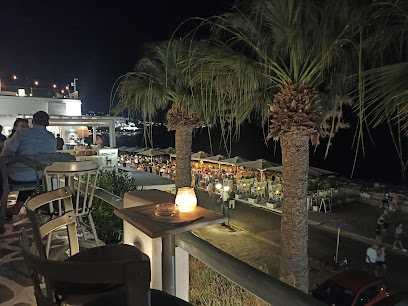
Bebop
0.5 km
Experience the vibrant nightlife of Paros at Bebop, where delicious cuisine meets a lively bar atmosphere for unforgettable evenings.
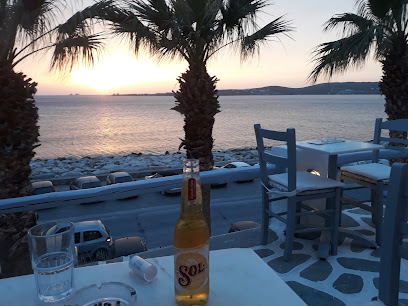
KAKAO CAFE - COCKTAIL BAR
0.5 km
Experience the vibrant atmosphere of Kakao Cafe in Paros, where exquisite cocktails meet a laid-back lounge vibe.
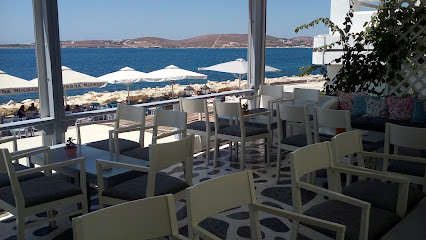
Secret Cafe Bar
0.5 km
Experience the best of Paros at Secret Cafe Bar, where delightful breakfasts and exquisite cocktails come together in a vibrant atmosphere.
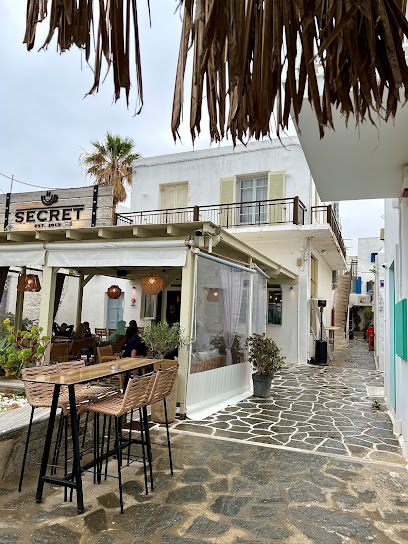
Anema di Paros
0.6 km
Discover the vibrant charm of Anema di Paros, a bar that offers exquisite local drinks and a lively atmosphere in the heart of Paros.
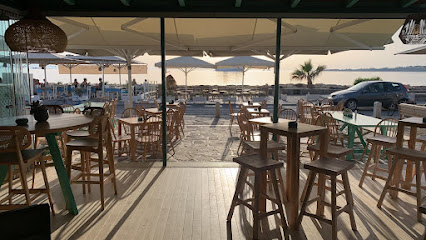
Kialoa bar
0.7 km
Discover Kialoa Bar in Paros – where vibrant atmosphere meets delightful drinks, perfect for unwinding after a day of adventure.
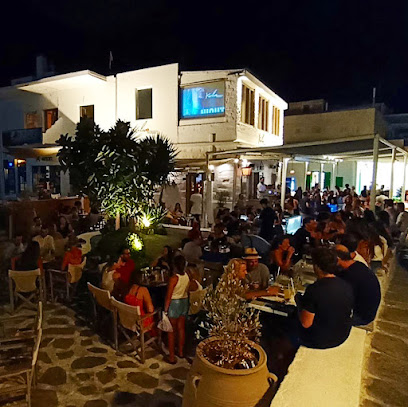
Booze 'n' Tales
0.7 km
Discover the vibrant nightlife at Booze 'n' Tales, a lively bar in Paros offering a unique atmosphere, delicious drinks, and a taste of local culture.
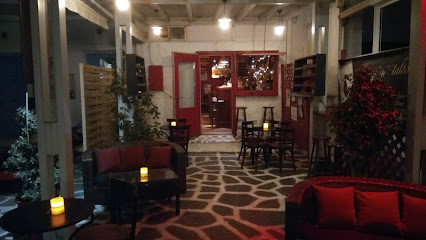
CABANA Beach Bar Restaurant
1.1 km
Experience the ultimate beachside relaxation at CABANA Beach Bar Restaurant, where unique cocktails and delicious cuisine meet stunning sea views in Paros.

Cicada view lounge cocktail bar
5.8 km
Discover the enchanting Cicada View Lounge Cocktail Bar in Lefkes, where stunning vistas meet expertly crafted cocktails for an unforgettable experience.
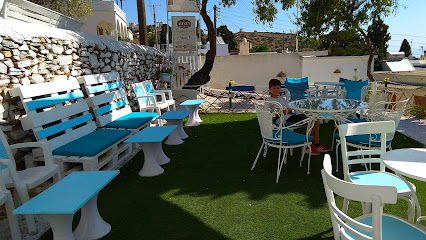
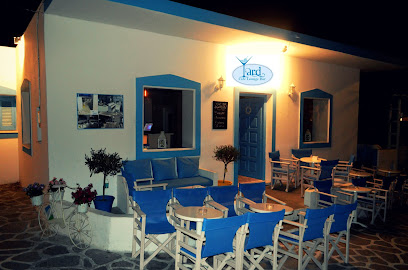
Yard Cafe Lounge Bar
8.2 km
Discover the enchanting Yard Cafe Lounge Bar in Antiparos, where delightful cocktails meet a serene atmosphere for an unforgettable experience.
Koukos Paros Fine Wines & Delicacies
8.6 km
Experience the finest wines and delectable Greek delicacies at Koukos Paros in the heart of Naousa, Paros Island.

Nightclubs & after hour spots

Akanthus Night Club - Paros
8.6 km
Experience the electrifying nightlife at Akanthus Night Club in Paros, where vibrant music and stylish ambiance create unforgettable memories.
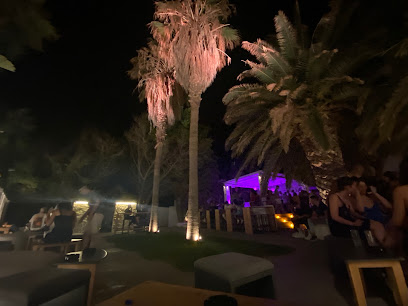
Sifnaios Nektarios
8.8 km
Experience the vibrant nightlife and exquisite dining at Sifnaios Nektarios in Naousa, where unforgettable moments await under the Greek stars.
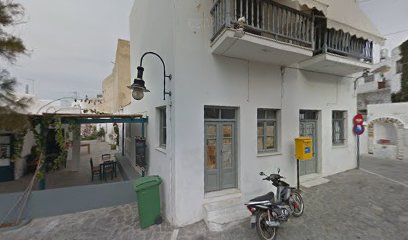
Linardo
8.8 km
Experience the vibrant nightlife of Naousa at Linardo, where delicious cocktails and stunning sea views come together for an unforgettable evening.
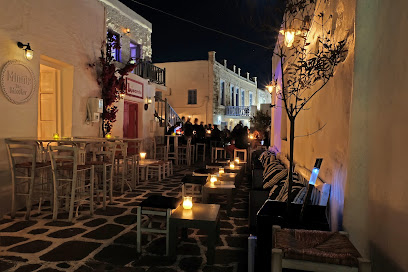
VIVA PUNDA
10.8 km
Discover the vibrant atmosphere of VIVA PUNDA, a beach club offering refreshing cocktails, delicious cuisine, and lively events in Punda, Greece.
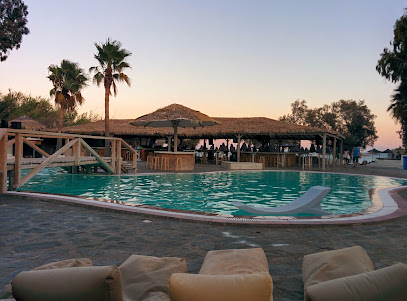
The Ocean Club
19.8 km
Discover the vibrant nightlife of The Ocean Club in Naxos, where stunning views and electrifying music unite for an unforgettable party experience.
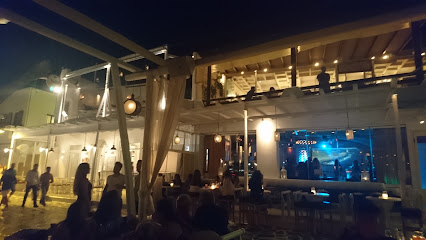
Lab Club
19.8 km
Join the vibrant nightlife at Lab Club in Naxos, where electrifying music and a lively atmosphere create unforgettable experiences.
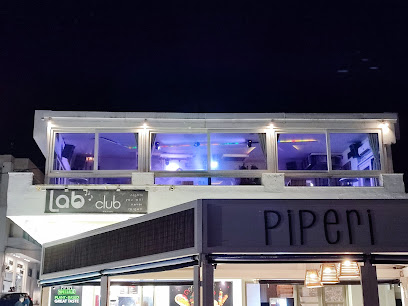
Dome Lounge Bar
19.9 km
Experience the vibrant nightlife and serene ambiance at Dome Lounge Bar, a must-visit destination in Naxos for cocktail lovers and night owls.
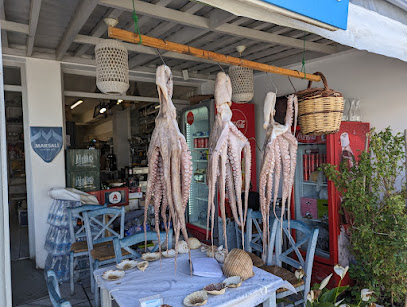
AMEN CLUB - NAXOS
19.9 km
Discover the ultimate nightlife at AMEN CLUB in Naxos, where vibrant beats meet stunning ambiance for an unforgettable evening of fun.
Jazz & Blues
19.9 km
Discover the rhythm of Naxos at Jazz & Blues, where live music meets delightful cocktails in a vibrant atmosphere.
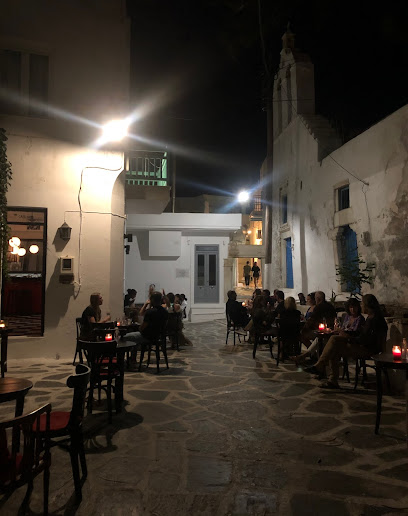
Pathos Club & Restaurant
40.5 km
Experience the vibrant nightlife and exquisite dining at Pathos Club & Restaurant on Koumbara Beach, Ios - a true gem of the Aegean.
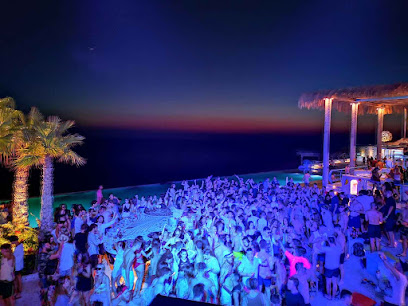
Disco 69
41.8 km
Discover the electrifying nightlife of Ios at Disco 69, where music and fun come alive in a captivating atmosphere.

Pash Nightclub
41.8 km
Discover the electrifying nightlife at Pash Nightclub in Chora, where unforgettable dance experiences and exquisite cocktails await.

Barmacy
41.8 km
Experience the vibrant nightlife at Barmacy in Chora, where signature cocktails and electrifying music come together for an unforgettable night out.
Circus
41.8 km
Discover the vibrant energy of Circus, a premier night club in Ios, where unforgettable nights filled with music and dancing await you.
Shush Silent Disco
41.8 km
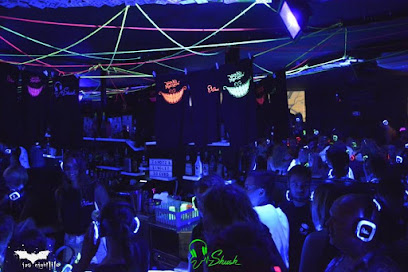
Discover the vibrant nightlife of Chora at Shush Silent Disco, where unique silent parties redefine your clubbing experience.