

Free Cyclades Travel Guide & Mobile App
Explore Cyclades with free travel guides. Discover regional history, expert tips, proposed trips, and audio guides on web or mobile app.


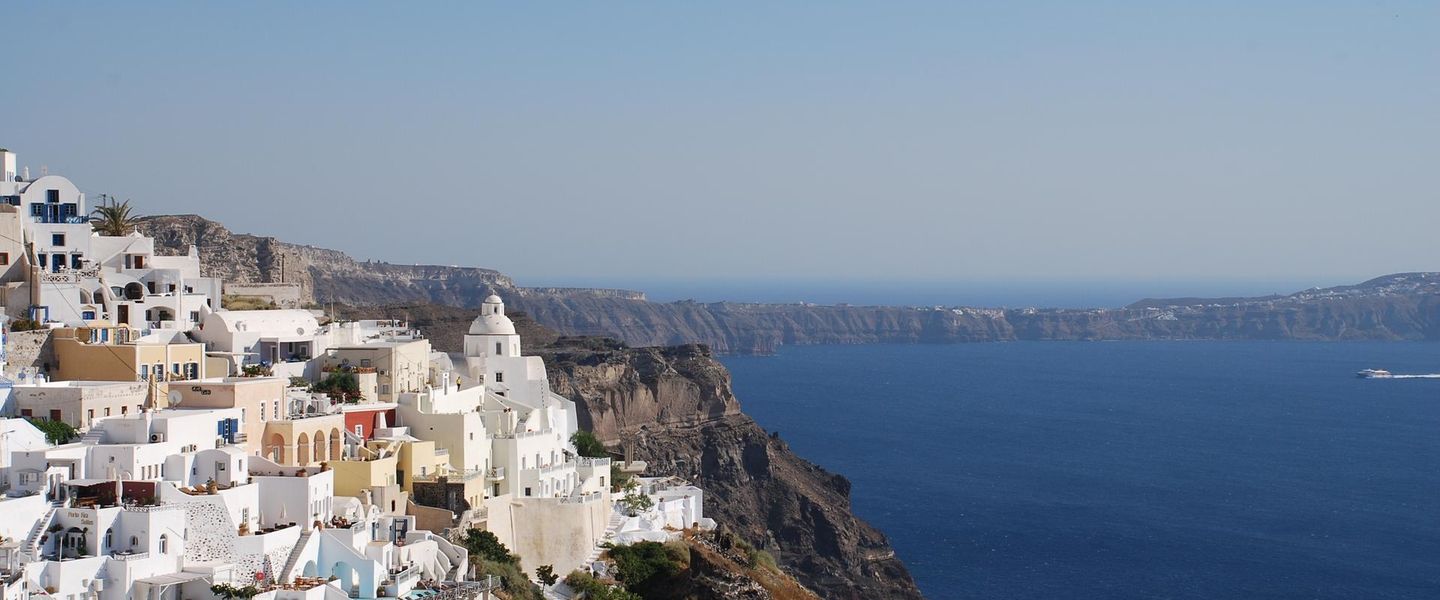


Explore the Cyclades for island-hopping, ancient sites, volcanic landscapes, village food, beaches and distinctive Aegean traditions.
Read more about Cyclades
When is the best time to visit Cyclades?
Best: May–June, September · 24–28°C| Month | High (°C) | Rainfall (mm) |
|---|---|---|
| January | 14 | 60 |
| February | 15 | 50 |
| March | 16 | 40 |
| April | 20 | 30 |
| May (best) | 24 | 20 |
| June (best) | 28 | 10 |
| July | 31 | 5 |
| August | 31 | 5 |
| September (best) | 28 | 20 |
| October | 23 | 30 |
| November | 19 | 40 |
| December | 15 | 50 |
Getting to and around Cyclades
How to get there
Transportation
Top city travel guides in Cyclades
The cities of Cyclades, and the easiest places to base yourself.

Swipe for more cities
Destinations in Cyclades
Resorts, valleys and scenic spots worth a trip of their own.

Swipe for more destinations
Best attractions in Cyclades
Cycladic attractions range from internationally important archaeology to beaches, villages and landscapes shaped by wind and volcanic activity. Delos is the region's outstanding ancient site, with sanctuaries, public buildings, houses and mosaics spread across an uninhabited island reached by boat from nearby ports. Santorini's Akrotiri preserves a Bronze Age settlement beneath volcanic ash, while the caldera and volcanic islands provide a geological setting unlike that of most other Cyclades. Mykonos combines historic waterfront lanes with museums and maritime heritage, and Naxos offers mountain villages, agricultural country, ancient remains and long sandy beaches. Paros is well suited to combining coastal activities with traditional settlements, while Tinos is notable for pilgrimage, marble craft and rural architecture. Smaller islands such as Milos, Serifos, Sifnos, Amorgos and Folegandros offer variations on walking, swimming, diving, sailing and village exploration, though facilities and connections are more limited. The attraction landscape is strongest when archaeological, cultural and outdoor experiences are treated as complementary rather than when the islands are reduced to their beaches.
-
Tourist attraction
Holy Church of the Virgin Mary Evangelistria at Tinos
Explore the Holy Church of the Virgin Mary Evangelistria, a stunning Greek Orthodox church in Tinos, renowned for its beauty and spiritual significance.
-
Tourist attraction
Akrotiri
Explore Akrotiri, the ancient Minoan city preserved in volcanic ash, a must-visit archaeological gem on Santorini's enchanting landscape.
-
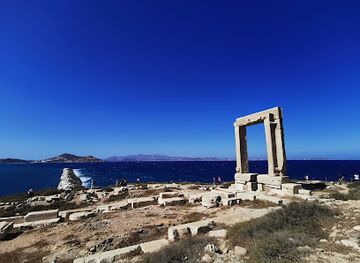
Temple of Apollo
Explore the iconic Temple of Apollo in Naxos, a stunning ancient landmark offering breathtaking views and a glimpse into Greece's storied past.
-
Historical landmark
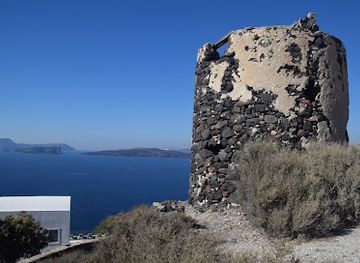
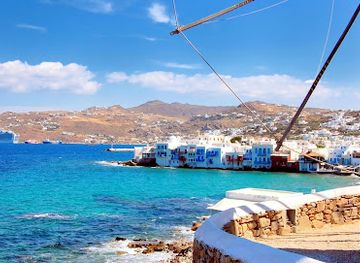
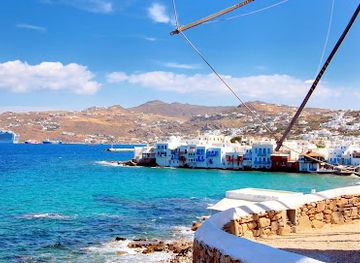
Windmills of Mykonos
Discover the historical Windmills of Mykonos, a picturesque landmark offering stunning views of the Aegean Sea and a glimpse into the island’s rich heritage.


Best landmarks in Cyclades
The great landmark of ancient Cycladic history is the sanctuary of Delos, whose marble ruins and sacred landscape express the island's former religious and commercial importance. On Santorini, the caldera cliffs and white settlements of Fira, Oia and Imerovigli form a powerful natural and architectural profile created by volcanic upheaval, while Akrotiri provides a more archaeological view of the island's past. The Portara, the surviving monumental gateway of an unfinished temple on Naxos, stands above Chora and has become a defining symbol of the island. Naxos also preserves the medieval Kastro, where Venetian and Orthodox traditions coexist in a historic urban quarter. Ermoupoli on Syros is distinguished by its nineteenth-century neoclassical buildings and the hilltop churches of Ano Syros. On Tinos, marble villages, dovecotes and the Church of Panagia Evangelistria reflect religious devotion and local craftsmanship. Across the archipelago, windmills, dry-stone terraces, fortified towers and small island chapels provide a visual record of maritime, agricultural and defensive life.
-
Historical landmark
Temple of Apollo
A monumental marble gate on a historic islet, the Temple of Apollo offers stunning views and a glimpse into Naxos's ancient past.
-
Historical landmark
Windmills of Mykonos
Explore the historic Windmills of Mykonos: iconic landmarks offering stunning Aegean views and a glimpse into the island's rich past.
-
Greek Orthodox church
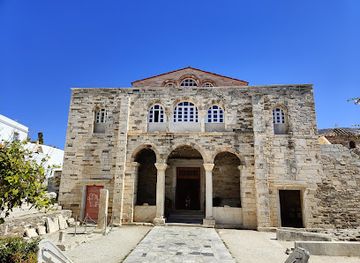
Holy Shrine of the Virgin Mary Ekatontapyliani
Discover a magnificent Byzantine church in Paros, dating back to the 4th century, with stunning architecture, religious art, and a rich history.
-
Archaeological museum
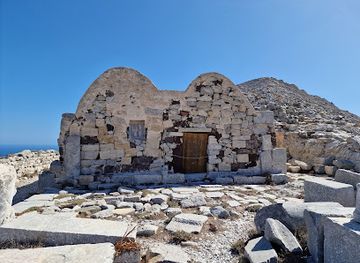
Ancient Thera
Explore Ancient Thera: Santorini's historic mountaintop city with ruins from the Hellenistic and Roman eras, offering panoramic Aegean views.
Explore Cyclades on the map
Plan your trip on one map. See where the top cities, national parks and sights are, and book hotels and experiences in a few clicks.
Best hotels in Cyclades
Best restaurants in Cyclades
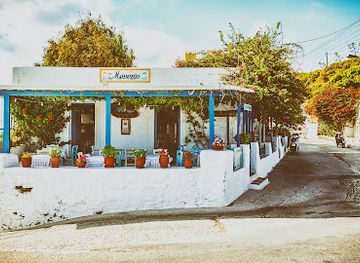
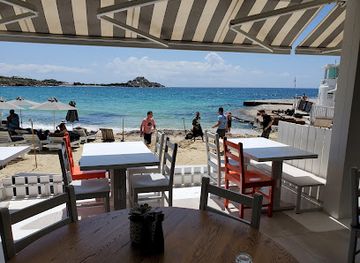
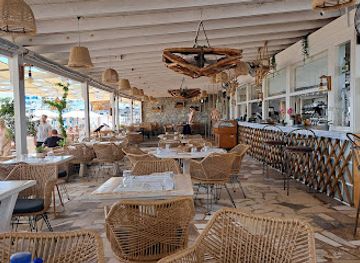
Cycladic cooking is based on what can be grown, raised or landed locally in a dry island environment. Naxos is particularly associated with potatoes, mountain cheeses and dishes using local meats, while Tinos is known for distinctive cheeses, sausages, artichokes and traditional preserved foods. Santorini's volcanic soil supports cherry tomatoes, capers, white aubergines and fava, a yellow split-pea purée served in many forms. Across the islands, tavernas cook grilled fish, octopus, pulses, stuffed vegetables, seasonal greens and simple pasta or barley preparations, often with local wine or a regional spirit. Bakeries and village cafés provide savoury pies, rusks, sweets and strong Greek coffee, while seaside restaurants focus on the day's catch. Menus in heavily visited ports may be international, but inland villages and smaller islands often offer a clearer connection with household recipes and local agriculture. Markets and small producers are useful for comparing cheeses, honey, herbs, wine and preserved foods from different islands.
-
Restaurant
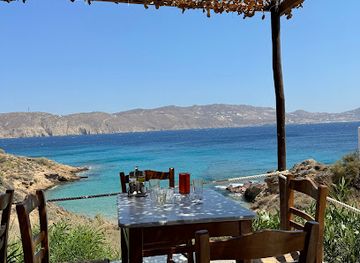
Kiki's Tavern
Experience authentic Greek cuisine at Kiki's Tavern in Mykonos - where tradition meets breathtaking views.
-
Greek
Bountaraki
Experience authentic Greek cuisine at Bountaraki in Parikia, Paros—where tradition meets taste.
-
Restaurant
Avli Tou Thodori
Experience authentic Greek cuisine at Avli Tou Thodori in Platis Yialos - where every dish tells a story!
-
Restaurant
Yialo Yialo Restaurant Mykonos
Experience exquisite Greek cuisine at Yialo Yialo Restaurant in Mykonos - where fresh ingredients meet stunning seaside views.
Best bars in Cyclades
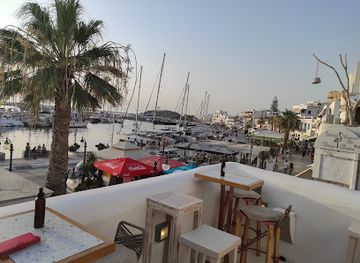
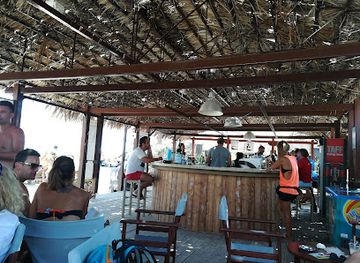
Nightlife varies sharply between the islands. Mykonos has the Cyclades' most developed international club and late-night scene, concentrated around Chora and beach venues, while Santorini combines sunset-facing cocktail bars and wine establishments with a more dispersed evening offer. Paros, particularly around Naousa and Parikia, has a busy seasonal selection of bars, music venues and waterfront restaurants. Elsewhere, evening life is generally centred on traditional kafeneia, tavernas, wine bars, small music venues and village squares rather than large clubs. Syros offers a more urban cultural atmosphere through the restaurants, cafés and performance life of Ermoupoli, while smaller islands tend to quieten considerably outside the summer season. Local wines, including varieties produced on Santorini and other islands, are often more informative choices than generic drinks, and responsible drinking matters when travelling by scooter, boat or narrow rural roads.
-
Cocktail bar
Swing Bar
Discover the vibrant nightlife at Swing Bar in Naxos, a cocktail haven perfect for unwinding and dancing the night away with friends.
-
Cocktail bar
Kitron
Discover the perfect blend of cocktails and brunch at Kitron, the vibrant cocktail bar and brunch restaurant in the heart of Naxos.
-
Bar
Santa Maria Beach Bar
Discover the enchanting Santa Maria Beach Bar, where refreshing drinks meet stunning Aegean views for an unforgettable beach experience.
-
Cocktail bar
IOS CLUB - SUNSET DINING BAR
Experience unforgettable sunsets and exquisite cocktails at IOS Club, the premier dining bar in Chora, Ios.

Best nightclubs in Cyclades
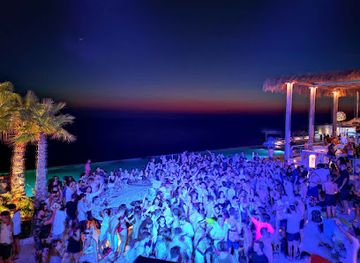
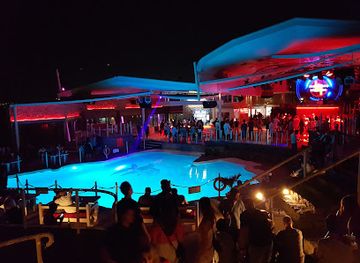
Nightlife varies sharply between the islands. Mykonos has the Cyclades' most developed international club and late-night scene, concentrated around Chora and beach venues, while Santorini combines sunset-facing cocktail bars and wine establishments with a more dispersed evening offer. Paros, particularly around Naousa and Parikia, has a busy seasonal selection of bars, music venues and waterfront restaurants. Elsewhere, evening life is generally centred on traditional kafeneia, tavernas, wine bars, small music venues and village squares rather than large clubs. Syros offers a more urban cultural atmosphere through the restaurants, cafés and performance life of Ermoupoli, while smaller islands tend to quieten considerably outside the summer season. Local wines, including varieties produced on Santorini and other islands, are often more informative choices than generic drinks, and responsible drinking matters when travelling by scooter, boat or narrow rural roads.
-
Disco club
Pathos Club & Restaurant
Experience the vibrant nightlife and exquisite dining at Pathos Club & Restaurant on Koumbara Beach, Ios - a true gem of the Aegean.
-
Night club
Cavo Paradiso Club Mykonos
Experience the ultimate nightlife at Cavo Paradiso, Mykonos' premier dance club with stunning views and top DJs.
-
Bar
Paradise Beach Club Mykonos
Experience the vibrant nightlife at Paradise Beach Club Mykonos, where exquisite cocktails and pulsating beats create unforgettable beach parties.
-
Night club
VOID mykonos
Dive into the electrifying nightlife of Mykonos at VOID, a premier night club offering world-class DJs, stunning visuals, and an unforgettable party atmosphere.


Best shops in Cyclades
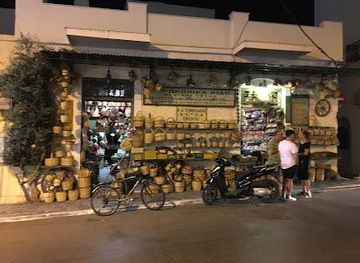
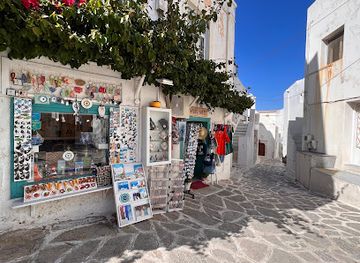
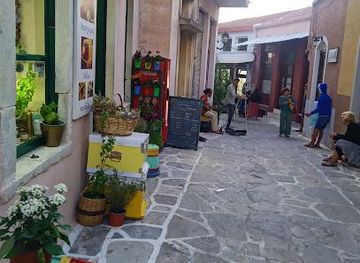
Shopping in the Cyclades is strongest in port towns and market villages, where independent shops sell local food, ceramics, woven goods, jewellery, art and practical beachwear alongside mass-produced souvenirs. Naxos is a good place to look for cheeses, honey, herbs, citrus products and spirits, while Santorini offers wines, capers, fava, small tomatoes and volcanic-landscape imagery. Tinos has a particularly strong association with marble work and religious objects, and Syros retains an urban selection of galleries, bookshops and food shops in Ermoupoli. Mykonos and Paros have more extensive fashion, design and jewellery retail, though prices and product originality vary considerably. Small island shops may close outside the main season and market arrangements can change, so ask locally rather than relying on fixed assumptions. When buying antiques, archaeological-looking objects or natural materials, use reputable retailers and observe Greek rules protecting cultural heritage.
-
Traditional market
K. Tziblakis - Local Products
Experience the vibrant flavors and handcrafted treasures of Naxos at K. Tziblakis, a traditional market offering local dairy, spices, pottery, and more.
-
Novelty store
EVA gifts
Explore EVA Gifts: Paros' Premier Destination for Unique Handcrafted Souvenirs and Local Artistry.
-
Gift shop
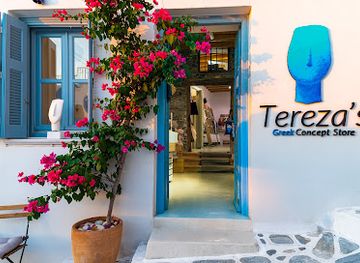
Tereza’s Greek Concept Store
Explore Tereza’s Greek Concept Store for unique beachwear, clothing, and handcrafted jewelry in the heart of Naxos, an unforgettable shopping experience awaits.
-
Store
Naxia Gi
Experience the rich flavors of Naxos at Naxia Gi, a culinary treasure in Chalkio offering authentic Greek dishes and local delicacies.
Get your free copy of our complete guide to Cyclades, delivered straight to you.
Everything on this page, from attractions and restaurants to essentials and local phrases, in one PDF you can read offline, print or share.
Already have an account? Sign in
Your Cyclades guide is ready.
We'll send it to · Not you? Sign out

Getting your guide ready…
We are putting together a fresh copy of the Cyclades guide. This can take up to a minute.
This can take a few moments. If your browser asks, choose Allow so the download can start. You'll find the guide in your Downloads folder.
Nothing happened? Download it again
Sorry, the guide is taking longer than usual. Please try again in a minute, or get it by email instead.
Cyclades essentials
Currency and Payment
Safety
Emergency Situations
Do's and Don'ts
Local Tips
From Eve
Local phrases worth knowing
You don't need to get them perfect. A few words go a long way, and locals appreciate the effort.
Basics
| English | Local | Say it |
|---|---|---|
| Hello | Γειά σου | [Yia sou] |
| Goodbye | Αντίο | [Adio] |
| Yes | Ναι | [Ne] |
| No | Όχι | [Ochi] |
| Please/You're welcome | Παρακαλώ | [Parakalo] |
| Thank you | Ευχαριστώ | [Efharisto] |
| Excuse me/Sorry | Συγγνώμη | [Signomi] |
| How are you? | Τι κάνεις; | [Ti kanis?] |
| Fine. And you? | Καλά. Εσύ; | [Kala. Esy?] |
| Do you speak English? | Μιλάς Αγγλικά; | [Milas Anglika?] |
| I don't understand | Δεν καταλαβαίνω | [Den katalavaino] |
Eating & Drinking
| English | Local | Say it |
|---|---|---|
| I'd like to see the menu, please | Θα ήθελα να δω το μενού, παρακαλώ | [Tha ithela na do to menu, parakalo] |
| I don't eat meat | Δεν τρώω κρέας | [Den troo kreas] |
| Cheers! | Στην υγειά μας! | [Stin ygeia mas!] |
| I would like to pay, please | Θα ήθελα να πληρώσω, παρακαλώ | [Tha ithela na pliroso, parakalo] |
Emergencies
| English | Local | Say it |
|---|---|---|
| Help! | Βοήθεια! | [Voitheia!] |
| Go away! | Φύγε! | [Fyge!] |
| Call the Police! | Καλέστε την αστυνομία! | [Kaleste tin astinomia!] |
| Call a doctor! | Καλέστε έναν γιατρό! | [Kaleste enan giatro!] |
| I'm lost | Είμαι χαμένος | [Eimai chameno] |
| I'm ill | Είμαι άρρωστος | [Eimai arostos] |
Shopping
| English | Local | Say it |
|---|---|---|
| I'd like to buy... | Θα ήθελα να αγοράσω... | [Tha ithela na agoraso...] |
| I'm just looking | Απλώς κοιτάζω | [Aplos kitazo] |
| How much is it? | Πόσο κοστίζει; | [Poso kostizei?] |
| That's too expensive | Είναι πολύ ακριβό | [Ine poly akrivo] |
| Can you lower the price? | Μπορείς να κατεβάσεις την τιμή; | [Boreis na katevasis tin timi?] |
Time & Numbers
| English | Local | Say it |
|---|---|---|
| What time is it? | Τι ώρα είναι; | [Ti ora ine?] |
| It's one o'clock | Είναι μία | [Ine mia] |
| Half past (10) | Δέκα και μισή | [Deka ke misi] |
| Morning | Πρωί | [Proi] |
| Afternoon | Απόγευμα | [Apogeuma] |
| Evening | Βράδυ | [Vrady] |
| Yesterday | Χθες | [Chthes] |
| Today | Σήμερα | [Simera] |
| Tomorrow | Αύριο | [Avrio] |
| 1 | 1 | [1] |
| 2 | 2 | [2] |
| 3 | 3 | [3] |
| 4 | 4 | [4] |
| 5 | 5 | [5] |
| 6 | 6 | [6] |
| 7 | 7 | [7] |
| 8 | 8 | [8] |
| 9 | 9 | [9] |
| 10 | 10 | [10] |
Transport & Directions
| English | Local | Say it |
|---|---|---|
| Where's a/the...? | Πού είναι το...; | [Pou ine to...?] |
| What's the address? | Ποια είναι η διεύθυνση; | [Poia ine i diefthinsi?] |
| Can you show me (on the map)? | Μπορείς να μου δείξεις (στο χάρτη); | [Boreis na mou deixeis (sto charti)?] |
| When's the next (bus)? | Πότε είναι το επόμενο (λεωφορείο); | [Pote ine to epomeno (leoforio)?] |
| A ticket (to ....) | Ένα εισιτήριο (για ....) | [Ena isitirio (gia ....)] |
History of Cyclades
Early Cycladic Culture, c. 3200–2000 BCE
The islands gave their name to the Early Cycladic culture of the third millennium BCE, known internationally for distinctive marble figurines, vessels and settlements. Communities depended on seafaring, fishing, farming and exchange across the Aegean, using the islands as links rather than isolated outposts. Archaeological evidence from places including Keros, Naxos and other island sites shows sophisticated craft production and maritime connections. Many finds are now held in museums, while the wider archaeological record continues to shape understanding of early Aegean society. The region's abundant marble was particularly important to prehistoric artists and builders.
Minoan and Mycenaean Aegean Networks
During the second millennium BCE, the Cyclades became closely connected with the Minoan world of Crete and later with Mycenaean centres on the Greek mainland. Akrotiri on Santorini, buried by the great Bronze Age eruption, preserves streets, buildings, frescoes and household objects that reveal a prosperous maritime settlement. The precise relationship between the eruption and wider Aegean changes remains a subject of scholarship, but its archaeological importance is clear. Trade, religious practice and artistic influences moved through the islands, making the Cyclades a significant bridge between different Bronze Age societies.
Classical Island Communities and Delos
In classical antiquity, the islands were divided among local communities and larger political powers, including Athens. Delos became a major religious centre associated with Apollo and Artemis and later developed into an important commercial port. Its sanctuaries, theatres, houses and mosaics demonstrate the scale of activity that gathered around the sacred island. Other Cycladic communities prospered through agriculture, maritime trade and quarrying. The archaeological remains of temples, settlements and cemeteries show that the region was not peripheral to Greek history but part of the central maritime world linking mainland Greece, Asia Minor and the wider eastern Mediterranean.
Roman, Byzantine and Christian Transformations
Roman administration brought the Cyclades into a larger imperial economic system, while Christianity gradually transformed the religious landscape. After the division of the Roman Empire, the islands belonged to the eastern Roman, or Byzantine, world. Churches, monasteries and rural settlements reflect the continuing importance of agriculture and seaborne communication, although piracy and political instability periodically affected island life. Many later churches incorporate ancient building materials, and surviving religious traditions, fortified monasteries and remote chapels preserve aspects of the long transition from pagan antiquity to Christian Byzantine society.
Venetian Rule and the Duchy of the Archipelago, 1207–1566
Following the Fourth Crusade, Venetian-linked rulers established the Duchy of the Archipelago, also called the Duchy of Naxos, over much of the Cyclades. Latin Catholic elites governed predominantly Orthodox island communities, while Venetian commercial and architectural influences became visible in castles, towers and fortified settlements. Naxos was the political centre of the duchy, and its legacy remains especially apparent in the Kastro of Chora and other medieval structures. Ottoman authority replaced the duchy in the sixteenth century, but western and eastern elements continued to coexist in the islands' architecture, religion and local history.
Ottoman Administration and Island Commerce
Under Ottoman rule, the Cyclades generally retained considerable local variation and a degree of administrative flexibility, although taxation, piracy and shifting maritime conditions influenced prosperity. Orthodox communities, Catholic communities in some islands and merchant networks interacted across the archipelago. Seaborne trade connected island ports with the wider Aegean and eastern Mediterranean, while agriculture remained based on crops suited to dry conditions, including grapes, olives, cereals and pulses. The period left a complex social and architectural inheritance rather than a single uniform island experience, and Ottoman-era features remain visible in settlements, churches and local records.
The Modern Greek State and the Rise of Tourism
The Cyclades became part of the independent Greek state during the nineteenth century, when Syros in particular emerged as a major commercial and shipbuilding centre. Ermoupoli's grand neoclassical buildings reflect that period of economic confidence. In the twentieth century, improved shipping, roads, air links and international interest transformed the islands' economies. Tourism brought major investment and employment but also seasonal pressure on water, housing, landscapes and infrastructure. Today the Cyclades balance archaeological protection, traditional settlement patterns, working agriculture and maritime life with one of Greece's most internationally recognised visitor economies.
Cyclades in Photos
Browse through our photo collection highlighting the charm and character of the destination.
Neighbouring regions of Cyclades
The closest regions to Cyclades, if you have time for more than one.
-

-

-

-

-


Swipe for more regions
Explore more
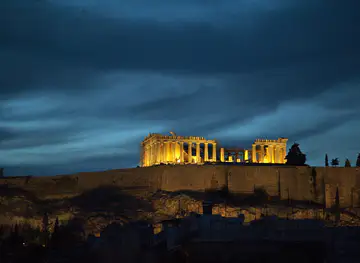
Explore more of Greece
Discover Greece: A land where ancient history meets modern vibrancy, offering stunning islands, crystal-clear seas, and unforgettable cultural experiences.
Explore Greece