Palaiokastro, Heraklion Travel Guide
Free Guide: Discover Palaiokastro, a historic Venetian fortress offering stunning views and a glimpse into Crete's rich past near Gazi.


A brief summary of Palaiokastro
Discover Palaiokastro, a historic Venetian fortress offering stunning views and a glimpse into Crete's rich past near Gazi.
Explore the ruins of Palaiokastro, a Venetian fortress near Gazi, Crete, offering panoramic views and a glimpse into the island's strategic past. Built in the 16th century on the site of an earlier Genoese fort, it played a key role in defending the bay of Heraklion.
- Address
- Γάζι 715 00
Getting there
Public Transport
Taxi
Walking
Discover more about Palaiokastro
Overview
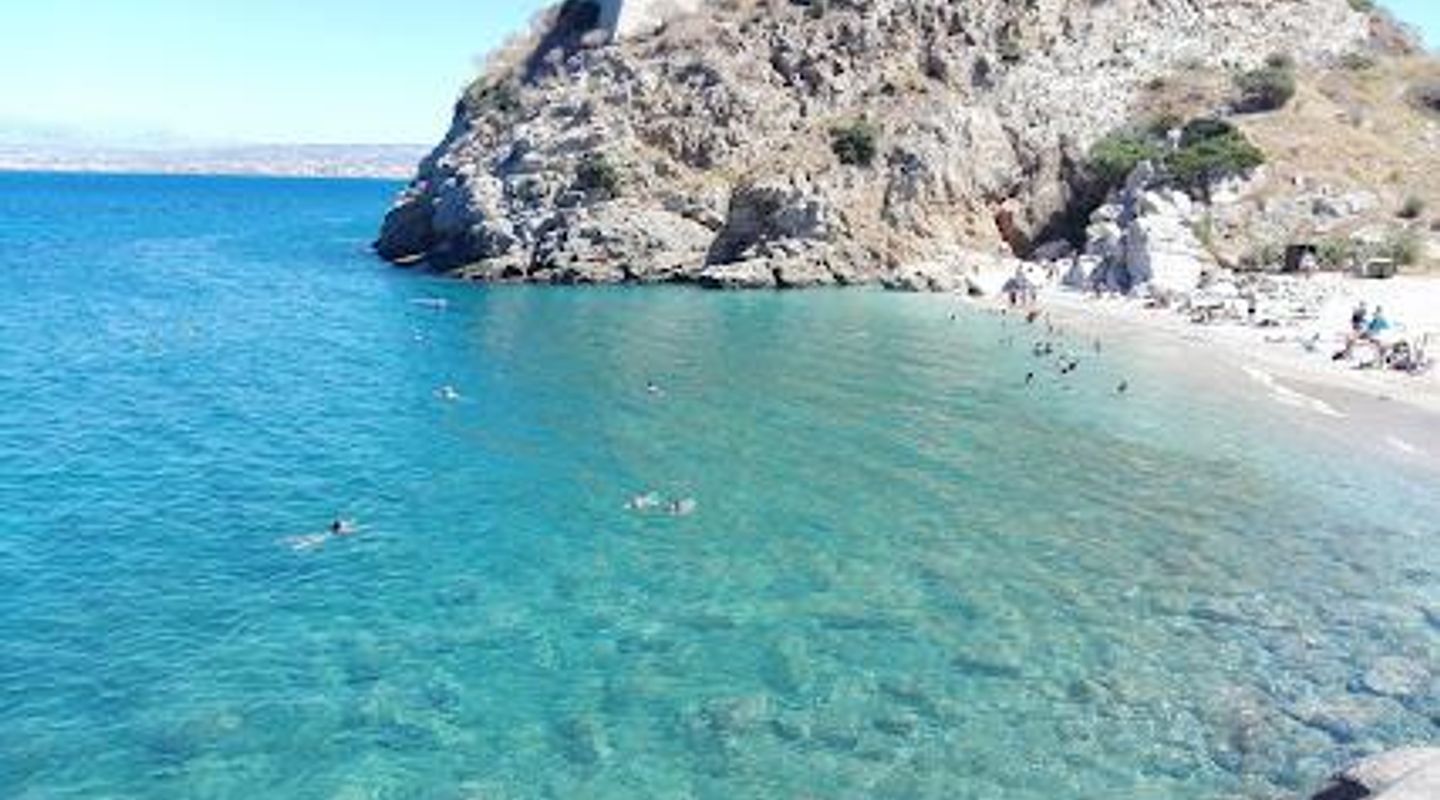
Palaiokastro, meaning 'Old Castle', is a historic fortress located near Gazi, Crete, approximately 9 km west of Heraklion. This strategic site offers visitors a unique blend of history and stunning natural beauty. The fortress, built by the Venetians between 1573 and 1595, stands on a high rock overlooking the coast, providing panoramic views of the surrounding area and the sea.Originally, a Genoese fort built by Enrico Pescatore occupied the site in the early 13th century. The Venetians later constructed Palaiokastro as part of their fortifications to protect the bay of Heraklion. The fort's triangular shape was dictated by the natural topography of the rock, with walls parallel to the sea. The arched entrance, partially carved into the rock, is located on the south side and remains well-preserved.Palaiokastro played a crucial role during the 20-year siege of Candia (modern Heraklion) by the Ottomans (1645-1669), the longest siege in world military history. Together with the Koules fortress in Heraklion's port, Palaiokastro protected the bay of Ammoudara, with cannon fire said to have intersected at the Almyros River, preventing enemy ships from approaching. Today, visitors can explore the remnants of the fortress walls and imagine its former strategic importance.Below the fortress lies Palaiokastro beach, a pebbled shore in a small bay. Sheltered by cliffs, the beach offers clear waters ideal for snorkeling and a tranquil atmosphere. The beach is organized with umbrellas, sunbeds, and showers, and visitors can find cafes and taverns nearby.
Evendo Review Centre
 Google
Guest reviews
Explore Palaiokastro on the map
A handpicked selection of must-see spots near Palaiokastro, mapped for you.
Get your free copy of our complete guide to Palaiokastro, delivered straight to you.
Everything on this page, from opening hours and how to get there to Eve’s tips and the best time to go, in one PDF you can read offline, print or share.
Already have an account? Sign in
Your Palaiokastro guide is ready.
We'll send it to · Not you? Sign out

Getting your guide ready…
We are putting together a fresh copy of the Palaiokastro guide. This can take up to a minute.
This can take a few moments. If your browser asks, choose Allow so the download can start. You'll find the guide in your Downloads folder.
Nothing happened? Download it again
Sorry, the guide is taking longer than usual. Please try again in a minute, or get it by email instead.
Unlock the best of Palaiokastro
Skip-the-line tickets, guided tours with entry, and walking tours of the area, booked in a few clicks.

Other nearby places you may find interesting
The closest places of the same kind, if this one is not quite what you had in mind.
-
Statue of El Greco A monumental tribute to El Greco, celebrating the artistic heritage of Crete in a vibrant square in the heart of Heraklion.
-
Herakleion Unknown Soldier Statue A tribute to Greek valor in Heraklion's central square, the Unknown Soldier Statue stands as a poignant reminder of sacrifice and national pride.
-
 Saint Titus Herakleion Holy Orthodox Cathedral Church
Explore the rich heritage and stunning beauty of Saint Titus Cathedral, a highlight of Heraklion's spiritual and cultural landscape.
Saint Titus Herakleion Holy Orthodox Cathedral Church
Explore the rich heritage and stunning beauty of Saint Titus Cathedral, a highlight of Heraklion's spiritual and cultural landscape.
-
Morosini Fountain A Venetian-era fountain in Heraklion's central square, the Morosini Fountain is a historic landmark and popular meeting spot.
-
Rocca a Mare Fortress Explore the historic Rocca a Mare Fortress in Heraklion, a Venetian-era guardian offering panoramic views and insights into Crete's rich past.
Swipe for more places
More to explore near Palaiokastro

 Best experiences near Palaiokastro
 Best hotels near Palaiokastro
 Best landmarks near Palaiokastro
 Best attractions near Palaiokastro
 Best shops near Palaiokastro
 Best restaurants near Palaiokastro
 Best bars near Palaiokastro
Do you manage this location?
Take control to get all the benefits, like improved information, better appearance, and stronger visibility across AI-powered discovery.
Explore more

Explore more of Heraklion
Discover Heraklion, the vibrant capital of Crete, where ancient history meets modern culture. Explore Minoan ruins, savor local cuisine, and enjoy stunning coastal views.
Explore Heraklion
Explore more of Greece
Discover Greece: A land where ancient history meets modern vibrancy, offering stunning islands, crystal-clear seas, and unforgettable cultural experiences.
Explore Greece