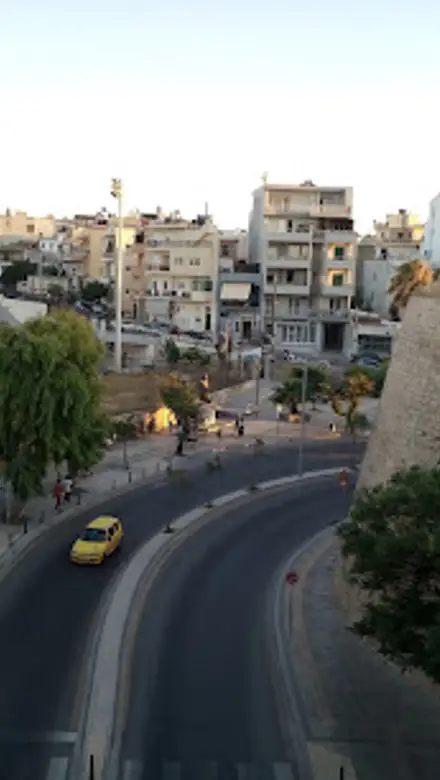
Martinengo Bastion, Heraklion Travel Guide
Free Guide: Explore Heraklion's largest Venetian bastion, offering panoramic views and the poignant tomb of author Nikos Kazantzakis.


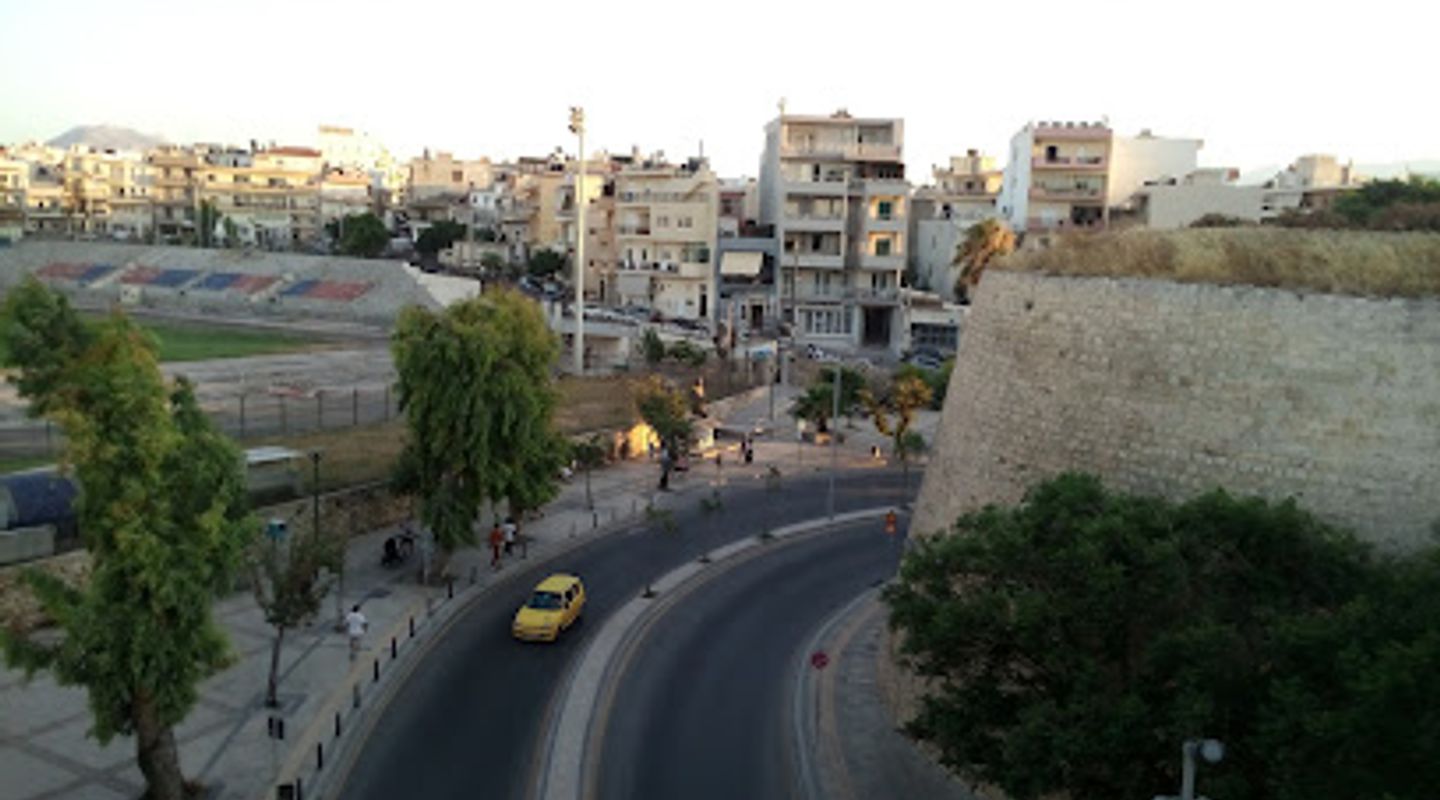
A brief summary of Martinengo Bastion
Explore Heraklion's largest Venetian bastion, offering panoramic views and the poignant tomb of author Nikos Kazantzakis.
The Martinengo Bastion, the largest of Heraklion's Venetian-era bastions, offers panoramic city views and houses the tomb of Nikos Kazantzakis, author of 'Zorba the Greek'. It's a historical landmark where military architecture meets literary legacy.
Opening hours
- Every dayOpen 24 hours
Opening hours as listed on the venue’s Google Business Profile. Hours can change for services and special events, so check with the venue before you go.
- Address
- Ενετικά Τείχη, Iraklio 713 05
Getting there
Walking
Public Transport
Taxi
Discover more about Martinengo Bastion
Overview
Martinengo Bastion, the southernmost and largest of the seven bastions that once formed the formidable Venetian walls of Heraklion, stands as a testament to the city's strategic importance and rich history. Named in honor of Gabriele Tadini di Martinengo, a distinguished Venetian military engineer who oversaw fortification work in Crete in 1519, the bastion was designed to withstand heavy cannon fire and provide a commanding view of the surrounding area.Constructed in the 16th century, the bastion is a prime example of Renaissance military architecture. Its heart-shaped plan, with an acute angle, features two 'piazza bassa' and a cavalier, defining the southeast and highest part of the fortification. The design allowed for a wide field of fire, and its thick walls were built to absorb the impact of attacks. The bastion utilized materials from older ruins, including ancient Greek and Roman sites.Today, Martinengo Bastion is renowned as the final resting place of Nikos Kazantzakis (1883-1957), one of Greece's most celebrated authors. Known for novels such as 'Zorba the Greek' and 'The Last Temptation of Christ,' Kazantzakis's tomb, marked by a simple cross, is a pilgrimage site for admirers. His epitaph, 'I hope for nothing. I fear nothing. I am free,' encapsulates his philosophical spirit. The tomb is located on the highest point of the Venetian fortification.Visitors can explore the bastion's grounds, enjoy panoramic views of Heraklion, and reflect on the history and literary significance of this unique landmark. The site also offers a glimpse into the tragic fate of Cretan Jews, who were held prisoner near the bastion in 1944 before being deported. The Martinengo Bastion is a historical site where visitors can wander through history and enjoy the beautiful views of the city.
Evendo Review Centre
 Google
Guest reviews
Explore Martinengo Bastion on the map
A handpicked selection of must-see spots near Martinengo Bastion, mapped for you.
Get your free copy of our complete guide to Martinengo Bastion, delivered straight to you.
Everything on this page, from opening hours and how to get there to Eve’s tips and the best time to go, in one PDF you can read offline, print or share.
Already have an account? Sign in
Your Martinengo Bastion guide is ready.
We'll send it to · Not you? Sign out

Getting your guide ready…
We are putting together a fresh copy of the Martinengo Bastion guide. This can take up to a minute.
This can take a few moments. If your browser asks, choose Allow so the download can start. You'll find the guide in your Downloads folder.
Nothing happened? Download it again
Sorry, the guide is taking longer than usual. Please try again in a minute, or get it by email instead.
Other nearby places you may find interesting
The closest places of the same kind, if this one is not quite what you had in mind.
-
Statue of El Greco A monumental tribute to El Greco, celebrating the artistic heritage of Crete in a vibrant square in the heart of Heraklion.
-
Herakleion Unknown Soldier Statue A tribute to Greek valor in Heraklion's central square, the Unknown Soldier Statue stands as a poignant reminder of sacrifice and national pride.
-
 Saint Titus Herakleion Holy Orthodox Cathedral Church
Explore the rich heritage and stunning beauty of Saint Titus Cathedral, a highlight of Heraklion's spiritual and cultural landscape.
Saint Titus Herakleion Holy Orthodox Cathedral Church
Explore the rich heritage and stunning beauty of Saint Titus Cathedral, a highlight of Heraklion's spiritual and cultural landscape.
-
Morosini Fountain A Venetian-era fountain in Heraklion's central square, the Morosini Fountain is a historic landmark and popular meeting spot.
-
Rocca a Mare Fortress Explore the historic Rocca a Mare Fortress in Heraklion, a Venetian-era guardian offering panoramic views and insights into Crete's rich past.
Swipe for more places
More to explore near Martinengo Bastion

 Best experiences near Martinengo Bastion
 Best hotels near Martinengo Bastion
 Best landmarks near Martinengo Bastion
 Best attractions near Martinengo Bastion
 Best shops near Martinengo Bastion
 Best restaurants near Martinengo Bastion
 Best bars near Martinengo Bastion
Do you manage this location?
Take control to get all the benefits, like improved information, better appearance, and stronger visibility across AI-powered discovery.
Explore more

Explore more of Heraklion
Discover Heraklion, the vibrant capital of Crete, where ancient history meets modern culture. Explore Minoan ruins, savor local cuisine, and enjoy stunning coastal views.
Explore Heraklion
Explore more of Greece
Discover Greece: A land where ancient history meets modern vibrancy, offering stunning islands, crystal-clear seas, and unforgettable cultural experiences.
Explore Greece