

Free Epirus Travel Guide & Mobile App
Explore Epirus with free travel guides. Discover regional history, expert tips, proposed trips, and audio guides on web or mobile app.


Explore Epirus in Greece for Pindus mountain villages, Vikos Gorge, ancient sites, Ioannina, Ionian beaches and distinctive regional cuisine.
Read more about Epirus
When is the best time to visit Epirus?
Best: June–July, September · 25–28°C| Month | High (°C) | Rainfall (mm) |
|---|---|---|
| January | 11 | 100 |
| February | 12 | 90 |
| March | 15 | 80 |
| April | 18 | 70 |
| May | 22 | 60 |
| June (best) | 26 | 50 |
| July (best) | 28 | 40 |
| August | 28 | 40 |
| September (best) | 25 | 50 |
| October | 21 | 70 |
| November | 17 | 80 |
| December | 13 | 90 |
Getting to and around Epirus
How to get there
Transportation
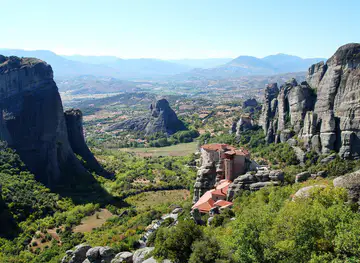
Top city travel guides in Epirus
The cities of Epirus, and the easiest places to base yourself.
-
-

-


Swipe for more cities
Destinations in Epirus
Resorts, valleys and scenic spots worth a trip of their own.

Swipe for more destinations
Best attractions in Epirus
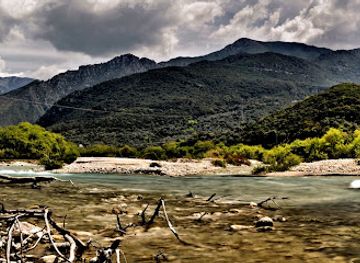
Epirus offers a wide-ranging attraction landscape centred on mountains, water and layered history. In and around Ioannina, visitors can explore the lakeside castle, the island in Lake Pamvotida, museums and the atmospheric old town before travelling to the ancient sanctuary of Dodona. Zagori provides walking routes, stone villages, arched bridges and access to the Vikos–Aoos National Park, where the Vikos Gorge and Aoos valley are major natural features. The Tzoumerka area adds rugged peaks, waterfalls, monasteries and opportunities for hiking, rafting and canyoning, while Metsovo combines highland scenery with local cultural institutions and winter activities. Arta is known for its medieval heritage and bridge, and the ruins of Nicopolis near Preveza reveal the scale of a Roman city. Along the Ionian coast, Parga, Sivota and the beaches near Preveza offer swimming and boating, although their character changes substantially between the busy summer season and quieter shoulder months. The Acheron valley provides river-based outdoor activities and walking in a landscape associated with ancient mythology.
-
Tourist attraction
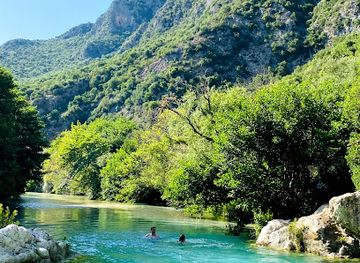
Αcheron Springs
Experience the natural beauty and rich mythology of Acheron Springs, a breathtaking nature preserve in Greece with crystal-clear waters and thrilling adventures.
-
Tourist attraction
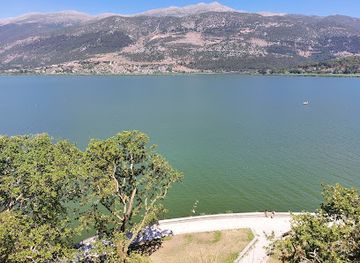
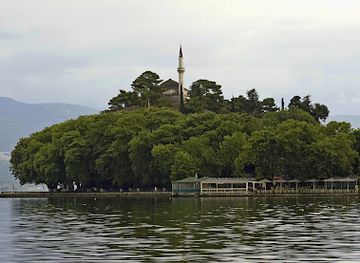
Castle of Ioannina
Explore the Castle of Ioannina, a historical gem showcasing Greece's Ottoman heritage and offering breathtaking views of Lake Pamvotis.
-
Public beach
Canal d'Amour
Discover the magical Canal d'Amour in Sidari, a stunning beach with breathtaking rock formations and romantic legends of love.
-
Nature preserve
The Blue Eye
Experience the breathtaking beauty of The Blue Eye, a stunning natural spring in Sarandë, Albania, where crystal-clear waters meet lush landscapes.


Best landmarks in Epirus
Epirus is marked by structures that reveal how communities adapted to mountains, rivers and changing empires. Ioannina Castle, overlooking Lake Pamvotida, encloses Ottoman monuments, museums and the Byzantine citadel of Its Kale; across the water, the island's monasteries preserve an important religious landscape. The stone villages and bridges of Zagori, including the arched crossings over mountain streams, form one of the region's most recognisable architectural signatures and contribute to its UNESCO-listed cultural landscape. The ancient theatre and sanctuary at Dodona are important surviving monuments of pre-Roman Epirus, while the expansive remains of Nicopolis near Preveza represent the Roman transformation of the west. In Arta, the Bridge of Arta spans the Arachthos and has become a powerful regional symbol through both its engineering history and associated folk tradition. The Vikos Gorge and the limestone valleys of the Vikos–Aoos National Park provide natural landmarks on a monumental scale, contrasting with the coastal headlands and sheltered bays around Parga and Sivota.
-
Tourist attraction
Αcheron Springs
Explore the mythical Acheron Springs: a natural paradise where crystal waters meet ancient legends in the heart of Epirus, Greece.
-
Castle
Castle of Ioannina
Explore the ancient Castle of Ioannina, a Byzantine fortress with Ottoman influences, offering history, legends, and stunning lake views.
-
Monastery
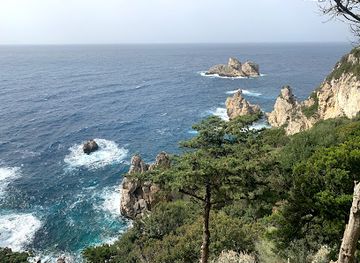
Monastery of Paleokastritsa
Discover a historic monastery with stunning views of Paleokastritsa's bays, Byzantine art, and tranquil gardens on Corfu's captivating coastline.
-
Historical place
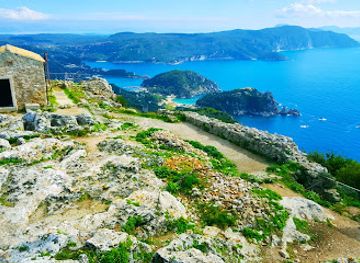
Angelokastro
Explore Corfu's historic Angelokastro: a Byzantine fortress with breathtaking views of the Ionian Sea and coastline.
Explore Epirus on the map
Plan your trip on one map. See where the top cities, national parks and sights are, and book hotels and experiences in a few clicks.
Best hotels in Epirus
Best restaurants in Epirus
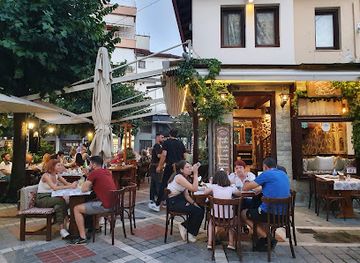
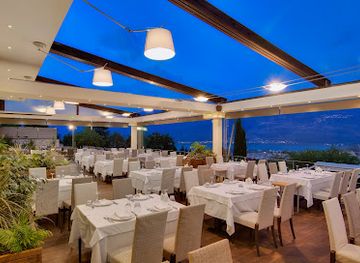
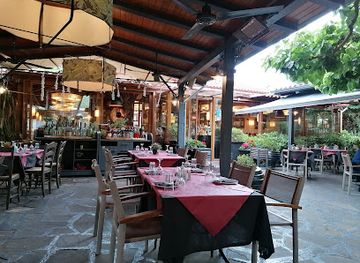
Epirus has one of Greece's most distinctive mountain food traditions, built around pies, beans, wild greens, mushrooms, herbs, dairy products and preserved meats. Village bakeries and tavernas commonly serve variations of savoury pie filled with cheese, spinach, leeks, pumpkin or meat, while local cheeses and yoghurt reflect the pastoral economy of the Pindus. Ioannina is a good place to sample both traditional cooking and contemporary interpretations, as well as sweets associated with the city's Ottoman and lakeside history. Metsovo is known for mountain products and cheeses, and rural inns often focus on grilled meats, soups and seasonal ingredients. Along the Preveza and Parga coast, fish, prawns and other seafood become more prominent, while waterfront restaurants combine Ionian produce with familiar Greek dishes. Farmers' markets, small producers and village shops are useful for finding honey, herbs, preserves and regional cheeses; menus may be narrower outside the main towns and resorts, especially in winter.
-
Greek
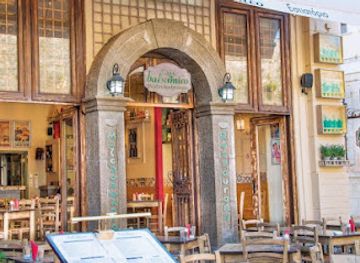
Balsamico
Experience authentic Greek flavors at Balsamico in Ioannina – where tradition meets taste in every delightful dish.
-
Barbecue
Metsovitiki Folia
Experience authentic Greek barbecue at Metsovitiki Folia - a culinary gem in Ioannina known for its traditional flavors and warm hospitality.
-
Restaurant
Frontzou Politia Restaurant
Discover contemporary Greek cuisine with breathtaking views at Frontzou Politia Restaurant in Ioannina.
-
Restaurant
SEIRIOS KOUZINA
Experience the essence of Greek culinary tradition at Seirios Kouzina in Ioannina—where authentic flavors meet modern dining.
Best bars in Epirus
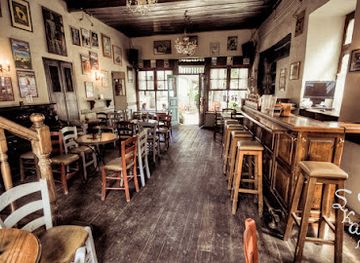
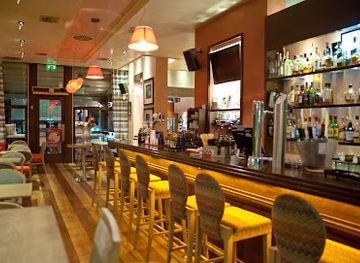
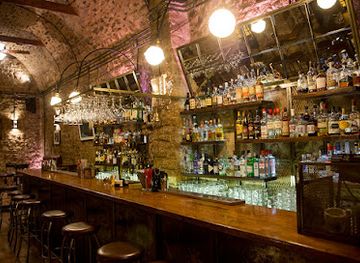
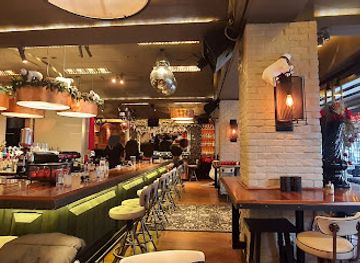
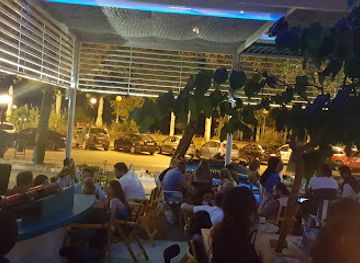
Evening life in Epirus varies sharply between Ioannina, the mountain villages and the Ionian coast. Ioannina has the region's broadest selection, with cafés and bars around the historic centre, the lakeside and student-oriented areas, alongside live music and late-night venues that reflect its sizeable university population. In Zagori, Tzoumerka and Metsovo, nightlife is generally based on traditional cafés, village tavernas, hotel bars and slow evenings around a central square rather than large clubs. Parga and nearby coastal resorts become livelier in summer, with waterfront bars, music venues and places serving drinks late into the evening, while the atmosphere is much quieter outside the main season. Preveza has a local evening scene of cafés, bars and restaurants around its old town and waterfront. Opening patterns and seasonal programming change, so visitors should check locally rather than assume that a venue operates year-round.
-
Bar
Skala
Experience the vibrant atmosphere of Skala, a cozy bar in Ioannina, Greece, perfect for refreshing drinks and relaxation.
-
Bar
Equus
Explore Equus in Ioannina – a perfect blend of delicious food and a lively atmosphere, ideal for unwinding after a day of adventure.
-
Bar
Route 66 Bar
Experience the lively nightlife of Ioannina at Route 66 Bar, where expertly crafted cocktails and vibrant atmosphere await every visitor.
-
Bar
OPEN BAR
Discover the lively ambiance and delightful flavors at OPEN BAR in Ioannina, where every visit promises good times and great food.
Best nightclubs in Epirus
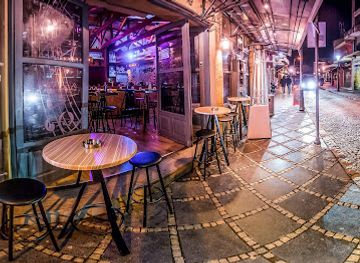
Evening life in Epirus varies sharply between Ioannina, the mountain villages and the Ionian coast. Ioannina has the region's broadest selection, with cafés and bars around the historic centre, the lakeside and student-oriented areas, alongside live music and late-night venues that reflect its sizeable university population. In Zagori, Tzoumerka and Metsovo, nightlife is generally based on traditional cafés, village tavernas, hotel bars and slow evenings around a central square rather than large clubs. Parga and nearby coastal resorts become livelier in summer, with waterfront bars, music venues and places serving drinks late into the evening, while the atmosphere is much quieter outside the main season. Preveza has a local evening scene of cafés, bars and restaurants around its old town and waterfront. Opening patterns and seasonal programming change, so visitors should check locally rather than assume that a venue operates year-round.
-
Night club
Refren Music Bar
Experience the electrifying nightlife of Ioannina at Refren Music Bar, where great music meets a vibrant atmosphere for an unforgettable evening.
-
Night club
NV Stage
Discover the pulse of Igoumenitsa's nightlife at NV Stage, where vibrant music and an electrifying atmosphere await every night.
-
Night club
LT Club Winter
Discover the electrifying nightlife of Ioannina at LT Club Winter, where music, dance, and vibrant energy come together for an unforgettable experience.
-
Disco club
SAUVAGE NIGHTCLUB
Explore the pulsating nightlife at Sauvage Nightclub in Ioannina, a hub for music lovers and party enthusiasts seeking unforgettable experiences.


Best shops in Epirus
Shopping in Epirus is strongest in market towns, historic centres and villages rather than in large retail districts. Ioannina has the widest choice of everyday shops, independent boutiques, jewellers and galleries, while its old town is associated with traditional silversmithing and handmade metalwork. Zagori and Metsovo are useful places to seek mountain cheeses, honey, herbs, preserves, woollen goods and locally made foods, although product ranges vary between settlements and seasons. Preveza, Arta and Parga combine ordinary high-street shopping with small food shops, craft outlets and tourist-oriented stores near their historic centres or waterfronts. Farmers' markets and market stalls can provide fruit, vegetables, olives and regional produce, with market days differing by town. Choose packaged foods carefully for onward travel and support small producers by asking about provenance rather than assuming that a product labelled ‘local’ comes from the immediate village.
-
Home improvement store
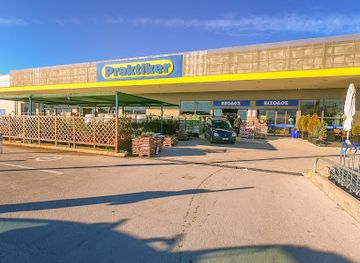
Praktiker
Explore Praktiker in Ioannina: The ultimate destination for home improvement and DIY enthusiasts in Greece.
-
Car dealer
GARTZONIKAS SA
Explore GARTZONIKAS SA in Ioannina for unparalleled automotive services and a diverse range of vehicles, perfect for every enthusiast or traveler.
-
Sporting goods store
Hall Of Brands
Explore Ioannina's Hall of Brands for top-quality sporting goods and a community-centric basketball court, perfect for sports lovers.
-
Sporting goods store
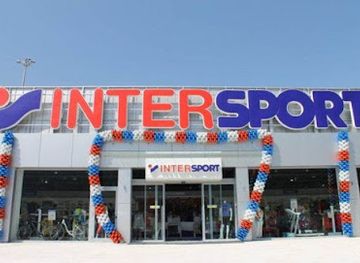
Intersport
Explore Intersport in Ioannina for all your sporting needs, from footwear to apparel, ensuring you're ready for any adventure.


Get your free copy of our complete guide to Epirus, delivered straight to you.
Everything on this page, from attractions and restaurants to essentials and local phrases, in one PDF you can read offline, print or share.
Already have an account? Sign in
Your Epirus guide is ready.
We'll send it to · Not you? Sign out

Getting your guide ready…
We are putting together a fresh copy of the Epirus guide. This can take up to a minute.
This can take a few moments. If your browser asks, choose Allow so the download can start. You'll find the guide in your Downloads folder.
Nothing happened? Download it again
Sorry, the guide is taking longer than usual. Please try again in a minute, or get it by email instead.
Epirus essentials
Currency and Payment
Safety
Emergency Situations
Do's and Don'ts
Local Tips
From Eve
Local phrases worth knowing
You don't need to get them perfect. A few words go a long way, and locals appreciate the effort.
Basics
| English | Local | Say it |
|---|---|---|
| Hello | Γεια σου | [Yia sou] |
| Goodbye | Αντίο | [Adío] |
| Yes | Ναι | [Ne] |
| No | Όχι | [Óchi] |
| Please/You're welcome | Παρακαλώ | [Parakaló] |
| Thank you | Ευχαριστώ | [Efcharistó] |
| Excuse me/Sorry | Συγγνώμη | [Signómi] |
| How are you? | Τι κάνεις; | [Ti káneis;] |
| Fine. And you? | Καλά. Εσύ; | [Kalá. Esý;] |
| Do you speak English? | Μιλάς Αγγλικά; | [Milás Angliká;] |
| I don't understand | Δεν καταλαβαίνω | [Den katalavéno] |
Eating & Drinking
| English | Local | Say it |
|---|---|---|
| I'd like to see the menu, please | Θα ήθελα να δω το μενού, παρακαλώ | [Tha Íthela na dho to menóu, parakaló] |
| I don't eat meat | Δεν τρώω κρέας | [Den tróo kréas] |
| Cheers! | Στην υγειά μας! | [Stin ygeiá mas!] |
| I would like to pay, please | Θα ήθελα να πληρώσω, παρακαλώ | [Tha Íthela na pliróso, parakaló] |
Emergencies
| English | Local | Say it |
|---|---|---|
| Help! | Βοήθεια! | [Voítheia!] |
| Go away! | Φύγε! | [Fýge!] |
| Call the Police! | Καλέστε την αστυνομία! | [Kaléste tin astynomía!] |
| Call a doctor! | Καλέστε έναν γιατρό! | [Kaléste énan giatró!] |
| I'm lost | Έχω χαθεί | [Écho chatheí] |
| I'm ill | Είμαι άρρωστος | [Eímai árrhostos] |
Shopping
| English | Local | Say it |
|---|---|---|
| I'd like to buy... | Θα ήθελα να αγοράσω... | [Tha Íthela na agoráso...] |
| I'm just looking | Απλά κοιτάζω | [Aplá kitázo] |
| How much is it? | Πόσο κοστίζει; | [Póso kostízei;] |
| That's too expensive | Αυτό είναι πολύ ακριβό | [Aftó eínai polý akrivó] |
| Can you lower the price? | Μπορείς να μειώσεις την τιμή; | [Borís na meiώσεις tin timí;] |
Time & Numbers
| English | Local | Say it |
|---|---|---|
| What time is it? | Τι ώρα είναι; | [Ti óra eínai;] |
| It's one o'clock | Είναι μία η ώρα | [Eínai mía i óra] |
| Half past (10) | Δέκα και μισή | [Déka kai misí] |
| Morning | Πρωί | [Proí] |
| Afternoon | Απόγευμα | [Apógevma] |
| Evening | Βράδυ | [Vrády] |
| Yesterday | Χτες | [Chthes] |
| Today | Σήμερα | [Símera] |
| Tomorrow | Αύριο | [Ávrio] |
| 1 | 1 | [1] |
| 2 | 2 | [2] |
| 3 | 3 | [3] |
| 4 | 4 | [4] |
| 5 | 5 | [5] |
| 6 | 6 | [6] |
| 7 | 7 | [7] |
| 8 | 8 | [8] |
| 9 | 9 | [9] |
| 10 | 10 | [10] |
Transport & Directions
| English | Local | Say it |
|---|---|---|
| Where's a/the...? | Πού είναι το...; | [Poú eínai to...;] |
| What's the address? | Ποια είναι η διεύθυνση; | [Pia eínai i diéfthynsi;] |
| Can you show me (on the map)? | Μπορείς να μου δείξεις (στο χάρτη); | [Borís na mou deíxeis (sto chárti);] |
| When's the next (bus)? | Πότε είναι το επόμενο (λεωφορείο); | [Póte eínai to epómeno (leoforeío);] |
| A ticket (to ....) | Ένα εισιτήριο (προς ....) | [Éna eisitírio (pros ....)] |
History of Epirus
Prehistoric and Ancient Epirus
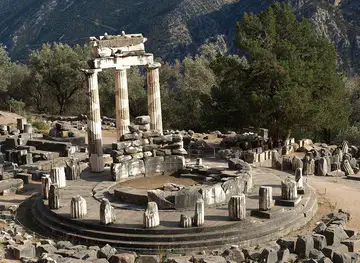
Epirus has evidence of human settlement from prehistoric periods, while its ancient communities included the Molossians, Thesprotians and Chaonians. The region was often viewed by southern Greek states as a frontier land, yet it shared important religious and cultural links with the wider Greek world. The sanctuary of Dodona, near modern Ioannina, was a major centre of worship dedicated principally to Zeus and Dione. Its oracle was consulted for centuries, and the surviving theatre, temples and inscriptions provide a direct connection with the political and religious life of ancient Epirus.
The Kingdom of the Molossians and Pyrrhus
From the fourth to the early third century BC, the Molossian kingdom became the leading power in Epirus. Its most famous ruler, Pyrrhus, expanded his influence across the region and intervened in conflicts in southern Italy and Sicily. His victories over Rome were costly, giving rise to the expression ‘Pyrrhic victory’. Political authority in Epirus was later reorganised, but the period left a lasting historical association with independent kingship, military ambition and contact between the Greek mainland, the Adriatic and the wider Hellenistic world.
Roman Conquest and Nicopolis
Rome defeated the Epirote kingdom and its allies in the second century BC, bringing major political and economic change. In 31 BC, after the Battle of Actium, Octavian founded Nicopolis on the western coast to commemorate his victory over Antony and Cleopatra. The city developed into an important Roman centre with theatres, monuments, roads and administrative functions. Its extensive remains near modern Preveza show how Rome reshaped western Epirus, while later Christian buildings demonstrate the area's continuing importance after the empire adopted Christianity.
Byzantine Epirus and the Despotate
After the fragmentation of Byzantine authority following the Fourth Crusade in 1204, Epirus became the core of the Despotate of Epirus, a Greek-ruled successor state. Arta served as an important political centre, and churches, monasteries and bridges from the medieval and post-Byzantine periods remain among the region's most distinctive monuments. The Despotate competed with other powers for control of the Balkans before parts of Epirus were absorbed into the restored Byzantine Empire and subsequently came under Ottoman rule.
Ottoman Ioannina and Ali Pasha
Ottoman rule shaped Epirus for several centuries, although local communities, trading networks and religious institutions retained varied forms of authority. Ioannina became a significant regional centre, particularly under Ali Pasha of Tepelena, who governed much of western Greece from the late eighteenth century until his death in 1822. His court encouraged diplomacy, commerce and building projects, while his authoritarian rule also generated resistance. The castle, mosques and museums around Lake Pamvotida preserve important reminders of this Ottoman and early modern period.
Trade, Migration and Highland Architecture
Many mountain communities of Epirus developed through trade, craft production and seasonal or permanent migration. Merchants and benefactors from Zagori and other highland districts funded churches, schools, bridges and public buildings, often using wealth earned beyond the region. Stone became both a practical material and a marker of local identity, producing the houses, pathways, bridges and religious buildings now associated with the Epirote landscape. These networks also connected remote villages to Constantinople, the Balkans and the Greek diaspora, helping explain the scale of some village architecture.
The Balkan Wars and Modern Epirus
The First Balkan War brought major changes to Epirus, and Ioannina was captured by Greek forces in 1913. The southern part of the historic region became part of the Greek state, while the wider cultural and geographical area of Epirus also extends into modern Albania. The twentieth century brought war, occupation, civil conflict, depopulation of many mountain villages and migration to cities or abroad. Since the late twentieth century, heritage conservation, nature tourism, improved roads and renewed interest in regional food have become important elements of Epirus's contemporary economy.
Epirus in Photos
Browse through our photo collection highlighting the charm and character of the destination.
Neighbouring regions of Epirus
The closest regions to Epirus, if you have time for more than one.
-

-
-

-
-


Swipe for more regions
Explore more
Explore more of Greece
Discover Greece: A land where ancient history meets modern vibrancy, offering stunning islands, crystal-clear seas, and unforgettable cultural experiences.
Explore Greece