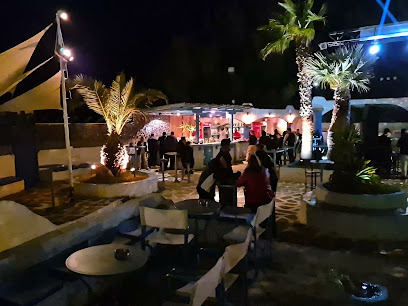
Archaeological Park of Amphipolis: Unearthing Ancient Macedonia
Explore the ruins of Amphipolis, an ancient Macedonian city with a rich history and impressive monuments.
Explore the extensive ruins of Amphipolis, an ancient city in Northern Greece with a rich history spanning from the 5th century BCE through the Byzantine era. Discover remnants of city walls, churches, and the famed Lion of Amphipolis, offering insights into Macedonian, Roman, and early Christian civilizations.
A brief summary to Archaeological Park of Amphipolis
- Amphipolis, 620 52, GR
Local tips
- Wear comfortable shoes, as the archaeological site involves walking and some light hiking.
- Visit during the spring or early autumn for pleasant weather and fewer crowds.
- Combine your visit with a trip to the nearby Archaeological Museum of Amphipolis to see artifacts from the site.

Getting There
-
Driving
Amphipolis is located approximately an hour's drive east of Thessaloniki. From Thessaloniki, take the Egnatia Odos highway. The site is well-signposted. Parking is available near the entrance. There is free parking at Amphipolis.
-
Public Transport
From Thessaloniki, take a bus from the Thessaloniki Macedonia KTEL Bus Station to Asprovalta. From Asprovalta, you may need to take a taxi or local bus to reach the archaeological site, as direct connections are limited. Bus tickets from Thessaloniki to Asprovalta cost approximately €42. The journey takes around 1 hour and 30 minutes.
Discover more about Archaeological Park of Amphipolis
Iconic landmarks you can’t miss

Archaeological Park of Amphipolis
0.0 km
Explore the ruins of Amphipolis, an ancient Macedonian city with a rich history and impressive monuments.
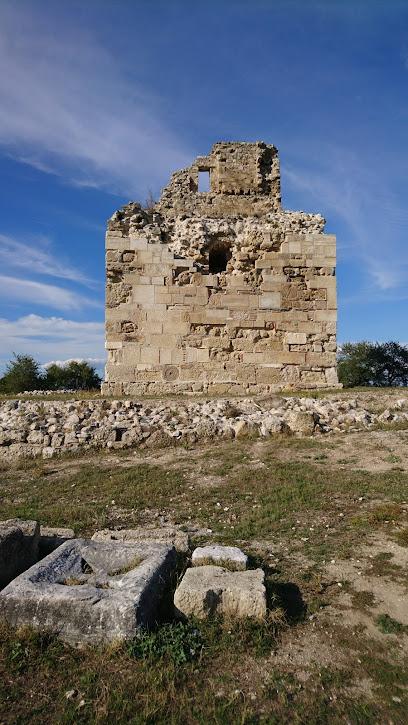
Byzantine Tower of Marmariou
0.2 km
Explore Byzantine history at the Tower of Marmariou, offering panoramic views of Amphipolis and the Strymon River.
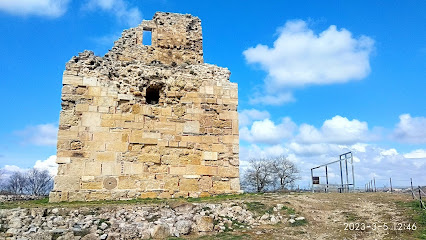
Amphipolis
0.6 km
Discover Amphipolis: Explore ancient ruins, a rich history, and the monumental Lion in this captivating Macedonian city.
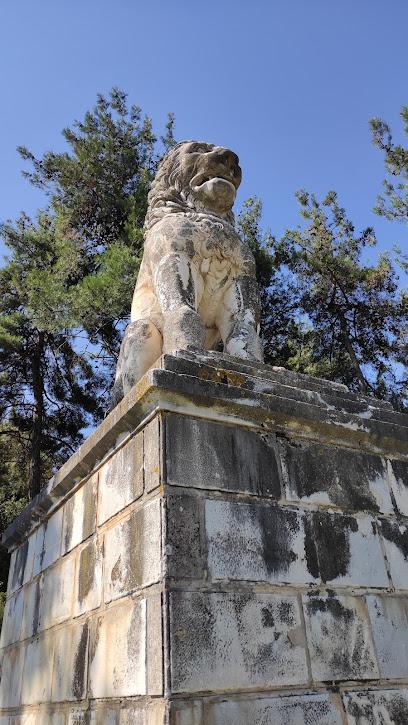
Byzantine Tower of Chandakas
0.8 km
Explore the Byzantine Tower of Chandakas, a historical landmark in Tragilos that offers a glimpse into Greece's rich heritage and stunning landscapes.
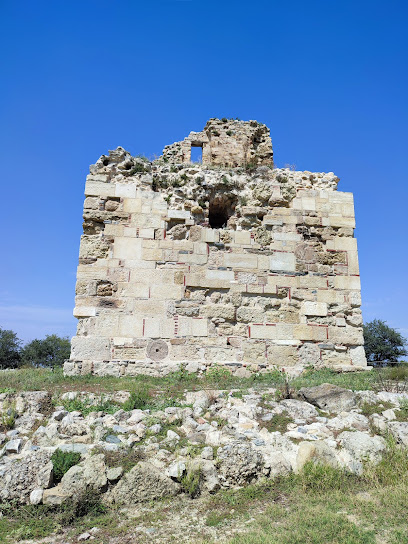
Varvara's Waterfalls
27.8 km
Discover the serene beauty of Varvara Waterfalls in Halkidiki: a hidden paradise of lush forests, refreshing cascades, and tranquil nature trails.
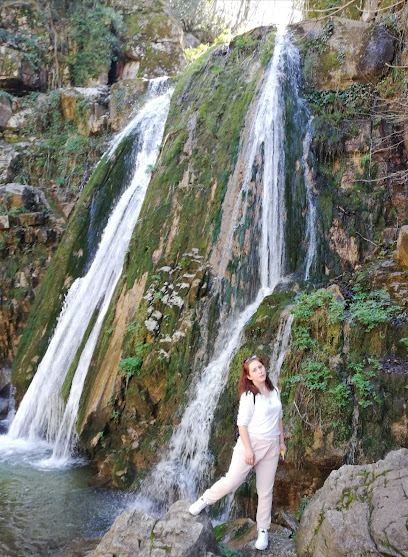
Βραχογραφία Παναγίας 13ου αιώνα
36.1 km
Explore the ancient rock carvings of Βραχογραφία Παναγίας in Serres, a window into 13th-century Byzantine art and religious history.
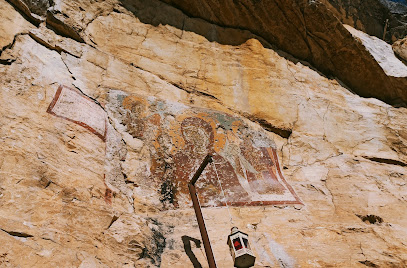
Platia
36.5 km
Experience the vibrant heart of Serres: Platia, where history, culture, and community converge in a lively Greek town square.

Τέμενος Αχμέτ Πασά Τζαμί
37.8 km
Explore the Ottoman architectural beauty of Τέμενος Αχμέτ Πασά, a historical mosque in Serres, Greece, built in the late 15th century.
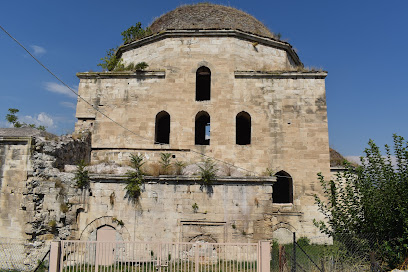
Saint George Kryoneritis Church
37.8 km
Discover the serene beauty and rich history of Saint George Kryoneritis Church, a Byzantine treasure in Serres, Greece.
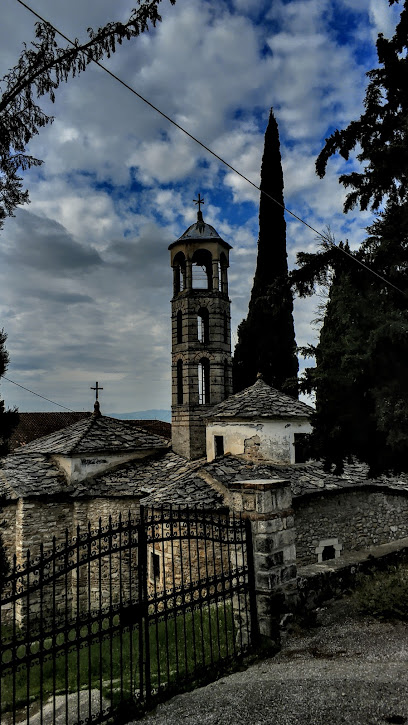
Philippos Xenia Hotel
38.1 km
Experience modern luxury and explore the beauty of Serres from the contemporary Philippos Xenia Hotel.

REFAN SERRES
38.2 km
Explore REFAN SERRES, a vibrant shopping mall in Serres, Greece, offering unique local goods, international brands, and delicious dining options.
Pl. Dimitras
38.3 km
Experience the vibrant heart of Serres at Pl. Dimitras, a lively square surrounded by cafes, shops, and historical charm. A must-see!
Pl. Omonias
38.4 km
Experience the vibrant heart of Serres at Pl. Omonias, a lively square offering a blend of culture, cuisine, and architectural charm.
Church of St. John the Evangelist
38.9 km
Discover the serene beauty and historical significance of this Greek Orthodox church in the heart of Serres, a cultural treasure.
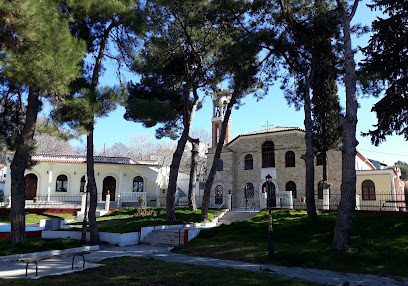
Philippi
46.9 km
Explore Philippi: Where ancient Macedonia meets Roman grandeur and early Christianity, a UNESCO World Heritage Site in northern Greece.
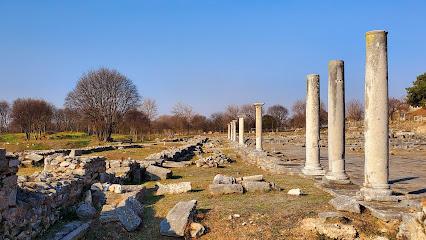
Unmissable attractions to see

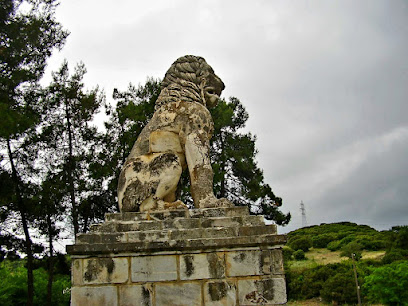
Lion of Amphipolis
2.8 km
Explore the Lion of Amphipolis, a stunning ancient monument that embodies Greece's rich history and artistry in the heart of Amphipolis.
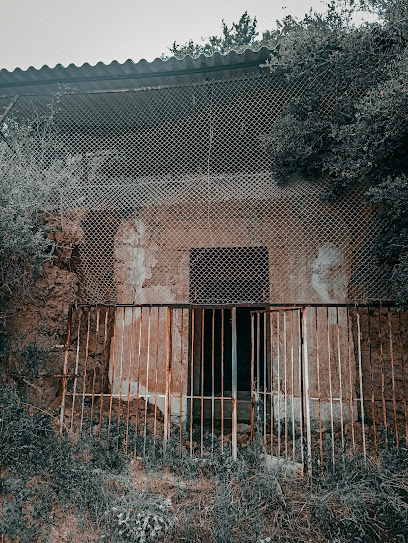
Macedonian Tomb 2
5.2 km
Discover the secrets of Macedonian Tomb 2, a historical gem that reveals the grandeur of ancient Macedonia amidst stunning landscapes.
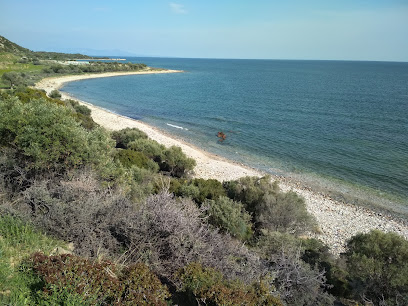
Paralia Mantria
21.7 km
Experience the tranquil shores and breathtaking beauty of Paralia Mantria, a hidden gem in Orfanou, Greece, perfect for relaxation and adventure.
Paralia Achinopetra
22.2 km
Experience the tranquil beauty of Paralia Achinopetra, a hidden gem along Greece's stunning coast with pristine beaches and delightful local cuisine.
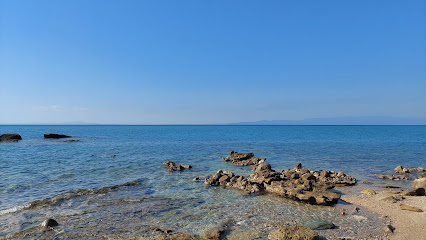
Korṓna
22.4 km
Explore the serene beauty of Korḗna, a stunning coastal destination in Greece, perfect for relaxation and outdoor adventure.
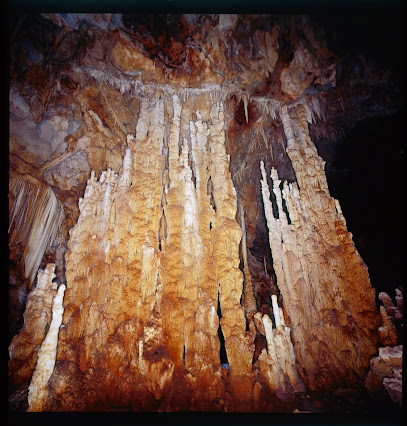
Alistrati Cave
26.1 km
Explore Alistrati Cave, a breathtaking natural wonder in Greece with stunning stalactite formations and an enchanting underground river.
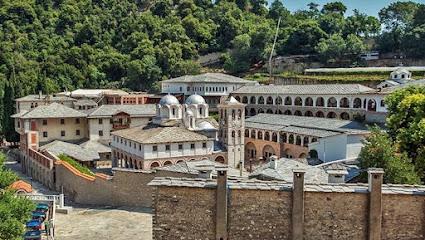
Virgin Mary Eikosifoinissa Holy Convent
26.7 km
Discover the Virgin Mary Eikosifoinissa Holy Convent, a serene retreat in Proti, Greece, showcasing stunning architecture and rich spiritual heritage.
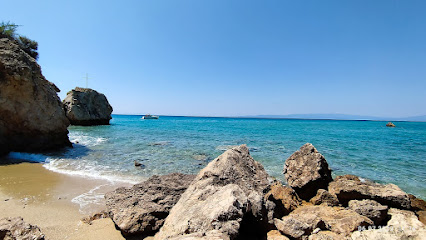
Paralia Pirgos Apollonias
26.9 km
Experience the tranquil beauty of Paralia Pirgos Apollonias, a serene beach destination on the Aegean Sea perfect for relaxation and exploration.
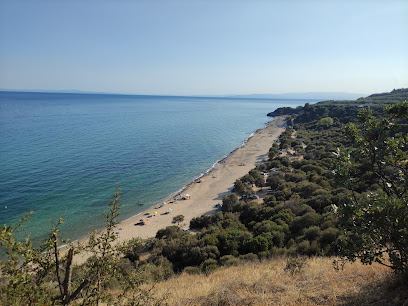
Apollonia tower
27.1 km
Explore the historic Apollonia Tower in Pangaio, Greece, a stunning landmark offering breathtaking views and a rich cultural experience.
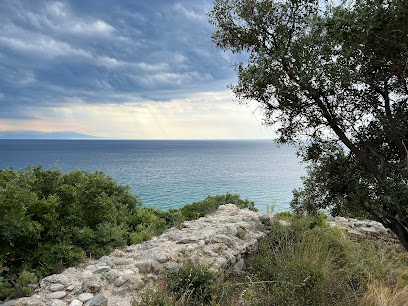
Wax Museum in Kipia
30.8 km
Explore the Wax Museum in Kipia for a unique blend of art, history, and fun, featuring lifelike figures and engaging exhibits for all ages.
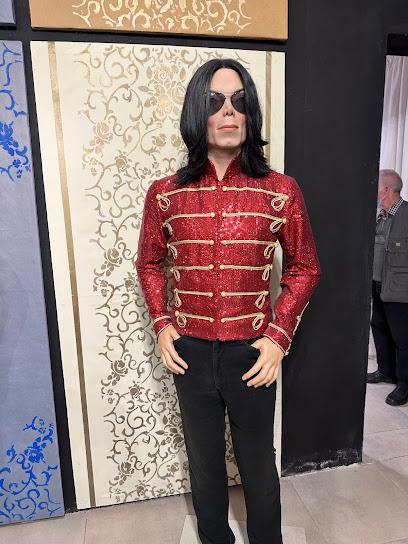
Aristotle's Park
34.3 km
Explore Aristotle's Park in Stagira, Greece, where history, philosophy, and nature intertwine in a captivating outdoor experience.
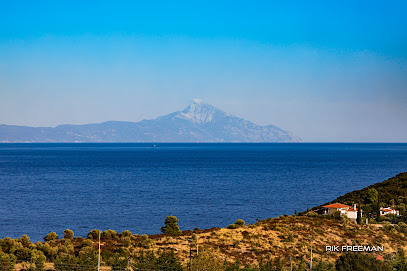
Χιονοχώρι Παγκάκια
36.6 km
Explore the serene landscapes and rich culture of Chionochori Pagkakia, a stunning tourist attraction in Serres, Greece.
Volunteers Park
36.9 km
Discover tranquility in Serres at Volunteers Park: a green escape with lush landscapes, walking paths, and community spirit.
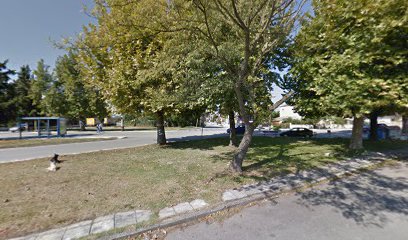
Μπαχτσές Ανέστη
36.9 km
Discover a serene escape at Μπαχτσές Ανέστη in Serres, Greece, a charming garden offering tranquility and natural beauty for all visitors.
Παρκάκι Σιδηροκάστρου-Βουρλών
37.7 km
Escape to the serene atmosphere of Παρκάκι Σιδηροκάστρου-Βουρλών, a charming park in Serres perfect for relaxation and recreation.
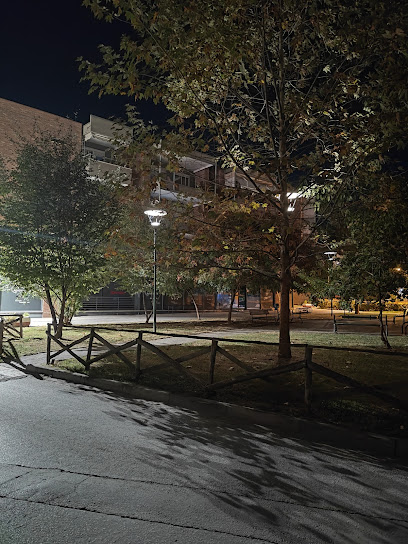
Essential places to dine

masa Μπούκα snack bar
9.8 km
Discover family-friendly dining at Masa Μπούκα Snack Bar in Pangaio - enjoy authentic Greek snacks and warm hospitality.
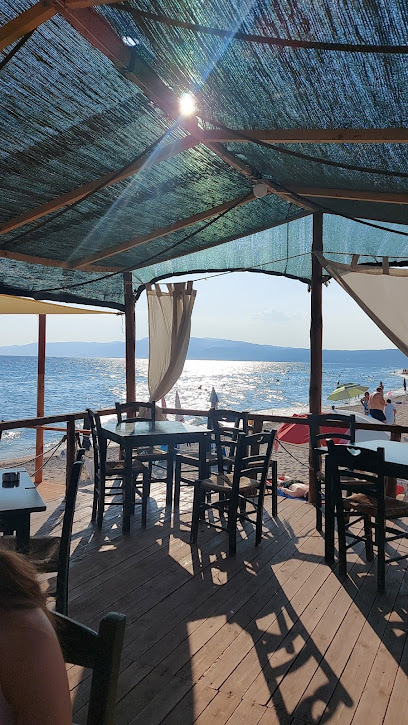
Kalamatianos Seafood Restaurant
21.2 km
Experience authentic Greek seafood at Kalamatianos Seafood Restaurant in Milies of Stavros – where fresh catches meet stunning views.
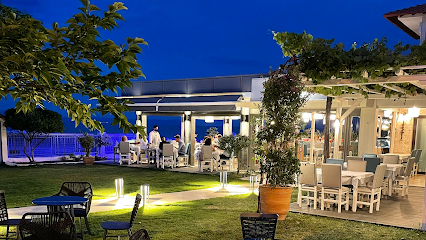
Antamoma Restaurant
37.4 km
Discover authentic Greek cuisine at Antamoma Restaurant in Serres - where tradition meets modern culinary excellence.
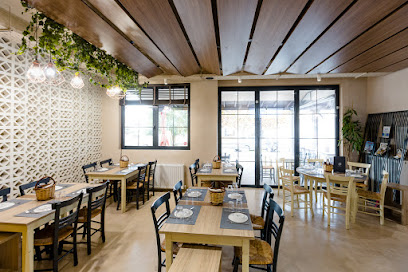
Ellinon Gefsis
37.5 km
Experience authentic Greek cuisine at Ellinon Gefsis in Serres - where tradition meets flavor in every dish.
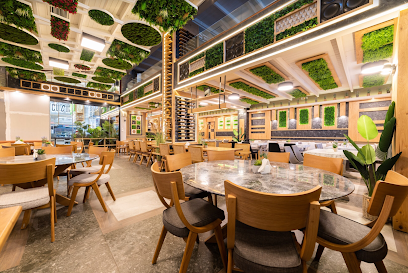
Boccone Resto
37.9 km
Experience authentic Greek flavors at Boccone Resto in Serres, where tradition meets taste in every dish.
Tavern - Steakhouse The Kapileio Kostis
37.9 km
Savor the authentic taste of Greece at The Kapileio Kostis - where tradition meets flavor in every bite.
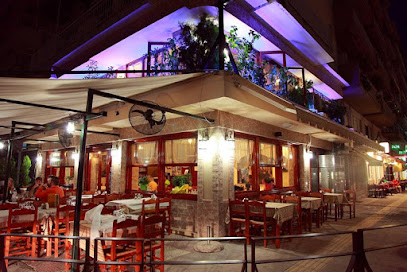
Паркинг
38.0 km
Experience authentic Greek flavors at this charming restaurant in Serres, perfect for food lovers seeking local culinary delights.
Psarras restaurant
38.1 km
Experience authentic Greek flavors at Psarras Restaurant in Serres - where tradition meets taste.
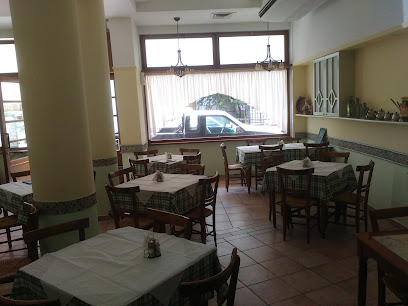
Rakádiko
38.2 km
Discover authentic Greek flavors at Rakádiko, a cozy restaurant in Serres offering traditional dishes and warm hospitality.
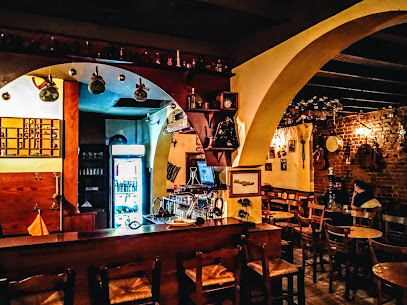
New Kronio
38.2 km
Savor authentic Greek flavors with delightful small plates at New Kronio in Serres - a culinary gem for every food lover.
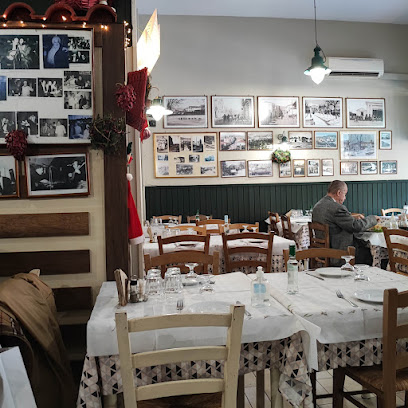
To Παρδαλό Κατσίκι
38.2 km
Savor authentic Greek barbecue at To Παρδαλό Κατσίκι in Serres—where every bite tells a story of tradition and flavor.
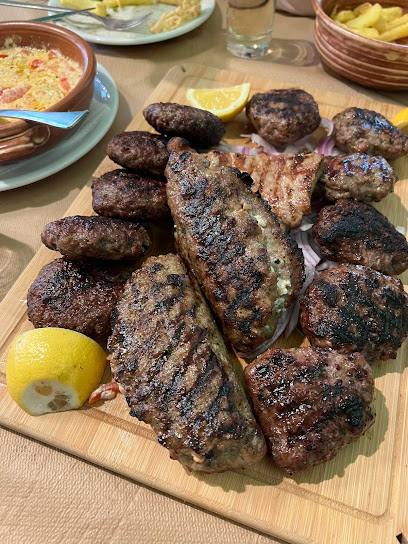
The Meat House
38.2 km
Discover the ultimate hamburger experience at The Meat House in Serres – where quality meets flavor in every bite.
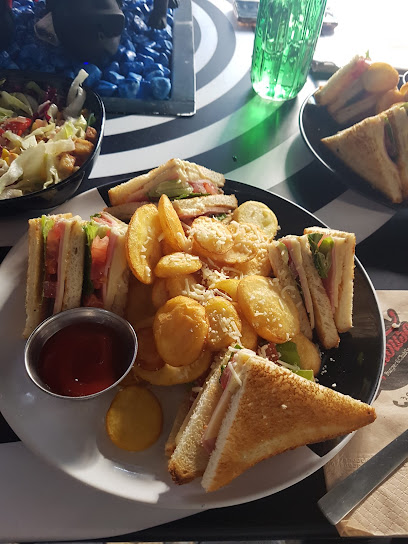
Vegano Serres
38.2 km
Discover Vegano Serres: Your destination for delicious plant-based meals in the heart of Greece.
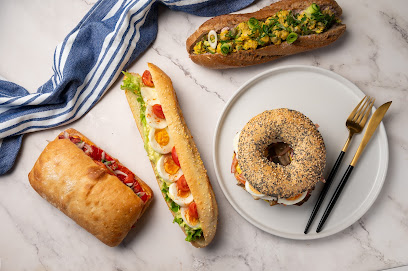
Ratatouille Cuisine Serres
38.2 km
Discover authentic Greek flavors at Ratatouille Cuisine Serres – where every meal tells a story of tradition and creativity.

Kouzina Bar
38.2 km
Discover Kouzina Bar in Serres - where authentic Greek cuisine meets an extensive wine selection in a cozy atmosphere.
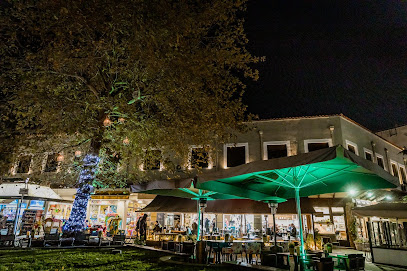
Markets, malls and hidden boutiques

I-GREEK Souvenirs & Clothing
18.2 km
Explore authentic Greek souvenirs and clothing at I-GREEK Souvenirs & Clothing in Thessaloniki, a vibrant destination for culture enthusiasts.
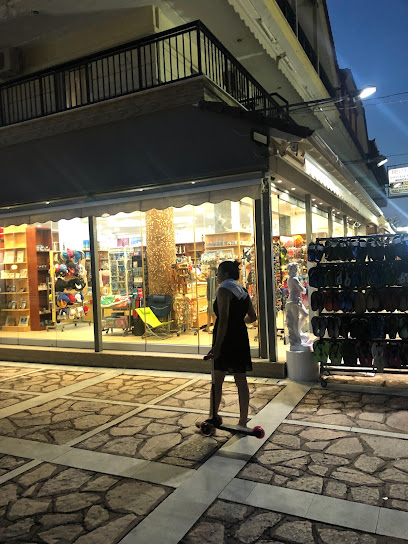
Gallery Gifts & More
21.9 km
Discover unique souvenirs and local flavors at Gallery Gifts & More in Stavros, Greece, your one-stop shop for authentic gifts and gourmet products.
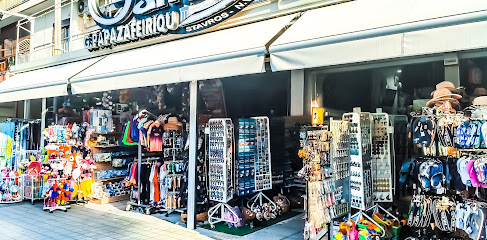
Evgenia Boutique
22.2 km
Explore Evgenia Boutique in Stavros, Greece – your go-to destination for unique shopping experiences and local treasures.
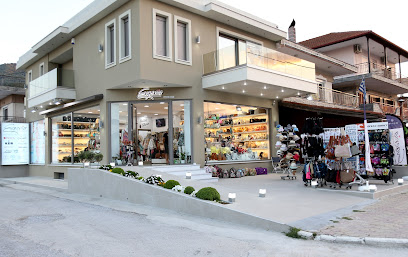
Serres
37.6 km
Discover the vibrant shopping scene of Serres, Greece, where local craftsmanship meets rich cultural heritage in every unique store.
Geekstreet
37.9 km
Explore Geekstreet, Serres' enchanting toy store filled with unique collectibles and toys for all ages, igniting creativity and joy in every visitor.
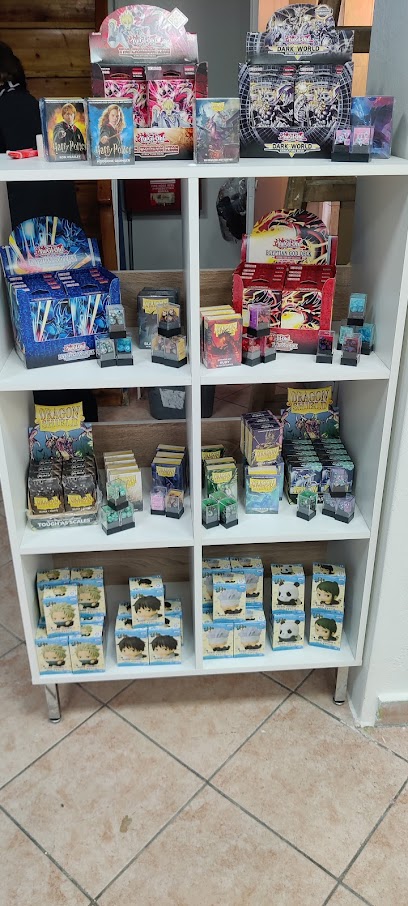
Sins boutique
38.0 km
Explore exquisite dresses and unique styles at Sins Boutique in Serres, the perfect destination for fashion-savvy travelers seeking elegance and charm.

Serres Brick Workshop
38.0 km
Explore the enchanting Serres Brick Workshop, a unique toy store showcasing handmade creations that celebrate Greek craftsmanship and creativity.
silver
38.0 km
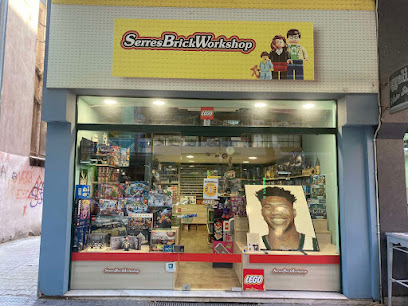
Explore Silver in Serres for unique handcrafted silverware, jewelry, and local crafts that embody the essence of Greek artistry.
Prova
38.0 km
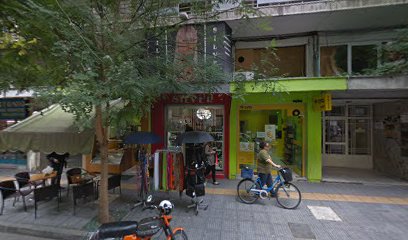
Discover unique fashion at Prova, a clothing store in Serres, Greece, blending contemporary styles with traditional Greek designs.
Bio shop - biopantopolio.gr
38.0 km
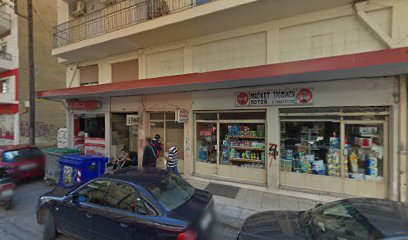
Explore Bio Shop in Serres for organic products, supplements, and a commitment to health and sustainability.
Agorastou Panagiota
38.0 km
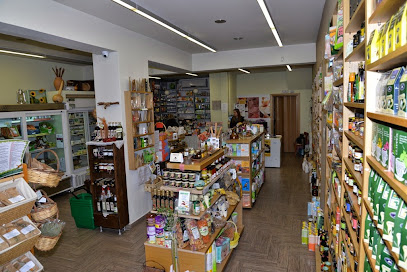
Explore unique fashion at Agorastou Panagiota, a must-visit clothing store in the heart of Serres, Greece, perfect for every style enthusiast.

attrattivo | Σέρρες
38.0 km
Discover the vibrant fashion scene at Attrattivo, Serres' premier clothing store, offering unique styles that reflect Greek culture.
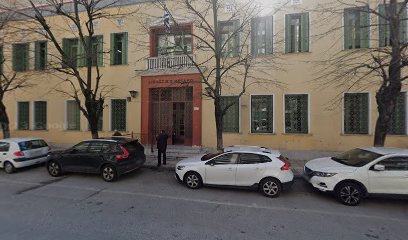
Nafsika Art
38.0 km
Explore Nafsika Art in Serres for unique gifts and local crafts that capture the essence of Greece's rich cultural heritage.
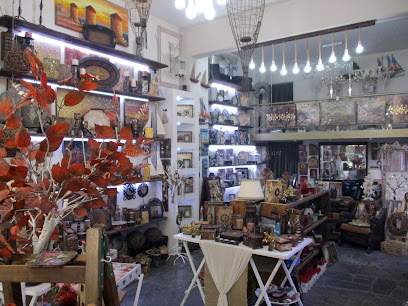
Αγοραστός Απόστολος Low Fashion
38.0 km
Explore the latest trends at Αγοραστός Απόστολος Low Fashion in Serres, where unique dresses meet exceptional service.
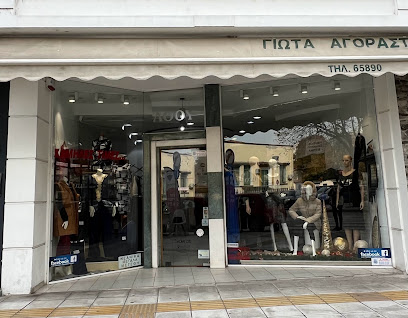
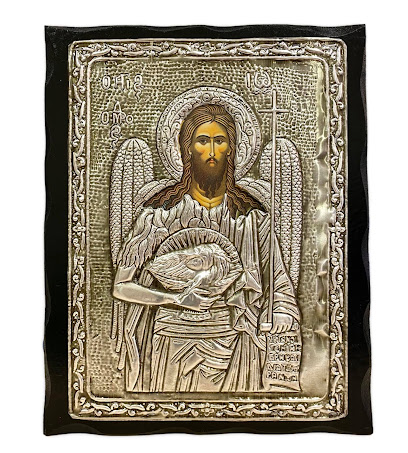
THE HOLY ART ICONS SINGLE MEMBER P.C.
38.1 km
Discover exquisite handcrafted religious icons at The Holy Art Icons in Serres, a perfect blend of art and spirituality.
Essential bars & hidden hideouts

Fidél All Day Bar
38.1 km
Experience the vibrant atmosphere of Fidél All Day Bar in Serres, a perfect blend of cafe charm and bar energy, ideal for all-day relaxation.
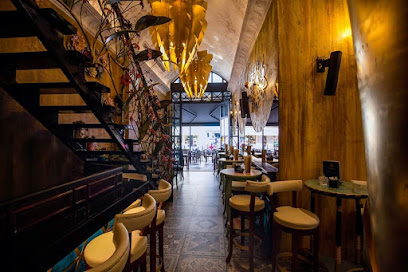
Volta
38.1 km
Discover Volta in Serres: a charming café offering exceptional coffee and a welcoming atmosphere perfect for relaxing and socializing.
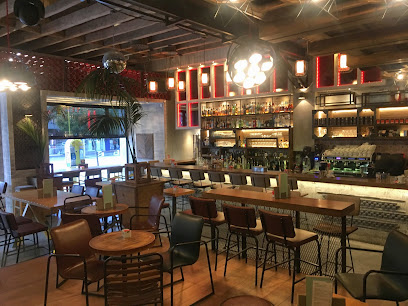
1800 Cafe Bar
38.1 km
Discover 1800 Cafe Bar, a vibrant café and bar in Serres, Greece, offering delightful drinks and a lively atmosphere perfect for tourists.
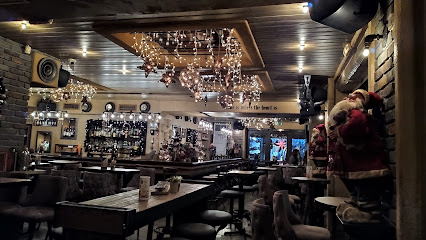
Manhattan
38.2 km
Discover the vibrant nightlife and local flavors at Manhattan Bar, Serres, where every drink tells a story.
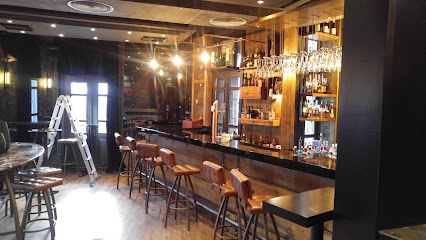
Mpriki_homebarandgrill
38.2 km
Experience the vibrant atmosphere and exquisite flavors at Mpriki Home Bar and Grill, Serres' top destination for cocktails and gourmet dining.
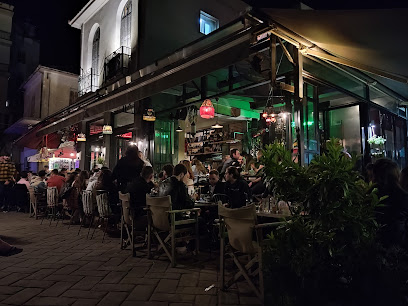
Ο Παλιάτσος
38.2 km
Discover Ο Παλιάτσος, Serres' premier cocktail bar offering creative drinks and a vibrant atmosphere for an unforgettable night out.
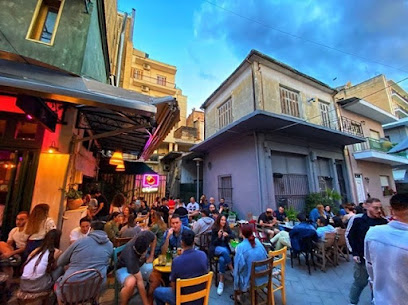
Aíglē
38.2 km
Discover the vibrant nightlife of Serres at Aíglē, a cozy bar offering delicious drinks and a welcoming ambiance for every traveler.
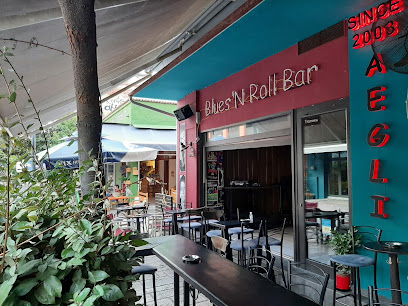
Balloon Cafe Funky Bar
38.2 km
Discover the vibrant atmosphere and delightful flavors at Balloon Cafe Funky Bar in Serres, an essential stop for travelers seeking local experiences.
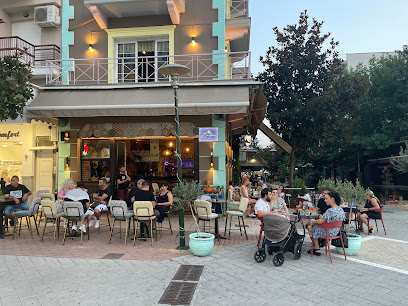
Clubaki serres
38.2 km
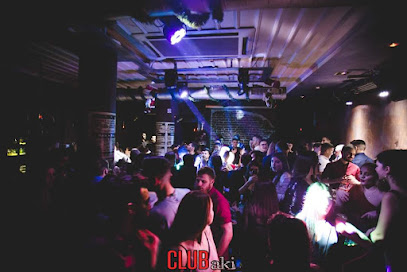
Experience the vibrant nightlife of Serres at Clubaki, where cocktails and music blend to create unforgettable evenings in Greece.
Sips Bar Serres
38.2 km
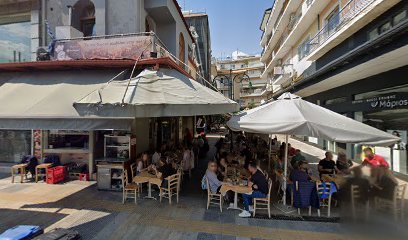
Experience the vibrant atmosphere of Sips Bar in Serres, Greece, where refreshing drinks and local culture blend harmoniously.
Barazz
38.3 km
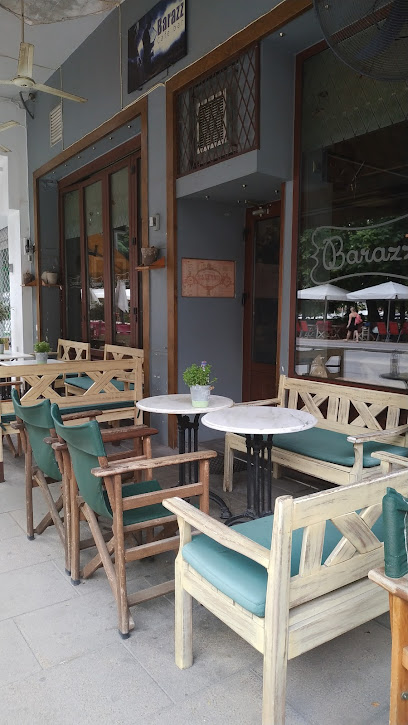
Discover Barazz in Serres, Greece: A warm bar experience with local drinks and a vibrant atmosphere perfect for relaxation.
Azur
38.3 km
Experience authentic Greek flavors at Azur, a premier grill restaurant in Serres, where tradition meets culinary innovation.
Cafe Bar 19
38.3 km
Discover the heart of Serres at Cafe Bar 19, where cozy atmosphere meets delicious local flavors in a perfect retreat.
Hayat Roof
38.3 km
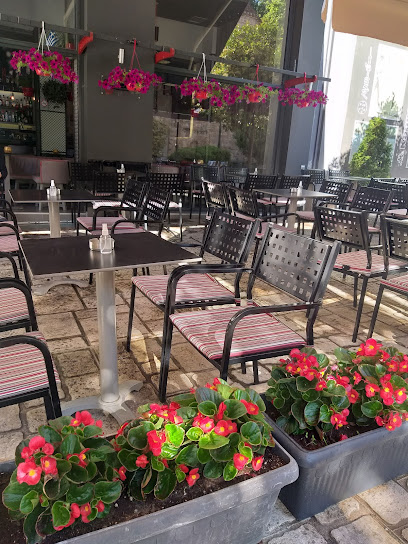
Discover the inviting charm of Hayat Roof, a cozy bar and bistro in Serres, perfect for unwinding with drinks and delightful bites.
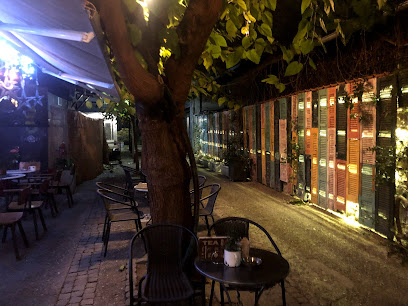
Merlin Bar
38.3 km
Discover the vibrant atmosphere of Merlin Bar in Serres, where café culture meets local craftsmanship for an unforgettable experience.
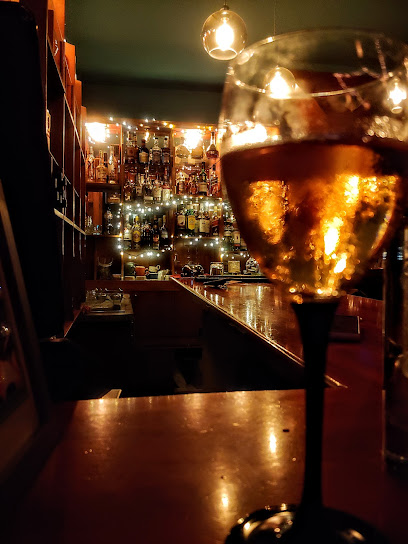
Nightclubs & after hour spots

Havana Club - Paralia Ofryniou
9.1 km
Experience the vibrant nightlife at Havana Club, Paralia Ofryniou – where every night is a celebration under the stars.
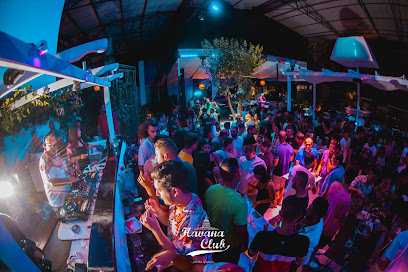
AL ARAB Night Club
19.1 km
Experience the vibrant nightlife at AL ARAB Night Club in Vrasna, where cocktails and dance come alive in an unforgettable atmosphere.
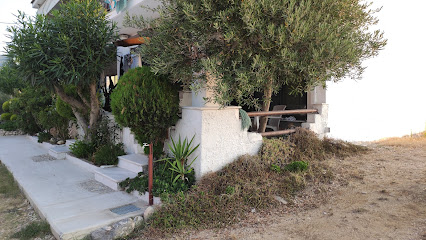
Illusion club
38.2 km
Discover the electrifying nightlife of Serres at Illusion Club, where the music never stops and the fun lasts until dawn.

BRONX NIGHTCLUB
38.2 km
Discover the electrifying nightlife at Bronx Nightclub in Serres, where music, dance, and local vibes come together for an unforgettable experience.
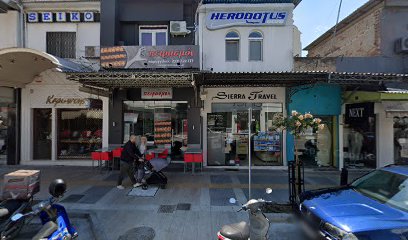
Ελληνάδικο Club
38.2 km
Discover the vibrant nightlife of Serres at Ελληνάδικο Club, where music, dance, and culture create an unforgettable experience.
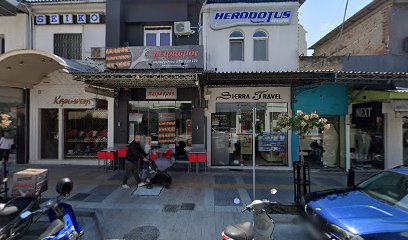
Why Club
38.2 km
Discover the vibrant nightlife of Serres at Why Club, where electrifying music meets a lively atmosphere for an unforgettable experience.
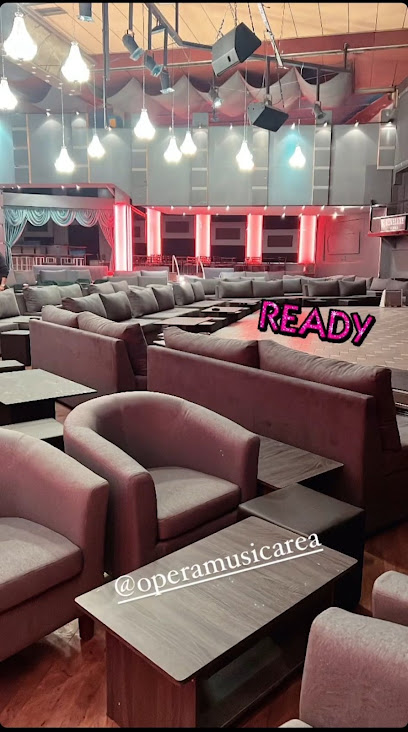
Opera Music Area
38.5 km
Discover the vibrant nightlife of Serres at Opera Music Area, the ultimate destination for music, dancing, and unforgettable memories.
Butterfly Club
44.7 km
Unleash your inner party animal at Butterfly Club, Drama's hottest disco club, where the music never stops and the dance floor awaits your moves.
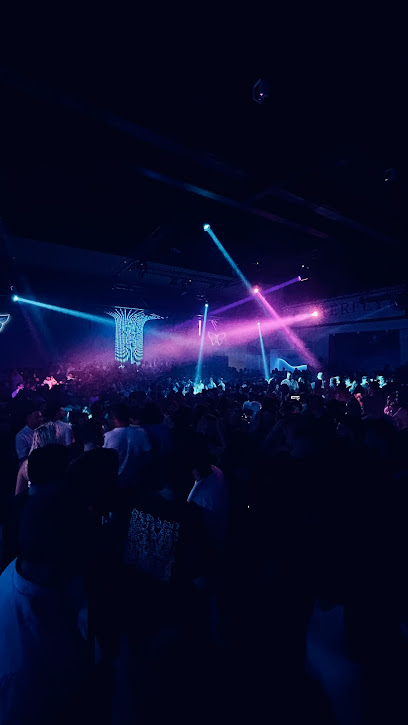
ΓΙΑΝΝΗΣ ΓΑΤΕΛΑΣ
47.0 km
Immerse yourself in the lively nightlife of Kavala at ΓΙΑΝΝΗΣ ΓΑΤΕΛΑΣ, a premier night club with electrifying music and vibrant atmosphere.
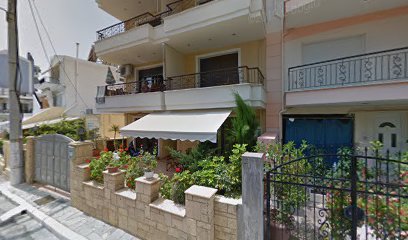
King Size Club
47.4 km
Discover the electrifying nightlife at King Size Club in Ierissos, where vibrant music and an energetic ambiance await every night.
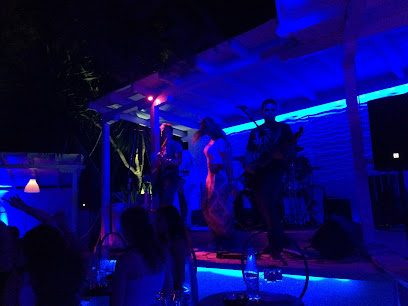
Motel Club Καβαλα
48.9 km
Discover the electrifying nightlife at Motel Club Καβαλα, where great music and vibrant energy combine for unforgettable evenings.
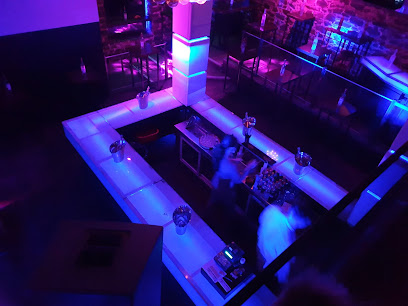
OSCAR Club & Live Stage
49.3 km
Discover the vibrant nightlife of Kavala at OSCAR Club & Live Stage, where live performances and electrifying music create unforgettable experiences.

ΚΑΤΙΝΑΡΑ CAFE BAR
49.5 km
Unwind at Katinará Cafe Bar, the ultimate nightlife destination in Kavala, offering great music, delicious drinks, and unforgettable experiences.
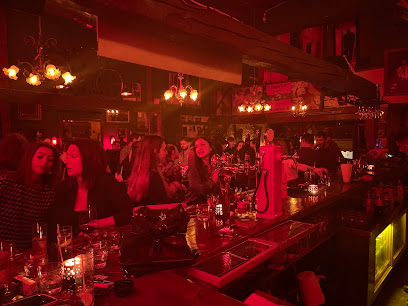
Kapospito
49.7 km
Discover the vibrant nightlife at Kapospito, Kavala's top night club, where unforgettable music and a lively atmosphere await.
Bolero Summer Dance Club
66.9 km
Experience the vibrant nightlife at Bolero Summer Dance Club in Limenaria, a must-visit disco club for unforgettable dancing and fun under the stars.