Palace of Mycenae: Citadel of Agamemnon
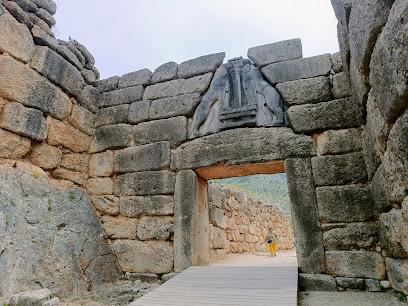
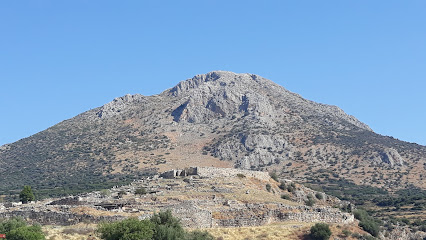
Explore the Palace of Mycenae, the heart of Agamemnon's kingdom, with its Cyclopean walls, Lion Gate, and royal tombs dating back to the Bronze Age.
Explore the Palace of Mycenae, the heart of the ancient Mycenaean civilization, dating back to 1600-1120 BCE. Perched atop a rocky hill, this palace offers a glimpse into the world of Agamemnon, with its Cyclopean walls, Lion Gate, and remnants of royal residences.
A brief summary to Palace of Mycenae
Local tips
- Arrive early or late in the day to avoid crowds and the summer heat.
- Wear comfortable shoes, as the site involves a fair amount of walking on uneven terrain.
- Bring water, sunscreen, and a hat, especially during the summer months.
- Visit the Archaeological Museum of Mycenae to enhance your understanding of the site's history and significance.

Getting There
-
Car
From Athens, take the National Road towards Corinth and then Tripoli. After passing Corinth, continue for about 25 kilometers and take the exit to Nafplio. From there, follow the signs to Mycenae. There is a parking area near the archaeological site, though it can get crowded during peak times. Parking along the road is also possible. Expect to pay around €5 for parking.
-
Public Transport
KTEL buses connect Mycenae with Nafplion, Argos, and Athens. From Athens, buses depart from Terminal A (100 Kifissou). The Athens-Argos bus may drop you off at the turnoff at Fihtia, about 2km from Mycenae. From Nafplio, the bus journey to Mycenae takes around 30 minutes and costs approximately €2-3. From the bus stop in Mycenae, it's a short walk to the archaeological site.
Discover more about Palace of Mycenae
Iconic landmarks you can’t miss

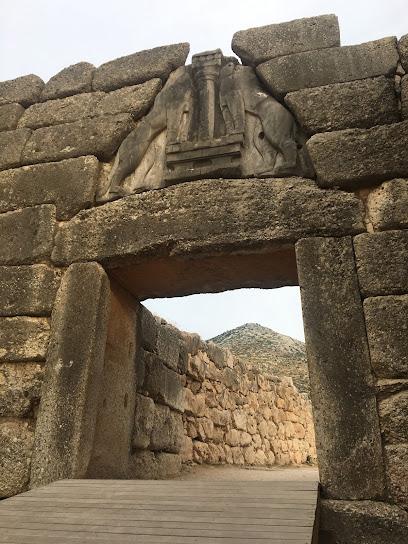
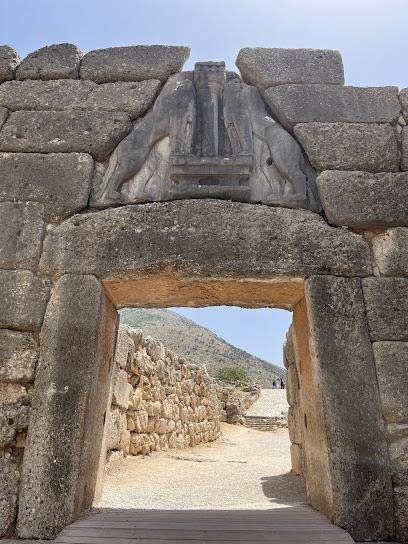
Lion Gate
0.1 km
Step through the Lion Gate and into the heart of Mycenae, where ancient legends and architectural marvels await.
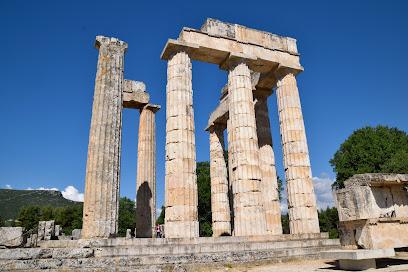
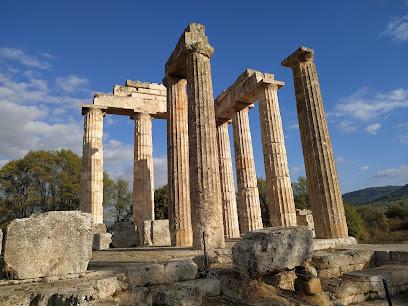
Archaelogical site of Nemea
9.6 km
Discover the ancient sanctuary of Nemea, home of the Nemean Games and the Temple of Zeus, in a valley surrounded by vineyards.
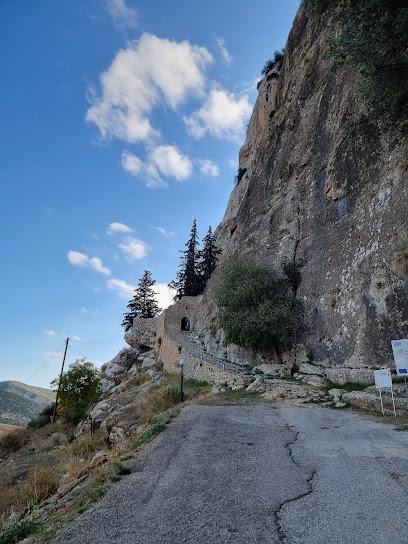
Virgin of the Rock
11.8 km
Discover the serene Virgin of the Rock Monastery near Nemea, a modern marvel built into a rock face with stunning views and a peaceful atmosphere.
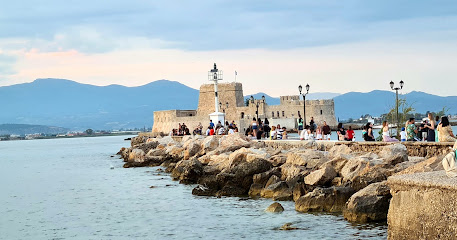
Nafplio Lighthouse
18.4 km
Discover the historical charm and stunning views of Nafplio Lighthouse, a must-visit landmark in Greece's picturesque coastal town.
Nafplio Sun Sail Cruises
18.5 km
Experience the allure of Nafplio with unforgettable sailing adventures, exploring historical landmarks and breathtaking coastlines of Greece.
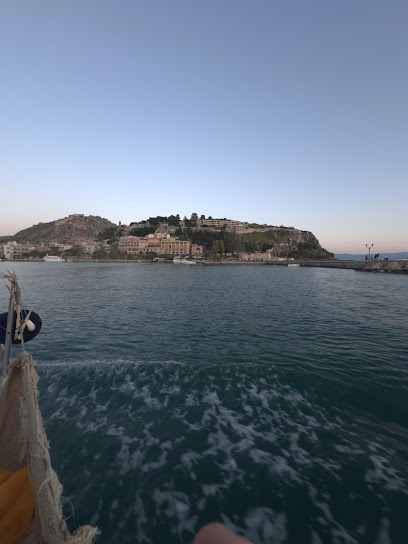
Church of Panagia
18.5 km
Discover the Church of Panagia in Nafplio: a historic 15th-century church with stunning architecture and a serene atmosphere.
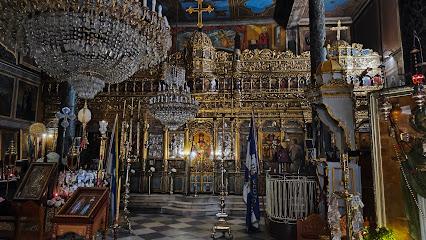
Syntagma Square - Nafplio
18.6 km
Discover Syntagma Square in Nafplio: a vibrant hub of history, architecture, and culture in the heart of the Old Town.
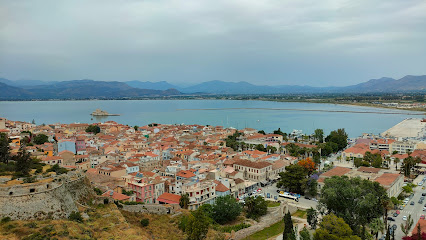
Five Brothers
18.6 km
Explore Nafplio's maritime past at the Five Brothers, a historic bastion with stunning views and well-preserved Venetian cannons.
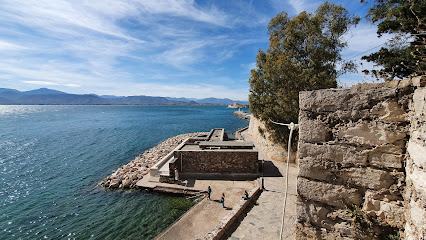
Lift to Naflia Palace
18.7 km
Effortless access to Acronafplia's history and panoramic views. A smooth ride to the heart of Nafplio's ancient citadel.
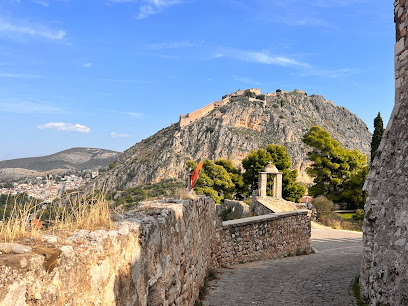
Kapodistrias Statue
18.7 km
A marble monument in Nafplio honoring Ioannis Kapodistrias, the first Governor of Greece, for his pivotal role in shaping the modern Greek state.
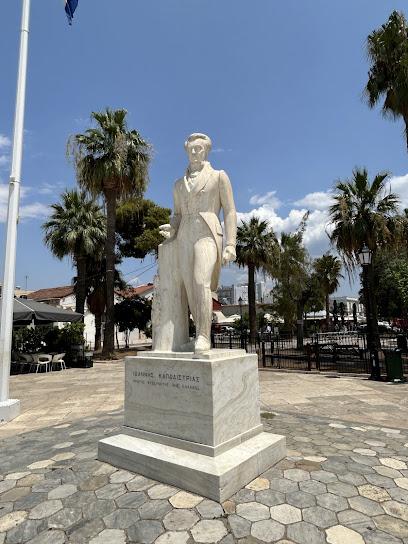
Komboloi Museum
18.7 km
Discover the fascinating world of Greek worry beads at Nafplio's Komboloi Museum, a unique cultural experience in the heart of the old town.
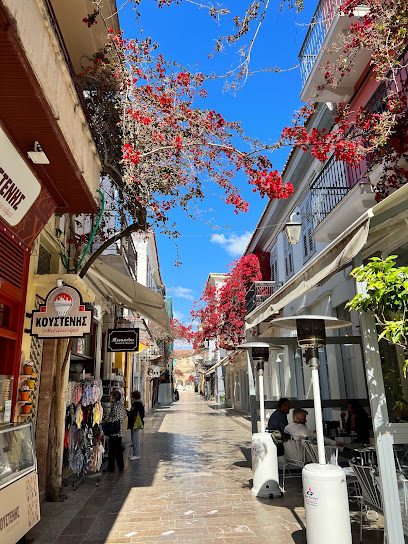
Ottoman hamam baths
18.7 km
Explore Nafplio's Ottoman past at the historic Hamam Baths, a unique architectural landmark undergoing restoration.
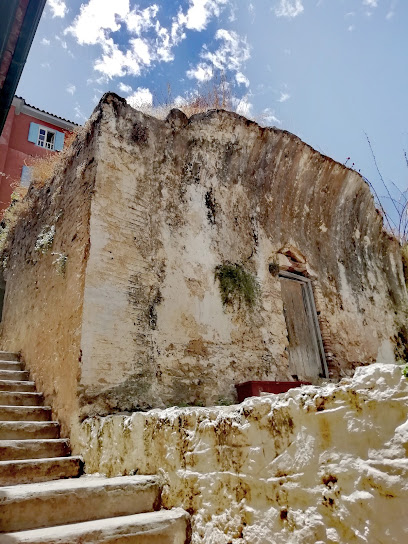
National Gallery - Nafplio Department
18.7 km
Explore Greek art and history at the National Gallery in Nafplio, with a focus on the Greek War of Independence.
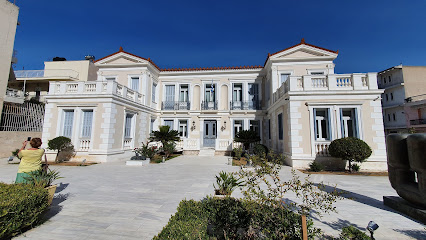
Ottoman fountain
18.7 km
Discover Nafplio's Ottoman heritage at these historic fountains, where cultures intertwine in stone and water, offering a refreshing glimpse into the past.
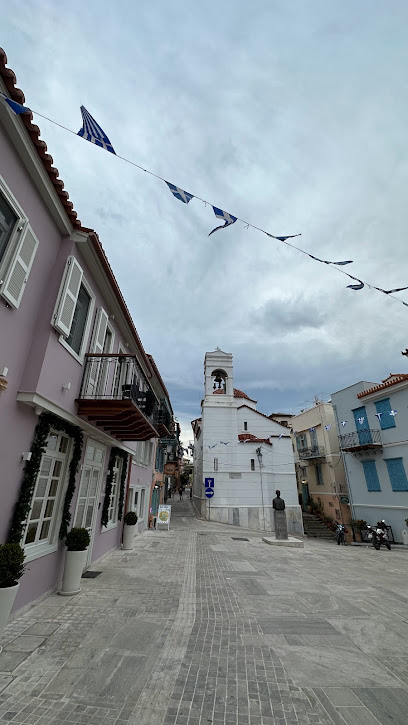
Akronafplia's Castle
18.8 km
Explore Nafplio's oldest castle, a historic fortress with stunning views shaped by Greeks, Franks, Venetians, and Ottomans.
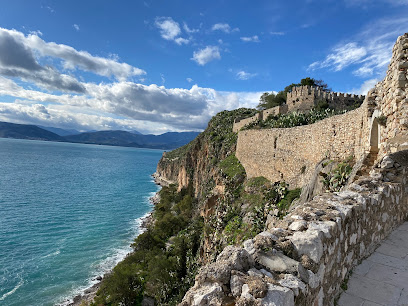
Unmissable attractions to see

Archaeological site of Mycenae
0.1 km
Explore the Archaeological Site of Mycenae, where ancient history and breathtaking landscapes merge in Greece's iconic landmark.
Archeological Museum of Mycenae
0.2 km
Explore the Archeological Museum of Mycenae, a gateway to ancient Greek civilization filled with captivating artifacts and rich history.
"Treasury of Atreus" or "Tomb of Agamemnon"
0.5 km
Discover the ancient grandeur of the Treasury of Atreus, a monumental tomb in Mycenae, Greece, steeped in myth and history.
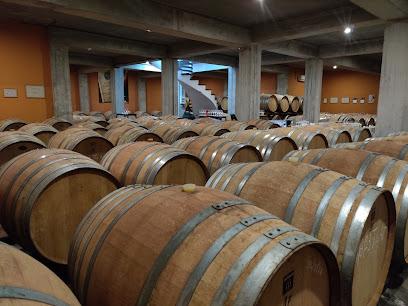
Lafazanis S.A.
9.3 km
Discover the enchanting world of Greek wines at Lafazanis S.A. in Nemea, where tradition meets exquisite taste amidst stunning landscapes.
Archaeological Museum of Nemea
9.5 km
Discover the rich heritage of ancient Greece at the Archaeological Museum of Nemea, featuring artifacts from the iconic Temple of Zeus and more.
Lafkiotis S.A.
10.0 km
Discover the art of Greek winemaking at Lafkiotis S.A., a charming winery in Archaies Kleones offering exquisite tastings and stunning views.
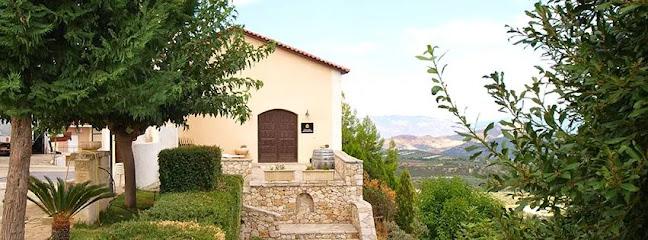
Ktima Palivou
10.2 km
Experience the beauty and flavors of Greece at Ktima Palivou, Nemea's premier winery, where tradition meets excellence in winemaking.
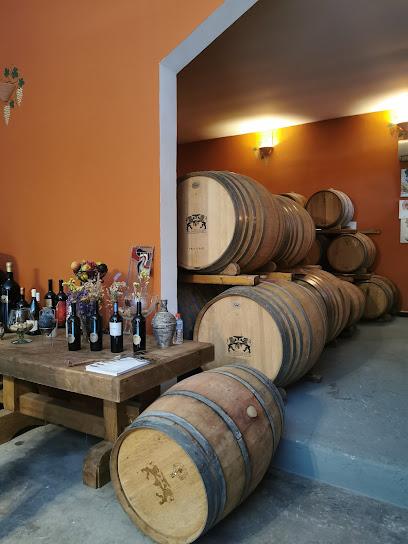
Larissa Castle Argos
10.9 km
Explore the iconic Larissa Castle in Argos, a historical landmark offering breathtaking views and a glimpse into Greece's rich past.
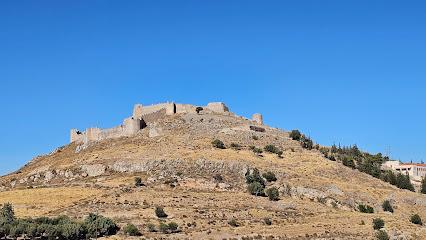
Byzantine Museum of Argolis - BYMA
11.0 km
Explore the Byzantine Museum of Argolis - a historic gem showcasing the art and culture of the Byzantine Empire in the heart of Argos, Greece.
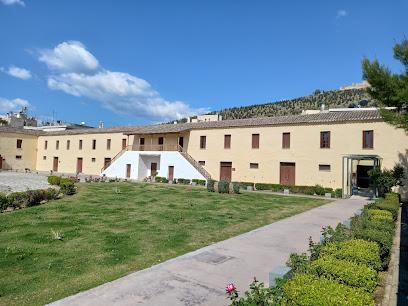
Lantides Winery
11.3 km
Discover the rich heritage of Greek winemaking at Lantides Winery in Nemea, where tradition meets exquisite flavors in every sip.
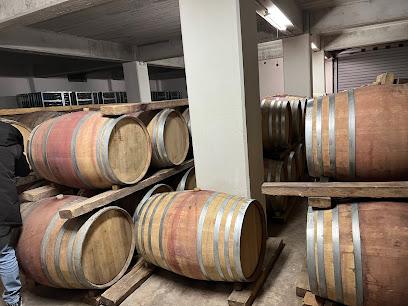
Karamitsos Winery ΚΑΡΑΜΗΤΣΟΣ ΔΗΜΗΤΡΙΟΣ
11.6 km
Discover the timeless elegance of Karamitsos Winery in Nemea, where rich flavors meet stunning landscapes in Greece's premier wine region.
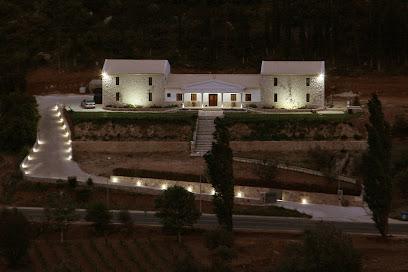
Bairaktaris Winery
12.0 km
Explore the exquisite wines and breathtaking landscapes at Bairaktaris Winery in Nemea, Greece, where tradition meets exceptional craftsmanship.
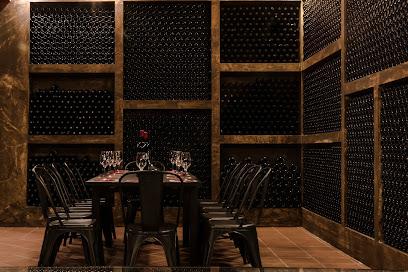
Cooperative Winery of Nemea
14.7 km
Discover the flavors of Greece at the Cooperative Winery of Nemea, where tradition meets innovation in winemaking, set against a stunning backdrop.
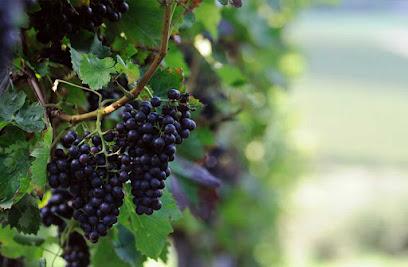
Mycenean Acropolis of Tiryns
14.9 km
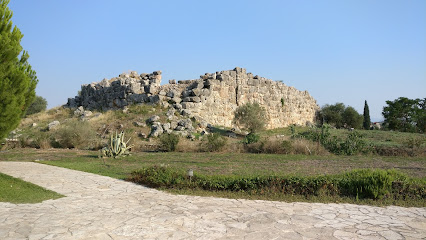
Explore the Mycenean Acropolis of Tiryns, an ancient marvel with stunning architecture and rich history waiting for you in Greece's Peloponnese.
Mycenaean Dam
15.6 km
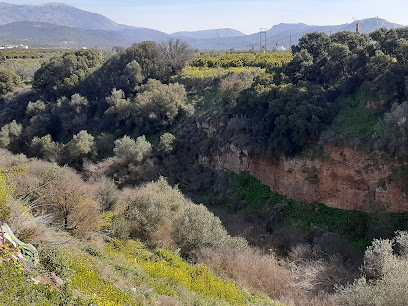
Explore the ancient Mycenaean Dam near Nafplio, a captivating historical landmark showcasing the ingenuity of early Greek engineering.
Essential places to dine

Electra restaurant
1.5 km
Discover Electra Restaurant in Mykines for authentic Greek cuisine amidst breathtaking views.
Stable Thrakotaverna Nafplio
18.4 km
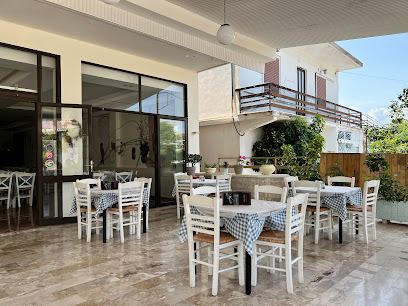
Experience the heart of Greek cuisine at Stable Thrakotaverna Nafplio - where tradition meets flavor in every bite.
To Teloneio
18.5 km
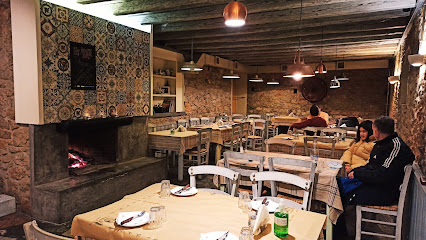
Experience authentic Greek flavors at To Teloneio in Nafplio - where small plates meet big taste in a cozy atmosphere.
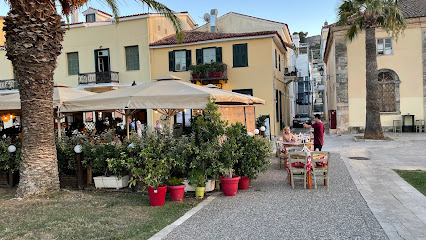
Arapakos
18.5 km
Experience the best of Nafplio at Arapakos - a seafood restaurant offering fresh dishes and stunning sea views.
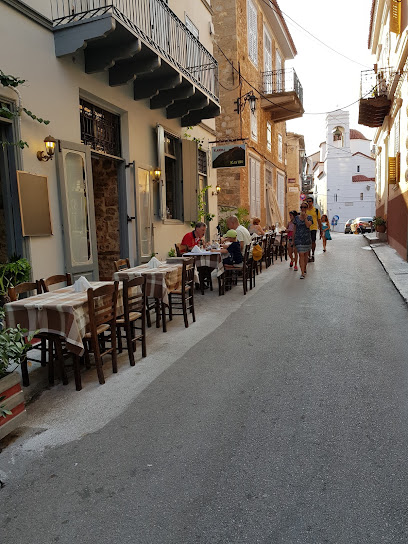
Savouras
18.5 km
Experience authentic Greek seafood at Savouras in Nafplio, where fresh flavors meet stunning waterfront views.
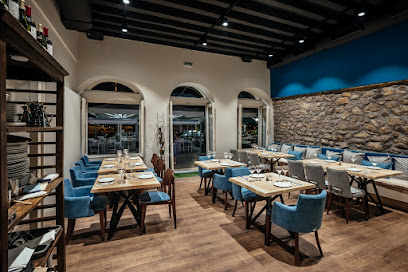
BOUNOS
18.5 km
Experience authentic Greek seafood at Bounos in Nafplio - where fresh ingredients meet traditional flavors in a charming coastal setting.
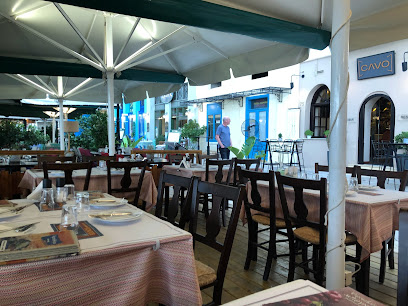
Cavo
18.5 km
Discover Cavo in Nafplio: A delightful blend of authentic Greek cuisine, vibrant atmosphere, and exceptional service awaits you.
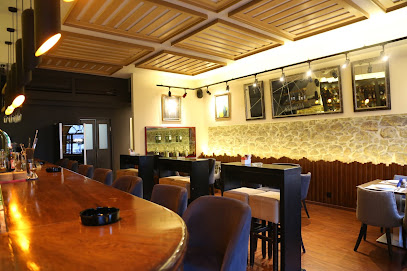
Elatos Tavern
18.5 km
Experience authentic Greek cuisine at Elatos Tavern in Nafplio – where tradition meets flavor in a warm and inviting atmosphere.
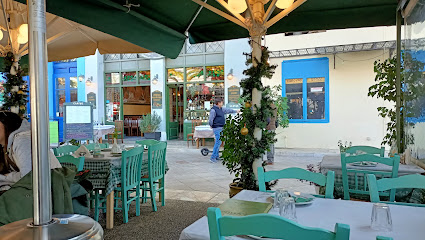
Wild Duck
18.5 km
Discover authentic Greek cuisine at Wild Duck in Nafplio - where tradition meets modern dining for an unforgettable experience.
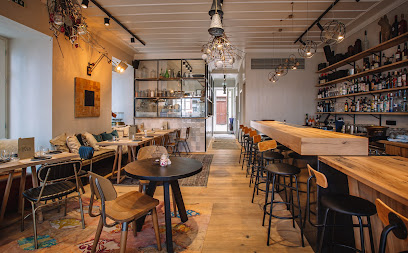
La Gratella
18.5 km
Experience authentic Italian cuisine at La Gratella in Nafplio - where every dish tells a story.
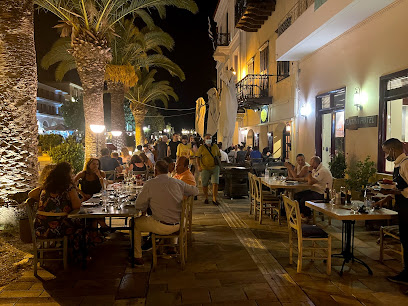
Alaloum restaurant
18.5 km
Experience authentic Greek cuisine at Alaloum Restaurant in Nafplio – where tradition meets flavor in a cozy setting.
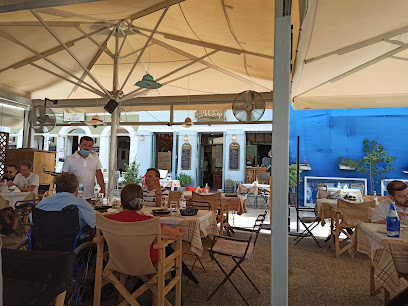
Rendez vous
18.5 km
Discover Rendez Vous in Nafplio: A delightful bistro offering exquisite breakfasts and coffee experiences amid charming surroundings.
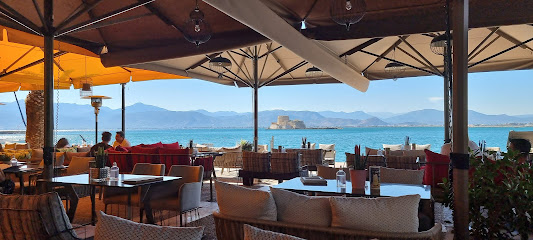
Kellari Nafplion Restaurant
18.5 km
Discover authentic Greek cuisine at Kellari Nafplion Restaurant – where every dish tells a story.
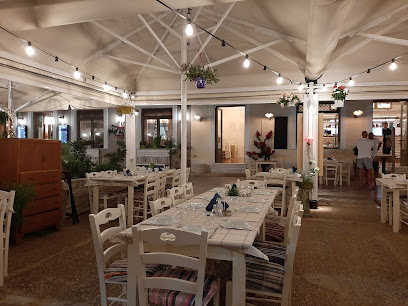
The Nest
18.5 km
Experience authentic Greek cuisine at The Nest in Nafplio - where tradition meets flavor in a cozy setting.
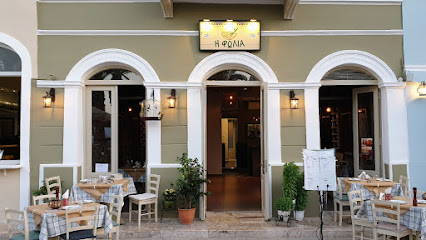
Yacht Nafplio Restaurant
18.5 km
Experience the essence of Mediterranean cuisine with stunning harbor views at Yacht Nafplio Restaurant in beautiful Nafplion.
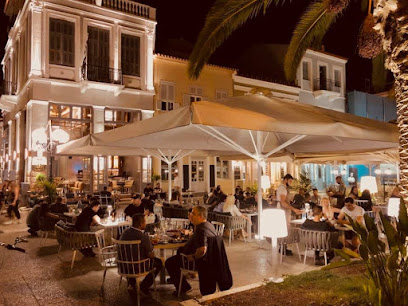
Markets, malls and hidden boutiques

Poppy's Clothing
18.5 km
Discover stylish women's clothing in Nafplio at Poppy's Clothing, where fashion meets Greek elegance.
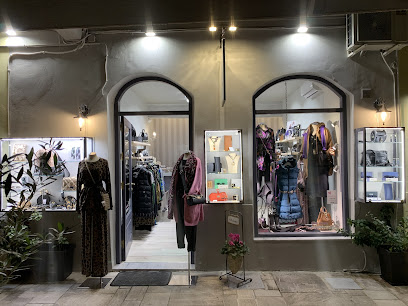
Maya Zoulovits Handmade Jewelry
18.5 km
Explore the exquisite craftsmanship of Maya Zoulovits Handmade Jewelry in Nafplio, where every piece tells a unique story of artistry and tradition.
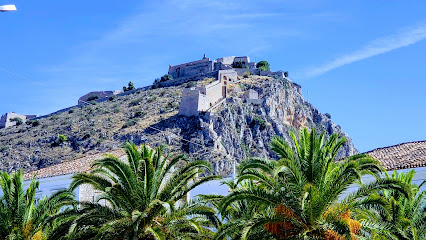
Polytimi Pottery
18.5 km
Explore the artistry of handcrafted pottery at Polytimi Pottery in Nafplio, a unique shop showcasing Greece's rich ceramic heritage.
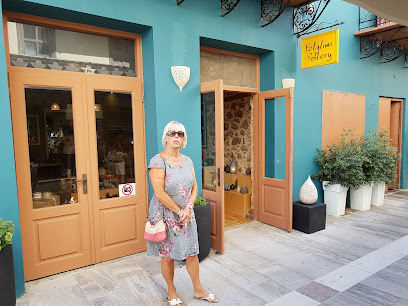
Anna Douka Handmade Jewelry
18.5 km
Explore the artistry of Anna Douka Handmade Jewelry in Nafplio—where Greek tradition meets contemporary elegance.
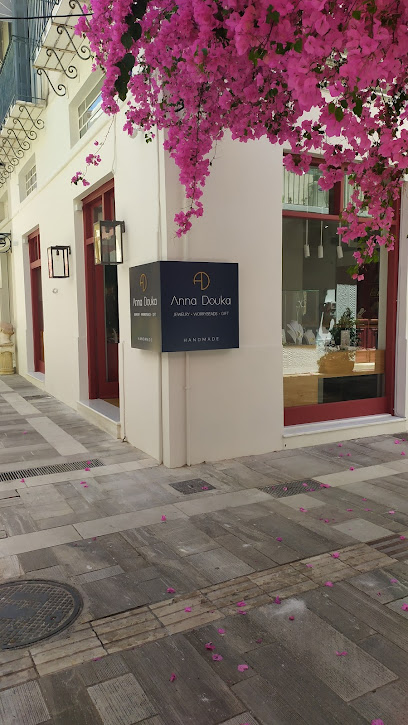
Deisis Art Nafplio
18.5 km
Explore Deisis Art Nafplio for unique art and souvenirs that capture the spirit of Greece's rich cultural heritage.
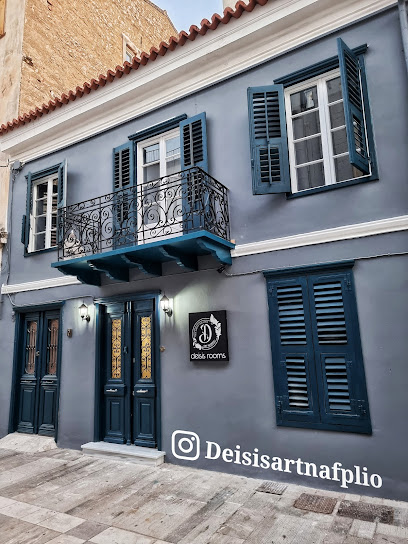
Naias Soap Workshop
18.5 km
Discover the art of soap making in Nafplio at Naias Soap Workshop, where tradition meets craftsmanship in every bar.
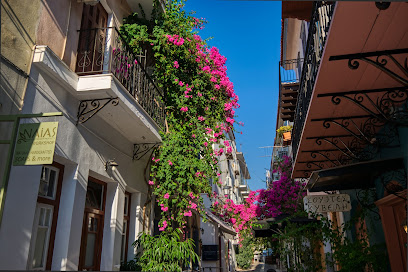
metallagi jewellery
18.5 km
Explore handcrafted elegance at Metallagi Jewellery in Nafplio, where every piece tells a story of Greek artistry and tradition.
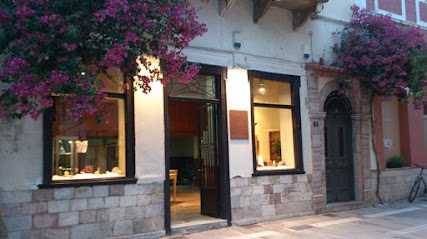
Tzouly Tzimoy gift & creations shop!!!
18.5 km
Explore Tzouly Tzimoy, Nafplio's premier gift shop for unique bags, toys, and local creations, perfect for souvenirs and gifts.
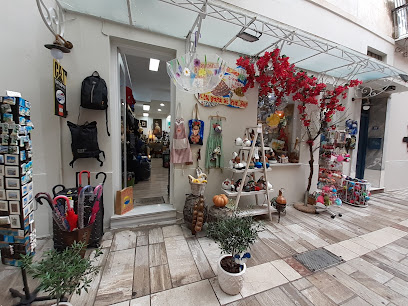
Bazaar Estel
18.6 km
Explore Bazaar Estel, Nafplio's charming gift shop, offering unique souvenirs and stylish accessories that embody Greek artistry and culture.
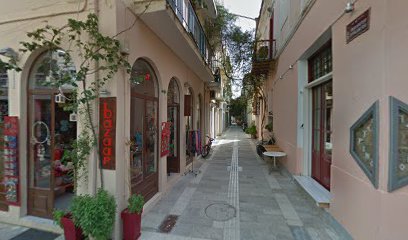
Feelwood Concept Store
18.6 km
Explore the Feelwood Concept Store in Nafplio for exquisite bags, watches, and optical products, blending craftsmanship with contemporary design.
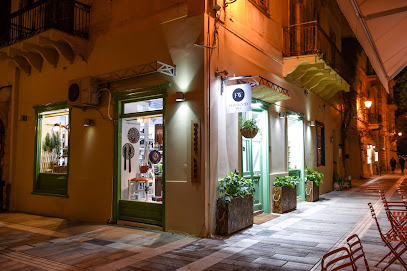
Kapnopoleio
18.6 km
Experience the rich tradition of tobacco culture at Kapnopoleio in Nafplio, where quality meets craftsmanship in a charming setting.
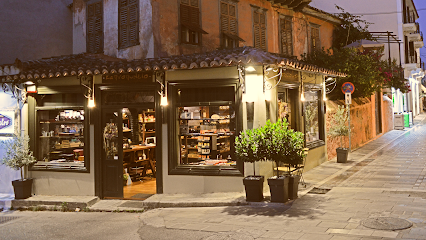
Papailiou - The fashion store
18.6 km
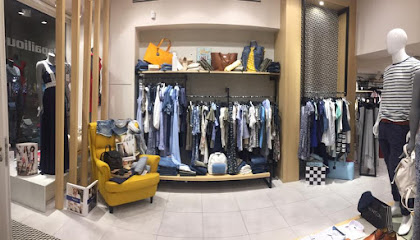
Discover stylish women's clothing and accessories at Papailiou in Nafplio, where elegance meets contemporary Greek fashion.
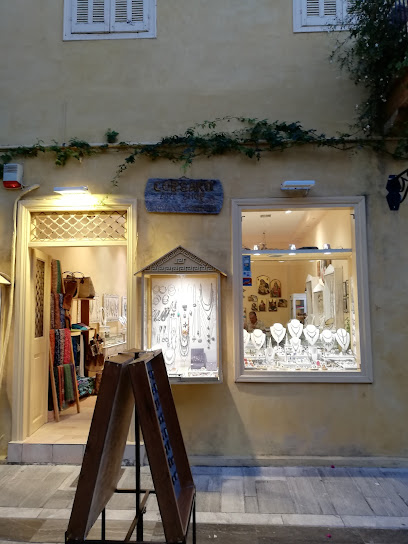
Corsaro Art Shop
18.6 km
Explore Corsaro Art Shop in Nafplio, where exquisite craftsmanship meets the rich cultural heritage of Greece in stunning jewelry pieces.
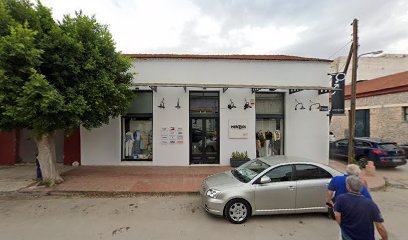
MENZIES Clothing Store
18.6 km
Uncover the latest fashion trends at MENZIES Clothing Store in Nafplion, where quality meets style in a beautiful shopping environment.
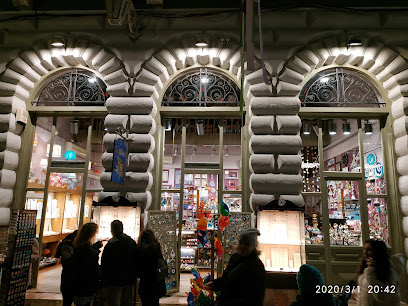
Το Λαϊνέλι
18.6 km
Explore the enchanting Το Λαϊνέλι in Nafplio for unique artisanal products that capture the spirit of Greece.
Essential bars & hidden hideouts

Jukebox espresso bar
18.1 km
Experience the vibrant atmosphere and exceptional coffee at Jukebox Espresso Bar in Nafplio, a must-visit for every coffee lover.
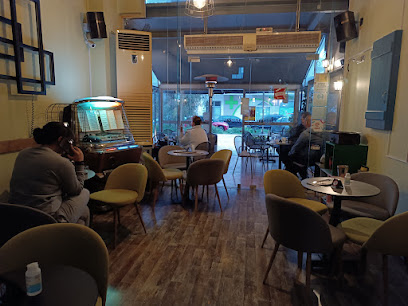
CuCuRuCu Nafplio
18.5 km
Experience the authentic flavors of Greece at CuCuRuCu in Nafplio, a grill restaurant renowned for its exquisite dishes and warm hospitality.
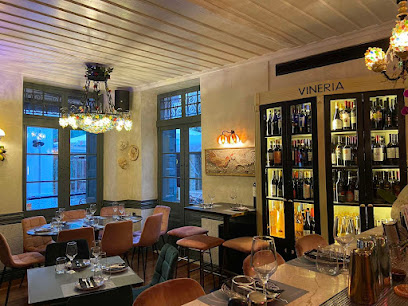
Black Cat
18.5 km
Experience the cozy charm of Black Cat Café in Nafplio, where delicious coffee meets inviting atmosphere in the heart of this historic town.
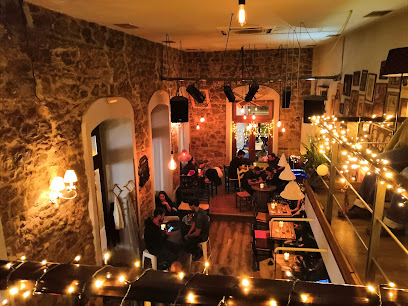
alkioni wine bar & cellar
18.5 km
Discover the rich flavors of Greece at Alkioni Wine Bar & Cellar, where exquisite wines meet delightful local cuisine in a cozy atmosphere.
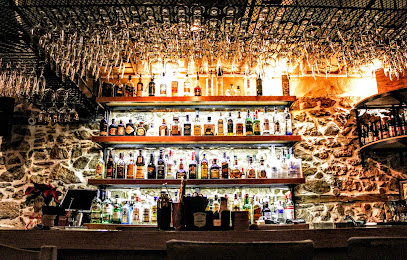
YDRAGOGIO Cocktail-Bar
18.5 km
Experience the vibrant nightlife at YDRAGOGIO Cocktail-Bar in Nafplio, where expertly crafted cocktails meet a lively atmosphere.
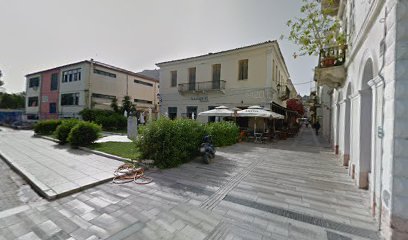
ROSSO music cafe | wine bar
18.5 km
Discover ROSSO Music Cafe in Nafplio: where exceptional coffee, live music, and a vibrant atmosphere create unforgettable moments.
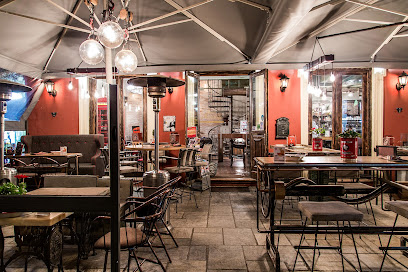
Petrino Bar Nafplio
18.6 km
Experience the vibrant nightlife of Nafplio at Petrino Bar, where every drink tells a story and every night is alive with energy.
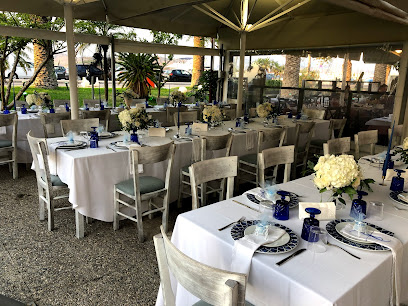
Onyx Lounge Bar
18.6 km
Onyx Lounge Bar: A stylish retreat in Nafplio, Greece, offering exquisite cocktails and a relaxing atmosphere for tourists and locals alike.
ΞENON Café · Bistro
18.6 km
Discover the flavors of Nafplio at ΞENON Café · Bistro, where Mediterranean cuisine meets a vibrant café atmosphere.
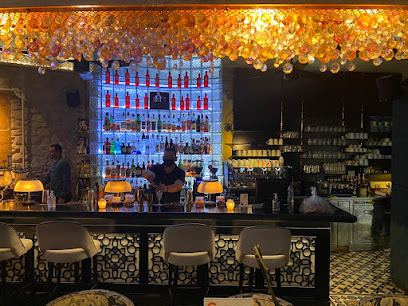
Mediterraneo wine & deli
18.6 km
Discover the essence of Mediterranean flavors at Mediterraneo Wine & Deli in Nafplio, where exquisite wines and gourmet delicacies await.
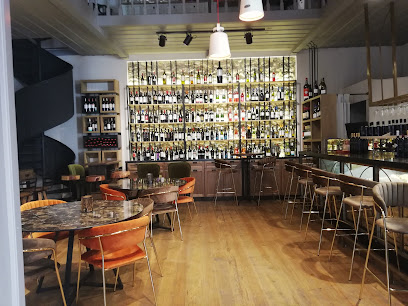
MENTΩR bar & grill
18.6 km
Savor the best grilled dishes in Nafplio at MENTΩR Bar & Grill, where local flavors meet modern culinary excellence.
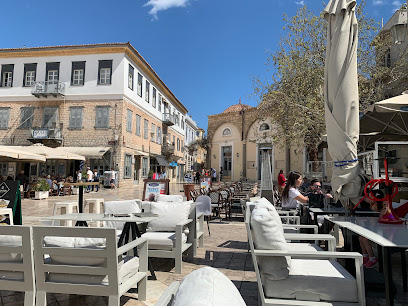
Motiv All Day Bat
18.7 km
Discover the lively atmosphere of Motiv All Day Bat, a top bar in Nafplio, Greece, perfect for refreshing drinks and vibrant socializing.
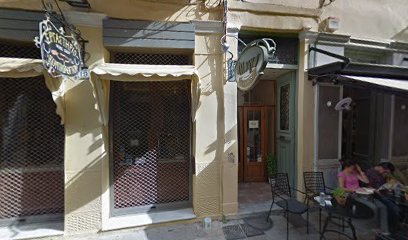
Allotino Coffee & Bar
18.7 km
Discover the essence of Nafplio at Allotino Coffee & Bar, where refreshing drinks and delightful ambiance meet.
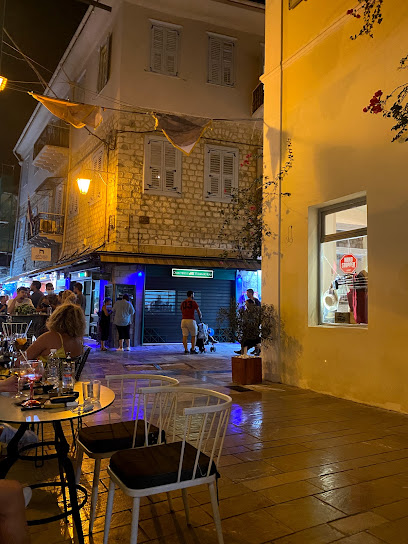
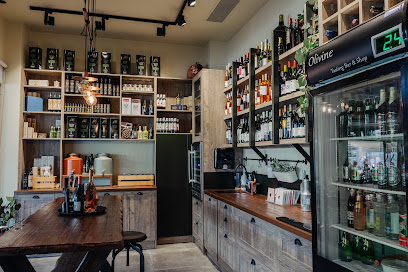
AG OLIVINE Tasting Bar And Shop
18.7 km
Experience the finest Greek olive oils and wines at AG OLIVINE Tasting Bar And Shop in Nafplio, where every taste tells a story.
Emporio
18.8 km
Discover the vibrant nightlife of Nafplio at Emporio, where cocktails meet local culture in a cozy bar atmosphere.

Nightclubs & after hour spots

Akanthus summer Nafplio
15.8 km
Unleash your spirit at Akanthus Summer, Nafplio's premier night club offering vibrant nightlife, stunning views, and an unforgettable atmosphere.
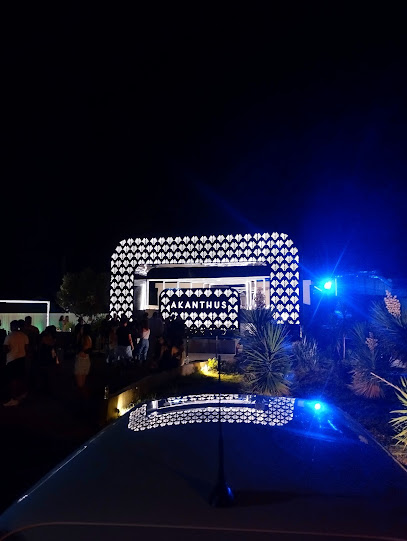
Ακρωτήρι Club - Ναύπλιο
15.8 km
Discover the ultimate nightlife experience at Ακρωτήρι Club in Ναύπλιο, where vibrant music and stunning seaside views create unforgettable memories.

Akanthus
18.6 km
Experience the vibrant nightlife of Nafplio at Akanthus, where dancing, music, and stunning views create unforgettable nights.

Blublanc
18.9 km
Discover the vibrant Blublanc restaurant in Nafplio, where delicious grilled cuisine meets breathtaking seaside views and lively nightlife.
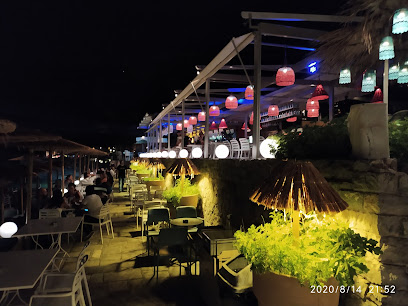
Zorbas NIght Life
23.8 km
Discover the heart of Nafplio's nightlife at Zorbas Night Life, where live music and vibrant atmosphere create unforgettable experiences.
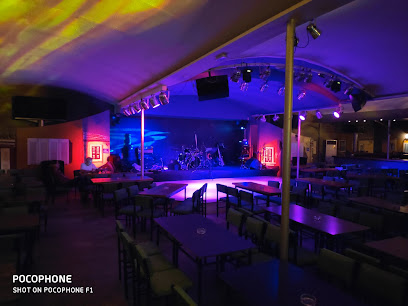
Disco Safari
27.0 km
Experience the energetic nightlife of Kokkoni at Disco Safari, where music meets dance in a vibrant disco atmosphere.
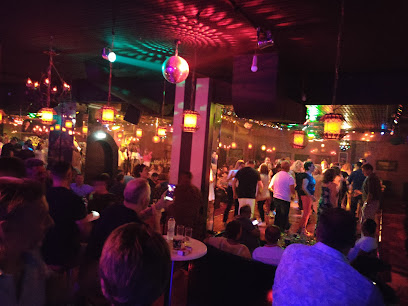
Αντίδοτο Greek Night Club
31.5 km
Experience the vibrant nightlife at Αντίδοτο Greek Night Club in Kiato, where dance, music, and unforgettable moments await.

Pharaoh Club
31.7 km
Discover the electrifying nightlife at Pharaoh Club in Kiato, where music and dance come alive in a vibrant disco atmosphere.

Base club
31.8 km
Discover the electrifying nightlife at Base Club in Kiato, Greece, where music, dancing, and vibrant energy create unforgettable experiences.

Marquee Loutraki
32.5 km
Discover the vibrant nightlife of Loutraki at Marquee Loutraki, where dance, music, and unforgettable memories come together.

Markiz_ Club
40.3 km
Discover the vibrant nightlife at Markiz Club in Xylokastro, where music, dancing, and unforgettable moments await every visitor.
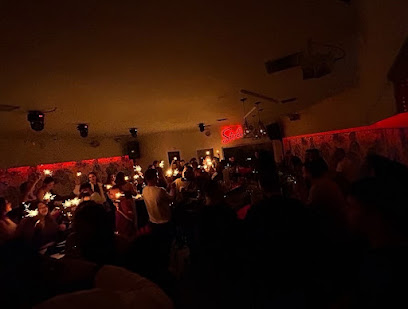
club Castle
51.8 km
Unleash the night at Club Castle in Anguistri, where creative cocktails and lively music create an unforgettable nightlife experience.
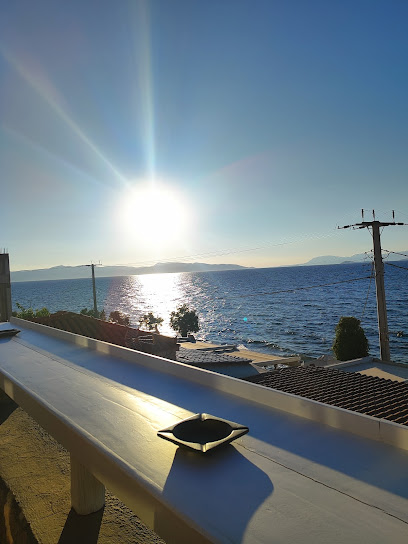
club Taboo
53.0 km
Discover the electrifying nightlife at Club Taboo in Skala, Greece, where exceptional music and cocktails create unforgettable moments.
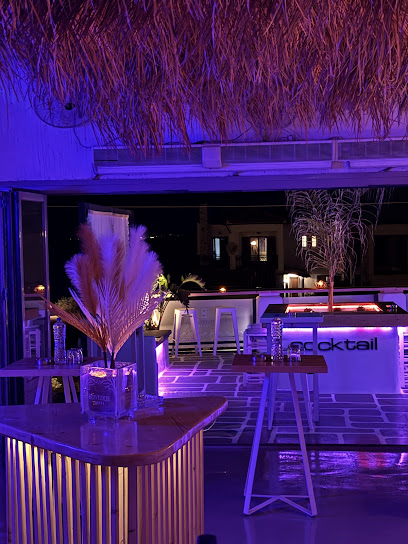
Ellinikon Seaside
59.2 km
Discover the vibrant nightlife of Ellinikon Seaside, a premier night club in Aegina, Greece, featuring stunning views and electrifying music.
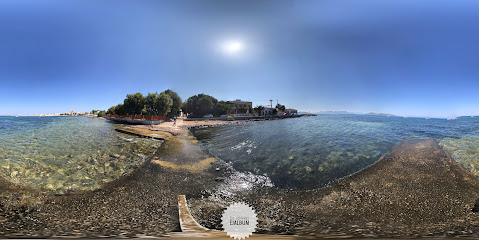
Ellinikon vintage
59.3 km
Discover the energetic nightlife of Aegina at Ellinikon Vintage, where music, dancing, and a vibrant atmosphere await you on Greece's charming island.