Corinth Canal, North Aegean Travel Guide
Witness the Corinth Canal, a historic shortcut connecting two seas, offering stunning views and a glimpse into ancient engineering ambition.
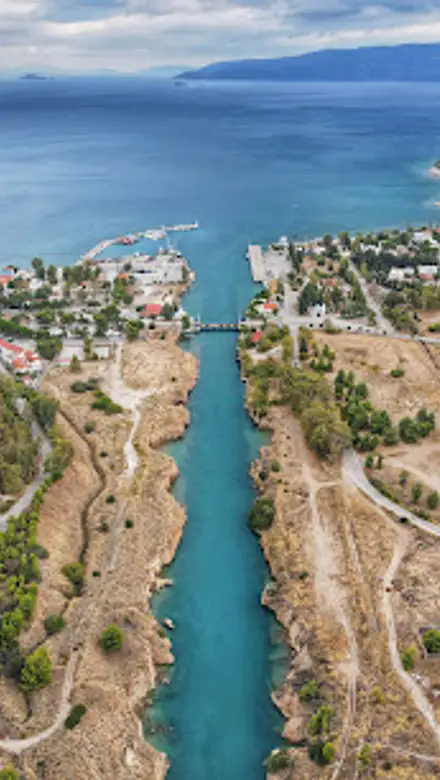
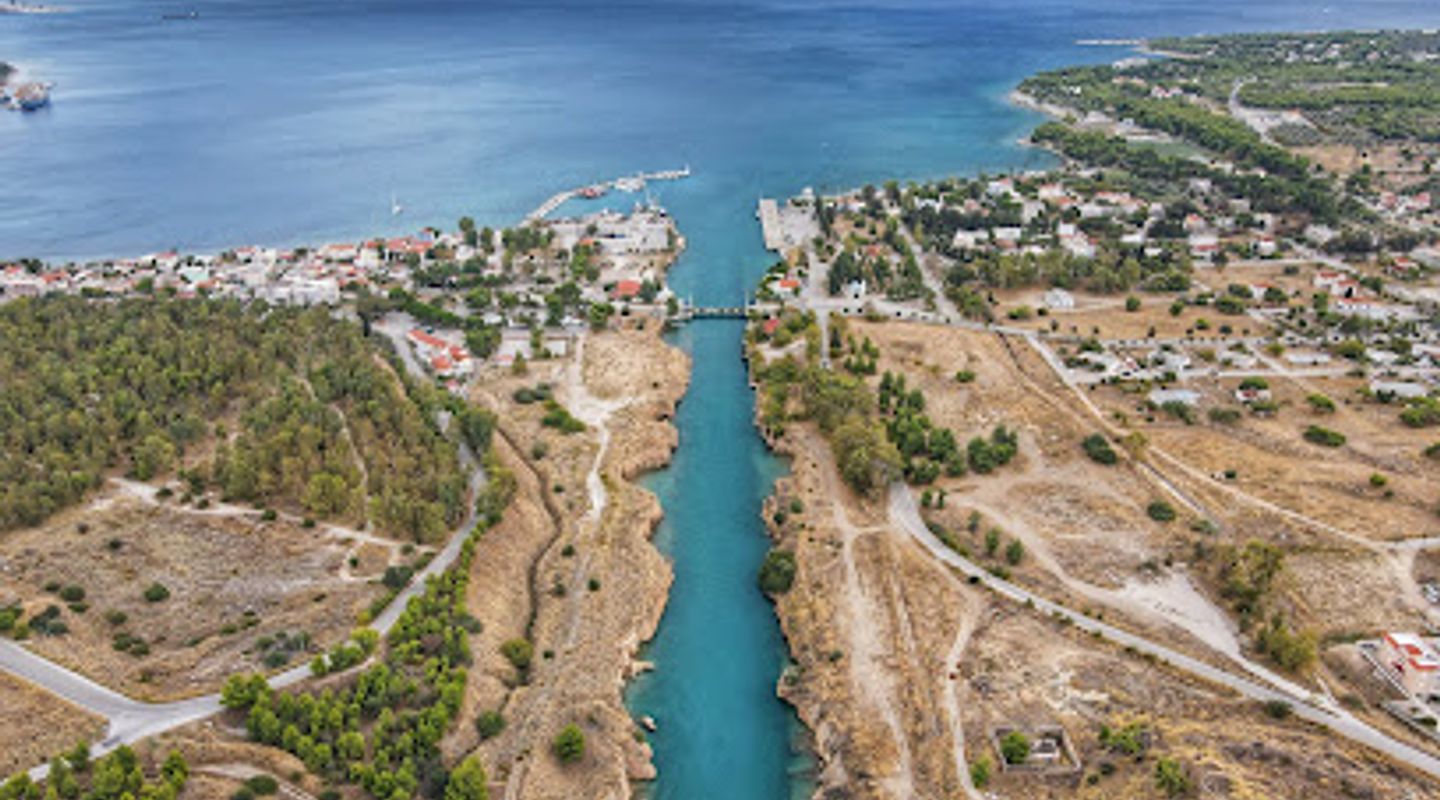
The Corinth Canal is a narrow waterway connecting the Gulf of Corinth with the Saronic Gulf, cutting through the Isthmus of Corinth. This 6.3-kilometer canal separates the Peloponnese peninsula from mainland Greece, saving ships a lengthy journey around the peninsula. With walls rising 90 meters above the water, it's a stunning, if underutilized, feat of engineering.
A brief summary to Corinth Canal
- GR

Know before you go
Hi, I'm Eve. Here are a few practical things to know before exploring Corinth Canal.
- Walk across one of the bridges for impressive views of the canal's narrow passage and towering walls.
- Consider a boat tour for a unique perspective of the canal from water level.
- If you're an adrenaline junkie, try bungee jumping from the bridge.
- Visit the submersible bridge at Isthmia to witness it sinking underwater for passing ships.
Do you manage this location?
Take control to get all the benefits, like improved information, better appearance, and stronger visibility across AI-powered discovery. Learn more about listing your business on Evendo
Activate your presenceOther nearby places you may find interesting
The closest places of the same kind, if this one is not quite what you had in mind.
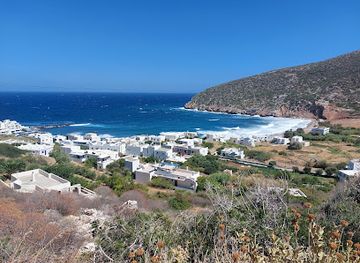
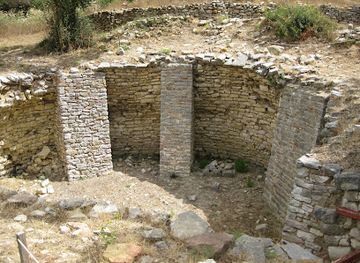
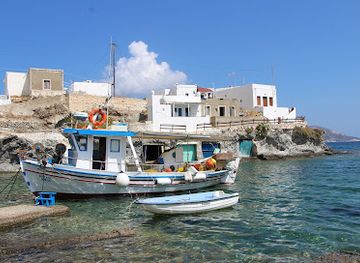
Explore Corinth Canal on the Map
A handpicked selection of must-see spots near Corinth Canal, mapped for you.
Unlock the Best of Corinth Canal
Buy tickets
-
No tickets available
Book tours with entry


Getting There
-
Bus
From Corinth Station, take the KTEL Korinthias bus to Corinth Isthmos station. The bus departs hourly and the journey takes approximately 10 minutes. A ticket costs approximately €2.
-
Taxi
From Corinth Station, a taxi to the Corinth Canal takes about 11 minutes and costs approximately €9-€11.
Discover more about Corinth Canal













Your all‑in‑one travel companion app
Explore expert travel guides, compare and book tours, experiences, hotels, and more—all from the palm of your hand. Download now for seamless trip planning wherever your wanderlust takes you.


Explore More of North Aegean
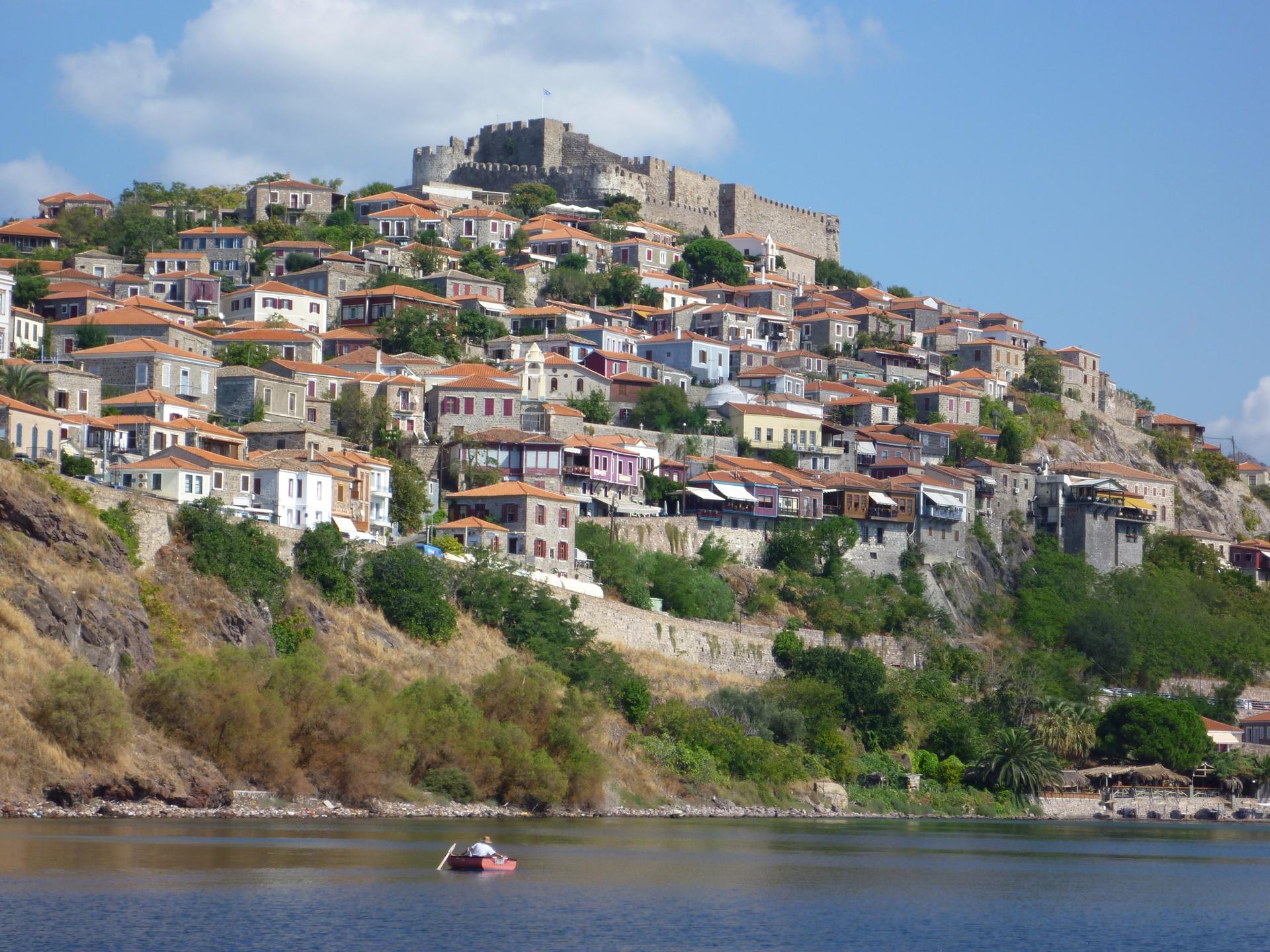
Looking beyond Corinth Canal? Discover North Aegean for broader travel guides, local hot-spots, and regional highlights.
Explore North Aegean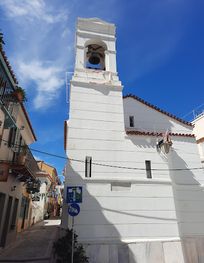
Visit the Church of Saint Spyridon in Nafplion, a historic site with stunning architecture and a significant place in Greek history.
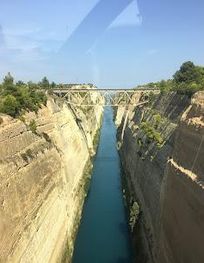
Explore the historic Old Isthmus Railway Bridge in Loutraki-Perachora, Greece, offering scenic views and a glimpse into the region's engineering past.