

Free North Aegean Travel Guide & Mobile App
Explore North Aegean with free travel guides. Discover regional history, expert tips, proposed trips, and audio guides on web or mobile app.


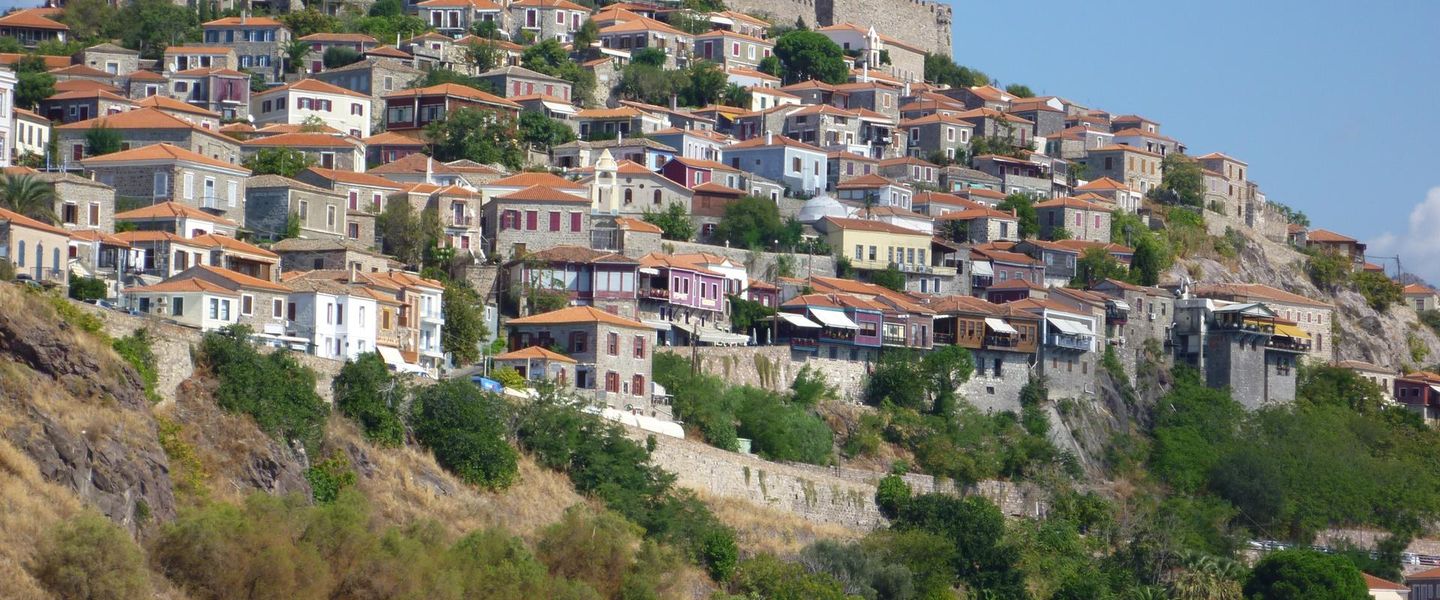


Explore Greece’s North Aegean through mastic villages, ancient sanctuaries, volcanic landscapes, mountain communities and distinctive island cuisine.
Read more about North Aegean
When is the best time to visit North Aegean?
Best: May–June, October · 23–28°C| Month | High (°C) | Rainfall (mm) |
|---|---|---|
| January | 12 | 60 |
| February | 13 | 50 |
| March | 16 | 50 |
| April | 19 | 40 |
| May (best) | 24 | 30 |
| June (best) | 28 | 10 |
| July | 31 | 10 |
| August | 31 | 20 |
| September | 28 | 40 |
| October (best) | 23 | 50 |
| November | 18 | 60 |
| December | 14 | 70 |
Getting to and around North Aegean
How to get there
Transportation
Best attractions in North Aegean
The North Aegean’s attractions are spread across markedly different island environments. Lesbos combines the Petrified Forest in the west with the cultural museums, castle and harbour life of Mytilene, the medieval settlement of Molyvos and extensive olive-growing countryside. Chios is distinguished by the mastic villages of the south, the Byzantine monastery of Nea Moni and beaches ranging from sheltered coves to open western shores. Samos offers the archaeological landscape of Pythagoreion and the Heraion, forested mountain routes and villages associated with wine production. Ikaria is better suited to travellers who enjoy hot springs, rugged walking country, small ports and traditional mountain settlements than to conventional resort touring. Lemnos provides broad beaches, wetlands, dunes, volcanic formations and prehistoric remains at Poliochni, while its archaeological sites reveal a long maritime history. Smaller islands bring a simpler experience of harbours, fishing, swimming and walking, but their transport and facilities are limited. Across the region, museums, churches, monasteries, food producers, geological sites and coastal landscapes reward visitors who travel beyond the main ports and allow time for local conditions.
-
Historical landmark
Acropolis of Athens
Discover the Acropolis of Athens, an iconic historical landmark that showcases ancient Greek architecture and rich cultural heritage.
-
Monastery
Meteora
Discover the awe-inspiring Meteora in Greece, where towering rock formations meet ancient monasteries, offering a unique blend of nature and spirituality.
-
City park
Lycabettus Hill
Experience the breathtaking views and serene beauty of Lycabettus Hill in Athens, a historical landmark and perfect retreat for all visitors.
-
Historical landmark
Arch of Galerius
Discover the Arch of Galerius in Thessaloniki, a historic marvel showcasing ancient Roman artistry and architectural brilliance, steeped in rich cultural heritage.

Best landmarks in North Aegean
The North Aegean’s most significant landmarks reflect its position between the classical, Byzantine, Ottoman and modern Greek worlds. On Samos, the monumental remnants of the Heraion and the ancient city of Pythagoreion form the region’s clearest classical landscape and are recognised together as a UNESCO World Heritage Site. Chios’s Nea Moni is an important eleventh-century Byzantine monastery, celebrated for its mosaics, while the fortified mastic villages of southern Chios express the architectural importance of the island’s historic resin trade. Lesbos is marked by Mytilene Castle, whose long history of rebuilding reflects successive Byzantine, Genoese and Ottoman phases, and by the stone formations and exposed trees of the western Petrified Forest. Molyvos, with its hilltop fortress and densely built historic settlement, is one of the island’s most recognisable profiles. Lemnos contributes the prehistoric site of Poliochni, while Ikaria’s steep mountains, ravines and springs are geographical landmarks in their own right. Across the islands, working harbours, wind-shaped hills and terraced villages are often as emblematic as formal monuments.
-
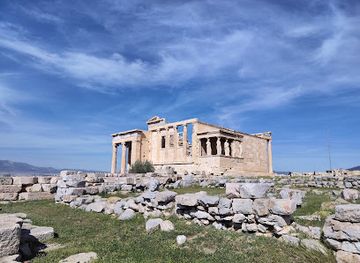
 Historical landmark
Acropolis of Athens
Explore the iconic Acropolis of Athens, a UNESCO World Heritage site and symbol of ancient Greek civilization, with its breathtaking views and monuments.
-
Historical landmark
Parthenon
Explore the Parthenon, an iconic symbol of ancient Greece and Athenian democracy, standing proudly on the Acropolis for over 2,500 years.
-
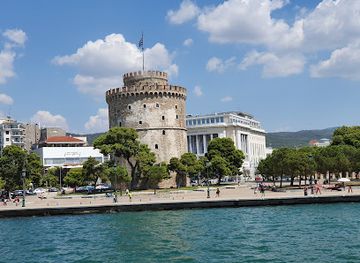
Historical place
White Tower of Thessaloniki
Explore Thessaloniki's history at the iconic White Tower, a waterfront monument with panoramic views and a museum showcasing the city's rich heritage.
-
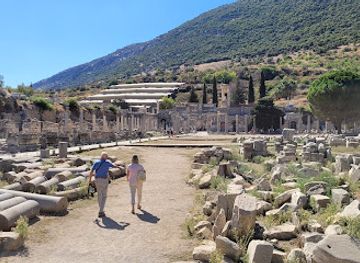
Historical landmark
Ephesus Ancient City
Discover Ephesus: Explore ancient Roman ruins, wander marble streets, and uncover centuries of history at this UNESCO World Heritage Site in Turkey.
Explore North Aegean on the map
Plan your trip on one map. See where the top cities, national parks and sights are, and book hotels and experiences in a few clicks.
Best hotels in North Aegean
Best restaurants in North Aegean
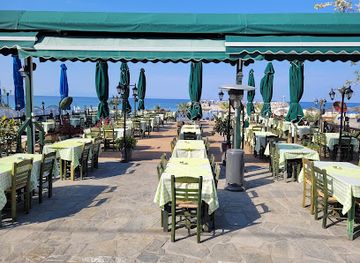
North Aegean cooking is strongly island-specific, with a common emphasis on seasonal vegetables, pulses, herbs, olive oil, seafood and slow-cooked meat. Lesbos is particularly associated with ouzo served alongside small plates of fish, shellfish, cheese and meze, while Chios brings masticha into sweets, drinks and confectionery and is known for produce from its citrus-growing Kampos and mastic districts. Samos has a long wine tradition, and local tavernas pair its wines with grilled fish, stuffed vegetables, cheeses and village dishes. Lemnos is noted for distinctive dairy products, including kalathaki-style cheese, as well as wheat, honey and rustic baking; Ikaria is known for home-style cooking based on beans, greens, vegetables and local meat. In the ports, visitors will find fish tavernas, bakeries, cafés and contemporary restaurants, while inland villages tend to focus on family-run cooking and seasonal ingredients. Farmers’ markets and small food shops are useful for discovering regional products, but availability changes with harvests and catches.
-
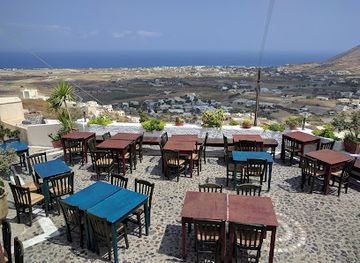
Greek
Metaxi Mas
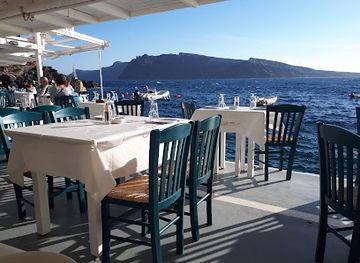
Experience authentic Greek flavors at Metaxi Mas in Santorini—a dining destination where tradition meets breathtaking views.
-
Restaurant
Taverna Irene Official
Discover authentic Greek cuisine at Taverna Irene in Potos—where stunning beach views meet delicious dining experiences.
-
Restaurant
Scorpios
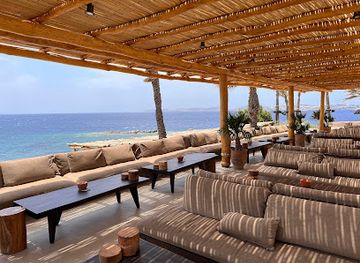
Experience luxury dining at Scorpios in Mykonos – where exquisite cuisine meets breathtaking beachside views.
-
Seafood
Sunset Ammoudi by Paraskevas
Experience exquisite seafood dining at Sunset Ammoudi in Santorini with stunning sea views and authentic Greek flavors.
Best bars in North Aegean
Evening life in the North Aegean is usually social and unhurried rather than dominated by large clubs. Mytilene, Chios Town, Vathy and the busier coastal settlements have a concentration of cafés, ouzeries, wine bars and late-opening restaurants, with outdoor tables becoming central during summer. Lesbos has a particularly strong ouzeri culture, where drinks are accompanied by small dishes rather than consumed in isolation. In Samos and Chios, waterfront cafés and bars provide the main evening circuit, while Ikaria’s villages and island festivals can continue late through music, dancing and communal food. Lemnos has a modest nightlife scene centred on Myrina and other port settlements, with seasonal bars and restaurants. Smaller islands generally offer a few tavernas, cafés or local gathering places instead of a formal club district. Opening patterns vary considerably outside July and August, so rural evenings are often best spent over dinner, a harbour walk or a local cultural event.
-
Bar
360 Cocktail Bar
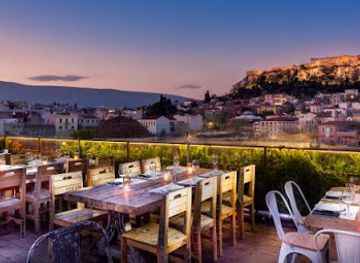
Discover Athens' vibrant nightlife at 360 Cocktail Bar, where exquisite cocktails and breathtaking views combine for an unforgettable experience.
-
Cocktail bar
Upupa Epops
Discover Upupa Epops, a vibrant cocktail bar in Athens offering unique drinks and a lively atmosphere perfect for any night out.
-
Bar
The Clumsies
Discover the vibrant atmosphere and innovative cocktails at The Clumsies, a top cocktail bar in Athens, blending culture and nightlife in one unforgettable experience.
-
Bar
Paliatsos Bar Athens
Experience the vibrant atmosphere and tantalizing flavors at Paliatsos Bar, the perfect spot for cocktails and dining in Penteli, Athens.
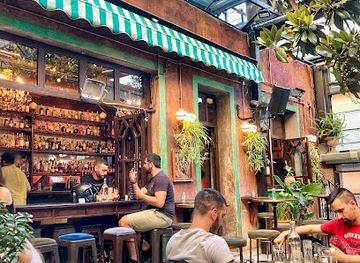
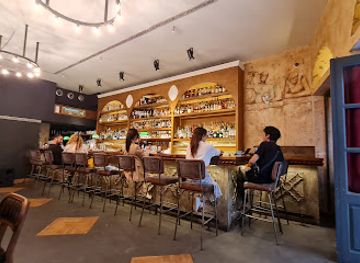
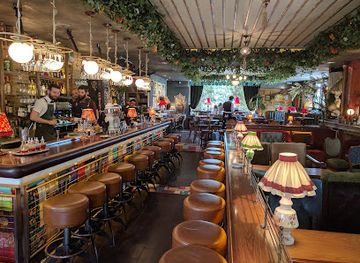
Best nightclubs in North Aegean
Evening life in the North Aegean is usually social and unhurried rather than dominated by large clubs. Mytilene, Chios Town, Vathy and the busier coastal settlements have a concentration of cafés, ouzeries, wine bars and late-opening restaurants, with outdoor tables becoming central during summer. Lesbos has a particularly strong ouzeri culture, where drinks are accompanied by small dishes rather than consumed in isolation. In Samos and Chios, waterfront cafés and bars provide the main evening circuit, while Ikaria’s villages and island festivals can continue late through music, dancing and communal food. Lemnos has a modest nightlife scene centred on Myrina and other port settlements, with seasonal bars and restaurants. Smaller islands generally offer a few tavernas, cafés or local gathering places instead of a formal club district. Opening patterns vary considerably outside July and August, so rural evenings are often best spent over dinner, a harbour walk or a local cultural event.
-
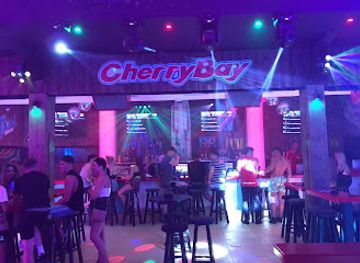
Disco club
CherryBay Zante
Unleash your night at CherryBay Zante, the ultimate disco club in Laganas for electrifying music, cocktails, and vibrant nightlife.
-
Night club
Cavo Paradiso Club Mykonos
Experience the ultimate nightlife at Cavo Paradiso, Mykonos' iconic club with stunning views, top DJs, and an electrifying atmosphere.
-
Bar
Paradise Beach Club Mykonos
Paradise Beach Club Mykonos: Where stunning views and vibrant nightlife meet on the beautiful shores of Mykonos.
-
Night club
Koo Club
Experience the vibrant nightlife of Fira at Koo Club, Santorini's premier night club with electrifying music and a lively atmosphere.


Best shops in North Aegean
Shopping in the North Aegean is best approached through local produce, small workshops and market-town streets rather than large retail centres. Mytilene has the widest selection on Lesbos, including food shops, independent stores, ceramics and products connected with olive oil and ouzo; Molyvos and Petra offer seasonal craft and art shops in historic surroundings. Chios is the place to look for masticha resin, sweets, liqueurs, cosmetics and packaged products from the southern mastic villages, as well as citrus preserves and local ceramics. Samos shops stock wine, honey, olive oil, herbs and traditional foods, while Lemnos is known for cheeses, wheat products, honey and wines. Ikaria’s smaller shops and markets often focus on herbs, textiles, honey, ceramics and island foods. In port towns, compare prices and packaging before buying edible gifts, particularly when travelling by air. Market days and village festivals provide a more direct encounter with local products, but schedules vary by island and season.
-
Outlet mall
Designer Outlet Athens
Discover unbeatable discounts on top brands at Designer Outlet Athens, your ultimate shopping destination near Greece's vibrant capital.
-
Souvenir store
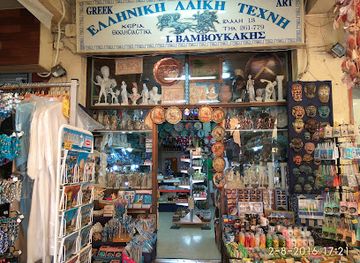
GREEK ART SOUVENIRS VAMVOUKAKIS
Explore the vibrant world of Greek Art Souvenirs Vamvoukas in Thessaloniki, where culture and creativity unite in unique handcrafted treasures.
-
Shopping mall
Epsilon Shopping centre
Explore Epsilon Shopping Centre in Αμμούδες for unique finds and local charm in a diverse shopping experience.
-
Shopping mall
Le Desir Shopping Center
Discover Le Desir Shopping Center in Kioatari – a vibrant shopping destination with diverse stores and dining options, perfect for every traveler.

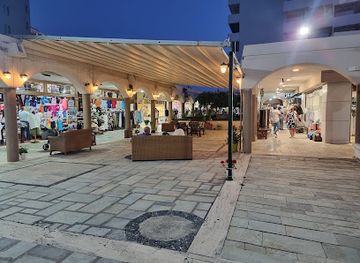

Get your free copy of our complete guide to North Aegean, delivered straight to you.
Everything on this page, from attractions and restaurants to essentials and local phrases, in one PDF you can read offline, print or share.
Already have an account? Sign in
Your North Aegean guide is ready.
We'll send it to · Not you? Sign out

Getting your guide ready…
We are putting together a fresh copy of the North Aegean guide. This can take up to a minute.
This can take a few moments. If your browser asks, choose Allow so the download can start. You'll find the guide in your Downloads folder.
Nothing happened? Download it again
Sorry, the guide is taking longer than usual. Please try again in a minute, or get it by email instead.
North Aegean essentials
Currency and Payment
Safety
Emergency Situations
Do's and Don'ts
Local Tips
From Eve
Local phrases worth knowing
You don't need to get them perfect. A few words go a long way, and locals appreciate the effort.
Basics
| English | Local | Say it |
|---|---|---|
| Hello | Γεια σου | [Yia sou] |
| Goodbye | Αντίο | [Adío] |
| Yes | Ναι | [Neh] |
| No | Όχι | [Óchi] |
| Please/You're welcome | Παρακαλώ | [Parakaló] |
| Thank you | Ευχαριστώ | [Efcharistó] |
| Excuse me/Sorry | Συγγνώμη | [Signómi] |
| How are you? | Πώς είσαι; | [Pós eísai?] |
| Fine. And you? | Καλά. Εσύ; | [Kalá. Esý?] |
| Do you speak English? | Μιλάς αγγλικά; | [Milás angliká?] |
| I don't understand | Δεν καταλαβαίνω | [Den katalavaino] |
Eating & Drinking
| English | Local | Say it |
|---|---|---|
| I'd like to see the menu, please | Θα ήθελα να δω το μενού, παρακαλώ | [Tha íthela na do to menó, parakaló] |
| I don't eat meat | Δεν τρώω κρέας | [Den tróo kréas] |
| Cheers! | Στην υγειά μας! | [Stin ygeiá mas!] |
| I would like to pay, please | Θα ήθελα να πληρώσω, παρακαλώ | [Tha íthela na pliróso, parakaló] |
Emergencies
| English | Local | Say it |
|---|---|---|
| Help! | Βοήθεια! | [Voítheia!] |
| Go away! | Φύγε! | [Fýge!] |
| Call the Police! | Καλέστε την αστυνομία! | [Kaléste tin astynomía!] |
| Call a doctor! | Καλέστε έναν γιατρό! | [Kaléste énan giatró!] |
| I'm lost | Έχω χαθεί | [Écho chatheí] |
| I'm ill | Είμαι άρρωστος/η | [Eímai árrhostos/i] |
Shopping
| English | Local | Say it |
|---|---|---|
| I'd like to buy... | Θα ήθελα να αγοράσω... | [Tha íthela na agoráso...] |
| I'm just looking | Απλώς κοιτάω | [Aplós kitáo] |
| How much is it? | Πόσο κοστίζει; | [Póso kostízei?] |
| That's too expensive | Αυτό είναι πολύ ακριβό | [Aftó eínai polý akrivó] |
| Can you lower the price? | Μπορείς να κατεβάσεις την τιμή; | [Borís na kateváseis tin timí?] |
Time & Numbers
| English | Local | Say it |
|---|---|---|
| What time is it? | Τι ώρα είναι; | [Ti órá eínai?] |
| It's one o'clock | Είναι μία η ώρα | [Eínai mía i órá] |
| Half past (10) | Δέκα και μισή | [Déka kai misí] |
| Morning | Πρωί | [Proí] |
| Afternoon | Απόγευμα | [Apógevma] |
| Evening | Βράδυ | [Vrády] |
| Yesterday | Χθες | [Chthes] |
| Today | Σήμερα | [Síméra] |
| Tomorrow | Αύριο | [Ávrio] |
| 1 | 1 | [1] |
| 2 | 2 | [2] |
| 3 | 3 | [3] |
| 4 | 4 | [4] |
| 5 | 5 | [5] |
| 6 | 6 | [6] |
| 7 | 7 | [7] |
| 8 | 8 | [8] |
| 9 | 9 | [9] |
| 10 | 10 | [10] |
Transport & Directions
| English | Local | Say it |
|---|---|---|
| Where's a/the...? | Πού είναι ένα/το...; | [Poú eínai éna/to...?] |
| What's the address? | Ποια είναι η διεύθυνση; | [Poia eínai i diéfthynsi?] |
| Can you show me (on the map)? | Μπορείς να μου δείξεις (στο χάρτη); | [Borís na mou deíxeis (sto chárti)?] |
| When's the next (bus)? | Πότε είναι το επόμενο (λεωφορείο); | [Póte eínai to epómeno (leoforeío)?] |
| A ticket (to ....) | Ένα εισιτήριο (για ...) | [Éna eisitírio (gia ...)] |
History of North Aegean
Prehistoric Settlements and the Early Aegean
The North Aegean has been inhabited since prehistoric times, with Lemnos providing some of the region’s clearest evidence. Poliochni on the island’s eastern coast developed into a substantial settlement during the Early Bronze Age and is often discussed alongside the earliest urban communities of the Aegean. Other islands preserve prehistoric remains, burial sites and traces of maritime exchange. Their position between the Greek mainland and Anatolia made them intermediaries in the movement of people, metals, pottery and ideas long before the classical period.
Archaic and Classical Island Communities
During the Archaic and Classical eras, Lesbos, Chios and Samos became important centres of seafaring, agriculture, craftsmanship and intellectual life. Samos was associated with the philosopher and mathematician Pythagoras and developed the large sanctuary of Hera, while Chios prospered through maritime commerce and wine production. Lesbos produced major poets including Sappho and Alcaeus, whose work remains central to the island’s cultural identity. Political arrangements varied between city-states, oligarchies and periods of external domination, reflecting the wider struggles of the Aegean world.
Persian, Athenian and Hellenistic Influence
The islands were repeatedly drawn into conflicts involving the Persian Empire and the rising power of Athens. Samos and other North Aegean communities shifted allegiance during the Persian Wars and the later Delian League, while local autonomy was frequently balanced against imperial demands. After the campaigns of Alexander the Great, the islands participated in the Hellenistic networks of trade and diplomacy. The ancient cities of Pythagoreion and Mytilene, together with sanctuaries and harbour settlements elsewhere, illustrate the region’s continuing importance within a connected eastern Mediterranean.
Roman and Byzantine Rule
Rome incorporated the North Aegean into its Mediterranean political system, and the islands continued to benefit from maritime connections while also experiencing taxation, administrative change and periods of insecurity. Christianity gradually reshaped the cultural landscape. Byzantine rule left particularly notable evidence at sites such as Nea Moni on Chios, founded in the eleventh century and renowned for its mosaics, and in the churches, monasteries and fortified settlements of the islands. The region’s strategic location also made it vulnerable to raids and competition between Byzantine and other naval powers.
Genoese, Venetian and Ottoman Connections
From the later medieval period, commercial and military powers from western Europe competed with Byzantium and one another for control of the islands. Chios was governed for centuries by the Genoese Maona, whose influence is still associated with the island’s fortified southern mastic villages and maritime commerce. Lesbos and other islands experienced rule by Genoese or Venetian-linked powers before incorporation into the Ottoman Empire. Ottoman administration lasted for several centuries, leaving architectural, linguistic and social traces alongside the older Greek Orthodox heritage.
The Greek State and the Asia Minor Connection
Most of the North Aegean islands joined the modern Greek state during the early twentieth century, after the Balkan Wars and the weakening of Ottoman rule. Their proximity to Anatolia meant that the region was deeply affected by the 1923 population exchange between Greece and Turkey. Refugees settled in towns and villages, adding new skills, recipes, music and commercial networks to established island societies. Lesbos, Chios and Samos in particular retain cultural memories of this movement, while their ports continued to face the mainland across a narrow but historically significant sea.
Agriculture, Shipping and Modern Tourism
The islands’ modern economies developed through a combination of farming, fishing, shipping, small-scale manufacturing and migration. Olive cultivation and ouzo production are strongly associated with Lesbos; Chios retains its distinctive mastic economy; Samos is known for wine; and Lemnos has long supported grain, livestock and dairy production. Tourism expanded after the mid-twentieth century but did not erase the importance of these local industries. Today the region balances seasonal visitors with working ports, agricultural communities, archaeological conservation and the practical challenges of island depopulation and transport.
North Aegean in Photos
Browse through our photo collection highlighting the charm and character of the destination.
Neighbouring regions of North Aegean
The closest regions to North Aegean, if you have time for more than one.
-
-

-

-

-


Swipe for more regions
Explore more
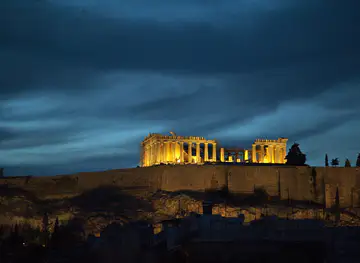
Explore more of Greece
Discover Greece: A land where ancient history meets modern vibrancy, offering stunning islands, crystal-clear seas, and unforgettable cultural experiences.
Explore Greece