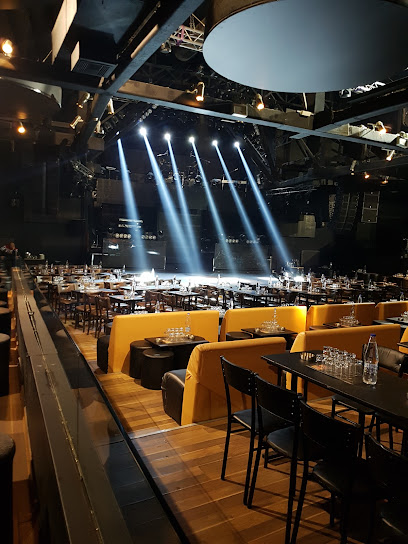
Archaeological Museum of Aphaia: Echoes of Ancient Aegina
Explore artifacts from the Temple of Aphaia, revealing Aegina's ancient history and religious practices in a serene setting.
Nestled within the Temple of Aphaia complex on Aegina Island, the Archaeological Museum showcases finds from the temple's history, offering insights into the island's past. Discover sculptures, pottery, and votive offerings that illuminate the worship of Aphaia, later associated with Athena.
A brief summary to Archaeological Museum of Aphaia
- Aegina, 180 10, GR
- Visit website
Local tips
- Combine your museum visit with exploration of the Temple of Aphaia ruins for a comprehensive experience.
- Take in the panoramic views of the Saronic Gulf from the temple grounds.
- Check the museum's seasonal opening hours, as they vary.

Getting There
-
Public Transport
From Aegina Town, take the KTEL bus towards Agia Marina. The bus stops at the Temple of Aphaia. The journey is approximately 25 minutes. Buses are not very frequent, with approximately 5-8 buses per day, so check the timetable in advance. A one-way ticket costs between €1.80 and €2.00.
-
Taxi
Taxis are available at Aegina Port. A taxi to the Temple of Aphaia costs approximately €7-€17. Confirm the price with the driver before starting your journey.
Discover more about Archaeological Museum of Aphaia
Iconic landmarks you can’t miss

Holy Church of Saint Nectarios of Aegina
4.3 km
Visit the Holy Church of Saint Nectarios in Aegina, a beacon of faith and healing, and explore its rich spiritual heritage.
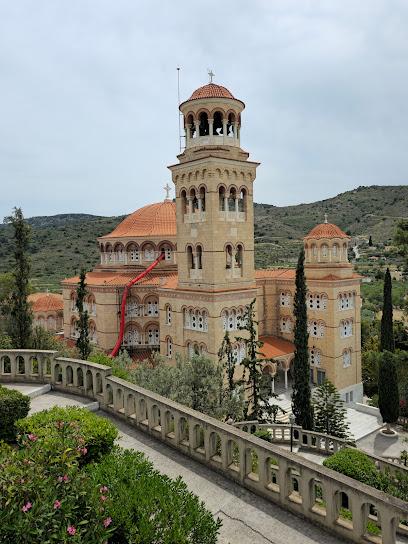
Archaeological Site: Altar of Zeus Elanios
6.0 km
Discover the ancient Altar of Zeus Elanios on Aegina: a journey through Greek mythology, history, and stunning Saronic Gulf views.
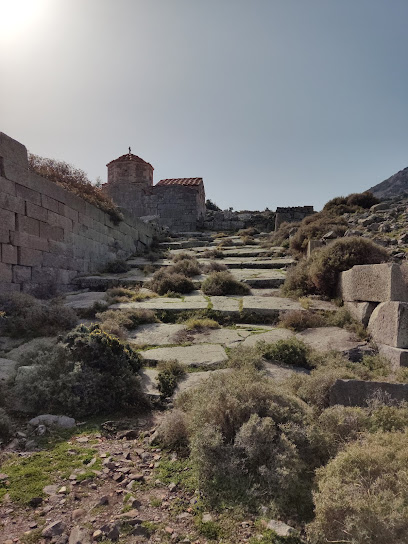
Pausania Baths
19.9 km
Experience the therapeutic thermal waters of Pausania Baths in Methana, Greece, a historical landmark offering relaxation and natural beauty.
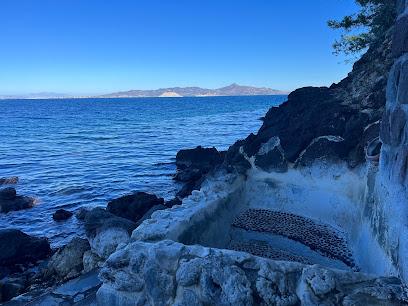
Nisis Idhrousa
21.1 km
Discover Nisis Idhrousa: An Aegean paradise with pristine beaches, lush landscapes, and authentic Greek charm, perfect for tranquil getaways.

Methana Volcano
22.2 km
Explore the volcanic landscapes of Methana: Hike to the crater, discover thermal springs, and enjoy stunning views of the Saronic Islands.
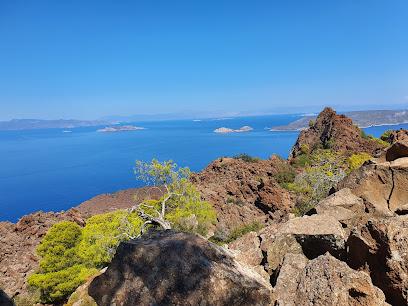
Rondiri Square Archaeological Site
22.8 km
Explore the historical remnants of ancient Piraeus at Rondiri Square, revealing urban life from the Classical to Byzantine eras.
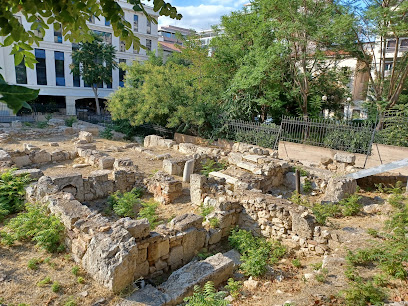
Pantheon of Piraeus
22.8 km
Discover the neoclassical beauty of the Pantheon of Piraeus, a historical landmark reflecting Greece's maritime heritage in the vibrant port city.
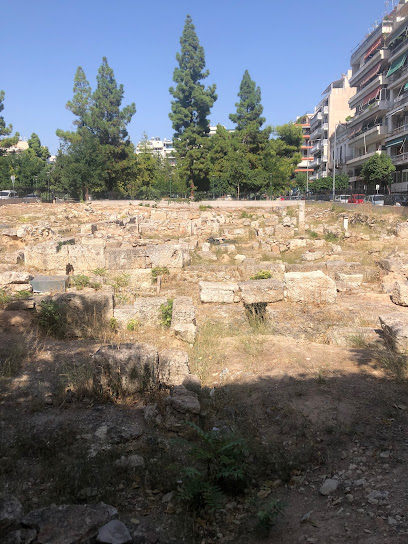
ATHENS TOURS - AMAZING Greece Tour
26.7 km
Experience Athens like never before with Amazing Greece Tours, blending history, culture, and adventure in the heart of Greece.
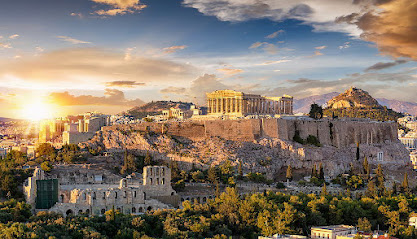
Russian Dockyard
27.5 km
Discover a blend of history and relaxation at the Russian Dockyard in Poros, a picturesque bay with historical ruins and clear turquoise waters.
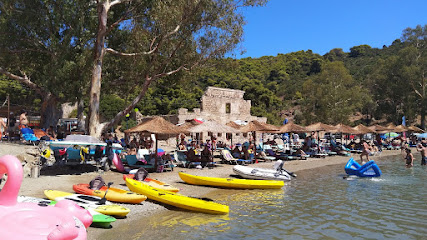
TIMELESS Athens Tours, Private Tours Greece
28.0 km
Explore Athens Like Never Before with Timeless Athens Tours – Customized Private Tours that Unveil the City’s Hidden Gems and Rich History.
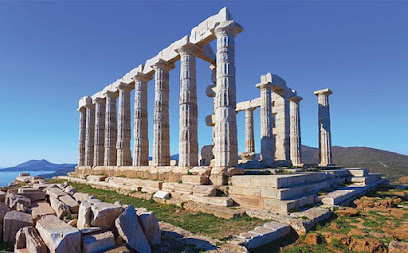
InterContinental Athenaeum Athens, an IHG Hotel
28.3 km
Experience luxurious accommodations, exquisite dining, and a relaxing spa, all while exploring Athens' historical wonders from this centrally located hotel.
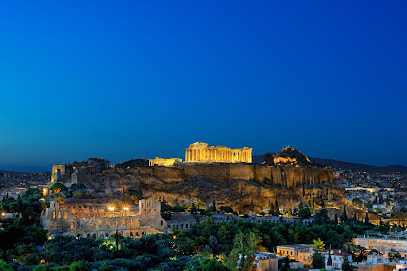
Agios Nikolaos church
28.5 km
Discover the serene beauty and historical significance of Agios Nikolaos Church, a peaceful oasis in the heart of Athens.
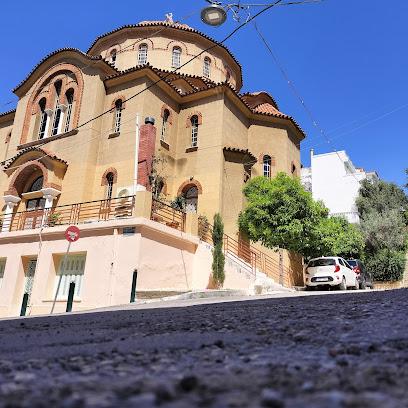
Koukaki
28.6 km
Discover Koukaki, Athens: A vibrant neighborhood blending ancient history with modern Athenian culture, trendy cafes, and local experiences.
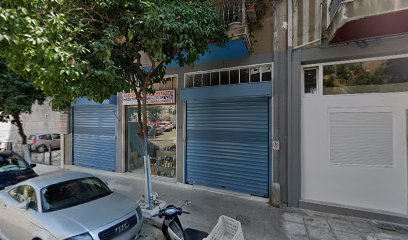
Spring of Pnyx
28.6 km
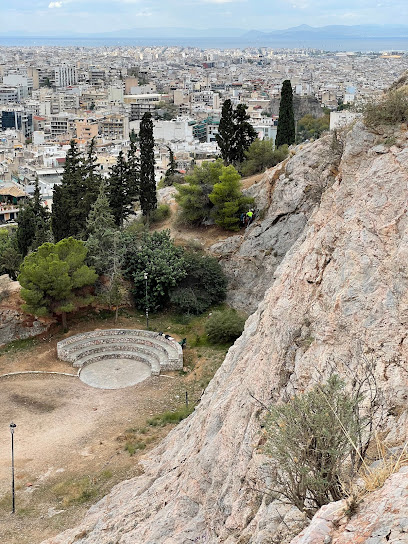
Discover the Spring of Pnyx in Athens, the birthplace of democracy, offering serene landscapes and panoramic views of ancient history and architectural brilliance.
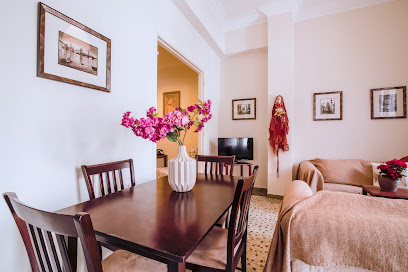
koukaki traditional apartment
28.6 km
Experience authentic Athenian living in the heart of Koukaki, steps from the Acropolis and vibrant local culture.
Unmissable attractions to see

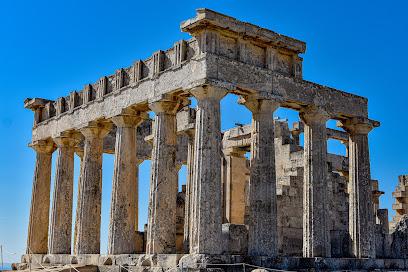
Temple of Aphaia
0.1 km
Explore the breathtaking Temple of Aphaia, a historical landmark in Aegina, Greece, that showcases ancient architecture and stunning views.
Agia Marina Beach
1.5 km
Discover Agia Marina Beach, a stunning gem in Greece with golden sands, crystal-clear waters, and vibrant local culture for a perfect seaside getaway.
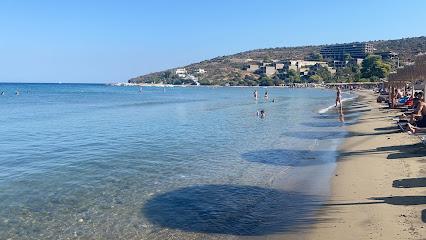
Aegina
3.1 km
Experience the beauty of Aegina, a captivating Greek island known for its rich history, stunning landscapes, and delicious pistachios.
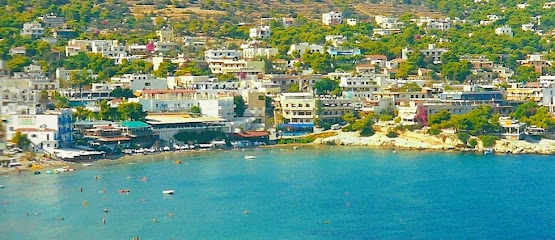
Archaeological Site of Palaiochora of Aegina
3.8 km
Explore the rich history and stunning views at the Archaeological Site of Palaiochora, a hidden gem on Aegina Island.
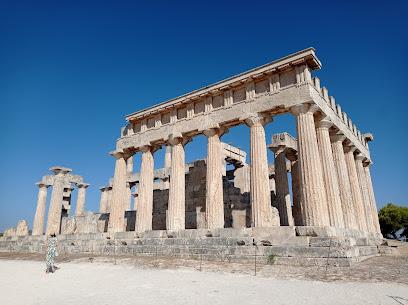
Holy Monastery of the Holy Trinity - Saint Nectarios of Aegina
4.3 km
Discover tranquility and spiritual beauty at the Holy Monastery of the Holy Trinity - Saint Nectarios in Aegina, a must-visit for every traveler.

Virgin Mary Chrysoleontissa Holy Convent
5.0 km
Discover a peaceful retreat at the Virgin Mary Chrysoleontissa Holy Convent in Aegina, a historic monastery with stunning architecture and tranquil gardens.

Temple of Zeus Hellanios
6.0 km
Explore the Temple of Zeus Hellanios on Aegina Island, a breathtaking historical landmark showcasing ancient Greek architecture in a tranquil setting.

The Ancient Olive Grove (Elaionas)
6.9 km
Explore Aegina's Ancient Olive Grove: A timeless landscape of thousand-year-old trees, offering a serene escape into nature and history.

Marathonas Beach B
7.5 km
Explore the tranquil beauty of Marathonas Beach B, where golden sands meet azure waters in Aegina's serene coastal escape.
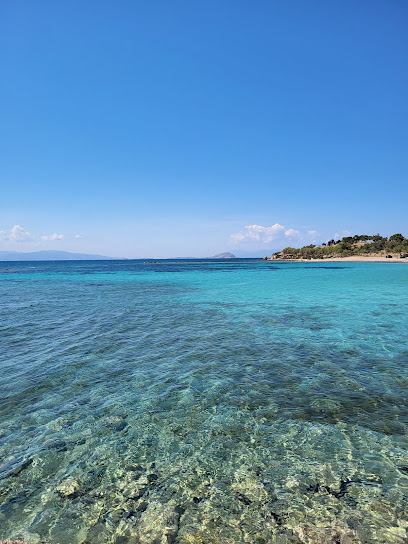
Tower of Markellos
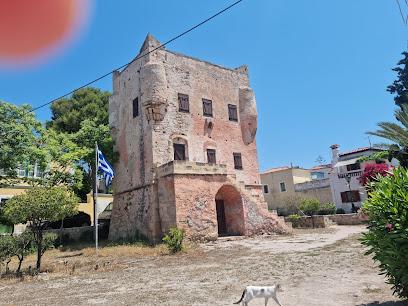
9.1 km
Experience the rich history and stunning views at the Tower of Markellos, a must-visit landmark in Aegina, Greece.
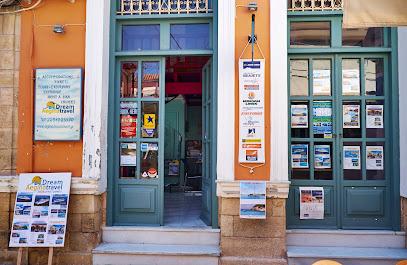
AEGINA DREAM TRAVEL - RENTALS
9.1 km
Discover Aegina, Greece, with Aegina Dream Travel Rentals—your trusted partner for unforgettable island adventures and personalized travel experiences.
Aegina Old Town
9.3 km
Experience the enchanting Aegina Old Town, where history, culture, and stunning seaside views converge for an unforgettable Greek getaway.
Nikos's Kazantzakis House
9.4 km
Experience the literary legacy of Nikos Kazantzakis at his inspiring house on Aegina Island, a must-visit for culture and literature enthusiasts.
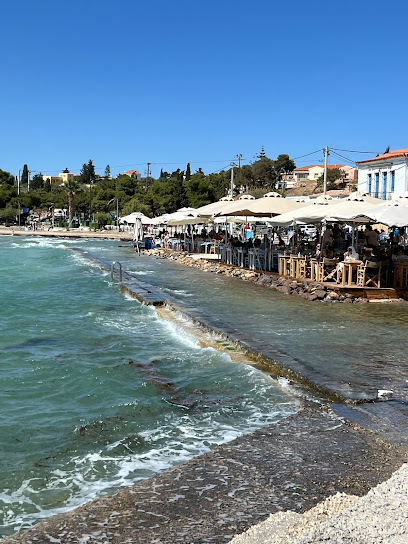
Port of Aegina
9.5 km
Discover the stunning Port of Aegina, your gateway to the Greek islands, offering breathtaking views, local cuisine, and vibrant culture.
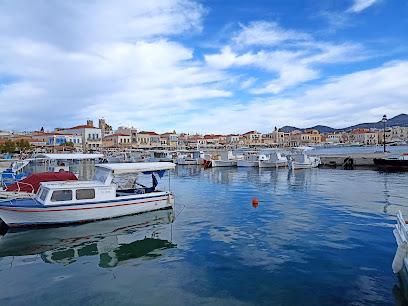
Archaeological Museum of Aegina
9.5 km
Discover the rich history of Aegina at the Archaeological Museum, where ancient artifacts and the site of Apollo await your exploration.
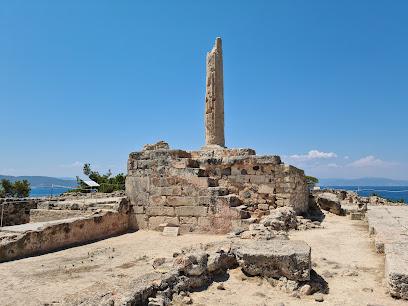
Essential places to dine

Taverna Argyris
1.1 km
Experience authentic Greek flavors at Taverna Argyris in Aegina – where every dish tells a story of tradition and passion.
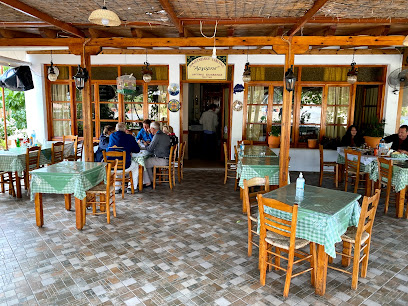
Thymari Restaurant
1.2 km
Experience authentic Greek flavors at Thymari Restaurant in Ag. Marina, where exceptional cuisine meets warm hospitality.
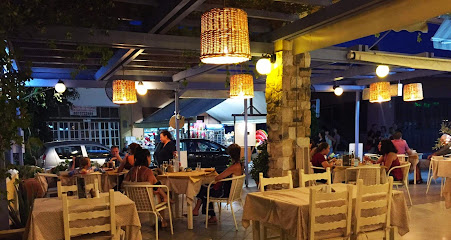
AKROGIALI Cafe Ouzeri
1.3 km
Discover authentic Greek flavors at AKROGIALI Cafe Ouzeri in Ag. Marina – where tradition meets culinary excellence.
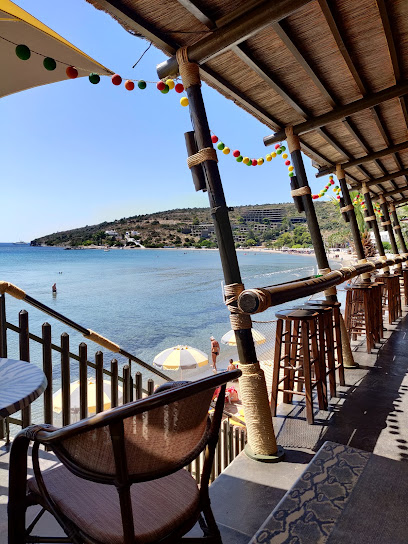
ΜΙΧΑΛΗΣ ΤΑΒΕΡΝΑ - Michalis Restaurant
1.7 km
Savor traditional Greek dishes at Michalis Restaurant in Vagia – a culinary delight for every traveler.
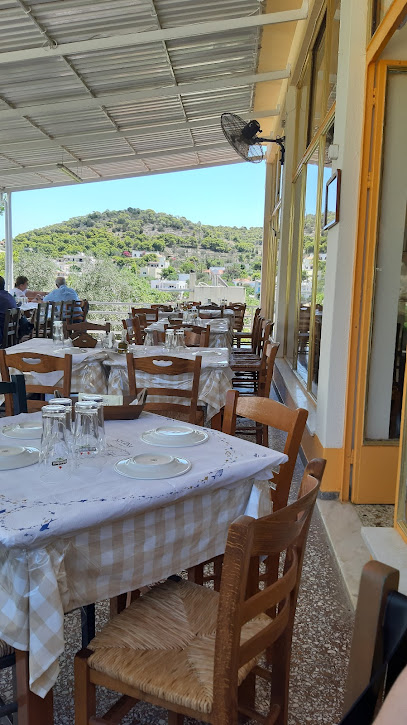
Aérēdes
1.9 km
Experience authentic Greek flavors at Aérēdes in Vagia – where every dish tells a story.
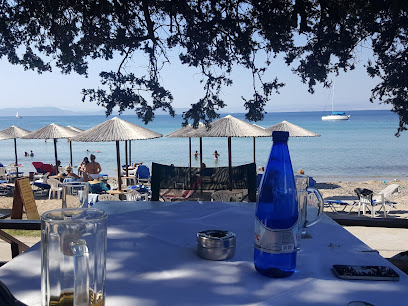
Choreútra
2.7 km
Discover Choreútra in Aegina - where every slice tells a story of flavor and tradition.
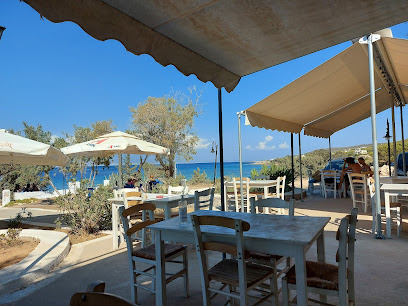
Akrogialiá
7.5 km
Experience authentic Greek flavors at Akrogialiá in Marathon - where every meal is a celebration of tradition and taste.
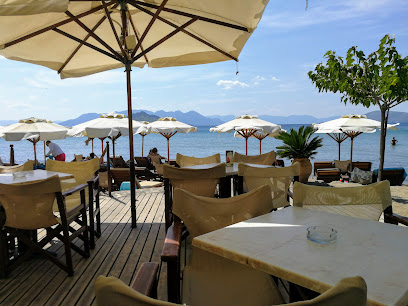
AMMOS Restaurant
7.5 km
Experience exquisite seafood dining at AMMOS Restaurant in Aegina – where every dish tells a story of Greek tradition and coastal beauty.
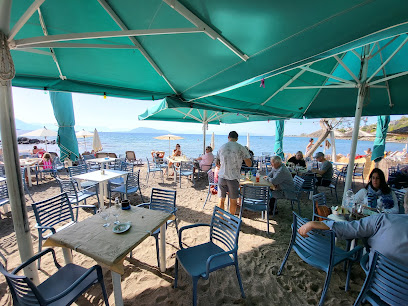
Restaurant - Taverna Ostria
7.5 km
Discover authentic Greek cuisine at Taverna Ostria in Aegina - where local flavors meet stunning sea views.
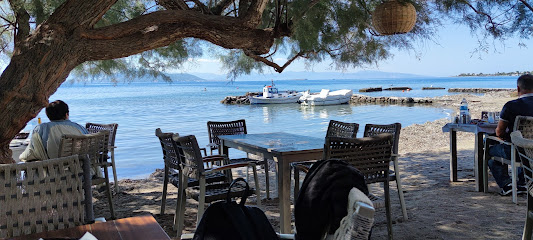
Taverna Stratigos
7.5 km
Discover authentic Greek flavors at Taverna Stratigos, where delicious cuisine meets stunning Mediterranean views.
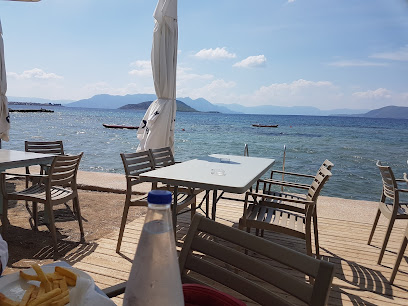
Psarotaverna Aeginitissa
8.2 km
Discover fresh seafood delights at Psarotaverna Aeginitissa in Aegina – a must-visit for every food lover exploring Greece.
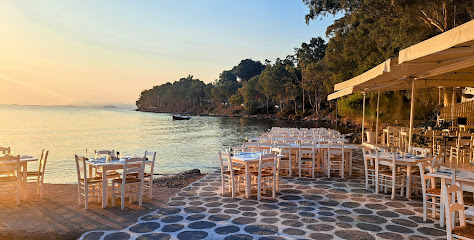
Axivadaki
8.2 km
Discover Axivadaki: Aegina's finest restaurant serving authentic Greek cuisine with a focus on fresh ingredients and traditional recipes.
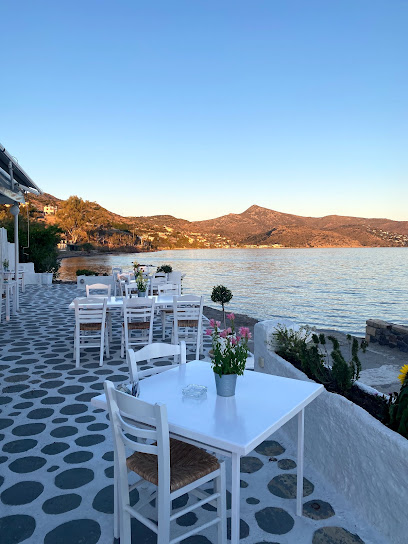
Fyki Beach Restaurant
8.5 km
Experience exquisite Greek dining at Fyki Beach Restaurant with stunning sea views and vibrant local flavors.
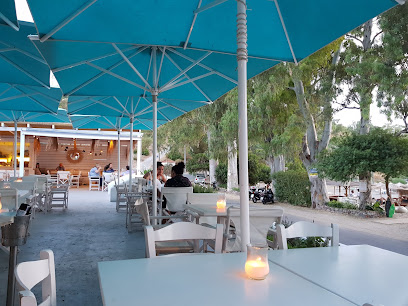
O Manitas sto Kima
8.9 km
Discover authentic Greek flavors at O Manitas sto Kima in Aegina - a haven for seafood lovers and vegetarians alike.
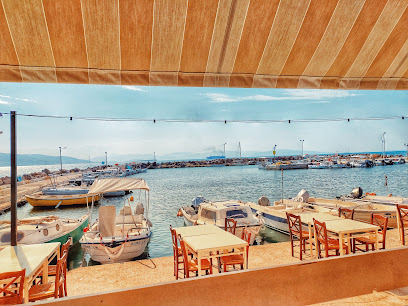
Dromaki
9.0 km
Discover authentic Greek cuisine at Dromaki in Aegina – where every dish tells a story of local flavors.
Markets, malls and hidden boutiques

Fistikoupoli - pistachio products
1.3 km
Discover the rich flavors of Aegina at Fistikoupoli, renowned for its exceptional pistachio products and warm, welcoming atmosphere.
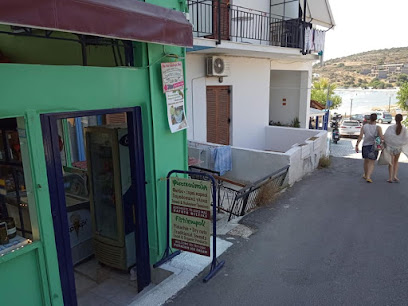
Kritikos
7.4 km
Discover the flavors of Aegina at Kritikos, a charming grocery store offering local produce and gourmet foods.

KRITIKOS Super Market
8.0 km
Explore the authentic tastes of Greece at KRITIKOS Super Market in Aegina, where local products meet cultural charm.
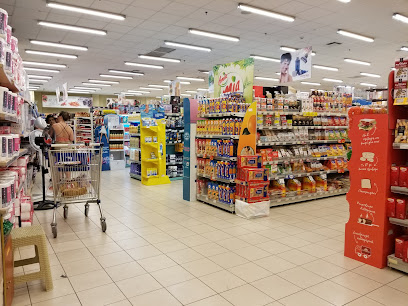
SuperMarket ΛΟΡΕΝΤΖΟΣ | LORENTZOS Grocery Store
8.6 km
Explore SuperMarket ΛΟΡΕΝΤΖΟΣ in Aegina for local groceries, fresh produce, and a taste of Greek culture, all in a charming supermarket setting.
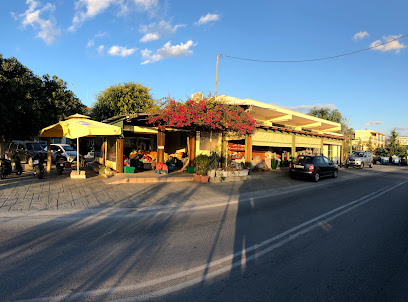
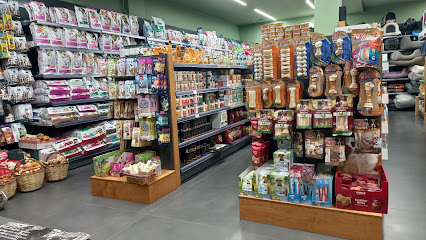
Tzitzis Pet Shop
8.7 km
Explore Tzitzis Pet Shop in Aegina for premium pet supplies and exceptional service in a friendly atmosphere.
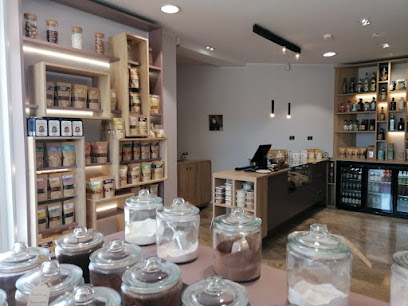
SPIRI ROASTERS
8.7 km
Discover the rich flavors of Aegina at SPIRI ROASTERS, where quality coffee meets local charm in a cozy atmosphere.
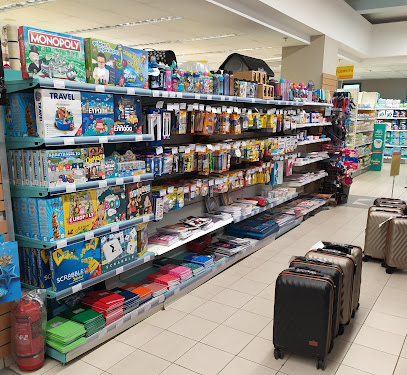
Super Market ΚΡΗΤΙΚΟΣ.
8.9 km
Explore authentic Greek flavors at Super Market ΚΡΗΤΙΚΟΣ - your local supermarket in Aegina, perfect for fresh produce and unique delicacies.
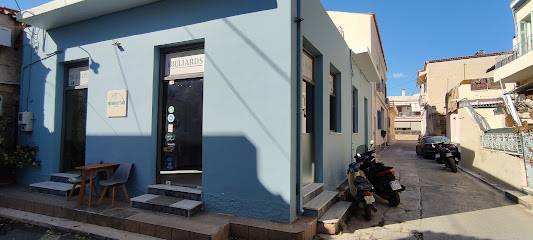
Hobbistas
8.9 km
Discover the cozy charm of Hobbistas Café in Aegina, where quality coffee and a warm atmosphere await every traveler.
Coffee Island
9.0 km
Discover the heart of Aegina's coffee culture at Coffee Island, where tradition meets modern flavor in a cozy setting.
Melenio
9.0 km
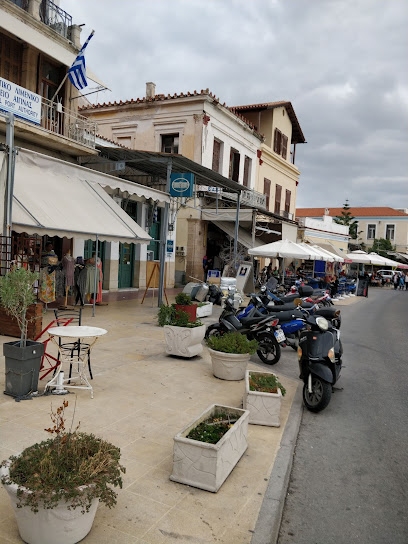
Experience the exquisite flavors of Greece at Melenio, Aegina's premier patisserie, offering a delightful selection of pastries in a charming setting.
Galátes
9.0 km
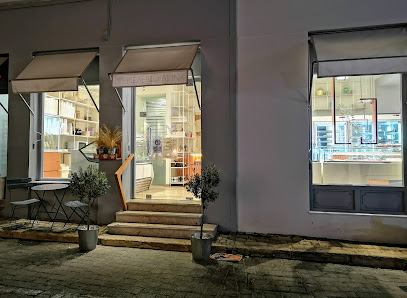
Experience the flavors of Aegina at Galátes, where local products and culinary delights come together in a charming grocery store.
SVARNA
9.0 km
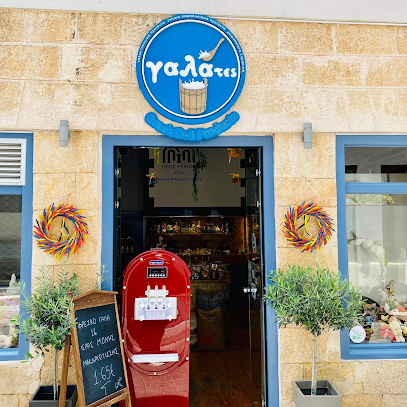
Explore the charm of Svarna Antique Store in Aegina, where each vintage piece tells its own story, creating unforgettable memories for every visitor.
SurLulu
9.0 km
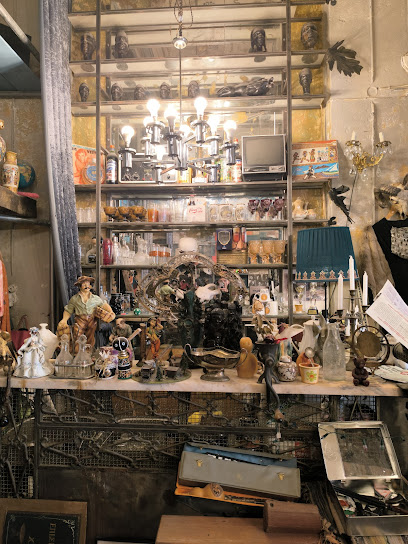
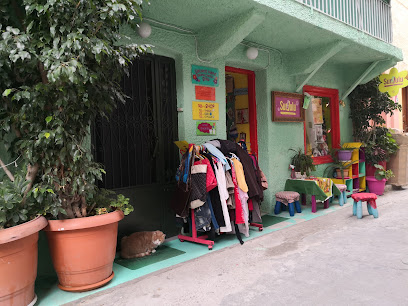
Explore SurLulu in Aegina for unique vintage finds and a taste of local fashion culture in a charming used clothing store.
Kentro Typoy
9.0 km
Explore Kentro Typoy in Aegina, Greece – a charming book store with a rich selection of literature, souvenirs, and local treasures.
Anaya Aegina
9.0 km
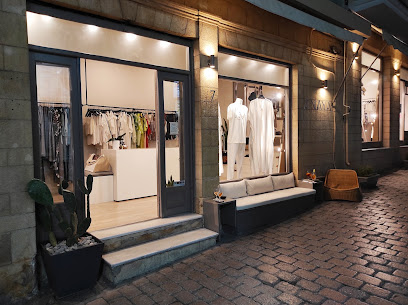
Discover unique fashion pieces and accessories at Anaya Aegina, a boutique that reflects the vibrant culture of Greece's charming island.
Essential bars & hidden hideouts

Mojo Cocktail Bar
1.1 km
Discover the vibrant nightlife of Aigina at Mojo Cocktail Bar, where expertly crafted cocktails and a lively atmosphere await.
Kahlua Cafe - Bar
1.2 km
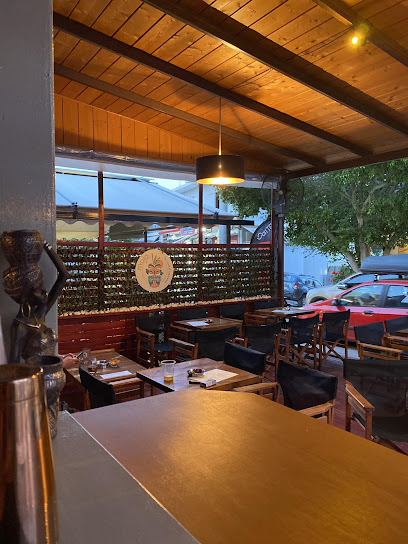
Discover Kahlua Cafe - Bar in Ag. Marina, a coastal retreat offering exquisite cocktails, delightful coffee, and stunning seaside views for an unforgettable experience.
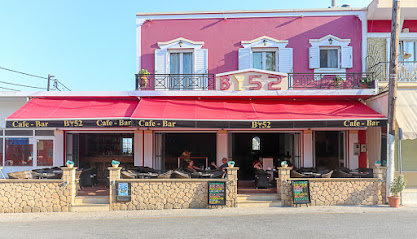
B 52
1.2 km
Experience the vibrant nightlife and delicious flavors at B 52, the ultimate bar and creperie in Αγ. Μαρίνα, Greece.
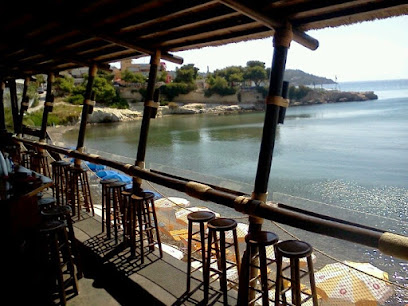
Barracuda Beach Bar
1.3 km
Experience the vibrant atmosphere at Barracuda Beach Bar, where stunning views and refreshing cocktails create the ultimate coastal getaway.
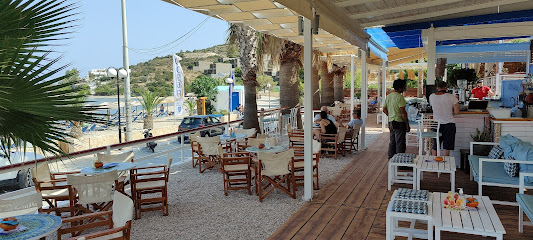
Ocean Beach Bar
1.5 km
Experience unforgettable moments at Ocean Beach Bar, where delicious cuisine meets stunning seaside views.
The Beachhouse Beach Bar
2.1 km
Experience the vibrant beach culture at The Beachhouse Beach Bar, where stunning views and refreshing drinks await you in Vagia, Greece.
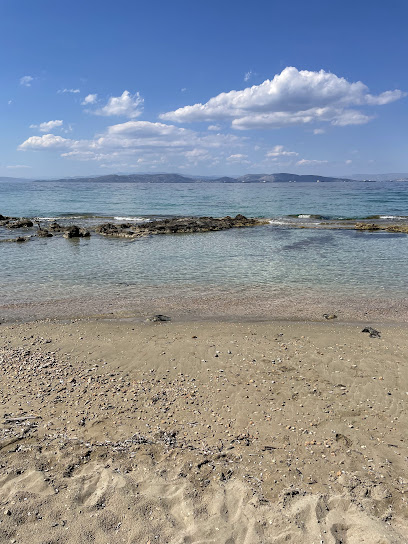
Bocampo Beach Bar
7.5 km
Discover the vibrant Bocampo Beach Bar in Aegina, where stunning Aegean views meet delicious drinks and a lively atmosphere.
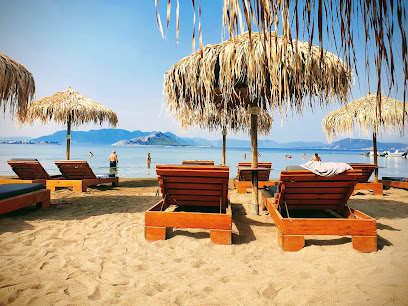
Perdikiotika
9.0 km
Discover the vibrant atmosphere and delicious local flavors at Perdikiotika, Aegina's premier bar and restaurant.
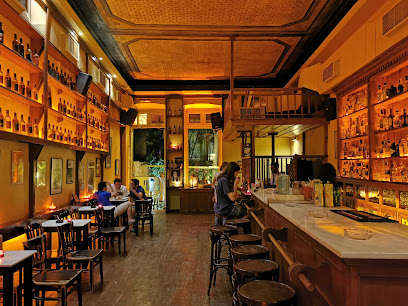
Belle Epoque Bar
9.1 km
Experience the vibrant nightlife of Aegina Island at the charming Belle Epoque Bar, a true gem for cocktail lovers and sunset seekers.
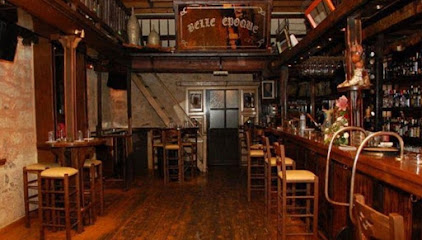
Inn on the beach
9.1 km
Experience the perfect blend of cocktails and breathtaking sea views at Inn on the Beach in Aegina, Greece.
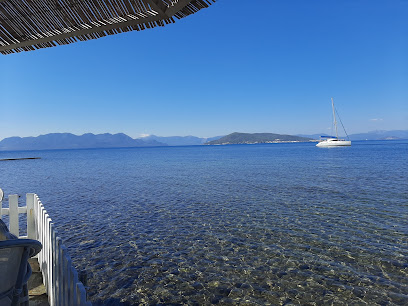
Speak Low
9.1 km
Experience the vibrant nightlife of Aegina at Speak Low, a bar known for its stunning cocktails and inviting ambiance.
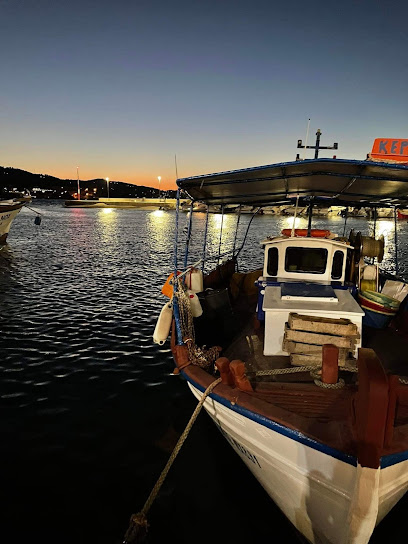
Black Rose music bar café
9.2 km
Discover the lively Black Rose Music Bar Café in Aegina, where cocktails, local wines, and vibrant music create an unforgettable nightlife experience.
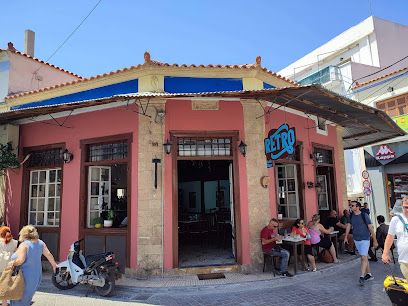
Nisos Cafe Bar
9.2 km
Discover the taste of Greece at Nisos Cafe Bar, a vibrant spot in Aegina offering delicious food, refreshing drinks, and stunning views.
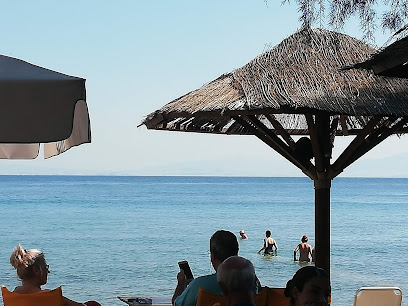
Klima Beach Aegina
9.7 km
Discover the serene beauty of Klima Beach Aegina, where crystal-clear waters meet vibrant local culture, perfect for relaxation and exploration.
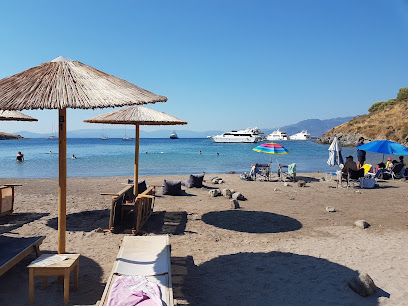
HABANA
9.8 km
Experience the vibrant atmosphere of HABANA in Perdika, Aegina, where delightful drinks meet stunning sea views.
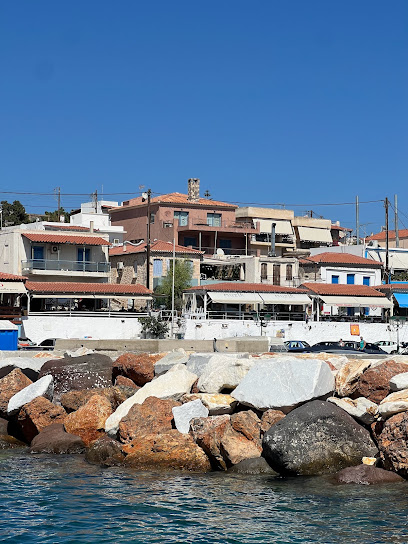
Nightclubs & after hour spots

Ellinikon vintage
8.9 km
Discover the energetic nightlife of Aegina at Ellinikon Vintage, where music, dancing, and a vibrant atmosphere await you on Greece's charming island.

Ellinikon Seaside
9.1 km
Discover the vibrant nightlife of Ellinikon Seaside, a premier night club in Aegina, Greece, featuring stunning views and electrifying music.
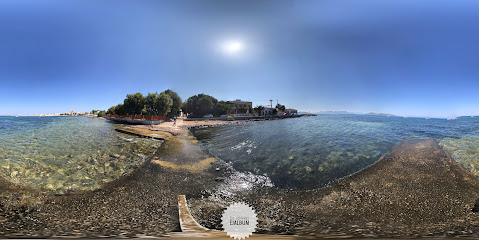
club Taboo
16.0 km
Discover the electrifying nightlife at Club Taboo in Skala, Greece, where exceptional music and cocktails create unforgettable moments.
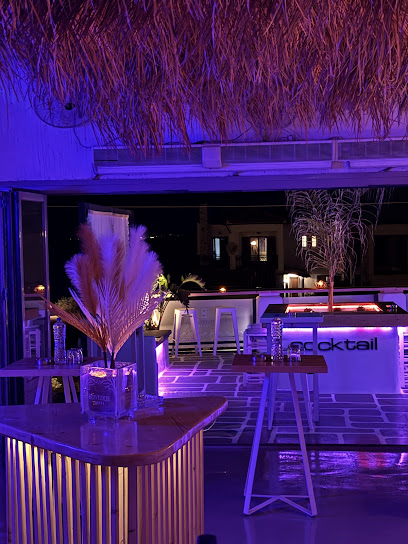
club Castle
17.0 km
Unleash the night at Club Castle in Anguistri, where creative cocktails and lively music create an unforgettable nightlife experience.
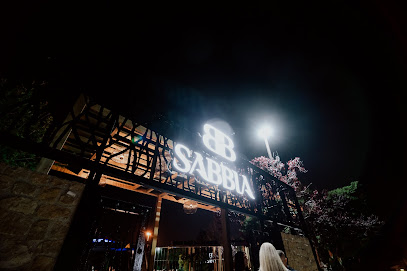
Sabbia Seaside Club
24.0 km
Experience the vibrant nightlife of Sabbia Seaside Club in Piraeus, where stunning seaside views meet electrifying beats for unforgettable nights.
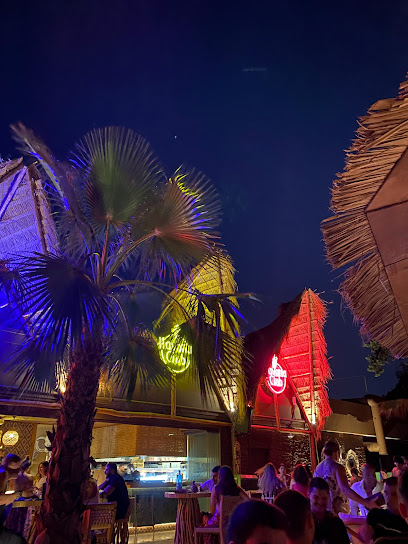
RÊVER Seaside
24.0 km
Discover electrifying nightlife and stunning sea views at RÊVER Seaside, Piraeus' premier night club destination.
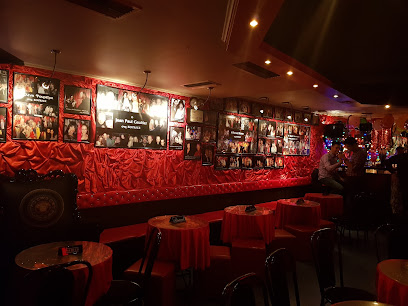
Disco Barbarella
27.5 km
Dive into the rhythmic heart of Athens at Disco Barbarella, where vibrant beats and unforgettable nights await every party enthusiast.

FEVER
28.2 km
Discover the electrifying atmosphere of FEVER, Athens' premier night club offering unforgettable nights filled with music, dance, and celebration.

Koukles Club Drag Queen Show
28.6 km
Experience the dazzling drag shows and vibrant nightlife at Koukles Club, Athens' premier disco destination for unforgettable entertainment.
Like
28.7 km
Discover the electrifying nightlife of Athens at Like Night Club, where dancing and music create unforgettable experiences in a stylish setting.
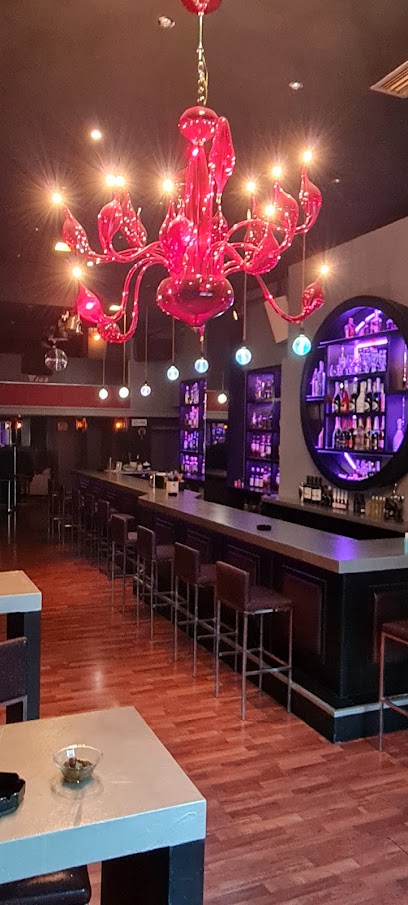
Oddity Club
29.3 km
Dive into Athens' nightlife at Oddity Club, where vibrant beats and a lively atmosphere create an unforgettable clubbing experience.

Shamone Club
29.3 km
Discover the vibrant nightlife of Athens at Shamone Club - where electrifying music and a lively crowd come together for an unforgettable experience.

Studio 24
29.4 km
Discover the electrifying nightlife at Studio 24, Athens' premier night club, where music and energy come alive.

Voodoo Restaurant Bar
29.4 km
Immerse yourself in the electrifying atmosphere of Voodoo Restaurant Bar, Athens' premier disco club for unforgettable nights filled with music and dancing.

Club 22
29.4 km
Dive into the electrifying nightlife at Club 22, Athens' premier destination for unforgettable partying and entertainment.