

Free Saronic Gulf Islands Travel Guide & Mobile App
Explore Saronic Gulf Islands with free travel guides. Discover regional history, expert tips, proposed trips, and audio guides on web or mobile app.


Explore Greece’s Saronic Gulf Islands for historic harbours, Aegina pistachios, pine-fringed coves and easy ferry access from Athens.
Read more about Saronic Gulf Islands
When is the best time to visit Saronic Gulf Islands?
Best: May–June, October · 25–29°C| Month | High (°C) | Rainfall (mm) |
|---|---|---|
| January | 15 | 50 |
| February | 16 | 40 |
| March | 18 | 40 |
| April | 20 | 30 |
| May (best) | 25 | 20 |
| June (best) | 29 | 10 |
| July | 32 | 10 |
| August | 32 | 10 |
| September | 29 | 20 |
| October (best) | 25 | 30 |
| November | 21 | 40 |
| December | 17 | 50 |
Getting to and around Saronic Gulf Islands
How to get there
Transportation
Top city travel guides in Saronic Gulf Islands
The cities of Saronic Gulf Islands, and the easiest places to base yourself.

Swipe for more cities
Best attractions in Saronic Gulf Islands
The Saronic Gulf Islands offer a varied mix of archaeology, maritime history, swimming and walking rather than a single style of island holiday. Aegina is the strongest choice for ancient heritage, with the Temple of Aphaia, the archaeological museum and the medieval remains of Paleochora, while its interior combines pistachio-growing country with villages and hill roads. Salamina provides access to important classical history and a closer view of the gulf’s working maritime landscape. Agistri is suited to short hikes, cycling and relaxed time around pine-backed beaches and small coastal settlements. Poros combines harbour scenery with the Monastery of Zoodochos Pigi, wooded slopes and water-based excursions. Hydra’s principal attractions are its preserved harbour, museums, footpaths and rocky swimming places, while Spetses brings together maritime museums, historic houses, forested roads and beaches reached by land or water. Across the group, small churches, monasteries, local boat trips and waterfront walks add depth to the better-known sights. Conditions and access differ by island, so visitors should check local arrangements before setting out for remote beaches or trails.
-
Marina
Port of Aegina
Discover the stunning Port of Aegina, your gateway to the Greek islands, offering breathtaking views, local cuisine, and vibrant culture.
-
Monument
Temple of Aphaia
Discover the Temple of Aphaia on Aegina: a stunning ancient Greek sanctuary with breathtaking views and rich history.
-
Convent
Holy Monastery of the Holy Trinity - Saint Nectarios of Aegina
Discover tranquility and spiritual beauty at the Holy Monastery of the Holy Trinity - Saint Nectarios in Aegina, a must-visit for every traveler.
-
Beach
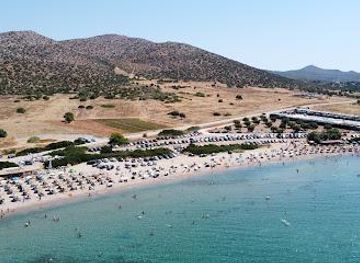
Charakas Beach
Experience the serene beauty of Charakas Beach in Keratea, where golden sands meet crystal-clear waters for an unforgettable Mediterranean escape.


Best landmarks in Saronic Gulf Islands
The Temple of Aphaia on Aegina is the Saronic Gulf’s most recognisable ancient monument, standing on a wooded hill with views towards the surrounding sea and forming part of the artistic story often associated with the Temple of Poseidon at Sounion and the Parthenon, both outside the region. Aegina’s Cathedral of Saint Nektarios is another major pilgrimage landmark, while the hilltop churches of Paleochora mark the remains of a medieval settlement. Salamina’s waters are linked to the narrow maritime setting of the Battle of Salamis, a landmark in the history of the ancient Greek world. Poros Town is distinguished by its amphitheatrical arrangement of neoclassical houses above the harbour, while the clock tower provides a familiar visual reference. Hydra’s stone-built harbour, merchants’ mansions and waterfront bastions express the island’s nineteenth-century maritime prosperity. On Spetses, the old harbour, Dapia waterfront and historic houses reflect a seafaring society shaped by trade and independence-era naval activity. Agistri’s most characteristic features are natural rather than monumental: pine-covered hills, rocky shores and small coves that define its compact island landscape.
-
Monument
Temple of Aphaia
Discover the Temple of Aphaia on Aegina: a stunning ancient Greek temple with breathtaking views and rich history.
-
Greek Orthodox church
Holy Church of Saint Nectarios of Aegina
Visit the Holy Church of Saint Nectarios in Aegina, a beacon of faith and healing, and explore its rich spiritual heritage.
-
Island
Aegina
Discover Aegina: A Greek island escape with ancient temples, pistachio groves, and charming coastal towns, just a short ferry from Athens.
-
Historical landmark
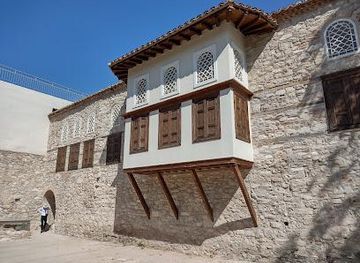
Benizelos Mansion
Explore Athens' oldest house, the Benizelos Mansion, a window into Ottoman-era aristocratic life and the legacy of Agia Filothei.


Explore Saronic Gulf Islands on the map
Plan your trip on one map. See where the top cities, national parks and sights are, and book hotels and experiences in a few clicks.
Best hotels in Saronic Gulf Islands
Best restaurants in Saronic Gulf Islands
Dining across the Saronic Gulf Islands is centred on tavernas, harbour restaurants, family-run cafés and small eateries serving the familiar but regionally varied food of central Greece. Fresh fish and seafood are prominent, particularly in port settlements, alongside grilled octopus, prawns, calamari, seasonal salads, pulses and vegetables cooked with olive oil. Aegina is especially associated with pistachios, which appear as a snack, confectionery ingredient and flavour in cakes or ice cream, while local shops also sell honey and other island produce. Look for traditional sweets such as amygdalota, a type of almond confection, and syrup-based pastries, although recipes vary from place to place. Hydra and Spetses have a broader selection of contemporary restaurants around their harbours, while smaller Agistri and rural parts of the larger islands tend to focus on straightforward taverna cooking. Prices and menus are often higher beside the busiest waterfronts; walking a little inland may reveal more local dining patterns. Fish is frequently sold by weight, so confirm the price before ordering.
-
Greek
Klepsydra
Authentic Greek taverna in Plaka's heart: fresh dolmades, tender lamb, and seaside flavors steps from the Acropolis, with cozy stairside seating and warm service.
-
Greek
Ouzeri o Skotadis
Experience authentic Greek cuisine at Ouzeri o Skotadis in Aegina – where tradition meets flavor in every dish.
-
Restaurant
Dromaki
Discover authentic Greek cuisine at Dromaki in Aegina – where every dish tells a story of local flavors.
-
Restaurant
Thymari Restaurant
Experience authentic Greek flavors at Thymari Restaurant in Ag. Marina, where exceptional cuisine meets warm hospitality.


Best bars in Saronic Gulf Islands
Evening life in the Saronic Gulf Islands is concentrated around the harbours and is generally more social and maritime than club-oriented. Aegina Town, Poros Town, Hydra harbour and Dapia on Spetses have the broadest choice of cafés, ouzeries, wine bars and late-opening restaurants, with tables facing the water and a steady flow of ferry passengers. Traditional tavernas and small bars are particularly important on Agistri, where the atmosphere is informal and seasonal. Hydra attracts a creative and cosmopolitan crowd, but its nightlife remains compact rather than resembling a mainland entertainment district. Spetses and Poros have more summer bars and occasional music venues, while Salamina’s evening life is primarily oriented towards local residents and waterfront dining. In smaller settlements, expect an early dinner, a slow coffee or drinks overlooking the harbour rather than a large nightclub scene. July and August bring the greatest activity, whereas winter services can be limited, especially on the smaller islands.
-
Bar
Bolivar Beach Bar
Discover the vibrant Bolivar Beach Bar in Alimos, where stunning sea views, delicious food, and live music create unforgettable moments.
-
Bar
Peñarrubia Lounge
Experience the vibrant atmosphere and delicious flavors at Peñarrubia Lounge in Alimos, Greece, a perfect stop for food and drinks.
-
Bar
Don Kihotis bar
Discover the lively atmosphere and diverse drink selection at Don Kihotis Bar, Piraeus' favorite spot for locals and tourists alike.
-
Island
Aegina
Explore Aegina, Greece’s picturesque island known for its stunning beaches, rich history, and delicious pistachios, ideal for every type of traveler.


Best nightclubs in Saronic Gulf Islands
Evening life in the Saronic Gulf Islands is concentrated around the harbours and is generally more social and maritime than club-oriented. Aegina Town, Poros Town, Hydra harbour and Dapia on Spetses have the broadest choice of cafés, ouzeries, wine bars and late-opening restaurants, with tables facing the water and a steady flow of ferry passengers. Traditional tavernas and small bars are particularly important on Agistri, where the atmosphere is informal and seasonal. Hydra attracts a creative and cosmopolitan crowd, but its nightlife remains compact rather than resembling a mainland entertainment district. Spetses and Poros have more summer bars and occasional music venues, while Salamina’s evening life is primarily oriented towards local residents and waterfront dining. In smaller settlements, expect an early dinner, a slow coffee or drinks overlooking the harbour rather than a large nightclub scene. July and August bring the greatest activity, whereas winter services can be limited, especially on the smaller islands.
-
Cocktail bar
Inn on the beach
Discover the charm of Aegina at Inn on the Beach, where stunning cocktails and breathtaking sea views meet for an unforgettable experience.
-
Night club
Lohan Athens Nightclub
Discover the electrifying nightlife at Lohan Athens Nightclub, where vibrant music and an unforgettable atmosphere await you in the heart of Athens.
-
Night club
RÊVER Seaside
Discover electrifying nightlife and stunning sea views at RÊVER Seaside, Piraeus' premier night club destination.
-
Night club
Death Disco
Dive into Athens' nightlife at Death Disco, where eclectic music and a vibrant atmosphere await every night of the week.



Best shops in Saronic Gulf Islands
Shopping in the Saronic Gulf Islands is shaped by local produce, practical island goods and small independent businesses rather than large retail centres. Aegina is the clearest destination for regional food shopping, with pistachios, pistachio-based sweets, honey, olive oil and other products sold in specialist shops around the port and inland settlements. Poros, Hydra and Spetses have boutiques, galleries, jewellery shops, bookshops and craft stores aimed partly at seasonal visitors, with the greatest concentration around their historic harbours. Hydra is particularly associated with art galleries and design-led shops, while Spetses combines resort clothing with decorative goods and locally themed souvenirs. Agistri and Salamina offer a more modest selection, including groceries, beach items, ceramics and small food producers. In every island group, quality and provenance vary, so check labels when buying edible gifts and ask whether crafts were made locally. Market activity and opening arrangements can change seasonally; independent shops may close during the quieter part of the day.
-
Outlet mall
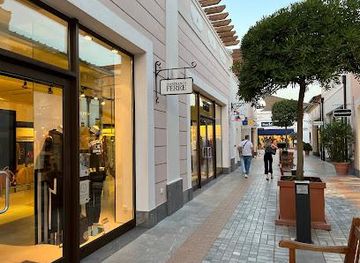
Designer Outlet Athens
Experience the ultimate shopping adventure at Designer Outlet Athens, where style meets savings in a vibrant atmosphere.
-
Supermarket
Super Market ΚΡΗΤΙΚΟΣ.
Explore authentic Greek flavors at Super Market ΚΡΗΤΙΚΟΣ - your local supermarket in Aegina, perfect for fresh produce and unique delicacies.
-
Supermarket
KRITIKOS Super Market
Explore the authentic tastes of Greece at KRITIKOS Super Market in Aegina, where local products meet cultural charm.
-
Patisserie
Melenio
Experience the exquisite flavors of Greece at Melenio, Aegina's premier patisserie, offering a delightful selection of pastries in a charming setting.


Get your free copy of our complete guide to Saronic Gulf Islands, delivered straight to you.
Everything on this page, from attractions and restaurants to essentials and local phrases, in one PDF you can read offline, print or share.
Already have an account? Sign in
Your Saronic Gulf Islands guide is ready.
We'll send it to · Not you? Sign out

Getting your guide ready…
We are putting together a fresh copy of the Saronic Gulf Islands guide. This can take up to a minute.
This can take a few moments. If your browser asks, choose Allow so the download can start. You'll find the guide in your Downloads folder.
Nothing happened? Download it again
Sorry, the guide is taking longer than usual. Please try again in a minute, or get it by email instead.
Saronic Gulf Islands essentials
Currency and Payment
Safety
Emergency Situations
Do's and Don'ts
Local Tips
From Eve
Local phrases worth knowing
You don't need to get them perfect. A few words go a long way, and locals appreciate the effort.
Basics
| English | Local | Say it |
|---|---|---|
| Hello | Γειά σου | [Yia sou] |
| Goodbye | Αντίο | [Adio] |
| Yes | Ναι | [Ne] |
| No | Όχι | [Ochi] |
| Please/You're welcome | Παρακαλώ | [Parakalo] |
| Thank you | Ευχαριστώ | [Efharisto] |
| Excuse me/Sorry | Συγγνώμη | [Signomi] |
| How are you? | Τι κάνεις; | [Ti kaneis?] |
| Fine. And you? | Καλά. Εσύ; | [Kala. Esy?] |
| Do you speak English? | Μιλάς Αγγλικά; | [Milas Agglika?] |
| I don't understand | Δεν καταλαβαίνω | [Den katalavaino] |
Eating & Drinking
| English | Local | Say it |
|---|---|---|
| I'd like to see the menu, please | Θα ήθελα να δω το μενού, παρακαλώ | [Tha ithela na do to menu, parakalo] |
| I don't eat meat | Δεν τρώω κρέας | [Den troo kreas] |
| Cheers! | Στην υγειά μας! | [Stin ygeia mas!] |
| I would like to pay, please | Θα ήθελα να πληρώσω, παρακαλώ | [Tha ithela na pliroso, parakalo] |
Emergencies
| English | Local | Say it |
|---|---|---|
| Help! | Βοήθεια! | [Voitheia!] |
| Go away! | Φύγε! | [Fyge!] |
| Call the Police! | Καλέστε την Αστυνομία! | [Kaleste tin Astynomia!] |
| Call a doctor! | Καλέστε έναν γιατρό! | [Kaleste enan giatro!] |
| I'm lost | Είμαι χαμένος | [Eimai hamenos] |
| I'm ill | Είμαι άρρωστος | [Eimai arrostos] |
Shopping
| English | Local | Say it |
|---|---|---|
| I'd like to buy... | Θα ήθελα να αγοράσω... | [Tha ithela na agoraso...] |
| I'm just looking | Απλώς κοιτάζω | [Aplos kitazo] |
| How much is it? | Πόσο κοστίζει; | [Poso kostizei?] |
| That's too expensive | Είναι πολύ ακριβό | [Einai poly akrivo] |
| Can you lower the price? | Μπορείς να κατεβάσεις την τιμή; | [Boreis na katevaseis tin timi?] |
Time & Numbers
| English | Local | Say it |
|---|---|---|
| What time is it? | Τι ώρα είναι; | [Ti ora einai?] |
| It's one o'clock | Είναι μία | [Einai mia] |
| Half past (10) | Δέκα και μισή | [Deka kai misi] |
| Morning | Πρωί | [Proi] |
| Afternoon | Απόγευμα | [Apogeuma] |
| Evening | Βράδυ | [Vrady] |
| Yesterday | Χθες | [Chthes] |
| Today | Σήμερα | [Simera] |
| Tomorrow | Αύριο | [Avrio] |
| 1 | 1 | [1] |
| 2 | 2 | [2] |
| 3 | 3 | [3] |
| 4 | 4 | [4] |
| 5 | 5 | [5] |
| 6 | 6 | [6] |
| 7 | 7 | [7] |
| 8 | 8 | [8] |
| 9 | 9 | [9] |
| 10 | 10 | [10] |
Transport & Directions
| English | Local | Say it |
|---|---|---|
| Where's a/the...? | Πού είναι το...; | [Pou einai to...?] |
| What's the address? | Ποια είναι η διεύθυνση; | [Poia einai i diefthynsi?] |
| Can you show me (on the map)? | Μπορείς να μου δείξεις (στο χάρτη); | [Boreis na mou deikseis (sto charti)?] |
| When's the next (bus)? | Πότε είναι το επόμενο (λεωφορείο); | [Pote einai to epomeno (leoforeio)?] |
| A ticket (to ....) | Ένα εισιτήριο (για ....) | [Ena eisitirio (gia ....)] |
History of Saronic Gulf Islands
Prehistoric Settlement and Early Seafaring
The Saronic Gulf has been a maritime crossroads since prehistoric times, linking the Aegean, mainland Greece and the Peloponnese. Archaeological evidence from islands including Aegina and Salamina reflects long sequences of settlement, agriculture, craft production and seaborne exchange. The sheltered gulf made movement by boat practical while its islands offered defensible anchorages and access to mainland resources. Although many early remains are fragmentary, they establish a long-standing relationship between island communities and the surrounding sea, a pattern that continues in ferry transport, fishing and coastal trade.
The Battle of Salamis, 480 BC
Salamina is associated with the Battle of Salamis, one of the decisive encounters of the Greco-Persian Wars. In 480 BC, a Greek fleet drew the larger Persian force into the narrow waters around the island, where confined manoeuvring space helped the Greek ships defeat it. The battle strengthened the position of the Greek alliance and had major consequences for the survival of Athens and the continuation of resistance to the Persian invasion. The surrounding straits remain the island’s most internationally significant historical setting.
Classical and Hellenistic Aegina
Aegina was a prosperous maritime power during the Archaic period and became one of the earliest Greek communities to issue silver coinage. Its rivalry with Athens was part of the changing political landscape of the Saronic Gulf. The Temple of Aphaia, built around the early fifth century BC on a hill in the island’s east, demonstrates Aegina’s wealth and artistic importance. In later centuries the island moved through Macedonian, Hellenistic and Roman spheres of influence, leaving an archaeological record that extends beyond a single classical monument.
Byzantine, Frankish and Ottoman Rule
After antiquity, the islands experienced the political changes that affected much of the Aegean and mainland Greece. Byzantine administration was followed by periods of Latin or Frankish control, while Ottoman authority became influential from the fifteenth century onwards, although the details and timing differed between islands. Monasteries and fortified settlements provided continuity during periods of insecurity, and island communities maintained links with nearby ports. On Aegina, the medieval settlement of Paleochora grew around churches and defensive locations, while other islands relied heavily on sheltered harbours and maritime commerce.
Island Shipping and the Greek War of Independence
Hydra and Spetses became important maritime communities before and during the Greek War of Independence, using merchant fleets whose crews had extensive experience in Mediterranean trade. Their ships and seafarers contributed to the naval struggle against Ottoman forces after the uprising began in 1821. Salamina and Aegina were also connected to the revolutionary period through their strategic locations. The islands’ elegant merchant houses, naval traditions and maritime museums preserve aspects of a period when commercial shipping supported political influence and social advancement.
Aegina and the Formation of the Modern Greek State
Aegina briefly served as the seat of the provisional Greek government in 1828, during the early formation of the independent Greek state, before administrative functions moved to other locations. Ioannis Kapodistrias, Greece’s first head of state, worked on state institutions from the island. This short period gave Aegina an importance beyond its ancient past and connected it directly with the political creation of modern Greece. Buildings and memorials associated with the early state remain part of the island’s historical interpretation.
Steamships, Tourism and the Modern Islands
Improved steamship connections with Piraeus gradually altered the Saronic islands’ economy and accessibility. Traditional maritime activity remained important, but tourism, second homes, hospitality and seasonal travel became increasingly significant during the twentieth century. The islands’ closeness to Athens encouraged both short visits and longer stays, while the preservation of Hydra’s harbour architecture and the wooded landscapes of Agistri and Spetses helped create distinct visitor identities. Modern ferry travel continues to link these historic communities with the capital and with one another.
Saronic Gulf Islands in Photos
Browse through our photo collection highlighting the charm and character of the destination.
Neighbouring regions of Saronic Gulf Islands
The closest regions to Saronic Gulf Islands, if you have time for more than one.
-

-

-

-

-


Swipe for more regions
Explore more
Explore more of Greece
Discover Greece: A land where ancient history meets modern vibrancy, offering stunning islands, crystal-clear seas, and unforgettable cultural experiences.
Explore Greece