Lion of Amphipolis, Chalkidiki Travel Guide
Majestic 4th-century BC marble sculpture near Amphipolis, Greece, honoring a general of Alexander the Great and a symbol of Macedonian power.
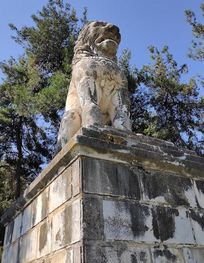
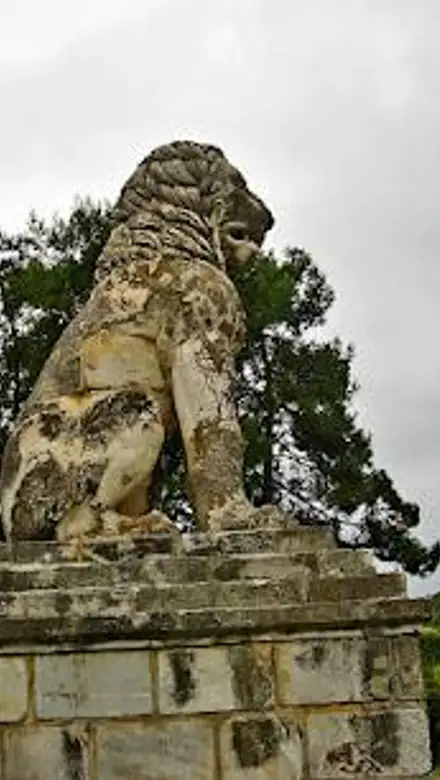
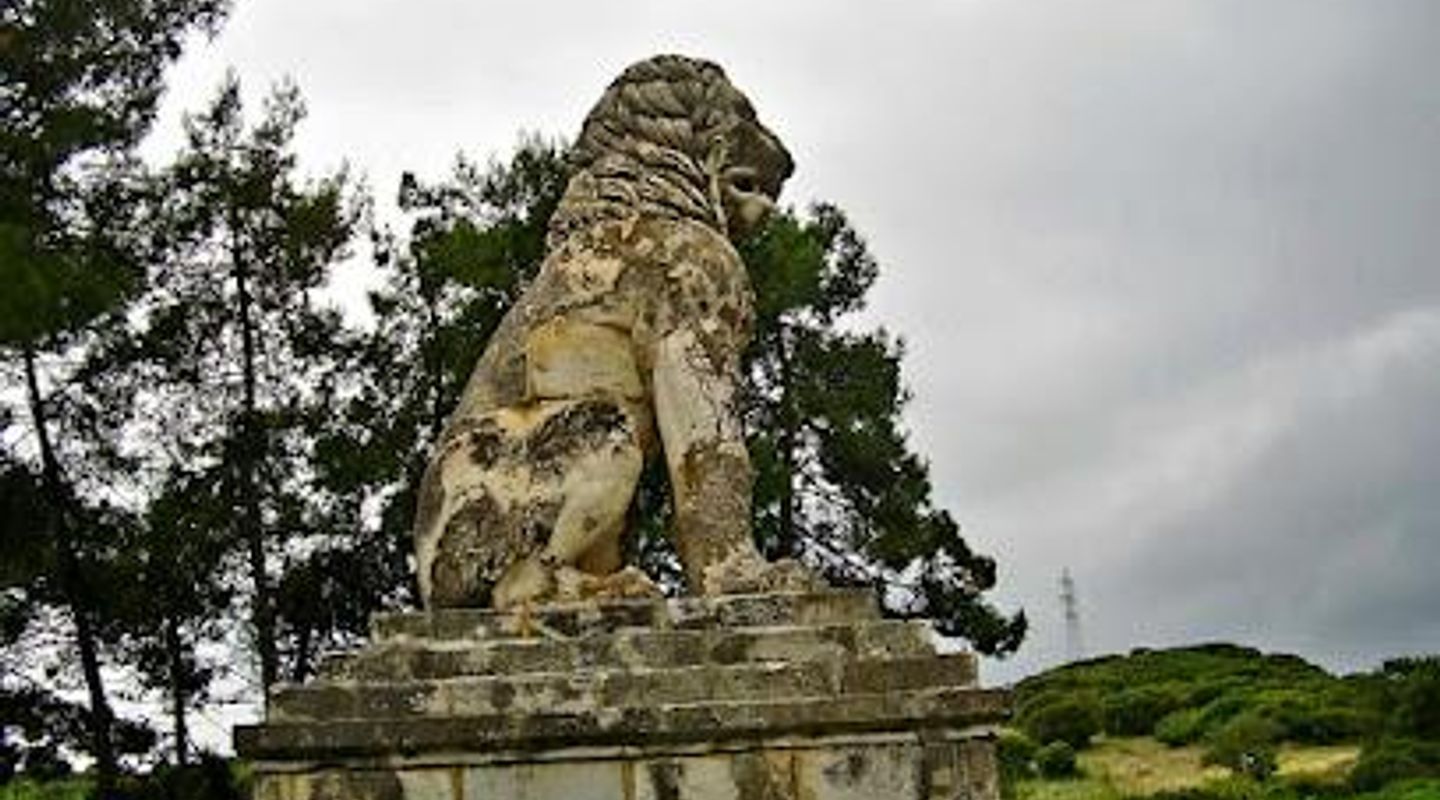
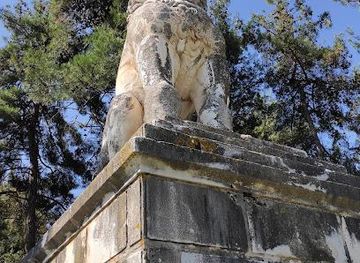
The Lion of Amphipolis is a 4th-century BC marble sculpture standing near the ancient city of Amphipolis in Macedonia, Greece. This imposing monument, possibly erected in honor of Laomedon, a general of Alexander the Great, has become a symbol of the region, drawing visitors to admire its artistry and historical significance.
A brief summary to Lion of Amphipolis
- Amfipoli, 620 52, GR

Know before you go
Hi, I'm Eve. Here are a few practical things to know before exploring Lion of Amphipolis.
- Visit early in the morning or late afternoon to avoid crowds and enjoy the best light for photography.
- Wear comfortable shoes, as the archaeological site includes uneven terrain.
- Explore the surrounding archaeological remains for a deeper understanding of the area's history.
Do you manage this location?
Take control to get all the benefits, like improved information, better appearance, and stronger visibility across AI-powered discovery. Learn more about listing your business on Evendo
Activate your presenceOther nearby places you may find interesting
The closest places of the same kind, if this one is not quite what you had in mind.
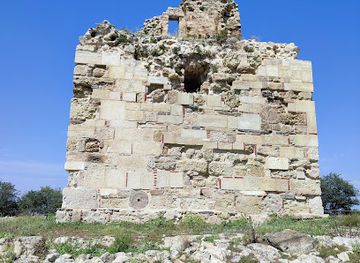
Explore Lion of Amphipolis on the Map
A handpicked selection of must-see spots near Lion of Amphipolis, mapped for you.
Unlock the Best of Lion of Amphipolis
Buy tickets
-
No tickets available
Book tours with entry


Book tours without entry

Getting There
-
Walking
From the center of Amphipolis town, the Lion is approximately a 15-20 minute walk. Head south, following signs for the Lion of Amphipolis. The route is straightforward and well-marked. There are no costs associated with walking.
-
Public Transport
The nearest bus stop is in Amphipolis village. From the bus stop, follow the main road south towards the Lion. The walk from the bus stop to the Lion is about 15 minutes. Bus fares vary depending on the origin, but a local trip within the Serres region typically costs around €2-€5.
-
Taxi
Taxis are available in the nearby towns of Amphipolis and Asprovalta. A taxi ride from Asprovalta to the Lion of Amphipolis typically costs between €15-€25, depending on traffic and the time of day.
Discover more about Lion of Amphipolis













Your all‑in‑one travel companion app
Explore expert travel guides, compare and book tours, experiences, hotels, and more—all from the palm of your hand. Download now for seamless trip planning wherever your wanderlust takes you.


Explore More of Chalkidiki
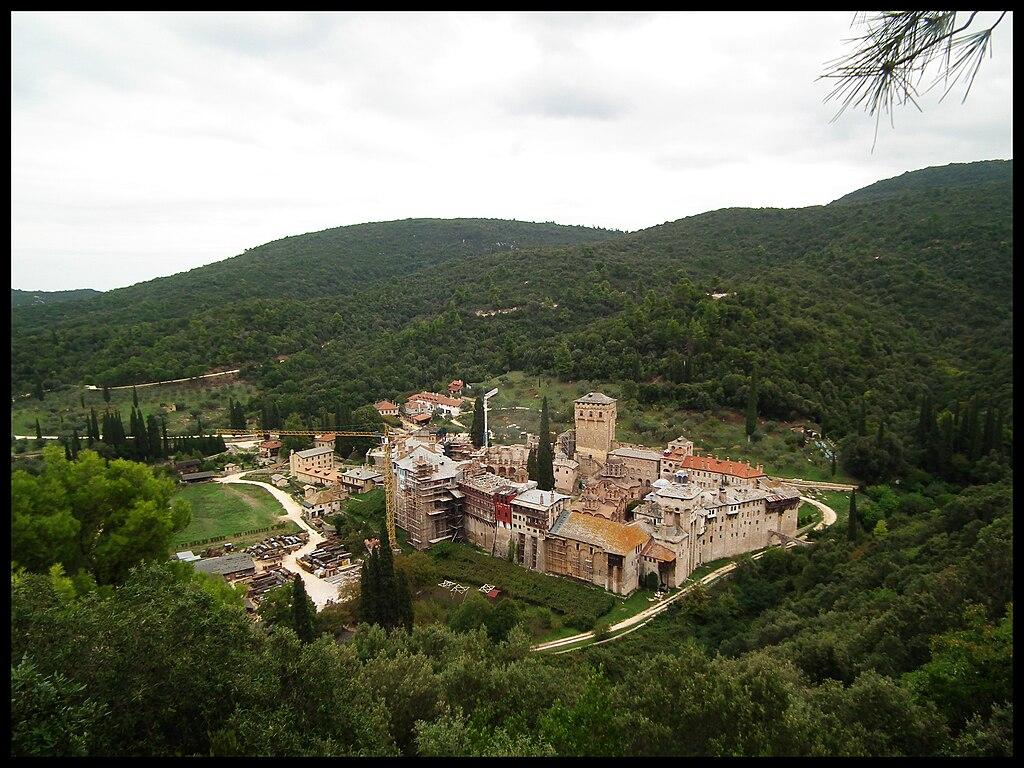
Looking beyond Lion of Amphipolis? Discover Chalkidiki for broader travel guides, local hot-spots, and regional highlights.
Explore Chalkidiki