Archaeological Site of Olympia: Birthplace of the Olympic Games
Explore the birthplace of the Olympic Games, where ancient athletes competed in honor of Zeus. A journey through history and athletic glory.
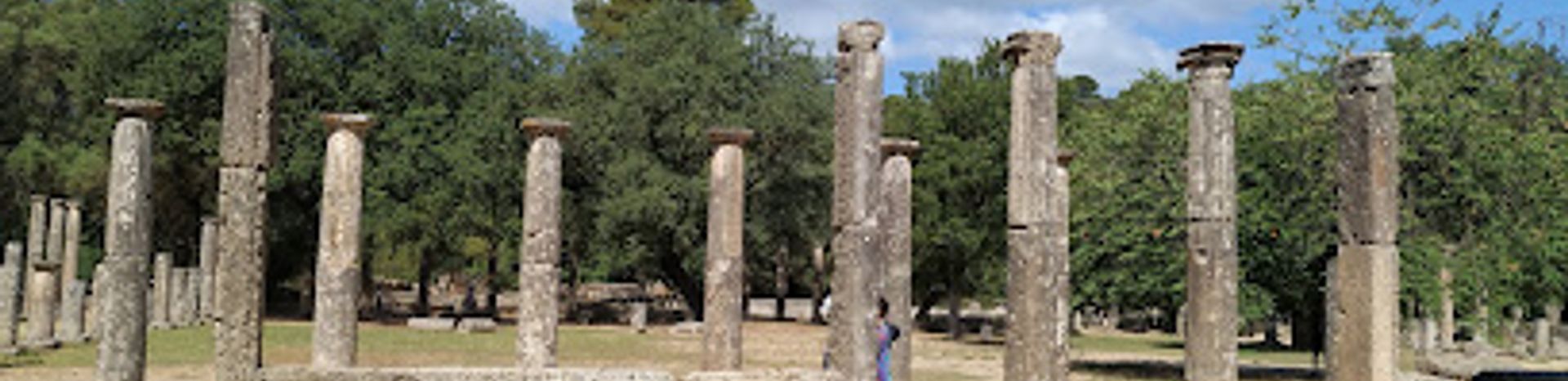
Explore the ruins of Ancient Olympia, the birthplace of the Olympic Games in 776 B.C. Wander through the remains of temples dedicated to Zeus and Hera, the stadium where athletes competed, and the surrounding athletic structures. The site offers a glimpse into the ancient world of sports, religion, and culture.
A brief summary to Archaeological Site of Olympia
- Archaia Olympia, 270 65, GR
- +302624022517
- Visit website
Local tips
- Wear comfortable shoes, as there is a lot of walking on gravel paths.
- Visit early in the morning or later in the afternoon to avoid crowds and tour buses.
- Bring water and sun protection, as the site offers limited shade.
- Purchase tickets online to guarantee entry and save time.
- Check the opening hours of the museum, as it may close earlier than the site.

Getting There
-
Car
From Athens, take the A8/E94 highway west towards Patras, then follow the signs to Pyrgos/Olympia and continue to Olympia. From Kalamata, take the E65 highway and then the E55 to Pyrgos/Olympia. Once in Olympia, follow signs to the Archaeological Site. Parking is available near the site. Parking near the site is free. Finding the parking lot can be challenging due to unclear signs and narrow roads.
-
Bus
From Athens, take a KTEL bus to Pyrgos, then transfer to a local bus to Olympia. The bus from Athens to Pyrgos departs from the Kifissou bus station. From Pyrgos, local buses run regularly to Olympia. The bus station in Olympia is within walking distance of the Archaeological Site. A one-way bus ticket from Athens to Pyrgos costs approximately €25-€35. The local bus from Pyrgos to Olympia is a few euros.
-
Walking
From the center of Olympia town, walk east on the main road (Olympias Street). Turn left onto Pindou Street and walk for about 300 meters. The Ancient Olympia Parking Lot will be on the right. The walk is approximately 15 minutes.
Discover more about Archaeological Site of Olympia
Iconic landmarks you can’t miss

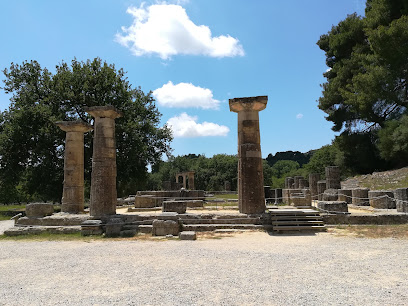
Altar of Hera
0.1 km
Visit the Altar of Hera in Olympia, Greece, where the Olympic flame is kindled, linking ancient traditions to the modern games.
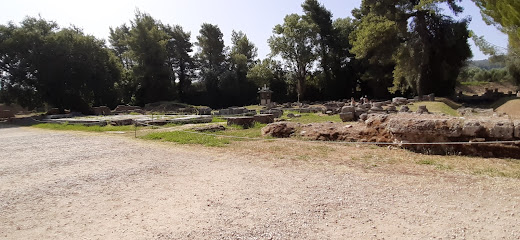
Altar of Zeus
0.1 km
Discover the sacred Altar of Zeus in Olympia, a testament to ancient Greek piety and the heart of Olympic sacrifices.
Sikyonian Treasury
0.1 km
Explore the ruins of the Sikyonian Treasury in Delphi, a testament to ancient Greek power and artistry, offering a glimpse into a rich history.
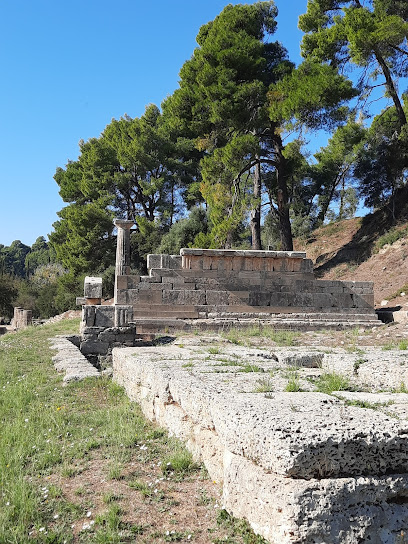
Metroon
0.1 km
Explore the ruins of the Metroon in Ancient Olympia, a temple dedicated to the Mother of the Gods, and discover its fascinating history.
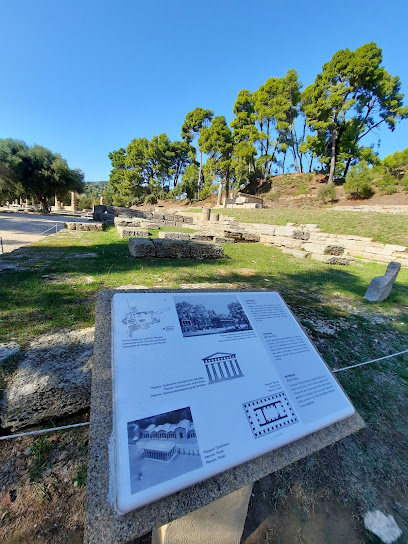
Treasures of Olympia
0.1 km
Discover the captivating world of ancient Greece at Treasures of Olympia, where history, culture, and natural beauty converge.
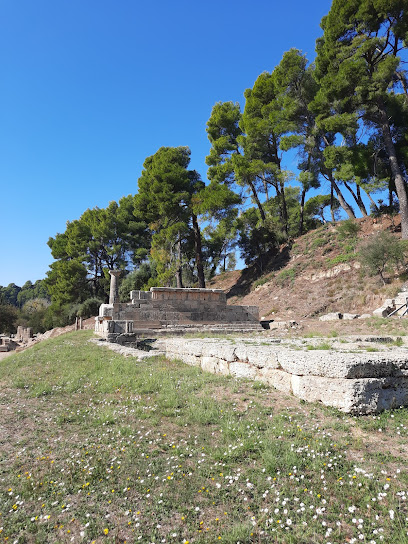
Ancient Gymnasium
0.1 km
Explore the ancient training grounds of Olympic athletes at the Gymnasium of Olympia, a testament to athletic preparation and dedication.
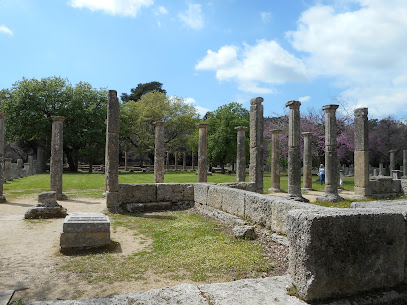
Stadium Gate
0.2 km
Step through history at Olympia's Stadium Gate, where the ancient Olympic spirit comes alive. A must-see landmark!
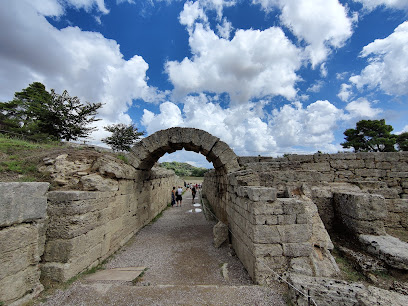
South Stoa
0.2 km
Explore the South Stoa in Olympia, the historic gateway where ancient athletes and visitors entered the sacred grounds of the Olympic Games.
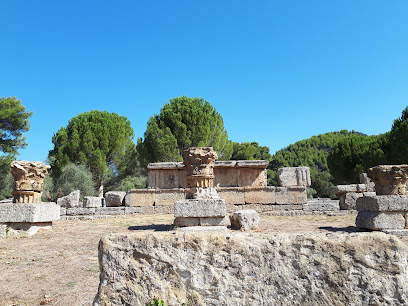
House of Nero
0.2 km
Explore the ruins of Nero's residence in Olympia, a window into the luxurious Roman lifestyle amidst the ancient Olympic grounds.
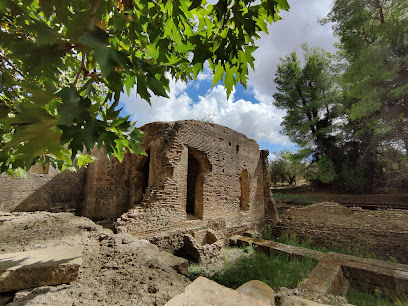
Stadium at Olympia
0.3 km
Walk the track where legends were made at the Stadium of Olympia, the birthplace of the Olympic Games.
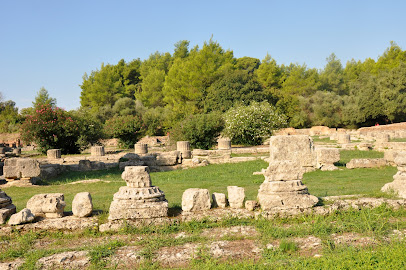
Sanctuary of Eleithyia
0.4 km
Discover the Sanctuary of Eleithyia in Olympia, Greece: a historical landmark dedicated to the goddess of childbirth and ancient rituals.
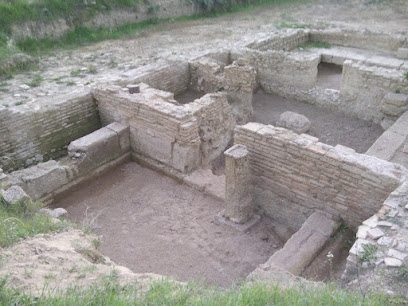
Museum of the History of the Excavations in Olympia
0.5 km
Explore the rich heritage of Greece at the Museum of the History of the Excavations in Olympia, home to stunning artifacts from the ancient Olympic Games.
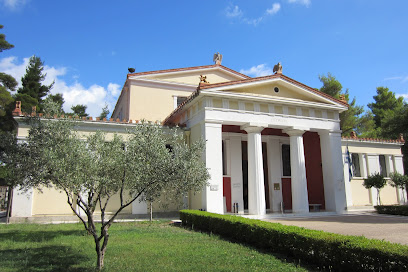
Ancient Olympia Parking Lot
0.6 km
Your free and convenient starting point for exploring the historic grounds of Ancient Olympia, the birthplace of the Olympic Games.
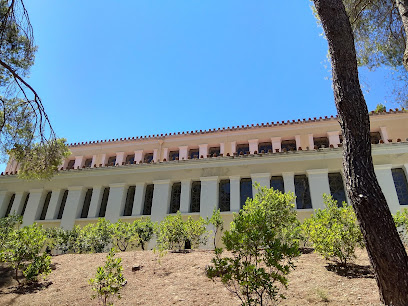
Statue of Zeus at Olympia
0.8 km
Explore the ruins where the colossal Statue of Zeus once stood, a testament to ancient Greece's artistic and athletic achievements.
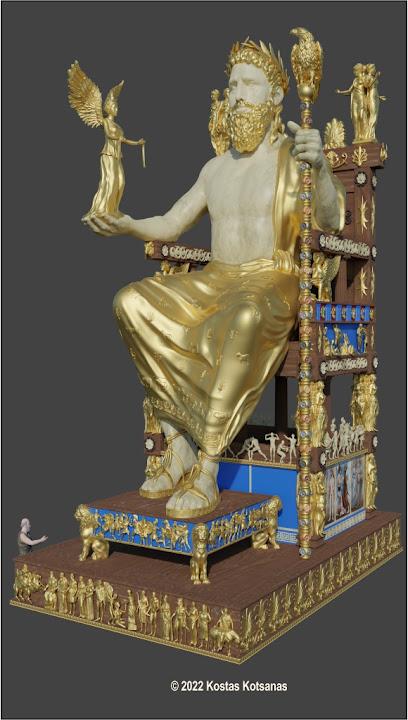
Temple of Apollo Epicurius at Bassae of Phigaleia
33.2 km
Discover the Temple of Apollo Epicurius, a remarkably preserved ancient Greek marvel in the mountains of the Peloponnese.
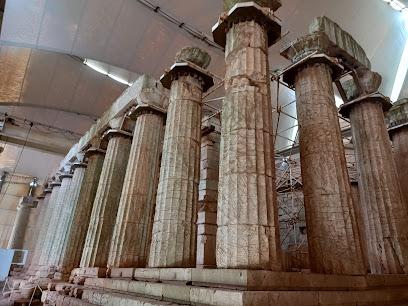
Unmissable attractions to see

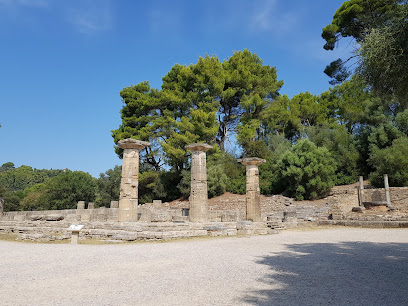
Temple of Hera
0.0 km
Explore the Temple of Hera in Olympia, Greece, where history, mythology, and breathtaking architecture come together in this UNESCO World Heritage site.
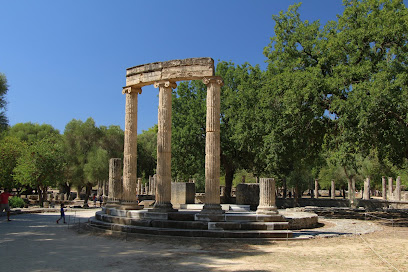
Philippeion
0.1 km
Discover the enchanting Philippeion in Ancient Olympia, a historical landmark that embodies the grandeur of ancient Greek civilization and its rich cultural heritage.
Site of Original Olympic Games
0.1 km
Explore the historic Site of the Original Olympic Games in Olympia, Greece, an archaeological wonder that celebrates the legacy of ancient athleticism.
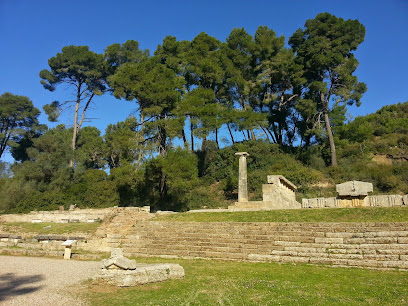
Temple of Zeus
0.1 km
Explore the Temple of Zeus in Archaia Olympia, a stunning historical landmark that reveals the grandeur of ancient Greece.
Nymphaeum
0.1 km
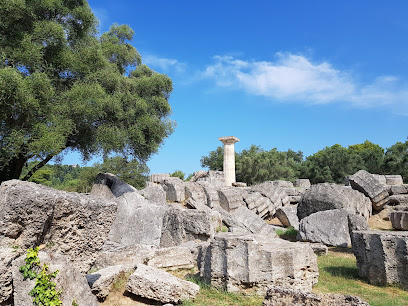
Explore the Nymphaeum in Archaia Olympia, a stunning historical landmark blending ancient architecture with natural beauty.
Πρυτανείο Αρχαίας Ολυμπίας
0.1 km
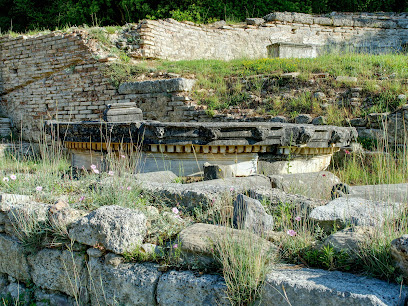
Discover the ancient roots of the Olympic Games at Ancient Olympia, a UNESCO World Heritage site blending history, culture, and stunning landscapes.
Palaestra
0.1 km
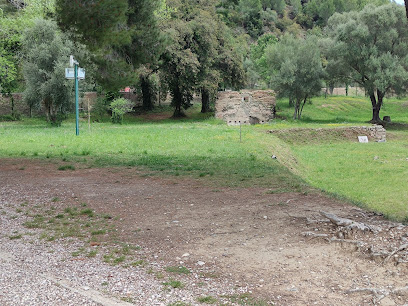
Explore the Palaestra, a historical landmark in Ancient Olympia that captures the essence of Greece's vibrant athletic heritage.
Workshop of Phidias - Early Christian basilica
0.1 km
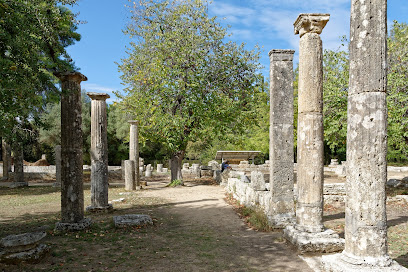
Explore the Workshop of Phidias in Archaia Olympia, the birthplace of classical sculpture and a must-visit historical landmark in Greece.
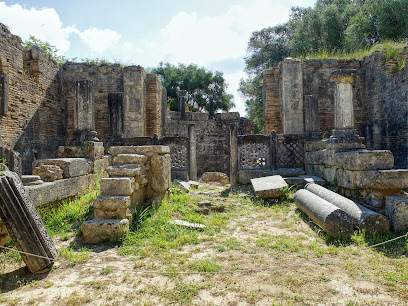
Bouleutḗrion
0.1 km
Discover the historical marvel of Bouleutērion in Archaia Olympia, a captivating site that showcases ancient Greek political life and culture.
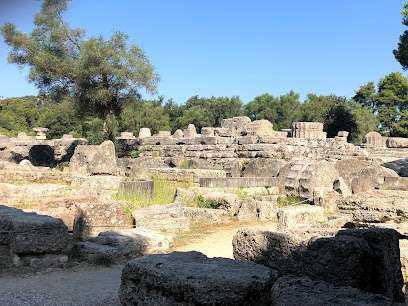
Mount Kronios
0.3 km
Discover Mount Kronios, a historical landmark and breathtaking viewpoint near Olympia, blending rich heritage with stunning natural beauty.
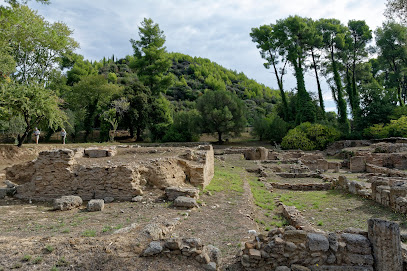
Altar of Demeter Hamyne
0.3 km
Explore the Altar of Demeter Hamyne, a historical landmark in Olympia, Greece, where ancient mythology and serene landscapes intertwine.
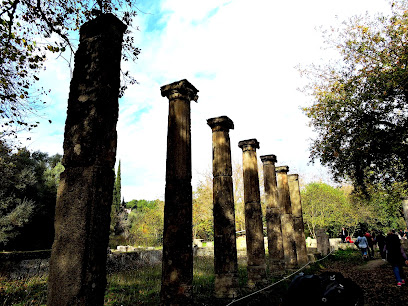
Museum of the History of the Olympic Games of antiquity
0.5 km
Discover the Olympic spirit at the Museum of the History of the Olympic Games of Antiquity in Archaia Olympia, where history comes alive through ancient artifacts.
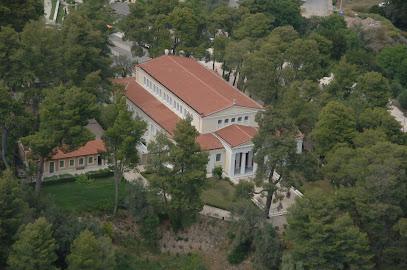
Archaeological Museum of Olympia
0.6 km
Uncover the legacy of the ancient Olympic Games at the Archaeological Museum of Olympia, home to magnificent artifacts and rich history.
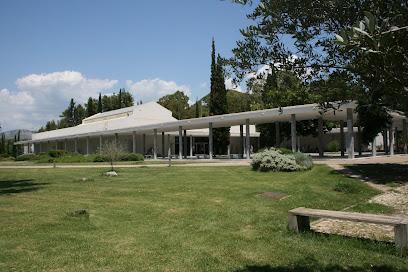
Μικρό Γεφύρι
0.6 km
Explore the serene beauty of Mikrò Gefyri in Archaia Olympia, Greece, and immerse yourself in history and nature at this enchanting bridge.
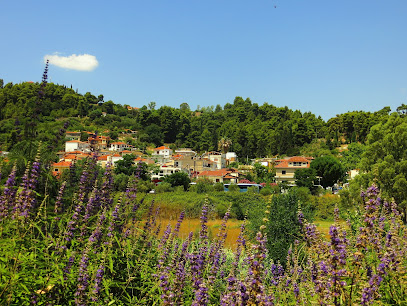
Μνημείο Πιέρ ντε Κουμπερτέν
0.6 km
Discover the Monument of Ancient Olympia: The Historic Birthplace of the Olympic Games Awaits You.
Essential places to dine

ΘΕΪΚΟΝ Cook bar
0.7 km
Discover the culinary delights at ΘΕΪΚΟΝ Cook Bar in Archaia Olympia—where delicious barbecue meets friendly service.
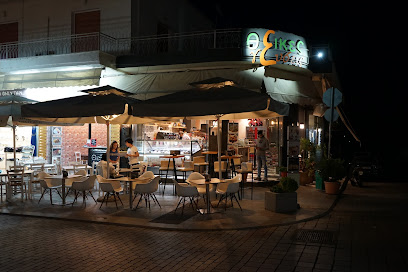
Mythos, Family Grill Tavern
0.7 km
Experience authentic Greek flavors at Mythos Family Grill Tavern in Archea Olympia – where tradition meets taste.
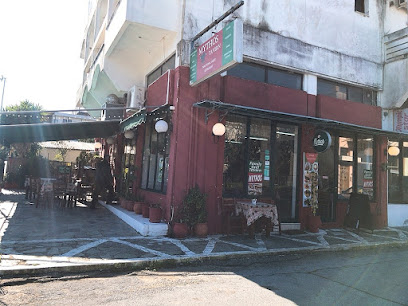
Symposio tavern
0.7 km
Experience authentic Greek cuisine at Symposio Tavern in Ancient Olympia - a culinary haven steeped in history and tradition.
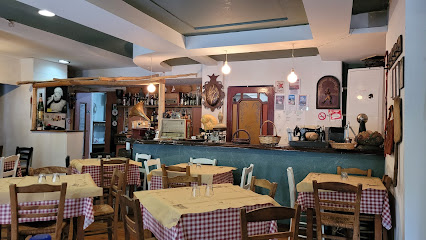
Αμβροσία - Ambrosia Garden
0.7 km
Experience authentic Greek cuisine amidst lush gardens in Ancient Olympia at Ambrosia Garden - where history meets culinary delight.
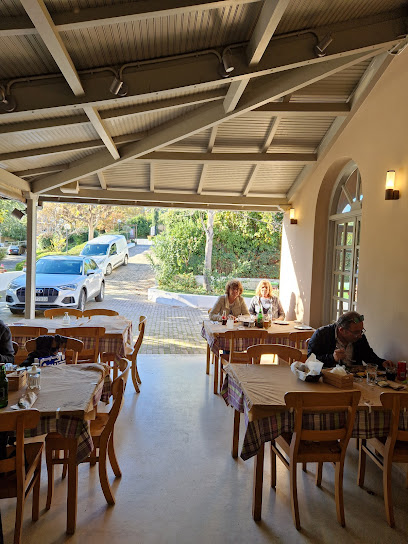
Taverna Orestis
0.7 km
Discover authentic Greek flavors at Taverna Orestis in Ancient Olympia – where culinary tradition meets warm hospitality.
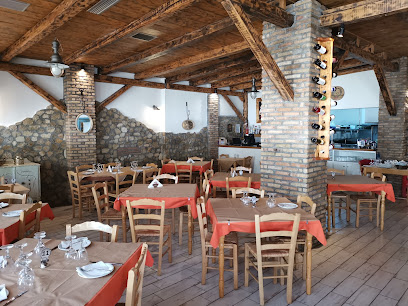
cafe top's
0.8 km
Discover authentic Greek flavors at Café Top's in Archaia Olympia – a perfect blend of tradition and hospitality.
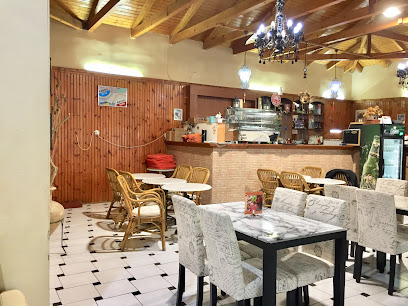
Ariston
0.8 km
Experience authentic Greek barbecue at Ariston in Archaia Olympia – where tradition meets flavor in every dish.
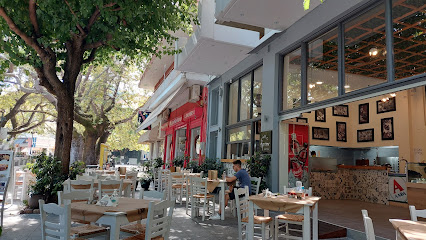
Aegean Restaurant Cafe
0.8 km
Experience authentic Greek cuisine at Aegean Restaurant Cafe in Ancient Olympia – where tradition meets flavor in a cozy setting.
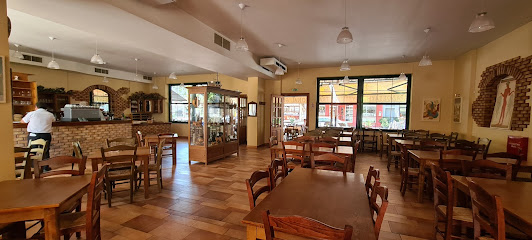
Rodo Cafe
0.8 km
Discover delightful flavors at Rodo Cafe in Ancient Olympia - where culinary tradition meets modern comfort.
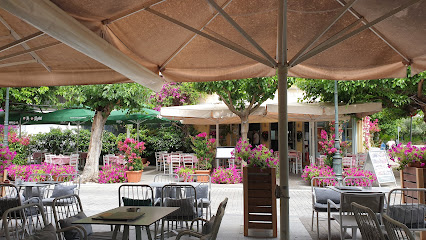
ΔΗΜΗΤΡΑ restaurant & wine
0.8 km
Discover authentic Greek flavors at ΔΗΜΗΤΡΑ restaurant & wine in Archaia Olympia—where tradition meets culinary innovation.
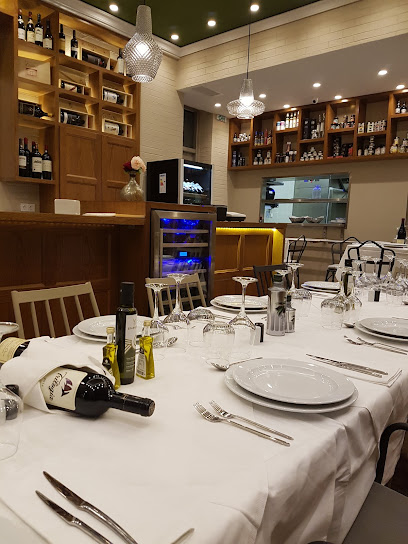
Πολύγευστον Authentic Greek Street Food
0.8 km
Experience authentic Greek street food at Πολύγευστον in Ancient Olympia—where tradition meets flavor.
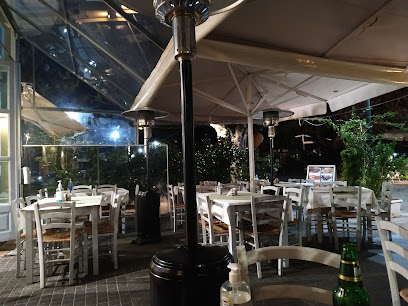
Vasilakis
0.8 km
Discover authentic Greek cuisine at Vasilakis in Olympia – where tradition meets taste in every dish.
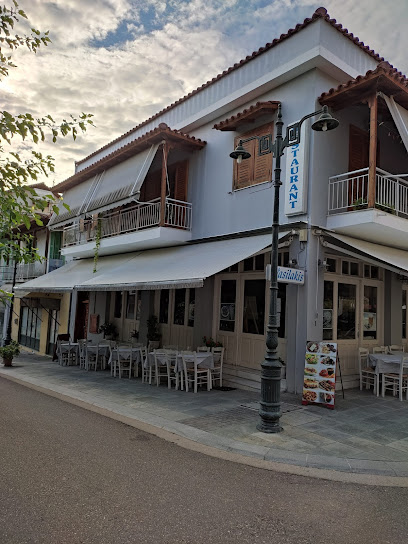
Pheidias Grill House
0.9 km
Experience authentic Greek flavors at Pheidias Grill House in Olympia—where grilled delights meet warm hospitality.
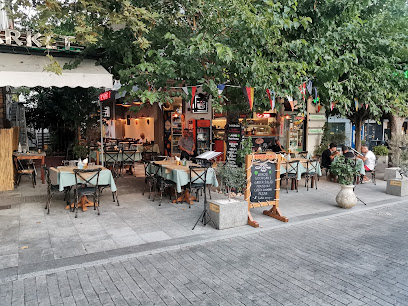
Zeus Restaurant-cafe-bar
0.9 km
Discover the best of Greek cuisine at Zeus Restaurant-Cafe-Bar in Ancient Olympia—where tradition meets modern taste.
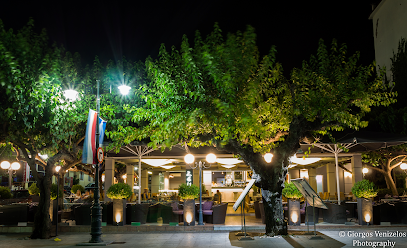
Anesis grill tavern [ψητοπωλειο Ζουνης]
0.9 km
Discover Anesis Grill Tavern in Archaia Olympia – A Culinary Gem Offering Authentic Greek Cuisine Amidst Historic Ruins.
![Anesis grill tavern [ψητοπωλειο Ζουνης]](https://evendo-location-media.s3.amazonaws.com/RestaurantImages/0f63643a-c517-40ed-9579-e765f479e184)
Markets, malls and hidden boutiques

Shop of the Museum of Ancient Olympia
0.5 km
Discover unique souvenirs that celebrate the rich history of ancient Greece at the Shop of the Museum of Ancient Olympia.
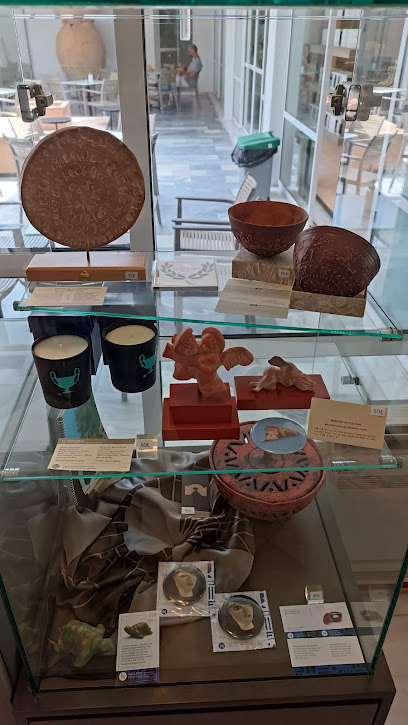
Krypte ArtShop
0.7 km
Explore Krypte ArtShop in Archaia Olympia for unique handmade jewelry and art that embodies the spirit of Greek culture and craftsmanship.
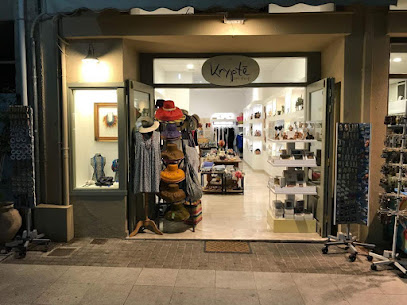
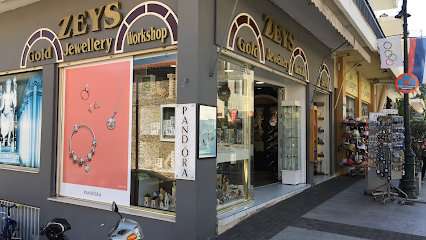
Zeus
0.7 km
Explore the exquisite craftsmanship of Zeus Jewelry Store in Archaia Olympia, where tradition meets modern elegance in stunning jewelry designs.
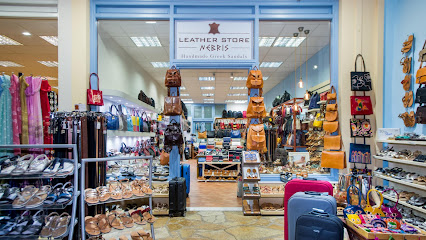
Leather Store Nebris
0.7 km
Explore the artistry of handcrafted leather goods at Leather Store Nebris in Archaia Olympia - a must-visit for unique Greek souvenirs.
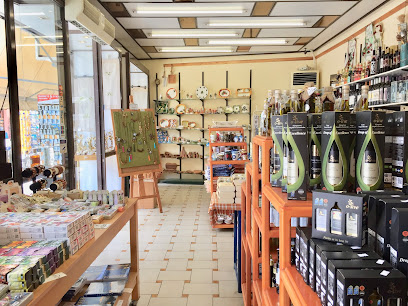
Kotinos shop, Ancient Olympia - Κατάστημα σουβενίρ Αρχαία Ολυμπία
0.8 km
Explore Kotinos Shop in Ancient Olympia for unique Greek souvenirs that celebrate culture, history, and craftsmanship, perfect for every traveler.
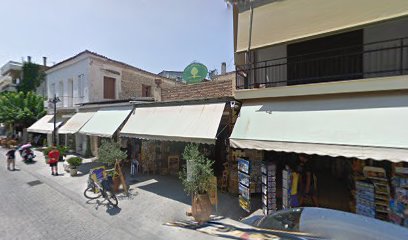
Products of Greece Olympia Nature
0.8 km
Explore the vibrant Products of Greece in Olympia, a traditional market that showcases authentic local flavors and artisanal crafts.
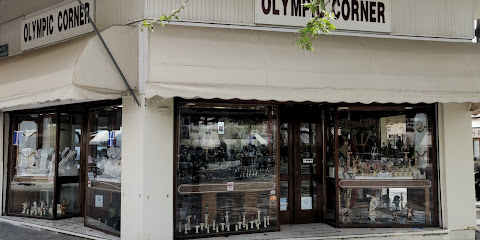
Olympic Corner
0.8 km
Explore Olympic Corner in Archaia Olympia for exquisite jewelry and a unique shopping experience in a vibrant atmosphere.
KHRYKEION
0.8 km
Experience the best of shopping and dining at KHRYKEION in Archaia Olympia, where modern retail meets rich Greek heritage.
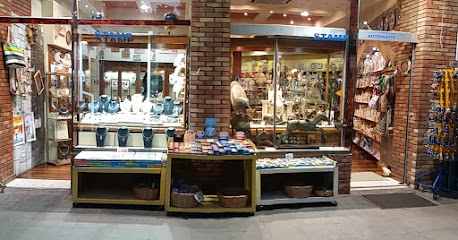
Kavvouras leather goods(since 1984)
0.8 km
Explore the artistry of handcrafted leather goods at Kavvouras in Archaia Olympia, where tradition meets style.
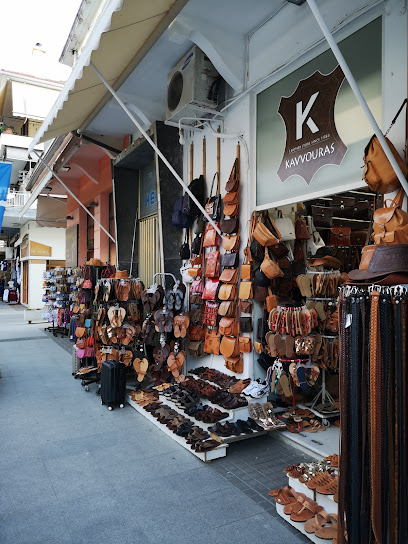
Sandalon
0.8 km
Explore Sandalon in Archaia Olympia for an exquisite selection of stylish and comfortable footwear to elevate your travel experience in Greece.
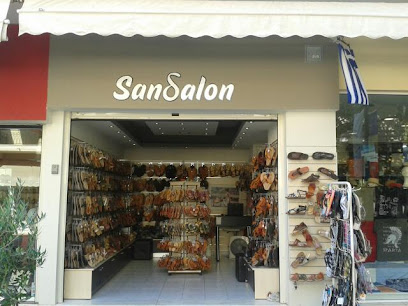
Corner T
0.8 km
Discover the charm of Archaia Olympia at Corner T, a vibrant shopping mall with unique boutiques and local culture.
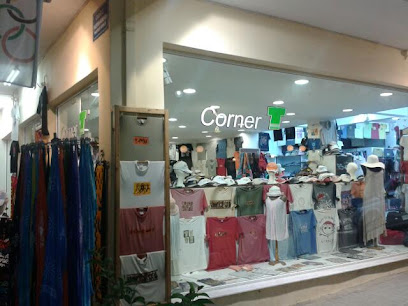
Padelina Shopping Center
1.8 km
Experience the best shopping and dining at Padelina Shopping Center in Φαναράς, where local charm meets modern retail.
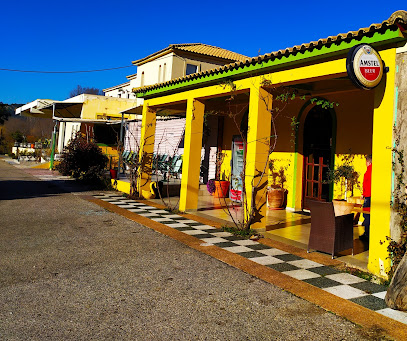
Unique Greek Souvenirs
27.6 km
Explore Unique Greek Souvenirs in Katakolo, a charming clothing store offering authentic Greek crafts and gifts that capture the essence of your travels.
Nota Clothing
43.5 km
Explore Nota Clothing in Andravida for unique fashion pieces that capture the essence of modern style and local flair.

ΑΣΕΑ GROUP Α.ΔΙΑΜΑΝΤΟΠΟΥΛΟΣ κ ΣΙΑ Ο.Ε
62.8 km
Discover the essential building materials store in Kato Asea, where local craftsmanship meets quality supplies for your construction needs.
Essential bars & hidden hideouts

Zorbas Bar Ancient Olympia
0.6 km
Experience the vibrant atmosphere of Zorbas Bar in Ancient Olympia, where cocktails and history blend seamlessly for an unforgettable night out.
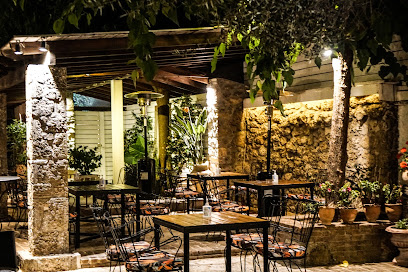
kalypso club
0.7 km
Discover the exhilarating nightlife at Kalypso Club, where music, dance, and vibrant energy unite in the heart of Archaia Olympia.
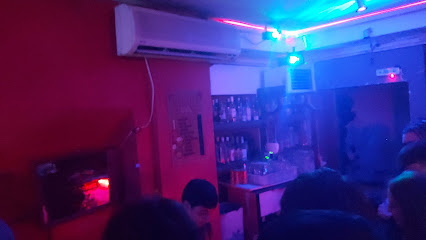
Hotel Europa Olympia
1.0 km
Discover the perfect blend of luxury and history at Hotel Europa Olympia, your gateway to the ancient wonders of Greece.

Beach Bar «Μαντώ»
24.5 km
Discover Beach Bar «Μαντώ», a tranquil beach escape in Zacharo, Greece, perfect for enjoying cocktails and beautiful ocean views.
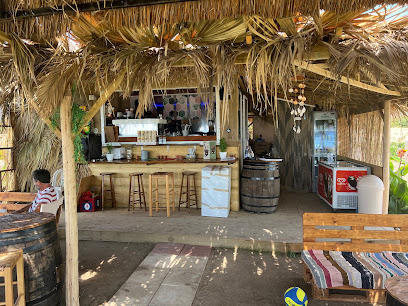
Seagull beach bar
25.7 km
Experience the serene vibes and refreshing drinks at Seagull Beach Bar in Zaharo Municipality, the perfect coastal escape for every traveler.
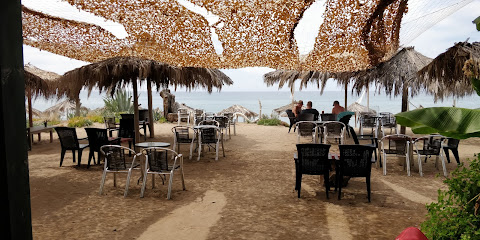
Lime Bar , Katakolo
27.4 km
Lime Bar in Katakolo: A lively spot for drinks, socializing, and enjoying stunning harbor views.
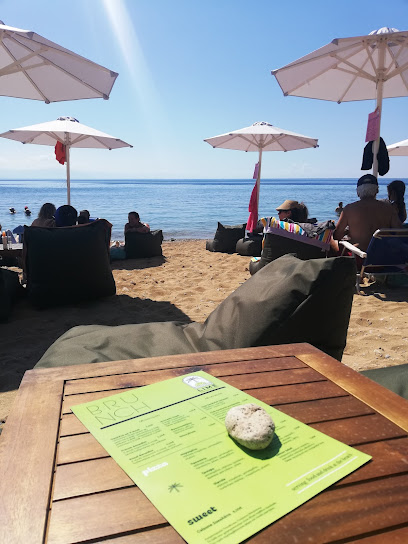
Marrone Brasserie Wine Bar
30.2 km
Discover the charm of Marrone Brasserie Wine Bar in Amaliada, where exquisite wines meet delightful flavors in a cozy atmosphere.
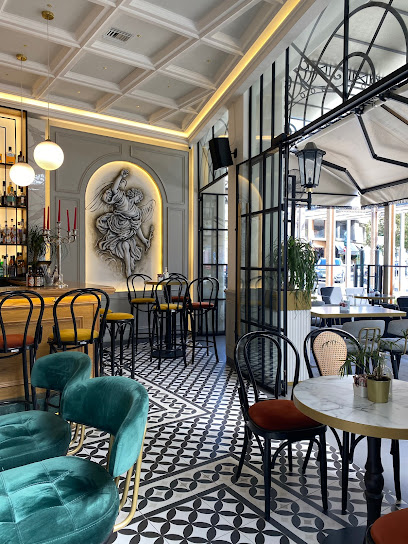
Vrahos Beach Snack Bar
57.5 km
Experience the essence of Greece at Vrahos Beach Snack Bar, where delicious grills meet breathtaking beach views.
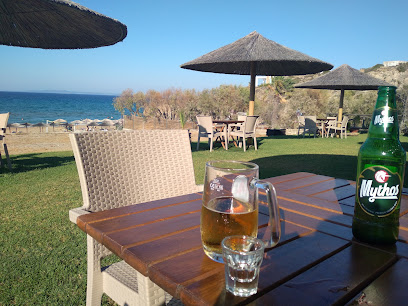
Sit and share coffee.food.bar
58.7 km
Discover the charm of Sip and Share Coffee Food Bar in Zakynthos, where delightful coffee and snacks meet a warm atmosphere and stunning surroundings.
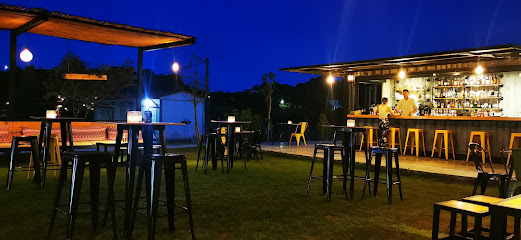
Porto Azzuro Beach Bar
59.9 km
Discover the ultimate beachside escape at Porto Azzuro Beach Bar in Vasilikos, where relaxation meets exquisite Mediterranean flavors.
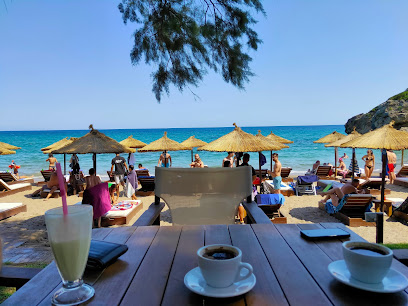
Apallu Beach Bar
61.9 km
Experience the vibrant beach culture and stunning views at Apallu Beach Bar in Larisos, the ideal spot for relaxation and delicious local cuisine.
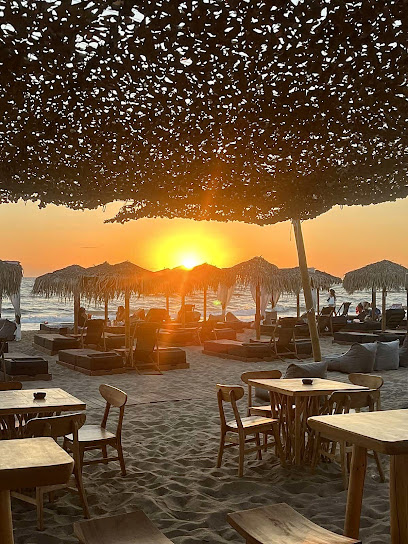
Aris Bezos Café Food & Wine
62.3 km
Experience the rich flavors of Greece at Aris Bezos Café Food & Wine, a charming grill in Κάτω Ασέα with delicious grilled dishes and exquisite wines.
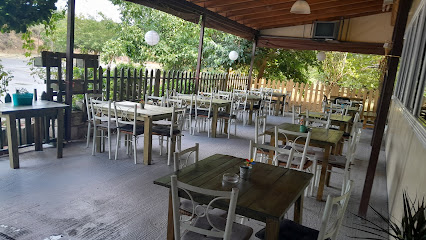
Island Club
62.4 km
Experience the vibrant nightlife of Argassi at Island Club, where delicious cocktails and a lively atmosphere await every visitor.
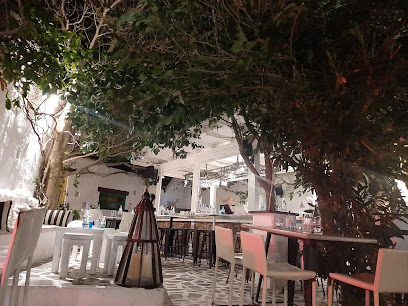
Beach Bar Ma,Yo Gianiskari
64.0 km
Discover the vibrant atmosphere and stunning views at Beach Bar Ma, Yo Gianiskari, the perfect beachside retreat in Araxos, Greece.
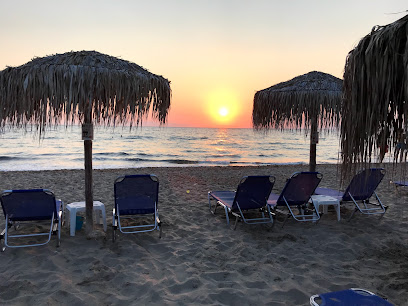
La Luna Bar Zante
64.6 km
Experience the vibrant nightlife at La Luna Bar Zante with outstanding cocktails and stunning seaside views in Zakynthos.
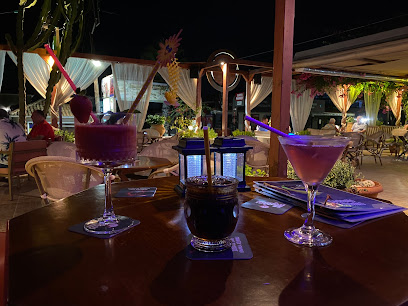
Nightclubs & after hour spots

Kourouta
9.0 km
Discover Kourouta, the ultimate night club in Oleni, Greece, where the vibrant nightlife and electrifying music create unforgettable memories.
Kingdom Night Club
30.3 km
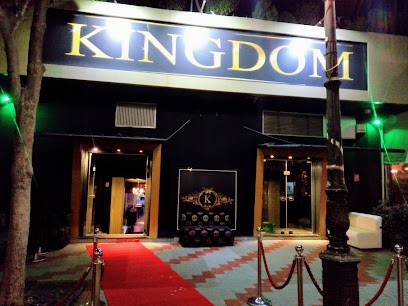
Discover the electrifying nightlife at Kingdom Night Club in Amaliada, where great music and vibrant energy create unforgettable experiences.
White Island Summer Club
33.2 km
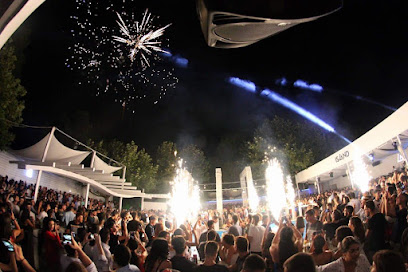
Discover Kourouta's nightlife gem at White Island Summer Club, where unforgettable parties and vibrant energy come alive under the stars.
Thínes
45.6 km
Discover the electrifying nightlife of Thínes, a premier night club in Pineios, Greece, where unforgettable dance experiences await.
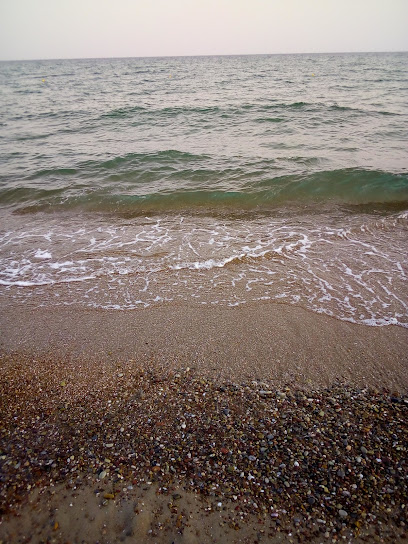
Jo Club
50.3 km
Discover the lively nightlife of Pelagos at Jo Club, a vibrant bar offering delicious drinks and a welcoming atmosphere.
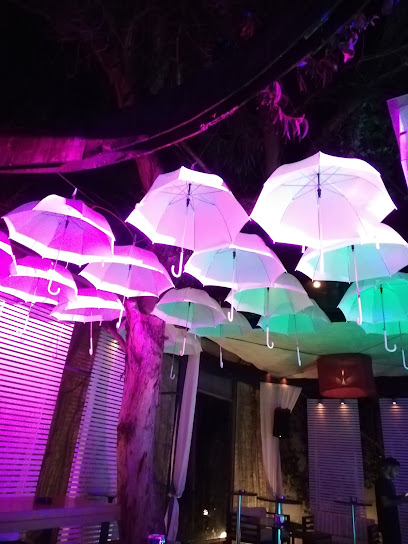
Noiz Club
52.5 km
Discover the vibrant nightlife at Noiz Club in Megalopolis, where electrifying beats and exciting ambiance await every night.
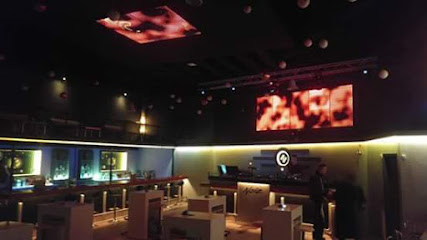
Garden Room
56.8 km
Discover the heart of Kato Achaia's nightlife at Garden Room, a dazzling night club that promises an unforgettable experience with music and dancing.
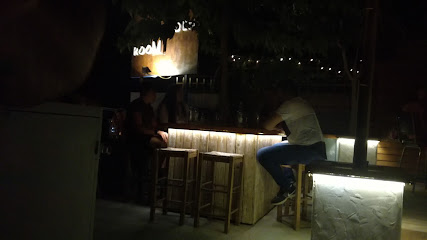
Magic Club
63.7 km
Discover the vibrant nightlife at Magic Club in Argassi, Greece, where unforgettable parties and electrifying music await every night.
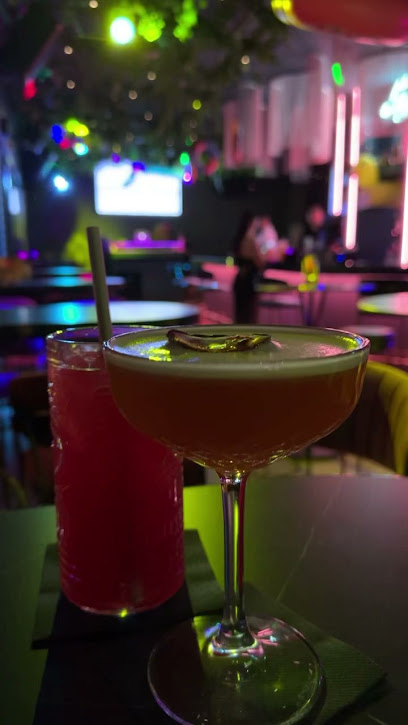
Club Barrage
65.2 km
Dive into the electrifying atmosphere of Club Barrage, Zakinthos' top night club, where unforgettable nightlife awaits!
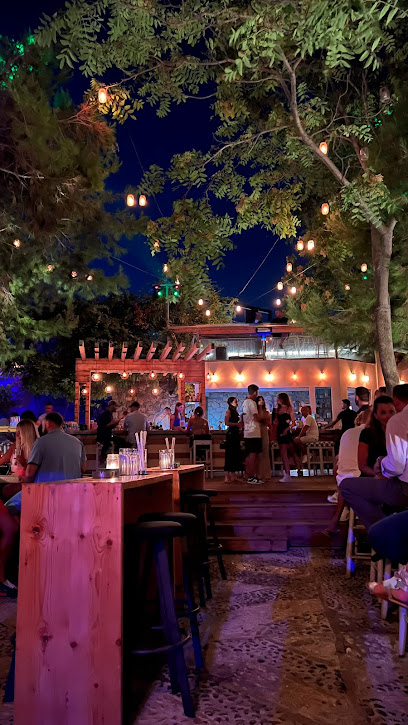
Saint Club
67.7 km
Dive into the energetic nightlife at Saint Club, the premier night club in Patras, Greece, where unforgettable experiences await every visitor.
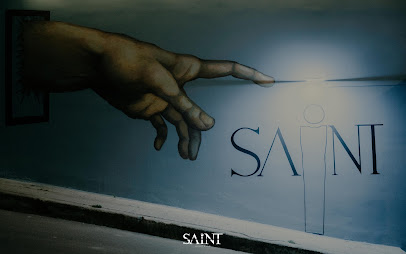
Asteria
67.9 km
Experience the vibrant nightlife of Patras at Asteria, where music, dancing, and unforgettable moments come alive until dawn.
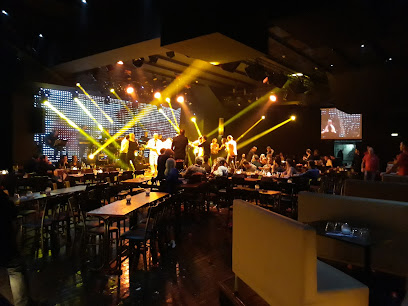
Mod's Club
68.0 km
Discover the electrifying nightlife at Mod's Club in Patras, where music, dance, and vibrant energy unite for an unforgettable experience.
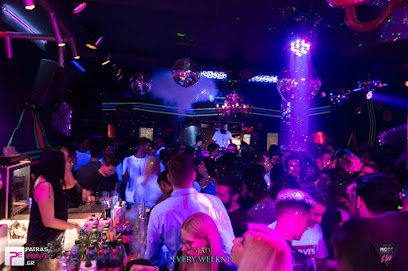
Navona Club Di Oggi
68.0 km
Discover the electric atmosphere of Navona Club Di Oggi, a must-visit disco club in Patras for an unforgettable night out.
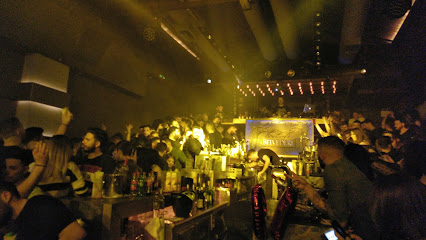
Waikiki Club
68.0 km
Discover the vibrant nightlife of Waikiki Club in Laganas, where electrifying music and lively crowds create unforgettable evenings.
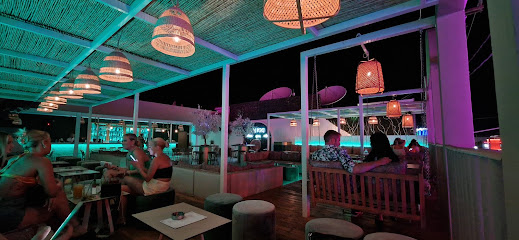
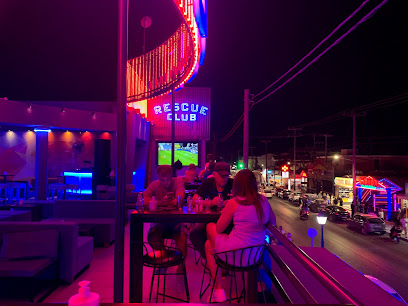
Rescue Club
68.1 km
Dive into an unforgettable night of music and dance at Rescue Club, Laganas' premier nightlife destination, where every evening is a vibrant celebration.