
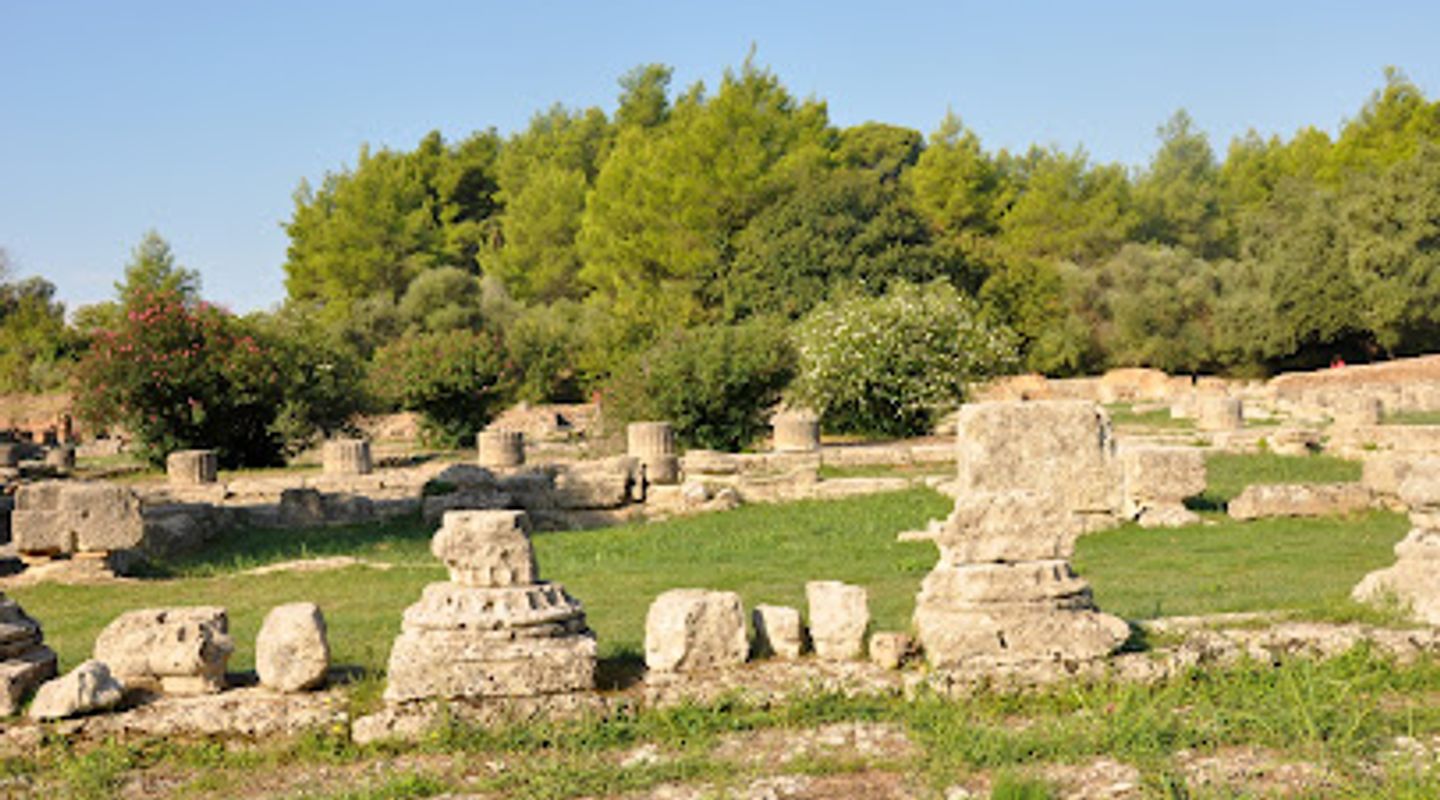
Stadium at Olympia, Olympia Travel Guide
Walk the track where legends were made at the Stadium of Olympia, the birthplace of the Olympic Games.
The Stadium at Olympia, east of the sanctuary of Zeus, hosted the ancient Olympic Games from 776 BC to 393 AD. Walk the original track, feel the weight of history, and imagine the roar of 45,000 spectators.
A brief summary to Stadium at Olympia
- Archaia Olympia, 270 65, GR
- Monday 8:30 am-3:30 pm
- Tuesday 8:30 am-3:30 pm
- Wednesday 8:30 am-3:30 pm
- Thursday 8:30 am-3:30 pm
- Friday 8:30 am-3:30 pm
- Saturday 8:30 am-3:30 pm
- Sunday 8:30 am-3:30 pm

Know before you go
Hi, I'm Eve. Here are a few practical things to know before exploring Stadium at Olympia.
- Visit in the early morning or late afternoon for cooler temperatures and a more intimate experience.
- Wear comfortable shoes, bring water, and allow ample time to explore the grounds.
- Check for local festivals or reenactments to enhance your visit.
- Purchase tickets online to avoid queues, especially during peak season.
Do you manage this location?
Take control to get all the benefits, like improved information, better appearance, and stronger visibility across AI-powered discovery. Learn more about listing your business on Evendo
Activate your presenceOther nearby places you may find interesting
The closest places of the same kind, if this one is not quite what you had in mind.

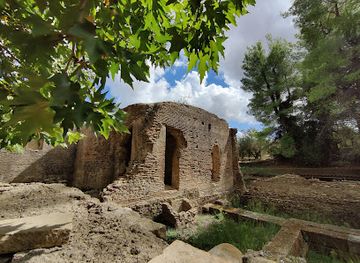
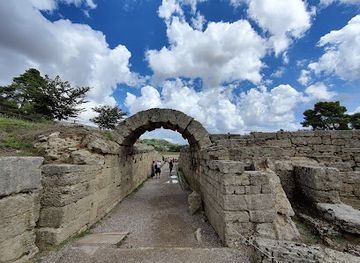


Explore Stadium at Olympia on the Map
A handpicked selection of must-see spots near Stadium at Olympia, mapped for you.
Unlock the Best of Stadium at Olympia
Buy tickets
-
No tickets available
Book tours with entry


Getting There
-
Walking
From the Archaeological Museum of Olympia, exit and head towards the archaeological site entrance. Follow the marked path to the Stadium, approximately a 10-15 minute walk. If you are in the center of Archaia Olympia, walk south on Ethniki Odos 33 for about 600 meters. Look for signs indicating 'Archaeological Site of Olympia'.
-
Public Transport
Take a bus from Athens, Terminal A (Kifissou 100), to Krestena. From Krestena, transfer to a local bus to Olympia. The Olympia bus station is within walking distance of the Archaeological Site. Bus tickets from Athens to Krestena cost approximately €24-€28.
Discover more about Stadium at Olympia













Your all‑in‑one travel companion app
Explore expert travel guides, compare and book tours, experiences, hotels, and more—all from the palm of your hand. Download now for seamless trip planning wherever your wanderlust takes you.


Explore More of Olympia
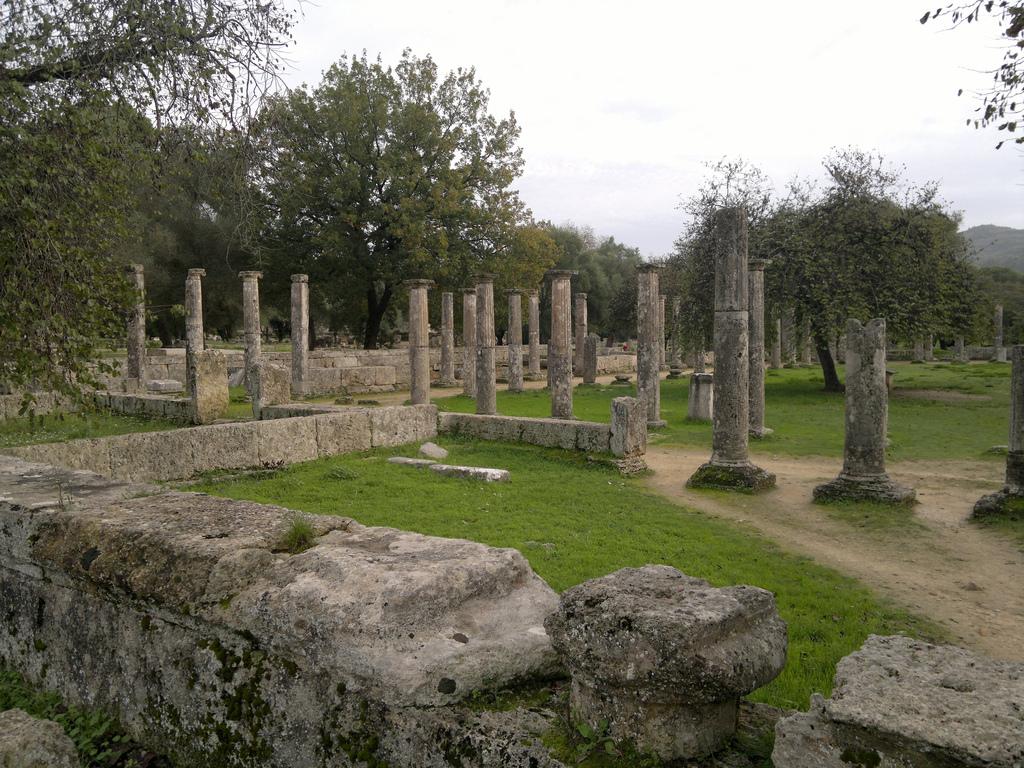
Looking beyond Stadium at Olympia? Discover Olympia for broader travel guides, local hot-spots, and regional highlights.
Explore Olympia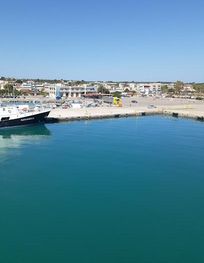
Explore Kastro Killinis: A historical fortress with breathtaking views of the Ionian Sea, perfect for history enthusiasts and nature lovers alike.
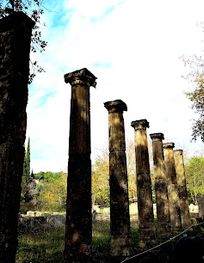
Discover the spiritual essence of ancient Greece at the Altar of Demeter Hamyne in Olympia, a serene landmark steeped in history.
