

Free Thrace Travel Guide & Mobile App
Explore Thrace with free travel guides. Discover regional history, expert tips, proposed trips, and audio guides on web or mobile app.


Explore Greek Thrace for Evros wetlands, Rhodope forests, historic Xanthi, Aegean beaches, Samothrace and richly layered borderland culture.
Read more about Thrace
When is the best time to visit Thrace?
Best: May–June, September · 25–30°C| Month | High (°C) | Rainfall (mm) |
|---|---|---|
| January | 9 | 50 |
| February | 9 | 45 |
| March | 14 | 50 |
| April | 20 | 40 |
| May (best) | 25 | 35 |
| June (best) | 30 | 30 |
| July | 32 | 25 |
| August | 31 | 30 |
| September (best) | 27 | 35 |
| October | 21 | 40 |
| November | 15 | 45 |
| December | 10 | 50 |
Getting to and around Thrace
How to get there
Transportation
Top city travel guides in Thrace
The cities of Thrace, and the easiest places to base yourself.
-

-


Swipe for more cities
Best attractions in Thrace
Greek Thrace offers a wide-ranging collection of attractions spread across mainland plains, forested uplands, coastal settlements and Samothrace. Xanthi’s old town provides one of the region’s most rewarding urban walks, with Ottoman-era houses, tobacco-merchant architecture and steep lanes leading towards the Rhodope foothills. Komotini combines museums, markets and religious landmarks, while Alexandroupoli serves as a base for the coast, the Evros Delta and ferry journeys. History is represented by the ancient site of Maroneia, the Sanctuary of the Great Gods on Samothrace and the medieval fortifications of Didymoteicho. Nature is equally prominent: the Evros Delta supports migratory birds and wetland habitats, and Dadia’s forested landscape is important for birds of prey. Beaches extend along the Aegean coast, with quieter stretches away from the main towns, while Samothrace adds mountain walking, waterfalls and river pools. Local museums, silk heritage in Soufli, village festivals and food markets provide cultural depth beyond the major archaeological sites. Because attractions are dispersed, a route based on two or three mainland centres usually works better than trying to cover the entire region from Alexandroupoli alone.
-
Tourist attraction
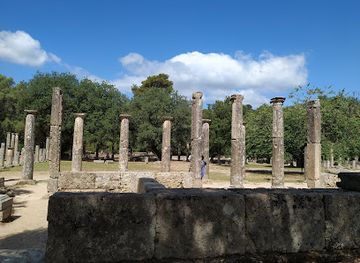
Archaeological Site of Olympia
Explore the birthplace of the Olympic Games, where ancient athletes competed in honor of Zeus. A journey through history and athletic glory.
-
Tourist attraction
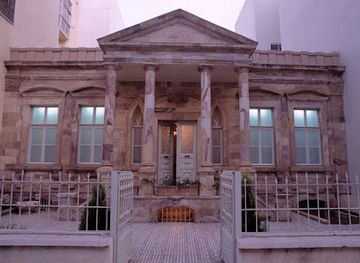
The House of Shadow
Discover shadow art with a message at The House of Shadow in Xanthi, where recycled materials transform into captivating sculptures and intriguing shadows.
-
Tourist attraction
Ethnological Museum of Thrace
Discover Thracian traditions: costumes, artifacts & history in a neoclassical Alexandroupoli museum. Open Tues-Sun.
-
Memorial park
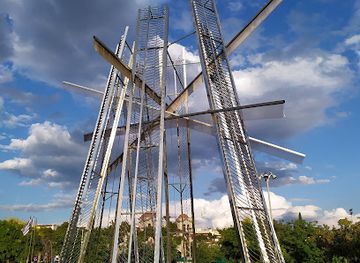
Greeks of Asia Minor & Thrace Square
A memorial square in Thessaloniki commemorating the Greeks displaced from Asia Minor & Thrace, reflecting the city's diverse history.

Best landmarks in Thrace
The Sanctuary of the Great Gods on Samothrace is one of Greek Thrace’s defining landmarks, an ancient religious complex set beneath Mount Saos and associated with mystery rites that drew visitors from across the Mediterranean. Xanthi’s historic quarter forms another distinctive landmark landscape, where timber-framed and neoclassical houses reflect the wealth generated by the tobacco trade. The Byzantine castle and fortified old town of Didymoteicho mark the strategic importance of the Evros corridor, while the nearby Ottoman-era Çelebi Sultan Mehmet Mosque is a major monument of the town’s later history. In Komotini, the surviving urban fabric of mosques, churches, markets and civic buildings illustrates the region’s layered religious and commercial past. Soufli’s traditional houses and silk-related buildings recall a specialised local industry, and Alexandroupoli’s lighthouse remains a recognisable coastal symbol beside the port. Beyond built heritage, the Evros River and its delta form a geographical landmark of national importance, defining a border landscape of channels, lagoons and reed beds rather than a single monumental structure.
-
 Historical landmark
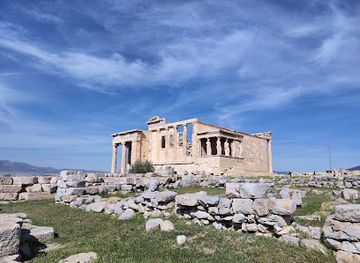
Acropolis of Athens
Explore the Acropolis of Athens, a UNESCO World Heritage site and the most complete ancient Greek monumental complex still existing today.
-
Historical landmark
Parthenon
Visit the Parthenon, the iconic symbol of ancient Greece, democracy, and Western civilization, located on the Acropolis in Athens. A must-see historical landmark.
-
Historical place
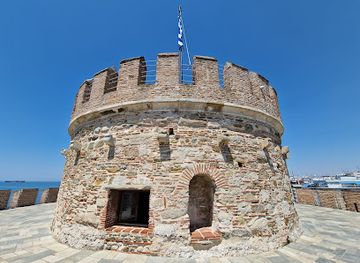
White Tower of Thessaloniki
Explore Thessaloniki's iconic White Tower: a historic monument, museum, and symbol offering panoramic city views and a journey through time.
-
Monastery
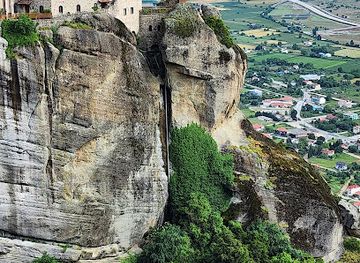
Meteora
Discover the breathtaking beauty and spiritual heritage of Meteora's monasteries, suspended between heaven and earth in the heart of Greece.
Explore Thrace on the map
Plan your trip on one map. See where the top cities, national parks and sights are, and book hotels and experiences in a few clicks.
Best hotels in Thrace
Best restaurants in Thrace
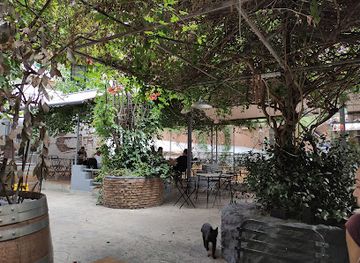
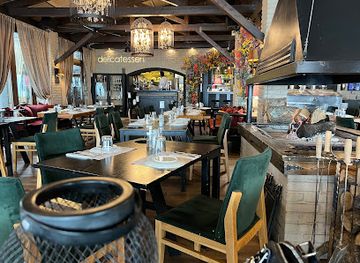
Dining in Greek Thrace reflects its position between the Aegean, the Balkans and Anatolia. Alexandroupoli and the coastal villages focus on grilled fish, shellfish and simple seafood dishes, while inland tavernas serve lamb, pork, seasonal vegetables, pulses and richly flavoured pastries. Xanthi and Komotini are particularly useful places to explore the region’s mixed culinary traditions, including sweets, filled pastries, yoghurt-based preparations and spiced dishes associated with local Muslim and Christian communities. The Evros plain contributes cereals, rice, cotton-growing agricultural landscapes and farm produce, while mountain villages offer cheeses, cured meats, honey and dishes based on foraged or seasonal ingredients. Look for local wines and tsipouro, usually enjoyed with small savoury plates rather than as a stand-alone drink. Cafés and pastry shops are important parts of town life, especially in the afternoons, and markets provide opportunities to buy honey, preserves, nuts, olives and regional sweets. Menus vary considerably between seaside restaurants, urban cafés and rural tavernas, so eating across several towns gives a fuller picture of Thrace’s food culture.
-
Small Plates
Ama Lachei
Experience the vibrant flavors of Greece at Ama Lachei, where every dish tells a story through fresh ingredients and culinary passion.
-
Seafood
St George's Tavern
Experience authentic Greek seafood at St George's Tavern in Makri—where every meal is a celebration of flavor and hospitality.
-
Greek
MIRONI Greek Restaurant
Discover the essence of Greece through authentic flavors at MIRONI Restaurant in Athens.
-
Greek
Restaurant Scholarhio
Experience authentic Greek cuisine at Restaurant Scholarhio in Athens - where tradition meets modern culinary excellence.

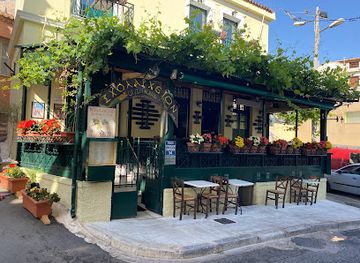
Best bars in Thrace
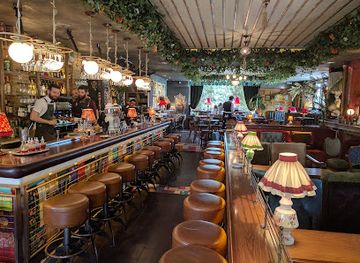
Evening life in Greek Thrace is centred more on cafés, tavernas, bars and live music than on a large club circuit. Alexandroupoli has the broadest coastal choice, with outdoor tables, late dining and bars operating around the seafront and central streets, while Xanthi and Komotini have a strong café culture supported by student and local populations. In smaller towns and villages, the customary evening setting is a traditional kafeneio, taverna or modern bar where conversation and food are as important as drinking. Summer brings a more social atmosphere to beach settlements, but opening patterns are seasonal and vary from one coast to another. Local wine, beer, tsipouro and non-alcoholic drinks are widely available, and visitors should not assume that alcohol is central to every social occasion. On Samothrace, nightlife is generally informal and concentrated around the main settlements and summer visitors rather than built around nightclubs.
-
Bar
360 Cocktail Bar
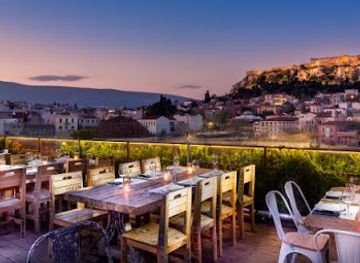
Discover the vibrant nightlife of Athens at 360 Cocktail Bar, where stunning views meet expertly crafted cocktails in a chic rooftop setting.
-
Cocktail bar
Upupa Epops
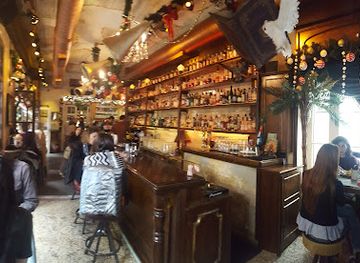
Explore the vibrant cocktail culture of Athens at Upupa Epops, where innovative drinks and a lively atmosphere await.
-
Bar
The Clumsies
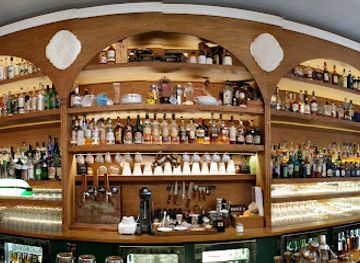
Experience the vibrant cocktail culture of Athens at The Clumsies, where innovative drinks and a welcoming atmosphere await.
-
Bar
Paliatsos Bar Athens
Experience the lively ambiance of Paliatsos Bar in Penteli, Athens, where local culture meets vibrant nightlife with exquisite drinks and delicious bites.
Best nightclubs in Thrace
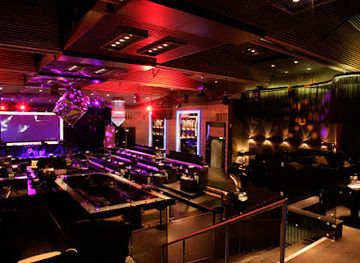
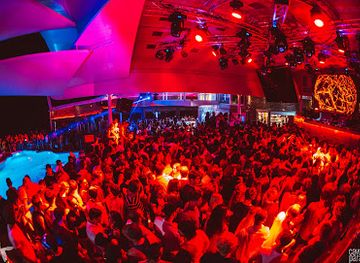
Evening life in Greek Thrace is centred more on cafés, tavernas, bars and live music than on a large club circuit. Alexandroupoli has the broadest coastal choice, with outdoor tables, late dining and bars operating around the seafront and central streets, while Xanthi and Komotini have a strong café culture supported by student and local populations. In smaller towns and villages, the customary evening setting is a traditional kafeneio, taverna or modern bar where conversation and food are as important as drinking. Summer brings a more social atmosphere to beach settlements, but opening patterns are seasonal and vary from one coast to another. Local wine, beer, tsipouro and non-alcoholic drinks are widely available, and visitors should not assume that alcohol is central to every social occasion. On Samothrace, nightlife is generally informal and concentrated around the main settlements and summer visitors rather than built around nightclubs.
-
Night club
Vogue Club
Discover Vogue Club in Thessaloniki – a vibrant night club and live music venue that promises an unforgettable nightlife experience.
-
Night club
Cavo Paradiso Club Mykonos
Experience the breathtaking nightlife of Mykonos at Cavo Paradiso, where world-class DJs and stunning beach views create unforgettable memories.
-
Night club
Koo Club
Experience the vibrant nightlife of Santorini at Koo Club, where unique music and a lively atmosphere await every night.
-
Night club
Club Sensation Hersonissos Crete Greece
Discover the nightlife of Crete at Club Sensation Hersonissos, a premier night club featuring great music, cocktails, and a vibrant atmosphere.


Best shops in Thrace
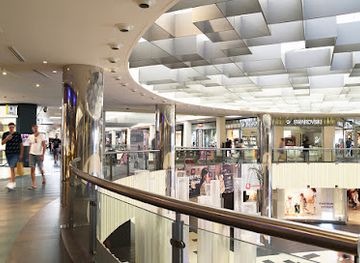
Shopping in Greek Thrace is strongest in its market towns and central pedestrian streets rather than in large-scale luxury retail districts. Xanthi offers independent food shops, cafés, traditional sweets, craft products and galleries around its historic centre, while Komotini is known for a mixed commercial atmosphere shaped by Greek, Balkan and Muslim culinary traditions. Alexandroupoli combines everyday high-street shopping with seaside boutiques and shops selling food products for travellers. Soufli is the natural place to look for silk-related products and textiles, although availability varies between businesses. Regional purchases may include honey, wine, tsipouro, olive products, nuts, preserves, cheeses, spices and sweets, with farmers’ markets and small producers offering a more direct connection to the countryside. Samothrace has a modest retail scene focused on practical supplies, local food, handmade items and island products rather than extensive shopping. Carry cash for some village markets and small producers, and check customs or airline restrictions before buying liquids, agricultural products or fragile crafts.
-
Shopping mall
Mediterranean Cosmos
Discover Mediterranean Cosmos in Thessaloniki - the premier shopping mall offering a blend of shopping, dining, and entertainment in a vibrant atmosphere.
-
Outlet mall
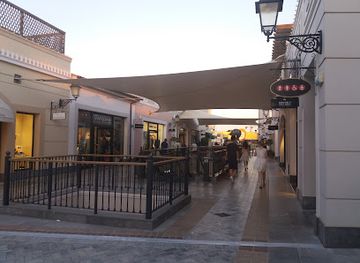
Designer Outlet Athens
Explore Designer Outlet Athens for unbeatable discounts on top brands in a vibrant shopping atmosphere.
-
Vintage clothing store
Kilo-Shop
Explore Kilo-Shop in Athens for unique vintage clothing and accessories, offering a treasure trove of stylish finds at affordable prices.
-
Souvenir store
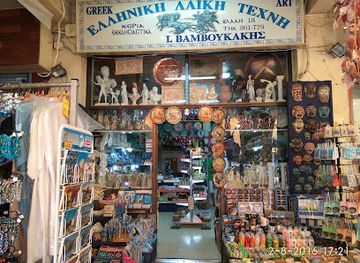
GREEK ART SOUVENIRS VAMVOUKAKIS
Explore the essence of Greece at Greek Art Souvenirs Vamvoukas, where handcrafted treasures await every visitor in Thessaloniki.

Get your free copy of our complete guide to Thrace, delivered straight to you.
Everything on this page, from attractions and restaurants to essentials and local phrases, in one PDF you can read offline, print or share.
Already have an account? Sign in
Your Thrace guide is ready.
We'll send it to · Not you? Sign out

Getting your guide ready…
We are putting together a fresh copy of the Thrace guide. This can take up to a minute.
This can take a few moments. If your browser asks, choose Allow so the download can start. You'll find the guide in your Downloads folder.
Nothing happened? Download it again
Sorry, the guide is taking longer than usual. Please try again in a minute, or get it by email instead.
Thrace essentials
Currency and Payment
Safety
Emergency Situations
Do's and Don'ts
Local Tips
From Eve
Local phrases worth knowing
You don't need to get them perfect. A few words go a long way, and locals appreciate the effort.
Basics
| English | Local | Say it |
|---|---|---|
| Hello | Γειά σου | [Yia sou] |
| Goodbye | Αντίο | [Adío] |
| Yes | Ναι | [Ne] |
| No | Όχι | [Óchi] |
| Please/You're welcome | Παρακαλώ | [Parakaló] |
| Thank you | Ευχαριστώ | [Efcharistó] |
| Excuse me/Sorry | Συγγνώμη | [Signómi] |
| How are you? | Τι κάνεις; | [Ti kánis;] |
| Fine. And you? | Καλά. Εσύ; | [Kalá. Esý;] |
| Do you speak English? | Μιλάς Αγγλικά; | [Milás Angliká;] |
| I don't understand | Δεν καταλαβαίνω | [Den katalavaino] |
Eating & Drinking
| English | Local | Say it |
|---|---|---|
| I'd like to see the menu, please | Θα ήθελα να δω το μενού, παρακαλώ | [Tha íthela na do to menó, parakaló] |
| I don't eat meat | Δεν τρώω κρέας | [Den tróo kréas] |
| Cheers! | Στην υγειά μας! | [Stin ygeiá mas!] |
| I would like to pay, please | Θα ήθελα να πληρώσω, παρακαλώ | [Tha íthela na pliróso, parakaló] |
Emergencies
| English | Local | Say it |
|---|---|---|
| Help! | Βοήθεια! | [Voítheia!] |
| Go away! | Φύγε! | [Fýge!] |
| Call the Police! | Καλέστε την Αστυνομία! | [Kaléste tin Astynomía!] |
| Call a doctor! | Καλέστε έναν γιατρό! | [Kaléste énan giatró!] |
| I'm lost | Έχω χαθεί | [Écho chatheí] |
| I'm ill | Είμαι άρρωστος | [Eímai árrhostos] |
Shopping
| English | Local | Say it |
|---|---|---|
| I'd like to buy... | Θα ήθελα να αγοράσω... | [Tha íthela na agoráso...] |
| I'm just looking | Απλώς κοιτάω | [Aplós kitáo] |
| How much is it? | Πόσο κοστίζει; | [Póso kostízei;] |
| That's too expensive | Αυτό είναι πολύ ακριβό | [Aftó eínai polý akrivó] |
| Can you lower the price? | Μπορείς να ρίξεις την τιμή; | [Borís na ríxeis tin timí?] |
Time & Numbers
| English | Local | Say it |
|---|---|---|
| What time is it? | Τι ώρα είναι; | [Ti óra eínai;] |
| It's one o'clock | Είναι μία η ώρα | [Eínai mía i óra] |
| Half past (10) | Δέκα και μισή | [Déka kai misí] |
| Morning | Πρωί | [Proï] |
| Afternoon | Απόγευμα | [Apógevma] |
| Evening | Βράδυ | [Vrády] |
| Yesterday | Χθες | [Chthes] |
| Today | Σήμερα | [Símera] |
| Tomorrow | Αύριο | [Ávrio] |
| 1 | 1 | [1] |
| 2 | 2 | [2] |
| 3 | 3 | [3] |
| 4 | 4 | [4] |
| 5 | 5 | [5] |
| 6 | 6 | [6] |
| 7 | 7 | [7] |
| 8 | 8 | [8] |
| 9 | 9 | [9] |
| 10 | 10 | [10] |
Transport & Directions
| English | Local | Say it |
|---|---|---|
| Where's a/the...? | Πού είναι ένα/το...; | [Poú eínai éna/to...;] |
| What's the address? | Ποια είναι η διεύθυνση; | [Poia eínai i diéfthynsi;] |
| Can you show me (on the map)? | Μπορείς να μου δείξεις (στο χάρτη); | [Borís na mou deíxeis (sto chárti)?] |
| When's the next (bus)? | Πότε είναι το επόμενο (λεωφορείο); | [Póte eínai to epómeno (leoforeío)?] |
| A ticket (to ....) | Ένα εισιτήριο (για ....) | [Éna eisitírio (gia ....)] |
History of Thrace
Ancient Thracian Kingdoms and Greek Colonies
The wider historical region of Thrace was associated with Thracian peoples whose settlements and burial monuments shaped the northern Aegean world. Greek colonies developed along the coast, linking maritime trade with inland communities, while the island of Samothrace became an important religious centre through the Sanctuary of the Great Gods. The sanctuary’s mysteries attracted worshippers from across the ancient Mediterranean. Archaeological remains around Samothrace, Maroneia and Abdera, together with burial sites and artefacts found across the mainland, demonstrate the region’s role as a meeting point between the Aegean, the Balkans and Anatolia.
Roman and Byzantine Frontierlands
Rome incorporated Thrace into its imperial system and developed roads, settlements and defensive infrastructure across the region. The Evros corridor was strategically important because it connected the Balkans with the Aegean and controlled approaches towards Constantinople. In the Byzantine period, towns and fortresses guarded this frontier, while churches and monastic institutions supported Christian communities. The surviving fortifications at Didymoteicho and the Byzantine heritage of nearby settlements reflect repeated military pressure, shifting political boundaries and the importance of Thrace to the eastern empire.
Ottoman Rule and the Growth of Commercial Towns
Ottoman rule transformed the region’s administration, settlement patterns and trade networks from the fourteenth century until the early twentieth century. Mosques, baths, bridges, markets and caravan routes became part of the urban landscape, and Muslim, Christian and Jewish communities lived in many of the principal towns. Xanthi expanded through tobacco cultivation and trade, while Komotini developed as a commercial and administrative centre. The period’s architectural legacy is visible in historic neighbourhoods, religious buildings and town plans, although later wars, fires and redevelopment have altered many urban areas.
Tobacco, Silk and Agricultural Commerce
From the nineteenth century into the early twentieth, commercial agriculture gave parts of Greek Thrace a distinctive economic identity. Xanthi became particularly associated with high-quality tobacco, and tobacco warehouses and merchants’ houses remain reminders of that prosperity. Soufli developed a specialised silk economy supported by local production, processing and trade, leaving a notable industrial and domestic heritage. The fertile plains around the Evros and Nestos systems also supported cereals, cotton and other crops. These industries connected rural communities to international markets and encouraged the growth of roads, railways and merchant networks.
The Balkan Wars, Border Changes and Population Movements
The Balkan Wars and the dissolution of Ottoman rule brought major political and demographic change to Thrace. The Treaty of Lausanne in 1923 established the modern Greek-Turkish population-exchange framework, though the Muslim minority of Western Thrace was excluded from the compulsory exchange and remains an important part of the region’s social fabric. Refugees from Asia Minor and eastern Thrace were settled in many Greek communities, reshaping agriculture, commerce, language and local customs. Border towns such as Didymoteicho and Orestiada consequently acquired strong twentieth-century frontier identities.
Modern Frontier Development and Conservation
During the twentieth century, Greek Thrace was influenced by border security, rural development, migration and the gradual opening of regional links with Bulgaria and Turkey. Roads, irrigation and agricultural schemes changed the Evros plain, while Alexandroupoli grew as a port and transport centre. At the same time, the Evros Delta and forested areas such as Dadia gained recognition for their ecological importance. Contemporary Thrace therefore combines a working agricultural and border economy with heritage tourism, birdwatching, coastal travel and growing interest in Samothrace’s archaeological and mountain landscapes.
Thrace in Photos
Browse through our photo collection highlighting the charm and character of the destination.
Neighbouring regions of Thrace
The closest regions to Thrace, if you have time for more than one.
-

-

-

-

-


Swipe for more regions
Explore more
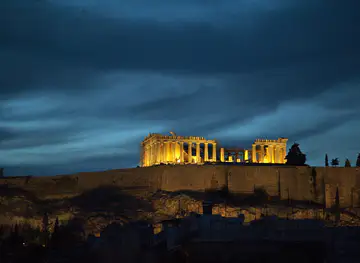
Explore more of Greece
Discover Greece: A land where ancient history meets modern vibrancy, offering stunning islands, crystal-clear seas, and unforgettable cultural experiences.
Explore Greece