

Black Bay Beach Travel Guide - Free Web & App
Your ultimate guide to Black Bay Beach. Discover top landmarks, proposed trips, and local tips. Free on the web or via the Evendo companion app.


Black Bay Beach in Grenada pairs volcanic black sand, rainforest trails and quiet Caribbean water near Concord, with boat access and rural west-coast charm.
Volcanic Shoreline and Rainforest
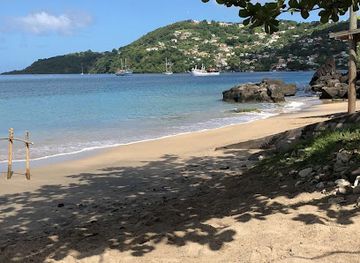
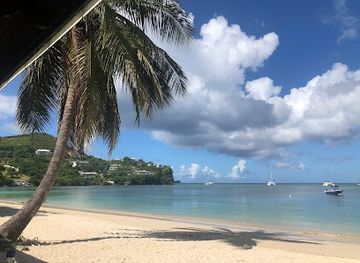
Black Bay Beach lies on Grenada’s quieter western coast, near the rural village of Concord in Saint John Parish. Its dark volcanic sand, backed by thick vegetation and steep green hills, gives the beach a character quite different from the island’s pale-sand resort bays. The setting is natural and relatively undeveloped, with no substantial commercial beachfront infrastructure, making the journey as much a part of the experience as the shore itself.Read more about Black Bay Beach
A Rural Grenadian Setting
Reaching the Beach
When is the best time to visit Black Bay Beach?
Best: May–July · 31°C| Month | High (°C) | Rainfall (mm) |
|---|---|---|
| January | 30 | 97 |
| February | 30 | 74 |
| March | 30 | 59 |
| April | 31 | 48 |
| May (best) | 31 | 35 |
| June (best) | 31 | 30 |
| July (best) | 31 | 31 |
| August | 31 | 33 |
| September | 31 | 39 |
| October | 31 | 46 |
| November | 31 | 60 |
| December | 30 | 80 |
Getting to and around Black Bay Beach
How to get there
Transportation
Best attractions in Black Bay Beach
Black Bay Beach itself is the principal attraction: a small, dark-sand shoreline framed by Grenada’s steep, vegetation-covered west-coast terrain. The approach from the Concord area adds a nature-walk element, with rural scenery, tropical vegetation and glimpses of cultivated land rather than a sequence of formal visitor facilities. The beach is best understood as part of a wider western Grenadian landscape that includes the communities of Concord and Gouyave, the island’s forested interior and the coastal road linking settlements along the Caribbean side. Visitors may also combine the outing with locally guided excursions or boat travel when conditions permit, though access and activity availability should be confirmed in advance. Black Bay’s appeal lies in its contrast with developed resort beaches: the setting is quiet, volcanic and lightly serviced, with the shoreline, surrounding vegetation and journey through the rural parish providing the main experience rather than organised attractions or built entertainment.
-
Bar
Esther's Bar
Experience the authentic Caribbean vibe at Esther's Bar on Grand Anse Beach: killer cocktails, friendly faces, and unforgettable sunsets.
-
Stadium
Grenada National Cricket Stadium
Experience the thrill of cricket and immerse yourself in Grenada's vibrant sporting culture at the scenic National Cricket Stadium in St. George's.
-
Hiking area
Golden Falls
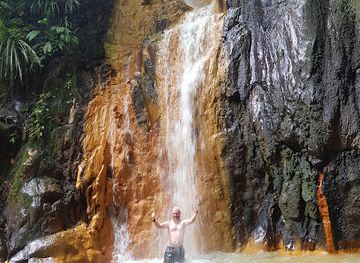
Hike to Grenada's Golden Falls for a unique rainforest adventure and experience the only hot and cold waterfall on the island.
-
Historical landmark
Fort Matthew
Explore Grenada's Fort Matthew: a historic fortress with panoramic views, offering a glimpse into the island's colonial past and strategic importance.



Best landmarks in Black Bay Beach
The defining landmark of Black Bay is its dark volcanic beach, whose colour distinguishes it from Grenada’s better-known pale or golden sandy bays. The shore forms part of the island’s rugged Caribbean-facing west coast, where hills and valleys descend towards small coastal inlets. The surrounding rainforest and agricultural landscape are also significant, revealing the close relationship between Grenada’s volcanic terrain, tropical climate and rural cultivation. Concord is the principal local reference point for the land approach, while nearby Gouyave provides a more substantial west-coast community context. Unlike a historic town centre, Black Bay has few built monuments or architectural landmarks; its importance lies in the combination of volcanic geology, natural shoreline and lightly developed rural setting.
-
Tourist attraction
Annandale Waterfall & Forest Park
Discover Grenada's easily accessible rainforest paradise: swim in refreshing waters, explore lush trails, and experience natural beauty at Annandale Waterfall.
-
Tourist attraction
Belmont Estate
Discover Grenada's rich history and indulge in the flavors of organic chocolate at Belmont Estate, a 17th-century plantation in St. Patrick's.
-
Scenic spot
BBC Beach
Discover the breathtaking beauty of BBC Beach in Grenada, a tranquil spot ideal for relaxation, swimming, and unforgettable sunsets.
-
Fortress
Fort George
Explore Grenada's Fort George: A historic fortress offering panoramic views of St. George's and a glimpse into the island's colonial past.
Explore Black Bay Beach on the map
Plan your trip on one map. See where the top attractions, landmarks, restaurants and hotels are, and book hotels and experiences in a few clicks.
Best hotels in Black Bay Beach
Best restaurants in Black Bay Beach
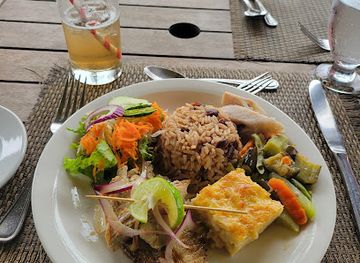
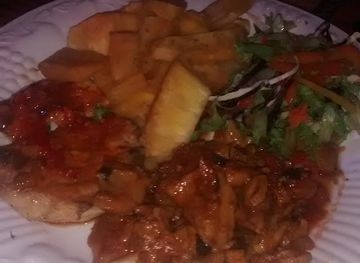
There are no dependable restaurants or cafés directly on Black Bay Beach, so visitors should bring refreshments and treat the outing as a self-contained excursion. More practical dining options are found in nearby communities such as Concord and Gouyave, although the choice is modest compared with St George’s or the island’s principal hotel areas. Grenadian cooking commonly draws on provisions such as plantain, breadfruit, rice, vegetables, chicken and fish, with local meals often served in informal settings rather than dedicated tourist dining districts. Gouyave is associated with fishing and the wider west coast has a strong maritime food culture, but individual vendors and opening arrangements vary. Visitors staying elsewhere may find the broadest selection in St George’s or established accommodation zones and should carry water and snacks before travelling to the beach.
-
Bar
Umbrella's Beach Bar
Experience vibrant Caribbean culture at Umbrella's Beach Bar in Grenada – where delightful cuisine meets stunning beach views.
-
Caribbean
Dodgy Dock Restaurant Grenada
Experience vibrant Caribbean and Mexican flavors at Dodgy Dock Restaurant in True Blue Bay, Grenada – a must-visit culinary destination.
-
Restaurant
Aquarium
Experience exquisite dining at Aquarium Restaurant in Grenada with stunning ocean views and exceptional local seafood.
-
Restaurant
Coconut Beach Restaurant & Bar
Experience authentic Caribbean flavors at Coconut Beach Restaurant & Bar with breathtaking views on Grand Anse Beach in Grenada.
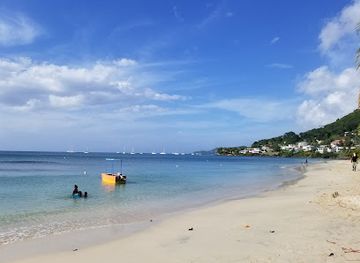
Best bars in Black Bay Beach
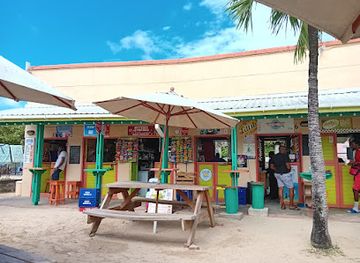
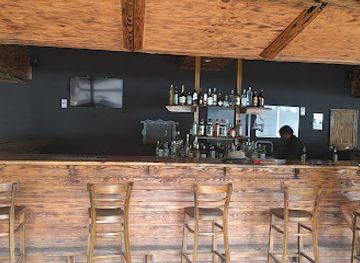
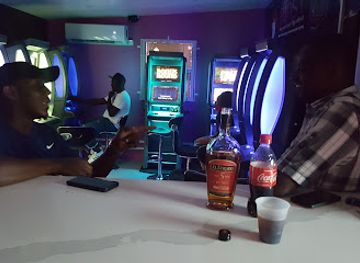
Black Bay Beach has no recognised nightlife infrastructure, and there are no dependable bars, clubs or evening entertainment venues on the shore. After dark, the area is primarily rural and visitors should not plan to remain on the beach without suitable local advice, transport and awareness of the route back. The nearby communities of Concord and Gouyave may offer informal rum shops, local bars or occasional community activity, but the atmosphere is generally social and low-key rather than organised nightlife. For live music, larger bar selections and evening dining, visitors usually need to travel towards St George’s or a developed hotel area. Arrangements can be seasonal and local, so accommodation staff or residents are the best source of current information.
-
Bar
Esther's Bar
Experience the vibrant atmosphere and unique drinks at Esther's Bar, a beachfront treasure on Grand Anse Beach, Grenada.
-
Bar
Dragon Bay Bar
Discover the charm of Dragon Bay Bar in Grenada, where picturesque views and a relaxed atmosphere await every traveler.
-
Grill
Booie Hot Spot...
Experience the heart of Grenadian cuisine at Booie Hot Spot, a grill restaurant in Beausejour Bay offering affordable and delicious Caribbean flavors.
-
Bar
Johnny's Bar Beauregard
Experience the vibrant Caribbean nightlife at Johnny's Bar Beauregard in Birch Grove, Grenada, where every sip and moment is infused with island spirit.
Best nightclubs in Black Bay Beach
Black Bay Beach has no recognised nightlife infrastructure, and there are no dependable bars, clubs or evening entertainment venues on the shore. After dark, the area is primarily rural and visitors should not plan to remain on the beach without suitable local advice, transport and awareness of the route back. The nearby communities of Concord and Gouyave may offer informal rum shops, local bars or occasional community activity, but the atmosphere is generally social and low-key rather than organised nightlife. For live music, larger bar selections and evening dining, visitors usually need to travel towards St George’s or a developed hotel area. Arrangements can be seasonal and local, so accommodation staff or residents are the best source of current information.
-
Bar
Dragon Bay Bar
Discover Dragon Bay Bar in St. George's, Grenada - a vibrant bar offering refreshing cocktails and stunning views in a relaxed atmosphere.
-
Bar
Freedom St. Night Club
Experience the vibrant nightlife at Freedom St. Night Club, a must-visit bar in The Lime, Grenada, where music and dance come alive under the stars.
-
Bar
Sunsets
Experience the breathtaking sunsets at Happy Hill's premier bar, where vibrant drinks meet stunning views in Grenada.
-
Night club
Q West Night Club
Discover the electrifying nightlife of Grenada at Q West Night Club in Gouyave – a vibrant hub of music and dance.
Best shops in Black Bay Beach
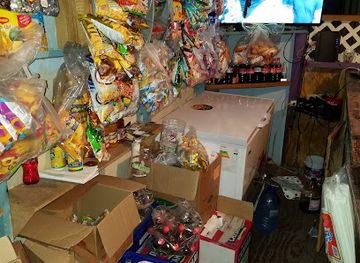
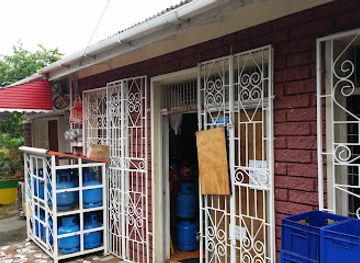
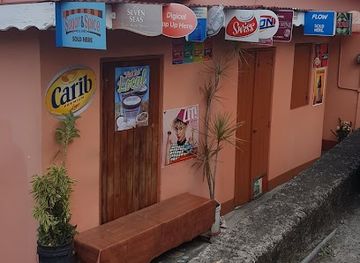
Black Bay Beach has no shops, market or regular retail facilities, so visitors should purchase water, food, sun protection and any walking essentials before leaving the main settlements. In and around Gouyave, Concord and other west-coast communities, small shops provide everyday supplies, while Grenada’s wider agricultural economy supports products such as cocoa, nutmeg, spices, preserves and locally made foods. Availability varies between businesses and villages, and the most extensive choice of gifts, crafts and packaged regional products is found in St George’s and established visitor areas rather than beside the beach. Buying directly from legitimate local producers or community businesses can provide a more meaningful connection with Grenada’s farming and food traditions than looking for a formal shopping district near Black Bay.
-
Grocery store
All Class Shopping Centre
Explore All Class Shopping Centre in Marigot, Grenada for fresh local produce, everyday essentials, and an authentic shopping experience.
-
Beach entertainment shop
Fontenoy Point | St. George, Grenada
Experience the breathtaking beauty of Fontenoy Point in St. George, Grenada, where beach entertainment meets vibrant local culture.
-
 Home goods store
Wendy's Variety Store
Explore the charm of Wendy's Variety Store in Birch Grove, Grenada – where local goods meet a warm, welcoming atmosphere.
-
Grocery store
Jenny's shop
Explore the vibrant flavors of Grenada at Jenny's Shop, your local grocery destination for fresh produce and unique delicacies.
Get your free copy of our complete guide to Black Bay Beach, delivered straight to you.
Everything on this page, from attractions and restaurants to essentials and local phrases, in one PDF you can read offline, print or share.
Already have an account? Sign in
Your Black Bay Beach guide is ready.
We'll send it to · Not you? Sign out

Getting your guide ready…
We are putting together a fresh copy of the Black Bay Beach guide. This can take up to a minute.
This can take a few moments. If your browser asks, choose Allow so the download can start. You'll find the guide in your Downloads folder.
Nothing happened? Download it again
Sorry, the guide is taking longer than usual. Please try again in a minute, or get it by email instead.
Black Bay Beach essentials
Currency and Payment
Safety
Emergency Situations
Do's and Don'ts
Local Tips
From Eve
Local phrases worth knowing
You don't need to get them perfect. A few words go a long way, and locals appreciate the effort.
Basics
| English | Local | Say it |
|---|---|---|
| Hello | Wagwan | [wag-wan] |
| Goodbye | Later | [lay-tuh] |
| Yes | Yeah man | [yeh man] |
| No | Nah man | [nah man] |
| Please/You're welcome | If yuh please | [if yuh pleez] |
| Thank you | Tank yuh | [tank yuh] |
| Excuse me/Sorry | Sarry | [sah-ree] |
| How are you? | How yuh dey? | [how yuh dey] |
| Fine. And you? | Mi dey good. An yuh? | [mee dey good. an yuh] |
| Do you speak English? | Yuh speak English? | [yuh speak ing-glish] |
| I don't understand | Mi nah comprehend | [mee nah com-pren-d] |
Eating & Drinking
| English | Local | Say it |
|---|---|---|
| I'd like to see the menu, please | Lemme see di menu nah | [lem-mee see dee menu nah] |
| I don't eat meat | Mi nah eat flesh | [mee nah eet flesh] |
| Cheers! | Cheers! | [cheers] |
| I would like to pay, please | Ah wan pay nah | [ah wan pay nah] |
Emergencies
| English | Local | Say it |
|---|---|---|
| Help! | Help! | [help] |
| Go away! | Go long! | [go long] |
| Call the Police! | Call di Police! | [call dee police] |
| Call a doctor! | Call a doctor! | [call a doctor] |
| I'm lost | Mi lost | [mee lost] |
| I'm ill | Mi sick | [mee sik] |
Shopping
| English | Local | Say it |
|---|---|---|
| I'd like to buy... | Mi wan buy... | [mee wan buy] |
| I'm just looking | Mi just looking | [mee just looking] |
| How much is it? | How much dat dey? | [how much dat dey] |
| That's too expensive | Dat too dear | [dat too deer] |
| Can you lower the price? | Yuh cud drop di price? | [yuh cud drop dee price] |
Time & Numbers
| English | Local | Say it |
|---|---|---|
| What time is it? | Wah time it be? | [wah time it bee] |
| It's one o'clock | It one o'clock | [it one o'clock] |
| Half past (10) | Half ten | [half ten] |
| Morning | Mornin' | [mor-nin] |
| Afternoon | Aftanoon | [af-tuh-noon] |
| Evening | Evenin' | [ev-nin] |
| Yesterday | Yestadeh | [yes-tuh-day] |
| Today | Today | [to-day] |
| Tomorrow | Tomorra | [tom-or-rah] |
| 1 | One | [wun] |
| 2 | Two | [too] |
| 3 | Tree | [tree] |
| 4 | Fo' | [fo] |
| 5 | Five | [fahv] |
| 6 | Six | [siks] |
| 7 | Seven | [sev-en] |
| 8 | Eight | [ate] |
| 9 | Nine | [nine] |
| 10 | Ten | [ten] |
Transport & Directions
| English | Local | Say it |
|---|---|---|
| Where's a/the...? | Weh de...dey? | [weh dee...dey] |
| What's the address? | Wah de address dey? | [wah dee address dey] |
| Can you show me (on the map)? | Yuh can show me pan di map? | [yuh can show me pan dee map] |
| When's the next (bus)? | Wen de next bus dey? | [wen dee next bus dey] |
| A ticket (to ....) | Ah need a ticket (to ....) | [ah need a ticket (to)] |
History of Black Bay Beach
A Volcanic Island Foundation
Black Bay’s physical setting belongs to Grenada’s volcanic island landscape. The western side of Grenada is characterised by steep hills, deeply cut valleys and dark volcanic materials, while weathering and coastal processes have shaped the small bays and shorelines around the island. The black sand at the beach reflects this geological background rather than the coral-derived sands associated with some Caribbean coasts. The surrounding slopes support warm, humid vegetation and have historically linked the coast with the cultivated interior.
Indigenous Grenada
Before European colonisation, Grenada was inhabited by Indigenous peoples, including communities identified in historical accounts as Kalinago and Island Carib. Their use of the island’s forests, valleys and coastal waters formed part of a wider Caribbean tradition of fishing, cultivation and movement between settlements. The immediate Black Bay shoreline has limited surviving monumental evidence, but its location on the west coast places it within the broader landscape of Indigenous occupation that preceded European settlement.
French and British Colonial Rule
European control of Grenada developed during the seventeenth and eighteenth centuries, first under France and later under Britain after the Treaty of Paris in 1763. Colonial agriculture transformed the island, with plantations and smallholdings occupying valleys and slopes suitable for cultivation. The rural lands around Concord became part of this wider agricultural economy, while coastal routes connected communities and produce. Grenada’s colonial history also brought profound social change through enslavement, emancipation and the growth of Afro-Grenadian communities.
Agriculture, Independence and Rural Tourism
Grenada’s modern identity remains closely associated with agriculture, especially nutmeg, cocoa and other tropical crops, although the importance of individual crops and farming methods has changed over time. Concord and the neighbouring west-coast settlements retain a rural character shaped by small-scale cultivation and local community life. Grenada became independent in 1974, and places such as Black Bay have gradually gained interest as low-key nature and beach excursions rather than as heavily built resort sites. Access continues to depend on local pathways, coastal knowledge and weather conditions.
Black Bay Beach in Photos
Browse through our photo collection highlighting the charm and character of the destination.
Cities in Black Bay Beach
The towns and cities of Black Bay Beach, and the easiest places to base yourself.
-

-

-

-

-


Swipe for more cities
Neighbouring destination travel guides
The closest destinations to Black Bay Beach, if you have time for more than one.
-

-

-

-

-


Swipe for more destinations
Explore more

Explore more of Saint John
Explore Saint John, Grenada, for Gouyave’s fishing culture, nutmeg heritage, rainforest valleys, waterfalls and unhurried Caribbean coast.
Explore Saint John
Explore more of Grenada
Discover Grenada, the Spice Isle of the Caribbean, where lush landscapes, pristine beaches, and rich cultural heritage create a tropical paradise for all travelers.
Explore Grenada