

Union Island, Saint Vincent and the Grenadines Travel Guide
Discover Union Island, a serene Caribbean paradise offering stunning beaches, vibrant local culture, and thrilling adventures for an unforgettable vacation experience.
Union Island, nestled in the heart of the Grenadines, is a small yet captivating destination that offers an enchanting mix of tranquility and adventure. Known for its stunning beaches, crystal-clear waters, and vibrant local culture, this island is an idyllic escape for those seeking both relaxation and excitement. The island is famed for its pristine beaches such as Chatham Bay and Richmond Bay, where soft white sands meet turquoise waters. These spots are perfect for sunbathing, swimming, and snorkeling. For those who love marine life, the surrounding coral reefs provide excellent opportunities for diving and exploring the underwater world teeming with colorful fish and other sea creatures. Beyond the beaches, Union Island offers a rich cultural experience. The local markets are bustling with life, offering fresh produce, handmade crafts, and local delicacies. The island's friendly inhabitants are always ready to share stories and traditions, giving visitors a genuine taste of Caribbean life. The island's main town, Clifton, is charming with its lively atmosphere, quaint shops, and inviting eateries serving delicious local cuisine. For the adventure seekers, Union Island doesn't disappoint. The island's rugged terrain is perfect for hiking, with trails leading to breathtaking viewpoints such as the peak of Mount Taboi, offering panoramic vistas of the Grenadines. Watersports enthusiasts can indulge in kite surfing, sailing, and fishing, making the most of the island's favorable winds and clear waters. Whether you're looking to unwind on a secluded beach, immerse yourself in local culture, or embark on thrilling adventures, Union Island in Saint Vincent and the Grenadines promises an unforgettable travel experience.

Know before you go
Hi, I'm Eve. Here are a few practical things to know before exploring Union Island.
- Visit Chatham Bay for a tranquil beach experience away from the crowds.
- Explore the local markets in Clifton for fresh produce and unique souvenirs.
- Try kite surfing at Kite Beach, known for its excellent wind conditions.
- Hike up Mount Taboi for panoramic views of the Grenadines.
- Take a boat trip to nearby islands like Tobago Cays for snorkeling and marine life encounters.

Best landmarks in Union Island
Top-rated picks
Best Landmarks

Happy Island
Experience the flavors of the Caribbean at Happy Island, a culinary paradise in Clifton Harbour, offering stunning views and delightful local dishes.

JT PRO Center
Discover the thrill of kiteboarding at JT PRO Center, a vibrant hub for beach entertainment and water sports in the stunning Grenadines.

Tenuta Chatham Bay
Experience luxury and tranquility at Tenuta Chatham Bay, a premier hotel blending relaxation and adventure in a breathtaking Caribbean setting.

Barracuda Restaurant and Bar
Experience the vibrant flavors and stunning views at Barracuda Restaurant and Bar, a culinary gem in Clifton Harbor, Union Island.

Best restaurants in Union Island
Top-rated picks
Best Restaurants

Happy Island
Experience authentic Caribbean cuisine at Happy Island in Union Island - where every meal comes with stunning views and vibrant culture.

Tenuta Chatham Bay
Discover culinary excellence and luxury accommodations at Tenuta Chatham Bay in St. Vincent - a paradise for food lovers and relaxation seekers.

Barracuda Restaurant and Bar
Experience authentic Caribbean cuisine at Barracuda Restaurant and Bar in Clifton Harbor, Union Island - where every meal is a taste of paradise.

Sunn Dipp in Paradise Bar and Restaurant
Discover the ultimate dining experience at Sunn Dipp in Paradise Bar and Restaurant, where exquisite flavors meet breathtaking views in Chatham Bay.

Best bars in Union Island
Top-rated picks
Best Bars

Happy Island
Experience the vibrant flavors and stunning views of Happy Island, a Caribbean culinary paradise in Union Island's breathtaking Clifton Harbour.

Barracuda Restaurant and Bar
Experience the vibrant Caribbean cuisine and stunning waterfront views at Barracuda Restaurant and Bar in Union Island.

Sunn Dipp in Paradise Bar and Restaurant
Experience the culinary delights and stunning views at Sunn Dipp in Paradise, a must-visit restaurant in Union Island's Chatham Bay.

Sparrow's Beach Club
Discover the culinary delights and stunning views at Sparrow's Beach Club, your perfect Caribbean dining destination in Clifton.

Best nightclubs in Union Island
Top-rated picks
Best Nightclubs

Happy Island
Discover the enchanting beauty and vibrant culture of Happy Island, a Caribbean paradise perfect for your next getaway.

Sparrow's Beach Club
Experience the perfect blend of vibrant Caribbean dining and stunning ocean views at Sparrow's Beach Club in Clifton.

Boujie Bar & Café
Discover the vibrant energy of Boujie Bar & Café in Clifton Union Island, a perfect spot for drinks, light bites, and unforgettable moments.

Happy Bar
Experience the vibrant nightlife and local culture at Happy Bar in Clifton, a perfect spot for relaxing after a day of exploration.

Best shops in Union Island
Top-rated picks
Best Shops

Happy Island
Experience the allure of Happy Island, a Caribbean paradise known for its stunning views, local cuisine, and vibrant island culture.

JT PRO Center
Discover the thrill of kitesurfing at JT PRO Center, the ultimate beach entertainment shop in Clifton, offering top-notch gear and expert lessons.

Happy Kite Grenadines
Discover the ultimate kite surfing adventure at Happy Kite Grenadines, where thrilling lessons and top-notch gear await in stunning Caribbean settings.

Grenadines Dive Shop. Union Island
Discover the vibrant marine life of the Grenadines at Grenadines Dive Shop, your gateway to unforgettable underwater adventures.

Explore Union Island on the Map
A handpicked selection of must-see spots in Union Island, mapped for you.
Union Island Essentials
-
Union Island is located in the southern part of Saint Vincent and the Grenadines. The most common way to get there is by flying into the Argyle International Airport (AIA) on Saint Vincent. From there, you can take a regional flight to Union Island's own airport, the Union Island Airport (UNI). Alternatively, ferries and private boats from nearby islands like St. Vincent or Grenada can also bring you to Union Island.
-
Union Island is relatively small, making it easy to get around. Taxis are available and can be hired for short trips or for the entire day. Renting a scooter or bicycle is another popular option for exploring the island at your own pace. There are no public buses, but many locals use small minibuses for transport. Private boat charters are available for island hopping and exploring nearby cays.
-
The official currency is the Eastern Caribbean Dollar (XCD), but US Dollars are widely accepted. Credit cards are accepted in most hotels, restaurants, and larger shops, although smaller vendors may prefer cash. ATMs are available on the island but can sometimes be unreliable, so it's advisable to carry some cash with you.
-
Union Island is generally safe for tourists, but it’s always wise to take standard precautions. Avoid walking alone at night in unfamiliar areas and be cautious with your belongings in crowded places. Ashton and Clifton are the main towns, and while they are safe, always stay vigilant. There have been occasional reports of petty theft, so keep valuables secure.
-
In case of emergency, call 911 for immediate assistance. Union Island has a small police station and a medical clinic in Clifton. For more serious medical emergencies, you may need to be transported to a larger hospital on Saint Vincent or another nearby island. It's advisable to have travel insurance that covers medical evacuations.
-
Fashion: Do dress comfortably and casually, but avoid excessively revealing clothing, especially in town areas. Religion: Do respect local religious practices, and dress modestly if visiting churches. Public Transport: Do negotiate fare prices with taxi drivers beforehand. There is no formal public transport system, so be flexible. Greetings: Do greet locals with a friendly 'Good morning' or 'Good afternoon'. Eating & Drinking: Do try local dishes such as seafood and roti. Don't refuse hospitality, as it may be considered impolite.
-
To experience Union Island like a local, visit the Clifton Market where you can purchase fresh produce and seafood. Engage with the friendly locals, who are often eager to share stories about their island. Don’t miss the Happy Island bar, built on a coral reef, for a unique dining experience. For a tranquil day, visit Chatham Bay or take a boat to the Tobago Cays for some of the best snorkeling in the Caribbean.
When is the best time to visit Union Island?
Useful Local Phrases for Union Island
You don't need to speak the language perfectly. Even learning a few simple words can make conversations warmer—and locals usually appreciate the effort.
— Eve

Here are the phrases I use most often in Union Island. Try a few—you'll be surprised how far they go! 😊
❤️
-
- HelloWa gwan
[wah gwan] - GoodbyeWalk good
[wahk good] - YesYes
[yes] - NoNah
[nah] - Please/You're welcomePreeze
[preez] - Thank youTank yuh
[tank yuh] - Excuse me/SorrySarry
[sah-ree] - How are you?How yuh doin?
[hao yuh doin] - Fine. And you?Ahrite. An yuh?
[ah-rite. an yuh] - Do you speak English?Yuh speak English?
[yuh speak english] - I don't understandMi nah understan
[mee nah un-der-stand]
- HelloWa gwan
-
- I'd like to see the menu, pleaseLemme see de menu, please
[lem-mee see deh menu, please] - I don't eat meatMi nah eat meat
[mee nah eet meet] - Cheers!Cheers!
[cheers] - I would like to pay, pleaseMi woulda pay, please
[mee wood-ah pay, please]
- I'd like to see the menu, pleaseLemme see de menu, please
-
- Help!Help!
[help] - Go away!Gwaan weh!
[gwaan weh] - Call the Police!Call de police!
[call deh police] - Call a doctor!Call a doctor!
[call ah doctah] - I'm lostMi loss
[mee loss] - I'm illMi sick
[mee sick]
- Help!Help!
-
- I'd like to buy...Mi wan buy...
[mee wan buy] - I'm just lookingMi jus lookin
[mee jus look-in] - How much is it?How much dat?
[hao much dat] - That's too expensiveDat too dear
[dat too deer] - Can you lower the price?Yuh could droppa price?
[yuh could drop-ah price]
- I'd like to buy...Mi wan buy...
-
- What time is it?Wha time it be?
[wha time it bee] - It's one o'clockIt one o'clock
[it one o'clock] - Half past (10)Half ten
[half ten] - MorningMahnin
[morn-in] - AfternoonAftanoon
[aftah-noon] - EveningEvenin
[even-in] - YesterdayYestadeh
[yes-ta-day] - TodayToday
[today] - TomorrowTomorra
[tomor-rah] - 1One
[wun] - 2Two
[too] - 3Tree
[tree] - 4Four
[foh-uh] - 5Five
[fah-ive] - 6Six
[siks] - 7Seven
[sev-en] - 8Eight
[ate] - 9Nine
[nine] - 10Ten
[ten]
- What time is it?Wha time it be?
-
- Where's a/the...?Weh deh...deh?
[weh deh...deh] - What's the address?Wha deh address deh?
[wha deh address deh] - Can you show me (on the map)?Yuh cud show me (pan de map)?
[yuh cud show me (pan de map)] - When's the next (bus)?Wen de next (bus)?
[wen deh next (bus)] - A ticket (to ....)A tikkit (to ....)
[ah tick-it (to ....)]
- Where's a/the...?Weh deh...deh?
History of Union Island
-
Union Island was originally inhabited by the Carib people, an indigenous group known for their seafaring skills and resistance against European colonizers. Evidence of their presence can be found in the form of ancient artifacts and petroglyphs scattered across the island.
-
Union Island was first encountered by European explorers in the late 15th and early 16th centuries. The island changed hands multiple times between the French and British during the colonial era. It wasn’t until the Treaty of Paris in 1763 that Union Island, along with the rest of Saint Vincent and the Grenadines, was ceded to the British.
-
During the 18th and 19th centuries, Union Island was part of the plantation economy that dominated the Caribbean. Sugar, cotton, and other crops were cultivated using enslaved African labor. The remnants of old plantation buildings and sugar mills can still be found on the island, serving as poignant reminders of this dark chapter in its history.
-
The abolition of slavery in 1834 marked a significant turning point for Union Island. Formerly enslaved people sought to establish new lives, often cultivating small plots of land or engaging in fishing. The island’s economy shifted from large plantations to smaller scale agriculture and maritime activities.
-
The 20th century brought modernization and development to Union Island. Improved transportation and communication links, including the construction of the Clifton Airport in the 1960s, helped integrate the island more closely with the rest of Saint Vincent and the Grenadines. Tourism began to emerge as a vital economic sector, capitalizing on the island’s natural beauty and cultural heritage.
-
Union Island boasts a rich cultural heritage, deeply influenced by African, European, and indigenous traditions. The island is known for its vibrant festivals, such as the Union Island Easterval, which features boat races, beauty pageants, and traditional music and dance. These events showcase the island’s unique cultural identity and offer a glimpse into the lives of its residents.
-
In recent years, Union Island has become a focal point for environmental conservation efforts. Organizations and local communities work together to protect the island’s unique ecosystems, including the Tobago Cays Marine Park. These initiatives aim to preserve the natural beauty and biodiversity of Union Island for future generations.
Cities near Union Island
The closest cities to Union Island, if you have time for more than one stop.


Your all‑in‑one travel companion app
Explore expert travel guides, compare and book tours, experiences, hotels, and more—all from the palm of your hand. Download now for seamless trip planning wherever your wanderlust takes you.


Union Island in Photos
Browse through our photo collection highlighting the charm and character of the destination.
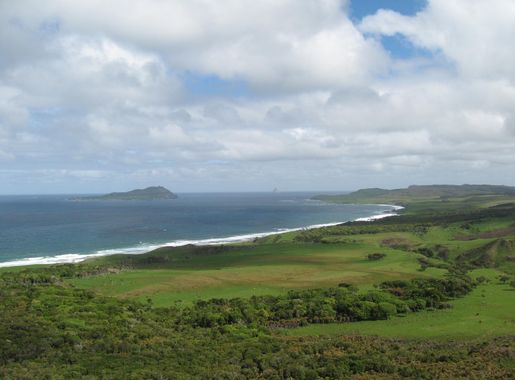


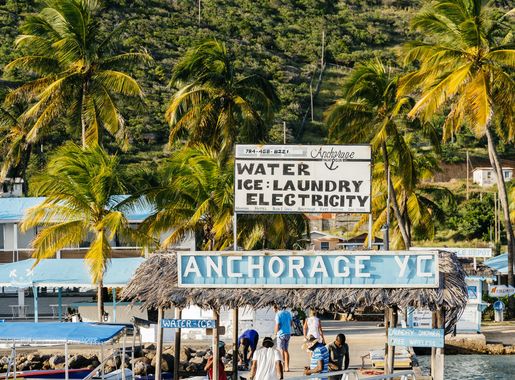


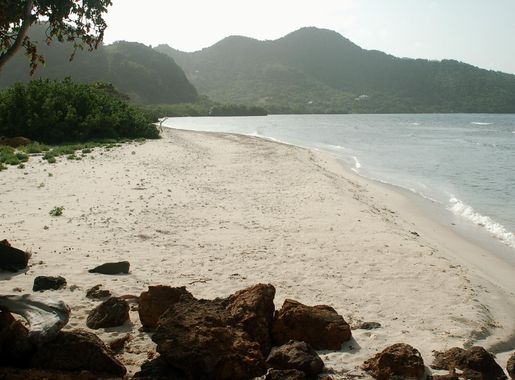
Union Island: The Caribbean Gem of Tranquility and Adventure
Union Island, nestled in the heart of the Grenadines, is a small yet captivating destination that offers an enchanting mix of tranquility and adventure. Known for its stunning beaches, crystal-clear waters, and vibrant local culture, this island is an idyllic escape for those seeking both relaxation and excitement. The island is famed for its pristine beaches such as Chatham Bay and Richmond Bay, where soft white sands meet turquoise waters. These spots are perfect for sunbathing, swimming, and snorkeling. For those who love marine life, the surrounding coral reefs provide excellent opportunities for diving and exploring the underwater world teeming with colorful fish and other sea creatures. Beyond the beaches, Union Island offers a rich cultural experience. The local markets are bustling with life, offering fresh produce, handmade crafts, and local delicacies. The island's friendly inhabitants are always ready to share stories and traditions, giving visitors a genuine taste of Caribbean life. The island's main town, Clifton, is charming with its lively atmosphere, quaint shops, and inviting eateries serving delicious local cuisine. For the adventure seekers, Union Island doesn't disappoint. The island's rugged terrain is perfect for hiking, with trails leading to breathtaking viewpoints such as the peak of Mount Taboi, offering panoramic vistas of the Grenadines. Watersports enthusiasts can indulge in kite surfing, sailing, and fishing, making the most of the island's favorable winds and clear waters. Whether you're looking to unwind on a secluded beach, immerse yourself in local culture, or embark on thrilling adventures, Union Island in Saint Vincent and the Grenadines promises an unforgettable travel experience.
Explore More of Saint Vincent and the Grenadines

Looking beyond Union Island? Discover Saint Vincent and the Grenadines for broader travel guides, local hot-spots, and regional highlights.
Explore Saint Vincent and the Grenadines