

Tumon Bay (Tumon) Travel Guide - Free
Explore Tumon Bay in Tumon with Evendo's free guide. Find the best shops, historic streets, restaurants, and gems on web or mobile.


Tumon Bay in Guam pairs Chamorro heritage, sheltered beaches, coral reefs, resort dining, sunset walks and marine adventures with easy access to island culture.
A Sheltered Tropical Waterfront
Tumon Bay is Guam’s principal visitor district, arranged around a broad, reef-protected curve of pale sand on the island’s north-western coast. The sea is usually calmer here than along more exposed shores, making the bay a natural setting for swimming, snorkelling and water-based recreation. Behind the beach, hotel towers, landscaped promenades, restaurants and shopping arcades form a concentrated resort landscape, while the surrounding hills and dense vegetation keep the Pacific setting close at hand.Read more about Tumon Bay
From Chamorro Coast to Resort District
Beach Days and Evenings by the Bay
Best attractions in Tumon Bay
Tumon Bay’s principal attraction is its broad, reef-sheltered shoreline, where visitors can swim, snorkel, paddle and watch the changing colours of the western Pacific, subject to weather and local safety advice. The beachfront links several hotel access points and leads north towards Gun Beach, a more open stretch with a rugged coastal character and remnants associated with Guam’s wartime defences. UnderWater World presents marine life in an indoor aquarium setting, providing a useful alternative when conditions are unsuitable for the sea. Along Pale San Vitores Road, The Plaza and T Galleria by DFS combine shopping with restaurants and entertainment, while SandCastle Guam offers a large-scale evening performance venue. The area’s attraction lies in this close mixture of reef, beach, resort leisure and Pacific-island culture rather than in a dense collection of conventional museums or monuments.
-
Amusement park
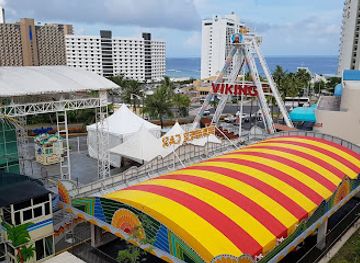
Tagada Amusement Park
Experience thrilling rides and amusement at Tagada Amusement Park in Tumon, Guam – fun for families and thrill-seekers alike!
17 min walk · 1.4 km from neighbourhood centre
Best landmarks in Tumon Bay
Tumon Bay’s defining landmark is its curving reef-protected coast, a physical feature that explains both the area’s appeal for swimming and the concentration of resorts along the shore. Gun Beach at the northern end is notable for its more exposed coastal setting and surviving wartime military traces, linking the leisure landscape to Guam’s strategic history. Pale San Vitores Road functions as the district’s principal urban spine, lined by hotel towers, shopping complexes and entertainment buildings that mark Tumon’s transformation into a modern resort centre. The Plaza and T Galleria by DFS are contemporary commercial landmarks rather than historic monuments, but their scale and location make them useful points of orientation. The bay’s significance is therefore both environmental and built: reef, beach, road and hotel skyline together express Tumon’s contemporary identity.
-
 Park
Ypao Beach
Experience the breathtaking beauty of Ypao Beach in Tumon, Guam - a serene paradise for relaxation and adventure.
15 min walk · 1.2 km from neighbourhood centre
-
Beach
Tumon Beach
Experience the idyllic beauty and vibrant culture of Tumon Beach in Guam, where relaxation meets adventure in a tropical paradise.
12 min walk · 0.9 km from neighbourhood centre
-
Theater production
Karera at SandCastle
Discover Guam's cultural essence at Karera at SandCastle, where captivating performances bring local traditions to life in an unforgettable theater experience.
12 min walk · 0.9 km from neighbourhood centre
-
Aquarium
Aquarium of Guam
Discover the vibrant marine life at the Aquarium of Guam, where adventure meets education in an unforgettable underwater experience.
12 min walk · 0.9 km from neighbourhood centre
Explore Tumon Bay on the map
A handpicked selection of must-see spots in Tumon Bay, mapped for you.
Best hotels in Tumon Bay
Best restaurants in Tumon Bay
Dining in Tumon Bay reflects Guam’s position at the meeting point of CHamoru, American, Japanese, Korean and wider Pacific influences. Hotel restaurants provide the largest concentration of options, ranging from seafood and steaks to buffets, international menus and dishes shaped by Asian travel markets, while cafés and casual venues cluster around Pale San Vitores Road, The Plaza and the hotel forecourts. Visitors should look for local preparations such as kelaguen, red rice and barbecue alongside imported resort staples, remembering that availability varies between establishments. The bay’s dining culture is closely tied to tourism, so independent local character can be easier to find by asking about CHamoru specialities than by choosing solely on the basis of a familiar international menu. Outdoor seating and sunset views are common features, although the most convenient restaurants are often inside hotel or shopping complexes rather than directly on the sand.
-
Restaurant
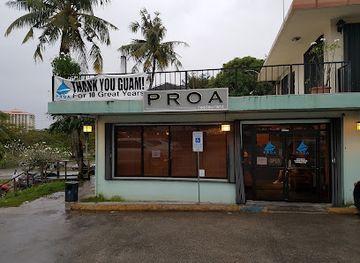
Proa Restaurant
Experience the vibrant flavors of Guam at Proa Restaurant - where local cuisine meets exquisite dining.
17 min walk · 1.4 km from neighbourhood centre
-
American
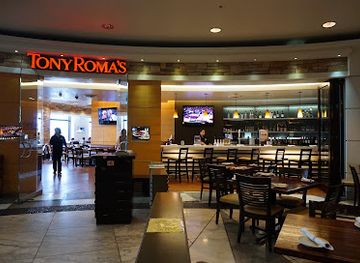
Tony Roma's
Experience the best of American cuisine at Tony Roma's in Guam—home of succulent barbecue ribs, juicy steaks, and fresh seafood delights.
13 min walk · 1.0 km from neighbourhood centre
-
Italian
Olive Garden Italian Restaurant
Savor authentic Italian flavors at Olive Garden Italian Restaurant in Tamuning, where family dining meets Mediterranean charm.
6 min drive · 2.1 km from neighbourhood centre
-
Restaurant
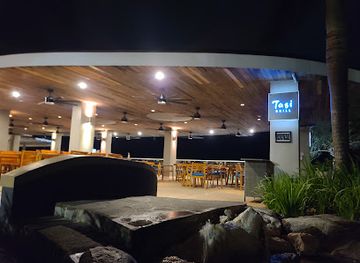
Tasi Grill
Discover Tasi Grill in Tumon for an unforgettable dining experience featuring local flavors and stunning ocean views.
10 min walk · 0.8 km from neighbourhood centre
Best bars in Tumon Bay
Tumon’s evening scene is centred on resort lounges, hotel bars, restaurant terraces and entertainment venues rather than a tightly packed club district. After sunset, the beachfront and hotel strip become a setting for cocktails, live music, casual drinks and dinner, with larger performances available at venues such as SandCastle Guam. Some hotels offer cultural shows or staged entertainment alongside their bars, giving visitors an introduction to island music and dance within a polished resort format. The atmosphere varies from relaxed sunset drinking to organised evening productions, while late-night choices can be more limited than the concentration of hotels suggests. Pale San Vitores Road is busy with traffic and commercial activity, so use marked crossings and arranged transport when moving between venues, and keep noise considerate around accommodation areas.
-
Grill
The Beach Restaurant & Bar Guam
Discover the flavors of Guam at The Beach Restaurant & Bar, where tropical cuisine meets stunning ocean views in a laid-back atmosphere.
5 min drive · 1.6 km from neighbourhood centre
-
Bar
Tree Bar
Experience Guam's vibrant nightlife at Tree Bar, where refreshing cocktails and a tropical atmosphere await every visitor.
17 min walk · 1.3 km from neighbourhood centre
-
Bar
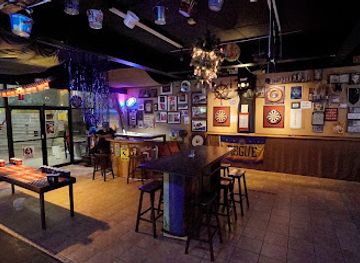
Old Traditions
Experience the lively ambiance and delightful drinks at Old Traditions, a must-visit bar in Tumon, Guam for an unforgettable night out.
10 min walk · 0.8 km from neighbourhood centre
-
Bar
Tabu Tiki Bar
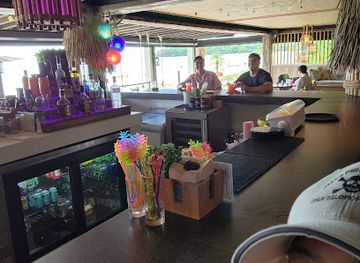
Discover the vibrant charm of Tabu Tiki Bar in Tumon, Guam – your ultimate beachfront escape for cocktails and relaxation.
11 min walk · 0.9 km from neighbourhood centre


Best nightclubs in Tumon Bay
Tumon’s evening scene is centred on resort lounges, hotel bars, restaurant terraces and entertainment venues rather than a tightly packed club district. After sunset, the beachfront and hotel strip become a setting for cocktails, live music, casual drinks and dinner, with larger performances available at venues such as SandCastle Guam. Some hotels offer cultural shows or staged entertainment alongside their bars, giving visitors an introduction to island music and dance within a polished resort format. The atmosphere varies from relaxed sunset drinking to organised evening productions, while late-night choices can be more limited than the concentration of hotels suggests. Pale San Vitores Road is busy with traffic and commercial activity, so use marked crossings and arranged transport when moving between venues, and keep noise considerate around accommodation areas.
-
Lounge
Drop
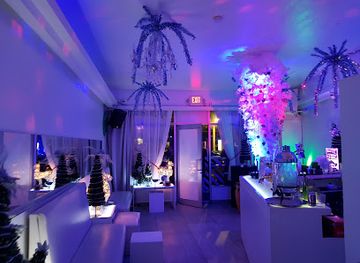
Experience the vibrant nightlife at Drop, Tumon's premier lounge offering live music, signature cocktails, and a lively atmosphere for unforgettable evenings.
9 min walk · 0.7 km from neighbourhood centre
-
Karaoke bar
Lava Lounge
Experience the vibrant nightlife at Lava Lounge, Tumon's premier karaoke bar, where unforgettable memories and fun await every night.
13 min walk · 1.0 km from neighbourhood centre
-
Lounge
Regency Club
Discover the elegance of Regency Club in Tumon, Guam, where luxury meets relaxation in a stunning coastal setting.
10 min walk · 0.8 km from neighbourhood centre
-
Night club
ZOH Nightclub
Experience the vibrant nightlife at ZOH Nightclub in Tumon, where music, dance, and unforgettable moments await.
12 min walk · 0.9 km from neighbourhood centre


Best shops in Tumon Bay
Shopping in Tumon is concentrated in resort-linked commercial complexes rather than traditional street markets. T Galleria by DFS and The Plaza provide a substantial selection of fashion, beauty, jewellery, gifts and duty-free-oriented retail, while hotels and smaller arcades add convenience shops, souvenirs and island-themed products. The commercial mix is designed for international visitors, with Japanese, Korean, American and Pacific influences visible in the brands, food outlets and gift lines. Visitors looking for Guam-related purchases may find local crafts, artwork, snacks and CHamoru-inspired designs, but stock and representation vary between retailers. Tumon is not the place to expect a village market atmosphere; its shopping culture is polished, air-conditioned and closely integrated with hotels, restaurants and entertainment. For broader everyday retail and local errands, nearby Tamuning offers a less resort-focused commercial environment.
-
Gift shop
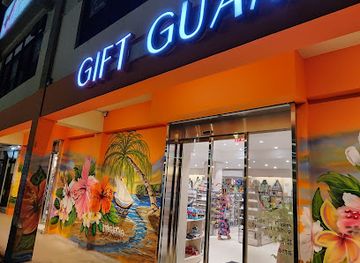
GIFT GUAM
Explore GIFT GUAM for unique souvenirs and local treasures that embody the spirit of the island. A shopping haven for every traveler!
12 min walk · 1.0 km from neighbourhood centre
-
Clothing store
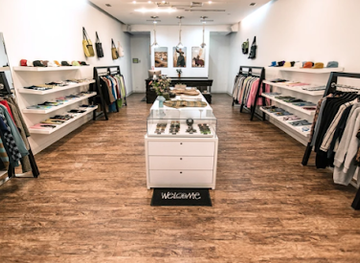
Stussy
Explore Stussy in Tumon Bay for cutting-edge streetwear and fashion that captures the essence of modern style in Guam.
13 min walk · 1.1 km from neighbourhood centre
-
Gift shop
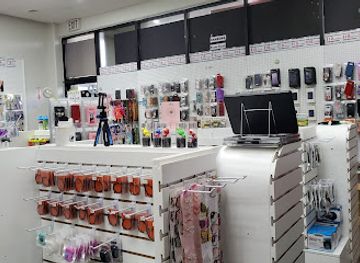
Smart Town
Explore Smart Town in Upper Tumon for unique gifts, local crafts, and trendy accessories that capture the spirit of Guam.
18 min walk · 1.4 km from neighbourhood centre
-
Duty free store
Bon Voyage
Discover the ultimate duty-free shopping destination in Tumon, Guam, offering luxury goods, local delicacies, and unbeatable prices.
17 min walk · 1.4 km from neighbourhood centre

Tumon Bay essentials
Getting There
Getting Around
Safety
Emergency Situations
Do's and Don'ts
Local Tips
History of Tumon Bay
An Ancient CHamoru Coastal Landscape
Long before Tumon became a resort district, Guam’s north-western coast formed part of the maritime world of the CHamoru people. Communities used the island’s reefs and waters for fishing, travel and food gathering, while coastal resources helped connect settlements across Guam and the Mariana Islands. The bay’s sheltered waters were valuable not because they resembled a modern beach amenity, but because they formed part of a broader island environment understood through navigation, seasonal weather and reciprocal relationships with the sea. Archaeological evidence across Guam documents long CHamoru settlement, although the surviving resort landscape has obscured much of the earlier shoreline.
Spanish Rule and Catholic Transformation
Spanish colonisation began in the seventeenth century and brought major changes to Guam’s settlement patterns, religion and political administration. Tumon was not the centre of the island’s colonial government, which developed around other settlements, but its coast was affected by the wider transformation of land ownership, Catholic missionisation and connections to the Manila galleon route. Over succeeding centuries, Guam’s villages and coastal resources were incorporated into a colonial system that reshaped CHamoru life while leaving the island’s seafaring and agricultural practices important to everyday survival.
War and the Pacific Campaign
Guam’s strategic position in the western Pacific made the island a military objective during the Second World War. Japanese forces occupied Guam from 1941 until American forces returned in 1944, and the island’s population endured displacement, forced labour and severe hardship. Fighting across Guam changed roads, settlements and coastal areas, although Tumon was not the principal administrative or battlefield centre. Remnants and memories of the wartime period form part of the wider historical context for sites around the bay, including coastal defensive positions near the northern shore.
The Rise of Modern Tourism
After the war, Guam’s location and political relationship with the United States encouraged new infrastructure, aviation links and economic development. Tumon’s sandy, protected bay became increasingly suited to large-scale tourism, particularly from East Asian markets, and hotels began to line the coast during the late twentieth-century expansion of Guam’s visitor economy. Shopping complexes, restaurants, entertainment venues and marine attractions followed, creating the concentrated resort district visible today. This development brought employment and international connections while also turning a once relatively undeveloped coast into one of Guam’s most intensively used public-facing landscapes.
A Contemporary Island Resort Coast
Tumon now occupies an important place in Guam’s cultural and economic life, with tourism sitting alongside federal activity, local business and the continuing presence of CHamoru identity. Its hotels and commercial venues cater to an international audience, yet the bay remains shaped by local weather, reef ecology and island geography. Contemporary concerns include coastal resilience, environmental pressure, access to the shoreline and the balance between resort development and community life. Cultural performances, local cuisine and references to CHamoru history provide visitors with ways to encounter Guam beyond the imported architecture of the hotel strip.
Tumon Bay in Photos
Browse through our photo collection highlighting the charm and character of the destination.
Neighbourhoods near Tumon Bay
The closest neighbourhoods to Tumon Bay, if you have time for more than one stop.

Swipe for more neighbourhoods
Explore more

Explore more of Tumon
Tumon, Guam’s resort district, pairs turquoise beaches and coral reefs with Chamorro culture, island history, watersports and Pacific sunset views.
Explore Tumon