Free Dededo Travel Guide & Mobile App
Plan your Dededo trip with Evendo. Get free guides to top attractions, restaurants, hotels, and bars. Web access or download the mobile app.


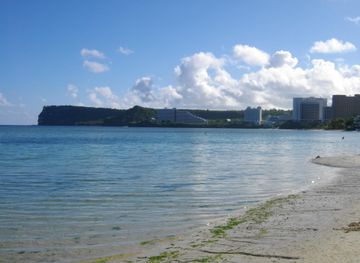
Dededo, Guam’s largest village, offers Chamorro culture, northern beaches, local markets and island history beyond the resort centre for curious travellers.
Island Community and Northern Landscape
Dededo occupies much of northern Guam, where broad residential districts, commercial centres and open coastal landscapes reflect the village’s importance in contemporary island life. It is Guam’s most populous village and a practical base for visitors interested in seeing more than the hotel strip around Tumon. The area combines everyday local life with accessible shopping, food stalls, churches and roads leading towards northern beaches and limestone country.Read more about Dededo
Chamorro Roots and Modern Guam
Markets, Shopping and Island Life
When is the best time to visit Dededo?
Best: January–March · 31°C| Month | High (°C) | Rainfall (mm) |
|---|---|---|
| January (best) | 31 | 150 |
| February (best) | 31 | 150 |
| March (best) | 31 | 150 |
| April | 31 | 150 |
| May | 31 | 150 |
| June | 31 | 150 |
| July | 31 | 150 |
| August | 31 | 150 |
| September | 31 | 150 |
| October | 31 | 150 |
| November | 31 | 150 |
| December | 31 | 150 |
Getting to and around Dededo
How to get there
Transportation
Best attractions in Dededo
Dededo’s attractions reflect everyday Guam as much as conventional sightseeing. Micronesia Mall is the village’s major commercial and entertainment complex, with shops, food outlets and indoor activities that provide a practical break from the tropical heat. The Dededo Flea Market offers a more informal experience, where visitors can browse local produce, prepared food, household goods and changing collections of second-hand or small-scale merchandise. Santa Barbara Catholic Church represents the importance of parish life in a community shaped by generations of Catholic tradition. Dededo also provides a convenient starting point for exploring northern Guam’s coastal scenery, although Ritidian Point and its wildlife refuge are in neighbouring Yigo rather than the village itself. Roads through the northern limestone landscape reveal a quieter side of the island, with open terrain and glimpses of the Pacific beyond the built-up districts.
-
Nature preserve
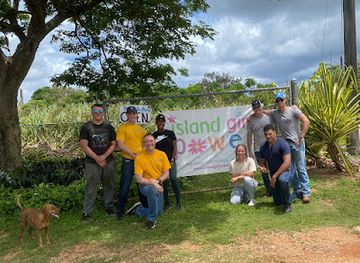
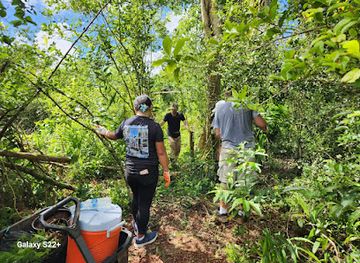
Dededo Rainforest Restoration Park
Discover Guam's natural beauty at Dededo Rainforest Restoration Park, a community-driven sanctuary for native plants, wildlife, and environmental education.
9 min walk · 0.7 km from city centre
-
Nature preserve
Kurason I Sengsong Dededo Rainforest Restoration Park (DRRP)
Discover Guam's natural beauty at this community-driven rainforest restoration project in Dededo, offering trails, wildlife, and conservation programs.
9 min walk · 0.7 km from city centre
Best landmarks in Dededo
Dededo’s landmarks are primarily community and civic places rather than monumental structures concentrated in a historic centre. Santa Barbara Catholic Church is an important local reference point, reflecting the enduring role of parish life and Catholic practice in Guam’s villages. Micronesia Mall represents a different phase of the island’s history: its scale and commercial function illustrate postwar population growth, American economic influence and Dededo’s emergence as Guam’s largest village. The Dededo area also forms part of the wider northern landscape associated with limestone plateaux, coastal cliffs and traditional settlement patterns, though many of the region’s best-known natural and wartime sites lie in neighbouring villages. Guam’s most prominent historic landmarks, including Spanish-era structures and major war memorials, are elsewhere on the island, so Dededo is best understood through its community institutions, modern development and relationship with northern Guam.
-
Farmers' market
The Guam Farmers Market
Experience Guam's vibrant culture at the Dededo Farmers Market: fresh produce, local crafts, and Chamorro flavors await!
11 min walk · 0.9 km from city centre
-
Shopping mall
Dededo Mall
A convenient community mall in Dededo, Guam, offering a mix of familiar brands and local finds for everyday needs and unique souvenirs.
15 min walk · 1.2 km from city centre
-
Flea market
Dededo Flea Market
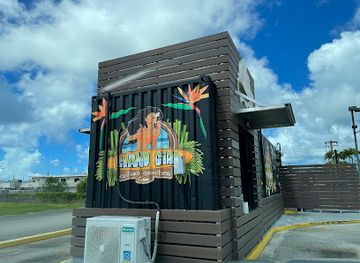
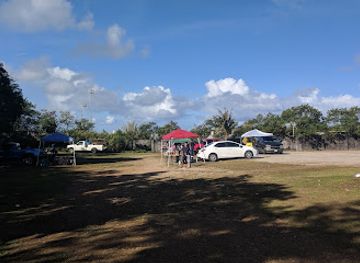
Experience Guam's vibrant culture at Dededo Flea Market: local crafts, food, and unique finds every weekend.
11 min walk · 0.9 km from city centre
Explore Dededo on the map
Plan your Dededo trip on one map. See where the top attractions, landmarks, restaurants, bars and hotels are, find what's near where you're staying, and book hotels and experiences in a few clicks.
Best hotels in Dededo
Best restaurants in Dededo
Dining in Dededo is closely tied to Guam’s CHamoru food culture and to the practical, family-oriented character of the village. Local specialities commonly encountered across Guam include kelaguen, finely chopped meat or seafood seasoned with citrus, coconut and chilli; red rice; barbecue; and desserts influenced by Spanish, Filipino, Micronesian and American traditions. Casual eateries, takeaways and food stalls are particularly useful for trying island-style plates without the formal setting of a resort restaurant. The area around major shopping centres contains a broad mixture of Guam, Filipino, Korean, Japanese and American influences, reflecting the island’s Pacific location and diverse population. Markets and community events may offer prepared foods that change with the day, while family gatherings remain important to the transmission of recipes and hospitality. Restaurant availability and menus vary, so local dishes may appear alongside international comfort food rather than in a strictly traditional setting.
-
Pizza
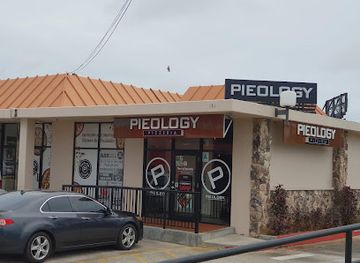
Pieology Pizzeria, Dededo
Experience delicious customization at Pieology Pizzeria in Dededo—where every pizza tells your unique flavor story!
14 min walk · 1.2 km from city centre
-
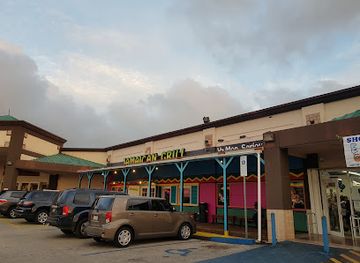
Jamaican
Jamaican Grill
Savor authentic Jamaican cuisine at Jamaican Grill in Guam - where every meal is a flavorful journey into Caribbean culture.
15 min walk · 1.2 km from city centre
-
Ramen
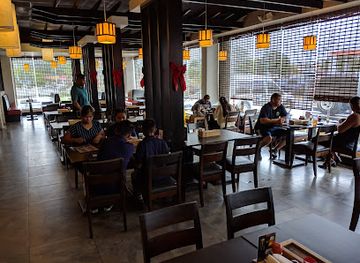
Ajisen Ramen
Experience authentic Japanese flavors at Ajisen Ramen in Guam – where every bowl tells a story.
15 min walk · 1.2 km from city centre
-
Fast Food
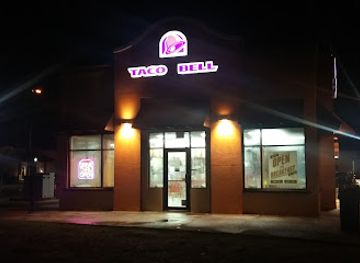
Taco Bell
Savor delicious Mexican-inspired fast food at Taco Bell in Macheche, Guam – perfect for tourists craving quick bites!
14 min walk · 1.1 km from city centre
Best bars in Dededo
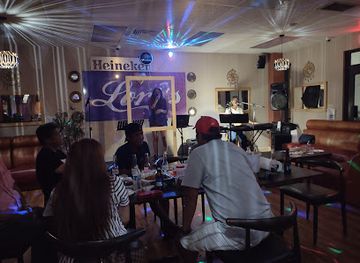
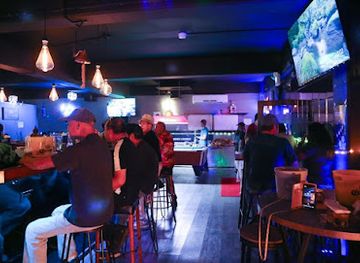
Dededo has a quieter and more dispersed evening scene than Tumon, Guam’s principal visitor and resort district. Evenings in the village tend to centre on family restaurants, casual bars, karaoke, shopping-centre entertainment and community gatherings rather than a concentrated strip of nightclubs. Larger commercial areas provide some after-dark activity, but venues and schedules can change, and nightlife is generally more locally oriented than tourism-led. Visitors seeking a denser choice of cocktail bars, hotel lounges, live entertainment and clubs usually travel south towards Tumon and Tamuning, outside Dededo. Cultural evenings may include Chamorro dance, music or community celebrations when events are scheduled, although these are not necessarily daily performances. As elsewhere on Guam, arrange transport in advance when moving between villages at night, and remember that drinking and driving laws are strictly enforced.
-
Chinese
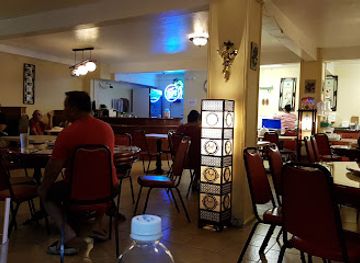
Cool Garden Restaurant
Discover the authentic taste of Chinese cuisine at Cool Garden Restaurant in Dededo, where delightful flavors and warm hospitality await.
14 min walk · 1.2 km from city centre
-
Bar
Metro Club
Experience the vibrant nightlife at Metro Club in Macheche, Guam, where good times and great drinks come together for an unforgettable evening.
14 min walk · 1.1 km from city centre
-
Bar
Lori's
Experience the lively atmosphere and diverse drink selection at Lori's Bar in Macheche, a must-visit destination for nightlife lovers in Guam.
14 min walk · 1.1 km from city centre
-
Bar
Jenny’s karaoke lounge
Experience the vibrant nightlife of Guam at Jenny’s Karaoke Lounge, where every night is a chance to sing, laugh, and enjoy good company.
14 min walk · 1.2 km from city centre
Best nightclubs in Dededo
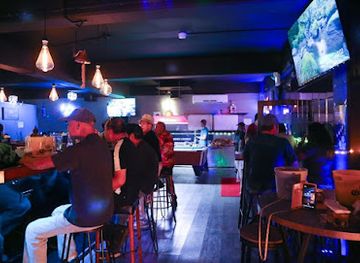
Dededo has a quieter and more dispersed evening scene than Tumon, Guam’s principal visitor and resort district. Evenings in the village tend to centre on family restaurants, casual bars, karaoke, shopping-centre entertainment and community gatherings rather than a concentrated strip of nightclubs. Larger commercial areas provide some after-dark activity, but venues and schedules can change, and nightlife is generally more locally oriented than tourism-led. Visitors seeking a denser choice of cocktail bars, hotel lounges, live entertainment and clubs usually travel south towards Tumon and Tamuning, outside Dededo. Cultural evenings may include Chamorro dance, music or community celebrations when events are scheduled, although these are not necessarily daily performances. As elsewhere on Guam, arrange transport in advance when moving between villages at night, and remember that drinking and driving laws are strictly enforced.
-
Bar
Metro Club
Experience the vibrant nightlife at Metro Club in Macheche, Guam, where good vibes and great company create unforgettable moments.
14 min walk · 1.1 km from city centre
-
Bar
Jenny’s karaoke lounge
Unleash your inner star at Jenny's Karaoke Lounge in Dededo, Guam - a lively bar where music and fun come together!
14 min walk · 1.2 km from city centre
-
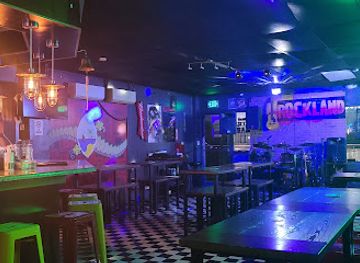
Bar
RockLand Bar & Karaoke Lounge
Experience the vibrant nightlife of Guam at RockLand Bar & Karaoke Lounge, where live music and karaoke create unforgettable moments.
13 min walk · 1.0 km from city centre
Best shops in Dededo
Shopping in Dededo ranges from a major indoor retail complex to informal community trading. Micronesia Mall is the village’s principal shopping destination, bringing together department-style retail, specialist shops, food outlets and entertainment in an air-conditioned setting. The Dededo Flea Market offers a contrasting experience, with stalls that may include fresh produce, prepared food, clothing, household items, collectibles and locally sourced goods; its character is informal and can vary from one market day to another. Visitors looking for Guam-themed gifts may find island food products, handicrafts, shell-inspired items and souvenirs, although authenticity and local manufacture should be checked rather than assumed. Dededo’s retail landscape reflects Guam’s links with the United States and wider Asia, so American brands and imported goods sit alongside Pacific flavours and small-scale local enterprise. For specialist crafts and broader resort shopping, other parts of Guam may offer more concentrated choices.
-
Shopping mall
Dededo Mall
Discover shopping and local culture at Dededo Mall, Guam’s vibrant shopping center with diverse stores and dining options.
15 min walk · 1.2 km from city centre
-
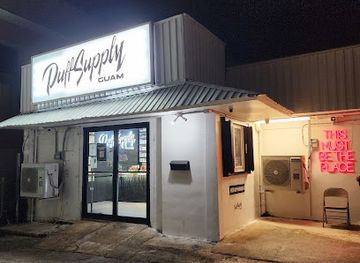
Vaporizer store
Puff Supply Guam - Dededo
Explore Puff Supply Guam in Dededo for an exceptional selection of vaporizers and accessories in a welcoming environment, perfect for enthusiasts and newcomers alike.
15 min walk · 1.2 km from city centre
-
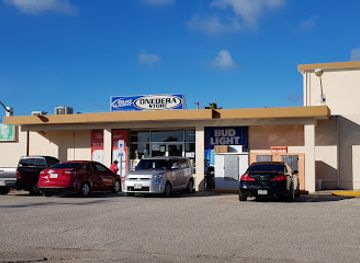
Grocery store
Onedera Store
Experience local flavors and essentials at Onedera Store, a beloved grocery destination in Dededo, Guam.
9 min walk · 0.8 km from city centre
-
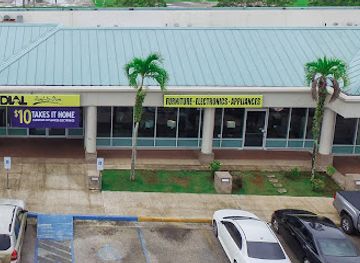
Furniture store
Dial Rent to Own Dededo
Discover Guam's top destination for furniture and electronics, offering flexible rental options and a diverse selection to meet all your home needs.
13 min walk · 1.0 km from city centre
Get your free copy of our complete guide to Dededo, delivered straight to you.
Everything on this page, from attractions and restaurants to essentials and local phrases, in one PDF you can read offline, print or share.
Already have an account? Sign in
Your Dededo guide is ready.
We'll send it to · Not you? Sign out

Getting your guide ready…
We are putting together a fresh copy of the Dededo guide. This can take up to a minute.
This can take a few moments. If your browser asks, choose Allow so the download can start. You'll find the guide in your Downloads folder.
Nothing happened? Download it again
Sorry, the guide is taking longer than usual. Please try again in a minute, or get it by email instead.
Dededo essentials
Currency and Payment
Safety
Emergency Situations
Do's and Don'ts
Local Tips
From Eve
Local phrases worth knowing
You don't need to get them perfect. A few words go a long way, and locals appreciate the effort.
Basics
| English | Local | Say it |
|---|---|---|
| Hello | Håfa Adai | [HAH-fah AH-die] |
| Goodbye | Adios | [AH-dee-ose] |
| Yes | Hågu | [HAH-goo] |
| No | Ti | [TEE] |
| Please/You're welcome | Porfabor | [POOR-fah-bore] |
| Thank you | Si Yu'os Ma'åse | [SEE YOO-oss MA-ah-see] |
| Excuse me/Sorry | Dispensa | [DEES-pen-sah] |
| How are you? | Cómo estás? | [KOH-moh es-TAHS?] |
| Fine. And you? | Åguai. Ya hu? | [AH-gwai. YAH hoo?] |
| Do you speak English? | Ti hu na'ångge i inglés? | [TEE hoo nah-AHNG-ge ee ing-LES?] |
| I don't understand | Ti hu entiende | [TEE hoo en-tee-EN-deh] |
Eating & Drinking
| English | Local | Say it |
|---|---|---|
| I'd like to see the menu, please | Gusta kumuentos i menyu, porfabor | [GOO-stah koo-MWEHN-tos ee MEN-you, POOR-fah-bore] |
| I don't eat meat | Ti kumuentos karni | [TEE koo-MWEHN-tos KAR-nee] |
| Cheers! | Biba! | [BEE-bah] |
| I would like to pay, please | Gusta pago, porfabor | [GOO-stah PAH-goh, POOR-fah-bore] |
Emergencies
| English | Local | Say it |
|---|---|---|
| Help! | Ayuda! | [ah-YOO-dah] |
| Go away! | Ai despues! | [eye dehs-PWEHS] |
| Call the Police! | Llamå i Polisia! | [yah-MAH ee poh-LEES-ee-ah] |
| Call a doctor! | Llamå i dotå! | [yah-MAH ee doh-TAH] |
| I'm lost | Na'ån tåsi | [nah-AHN TAH-see] |
| I'm ill | Na'ån maulang | [nah-AHN mah-OOL-ahng] |
Shopping
| English | Local | Say it |
|---|---|---|
| I'd like to buy... | Gusta kumpra... | [GOO-stah koom-PRAH...] |
| I'm just looking | Ya anaihu | [YAH ah-nah-EE-hoo] |
| How much is it? | Kuanto esta? | [KWAN-to ESS-tah?] |
| That's too expensive | Esto kareste | [ESS-toh kah-RESS-teh] |
| Can you lower the price? | Mampara kumuentos presiu? | [MAHM-pah-rah koo-MWEHN-tos PREH-see-oo?] |
Time & Numbers
| English | Local | Say it |
|---|---|---|
| What time is it? | Kåntos na ora? | [KAHN-tos nah OR-ah] |
| It's one o'clock | Masuno na ora | [mah-SOO-no nah OR-ah] |
| Half past (10) | Mås lao (10) | [mahs LAH-oh (10)] |
| Morning | Mañanita | [mah-nyah-NEE-tah] |
| Afternoon | Kåntos na ora? | [KAHN-tos nah OR-ah] |
| Evening | Serenata | [seh-reh-NAH-tah] |
| Yesterday | Gåsto | [GAH-stoh] |
| Today | Tåno' | [TAH-nyow] |
| Tomorrow | Månnge' | [MAHN-nyeh] |
| 1 | Uno | [OO-no] |
| 2 | Dos | [DOHS] |
| 3 | Tres | [TREHS] |
| 4 | Kuåtro | [KWAH-troh] |
| 5 | Sinko | [SEEN-koh] |
| 6 | Såis | [SAH-ees] |
| 7 | Siette | [see-ET-teh] |
| 8 | Ocho | [OH-choh] |
| 9 | Nuebe | [NWEH-beh] |
| 10 | Dies | [DEE-ess] |
Transport & Directions
| English | Local | Say it |
|---|---|---|
| Where's a/the...? | Kåntos i... | [KAHN-tos ee...] |
| What's the address? | Kåntos i direksion? | [KAHN-tos ee dee-rehk-see-ohn] |
| Can you show me (on the map)? | Mampara yo (sångan na mapa)? | [MAHM-pah-rah yoh (SAH-ngahn nah MAH-pah)] |
| When's the next (bus)? | Kåntos na ora i na sigiente (bus)? | [KAHN-tos nah OR-ah ee nah see-GYEN-teh (boos)] |
| A ticket (to ....) | Un tiket (para...) | [oon tee-KEHT (PAH-rah...)] |
History of Dededo
CHamoru Settlement Before Colonial Rule
Long before European contact, the area now known as Dededo formed part of the northern landscape occupied and cultivated by the Indigenous CHamoru people. Villages and family communities were connected to freshwater sources, coastal resources, forests and agricultural land, with social life shaped by matrilineal traditions and an extensive knowledge of Guam’s limestone terrain. Archaeological evidence across Guam records ancient habitation, latte-stone architecture and exchange between coastal and inland communities. Dededo’s modern boundaries do not correspond neatly to those early settlements, but its present identity rests on this much older relationship between people and island environment.
Spanish Mission and Colonial Transformation
Spanish rule began in the seventeenth century after the arrival of Jesuit missionaries, bringing Catholic institutions, new political structures and profound disruption to CHamoru society. Epidemics, warfare and forced resettlement reduced and displaced Indigenous communities, while the island became part of Spain’s Pacific administration. Northern Guam remained predominantly rural, with village life shaped by agriculture, fishing and church authority. Catholicism became deeply established, and the religious landscape visible in Guam today reflects this colonial transformation. Dededo’s later community institutions developed within that wider history of adaptation, loss and cultural continuity.
From Spanish Administration to American Rule
Spain ceded Guam to the United States in 1898 after the Spanish-American War. For much of the early American period, Guam was administered by the US Navy, and economic and civic life remained relatively limited compared with the island’s later development. Roads, schools and public administration gradually expanded, while village communities retained strong family and church networks. Dededo’s northern position gave it an agricultural and residential character. The transition between Spanish and American systems also brought new languages, institutions and political influences, adding further layers to the island’s evolving CHamoru identity.
War, Occupation and Liberation
Japanese forces occupied Guam from December 1941 until American forces returned in 1944 during the Second World War. The occupation brought hardship, forced labour, displacement and fear to Guam’s population, while the liberation campaign caused extensive destruction across the island. Dededo and northern Guam were affected by military operations and the upheaval of wartime movement. After the war, American military administration and construction reshaped Guam’s land use, transport links and employment. The conflict remains central to the island’s historical memory, commemorated through local memorials, museums and family stories.
Postwar Growth and Contemporary Dededo
The decades after 1945 brought rapid population growth, improved roads, expanded public services and a stronger connection to the United States economy. Dededo developed from a largely rural settlement into Guam’s largest village, with extensive housing, schools, churches and commercial areas. Retail growth, including Micronesia Mall, reflects the changing scale of everyday life, while military activity and tourism continue to influence the island’s economy. Contemporary Dededo combines CHamoru heritage, migrant and military-connected communities, American institutions and Pacific island traditions, making it an important example of Guam’s layered modern identity.
Dededo in Photos
Browse through our photo collection highlighting the charm and character of the destination.
Cities near Dededo
The closest cities to Dededo, if you have time for more than one stop.
-

-

-

-

-


Swipe for more cities