Fort Nuestra Señora de la Soledad: A Sentinal Over Umatac Bay
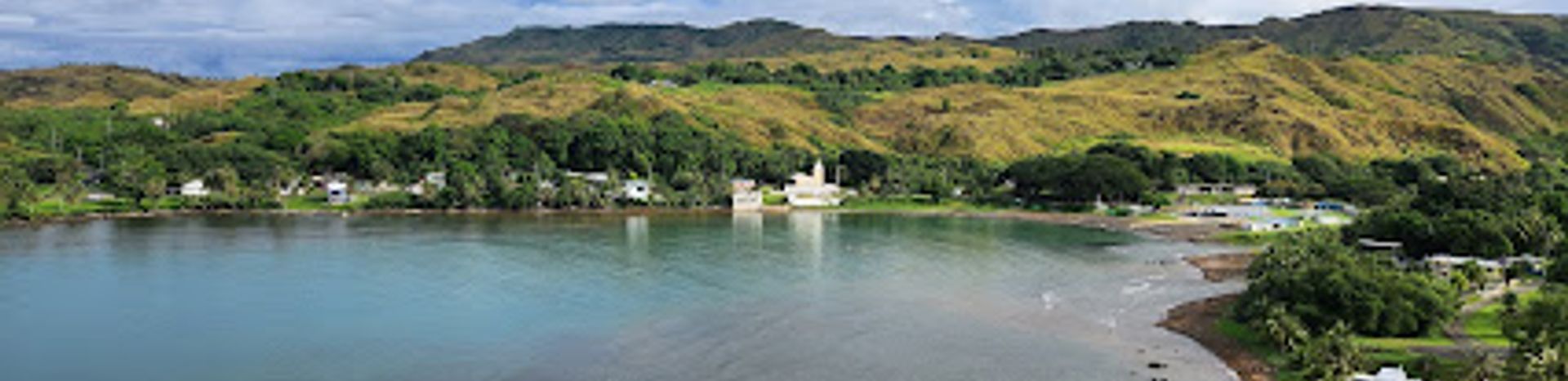
Explore Guam's Spanish colonial past at Fort Soledad, offering panoramic views of Umatac Bay and a glimpse into the island's rich history.
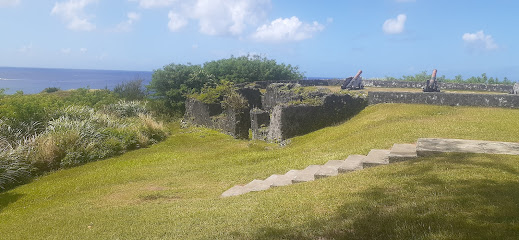
Perched high above Umatac Bay, Fort Soledad offers a glimpse into Guam's Spanish colonial past. Built in the early 19th century, this fortification was the last of four constructed to protect the vital Acapulco-Manila galleon trade route. Today, its ruins provide stunning panoramic views and a tangible link to a bygone era.
A brief summary to Fort Nuestra Señora de la Soledad
- 7MW6+22J, 2, Humåtak, GU
- +8210-4076-7617
Local tips
- Visit early in the morning or late afternoon for the best lighting for photography and to avoid the midday heat.
- Wear comfortable shoes, as you'll be walking on uneven terrain and potentially climbing steps.
- Bring water and snacks, as there are limited facilities available at the fort.

Getting There
-
Driving
From most locations in Guam, take Route 1 south towards Umatac. As you enter Umatac, follow the road through the village. After crossing the Umatac Bridge, look for signs directing you to Fort Soledad on the uphill side of the road. Turn into the small park area; parking is available. There are no tolls on this route, and parking at the fort is free.
-
Public Transport
The Guam Regional Transit Authority (GRTA) offers bus service to Umatac. From Hagatna, take the bus towards Umatac. Once in Umatac, you can walk to the fort. The walk is approximately 20 minutes uphill from the village center. Bus fare is approximately $3.00 per ride. Confirm the bus schedule beforehand.
Discover more about Fort Nuestra Señora de la Soledad
Iconic landmarks you can’t miss

Umatac Bay Park
0.5 km
Experience the breathtaking views and serene nature at Umatac Bay Park, a hidden gem in Guam that combines adventure with cultural history.
San Dionision Church Ruins
0.6 km
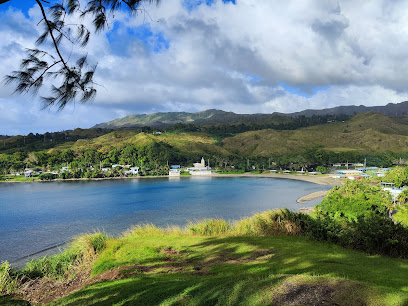
Explore the San Dionision Church Ruins in Umatac, Guam – a historical landmark showcasing the island's rich colonial heritage amidst stunning natural beauty.
Fouha Point
1.4 km
Explore Fouha Point: a breathtaking hiking area in Guam, offering stunning ocean views and a chance to connect with nature and local culture.
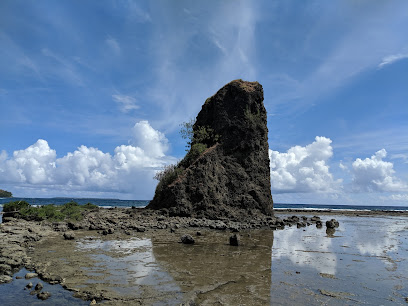
Unmissable attractions to see

Umatac Bay
0.1 km
Discover Umatac Bay: A Guam treasure where history, culture, and stunning natural beauty converge for an unforgettable island experience.
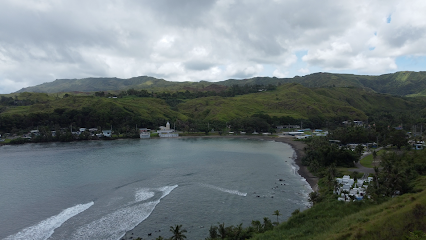
Bay of Umatac
0.4 km
Discover Umatac Bay: where history, culture, and natural beauty converge on Guam's captivating southwestern coast. Explore, relax, and immerse yourself.
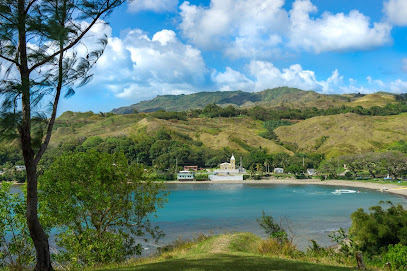
Magellan Monument
0.5 km
Commemorating Magellan's landing in 1521, this monument in Umatac offers a serene setting to reflect on Guam's rich history and cultural heritage.
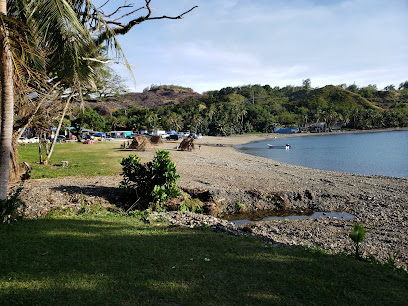
San Dionisio Church
0.5 km
Discover Guam's history and spiritual heritage at San Dionisio Church in Humåtak, a beautiful landmark with a rich colonial past.
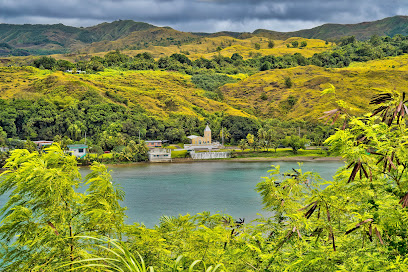
Umatac Bridge
0.6 km
Discover Umatac Bridge: Where Guam's history meets stunning natural beauty. A must-see landmark offering serene views and cultural insights.
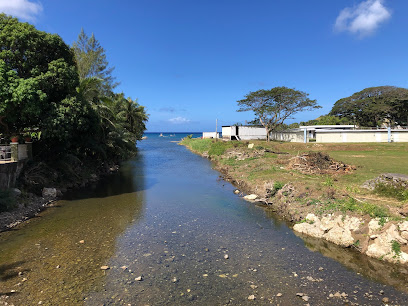
Guam Veterans Memorial Humåtak
1.3 km
Honor Guam's heroes at this peaceful memorial in Humåtak, offering stunning views and a serene space for reflection and remembrance.
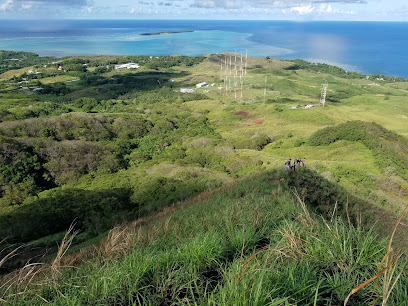
Fuha Rock | Fo'na and Pontan
1.4 km
Discover Guam's legendary Creation Point: where the goddess Fu'una transformed into Fuha Rock, the birthplace of the Chamorro people.
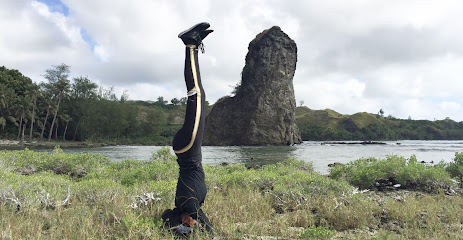
Cetti Bay
2.3 km
Discover Guam's ancient past and natural beauty at Cetti Bay, a historical treasure nestled on the island's captivating southwestern coast.
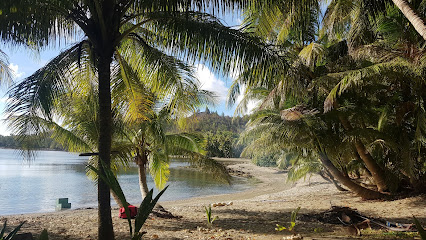
Cetti Bay Dive Spot
2.5 km
Discover Guam's underwater paradise at Cetti Bay Dive Spot: a historical landmark with vibrant marine life and stunning coral reefs.

Merizo Pier Park
3.0 km
Experience the beauty and culture of Guam at Merizo Pier Park, a coastal haven for relaxation, recreation, and community events.
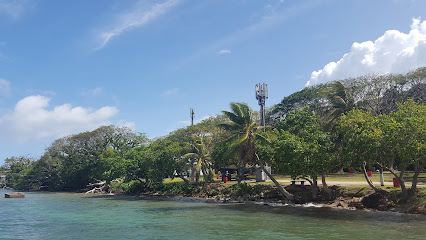
Bikini Island Club
3.1 km
Experience Guam's best marine sports and natural scenery at Bikini Island Club in beautiful Malesso'.
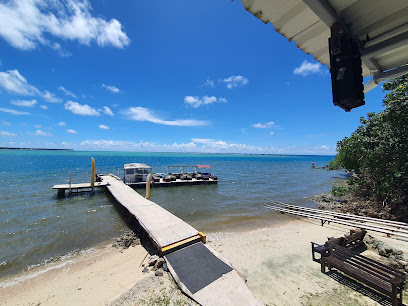
Cetti 7 Waterfalls
3.3 km
Discover Guam's hidden gem: Hike through lush landscapes to reach the breathtaking Cetti 7 Waterfalls. A perfect blend of adventure and natural beauty.
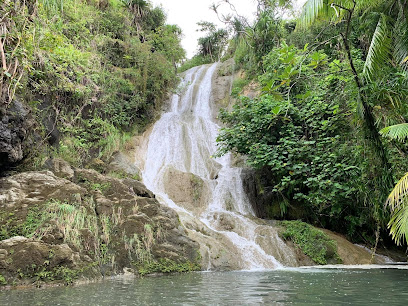
Merizo Bell Tower
3.4 km
Discover the historic Merizo Bell Tower in Guam, a symbol of cultural heritage and Spanish colonial influence in the charming village of Merizo.
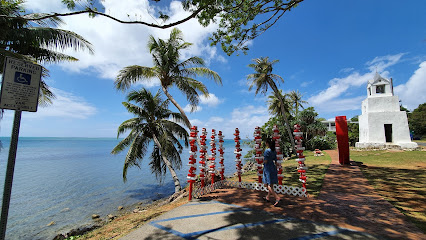
Cetti Bay Overlook
3.5 km
Discover Guam's volcanic past at Cetti Bay Overlook. Breathtaking views, rich history, and natural beauty await on the island's southern coast.
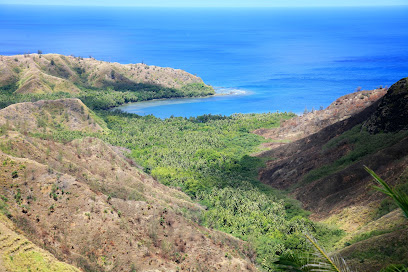
Mount Lamlam Trail Head
3.5 km
Hike Guam's Mount Lamlam for panoramic views and a connection to the island's unique natural and cultural history.
Essential places to dine

Bill’s Seaside Restaurant & Grill
8.0 km
Experience exquisite seafood and local flavors at Bill's Seaside Restaurant & Grill in Hågat, Guam – a true coastal culinary delight.
Marina Grill
8.3 km
Experience authentic Guam cuisine at Marina Grill, where fresh seafood meets breathtaking marina views for an unforgettable dining experience.
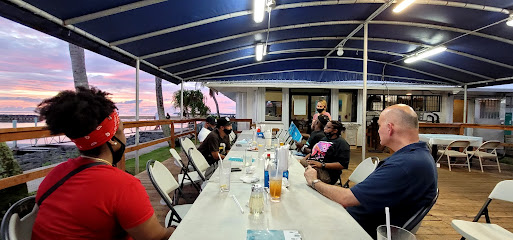
Agat Marina Resturant
8.3 km
Discover the flavors of Western cuisine at Agat Marina Restaurant in Hågat, Guam—where stunning views meet exceptional dining.
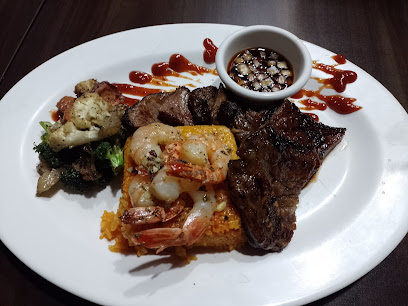
Big Boys burger pit stop
10.3 km
Discover the best burgers in Hågat at Big Boys Burger Pit Stop - where taste meets tradition in Guam's fast food scene.
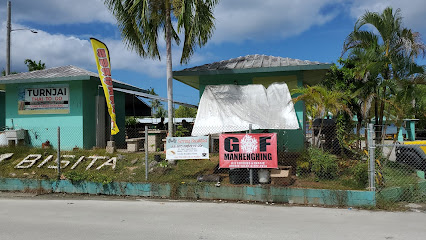
McKraut's Bar & Restaurant
11.1 km
Discover authentic German flavors at McKraut's Bar & Restaurant in Malojloj, Guam - where tradition meets taste.
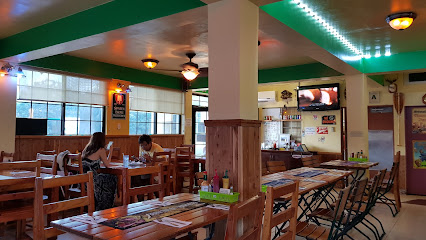
Hapag Kainan Restaurant
11.1 km
Experience authentic Chamorro cuisine at Hapag Kainan Restaurant in Hågat, Guam – where every dish tells a story.
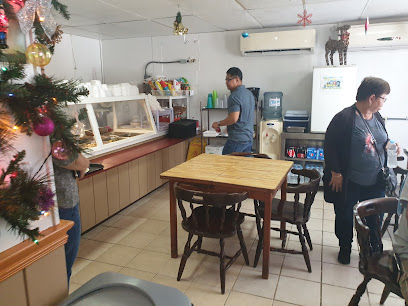
Sabor
11.1 km
Experience authentic Filipino cuisine at Sabor in Hågat, Guam – where every dish tells a story.
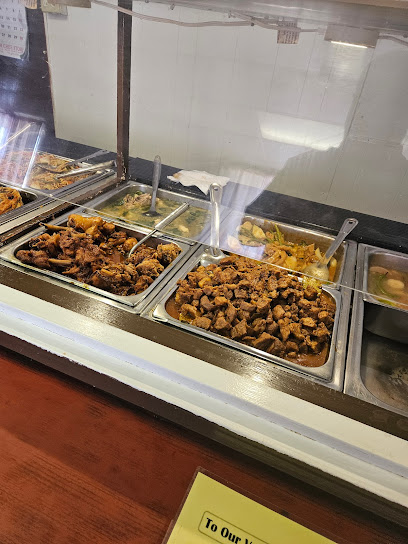
Subway
11.3 km
Experience fresh flavors at Subway in Hågat - where delicious meets affordable in the heart of Guam.
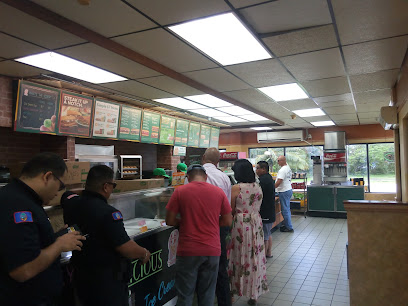
Rainas Seaside Restaurant
11.4 km
Experience authentic Guamanian cuisine at Rainas Seaside Restaurant, where fresh seafood meets stunning ocean views in Hågat.
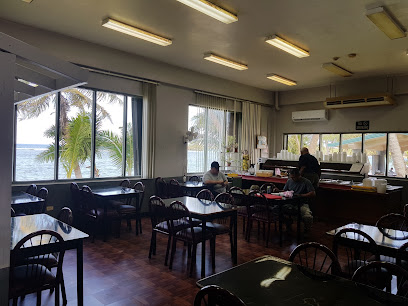
Kobkunka Thai Food
11.4 km
Savor authentic Thai flavors at Kobkunka Thai Food in Guam - where every dish tells a story.
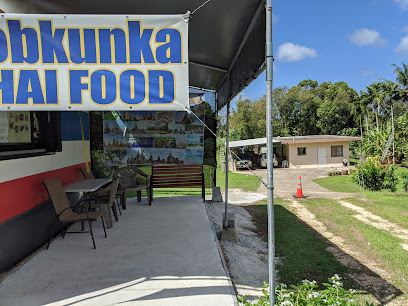
Buen Provecho Taco Shack
11.6 km
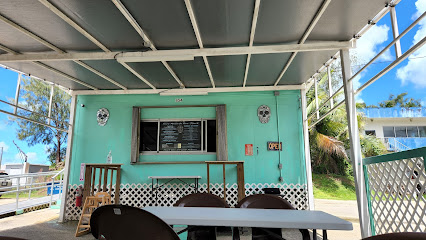
Experience the vibrant flavors of Mexico at Buen Provecho Taco Shack in Hågat, Guam - a taco lover's paradise!
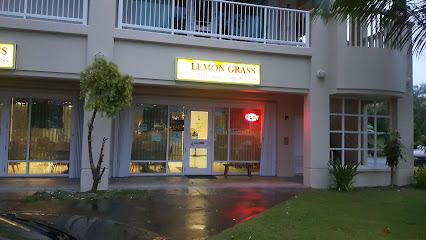
Lemon Grass Restaurant
11.7 km
Discover the essence of Asian Fusion dining at Lemon Grass Restaurant in Hågat, Guam - where vibrant flavors meet island charm.
Agat Point Complex
11.7 km
Experience the rich flavors of Guam at Agat Point Complex, where local cuisine meets warm hospitality in a picturesque setting.
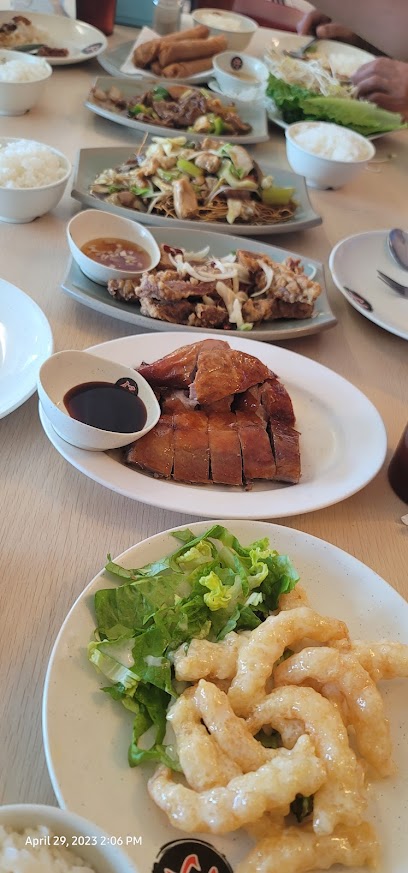
Agat Lee Garden
11.7 km
Discover authentic Chinese cuisine at Agat Lee Garden in Guam, where flavorful dishes meet warm hospitality in an inviting setting.
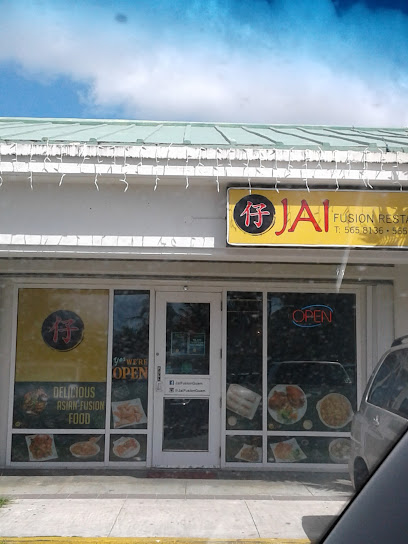
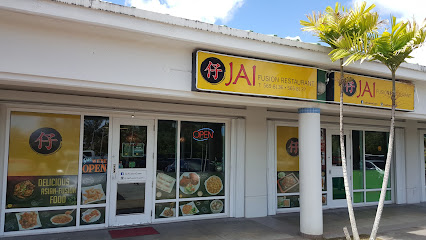
Jai Fusion Restaurant
11.7 km
Experience the rich culinary heritage of Guam at Jai Fusion Restaurant - where local flavors meet global influences.
Markets, malls and hidden boutiques

The Fruit Stand
1.0 km
Discover the vibrant flavors of Guam at The Fruit Stand, a local produce market filled with fresh fruits and unique delicacies.
Merizo Papa Niyoc Mart
4.4 km
Explore the heart of Guam at Merizo Papa Niyoc Mart, a local supermarket offering fresh produce, local snacks, and a taste of island culture.
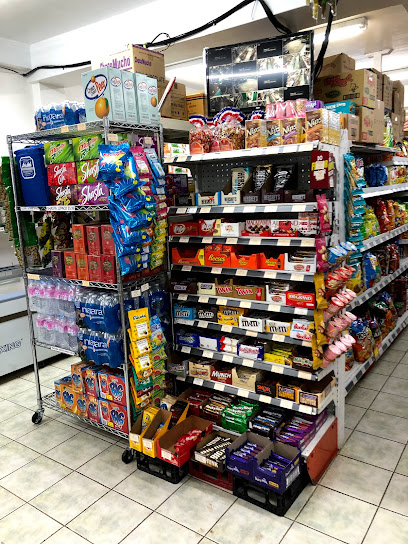
Merizo Supermarket
4.6 km
Experience the vibrant local culture at Merizo Supermarket in Malesso', Guam, where fresh produce and unique island flavors await every visitor.
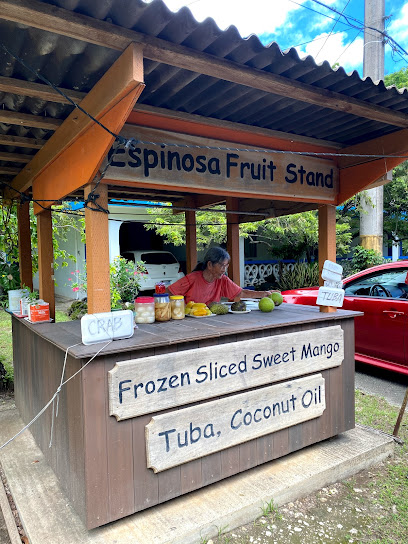
Espinosa Fruit Stand
4.8 km
Discover the vibrant flavors of Guam at Espinosa Fruit Stand, your go-to spot for fresh, locally sourced fruits and vegetables.
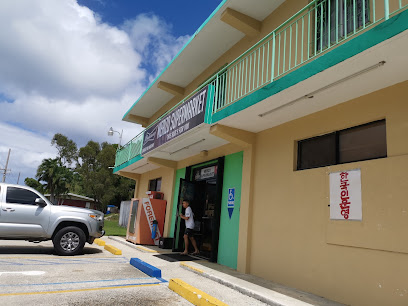
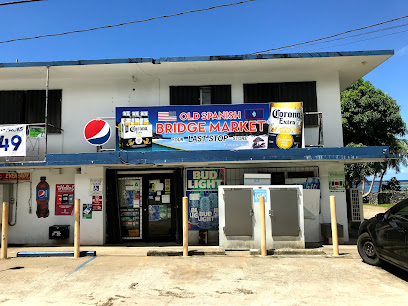
Old Spanish Bridge Store
7.5 km
Experience the local culture and flavors at Old Spanish Bridge Store in Hågat, Guam - a treasure trove for unique groceries and souvenirs.
Lorzalyn Artistry
8.2 km
Explore the vibrant artistry of Guam at Lorzalyn Artistry, where unique home goods and local craftsmanship come together.
TonTon Corner Store
9.6 km
Explore TonTon Corner Store in Hågat, Guam - your go-to grocery store for local flavors, unique products, and exceptional service.
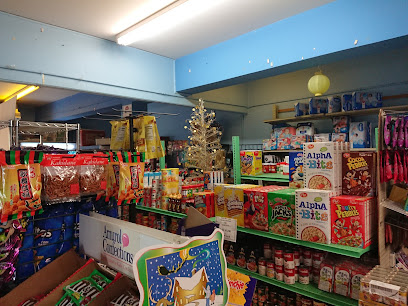
Bonita Style & Thrift
9.6 km
Explore Bonita Style & Thrift in Hågat, Guam - your go-to destination for unique, sustainable fashion finds and local treasures.

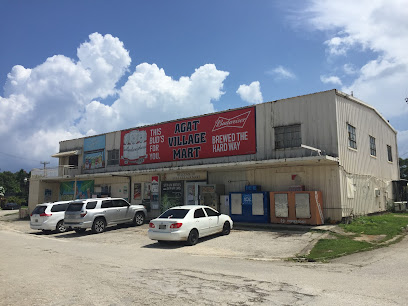
Agat Village Mart
9.7 km
Discover local flavors and essentials at Agat Village Mart, the heartbeat of Hågat, Guam, where community meets convenience.
He
9.7 km
Discover the essence of Guam's culinary landscape at He Grocery Store, where local flavors and friendly service await every visitor.
A-Market and Laundromat
10.2 km
Discover the convenience of A-Market and Laundromat in Hågat, Guam – your go-to spot for groceries and laundry needs.
Menase Elevation
10.2 km
Discover the lively Menase Elevation Produce Market, where fresh local produce meets Chamorro culture in the heart of Guam.
Santa Rita Store
10.3 km
Explore local culture and unique products at Santa Rita Store, a charming shopping destination in Guam that tourists love.
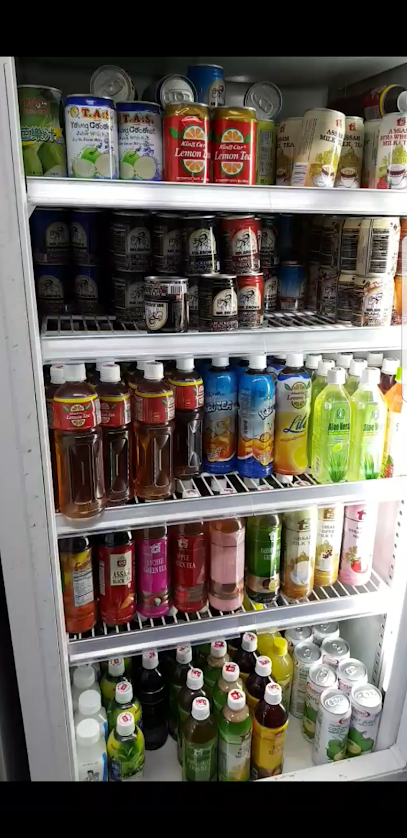
Agat Kim Chee Store
10.4 km
Experience the vibrant flavors of Guam at Agat Kim Chee Store, your local supermarket for fresh produce and traditional snacks.
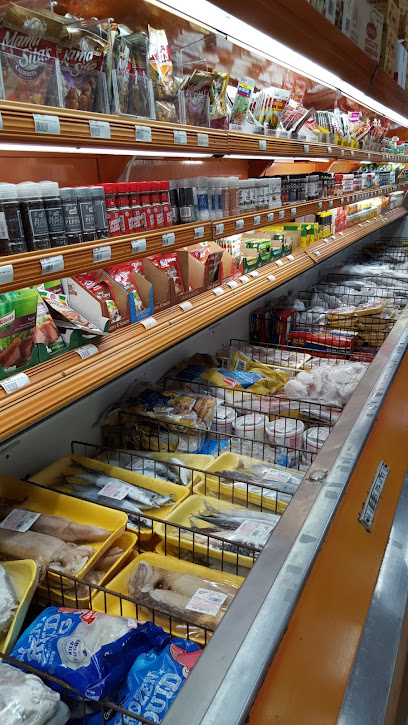
Puff Supply Guam - Agat
10.6 km
Explore Puff Supply Guam - Agat, the ultimate vaporizer store offering a wide selection of quality products and exceptional customer service.
Essential bars & hidden hideouts

Чистим сапоги недорого
6.0 km
Experience the thrill of darts at Чистим сапоги недорого in Hågat, Guam, where fun, competition, and great company come together.

The Redoubt
14.9 km
Experience the vibrant culture of Guam at The Redoubt, a unique bar in Apra Harbor with stunning views and local flavor.
Sana
15.8 km
Experience the vibrant nightlife at Sana, a premier bar in Yona, Guam, offering stunning views, refreshing drinks, and a welcoming atmosphere for all.

Carabao Brewing Pit Stop
21.7 km
Experience the vibrant craft beer scene at Carabao Brewing Pit Stop, a top-rated bar in Maina, Guam, blending local flavors and a lively atmosphere.
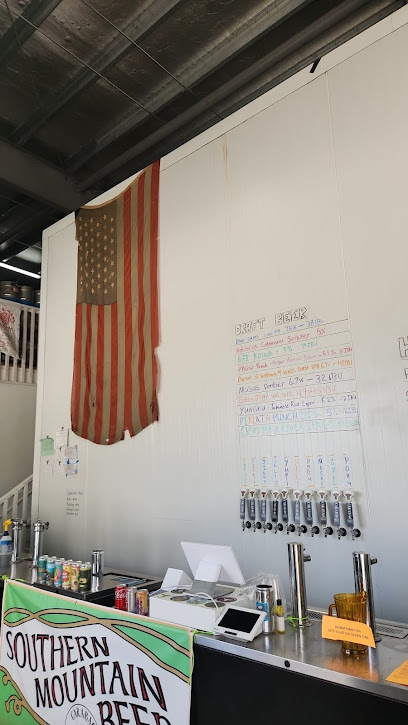
Somjai
21.8 km
Discover the authentic flavors of Thailand at Somjai, a delightful Thai restaurant located in the vibrant University of Guam.
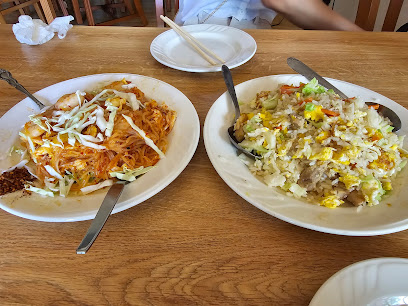
Pochon Chicken
21.8 km
Discover the taste of Guam at Pochon Chicken, where succulent chicken dishes meet a warm and inviting atmosphere.
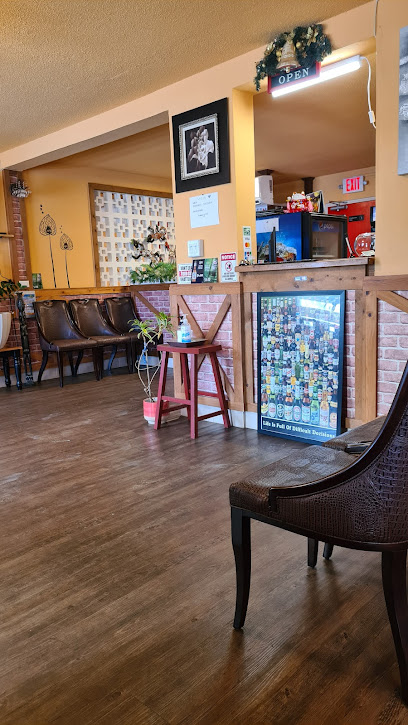
Pho Cafe
21.8 km
Discover the authentic flavors of Vietnam at Pho Cafe in Mangilao, Guam, where delicious pho and friendly service await.
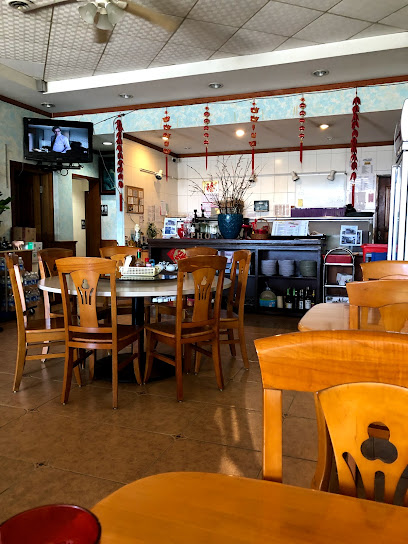
iCue Karaoke RestoLounge
21.9 km
Experience the electrifying vibe of iCue Karaoke RestoLounge in Anigua, Guam, where cocktails and karaoke create unforgettable nights.
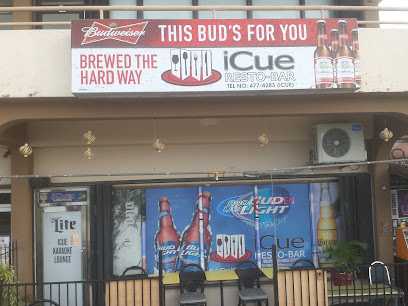
Las Vegas Karaoke & Bar
21.9 km
Experience the ultimate karaoke night at Las Vegas Karaoke & Bar in Hagåtña, where fun and music meet in an unforgettable atmosphere.
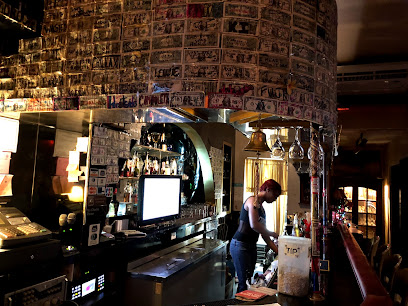
Laddas Lounge
22.1 km
Experience the vibrant nightlife of Guam at Laddas Lounge, where exceptional drinks and a lively atmosphere await every visitor.
The Gay Bar
22.1 km
Experience the vibrant nightlife at The Gay Bar in Hagåtña, Guam — a welcoming haven for fun, entertainment, and celebration.
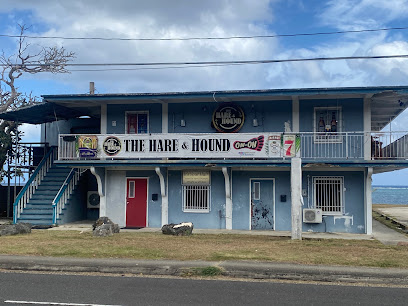
The Hare and Hound
22.1 km
Discover The Hare and Hound in Guam: a lively bar offering video karaoke and stunning beach views for an unforgettable night out.
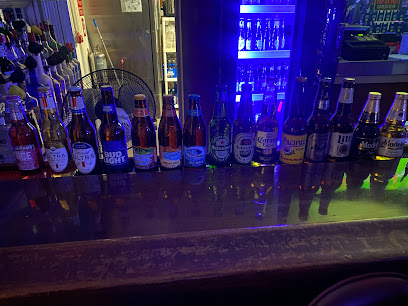
Fizz & Co.
22.1 km
Experience the flavors of Guam at Fizz & Co., a cozy diner serving delicious local dishes in a friendly atmosphere.
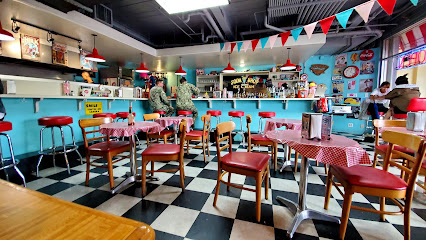
Michelle's Coffee Shop
22.2 km
Experience the warmth and hospitality of Michelle's Coffee Shop in Mangilao, Guam, where every cup of coffee tells a story.
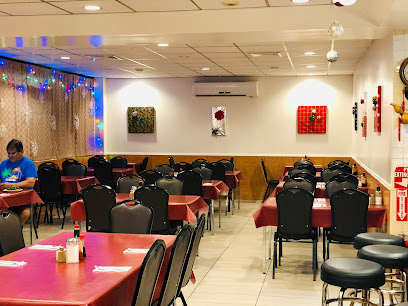
Belle's Bar
22.3 km
Discover Belle's Bar, a cozy retreat in Guam's University for refreshing drinks and a vibrant local atmosphere away from the tourist hustle.
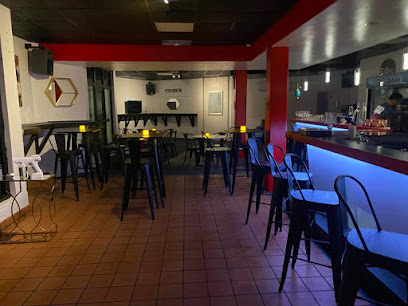
Nightclubs & after hour spots

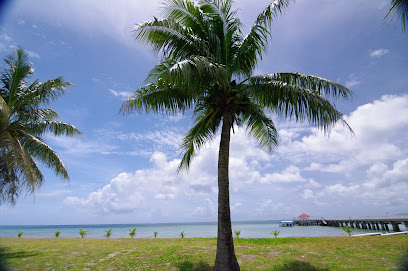
Cocos Island
6.2 km
Explore the enchanting Cocos Island, a tranquil paradise in Guam with breathtaking landscapes, vibrant coral reefs, and serene beaches perfect for relaxation.
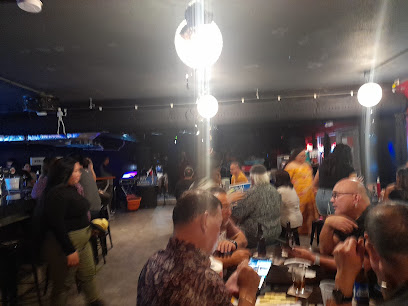
The Venue
22.7 km
Experience the lively nightlife at The Venue in Hagåtña, Guam, where creative cocktails and vibrant atmosphere come together for an unforgettable evening.
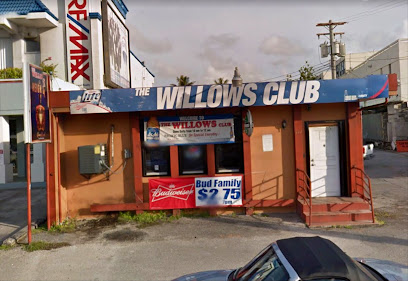
Willows Club
22.8 km
Discover the vibrant nightlife at Willows Club in Tamuning, Guam, where friendly service meets an energetic atmosphere.
Cindy's Pub
23.0 km
Experience the vibrant nightlife at Cindy's Pub in Hagåtña, Guam, where great drinks and a lively atmosphere await.
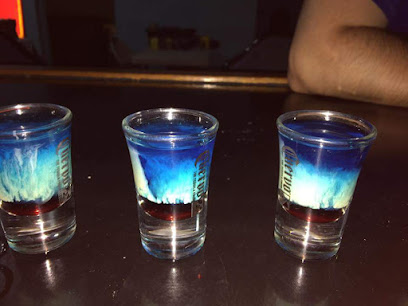
Player's Bar
23.0 km
Discover the lively spirit of Guam at Player's Bar, where great drinks and friendly vibes come together for an unforgettable night out.
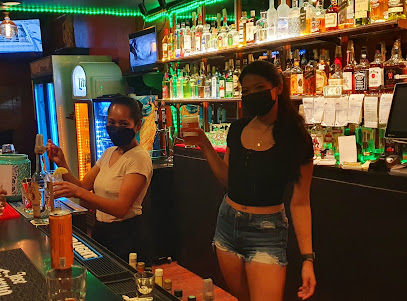
Mangilao Thursday Night Market
23.0 km
Discover the flavors and crafts of Guam at the Mangilao Thursday Night Market, a vibrant hub of local culture and cuisine.
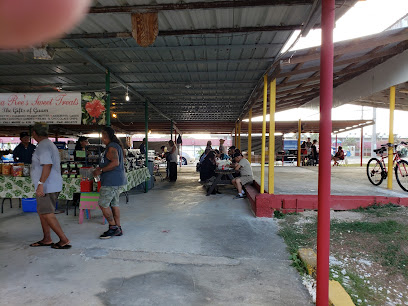
Bernie's Bar
24.2 km
Discover the lively atmosphere and refreshing drinks at Bernie's Bar in Apotgan, Guam - a must-visit for an unforgettable night out.
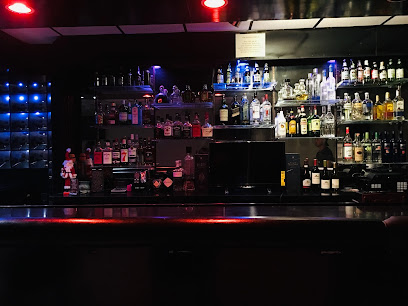
Jimmy Dee's Paradise Beach Resort & Bar
24.8 km
Discover Jimmy Dee's Paradise Beach Resort & Bar – your ultimate tropical escape in Apotgan, Guam, offering breathtaking views and delightful cuisine.
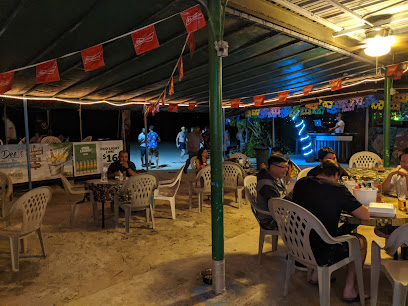
Club You & Me
25.5 km
Experience the vibrant nightlife at Club You & Me, a lively bar in Tamuning offering refreshing drinks, music, and a friendly atmosphere.
Nica’s Crib Lounge
25.9 km
Discover the lively atmosphere and delicious drinks at Nica’s Crib Lounge, a must-visit bar in Apotgan, Guam for an unforgettable night out.

Club Q
26.2 km
Discover the heart of Guam's nightlife at Club Q - where music, entertainment, and unforgettable memories come together in a vibrant atmosphere.
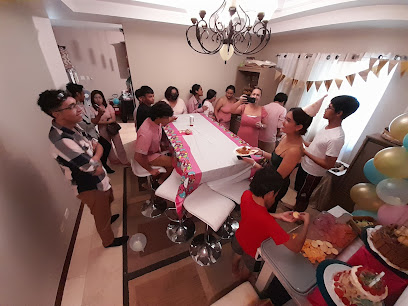
Gudtaym Lounge
26.8 km
Discover the lively ambiance of Gudtaym Lounge, where karaoke and live music meet the heart of Guam's nightlife.
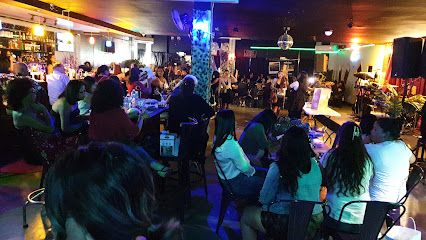
Roy's Lounge
27.1 km
Experience the vibrant ambiance and refreshing cocktails at Roy's Lounge, the perfect retreat in Tumon, Guam for tourists and locals alike.
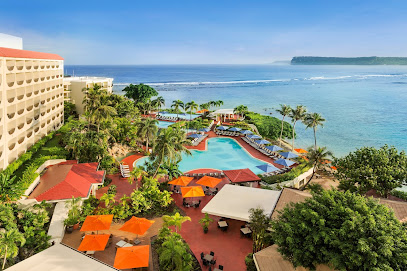
RAKU
27.1 km
Experience the thrill of singing at RAKU Karaoke Bar in Guam, where fun meets musical entertainment in a lively atmosphere.
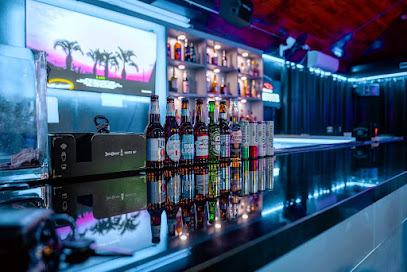
Lava Lounge
27.3 km
Experience the ultimate karaoke night at Lava Lounge in Tumon, Guam, where laughter and music blend in a vibrant atmosphere.