

Free Verapaces Travel Guide & Mobile App
Explore Verapaces with free travel guides. Discover regional history, expert tips, proposed trips, and audio guides on web or mobile app.


Explore Guatemala's Verapaces for cloud forests, Semuc Champey, Maya culture, coffee landscapes and mountain journeys shaped by rivers and limestone.
Read more about Verapaces
When is the best time to visit Verapaces?
Best: January–March · 23–25°C| Month | High (°C) | Rainfall (mm) |
|---|---|---|
| January (best) | 23 | 40 |
| February (best) | 23 | 45 |
| March (best) | 25 | 50 |
| April | 27 | 60 |
| May | 28 | 70 |
| June | 25 | 80 |
| July | 25 | 75 |
| August | 26 | 70 |
| September | 25 | 75 |
| October | 25 | 80 |
| November | 23 | 65 |
| December | 23 | 50 |
Getting to and around Verapaces
How to get there
Transportation
Top city travel guides in Verapaces
The cities of Verapaces, and the easiest places to base yourself.
-

-

-


Swipe for more cities
Destinations in Verapaces
Resorts, valleys and scenic spots worth a trip of their own.
-

-


Swipe for more destinations
Best attractions in Verapaces
Verapaces offers a varied collection of natural, cultural and outdoor attractions spread across two very different departments. In Alta Verapaz, Semuc Champey is the best-known natural site: a series of limestone pools and forested viewpoints above the Cahabón River, reached from Lanquín by a rough and time-consuming approach. Around Cobán, visitors can explore cloud-forest reserves, coffee-growing landscapes, orchid collections and waterfalls, while the Biotopo del Quetzal near Purulhá provides marked forest trails in habitat associated with the resplendent quetzal. Caves near Lanquín and other karst areas add a more adventurous dimension, but require guides and suitable footwear. Baja Verapaz brings warmer valleys, dry-forest scenery and access to the Sierra de las Minas, including the protected landscapes around Purulhá and adjacent mountain areas. Cultural attractions include Rabinal's Achí heritage, local churches, markets, weaving and community celebrations, although traditions should be approached as living culture rather than staged entertainment. River activities, birdwatching, hiking and agricultural visits can complement the major sites, but distances, seasonal rain and limited rural transport mean that the region is best explored in carefully planned sections rather than as a collection of quick day trips.
-
Tourist attraction
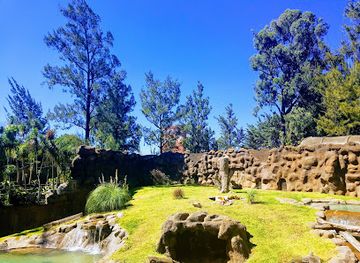
Zoológico La Aurora
Explore diverse wildlife at Guatemala City's iconic zoo, a leading center for conservation and education since 1924.
-
Tourist attraction
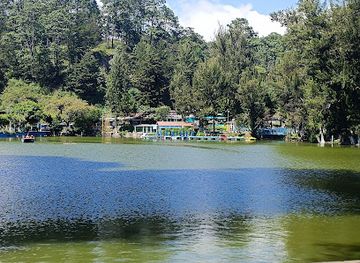
Semuc Champey
Discover the hidden river and turquoise pools of Semuc Champey, a natural paradise in the heart of Guatemala.
-
Tourist attraction
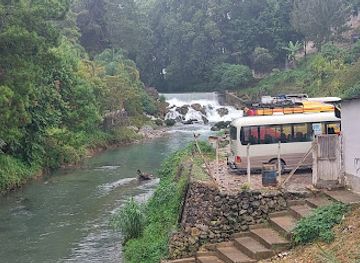
Los Aposentos
Experience the vibrant atmosphere of Los Aposentos, a top amusement park in Chimaltenango, perfect for family fun and adventure seekers.
-
Park
Parque Central Carcha
Experience the heart of San Pedro Carchá at Parque Central, a vibrant hub for community, culture, and relaxation in Guatemala.

Best landmarks in Verapaces
Semuc Champey's tiered turquoise pools and the natural limestone bridge beneath them are the defining geographical landmark of Alta Verapaz, created by the Cahabón River as it passes through a heavily forested karst landscape. The mountains and cloud forests around Cobán and Purulhá form another important visual identity, with the Biotopo del Quetzal preserving a highland environment associated with Guatemala's national bird. In Baja Verapaz, the Sierra de las Minas rises above warmer valleys and provides a dramatic transition between dry lowland scenery and humid mountain forest. Rabinal's churches, town centre and ceremonial spaces are significant not only as architecture but as settings for Achí cultural continuity, particularly the tradition of the Rabinal Achí. Cobán's historic urban fabric also reflects the region's nineteenth-century commercial development and European influence, though it should be understood alongside the much older Maya presence. The region's caves, rivers and steep limestone formations are natural landmarks as much as adventure sites, and their appearance changes substantially between dry weather and the rainy season.
-
Park
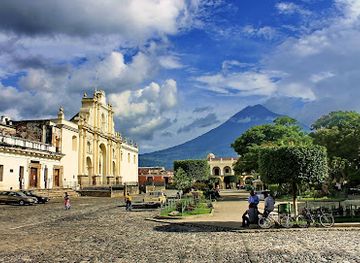
Parque Central de Antigua Guatemala
Discover the heart of Antigua Guatemala at Parque Central, a lush park filled with history, culture, and vibrant local life.
-
Tourist attraction
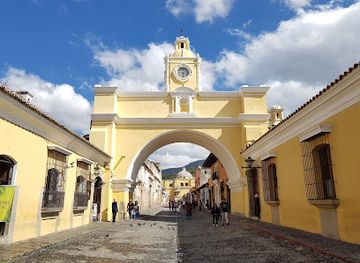
Arco de Santa Catalina
Discover the charm of Antigua Guatemala at Arco de Santa Catalina, a stunning architectural gem surrounded by breathtaking volcanic landscapes.
-
National park
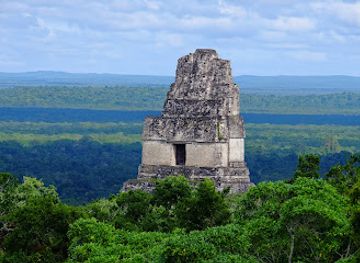
Tikal National Park
Explore Tikal National Park, a UNESCO World Heritage site filled with majestic Mayan ruins and vibrant wildlife amid a lush rainforest.
-
Tourist attraction
Cerro de La Cruz
Discover breathtaking views at Cerro de La Cruz in Antigua Guatemala, where stunning landscapes meet rich cultural heritage.
Explore Verapaces on the map
Plan your trip on one map. See where the top cities, national parks and sights are, and book hotels and experiences in a few clicks.
Best hotels in Verapaces
Best restaurants in Verapaces
Dining in Verapaces reflects Maya household traditions, highland agriculture and the region's commercial crops. Cobán has the broadest choice of restaurants, cafés and bakeries, while smaller towns and villages are more likely to offer comedor-style meals, market food and family-run eateries. Expect staples built around maize, beans, rice, vegetables, tamales and stews, with local variations in seasoning and preparation. Q'eqchi' and Achí food traditions are distinct parts of the region's cultural identity, although dishes and ingredients vary between communities; visitors should ask locally rather than assume that one menu represents all Verapaces. Coffee from the highlands is widely available, and cardamom is an important crop in Alta Verapaz, appearing more often as a flavouring or product than as a standard restaurant dish. Fresh produce, handmade tortillas and snacks from town markets offer a direct connection with local foodways. Around tourist bases such as Lanquín, menus may also include simple international fare, but rural dining is generally informal and may finish early, so carry provisions when travelling to remote attractions.
-
Hotel
Hotel Panisté
Experience luxury and tranquility at Hotel Panisté in San Cristóbal - your perfect getaway with spa services, fine dining, and stunning views.
-
Restaurant
La Granja
Discover authentic Guatemalan flavors at La Granja in Tactic – where every meal tells a story.
-
Restaurant
El Peñascal
Discover authentic Guatemalan flavors at El Peñascal in Cobán – where every dish tells a story of tradition and taste.
-
Restaurant
Casa D'Acuna
Discover authentic Guatemalan flavors at Casa D'Acuna in Cobán - where tradition meets innovation in every dish.
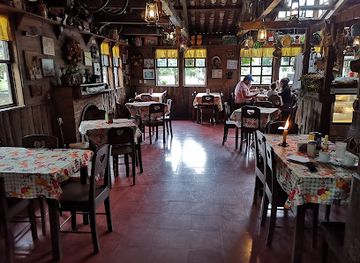
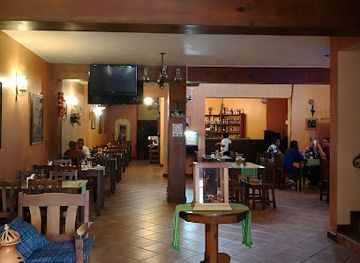
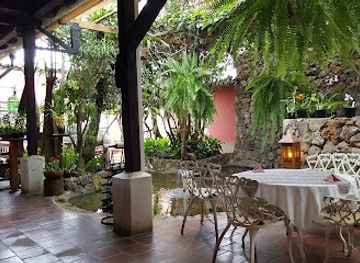
Best bars in Verapaces
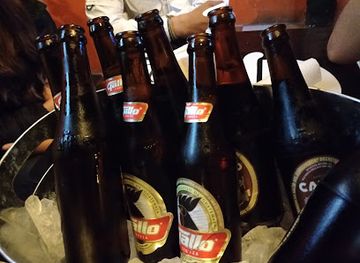
Nightlife in Verapaces is modest and concentrated in Cobán, with the evening scene largely based on restaurants, cafés, hotel bars and informal venues rather than a large club circuit. Local establishments may offer music, football broadcasts or social drinking, while occasional live performances and community events provide a more culturally rooted evening experience. Salamá and Rabinal have smaller local scenes centred on restaurants, cafés and town plazas, and rural areas generally become quiet after dark. Around Lanquín, accommodation-based bars and simple venues cater to visitors returning from Semuc Champey, but opening arrangements and atmosphere can vary by season. Beer, rum-based drinks and coffee are common options, though alcohol is not necessary to engage with the region's evening culture. Use established transport after dark, avoid isolated roads and ask accommodation staff about current local arrangements rather than relying on outdated nightlife listings.
-
Restaurant
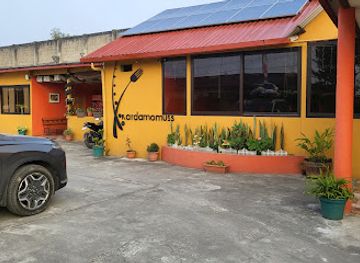
Kardamomuss Cobán
Discover the rich flavors of Guatemala at Kardamomuss Cobán, a local gem offering a unique dining experience that marries tradition with modernity.
-
Pub
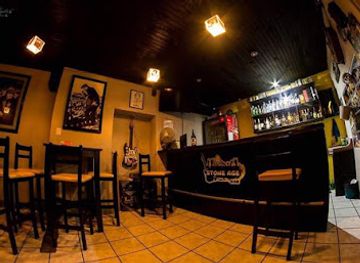
Stone Age Café
Experience the vibrant atmosphere of Stone Age Café, a beloved pub in Cobán offering local drinks and delicious snacks in a cozy setting.
-
Bar
Freshko Club Coban
Discover the vibrant flavors of Cobán at Freshko Club, a delightful bar and restaurant known for its tapas and fine wines.
-
Bar
Limonadas DON CHATO
Experience the vibrant culture of San Cristóbal Verapaz at Limonadas DON CHATO, where refreshing drinks and friendly vibes await.

Best nightclubs in Verapaces
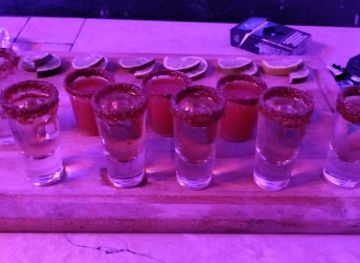
Nightlife in Verapaces is modest and concentrated in Cobán, with the evening scene largely based on restaurants, cafés, hotel bars and informal venues rather than a large club circuit. Local establishments may offer music, football broadcasts or social drinking, while occasional live performances and community events provide a more culturally rooted evening experience. Salamá and Rabinal have smaller local scenes centred on restaurants, cafés and town plazas, and rural areas generally become quiet after dark. Around Lanquín, accommodation-based bars and simple venues cater to visitors returning from Semuc Champey, but opening arrangements and atmosphere can vary by season. Beer, rum-based drinks and coffee are common options, though alcohol is not necessary to engage with the region's evening culture. Use established transport after dark, avoid isolated roads and ask accommodation staff about current local arrangements rather than relying on outdated nightlife listings.
-
Night club
The Secret Garden
Experience the vibrant nightlife at The Secret Garden, a premier night club in Guatemala City known for its lively atmosphere and eclectic music.
-
Disco club
Enigma Discotec Cobán
Dive into the vibrant nightlife of Cobán at Enigma Discotec, where music and dance come alive for an unforgettable experience.
-
Night club
Club 11 Night Club
Discover the vibrant nightlife of Guatemala City at Club 11 Night Club, where electrifying music and a lively atmosphere await.
-
Night club
Clubbeers Guatemala
Discover the lively nightlife of Clubbeers Guatemala, where music, drinks, and a vibrant atmosphere come together for an unforgettable experience.



Best shops in Verapaces
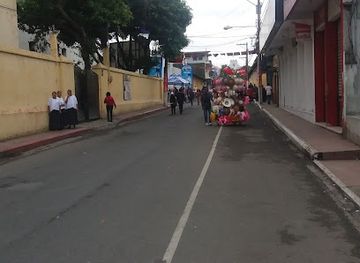
Shopping in Verapaces is strongest in Cobán, Salamá, Rabinal and the weekly markets that serve surrounding communities. Cobán offers cafés, food shops, modest independent retailers and outlets selling coffee and cardamom, while Salamá and Rabinal provide a more local market-town experience. Markets are useful for fresh produce, snacks, woven goods and everyday household items, but visitors should ask about materials, maker communities and appropriate prices before purchasing textiles or ceremonial-looking objects. Rabinal is particularly associated with Achí cultural production, including pottery and woven crafts, while handmade goods from different communities vary in design and meaning. Packaged coffee, cardamom and regional sweets are practical souvenirs, provided they comply with customs rules when taken abroad. Artisans' workshops and community projects can offer more direct support than anonymous souvenir stalls. Retail choice becomes limited outside the main towns, so buy essentials and cash before heading towards Lanquín, caves or remote forest attractions.
-
Shopping mall
Zona Verde, Cafe Internet
Explore Zona Verde, Cafe Internet in Cobán for a unique shopping experience featuring local crafts, delicious coffee, and a vibrant atmosphere.
-
Boutique
EL PORTAL D'ALVAREZ BOUTIQUE COBÁN
Explore El Portal D'Alvarez Boutique in Cobán for unique fashion that reflects the rich culture of Guatemala, perfect for discerning tourists.
-
Shopping mall
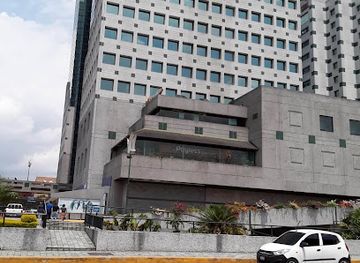
Tikal Futura
Discover Tikal Futura in Yalcoc: A shopping haven blending local culture with international brands and unique culinary experiences.
-
General store
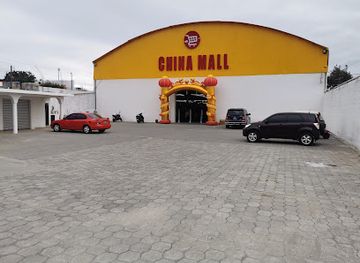
China mall
Explore China Mall - a vibrant general store filled with unique local goods and rich cultural experiences for every traveler.

Get your free copy of our complete guide to Verapaces, delivered straight to you.
Everything on this page, from attractions and restaurants to essentials and local phrases, in one PDF you can read offline, print or share.
Already have an account? Sign in
Your Verapaces guide is ready.
We'll send it to · Not you? Sign out

Getting your guide ready…
We are putting together a fresh copy of the Verapaces guide. This can take up to a minute.
This can take a few moments. If your browser asks, choose Allow so the download can start. You'll find the guide in your Downloads folder.
Nothing happened? Download it again
Sorry, the guide is taking longer than usual. Please try again in a minute, or get it by email instead.
Verapaces essentials
Currency and Payment
Safety
Emergency Situations
Do's and Don'ts
Local Tips
From Eve
Local phrases worth knowing
You don't need to get them perfect. A few words go a long way, and locals appreciate the effort.
Basics
| English | Local | Say it |
|---|---|---|
| Hello | Xelaj | [sheh-lah] |
| Goodbye | Sak'ij | [sah-kee] |
| Yes | Jas | [has] |
| No | Mani | [mah-nee] |
| Please/You're welcome | Jujun | [hoo-hoon] |
| Thank you | Yuk'ux | [yook-oosh] |
| Excuse me/Sorry | K'axik | [kah-sheek] |
| How are you? | Ja' k'ik'? | [hah keek?] |
| Fine. And you? | K'ax k'ik' a chi? | [k'ahks keek ah chee?] |
| Do you speak English? | K'axik ri inglés? | [kah-sheek ree een-gles?] |
| I don't understand | Na k'axik | [nah kah-sheek] |
Eating & Drinking
| English | Local | Say it |
|---|---|---|
| I'd like to see the menu, please | In k'axik ri menú, jujun | [een kah-sheek ree meh-noo, hoo-hoon] |
| I don't eat meat | Na k'axik ri k'ej | [nah kah-sheek ree keh] |
| Cheers! | Sa'k'iq! | [sah-kee] |
| I would like to pay, please | In k'axik ri pagar, jujun | [een kah-sheek ree pah-gar, hoo-hoon] |
Emergencies
| English | Local | Say it |
|---|---|---|
| Help! | Ayuda! | [ah-yoo-dah] |
| Go away! | K'axik k'uj! | [kah-sheek koo] |
| Call the Police! | K'axik ri Policía! | [kah-sheek ree poh-lee-see-ah] |
| Call a doctor! | K'axik ri doctor! | [kah-sheek ree dok-tor] |
| I'm lost | Na k'axik ri k'ik' | [nah kah-sheek ree kee] |
| I'm ill | Na k'axik ri ch'ich' | [nah kah-sheek ree cheech] |
Shopping
| English | Local | Say it |
|---|---|---|
| I'd like to buy... | In k'axik ri k'ul, ... | [een kah-sheek ree kool, ...] |
| I'm just looking | In k'axik ri ch'aw | [een kah-sheek ree ch'ow] |
| How much is it? | Jujun k'axik? | [hoo-hoon kah-sheek?] |
| That's too expensive | K'ehk'ux k'axik | [keh-hoosh kah-sheek] |
| Can you lower the price? | K'axik k'ul ri k'oj? | [kah-sheek kool ree koh] |
Time & Numbers
| English | Local | Say it |
|---|---|---|
| What time is it? | Ja' ri tiempo? | [hah ree tee-em-poh?] |
| It's one o'clock | Ri' k'i'ik | [ree kee-eek] |
| Half past (10) | K'wat ri (10) | [kwat ree (10)] |
| Morning | Nimla | [neem-lah] |
| Afternoon | Ruk'ux | [roo-koosh] |
| Evening | Ch'aw | [ch'ow] |
| Yesterday | K'ij ri ya | [kee ree yah] |
| Today | K'ij ri k'aw | [kee ree kaw] |
| Tomorrow | K'ij ri q'ij | [kee ree kee] |
| 1 | Juj | [hoo] |
| 2 | K'ij | [kee] |
| 3 | Ox | [osh] |
| 4 | B'elej | [beh-leh] |
| 5 | Waq | [wahk] |
| 6 | Waqx | [wahksh] |
| 7 | Waqxik | [wahk-sheek] |
| 8 | Waqxik'i | [wahk-sheek-ee] |
| 9 | Waqxik'ij | [wahk-sheek-ech] |
| 10 | Waqxik'ij | [wahk-sheek-ech] |
Transport & Directions
| English | Local | Say it |
|---|---|---|
| Where's a/the...? | K'axik ri...? | [kah-sheek ree...?] |
| What's the address? | Jujun ri dirección? | [hoo-hoon ree dee-rek-syon?] |
| Can you show me (on the map)? | K'axik ri ajaw (ri mapa)? | [kah-sheek ree ah-how (ree mah-pah)?] |
| When's the next (bus)? | K'axik ri ch'aw (bús)? | [kah-sheek ree ch'ow (boos)?] |
| A ticket (to ....) | Ri pasaje (a ....) | [ree pah-sah-he (ah....)] |
History of Verapaces
Pre-Hispanic Maya Communities
The Verapaces were occupied by Maya communities before Spanish colonisation, with settlement patterns adapted to river valleys, limestone uplands and forested mountains. The region was not a single unified kingdom, and political authority varied between local centres and communities. Archaeological evidence and surviving traditions point to long-established systems of farming, trade and ritual. In Alta Verapaz, the cultural ancestry of present-day Q'eqchi' communities is particularly important; in Baja Verapaz, Achí Maya heritage remains central to the identity of Rabinal and neighbouring areas.
Tezulutlán and the Sixteenth-Century Conquest
Spanish sources called much of the territory Tezulutlán, often translated as the Land of War because of resistance to military incorporation. In the 1530s, Dominican friars led by Bartolomé de las Casas promoted a missionary approach intended to bring communities under Spanish rule without a conventional military campaign, although the process still involved profound political, economic and religious disruption. The territory was subsequently known as Verapaz, a name associated with the claimed peaceful character of its conversion.
Dominican Missions and Colonial Reorganisation
Dominican missions became influential in colonial Verapaz, establishing churches, settlements and administrative structures while attempting to replace Maya religious practices with Catholic institutions. Indigenous communities retained languages, agricultural knowledge and local forms of social organisation, producing the layered religious culture visible in the region today. Colonial roads and towns connected the area to wider Guatemalan authorities, but difficult terrain and heavy rainfall limited outside control. The colonial legacy is therefore visible both in churches and town plans and in the persistence of Maya cultural systems.
Rabinal and the Achí Cultural Continuity
Rabinal developed as a major Achí Maya centre in Baja Verapaz, and its cultural history includes the Rabinal Achí, a dance-drama whose narrative preserves memories of pre-Hispanic political conflict and social values. The work survived through oral and community transmission despite colonial pressure and later social change. UNESCO included the Rabinal Achí on its Representative List of the Intangible Cultural Heritage of Humanity in 2008. Its significance lies not simply in age, but in the continuing role of local communities in maintaining the tradition.
Coffee, Cardamom and Nineteenth-Century Change
After Guatemala's liberal reforms in the nineteenth century, commercial agriculture expanded and landholding patterns changed across the Verapaces. Coffee became important in the higher and wetter areas, while cardamom later found particularly suitable conditions in Alta Verapaz. Cobán also received German settlers and commercial interests, leaving architectural and economic traces in the town and surrounding plantations. These developments connected the region more closely to national and international markets, but they also reshaped Indigenous land access and labour relationships.
Roads, Hydroelectric Development and Regional Integration
Improved roads and later infrastructure projects linked the previously difficult-to-reach Verapaces more closely with Guatemala City, the Caribbean lowlands and other parts of the country. Economic activity expanded through agriculture, forestry, trade and tourism, while hydroelectric development affected river environments and communities in parts of Alta Verapaz. The region remains less urbanised than Guatemala's central corridor, and its geography continues to influence access to education, healthcare, markets and visitor sites.
Conflict, Community Resilience and Contemporary Verapaces
The Guatemalan internal armed conflict affected communities throughout the Verapaces, with serious human-rights abuses and displacement contributing to lasting social trauma. Indigenous organisations, local leaders and community groups have since played important roles in cultural revitalisation, land advocacy and the development of more locally controlled tourism. Contemporary Verapaces combines these unresolved historical memories with strong Maya language and cultural continuity, expanding environmental awareness and a growing interest in responsible travel.
Verapaces in Photos
Browse through our photo collection highlighting the charm and character of the destination.
Neighbouring regions of Verapaces
The closest regions to Verapaces, if you have time for more than one.
-

-

-

-

-


Swipe for more regions
Explore more
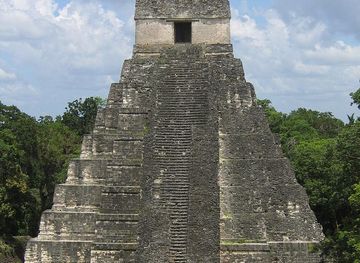
Explore more of Guatemala
Discover Guatemala: A land of ancient Mayan wonders, breathtaking natural beauty, and vibrant cultural experiences. Perfect for history buffs, nature lovers, and adventure seekers.
Explore Guatemala