

Free Ixil Triangle Travel Guide & Mobile App
Explore Ixil Triangle with free travel guides. Discover regional history, expert tips, proposed trips, and audio guides on web or mobile app.


Explore Guatemala's Ixil Triangle for Maya culture, mountain villages, forested trails, weaving traditions and powerful living history.
Read more about Ixil Triangle
When is the best time to visit Ixil Triangle?
Best: May–June, September · 24–25°C| Month | High (°C) | Rainfall (mm) |
|---|---|---|
| January | 20 | 4 |
| February | 21 | 5 |
| March | 22 | 6 |
| April | 23 | 7 |
| May (best) | 24 | 8 |
| June (best) | 25 | 9 |
| July | 24 | 10 |
| August | 24 | 10 |
| September (best) | 24 | 9 |
| October | 23 | 8 |
| November | 22 | 7 |
| December | 21 | 6 |
Getting to and around Ixil Triangle
How to get there
Transportation
Best attractions in Ixil Triangle
The Ixil Triangle's attractions are centred on highland landscapes, living culture and historical interpretation rather than large commercial visitor complexes. Nebaj, Chajul and San Juan Cotzal each provide a base for observing market life, church architecture, weaving traditions and the rhythms of mountain agriculture. The countryside between them offers guided walks through pine forest, cultivated slopes, ravines and small settlements, with changing views across the Cuchumatanes. Waterfalls, rivers and forest areas can be rewarding objectives, but access and trail conditions vary, so local advice is important. Community museums and historical interpretation in the towns help visitors understand Ixil identity and the consequences of the armed conflict, while memorial sites should be approached with sensitivity. Birdwatching, photography and quiet walking are more realistic than highly developed adventure tourism, and weather can restrict plans. The region is best experienced through a combination of town visits, a locally guided rural excursion and time in a family-run or community-oriented setting. Nearby access points in Quiché may be useful for transport, but the core experience begins once visitors enter the three Ixil municipalities and see how closely landscape, language, farming and memory remain connected.
-
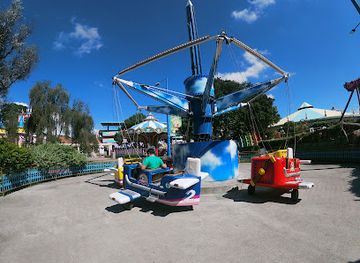
Amusement park
IRTRA Mundo Petapa
Experience thrilling rides, live shows, and family fun at Guatemala City's premier amusement park, IRTRA Mundo Petapa.
-
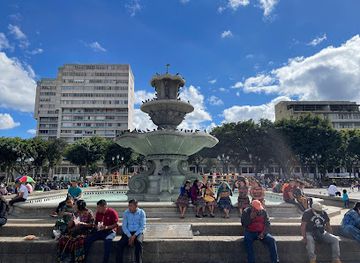
Park
Plaza de la Constitución
Experience the vibrant heart of Guatemala City at Plaza de la Constitución, a historic square surrounded by iconic landmarks and bustling with culture.
-
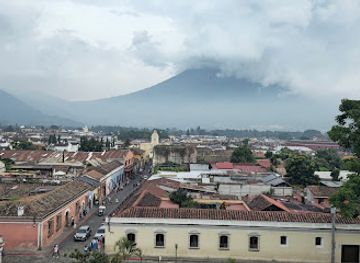
Tourist attraction
Arco de Santa Catalina
Antigua's iconic 17th-century arch, a vibrant symbol of the city's colonial history and a photographer's paradise with stunning volcano views.
-
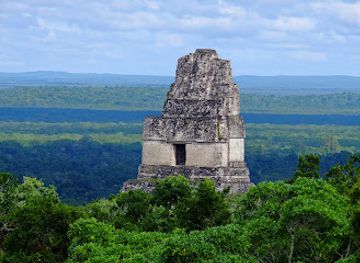
National park
Tikal National Park
Explore Tikal National Park: Where Mayan civilization meets lush rainforest, offering a unique blend of history, culture, and natural beauty.
Best landmarks in Ixil Triangle
The most recognisable landmarks of the Ixil Triangle are its three municipal centres and the mountain settings around them. The churches and central plazas of Nebaj, Chajul and San Juan Cotzal express the long history of colonial religious institutions alongside continuing Ixil community life; their importance lies as much in their civic setting as in their architecture. Nebaj's highland basin and surrounding ridges form a powerful geographical landmark, while the roads towards Chajul and Cotzal reveal the steep terrain that has shaped settlement and transport. Forested slopes, cultivated valleys and deep ravines are not isolated scenic backdrops but working landscapes tied to farming and community territory. Memorials and museums connected with the armed conflict are also significant places of remembrance, though their meaning should not be reduced to visual attractions. The region lacks the monumental stone architecture found at some famous Maya archaeological destinations elsewhere in Guatemala, and its landmark character is instead found in the relationship between Indigenous towns, churches, mountain routes and remembered places. Local guidance is essential when interpreting sites whose significance is communal or personal rather than prominently signposted.
-
Tourist attraction
Arco de Santa Catalina
Discover the charm of Antigua Guatemala at Arco de Santa Catalina, a stunning landmark that connects history, culture, and breathtaking views.
-
National park
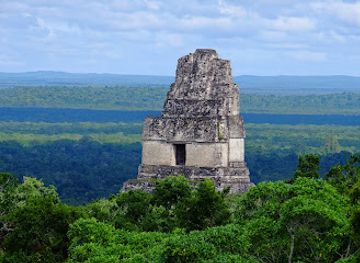
Tikal National Park
Explore the ancient wonders of Tikal National Park, a UNESCO World Heritage Site filled with rich history, diverse wildlife, and breathtaking landscapes.
-
Tourist attraction
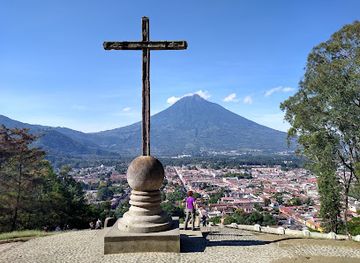
Cerro de La Cruz
Experience the breathtaking views of Antigua Guatemala from Cerro de La Cruz, a scenic hilltop destination that captures the city's rich cultural heritage.
-
Nature preserve
Semuc Champey
Experience the breathtaking turquoise pools and lush jungles of Semuc Champey, a nature preserve that captivates every adventurer's heart.

Explore Ixil Triangle on the map
Plan your trip on one map. See where the top cities, national parks and sights are, and book hotels and experiences in a few clicks.
Best hotels in Ixil Triangle
Best restaurants in Ixil Triangle
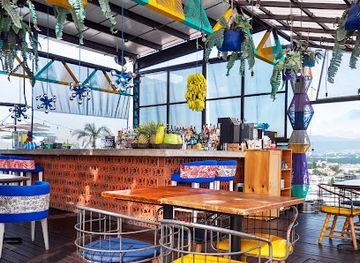
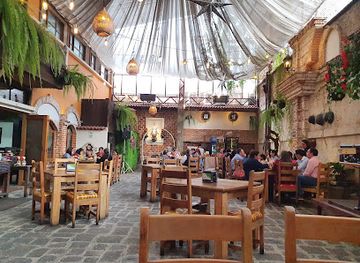
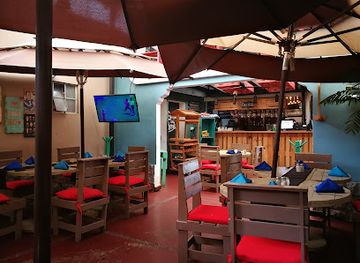
Dining in the Ixil Triangle is generally informal and closely connected to household cooking, local markets and small town eateries. Expect maize tortillas, beans, rice, eggs, soups, stews and seasonal vegetables, with chicken and other meats available according to the establishment. The local food culture belongs to the wider Maya highland tradition, but ingredients, preparation and occasion vary between families and communities. Markets are useful for fruit, snacks and basic supplies, while modest comedor-style restaurants provide practical meals in Nebaj, Chajul and Cotzal. Coffee is grown in parts of the wider highland economy and may be available locally, although the quality and presentation of drinks vary. Vegetarian visitors should explain their requirements clearly in Spanish, as meat or stock may be included in apparently simple dishes. Hygiene standards differ, so choose busy places with good food turnover, carry water for rural outings and do not expect late-night dining or a broad international menu. Buying textiles or produce directly from local sellers should be done respectfully and without reducing food culture to a souvenir.
-
Restaurant
Luna de Miel
Experience culinary bliss at Luna de Miel – where exquisite desserts meet authentic Guatemalan flavors in the heart of Antigua.
-
Restaurant
Los Tres Tiempos • Centro Histórico
Discover vibrant Guatemalan flavors at Los Tres Tiempos - a culinary jewel in Guatemala City's historic center.
-
Restaurant
Restaurante El Adobe zona 1
Experience the rich flavors of traditional Guatemalan cuisine at Restaurante El Adobe in Guatemala City’s vibrant Zone 1.
-
Chophouse restaurant
Rincón Del Steak
Discover Rincón Del Steak: A premier chophouse in Guatemala City offering exceptional meat dishes and vibrant dining experiences.
Best bars in Ixil Triangle
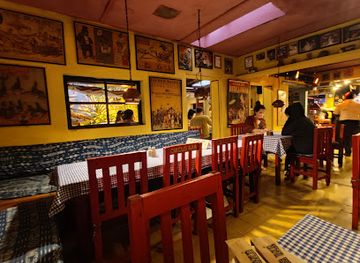
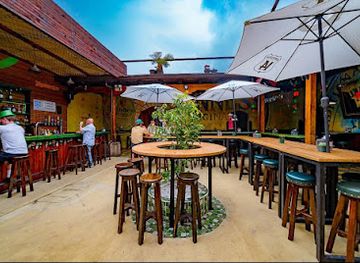
Nightlife in the Ixil Triangle is quiet and town-based, with evenings focused on family life, small restaurants, cafés, local shops and a limited number of bars rather than a developed club scene. Nebaj has the greatest concentration of accommodation and evening options, while Chajul and Cotzal are more subdued after dark. Some establishments may show football or play popular music, but opening arrangements can change and late-night services are not guaranteed. Alcohol is available, yet it is not necessary to participate in local culture, and visitors should drink cautiously because transport options are limited once rural services finish. Social occasions, religious celebrations and community events may create livelier evenings at particular times, but these should be entered as invited guests or respectful observers rather than treated as entertainment staged for visitors. Returning to accommodation before roads and streets become quiet is sensible, especially outside the central areas, and arranging transport in advance is preferable to searching for a taxi late at night.
-
Pizza
Circus Bar
Experience authentic Italian pizza and gluten-free delights at Circus Bar in Panajachel, the perfect dining spot for food lovers.
-
Bar
Reilly's Antigua
Experience the vibrant nightlife and delicious cuisine at Reilly's Antigua, a top bar and restaurant in the heart of Antigua Guatemala.
-
Brewery
Antigua Brewing Company
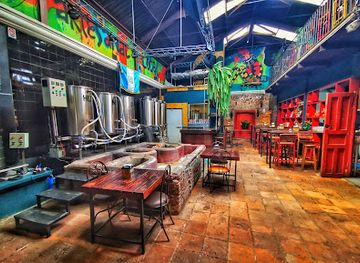
Experience the unique craft beers and vibrant atmosphere of Antigua Brewing Company in Antigua Guatemala, where local flavors meet creativity.
-
Bar
Las Cien Puertas
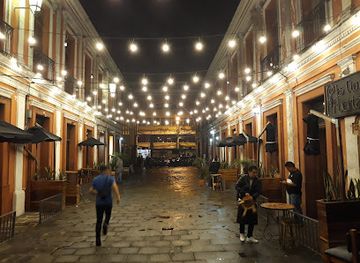
Discover Las Cien Puertas, a vibrant bar in Guatemala City that combines local culture with a lively atmosphere for an unforgettable night out.
Best nightclubs in Ixil Triangle
Nightlife in the Ixil Triangle is quiet and town-based, with evenings focused on family life, small restaurants, cafés, local shops and a limited number of bars rather than a developed club scene. Nebaj has the greatest concentration of accommodation and evening options, while Chajul and Cotzal are more subdued after dark. Some establishments may show football or play popular music, but opening arrangements can change and late-night services are not guaranteed. Alcohol is available, yet it is not necessary to participate in local culture, and visitors should drink cautiously because transport options are limited once rural services finish. Social occasions, religious celebrations and community events may create livelier evenings at particular times, but these should be entered as invited guests or respectful observers rather than treated as entertainment staged for visitors. Returning to accommodation before roads and streets become quiet is sensible, especially outside the central areas, and arranging transport in advance is preferable to searching for a taxi late at night.
-
Dance club
ZOHO Club
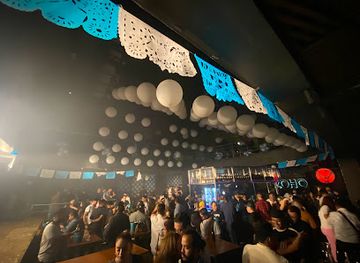
Discover the heart of Guatemala City's nightlife at ZOHO Club, where music, dance, and vibrant energy come together for an unforgettable experience.
-
Bar
Exxesos
Experience the lively nightlife at Exxesos, a premier bar in Guatemala City, known for its unique cocktails and vibrant atmosphere.
-
Bar
2 Cielos
Discover the vibrant nightlife of Guatemala City at 2 Cielos, where creative cocktails and lively ambiance await your arrival.
-
Night club
The Secret Garden
Experience the vibrant nightlife of Guatemala City at The Secret Garden, where music, dance, and unforgettable memories await in an enchanting setting.

Best shops in Ixil Triangle
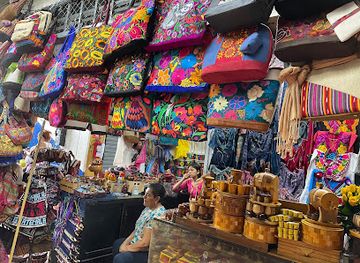
Shopping in the Ixil Triangle is primarily local and practical, with markets in Nebaj, Chajul and Cotzal offering produce, clothing, household goods and everyday food rather than extensive retail centres. The most distinctive purchases are handwoven textiles, including huipiles, cortes, belts and smaller woven items whose patterns and colours may identify particular communities or makers. Buying directly from artisans or through a reputable cooperative can help visitors understand how an item was made and support local livelihoods, but prices should be discussed respectfully because weaving is skilled labour. Some shops and market stalls also sell coffee, maize-based foods and other regional produce, although availability is seasonal. Bring cash in small denominations, inspect workmanship carefully and ask whether a textile is handmade, machine-made or produced elsewhere before buying. The towns have limited choices for international brands, fashion chains and larger consumer goods; for those, visitors should shop in a larger Guatemalan centre before entering the mountains. Avoid purchasing archaeological objects, protected natural materials or culturally sensitive ceremonial items.
-
Shopping mall
Oakland Place Guatemala
Experience the ultimate shopping adventure at Oakland Place Guatemala, where local culture meets international flair in a vibrant mall setting.
-
Food court
Portales Mall
Discover a vibrant shopping and dining experience at Portales Mall, where local flavors meet global brands in Guatemala City.
-
Market
Mercado Central
Explore Mercado Central: A vibrant marketplace in Guatemala City offering local crafts, delicious cuisine, and a taste of authentic culture.
-
Shopping mall
Arkadia Shopping
Explore Arkadia Shopping, a lively mall in Guatemala City featuring diverse shops, delicious dining, and exciting entertainment for an unforgettable experience.


Get your free copy of our complete guide to Ixil Triangle, delivered straight to you.
Everything on this page, from attractions and restaurants to essentials and local phrases, in one PDF you can read offline, print or share.
Already have an account? Sign in
Your Ixil Triangle guide is ready.
We'll send it to · Not you? Sign out

Getting your guide ready…
We are putting together a fresh copy of the Ixil Triangle guide. This can take up to a minute.
This can take a few moments. If your browser asks, choose Allow so the download can start. You'll find the guide in your Downloads folder.
Nothing happened? Download it again
Sorry, the guide is taking longer than usual. Please try again in a minute, or get it by email instead.
Ixil Triangle essentials
Currency and Payment
Safety
Emergency Situations
Do's and Don'ts
Local Tips
From Eve
Local phrases worth knowing
You don't need to get them perfect. A few words go a long way, and locals appreciate the effort.
Basics
| English | Local | Say it |
|---|---|---|
| Hello | Saquib'ix | [sah-kee-beek] |
| Goodbye | Saquib'ix k'ul | [sah-kee-beek kool] |
| Yes | Jas | [has] |
| No | Mani | [mah-nee] |
| Please/You're welcome | Jas' k'ul | [has' kool] |
| Thank you | Tz'ib'ik | [tsee-beek] |
| Excuse me/Sorry | Jas' k'ul | [has' kool] |
| How are you? | ¿Jas k'ujul? | [has koo-hool] |
| Fine. And you? | Ch'awer. ¿I na k'ujul? | [ch'ah-weir. ee nah koo-hool] |
| Do you speak English? | ¿Jas k'ojb'ik inglés? | [has koh-beek een-gleis] |
| I don't understand | Mani in k'uchu' | [mah-nee een koo-choo] |
Eating & Drinking
| English | Local | Say it |
|---|---|---|
| I'd like to see the menu, please | In k'uxi' ri menú, jas' | [een koo-shee ree meh-noo, has'] |
| I don't eat meat | Mani in k'ix ri k'ul | [mah-nee een keesh ree kool] |
| Cheers! | K'uxi' ri | [koo-shee ree] |
| I would like to pay, please | In k'uxi' ri pagu, jas' | [een koo-shee ree pah-goo, has'] |
Emergencies
| English | Local | Say it |
|---|---|---|
| Help! | ¡Ayuda! | [ah-yoo-dah] |
| Go away! | ¡Jas k'ul! | [has kool] |
| Call the Police! | ¡Jas k'ul ri Policía! | [has kool ree poh-lee-sia] |
| Call a doctor! | ¡Jas k'ul ri médico! | [has kool ree meh-dee-koh] |
| I'm lost | In k'ul ri k'uxi' | [een kool ree koo-shee] |
| I'm ill | In k'ul ri juj' | [een kool ree hooh] |
Shopping
| English | Local | Say it |
|---|---|---|
| I'd like to buy... | In k'uxi' ri k'uxi'... | [een koo-shee ree koo-shee...] |
| I'm just looking | In k'uxi' k'ul | [een koo-shee kool] |
| How much is it? | ¿Jas k'ot ri? | [has koh-tee ree] |
| That's too expensive | Ri k'ot k'ul | [ree koh-tee kool] |
| Can you lower the price? | ¿Jas k'uj k'ul ri precio? | [has koo-hool kool ree preh-sio] |
Time & Numbers
| English | Local | Say it |
|---|---|---|
| What time is it? | ¿Jas k'ot ri tiempo? | [has koh-tee ree tee-em-poh] |
| It's one o'clock | Ri k'ot k'ax | [ree koh-tee k'ahks] |
| Half past (10) | Ri k'ot k'uxi' (10) | [ree koh-tee koo-shee (10)] |
| Morning | K'ax | [k'ahks] |
| Afternoon | K'uxi' k'ax | [koo-shee k'ahks] |
| Evening | K'uxi' k'uxi' | [koo-shee koo-shee] |
| Yesterday | K'ax k'ul | [k'ahks kool] |
| Today | K'ax ri | [k'ahks ree] |
| Tomorrow | K'ax k'uxi' | [k'ahks koo-shee] |
| 1 | Jun | [hoon] |
| 2 | Ox | [osh] |
| 3 | Tz'ik | [tsee-k] |
| 4 | K'a | [kah] |
| 5 | Jas | [has] |
| 6 | Wak | [wahk] |
| 7 | Waq | [wahk] |
| 8 | Waq | [wahk] |
| 9 | Waq | [wahk] |
| 10 | Waq | [wahk] |
Transport & Directions
| English | Local | Say it |
|---|---|---|
| Where's a/the...? | ¿Ja ri...? | [ha ree...?] |
| What's the address? | ¿Ja ri dirección? | [ha ree dee-rek-sion] |
| Can you show me (on the map)? | ¿Jas k'uj k'ul ri mapa? | [has koo-hool kool ree mah-pah] |
| When's the next (bus)? | ¿Ja k'ot ri b'us? | [ha koh-tee ree boos?] |
| A ticket (to ....) | Ri b'il (pa...) | [ree beel (pa...)] |
History of Ixil Triangle
Ancient Maya Settlement and Ixil Identity
The Ixil highlands have been inhabited for centuries by Maya communities whose culture developed within the wider civilisation of the Guatemalan highlands. Archaeological evidence in the broader Quiché region points to long-established agricultural settlement, trade and political relationships among Maya centres. The modern Ixil people retain a distinct linguistic and cultural identity, expressed through community organisation, farming practices, ritual life and textile traditions. Although the landscape often appears remote, it has never been isolated from wider networks of exchange and political change.
Spanish Conquest and Colonial Reorganisation
Spanish forces and their Indigenous allies entered the northern Guatemalan highlands during the sixteenth-century conquest. Resistance, military campaigns and the later imposition of colonial authority transformed local political structures. Colonial rule brought Christian institutions, tribute and labour demands, while communities were reorganised around settlements and religious administration. Churches and town centres in the Ixil municipalities reflect this long colonial legacy, although Indigenous beliefs, languages and community practices continued alongside imposed institutions.
Agriculture, Communities and Highland Trade
For much of the colonial and republican periods, Ixil communities relied on maize-based agriculture, beans, small-scale livestock raising and forest resources. Trade between mountain settlements and lowland areas helped connect the three municipalities with larger markets. Coffee and other cash crops became important in parts of the surrounding highlands, but the Ixil economy remained strongly tied to family farming and local exchange. Markets continue to reveal this combination of subsistence production, regional trade and household enterprise.
State Expansion and Unequal Development
During the nineteenth and twentieth centuries, the Guatemalan state expanded its administrative and military presence in Indigenous highland areas, while roads, schools and commercial agriculture developed unevenly. Land inequality and limited access to services shaped local politics and migration. In the Ixil Triangle, these pressures affected communities differently, but they contributed to a wider pattern in which Indigenous rural populations faced structural discrimination and had little influence over national decision-making.
The Internal Armed Conflict, 1960–1996
Guatemala's internal armed conflict reached the Ixil Triangle with exceptional brutality. The army and associated forces treated many Indigenous communities as supporters of guerrilla movements, leading to massacres, forced displacement, military occupation, destruction of homes and crops, and the disruption of community life. The conflict caused profound loss across Nebaj, Chajul and Cotzal. Its legacy remains visible in survivor testimony, memorial practices, community organisations and continuing demands for recognition and justice.
Genocide Findings and the Struggle for Recognition
Guatemala's Commission for Historical Clarification documented grave human-rights violations during the conflict and concluded that acts of genocide had occurred against the Ixil Maya. A 2013 national court case involving former military officials brought international attention to the region, although its legal and political aftermath was contested and did not resolve the wider search for accountability. The history is therefore not simply a completed chapter: memory, justice and acknowledgement remain important aspects of public life in the Ixil communities.
Post-war Community Life and Responsible Tourism
After the 1996 Peace Accords, displaced families returned or rebuilt their lives, and civil-society organisations supported education, cultural preservation, human-rights work and local development. Tourism has grown gradually around mountain scenery, community-based guiding, weaving and historical interpretation. This development remains modest, and its value depends on local control and fair benefit. Visitors encounter communities balancing cultural continuity, economic opportunity and the ongoing work of remembering a violent recent past.
Ixil Triangle in Photos
Browse through our photo collection highlighting the charm and character of the destination.
Neighbouring regions of Ixil Triangle
The closest regions to Ixil Triangle, if you have time for more than one.
-

-

-

-

-


Swipe for more regions
Explore more
Explore more of Guatemala
Discover Guatemala: A land of ancient Mayan wonders, breathtaking natural beauty, and vibrant cultural experiences. Perfect for history buffs, nature lovers, and adventure seekers.
Explore Guatemala