
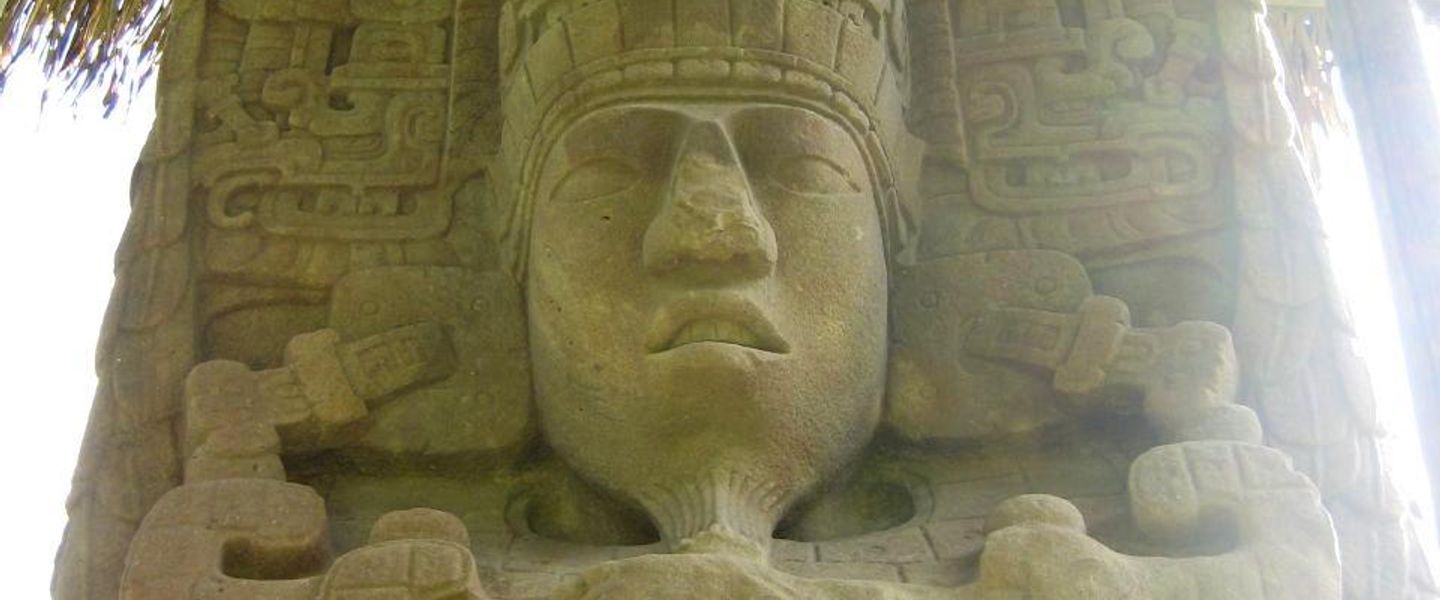
Motagua Valley, Guatemala Travel Guide
Discover the Motagua Valley in Guatemala: A blend of stunning landscapes, ancient Maya ruins, and vibrant local culture waiting to be explored.
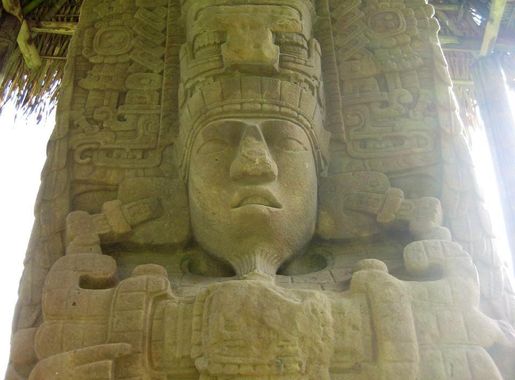
Nestled in the heart of Guatemala, the Motagua Valley is a hidden gem waiting to be discovered. Known for its breathtaking landscapes and rich history, this valley offers a unique blend of natural beauty and cultural heritage. It is home to some of the most important archaeological sites in the country, including the ancient Maya city of Quiriguá, famous for its intricately carved stelae and altars. The Motagua River, which flows through the valley, provides a picturesque setting for visitors looking to explore the region's natural wonders. The lush greenery and diverse wildlife make it a paradise for nature enthusiasts. You can take a relaxing boat ride down the river, hike through the surrounding hills, or simply unwind while taking in the stunning views. Beyond its natural allure, the Motagua Valley is also a hub for local culture and traditions. The nearby towns and villages are teeming with vibrant markets, where you can find handmade crafts, delicious local cuisine, and warm hospitality. Whether you are an adventurer, history buff, or simply looking for a tranquil escape, the Motagua Valley has something to offer everyone.

Know before you go
Hi, I'm Eve. Here are a few practical things to know before exploring Motagua Valley.
- Visit Quiriguá early in the morning to avoid crowds and enjoy cooler temperatures.
- Bring insect repellent, especially if you plan to explore the more remote areas of the valley.
- Hire a local guide to gain deeper insights into the history and significance of the archaeological sites.
- Try the local cuisine at village markets for an authentic taste of Guatemalan flavors.
- Carry cash, as many small vendors and local markets do not accept credit cards.
- Wear comfortable walking shoes, as some trails and archaeological sites have uneven terrain.
Top City Travel Guides in Motagua Valley
The cities of Motagua Valley, and the easiest places to base yourself.


Explore Motagua Valley: Things to Do, Places to Eat, Hotels & More
Handpicked recommendations for top attractions, local dining, accommodations, and more

Top Attractions & Sightseeing in Motagua Valley
Top-rated picks
Best Attractions

Agua Caliente
Experience the soothing thermal springs and natural beauty of Agua Caliente in Los Ángeles, Guatemala, a perfect escape for relaxation and rejuvenation.

Puente Colgante Motagua
Experience breathtaking views and local culture on this iconic suspension bridge over the Motagua River in Las Golondrinas, Guatemala.

la vega
Discover La Vega in El Carmen: A peaceful retreat with scenic trails, cultural experiences, and vibrant local markets in Guatemala.

Best landmarks in Motagua Valley
Top-rated picks
Best Landmarks

Motagua River
Explore the stunning Motagua River in Guatemala, a paradise for adventure seekers and nature lovers, offering breathtaking views and rich cultural experiences.

Puente Río Motagua
Explore the Puente Río Motagua, an iconic bridge in La Vega De Godinez, Guatemala, known for its breathtaking views and cultural significance.

Agua Caliente
Experience the healing thermal springs and natural beauty of Agua Caliente, a must-visit tourist attraction in Los Ángeles, Guatemala.

Puente Colgante Motagua
Explore the breathtaking Puente Colgante Motagua, a stunning suspension bridge in Las Golondrinas, Guatemala, offering scenic views and cultural significance.

Best restaurants in Motagua Valley
Top-rated picks
Best Restaurants

Hobbitenango
Discover Hobbitenango: A whimsical amusement park in Antigua Guatemala offering breathtaking views, family-friendly attractions, and delightful dining experiences.

El Tenedor
Discover exquisite local cuisine at El Tenedor in Antigua, where breathtaking views meet culinary artistry for an unforgettable dining experience.

Luna de Miel
Discover culinary bliss at Luna de Miel in Antigua - where every dessert tells a story of flavor and tradition.
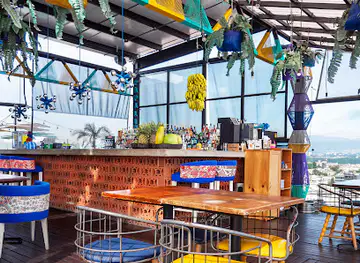
Los Tres Tiempos • Centro Histórico
Discover authentic Guatemalan flavors at Los Tres Tiempos, a premier dining destination in the historic heart of Guatemala City.

Best bars in Motagua Valley
Top-rated picks
Best Bars

El Establo
Experience vibrant nightlife at El Establo, a premier live music bar in Guatemala City with an extensive drink menu and a lively atmosphere.

Bar Sublime
Experience the vibrant nightlife at Bar Sublime in San Pedro La Laguna, where great drinks, music, and unforgettable moments await.

Reilly's Antigua
Experience the vibrant nightlife at Reilly's Antigua, where delicious cuisine meets an energetic atmosphere in the heart of Antigua Guatemala.
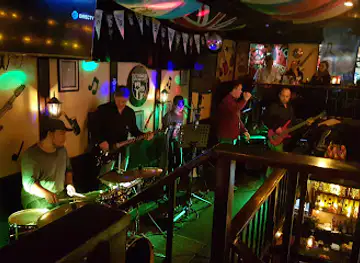
Rattle n Hum Bar and Grill
Experience vibrant nightlife and a diverse menu at Rattle n Hum Bar and Grill in Guatemala City, a must-visit for food lovers and night owls.

Best nightclubs in Motagua Valley
Top-rated picks
Best Nightclubs

Las Vibras de la Casbah
Discover the dynamic nightlife of Antigua Guatemala at Las Vibras de la Casbah, a premier nightclub and event venue that promises unforgettable experiences.

Karma Night Life • Zona 10
Experience the electrifying nightlife of Karma Night Life in Zona 10, where music, dancing, and fun come together to create unforgettable moments.

The Secret Garden
Experience the electrifying nightlife of The Secret Garden, a premier night club in Guatemala City, where music and fun come together in a vibrant atmosphere.

Mandalas Club
Discover the electrifying nightlife at Mandalas Club in Guatemala City, where music, dance, and vibrant energy create an unforgettable experience.

Best shops in Motagua Valley
Top-rated picks
Best Shops

Oakland Place Guatemala
Explore Oakland Place in Guatemala City: a premier shopping destination with diverse stores, delightful dining, and vibrant entertainment.

Portales Mall
Experience the culinary delights and shopping diversity at Portales Mall, the heart of Guatemala City’s vibrant lifestyle.

Mercado Central
Discover the heart of Guatemalan culture at Mercado Central, where vibrant markets meet delicious local cuisine and unique handicrafts.

The Golden Valley
Experience the thrill of The Golden Valley, Guatemala's premier water park, where fun and adventure splash together for unforgettable family memories.

Explore Motagua Valley on the Map
A handpicked selection of must-see spots in Motagua Valley, mapped for you.
Motagua Valley Essentials
-
Motagua Valley is located in southeastern Guatemala. The nearest major airport is La Aurora International Airport in Guatemala City, approximately 200 kilometers away. From Guatemala City, you can take a bus or rent a car to reach the Motagua Valley. The bus journey takes around 4 to 5 hours, and several reputable bus companies operate on this route. Car rentals are available at the airport, and driving gives you the flexibility to explore the valley at your own pace.
-
Within Motagua Valley, transportation options include local buses, taxis, and rental cars. Local buses are the most economical way to travel between towns and villages, though they can be crowded and less frequent. Taxis are available and can be booked through hotels or by phone. Renting a car is recommended for those who prefer to explore more remote areas and visit multiple sites independently. Be aware that road conditions can vary, so a 4x4 vehicle may be beneficial.
-
The official currency in Guatemala is the Guatemalan Quetzal (GTQ). Credit cards are accepted in hotels, restaurants, and larger shops, but it's advisable to carry cash for small purchases and in rural areas. ATMs are available in larger towns within the valley, but it's wise to withdraw sufficient cash in Guatemala City before traveling to ensure you have enough funds for your trip.
-
Motagua Valley is generally safe for tourists, but it's important to take standard precautions. Avoid walking alone at night in unfamiliar areas and keep an eye on your belongings in crowded places. Certain areas, particularly those near the borders and isolated regions, may have higher crime rates. Always stay informed about the current safety situation and follow local advice. It's recommended to travel with a guide or in groups when visiting remote areas.
-
In case of emergency, dial 110 for police assistance and 122 for medical emergencies. Major towns in the valley have clinics and pharmacies where you can seek medical help. For serious medical issues, it may be necessary to travel to Guatemala City. Ensure you have travel insurance that covers medical emergencies and familiarize yourself with the locations of nearby healthcare facilities.
-
Fashion: Do dress modestly, especially when visiting religious sites or rural communities. Avoid wearing revealing clothing. Religion: Do respect local customs and traditions. Always ask for permission before taking photos of people or religious ceremonies. Public Transport: Do be respectful and give up your seat to elderly or disabled passengers. Don’t eat or drink on public transport. Greetings: Do greet people with a handshake or a friendly 'Buenos días' (Good morning) or 'Buenas tardes' (Good afternoon). Eating & Drinking: Do try local delicacies and accept food offerings graciously. Don’t refuse hospitality, as it is considered impolite.
-
To experience Motagua Valley like a local, visit the local markets where you can buy fresh produce and traditional Guatemalan goods. Engage with locals, as they are often friendly and willing to share stories about the valley's history and culture. Don’t miss visiting the archaeological sites of Quiriguá, a UNESCO World Heritage Site, and the ancient jade mines, which are significant to the region's history. For a unique experience, consider taking a guided tour of the local coffee plantations and learn about the coffee production process.
When is the best time to visit Motagua Valley?
Useful Local Phrases for Motagua Valley
You don't need to speak the language perfectly. Even learning a few simple words can make conversations warmer—and locals usually appreciate the effort.
— Eve

Here are the phrases I use most often in Motagua Valley. Try a few—you'll be surprised how far they go! 😊
❤️
-
- HelloHola
[Olah] - GoodbyeAdiós
[Ah-dee-ohs] - YesSí
[See] - NoNo
[No] - Please/You're welcomePor favor
[Poh fah-bor] - Thank youGracias
[Grah-syahs] - Excuse me/SorryDisculpe
[Dees-kool-peh] - How are you?¿Cómo estás?
[Koh-moh es-tahs] - Fine. And you?Bien. ¿Y tú?
[Bee-ehn. Ee too] - Do you speak English?¿Hablas inglés?
[Ah-blahs een-glehs] - I don't understandNo entiendo
[No en-tyen-doh]
- HelloHola
-
- I'd like to see the menu, pleaseMe gustaría ver el menú, por favor
[Meh goos-tah-ree-ah vehr el meh-noo, por fah-bor] - I don't eat meatNo como carne
[No koh-moh kar-neh] - Cheers!¡Salud!
[Sah-lood] - I would like to pay, pleaseMe gustaría pagar, por favor
[Meh goos-tah-ree-ah pah-gar, por fah-bor]
- I'd like to see the menu, pleaseMe gustaría ver el menú, por favor
-
- Help!¡Ayuda!
[Ah-yoo-dah] - Go away!¡Vete!
[Veh-teh] - Call the Police!¡Llama a la policía!
[Yah-mah ah lah poh-lee-see-ah] - Call a doctor!¡Llama a un doctor!
[Yah-mah ah oon dok-tor] - I'm lostEstoy perdido
[Es-toy per-dee-doh] - I'm illEstoy enfermo
[Es-toy en-fer-mo]
- Help!¡Ayuda!
-
- I'd like to buy...Me gustaría comprar...
[Meh goos-tah-ree-ah kohm-prar] - I'm just lookingSolo estoy mirando
[Soh-lo es-toy mee-ran-doh] - How much is it?¿Cuánto cuesta?
[Kwan-toh kwes-tah] - That's too expensiveEso es muy caro
[Eh-so es moo-ee kah-roh] - Can you lower the price?¿Puedes bajar el precio?
[Pweh-des bah-har el preh-syo]
- I'd like to buy...Me gustaría comprar...
-
- What time is it?¿Qué hora es?
[Keh oh-rah es] - It's one o'clockEs la una
[Es lah oo-nah] - Half past (10)Y diez y media
[Ee dyas ee meh-dee-ah] - MorningMañana
[Mah-nyah-nah] - AfternoonTarde
[Tar-deh] - EveningNoche
[Noh-cheh] - YesterdayAyer
[Ah-yehr] - TodayHoy
[Oy] - TomorrowMañana
[Mah-nyah-nah] - 1Uno
[Oo-noh] - 2Dos
[Dos] - 3Tres
[Tres] - 4Cuatro
[Kwah-troh] - 5Cinco
[Seen-koh] - 6Seis
[Says] - 7Siete
[Syay-teh] - 8Ocho
[Oh-choh] - 9Nueve
[Nweh-beh] - 10Diez
[Dyes]
- What time is it?¿Qué hora es?
-
- Where's a/the...?¿Dónde está ...?
[Dohn-deh es-tah ...] - What's the address?¿Cuál es la dirección?
[Kwahl es lah dee-rek-syon] - Can you show me (on the map)?¿Puedes mostrarme (en el mapa)?
[Pweh-des mos-trar-me (en el mah-pah)] - When's the next (bus)?¿Cuándo es el próximo (autobús)?
[Kwan-doh es el prohk-see-moh (ow-toh-boos)] - A ticket (to ....)Un boleto (a ...)
[Oon bo-leh-toh (ah ...)]
- Where's a/the...?¿Dónde está ...?
History of Motagua Valley
-
The Motagua Valley has been inhabited since Pre-Columbian times. The region was home to various indigenous groups, including the Maya, who utilized the valley for trade and agriculture. The fertile soil and strategic location of the valley made it an ideal place for settlements and farming.
-
Quiriguá, an ancient Maya city located in the Motagua Valley, was a significant political and economic center during the Classic Period (250-900 AD). Known for its impressive stelae and altars, Quiriguá played a crucial role in the politics of the Maya civilization, often engaging in conflicts and alliances with other powerful cities such as Copán.
-
The Motagua Valley is renowned for its rich deposits of jade, a precious stone that was highly valued by the Maya. The valley became a central hub for the extraction and trade of jade, which was used in various artifacts, ceremonial objects, and personal adornments. The jade trade significantly contributed to the wealth and cultural development of the region.
-
The arrival of the Spanish in the 16th century brought profound changes to the Motagua Valley. Spanish conquistadors, led by Pedro de Alvarado, subdued the indigenous populations and established colonial rule. The valley's agricultural potential was harnessed to support the colonial economy, with crops such as cacao and indigo being cultivated for export.
-
In the late 19th and early 20th centuries, the Motagua Valley became a significant area for banana cultivation, driven by American companies such as the United Fruit Company. The expansion of the banana industry led to infrastructural developments, including railroads and ports, but also resulted in social and economic upheavals for the local communities.
-
The 20th and 21st centuries have seen numerous archaeological discoveries in the Motagua Valley, shedding light on its ancient past. Excavations at sites like Quiriguá and others have revealed invaluable artifacts and structures, contributing to our understanding of Maya civilization and the historical significance of the valley.
-
Today, the Motagua Valley is a vibrant region that celebrates its rich cultural heritage. The legacy of its ancient inhabitants is preserved through archaeological sites, museums, and cultural festivals. The valley continues to be an important agricultural zone while also attracting tourists and history enthusiasts from around the world.
Neighbouring Regions of Motagua Valley
The closest regions to Motagua Valley, if you have time for more than one.




Your all‑in‑one travel companion app
Explore expert travel guides, compare and book tours, experiences, hotels, and more—all from the palm of your hand. Download now for seamless trip planning wherever your wanderlust takes you.


Explore More of Guatemala
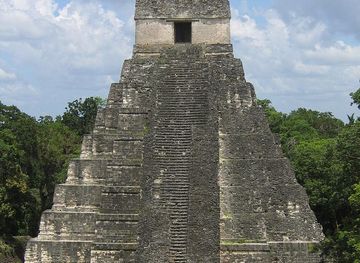
Looking beyond Motagua Valley? Discover Guatemala for broader travel guides, local hot-spots, and regional highlights.
Explore GuatemalaMotagua Valley in Photos
Browse through our photo collection highlighting the charm and character of the destination.




The Enchanting Motagua Valley: Cradle of Ancient Civilizations
Nestled in the heart of Guatemala, the Motagua Valley is a hidden gem waiting to be discovered. Known for its breathtaking landscapes and rich history, this valley offers a unique blend of natural beauty and cultural heritage. It is home to some of the most important archaeological sites in the country, including the ancient Maya city of Quiriguá, famous for its intricately carved stelae and altars. The Motagua River, which flows through the valley, provides a picturesque setting for visitors looking to explore the region's natural wonders. The lush greenery and diverse wildlife make it a paradise for nature enthusiasts. You can take a relaxing boat ride down the river, hike through the surrounding hills, or simply unwind while taking in the stunning views. Beyond its natural allure, the Motagua Valley is also a hub for local culture and traditions. The nearby towns and villages are teeming with vibrant markets, where you can find handmade crafts, delicious local cuisine, and warm hospitality. Whether you are an adventurer, history buff, or simply looking for a tranquil escape, the Motagua Valley has something to offer everyone.