

Free Caribbean Coast Travel Guide & Mobile App
Explore Caribbean Coast with free travel guides. Discover regional history, expert tips, proposed trips, and audio guides on web or mobile app.


Explore Guatemala’s Caribbean Coast for Garifuna culture, Maya archaeology, tropical rivers, Lake Izabal and boat journeys through rainforest.
Read more about Caribbean Coast
When is the best time to visit Caribbean Coast?
Best: January–March · 27–28°C| Month | High (°C) | Rainfall (mm) |
|---|---|---|
| January (best) | 27 | 75 |
| February (best) | 28 | 65 |
| March (best) | 28 | 85 |
| April | 29 | 105 |
| May | 31 | 125 |
| June | 31 | 145 |
| July | 32 | 165 |
| August | 32 | 165 |
| September | 31 | 145 |
| October | 30 | 125 |
| November | 29 | 105 |
| December | 28 | 85 |
Getting to and around Caribbean Coast
How to get there
Transportation
Top city travel guides in Caribbean Coast
The cities of Caribbean Coast, and the easiest places to base yourself.
-

-

-


Swipe for more cities
Best attractions in Caribbean Coast
The Caribbean Coast’s attractions are defined by water, archaeology and living culture. Quiriguá provides the region’s major archaeological experience, with carved stelae, zoomorphs and plazas that reveal the political sophistication of the Classic Maya lowlands. Around Lake Izabal and Río Dulce, boat trips pass through rainforest, wetlands and quieter tributaries, often linking visitors with riverside lodges and the historic Castillo de San Felipe de Lara. Río Dulce National Park and the Chocón Machacas Biotope offer opportunities to observe tropical vegetation and wildlife, although sightings are seasonal and never guaranteed. Livingston adds a cultural dimension through Garifuna food, music and community history, while the Punta de Manabique Wildlife Refuge encompasses coastal lagoons, mangroves and beaches best approached with careful local planning. Puerto Barrios and Santo Tomás de Castilla are more commercial and maritime in character, offering a view of modern port life rather than a preserved colonial centre. The region is particularly rewarding for travellers who combine a guided river journey, a properly interpreted archaeological visit and time to understand its Afro-Caribbean and Maya communities.
-
Tourist attraction
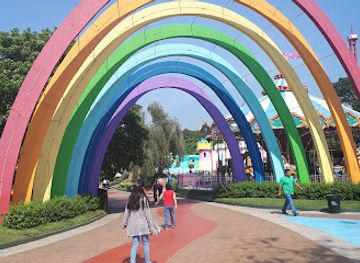
IRTRA Mundo Petapa
Experience thrilling rides, live shows, and family fun at IRTRA Mundo Petapa, Guatemala City's top amusement park since 1976.
-
National park
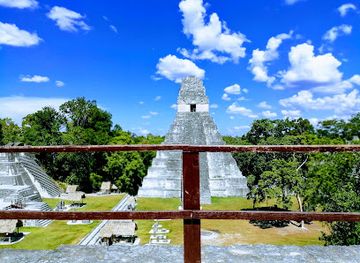
Tikal National Park
Explore the majestic Mayan city of Tikal, a UNESCO World Heritage Site, with towering temples and lush rainforest in the heart of Guatemala.
-
Tourist attraction
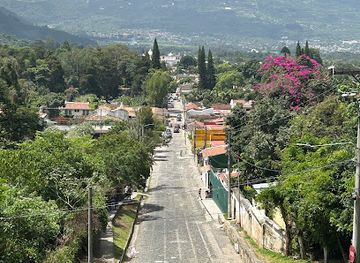
Cerro de La Cruz
Hike or drive to Cerro de la Cruz for breathtaking panoramic views of Antigua and Volcán de Agua. A photographer's paradise and historical landmark.
-
Tourist attraction
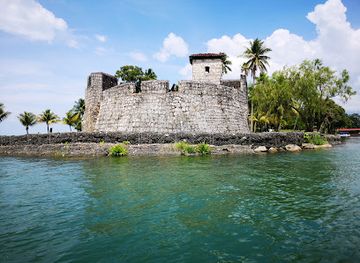
Castillo de San Felipe de Lara
Explore a historic Spanish fortress on the Río Dulce, Guatemala, and discover tales of pirates, battles, and colonial life.
Best landmarks in Caribbean Coast
Quiriguá’s monumental stelae and zoomorphic sculptures are the Caribbean Coast’s most important ancient landmarks. Their scale, detailed carving and historical inscriptions make the archaeological park a powerful record of Classic Maya rulership in the Motagua Valley. At Lake Izabal’s eastern outlet, Castillo de San Felipe de Lara is a compact stone fort whose walls, watchtowers and strategic position illustrate Spain’s efforts to defend the route between the Caribbean and Guatemala’s interior. The Río Dulce bridge is a prominent modern structure and a practical gateway to the river landscape, while the waterways themselves form one of the region’s defining geographical landmarks. Around Livingston, the waterfront, boat landing and coastal setting express the town’s distinctive relationship with the Caribbean, although its significance is cultural as much as architectural. Punta de Manabique provides a different kind of landmark: a low, changing landscape of beaches, lagoons and mangrove wetlands where the meeting of river, sea and forest is more important than any single building.
-
Park
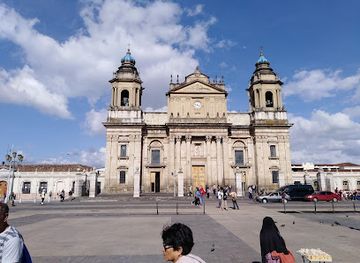
Plaza de la Constitución
Experience the vibrant culture and rich history of Guatemala City at Plaza de la Constitución, the heart of the city and a must-see for every traveler.
-
Tourist attraction
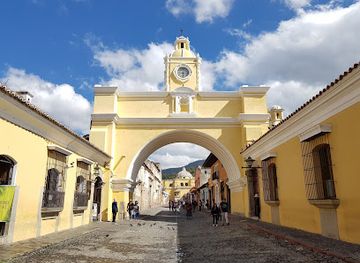
Arco de Santa Catalina
Explore the enchanting Arco de Santa Catalina, an architectural treasure and cultural icon in the heart of Antigua, Guatemala, steeped in history.
-
National park
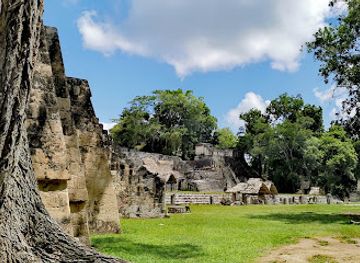
Tikal National Park
Explore the majestic ruins and lush jungles of Tikal National Park, a treasure of Mayan heritage in the heart of Guatemala.
-
Tourist attraction
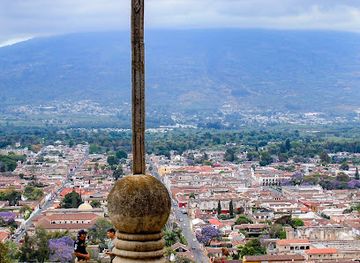
Cerro de La Cruz
Discover breathtaking views and serene surroundings at Cerro de La Cruz, a must-visit tourist attraction in Antigua Guatemala.
Explore Caribbean Coast on the map
Plan your trip on one map. See where the top cities, national parks and sights are, and book hotels and experiences in a few clicks.
Best hotels in Caribbean Coast
Best restaurants in Caribbean Coast
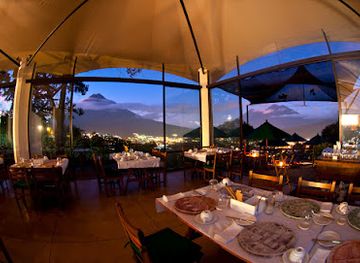
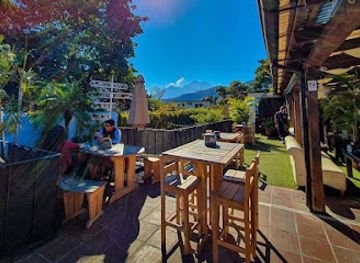
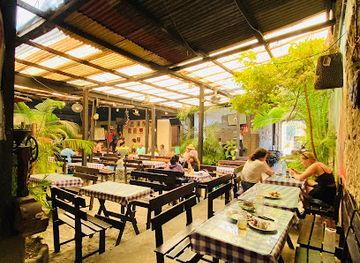
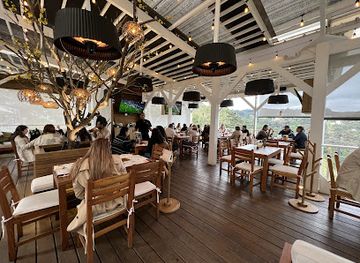
Food on Guatemala’s Caribbean Coast reflects the meeting of Garifuna, Q’eqchi’ Maya, Ladino and wider Guatemalan traditions. Livingston is particularly associated with coconut-rich cooking, seafood, rice and beans, machuca and tapado, a substantial seafood and plantain stew whose preparation varies between cooks. Fish, shrimp, crab and other coastal ingredients appear in restaurants and informal eateries, while Río Dulce and Puerto Barrios offer a mixture of local cafés, family-run dining rooms, hotel restaurants and contemporary menus. Coconut milk, green plantain, herbs and locally available seafood give the area a flavour distinct from the highland cuisine found elsewhere in Guatemala. Markets and small food stalls can be useful for fruit, drinks and simple meals, though standards of refrigeration vary in hot weather. Visitors should ask about ingredients when ordering, particularly with seafood and spicy sauces, and should favour busy establishments for perishable dishes. Dining is generally informal, with the most distinctive meals often found outside polished tourist settings.
-
Restaurant
El Tenedor
Discover authentic Guatemalan flavors at El Tenedor, where culinary excellence meets stunning vistas in Antigua.
-
Restaurant
Luna de Miel
Experience the sweet side of Antigua at Luna de Miel - where every dessert tells a story.
-
Guatemalan
Rincón antigüeño
Discover authentic Guatemalan flavors at Rincón Antigüeño, a must-visit restaurant in Antigua Guatemala known for its affordable traditional dishes.
-
Spanish
Donde Mikel
Discover exquisite Spanish and Mediterranean flavors at Donde Mikel, where culinary artistry meets exceptional service in Guatemala City.
Best bars in Caribbean Coast
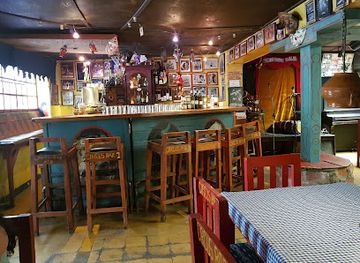
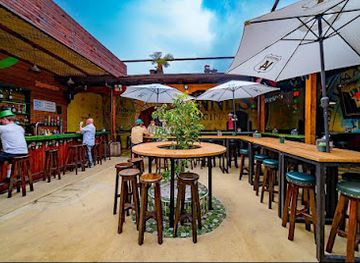
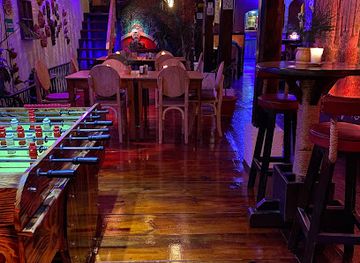
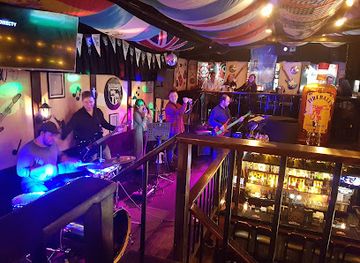
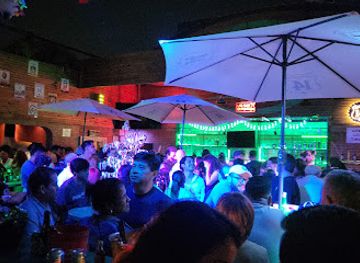
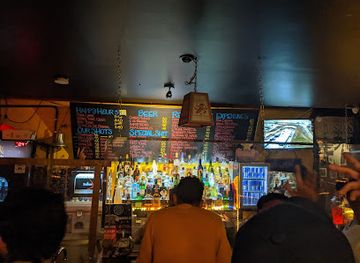
Evening life on the Caribbean Coast is concentrated in Livingston, Puerto Barrios and Río Dulce, but it is generally more social and relaxed than club-oriented. Livingston has bars and small venues where Garifuna music, punta rhythms and other Caribbean sounds may be heard, alongside restaurants serving late meals and waterfront drinks. Puerto Barrios has a more urban local nightlife, with casual bars, karaoke and modest dance venues, while Río Dulce centres on hotel bars, riverside restaurants and occasional live music rather than a large nightclub scene. Smaller settlements become quiet early, and boat excursions do not necessarily operate after dark. Ask locally about current venues and transport home, avoid walking isolated waterfronts alone at night and drink responsibly, particularly where the journey back involves a boat or poorly lit road.
-
Pizza
Circus Bar
Discover the enchanting Circus Bar in Panajachel - where authentic Italian pizza meets a cozy atmosphere and gluten-free delights await.
-
Bar
Reilly's Antigua
Experience the vibrant nightlife of Antigua Guatemala at Reilly's, a fusion of bar, restaurant, and disco club offering exceptional food and drinks.
-
Bar
Las Palmas
Discover the vibrant nightlife and authentic Guatemalan cuisine at Las Palmas in Antigua Guatemala, where every night is a celebration.
-
Bar
Rattle n Hum Bar and Grill
Discover the vibrant nightlife at Rattle n Hum Bar and Grill, where delicious food and a wide selection of drinks await in Guatemala City.
Best nightclubs in Caribbean Coast
Evening life on the Caribbean Coast is concentrated in Livingston, Puerto Barrios and Río Dulce, but it is generally more social and relaxed than club-oriented. Livingston has bars and small venues where Garifuna music, punta rhythms and other Caribbean sounds may be heard, alongside restaurants serving late meals and waterfront drinks. Puerto Barrios has a more urban local nightlife, with casual bars, karaoke and modest dance venues, while Río Dulce centres on hotel bars, riverside restaurants and occasional live music rather than a large nightclub scene. Smaller settlements become quiet early, and boat excursions do not necessarily operate after dark. Ask locally about current venues and transport home, avoid walking isolated waterfronts alone at night and drink responsibly, particularly where the journey back involves a boat or poorly lit road.
-
Bar
Reilly's Antigua
Experience the vibrant nightlife and delicious cuisine at Reilly's Antigua, a premier bar and disco in the heart of Guatemala's historical gem.
-
Bar
Bajo Fondo Funk
Dive into the vibrant nightlife of Guatemala City at Bajo Fondo Funk, a lively bar offering great music, dancing, and a welcoming atmosphere.
-
Bar
Ulew Cocktail Bar
Experience the vibrant nightlife of Antigua Guatemala at Ulew Cocktail Bar, where unique cocktails meet a welcoming atmosphere.
-
Bar
The Box Lounge Groove
Discover the vibrant nightlife of Guatemala City at The Box Lounge Groove, a premier bar and live music venue with an unforgettable atmosphere.


Best shops in Caribbean Coast
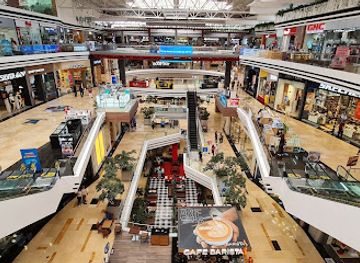
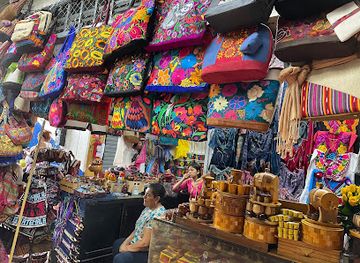
Shopping on Guatemala’s Caribbean Coast is practical and locally oriented rather than centred on large retail districts. Puerto Barrios provides the broadest selection of everyday shops, markets and food suppliers, while Livingston has small stores and stalls selling beach necessities, locally made craft items, clothing, music and regional food products. Visitors may find Garifuna-influenced artwork, woven goods, carved objects and coconut-based products, but should ask about provenance and buy respectfully rather than treating cultural symbols as anonymous souvenirs. Río Dulce has a modest tourist market connected with hotels, boat travel and outdoor activities, including handmade items and practical equipment. Quiriguá’s visitor area may offer crafts and small souvenirs, although the archaeological site itself should be appreciated for its heritage rather than commercialised. Packaged coffee, chocolate and other Guatemalan products can be convenient gifts, even when they are not specific to the Caribbean lowlands. Carry cash in smaller denominations, compare quality before buying and avoid purchasing archaeological pieces, shells or wildlife products.
-
Shopping mall
Oakland Place Guatemala
Explore Oakland Place in Guatemala City for a vibrant shopping and dining experience, blending local culture with international flair.
-
Park
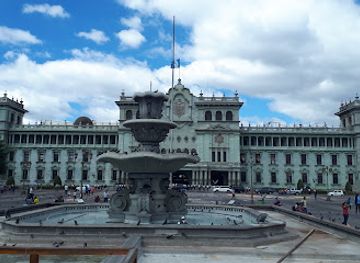
Plaza de la Constitución
Discover the vibrant heart of Guatemala City at Plaza de la Constitución, a cultural hub surrounded by stunning architecture and local delights.
-
Shopping mall
Portales Mall
Discover Portales Mall, Guatemala City's premier shopping destination with a mix of local and international brands, dining, and entertainment.
-
Market
Mercado Central
Explore the heart of Guatemala City at Mercado Central – a vibrant market filled with local flavors, crafts, and culture.

Get your free copy of our complete guide to Caribbean Coast, delivered straight to you.
Everything on this page, from attractions and restaurants to essentials and local phrases, in one PDF you can read offline, print or share.
Already have an account? Sign in
Your Caribbean Coast guide is ready.
We'll send it to · Not you? Sign out

Getting your guide ready…
We are putting together a fresh copy of the Caribbean Coast guide. This can take up to a minute.
This can take a few moments. If your browser asks, choose Allow so the download can start. You'll find the guide in your Downloads folder.
Nothing happened? Download it again
Sorry, the guide is taking longer than usual. Please try again in a minute, or get it by email instead.
Caribbean Coast essentials
Currency and Payment
Safety
Emergency Situations
Do's and Don'ts
Local Tips
From Eve
Local phrases worth knowing
You don't need to get them perfect. A few words go a long way, and locals appreciate the effort.
Basics
| English | Local | Say it |
|---|---|---|
| Hello | Hola | [O-la] |
| Goodbye | Adiós | [A-dee-os] |
| Yes | Sí | [See] |
| No | No | [No] |
| Please/You're welcome | Por favor | [Por fa-vor] |
| Thank you | Gracias | [Gra-sias] |
| Excuse me/Sorry | Disculpe | [Dis-kul-pe] |
| How are you? | ¿Cómo está? | [Ko-mo es-ta] |
| Fine. And you? | Bien. ¿Y tú? | [Bee-en. Ee tu] |
| Do you speak English? | ¿Habla inglés? | [A-bla in-gles] |
| I don't understand | No entiendo | [No en-tien-do] |
Eating & Drinking
| English | Local | Say it |
|---|---|---|
| I'd like to see the menu, please | Me gustaría ver el menú, por favor | [Me gus-ta-ria ver el me-nu, por fa-vor] |
| I don't eat meat | No como carne | [No co-mo car-ne] |
| Cheers! | ¡Salud! | [Sa-lud] |
| I would like to pay, please | Me gustaría pagar, por favor | [Me gus-ta-ria pa-gar, por fa-vor] |
Emergencies
| English | Local | Say it |
|---|---|---|
| Help! | ¡Ayuda! | [A-yu-da] |
| Go away! | ¡Vete! | [Ve-te] |
| Call the Police! | ¡Llama a la policía! | [Ya-ma a la po-li-ci-a] |
| Call a doctor! | ¡Llama a un doctor! | [Ya-ma a un doc-tor] |
| I'm lost | Estoy perdido | [Es-toy per-di-do] |
| I'm ill | Estoy enfermo | [Es-toy en-fer-mo] |
Shopping
| English | Local | Say it |
|---|---|---|
| I'd like to buy... | Me gustaría comprar... | [Me gus-ta-ria com-prar] |
| I'm just looking | Solo estoy mirando | [So-lo es-toy mi-ran-do] |
| How much is it? | ¿Cuánto cuesta? | [Cuan-to cues-ta] |
| That's too expensive | Eso es muy caro | [E-so es muy ca-ro] |
| Can you lower the price? | ¿Puedes bajar el precio? | [Pwe-des ba-har el pre-cio] |
Time & Numbers
| English | Local | Say it |
|---|---|---|
| What time is it? | ¿Qué hora es? | [Ke o-ra es] |
| It's one o'clock | Es la una | [Es la u-na] |
| Half past (10) | Diez y media | [Dyez ee me-dia] |
| Morning | Mañana | [Ma-nyana] |
| Afternoon | Tarde | [Tar-de] |
| Evening | Noche | [No-che] |
| Yesterday | Ayer | [A-yer] |
| Today | Hoy | [Oy] |
| Tomorrow | Mañana | [Ma-nyana] |
| 1 | Uno | [U-no] |
| 2 | Dos | [Dos] |
| 3 | Tres | [Tres] |
| 4 | Cuatro | [Cua-tro] |
| 5 | Cinco | [Sin-co] |
| 6 | Seis | [Seis] |
| 7 | Siete | [Sye-te] |
| 8 | Ocho | [O-cho] |
| 9 | Nueve | [Nwe-ve] |
| 10 | Diez | [Dyez] |
Transport & Directions
| English | Local | Say it |
|---|---|---|
| Where's a/the...? | ¿Dónde está el/la...? | [Don-de es-ta el/la] |
| What's the address? | ¿Cuál es la dirección? | [Kwal es la di-rec-cion] |
| Can you show me (on the map)? | ¿Puedes mostrarme (en el mapa)? | [Pwe-des mos-trar-me en el ma-pa] |
| When's the next (bus)? | ¿Cuándo es el próximo (bus)? | [Kwan-do es el pro-xi-mo bus] |
| A ticket (to ....) | Un boleto (a....) | [Un bo-le-to a] |
History of Caribbean Coast
Maya Quiriguá and the Motagua Corridor
Quiriguá, in the lower Motagua Valley of present-day Izabal, became an important Maya centre during the Classic period. Its monuments record political connections and rivalries with other Maya cities, particularly Copán, and its rulers commissioned some of the tallest and most finely carved stelae in the Maya world. The site’s inscriptions preserve valuable information about dynastic history, ceremonies and regional power. Quiriguá’s location near routes linking the Caribbean lowlands with the interior also reflects the strategic importance of the Motagua corridor. Its archaeological park and monumental sculpture are now recognised as a UNESCO World Heritage Site.
Spanish Forts and Caribbean Trade
After the Spanish conquest, the waterways of eastern Guatemala became important routes for moving goods between the Caribbean and the inland settlements of the colony. Pirates and rival European powers posed a continuing threat, leading the Spanish to strengthen strategic points along the Río Dulce and Lake Izabal. Castillo de San Felipe de Lara, built and modified during the seventeenth and eighteenth centuries, guarded the narrow entrance between the lake and river. Its low, fortified form reflects the practical demands of tropical defence and the importance of controlling access to Guatemala’s interior.
The Garifuna Arrival, 1802
Garifuna communities began settling on Guatemala’s Caribbean coast in the early nineteenth century, with Livingston traditionally associated with the arrival of Garifuna families in 1802. The Garifuna are descended from Indigenous Caribbean and South American peoples and Africans, and their language, music, dance, foodways and social traditions developed through a long history of movement and cultural exchange. Livingston became a major centre of Garifuna life in Guatemala. Its identity cannot be reduced to folklore: the community forms part of the region’s living social and cultural history, alongside Q’eqchi’ Maya and Ladino populations.
Puerto Barrios and the Port Economy
The modern development of Puerto Barrios accelerated in the late nineteenth century as Guatemala sought a more efficient Caribbean outlet for trade. Port construction, roads and railway connections linked the coast with the capital and agricultural interior. Puerto Barrios and the neighbouring port area around Santo Tomás de Castilla subsequently became central to imports, exports and national transport. This commercial transformation shifted regional importance towards port towns and created new patterns of migration and employment. Warehouses, maritime activity and the layout of the urban coast still reflect the area’s role as Guatemala’s principal Caribbean gateway.
Bananas, Railways and Foreign Enterprise
During the late nineteenth and early twentieth centuries, banana cultivation and railway development reshaped the Caribbean lowlands. Foreign-owned companies, most notably the United Fruit Company, became influential in agricultural production, transport and port operations. The industry brought infrastructure and employment but also concentrated land and economic power, contributing to unequal social relations that characterised Guatemala’s wider plantation economy. Although the commercial landscape has changed, the region’s roads, port settlements and memories of company agriculture belong to this period of international trade, labour migration and rapid environmental change.
Protected Wetlands, Rivers and Forests
During the twentieth century, growing recognition of the ecological importance of the Caribbean lowlands led to the creation of protected areas around the Río Dulce, Lake Izabal and the coastal wetlands. Río Dulce National Park, the Chocón Machacas Biotope and the Punta de Manabique Wildlife Refuge protect combinations of rainforest, mangrove, river and marine habitat. Conservation has also highlighted the pressures created by settlement, agriculture, pollution and unregulated development. Today, nature tourism and local livelihoods exist alongside the continuing need to protect waterways and coastal ecosystems.
Livingston and Contemporary Garifuna Identity
In contemporary Guatemala, Livingston remains an important expression of Garifuna cultural identity, while also reflecting the region’s wider mixture of peoples and languages. Music, dance, food, religious practice and oral history connect the town to a broader Garifuna world extending along the Caribbean coast of Central America. Cultural recognition has increased through national and international attention to Garifuna heritage, but visitors should understand that these traditions belong to living communities rather than to a museum display. Local guides, musicians, cooks and community organisations help present this history with greater context and respect.
Caribbean Coast in Photos
Browse through our photo collection highlighting the charm and character of the destination.
Neighbouring regions of Caribbean Coast
The closest regions to Caribbean Coast, if you have time for more than one.
-

-

-

-
-


Swipe for more regions
Explore more
Explore more of Guatemala
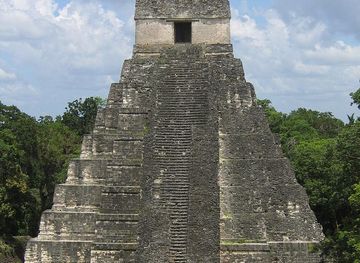
Discover Guatemala: A land of ancient Mayan wonders, breathtaking natural beauty, and vibrant cultural experiences. Perfect for history buffs, nature lovers, and adventure seekers.
Explore Guatemala