

Chichicastenango Market Travel Guide - Free Web & App
Your ultimate guide to Chichicastenango Market. Discover top landmarks, proposed trips, and local tips. Free on the web or via the Evendo companion app.


Chichicastenango Market in Guatemala brings K’iche’ Maya crafts, colour and tradition together around Santo Tomás church, with rituals and local culture.
A Market Town in the Guatemalan Highlands
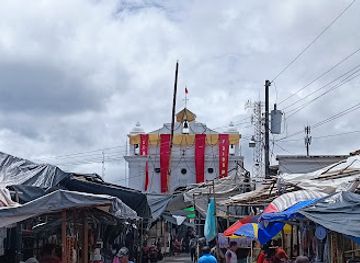
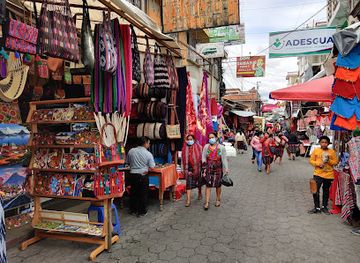
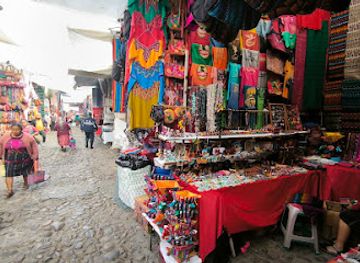
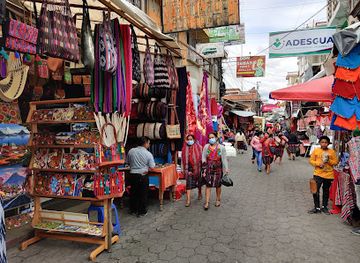
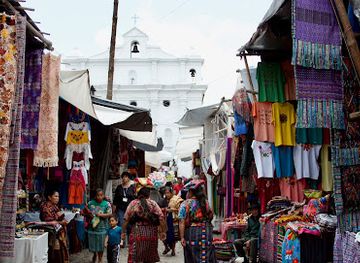
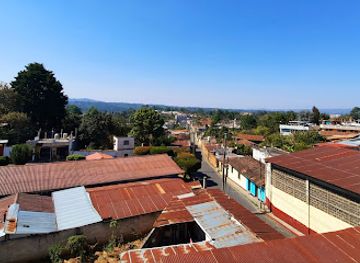
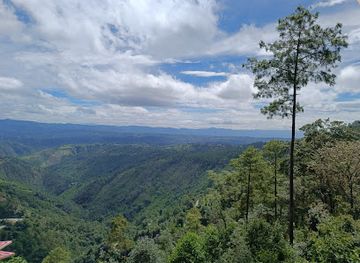
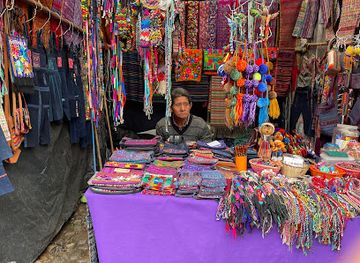
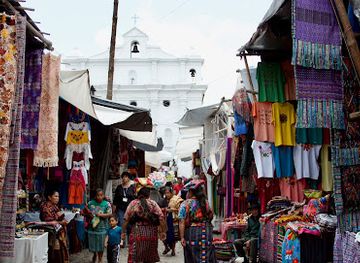
Chichicastenango Market occupies the centre of Chichicastenango, a highland town in Guatemala’s El Quiché Department, where K’iche’ Maya traditions remain central to everyday life. The market is particularly active on Thursdays and Sundays, when traders arrive with woven textiles, carved wooden objects, pottery, masks, flowers, vegetables and household goods. Narrow streets around the central plaza fill with colour, negotiation and movement, while the surrounding hills give the town a cooler, more enclosed atmosphere than Guatemala’s tropical lowlands.Read more about Chichicastenango Market
Living Culture and Sacred Places
Exploring Chichicastenango
When is the best time to visit Chichicastenango Market?
Best: February–April · 25°C| Month | High (°C) | Rainfall (mm) |
|---|---|---|
| January | 25 | 30 |
| February (best) | 25 | 30 |
| March (best) | 25 | 30 |
| April (best) | 25 | 30 |
| May | 25 | 30 |
| June | 26 | 30 |
| July | 26 | 30 |
| August | 26 | 30 |
| September | 26 | 30 |
| October | 26 | 30 |
| November | 27 | 30 |
| December | 27 | 30 |
Getting to and around Chichicastenango Market
How to get there
Transportation
Best attractions in Chichicastenango Market
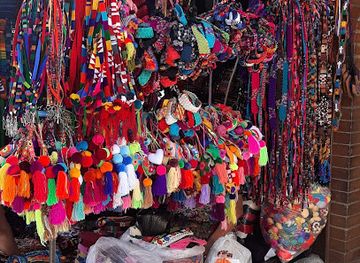
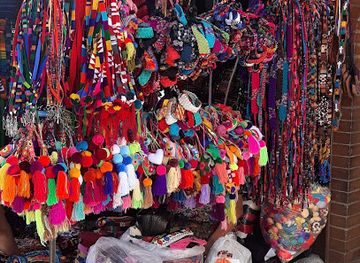
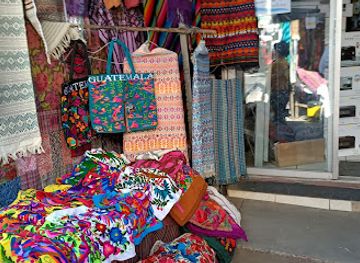
The principal attraction is Chichicastenango Market itself, spread around the central plaza and adjoining streets on its busiest Thursdays and Sundays. Visitors encounter stalls of huipiles, cortes, woven bags, embroidered cloth, carved masks, pottery, flowers, fruit, vegetables and household goods, with the emphasis changing according to the season and the needs of local buyers. Facing the market, Iglesia de Santo Tomás is an essential cultural stop: its colonial form and active K’iche’ Maya and Catholic devotional practices make it more than a historic building. The municipal market provides a less ceremonial insight into food and daily commerce, while the Chichicastenango cemetery is known for brightly coloured tombs and continuing family observances. On a hill outside the central market, Pascual Abaj is a Maya shrine associated with offerings and ritual, and should be approached with discretion. The town’s streets, trading activity and surrounding highland setting complete the experience.
-
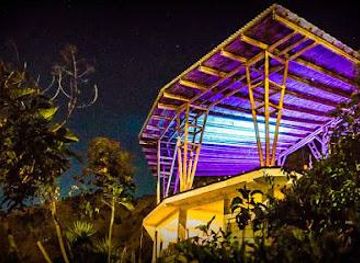
Resort hotel
Eagle's Nest Atitlán - Yoga, Dance & Community
A unique resort hotel, cafe, and yoga studio in San Marcos La Laguna, offering wellness activities, social events, and stunning views of Lake Atitlán.
-
Hiking area
Mirador De Chichicastenango
Hike to Mirador De Chichicastenango for breathtaking views of the Guatemalan highlands and a tranquil escape from the bustling market town.
-
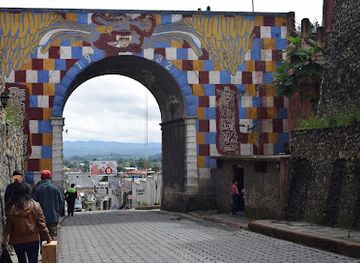
Tourist attraction
Arco Gucumatz
Discover Arco Gucumatz in Chichicastenango: A historical landmark and gateway to Guatemala's rich K'iche' Maya heritage and vibrant traditions.
-
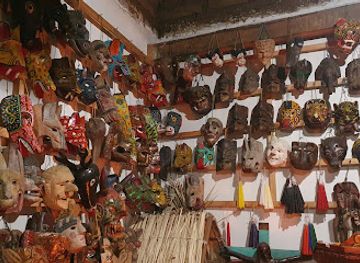
Tourist attraction
Museum Masks
Explore Guatemala's rich cultural heritage through vibrant ceremonial masks at this unique Chichicastenango museum and handicraft center.
Best landmarks in Chichicastenango Market
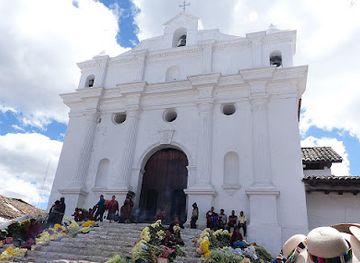
Iglesia de Santo Tomás is Chichicastenango’s defining landmark, standing above the central plaza on a site where colonial Catholic architecture and K’iche’ Maya ritual practice remain visibly intertwined. Its steps are used for candles and incense, giving the building a continuing religious role beyond its architectural history. The market plaza and surrounding trading streets form a cultural landmark in their own right, shaped by regional commerce, textiles and the weekly arrival of traders. The cemetery adds a vivid expression of local memorial practice through its painted tombs and family visits. Pascual Abaj, a hill shrine outside the busiest centre, is an important Maya sacred place where offerings may be made; it should be approached respectfully rather than treated as a conventional viewpoint. Together these places show that Chichicastenango’s significance lies less in monumental architecture than in the continuing relationship between landscape, worship, community and trade.
-
Market
Plaza y Mercado Santo Tomás
Discover the vibrant Plaza y Mercado Santo Tomás, Guatemala's largest market, where culture, crafts, and cuisine unite in a colorful atmosphere.
-
Hiking area
Mirador De Chichicastenango
Discover the stunning landscapes and rich culture at Mirador De Chichicastenango, a must-visit hiking area in Guatemala.
-
Catholic church
Iglesia de Santo Tomás
Discover the rich history and vibrant culture at Iglesia de Santo Tomás, a stunning Catholic church in the heart of Chichicastenango, Guatemala.
-
 Hotel
HotelHotel Santo Tomas, Chichicastenango
Discover the heart of Chichicastenango at Hotel Santo Tomas, a charming retreat rich in history and local culture.
Explore Chichicastenango Market on the map
Plan your trip on one map. See where the top attractions, landmarks, restaurants and hotels are, and book hotels and experiences in a few clicks.
Best hotels in Chichicastenango Market
Best restaurants in Chichicastenango Market
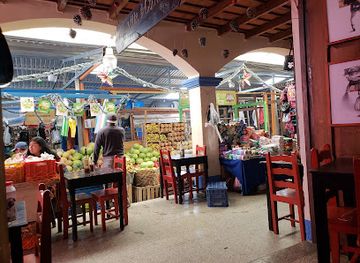
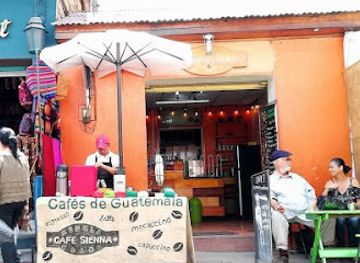
Eating in Chichicastenango is centred on market stalls, small comedor-style establishments and modest local eateries rather than a large destination dining scene. Around the market, visitors may find tortillas, tamales, soups, beans, rice, grilled meats, vegetables, fruit and hot drinks prepared for local customers, although menus and availability vary with the day. The municipal market is useful for observing everyday food commerce, while hotels and established restaurants provide a more settled setting for travellers who prefer table service. Food traditions reflect the highland Maya diet, in which maize, beans, squash, herbs and seasonal produce remain important. Visitors should choose busy, well-maintained food stalls, eat cautiously if unaccustomed to local water or preparation methods, and carry quetzales for small purchases. Dining options are more extensive in larger tourist bases such as Antigua Guatemala and the Lake Atitlán area than in the market streets themselves.
-
Market
Plaza y Mercado Santo Tomás
Discover Chichicastenango's largest market for an authentic taste of Guatemalan culture through crafts, food, and vibrant community life.
-
Hiking area
Mirador De Chichicastenango
Discover stunning vistas at Mirador De Chichicastenango – a hiker's paradise nestled in Guatemala's vibrant cultural landscape.
-
Cafeteria
Chichicastenango Market
Experience Chichicastenango Market: A colorful blend of tradition, culture, and local craftsmanship in Guatemala's highlands.
-
Hotel
Hotel Santo Tomas, Chichicastenango
Experience authentic Guatemalan hospitality at Hotel Santo Tomas in Chichicastenango—where history meets comfort.
Best bars in Chichicastenango Market
Chichicastenango is not a nightlife destination, and evenings are generally quiet once market trading has finished. Entertainment is more likely to consist of conversation in a modest local bar, a drink or meal at a hotel, or an evening walk through the settled town than clubbing or organised late-night events. Traditional religious observance and family life shape the atmosphere more strongly than commercial nightlife, and visitors should not expect a concentrated bar district, live-music circuit or nightclubs around the market. Some hotels and restaurants may offer simple evening hospitality, but opening arrangements vary. Travellers seeking a broader choice of bars and evening venues will generally find more options in Antigua Guatemala, Guatemala City or selected lakeside tourist centres, outside Chichicastenango itself.
-
Market
Plaza y Mercado Santo Tomás
Experience the vibrant culture and rich traditions at Plaza y Mercado Santo Tomás, Chichicastenango's largest market and a must-visit tourist attraction.
-
Hiking area
Mirador De Chichicastenango
Explore the breathtaking views and rich culture at Mirador De Chichicastenango, a perfect hiking destination in Guatemala.
-
Cafeteria
Chichicastenango Market
Experience the vibrant culture and rich traditions at Chichicastenango Market, a must-visit destination for every traveler in Guatemala.
-
Catholic church
Iglesia de Santo Tomás
Explore the rich cultural tapestry of Chichicastenango at Iglesia de Santo Tomás, a beautiful Catholic church blending tradition and spirituality.
Best nightclubs in Chichicastenango Market
Chichicastenango is not a nightlife destination, and evenings are generally quiet once market trading has finished. Entertainment is more likely to consist of conversation in a modest local bar, a drink or meal at a hotel, or an evening walk through the settled town than clubbing or organised late-night events. Traditional religious observance and family life shape the atmosphere more strongly than commercial nightlife, and visitors should not expect a concentrated bar district, live-music circuit or nightclubs around the market. Some hotels and restaurants may offer simple evening hospitality, but opening arrangements vary. Travellers seeking a broader choice of bars and evening venues will generally find more options in Antigua Guatemala, Guatemala City or selected lakeside tourist centres, outside Chichicastenango itself.
-
Market
Plaza y Mercado Santo Tomás
Experience the heart of Guatemalan culture at Plaza y Mercado Santo Tomás, a vibrant market in Chichicastenango filled with local crafts and cuisine.
-
Cafeteria
Chichicastenango Market
Discover the vibrant culture and delicious flavors at Chichicastenango Market, a unique cafeteria experience in the heart of Guatemala.
-
Restaurant
CASA MASH
Discover the flavors of Guatemala at Casa Mash, a charming restaurant in Chichicastenango known for its authentic dishes and warm hospitality.
-
Night club
La Estancia
Discover the vibrant nightlife of Santa Cruz del Quiché at La Estancia, where music and dance create unforgettable memories.
Best shops in Chichicastenango Market
Shopping in Chichicastenango is inseparable from the market, where visitors can find woven textiles, embroidered clothing, bags, table coverings, carved wooden masks, pottery, jewellery, flowers and regional food products. The range is extensive, but quality, origin and production methods vary, so it is worth asking vendors about materials and provenance. Traditional Maya clothing, including huipiles and cortes, reflects local and regional identities, although not every textile sold in the market comes from Chichicastenango itself. The surrounding streets and municipal market also serve everyday household needs rather than focusing exclusively on souvenirs. Small shops and craft sellers operate in town, while larger selections of Guatemalan handicrafts can be found in Antigua Guatemala and other established visitor centres. Cash in quetzales is the practical method for most purchases, and bargaining should be conducted courteously without photographing goods or sellers without permission.
-
Market
Plaza y Mercado Santo Tomás
Explore the vibrant Plaza y Mercado Santo Tomás, a cultural gem in Chichicastenango filled with local crafts, delicious food, and rich traditions.
-
Hiking area
Mirador De Chichicastenango
Explore the breathtaking views and rich culture at Mirador De Chichicastenango, a top hiking destination in the heart of Guatemala.
-
Cafeteria
Chichicastenango Market
Discover the vibrant Chichicastenango Market, a cultural treasure trove filled with unique crafts, delicious local cuisine, and rich traditions in Guatemala.
-
Catholic church
Iglesia de Santo Tomás
Explore the rich cultural heritage and stunning architecture of Iglesia de Santo Tomás in vibrant Chichicastenango, Guatemala.
Get your free copy of our complete guide to Chichicastenango Market, delivered straight to you.
Everything on this page, from attractions and restaurants to essentials and local phrases, in one PDF you can read offline, print or share.
Already have an account? Sign in
Your Chichicastenango Market guide is ready.
We'll send it to · Not you? Sign out

Getting your guide ready…
We are putting together a fresh copy of the Chichicastenango Market guide. This can take up to a minute.
This can take a few moments. If your browser asks, choose Allow so the download can start. You'll find the guide in your Downloads folder.
Nothing happened? Download it again
Sorry, the guide is taking longer than usual. Please try again in a minute, or get it by email instead.
Chichicastenango Market essentials
Currency and Payment
Safety
Emergency Situations
Do's and Don'ts
Local Tips
From Eve
Local phrases worth knowing
You don't need to get them perfect. A few words go a long way, and locals appreciate the effort.
Basics
| English | Local | Say it |
|---|---|---|
| Hello | Chu la | [choo lah] |
| Goodbye | Sa'kool | [sah-kohl] |
| Yes | E'kab | [eh-kahb] |
| No | Ma'xik | [mah-sheek] |
| Please/You're welcome | Tul la | [tool lah] |
| Thank you | Matyox | [mah-tyohsh] |
| Excuse me/Sorry | Pa le | [pah leh] |
| How are you? | La utzi'ib'al? | [lah oot-see-eeb-ahl] |
| Fine. And you? | K'ux wa. Y awa? | [koosh wah. ee ah-wah?] |
| Do you speak English? | Utz aq'ij? | [ootz ah-keej] |
| I don't understand | Achi'k'ij | [ah-chee-keej] |
Eating & Drinking
| English | Local | Say it |
|---|---|---|
| I'd like to see the menu, please | Xk'otzij ri k'ot | [shkot-seej ree koht] |
| I don't eat meat | Ma co'k ri k'iik' | [mah chohk ree keek] |
| Cheers! | Jolom b'a | [hoh-lohm bah] |
| I would like to pay, please | Xk'otzij ri q'ij | [shkot-seej ree keej] |
Emergencies
| English | Local | Say it |
|---|---|---|
| Help! | Ajau! | [ah-hou] |
| Go away! | K'ut! | [koot] |
| Call the Police! | Ajil chikop | [ah-hil chee-kohp] |
| Call a doctor! | Ajil chikop | [ah-hil chee-kohp] |
| I'm lost | K'ak ri ajaw | [kak ree ah-hou] |
| I'm ill | K'ak ri q'eq' | [kak ree kek] |
Shopping
| English | Local | Say it |
|---|---|---|
| I'd like to buy... | Xk'otzij ri... | [shkot-seej ree] |
| I'm just looking | Xko'tzij ri q'eq' | [shkot-seej ree kek] |
| How much is it? | Mik ri? | [meek ree] |
| That's too expensive | Xchaq'aq ri q'ana' | [shchah-kahk ree kah-nah] |
| Can you lower the price? | Sutz'ij ri q'ana' | [sootz-eej ree kah-nah] |
Time & Numbers
| English | Local | Say it |
|---|---|---|
| What time is it? | Mik'awach ri? | [meek-ah-wahch ree] |
| It's one o'clock | Juno | [hoo-noh] |
| Half past (10) | Q'atej | [kah-tehj] |
| Morning | Ri q'ij | [ree keej] |
| Afternoon | Ri oxib' | [ree oh-sheeb] |
| Evening | Ri winaq | [ree wee-nahk] |
| Yesterday | Ri utz | [ree ootz] |
| Today | Ri b'atz' | [ree bahtz] |
| Tomorrow | Ri k'ajolaj | [ree kah-hoh-lahh] |
| 1 | Jun | [hoon] |
| 2 | Ka'wi | [kah-wee] |
| 3 | Oxib' | [oh-sheeb] |
| 4 | Kanab' | [kah-nahb] |
| 5 | Taj | [tahk] |
| 6 | Wak | [wahk] |
| 7 | Wuqub' | [woh-koob] |
| 8 | Waxak | [wah-shahk] |
| 9 | B'elejeb' | [beh-leh-heb] |
| 10 | La'k'in | [lah-keen] |
Transport & Directions
| English | Local | Say it |
|---|---|---|
| Where's a/the...? | B'atz'ij... | [bahtz-eej] |
| What's the address? | Mik'aj ri ch'ut | [meek-ahj ree chooht] |
| Can you show me (on the map)? | Sutz'ij ri k'ik'otemal | [sootz-eej ree kee-kohteh-mahl] |
| When's the next (bus)? | Mik'awach ri q'abil | [meek-ah-wahch ree kah-beel] |
| A ticket (to ....) | Ri tike't (ta ....) | [ree tee-keh-teh (tah)] |
History of Chichicastenango Market
K’iche’ Highland Foundations
Chichicastenango lies within the historic homeland of the K’iche’ Maya, one of Guatemala’s principal Maya peoples. The wider highlands supported farming communities, regional exchange and political networks long before Spanish colonisation. The town is closely associated with the Popol Vuh, the great K’iche’ account of creation, history and ancestral identity, although the surviving manuscript was recorded in the colonial period rather than preserved as a pre-Hispanic document. The market’s continuing importance reflects this longer history of exchange between highland communities, rather than being a modern attraction created solely for tourism.
Colonial Town and Santo Tomás
Following the Spanish conquest of the Guatemalan highlands in the sixteenth century, Chichicastenango became a colonial settlement and Catholic parish centre. Iglesia de Santo Tomás was built during the colonial era on a site associated with an earlier Maya sacred place, a layered history that remains visible in the church’s use. Its broad exterior steps are used for candles and incense in K’iche’ Maya ceremonies, while the interior reflects Catholic worship. This coexistence is one of the clearest expressions of the town’s religious and cultural continuity.
A Regional Trading Centre
For generations, Chichicastenango’s market has connected farming and craft-producing communities across the highlands. Traders have brought food, flowers, animals, woven cloth, pottery and practical household goods to the town, making market days important social occasions as well as commercial events. The present market environment has developed through this continued regional use. Although tourism has added demand for textiles, masks and crafts, the market still serves local residents and should be understood as a working marketplace rather than a staged heritage display.
Heritage, Tourism and Continuity
During the twentieth century, Chichicastenango became increasingly prominent on Guatemala’s cultural tourism routes, particularly for visitors interested in Maya textiles, religious traditions and the Popol Vuh. This attention has brought income and international recognition, but it has also made respectful conduct important where commercial activity overlaps with worship and ordinary community life. Today, the town’s identity rests on the interaction of market trade, K’iche’ Maya cultural continuity, Catholic practice and highland agriculture. Its heritage is therefore living and changeable, not confined to monuments or museum collections.
Chichicastenango Market in Photos
Browse through our photo collection highlighting the charm and character of the destination.
Cities in Chichicastenango Market
The towns and cities of Chichicastenango Market, and the easiest places to base yourself.
-

-

-

-


Swipe for more cities
Neighbouring destination travel guides
The closest destinations to Chichicastenango Market, if you have time for more than one.
-

-

-

-

-


Swipe for more destinations
Explore more

Explore more of Western Highlands
Discover the Western Highlands of Guatemala: A tapestry of towering volcanoes, serene lakes, and rich Maya culture awaiting to be explored.
Explore Western Highlands
Explore more of Guatemala
Discover Guatemala: A land of ancient Mayan wonders, breathtaking natural beauty, and vibrant cultural experiences. Perfect for history buffs, nature lovers, and adventure seekers.
Explore Guatemala