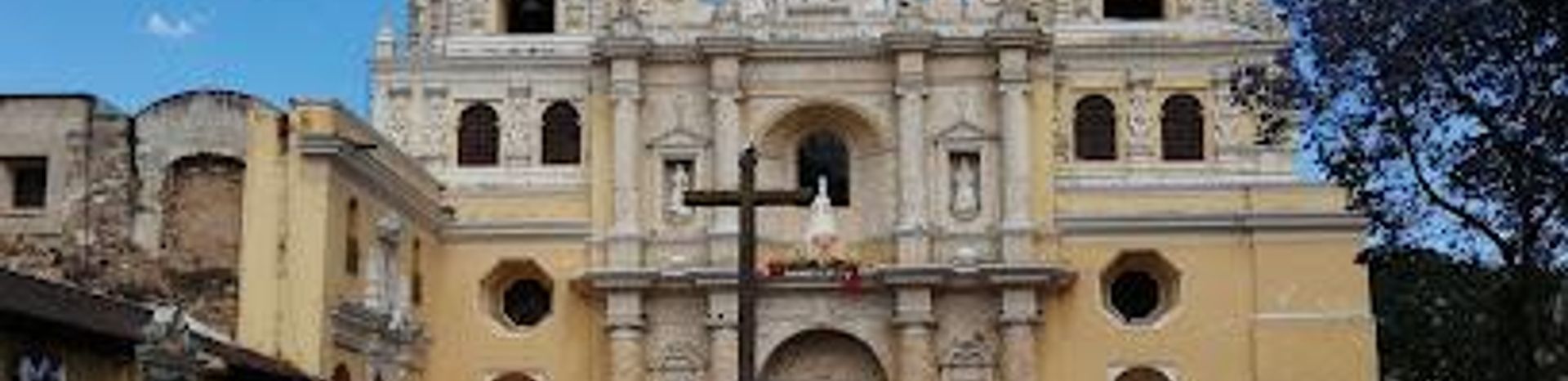
Iglesia de la Merced: Antigua's Baroque Masterpiece
Discover Antigua's iconic Iglesia de la Merced: a masterpiece of Guatemalan Baroque architecture and enduring historical significance.
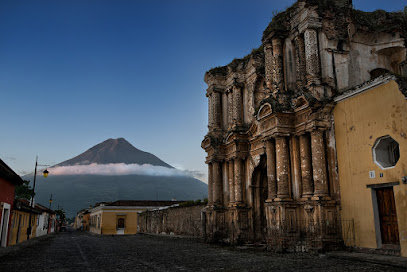
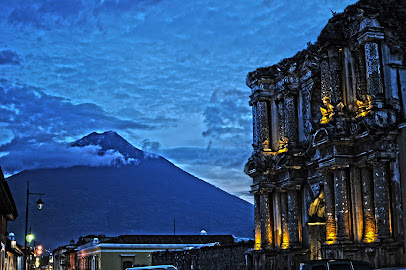
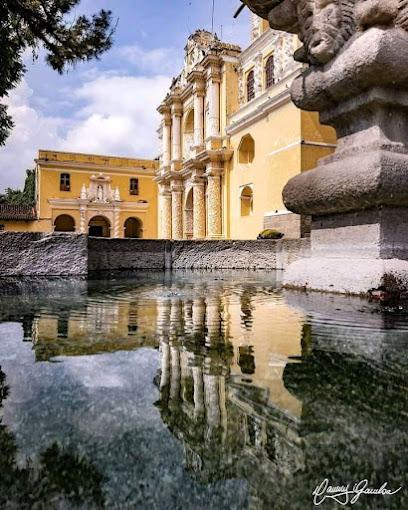
The Iglesia de la Merced, with its iconic yellow facade and elaborate Baroque design, stands as one of Antigua's most recognizable and historically significant landmarks. Completed in 1767, the church showcases a blend of colonial and indigenous influences, enduring earthquakes and cultural shifts to remain a captivating testament to Antigua's rich heritage.
A brief summary to Iglesia de la Merced
- H768+F3X &, 1a Calle Poniente, Antigua Guatemala, GT
- +50278320559
Local tips
- Visit early in the morning to avoid crowds and enjoy a more peaceful experience.
- Explore the church's interior to admire the stunning altarpieces, intricate woodwork, and religious artwork.
- Check the schedule for local events or masses to experience the cultural vibrancy of the church.
- Take a stroll around the surrounding area to discover local shops and artisan crafts.
- Dress modestly, as this is an active place of worship.

Getting There
-
Walking
From Antigua's central park, walk 1 block west. Turn right onto 1a Calle Poniente. Continue for 5 blocks. Iglesia de la Merced will be on your right. Walking is the best way to navigate the cobblestone streets of Antigua.
-
Tuk-tuk
Tuk-tuks are readily available throughout Antigua and offer a quick way to reach Iglesia de la Merced. Negotiate the fare before starting your trip; a short ride from the city center should cost around 15-20 GTQ. Ensure you have local currency for payment.
Discover more about Iglesia de la Merced
Iconic landmarks you can’t miss

Tom's Antigua Food Tours
0.1 km
Explore the culinary delights of Antigua Guatemala with Tom's Antigua Food Tours - a delicious journey through local flavors and traditions.
Hostel Selina Antigua
0.1 km
Experience the vibrant blend of comfort and culture at Hostel Selina Antigua, where modern amenities meet the charm of Guatemalan heritage.
Antiguena Spanish Academy
0.1 km
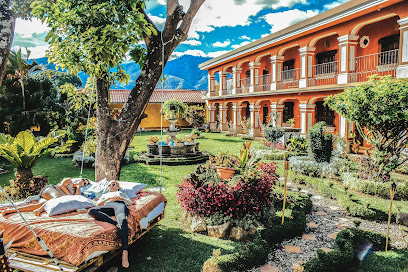
Discover the beauty of the Spanish language in the heart of Antigua, Guatemala, at Antiguena Spanish Academy, where culture meets education.
Nim Po’t
0.1 km
Discover the heart of Guatemalan craftsmanship at Nim Po’t, your go-to destination for authentic souvenirs in Antigua.
Arch Street
0.2 km
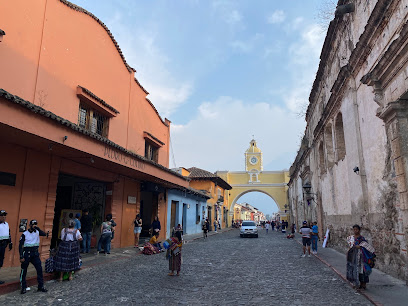
Discover the charm of Arch Street in Antigua Guatemala, where history meets vibrant culture and stunning architecture.
Columbus Guatemala Travel
0.3 km
Discover the wonders of Guatemala with Columbus Guatemala Travel, your ultimate tour operator for unforgettable adventures and cultural experiences.
Maximo Nivel
0.3 km
Explore the heart of Guatemala at Maximo Nivel, where cultural immersion meets language learning in the enchanting city of Antigua.
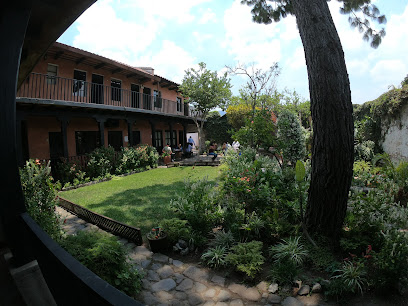
El Viejo Café
0.3 km
Experience the rich flavors and serene ambiance of El Viejo Café, a top destination for coffee lovers and foodies in Antigua, Guatemala.
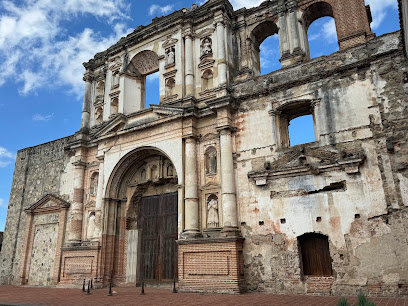
Monumento España-Guatemala
0.4 km
Explore Monumento España in Antigua Guatemala, a stunning historical landmark celebrating the rich cultural heritage between Spain and Guatemala.
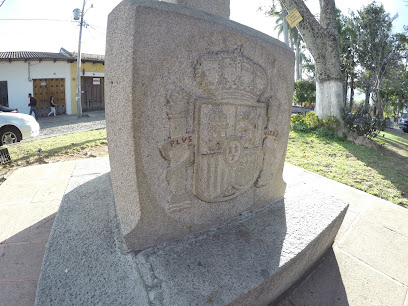
Casa Escobar Antigua
0.4 km
Experience the culinary artistry of Casa Escobar Antigua, where exquisite steaks meet the rich flavors of Guatemalan cuisine in a charming setting.
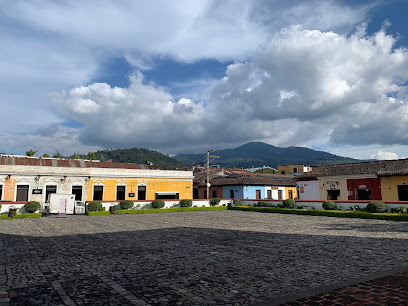
Poniente 4
0.4 km
Explore the enchanting Poniente 4 in Antigua Guatemala, a stunning example of colonial architecture and a gateway to the city's rich history.
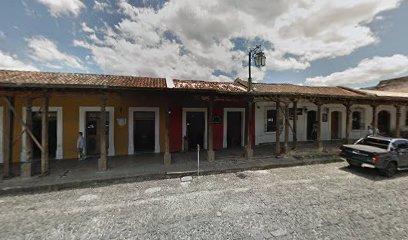
Las Palmas
0.5 km
Experience the vibrant culture of Antigua Guatemala at Las Palmas, where delicious Guatemalan cuisine meets lively music and dancing.
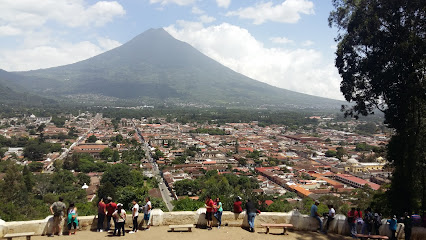
Wicho & Charlie's
0.5 km
Explore the rich heritage and breathtaking landscapes of Antigua, Guatemala, with Wicho & Charlie's, your trusted travel partner.
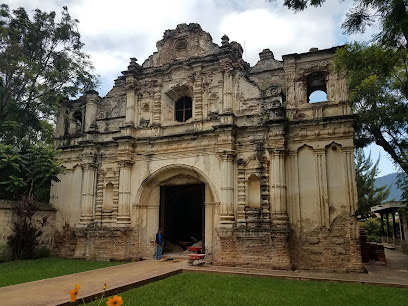
Fuente de las Sirenas
0.5 km
Discover the beauty of Fuente de las Sirenas, a serene fountain in Antigua Guatemala that embodies the city's rich cultural heritage and artistic flair.
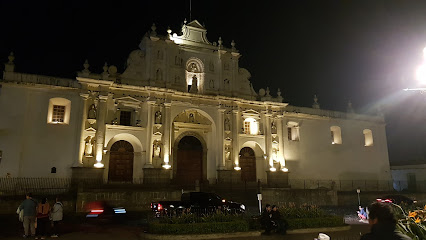
Rooftop Antigua
0.5 km
Experience the best of Guatemalan cuisine and breathtaking views at Rooftop Antigua, a culinary gem in the heart of the city.
Unmissable attractions to see

Antigua en letras
0.1 km
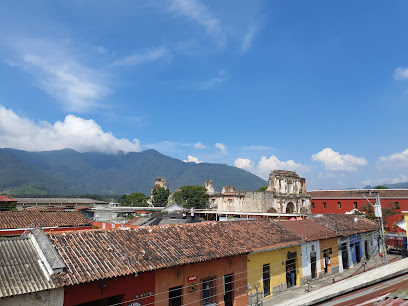
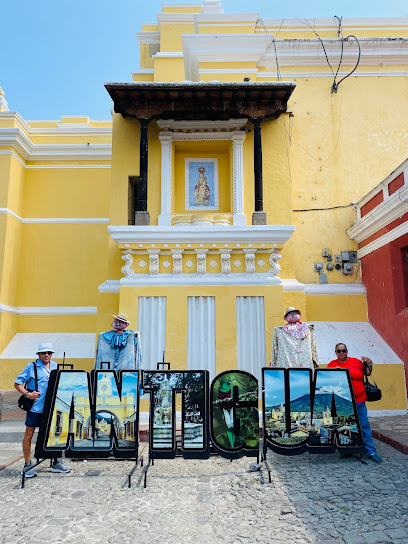
Capture the spirit of Antigua! This colorful landmark offers the perfect photo op in the heart of Guatemala's historic city.
Simoon Rentals & Tours
0.1 km
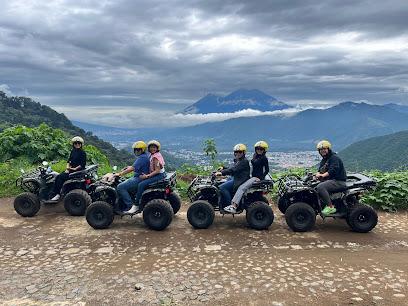
Unlock the beauty of Antigua Guatemala with Simoon Rentals & Tours, your gateway to adventure and exploration in this historic city.
Arco de Santa Catalina
0.2 km
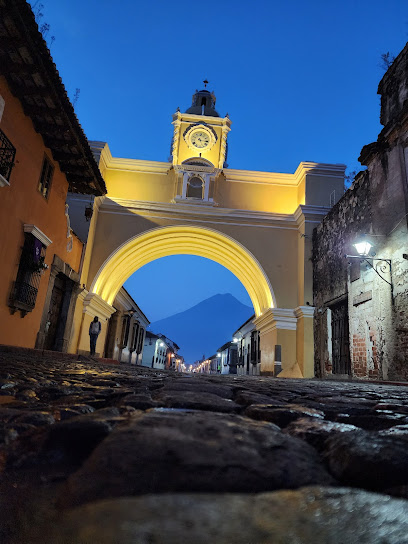
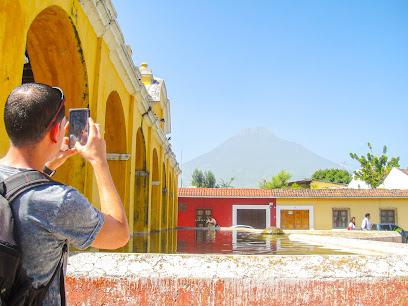
Antigua's iconic 17th-century arch, a vibrant symbol of the city's colonial history and a photographer's paradise with stunning volcano views.
Gray Line Antigua Guatemala - Tours & Experiences
0.3 km
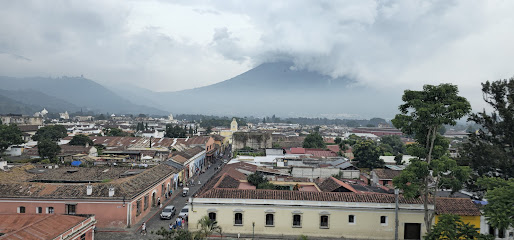
Explore the enchanting city of Antigua, Guatemala, with Gray Line Tours, offering unforgettable experiences and rich cultural insights.
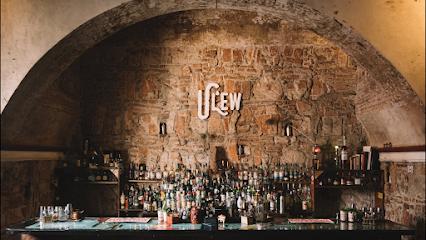
Ulew Cocktail Bar
0.3 km
Discover Ulew Cocktail Bar in Antigua: a hidden speakeasy with bespoke cocktails and a vibrant atmosphere. Experience Guatemala's unique flavors!
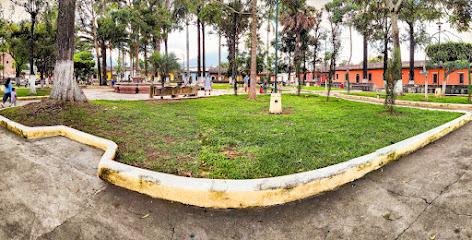
Cuchilla Parque San Sebastian
0.3 km
Find serenity in the heart of Antigua at Cuchilla Parque San Sebastian, a peaceful green space for relaxation and reflection.
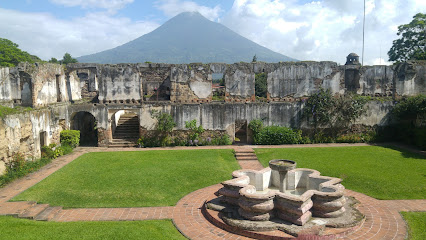
Ermita San Jeronimo
0.4 km
Discover Antigua's serene Ermita San Jerónimo: a blend of colonial history, architecture, and tranquil gardens.
Cooperación Española
0.4 km
Discover Spanish and Guatemalan culture in a beautifully restored colonial setting. Art, history, and events await!
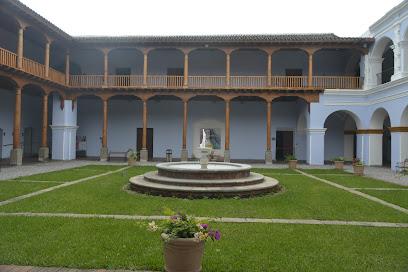
El Carmen
0.4 km
Explore the captivating El Carmen Church ruins in Antigua, a stunning example of seismic Baroque architecture and colonial history.
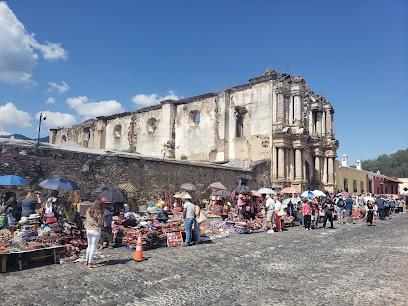
Convento Capuchinas
0.4 km
Explore the ruins of Convento de las Capuchinas in Antigua, Guatemala, and step back in time to experience the life of Capuchin nuns.
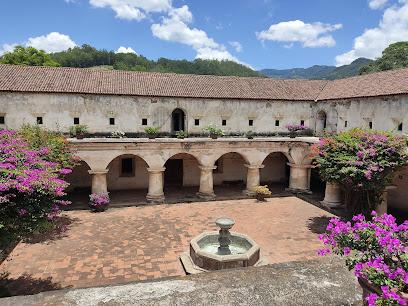
ChocoMuseo
0.4 km
Discover the history and flavors of Guatemalan chocolate at ChocoMuseo Antigua, an interactive experience for all ages near Parque Central.
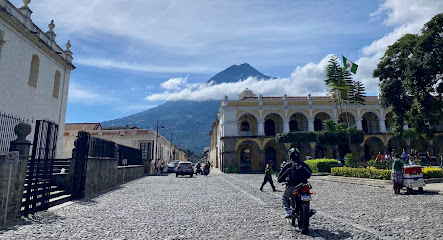
Palacio del Ayuntamiento
0.5 km
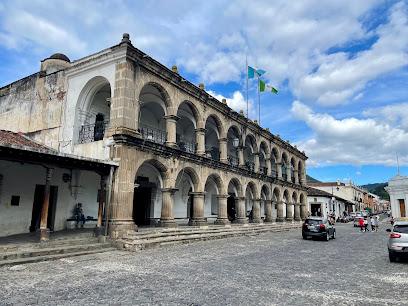
Discover Antigua's history at the Palacio del Ayuntamiento, a colonial masterpiece on the Main Square.
Antigua Guatemala
0.5 km
Discover Antigua Guatemala: A UNESCO World Heritage city with stunning colonial architecture, rich history, and breathtaking volcano views.
Cerro de La Cruz
0.5 km
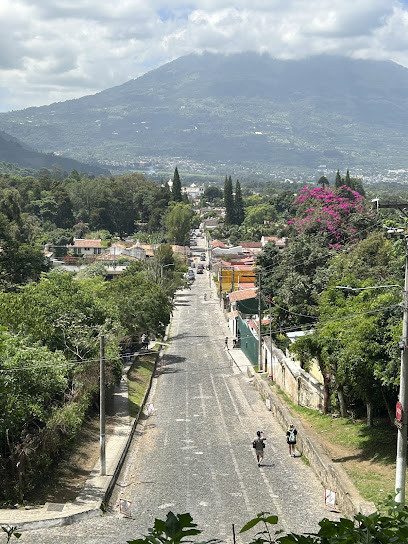
Hike or drive to Cerro de la Cruz for breathtaking panoramic views of Antigua and Volcán de Agua. A photographer's paradise and historical landmark.
Museo Casa del Tejido Antiguo
0.5 km
Discover Guatemala's rich Mayan heritage through its vibrant textiles at Museo Casa del Tejido Antiguo in Antigua.
Essential places to dine

Luna de Miel
0.1 km
Experience the sweet side of Antigua at Luna de Miel - where every dessert tells a story.
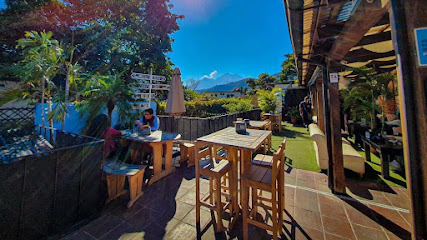
Puerta Once Antigua
0.1 km
Experience the vibrant flavors of Puerta Once Antigua - your destination for delicious chicken wings and gourmet hamburgers in historic Antigua Guatemala.
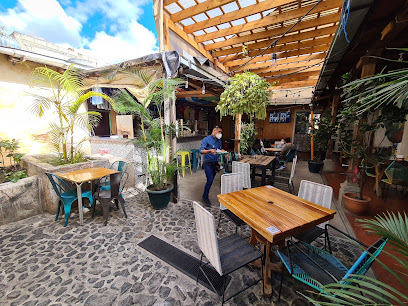
Restaurante Fridas - La Antigua Guatemala
0.1 km
Experience authentic Guatemalan cuisine at Restaurante Fridas in La Antigua Guatemala - where tradition meets flavor.
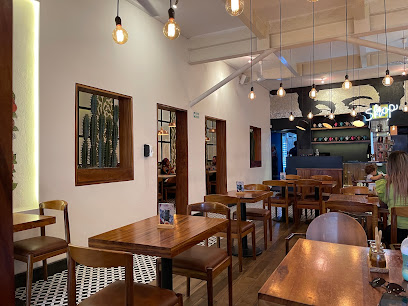
Quesos y Vino
0.1 km
Discover exquisite cheese and wine pairings at Quesos y Vino in Antigua Guatemala, offering an unforgettable dining experience in a charming setting.
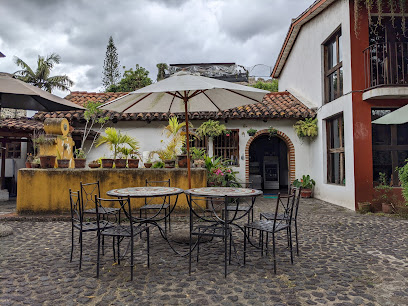
Del Arco Restaurant
0.2 km
Discover authentic Guatemalan cuisine at Del Arco Restaurant in beautiful Antigua – where every dish tells a story.
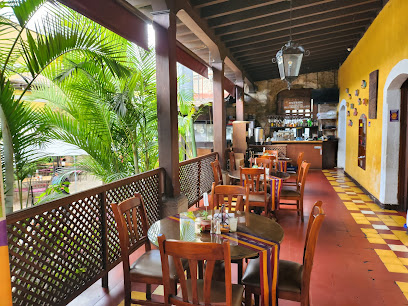
Cafe Cafe Guatemala
0.3 km
Discover authentic Guatemalan flavors at Cafe Cafe Guatemala - a cozy espresso bar perfect for coffee lovers in Antigua.
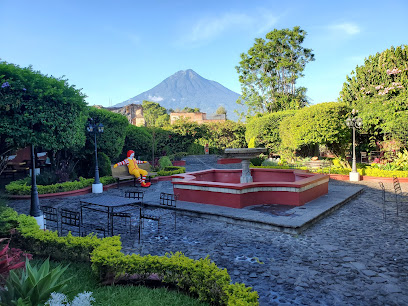
Chermol
0.3 km
Discover authentic Guatemalan flavors at Chermol, an exquisite Latin American restaurant in the heart of Antigua offering a vibrant culinary experience.
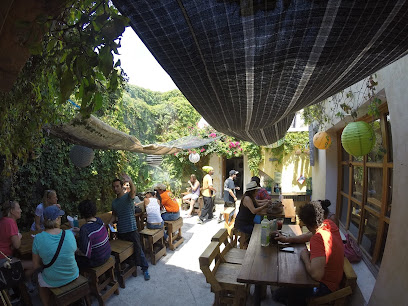
Hotel Posada de Don Rodrigo Antigua
0.3 km
Discover the enchanting blend of tradition and comfort at Hotel Posada de Don Rodrigo in beautiful Antigua Guatemala.
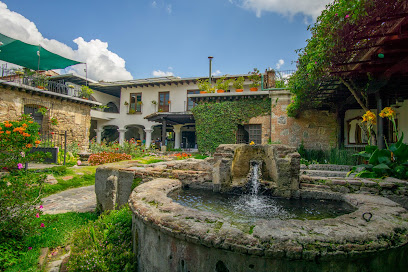
La Casa de las Sopas
0.3 km
Discover authentic Guatemalan cuisine at La Casa de las Sopas, where every bowl tells a flavorful story.
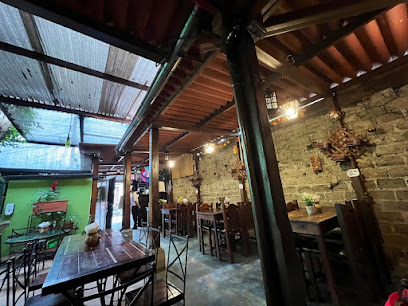
El Sabor del Tiempo
0.3 km
Experience culinary bliss at El Sabor del Tiempo in Antigua Guatemala—where traditional Guatemalan flavors meet Italian culinary artistry.
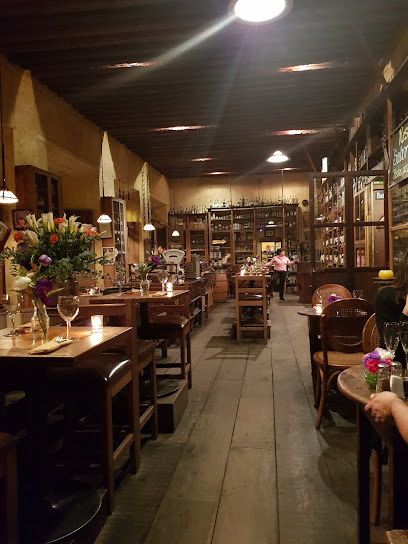
Casa Troccoli
0.3 km
Experience sustainable dining at Casa Troccoli in Antigua Guatemala – where local flavors meet eco-consciousness in a charming atmosphere.
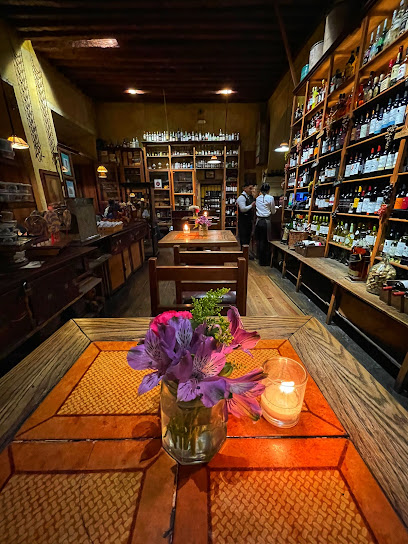
Madre Tierra
0.4 km
Discover authentic Guatemalan flavors at Madre Tierra in Antigua Guatemala - where tradition meets innovation.
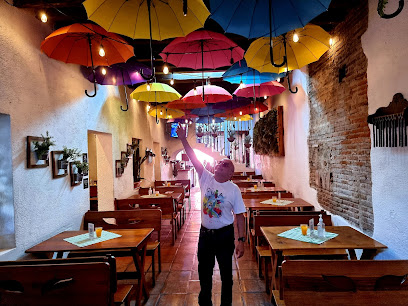
La Cuevita de Los Urquizú
0.4 km
Experience authentic Guatemalan cuisine at La Cuevita de Los Urquizú in beautiful Antigua Guatemala.
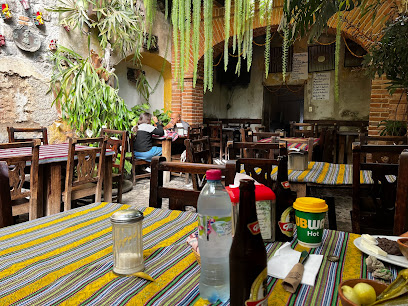
Epicure
0.4 km
Experience the fusion of Guatemalan tradition and modern European cuisine at Epicure – where every meal is a celebration.
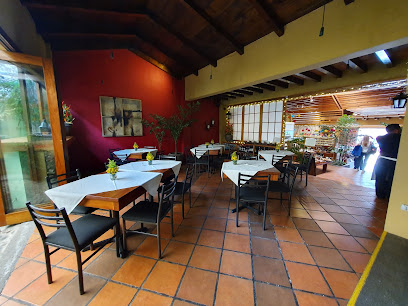
La Fonda de la Calle Real
0.4 km
Experience authentic Guatemalan cuisine at La Fonda de la Calle Real in Antigua - a must-visit dining destination for every traveler.
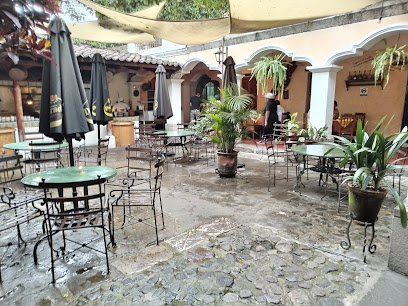
Markets, malls and hidden boutiques

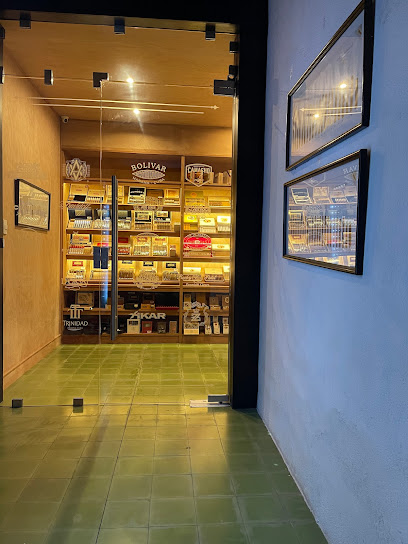
CIGAR BOUTIQUE & LOUNGE - ANTIGUA
0.1 km
Experience the finest cigars and a relaxed atmosphere at Cigar Boutique & Lounge in Antigua, Guatemala's premier cigar destination.
Dazzle store Antigua Guatemala
0.1 km
Explore Dazzle Store in Antigua Guatemala for unique clothing and accessories that capture the essence of local culture and style.
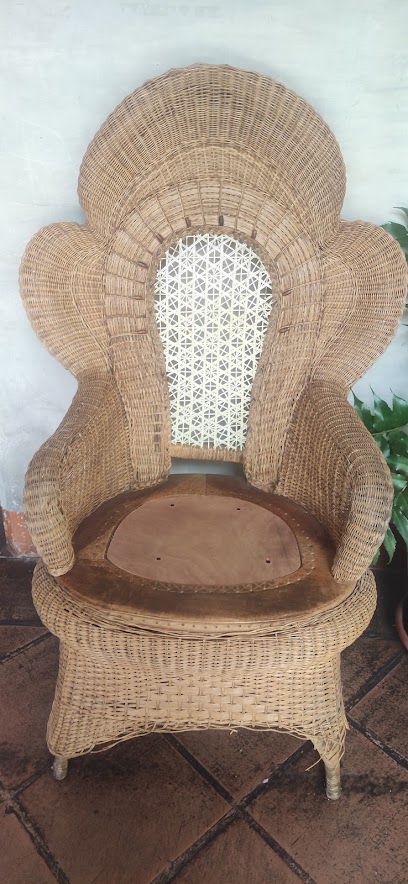
Plaza del Arco
0.1 km
Experience the heart of Antigua Guatemala at Plaza del Arco, a vibrant shopping mall filled with local crafts, delicious food, and a lively atmosphere.
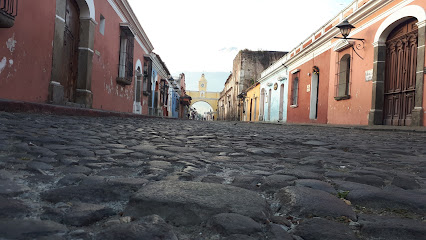
Jades Antigua
0.2 km
Explore the exquisite craftsmanship of Jades Antigua, a premier jewelry store offering unique jade and artisan jewelry in the heart of Guatemala.
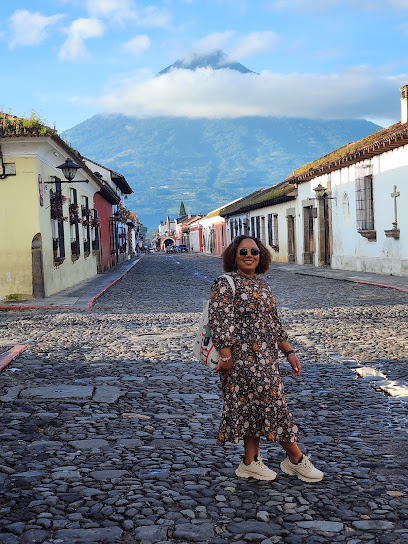
Etnika Boutique
0.3 km
Discover the charm of Etnika Boutique in Antigua Guatemala, where local craftsmanship meets contemporary fashion in a unique shopping experience.
Casa Quitapenas
0.4 km
Discover authentic Guatemalan craftsmanship at Casa Quitapenas, a charming gift shop in Antigua filled with handcrafted treasures.
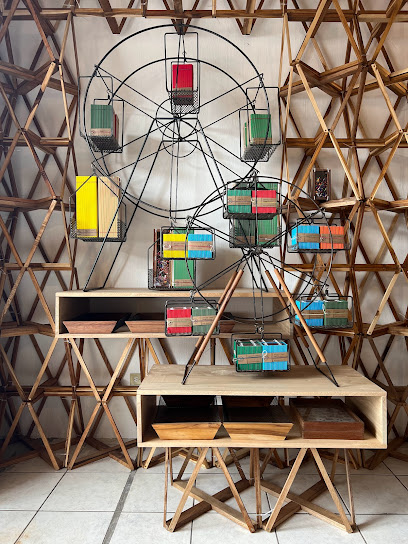
Cool Boutique
0.4 km
Explore Cool Boutique in Antigua Guatemala for a unique shopping experience, featuring stylish clothing and accessories that reflect the local culture.
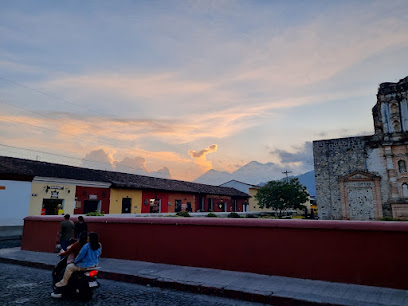
Viva Antigua Artesanías
0.4 km
Discover authentic Guatemalan crafts at Viva Antigua Artesanías, a colorful souvenir store in the heart of Antigua, brimming with local artistry.
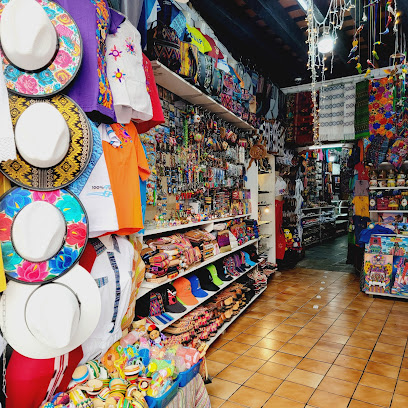
Newelle Boutique
0.4 km
Explore the charm and elegance of Newelle Boutique, where local artistry meets contemporary fashion in Antigua Guatemala.
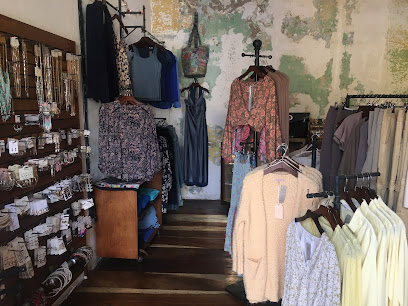
Mercado de Artesanias El Carmen
0.4 km
Discover the essence of Guatemalan culture at Mercado de Artesanias El Carmen, a vibrant market filled with unique crafts and artisanal treasures.
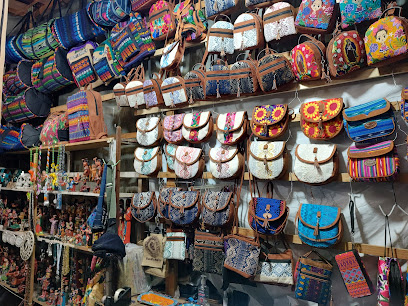
Jade y Artesanía López
0.4 km
Explore the exquisite jade jewelry and artisanal crafts at Jade y Artesanía López in Antigua Guatemala, where every piece tells a story.
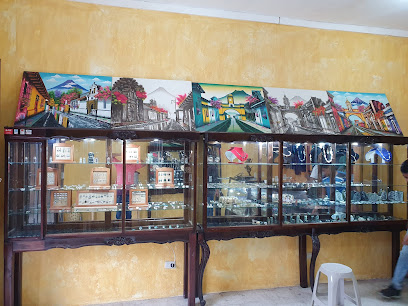
BeachCo. Guatemala
0.4 km
Discover the perfect blend of surfing and wildlife at BeachCo. Guatemala, your ultimate adventure hub in Antigua.
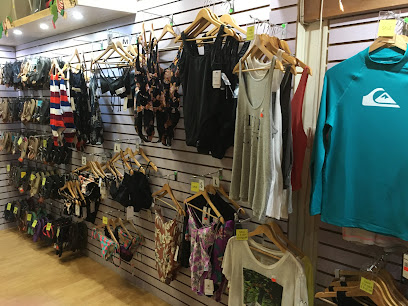
Xao Store
0.5 km
Explore Xao Store in Antigua, Guatemala - your ultimate destination for anime clothing, collectibles, and a vibrant community of enthusiasts.
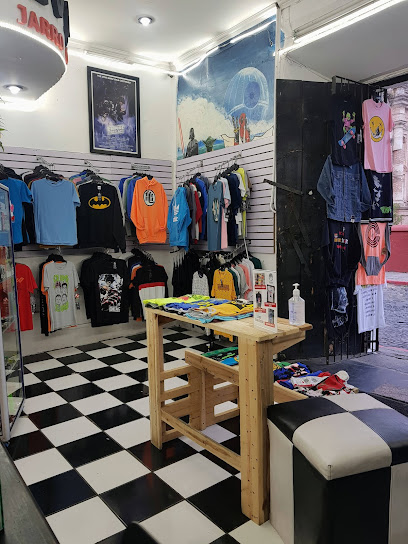
THE NORTH FACE
0.5 km
Explore the outdoors with premium gear from The North Face in Antigua Guatemala, your go-to store for adventure apparel and equipment.
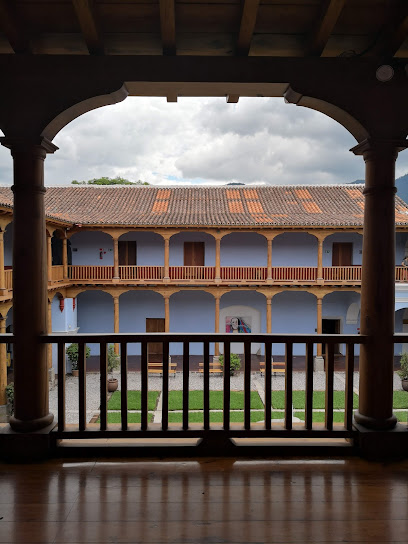
Duende
0.5 km
Explore Duende: A Unique Gift Shop in Antigua Guatemala Offering Local Artistry and Vibrant Balloons.
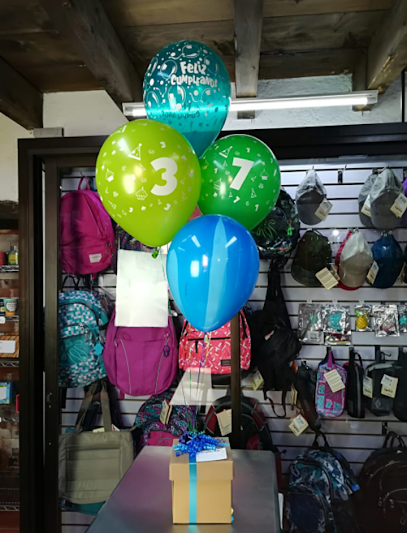
Essential bars & hidden hideouts

Deja Vu Bar And Music
0.1 km
Discover the vibrant nightlife at Deja Vu Bar And Music in Antigua Guatemala – a lively spot for drinks, music, and unforgettable experiences.
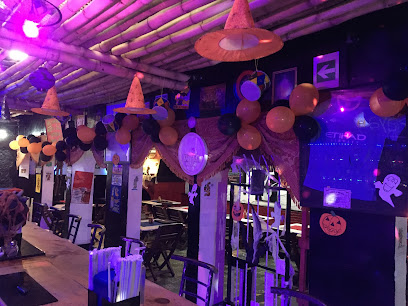
Aqua Antigua
0.2 km
Discover Aqua Antigua, a culinary gem offering exquisite dining, vibrant cocktails, and a refreshing poolside experience in the heart of Antigua, Guatemala.
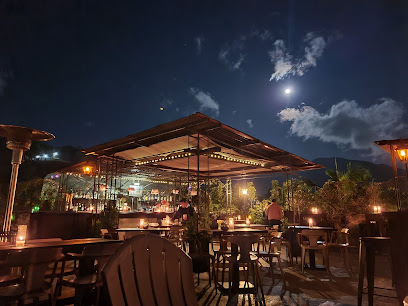
Antigua Cerveza :: El Bosque
0.3 km
Explore the vibrant brewpub scene in Antigua Guatemala with unique craft beers and delightful local dishes at Antigua Cerveza: El Bosque.
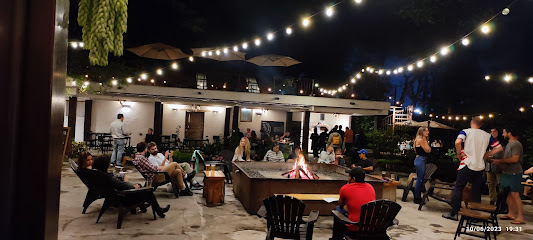
Cool wine bar
0.3 km
Explore the vibrant atmosphere of Antigua's Cool Wine Bar, where exquisite wines and delicious tapas create an unforgettable experience.
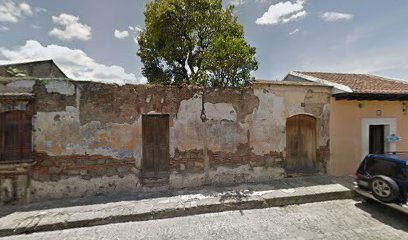
Antigua Brewing Company
0.3 km
Discover the rich flavors of local craft beers at Antigua Brewing Company, a vibrant brewery in the heart of Antigua Guatemala.
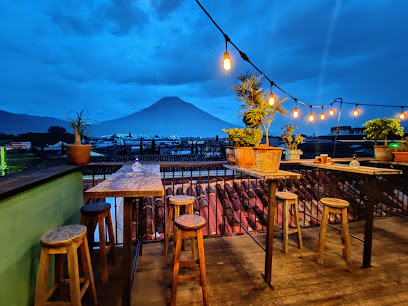
Bullseye Sports Pub
0.4 km
Discover the ultimate sports bar experience at Bullseye Sports Pub in Antigua Guatemala, where great food, drinks, and live sports create lasting memories.
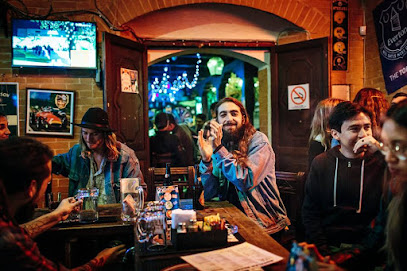
Vudu bar
0.4 km
Experience the vibrant nightlife of Antigua Guatemala at Vudu Bar, where creative cocktails and a lively atmosphere await.
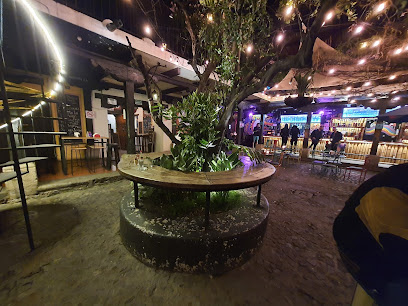
El Barrio
0.4 km
Discover the vibrant nightlife of Antigua Guatemala at El Barrio, a lively bar offering delicious cocktails and a welcoming atmosphere for all.
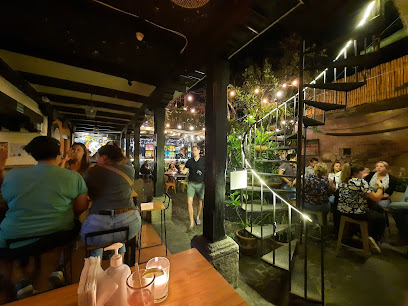
Raven Hood
0.5 km
Discover the vibrant flavors of Raven Hood, a top-notch restaurant and bar in the heart of Antigua Guatemala, perfect for tourists seeking culinary delight.
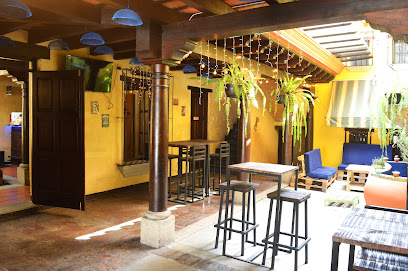
La Taverna
0.5 km
Experience the vibrant nightlife at La Taverna, Antigua's cozy bar offering exquisite cocktails and a charming patio atmosphere.
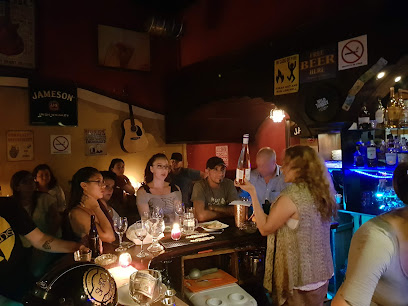
El Ilegal
0.5 km
Experience the vibrant nightlife of Antigua at El Ilegal, where delicious drinks and a lively atmosphere await every traveler.
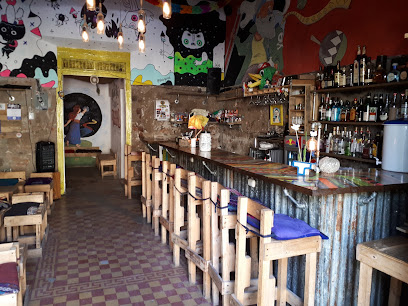
Charleston Antigua
0.5 km
Experience the vibrant atmosphere and unique cocktails at Charleston Antigua, the perfect bar in the heart of Antigua Guatemala.
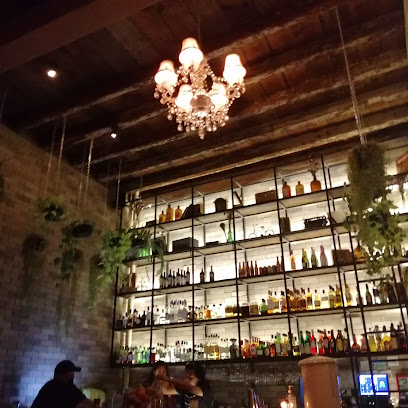
Adra Restaurante/Rooftop
0.6 km
Discover the vibrant flavors and stunning views at Adra Restaurante/Rooftop, a perfect blend of dining and relaxation in Antigua, Guatemala.
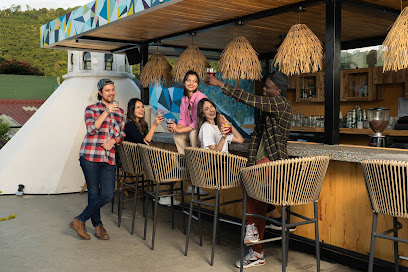
INSOMNIA Bar
0.6 km
Experience the vibrant nightlife at INSOMNIA Bar, where delicious drinks and lively ambiance meet in the heart of Antigua Guatemala.
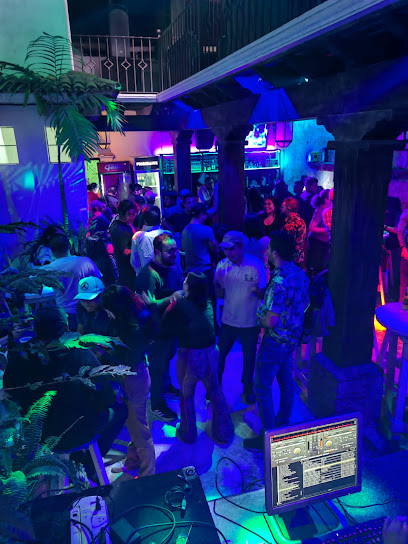
Doce Bar
0.6 km
Discover the vibrant nightlife of Antigua Guatemala at Doce Bar, offering delicious cocktails and an inviting atmosphere for all.
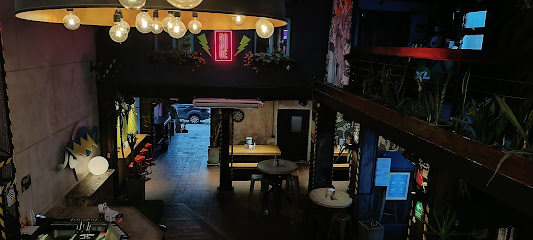
Nightclubs & after hour spots

Las Vibras de la Casbah
0.1 km
Discover the heart of Antigua's nightlife at Las Vibras de la Casbah, where music, dance, and delicious cuisine come together for an unforgettable experience.
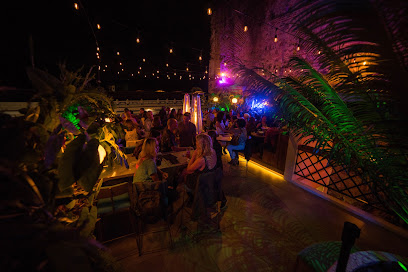
Privado
0.1 km
Experience the vibrant nightlife at Privado, a charming bar in Antigua Guatemala, serving expertly crafted cocktails in a cozy atmosphere.
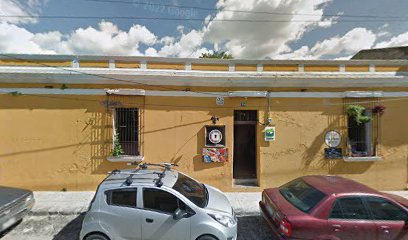
Club Esfuerzo
0.2 km
Experience the vibrant nightlife of Antigua Guatemala at Club Esfuerzo, where local culture meets lively entertainment in a welcoming bar atmosphere.
Car Music Disco
0.6 km
Discover the vibrant nightlife at Car Music Disco in Antigua, Guatemala, where electrifying beats and an energetic atmosphere await you.

La Sala
0.7 km
Experience the vibrant nightlife of Antigua at La Sala, a lively bar with expertly crafted cocktails and an energetic atmosphere that welcomes all.
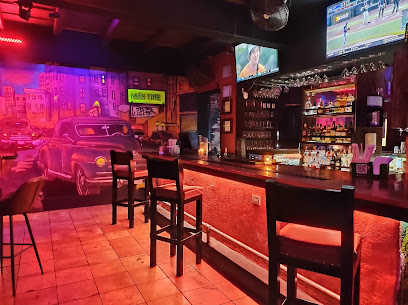
Club divas
1.3 km
Discover the electrifying nightlife of Antigua Guatemala at Club Divas, where entertainment meets vibrant energy for an unforgettable experience.
LAPA-LAPA TROPICAL
20.2 km
Experience the vibrant nightlife at Lapa-Lapa Tropical, Guatemala City's ultimate night club for unforgettable dance and music.
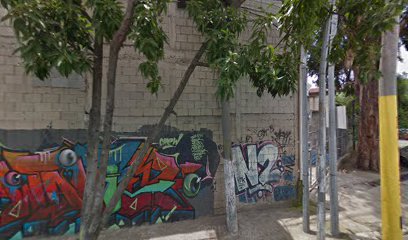
Planet Bowl bowling alleys
20.6 km
Experience the ultimate bowling adventure at Planet Bowl, the premier family-friendly entertainment center in Guatemala City.
Club 11 Night Club
21.5 km
Discover the vibrant nightlife of Guatemala City at Club 11 Night Club, where music, dancing, and unforgettable memories await.
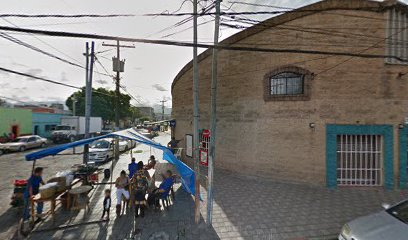
NIGHT CLUB EL PASO
22.0 km
Experience the vibrant nightlife of Guatemala City at Night Club El Paso, where electrifying music and an energetic crowd create unforgettable nights.
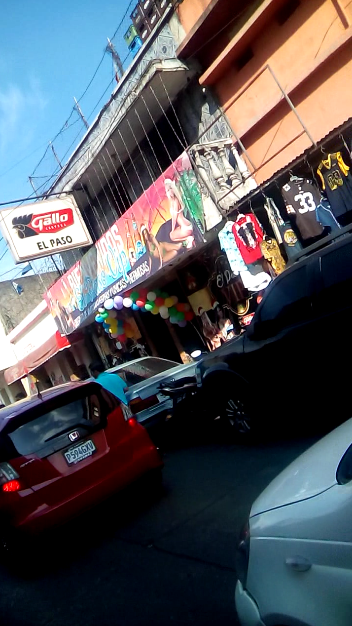
Club La Aurora
22.1 km
Experience the electrifying nightlife at Club La Aurora, Guatemala City's ultimate destination for music, dance, and unforgettable memories.
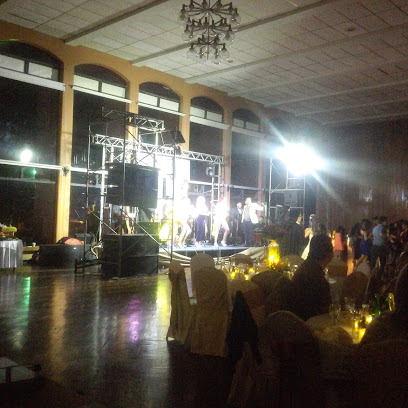
BAC Lounge VIP Guatemala
22.2 km
Experience luxury at BAC Lounge VIP Guatemala, where exquisite drinks and a serene atmosphere await travelers seeking relaxation in the heart of the city.
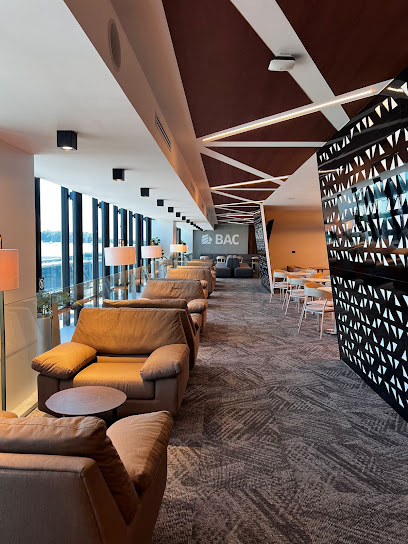
Entrada: Parque Nacional Volcan De Pacaya
22.3 km
Discover the breathtaking beauty of Volcan De Pacaya National Park, featuring an active volcano and stunning landscapes in Guatemala.
Copa Club
22.4 km
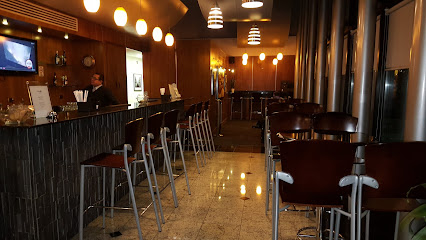
Discover the vibrant Copa Club in Guatemala City, a perfect lounge for relaxation, drinks, and enjoying the lively nightlife.
Clubbeers Guatemala
23.0 km
Immerse yourself in the vibrant nightlife of Clubbeers Guatemala, where music, dance, and unforgettable memories come together in a lively atmosphere.