

Zona 1 (Guatemala City) Travel Guide - Free
Explore Zona 1 in Guatemala City with Evendo's free guide. Find the best shops, historic streets, restaurants, and gems on web or mobile.


Zona 1 in Guatemala City brings colonial plazas, Art Deco civic buildings, museums, markets, street food and cultural life together in the historic centre.
Colonial Streets and Civic Grandeur
Zona 1 is Guatemala City’s historic centre, a broad urban district whose grid of streets, plazas and civic buildings grew from the capital’s relocation from Antigua Guatemala after the earthquakes of 1773. Its central axis is the Plaza de la Constitución, bordered by the Catedral Metropolitana, the Palacio Nacional de la Cultura and the Portal del Comercio. Around them, the old city unfolds through arcades, market streets, churches, republican-era façades and buildings shaped by successive earthquakes and rebuilding campaigns. The area is not a preserved colonial enclave: it is a working centre where government offices, family businesses, schools, churches and street commerce share the same sidewalks.Read more about Zona 1
Markets, Museums and Public Life
A Living Historic Centre
Best attractions in Zona 1
Zona 1’s principal attractions cluster around the Plaza de la Constitución, where visitors can see the Catedral Metropolitana, the Palacio Nacional de la Cultura and the Portal del Comercio within a compact civic setting. The cathedral’s restrained stone exterior and earthquake-shaped history contrast with the palace’s monumental interiors and ceremonial rooms. Nearby Mercado Central descends below street level into a maze of produce, food, flowers, crafts and household goods, offering a vivid view of daily commerce rather than a staged attraction. Paseo de la Sexta provides a pedestrian route through shops, cafés, public art and street activity towards Parque Concordia, while the Museo Nacional de Historia, Museo del Ferrocarril de Guatemala and Tipografía Nacional add historical perspectives. The Centro Cultural Miguel Ángel Asturias, in the Civic Centre area, extends the district’s appeal into theatre, music, architecture and visual arts.
-
Tourist attraction
Mercado Central
Discover Guatemalan culture at Mercado Central, a vibrant underground market in Guatemala City with handicrafts, food, and local goods.
7 min walk · 0.5 km from neighbourhood centre
-
Tourist attraction
National History Museum
Explore Guatemala's vibrant past through captivating exhibits at the National History Museum in Guatemala City.
4 min walk · 0.3 km from neighbourhood centre
-
National park
Guatemala City Central Park
Discover Guatemala City's vibrant heart: a historic park surrounded by cultural landmarks, offering relaxation, events, and local flavors.
8 min walk · 0.7 km from neighbourhood centre
-
Amusement center
buen lugar a visitar
Discover leisure and fun at this amusement center in Guatemala City's historic Zone 1, a vibrant hub of culture and entertainment.
5 min walk · 0.4 km from neighbourhood centre


Best landmarks in Zona 1
The Catedral Metropolitana is Zona 1’s principal religious landmark, facing the Plaza de la Constitución and embodying the repeated reconstruction required by Guatemala City’s earthquakes. Opposite it, the Palacio Nacional de la Cultura is the district’s most recognisable civic monument, with a monumental twentieth-century design and interiors tied to the country’s political history. The Portal del Comercio marks the commercial edge of the square through its arcaded frontage, while Mercado Central occupies a purpose-built subterranean market complex beside the cathedral. Further south, the former railway facilities and Museo del Ferrocarril de Guatemala recall the importance of rail transport to the national capital, and the Centro Cultural Miguel Ángel Asturias gives the Civic Centre a major modern cultural landmark. Together these places show Zona 1 as a succession of religious, governmental, commercial, transport and artistic symbols rather than a single architectural period.
-
Park
Plaza de la Constitución
Discover the historical charm and vibrant culture of Plaza de la Constitución, the heart of Guatemala City, surrounded by stunning architecture and lively street life.
8 min walk · 0.6 km from neighbourhood centre
-
Market
Mercado Central
Discover the vibrant flavors and rich culture of Guatemala City at Mercado Central, a bustling market filled with fresh produce, crafts, and local delicacies.
7 min walk · 0.5 km from neighbourhood centre
-
Museum
Palacio Nacional de la Cultura
Discover the architectural beauty and rich cultural heritage at Palacio Nacional de la Cultura, a premier museum in Guatemala City.
9 min walk · 0.7 km from neighbourhood centre
-
History museum
National History Museum
Discover the vibrant history and culture of Guatemala at the National History Museum, a must-visit attraction for history enthusiasts and curious travelers alike.
4 min walk · 0.3 km from neighbourhood centre


Explore Zona 1 on the map
A handpicked selection of must-see spots in Zona 1, mapped for you.
Best hotels in Zona 1
Best restaurants in Zona 1
Eating in Zona 1 ranges from market counters and street snacks to traditional family restaurants, cafés and newer businesses occupying restored or adapted commercial premises. Mercado Central is the most direct place to encounter everyday Guatemalan food, with prepared dishes, fresh ingredients, drinks and sweets sold alongside the market’s broader trade. Around the Plaza de la Constitución, Paseo de la Sexta and older shopping streets, visitors can find casual meals suited to a working district, including tamales, stews, grilled meats, tortillas and bakery goods, although individual businesses change over time. The area’s culinary character reflects the capital’s links with highland and national traditions rather than a single neighbourhood speciality. Seating, payment methods and service styles vary, so modest expectations and basic Spanish are useful, particularly in market settings.
-
Restaurant
Los Tres Tiempos • Centro Histórico
Discover the rich flavors of Guatemalan cuisine at Los Tres Tiempos in Centro Histórico—where tradition meets modern culinary artistry.
5 min walk · 0.4 km from neighbourhood centre
-
Restaurant
Restaurante El Adobe zona 1
Experience authentic Guatemalan cuisine accompanied by live marimba music at Restaurante El Adobe in vibrant Zone 1.
5 min walk · 0.4 km from neighbourhood centre
-
Restaurant
Arrin Cuan
Discover the rich flavors of Guatemala at Arrin Cuan – a delightful restaurant in Zone 1 offering local cuisine with a modern twist.
13 min walk · 1.1 km from neighbourhood centre
-
Restaurant
Aída Restaurant
Discover the authentic flavors of Guatemala at Aída Restaurant in Zone 1 - a must-visit culinary destination for every traveler.
12 min walk · 0.9 km from neighbourhood centre


Best bars in Zona 1
Zona 1 is not Guatemala City’s main late-night clubbing district, but its evening life has a distinct cultural and urban character. Around the historic centre, modest bars, cafés and restaurants provide places to meet after work, while programmed performances at the Centro Cultural Miguel Ángel Asturias and other cultural venues bring theatre, music and dance into the night-time landscape. Paseo de la Sexta and the streets near the central plaza may remain active after sunset, but activity is uneven and many commercial blocks become quiet once offices and shops close. Evening visitors should plan around a specific venue, confirm current performance or service details, and arrange a registered taxi or app-based car for the return journey rather than wandering long distances late at night.
-
Bar
Proyecto poporopo
Discover the unique blend of flavors at Proyecto Poporopo, a must-visit tapas bar in Guatemala City offering a taste of local and international cuisine.
10 min walk · 0.8 km from neighbourhood centre
-
Bar
Las Cien Puertas
Experience the vibrant nightlife of Guatemala City at Las Cien Puertas, offering an array of drinks and a lively atmosphere for all visitors.
7 min walk · 0.5 km from neighbourhood centre
-
Grill
Bar Y Restaurante El Bohemio
Savor the vibrant flavors of Guatemala at Bar Y Restaurante El Bohemio, where tradition meets a lively atmosphere.
10 min walk · 0.8 km from neighbourhood centre
-
Bar
Bohemios Bar
Experience the vibrant culture and nightlife at Bohemios Bar, a lively hotspot in Guatemala City offering local drinks and unforgettable moments.
9 min walk · 0.8 km from neighbourhood centre


Best nightclubs in Zona 1
Zona 1 is not Guatemala City’s main late-night clubbing district, but its evening life has a distinct cultural and urban character. Around the historic centre, modest bars, cafés and restaurants provide places to meet after work, while programmed performances at the Centro Cultural Miguel Ángel Asturias and other cultural venues bring theatre, music and dance into the night-time landscape. Paseo de la Sexta and the streets near the central plaza may remain active after sunset, but activity is uneven and many commercial blocks become quiet once offices and shops close. Evening visitors should plan around a specific venue, confirm current performance or service details, and arrange a registered taxi or app-based car for the return journey rather than wandering long distances late at night.
-
Bar
Las Cien Puertas
Explore the vibrant nightlife of Guatemala City at Las Cien Puertas, a bar offering exquisite cocktails and lively entertainment in a unique setting.
7 min walk · 0.5 km from neighbourhood centre
-
Club
Club Guatemala
Unleash your night at Club Guatemala, the ultimate nightlife destination in Guatemala City, featuring vibrant music, creative cocktails, and a welcoming atmosphere.
4 min walk · 0.3 km from neighbourhood centre
-
Gay bar
Black Club
Discover the heart of Guatemala City's nightlife at Black Club, a vibrant gay bar and dance club with electrifying energy and a welcoming atmosphere.
11 min walk · 0.8 km from neighbourhood centre
-
Night club
Zona Cero
Discover the vibrant nightlife at Zona Cero, a premier night club in Mixco, where music, dancing, and excitement come alive.
7 min walk · 0.5 km from neighbourhood centre


Best shops in Zona 1
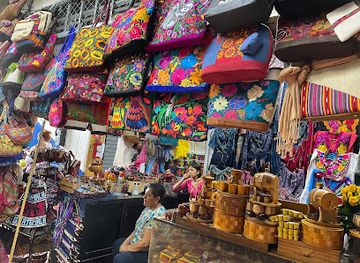
Shopping in Zona 1 is rooted in practical commerce, traditional markets and long-established central-city retail rather than luxury boutiques. Mercado Central is the essential reference point, with stalls selling fruit, vegetables, flowers, prepared food, household goods, clothing, crafts and souvenirs in a busy underground setting. Along Paseo de la Sexta and the surrounding grid, independent shops, shoe stores, book and stationery businesses, clothing retailers, bakeries and small specialist traders serve both residents and visitors. The streets around the Plaza de la Constitución retain the atmosphere of a working commercial centre, with arcades and shopfronts that reward slow browsing. Visitors interested in crafts should compare materials and workmanship carefully, ask permission before photographing displays, and remember that stock and individual businesses can change as the district’s retail economy evolves.
-
Market
Mercado Central
Discover the lively Mercado Central in Guatemala City, where vibrant crafts, delicious local cuisine, and rich culture await every visitor.
7 min walk · 0.5 km from neighbourhood centre
-
Clothing store
Megapaca
Explore the vibrant clothing offerings at Megapaca, where fashion meets affordability in the heart of Guatemala City.
13 min walk · 1.0 km from neighbourhood centre
-
Book store
Meow Meow Shop
Discover the enchanting Meow Meow Shop, a charming book store in Guatemala City offering a diverse selection of literature and a cozy reading atmosphere.
12 min walk · 1.0 km from neighbourhood centre
-
Men's clothing store
Distefano
Explore Distefano, Guatemala City's premier men's clothing store, offering stylish attire and personalized service for every occasion.
6 min walk · 0.5 km from neighbourhood centre


Zona 1 essentials
Getting There
Getting Around
Safety
Emergency Situations
Do's and Don'ts
Local Tips

From Eve
Local phrases worth knowing
You don't need to get them perfect. A few words go a long way, and locals appreciate the effort.
Basics
| English | Local | Say it |
|---|---|---|
| Hello | Hola | [oh-lah] |
| Goodbye | Adiós | [ah-dee-ohs] |
| Yes | Sí | [see] |
| No | No | [noh] |
| Please/You're welcome | Por favor/De nada | [por fah-vor/de nah-dah] |
| Thank you | Gracias | [grah-see-ahs] |
| Excuse me/Sorry | Perdón/Lo siento | [pair-dohn/loh see-ehn-toh] |
| How are you? | ¿Cómo estás? | [koh-moh ehs-tahs] |
| Fine. And you? | Bien. ¿Y tú? | [bee-ehn. ee too] |
| Do you speak English? | ¿Hablas inglés? | [ah-blahs een-glehs] |
| I don't understand | No entiendo | [noh ehn-tee-ehn-doh] |
Eating & Drinking
| English | Local | Say it |
|---|---|---|
| I'd like to see the menu, please | Me gustaría ver el menú, por favor | [may goo-stah-ree-ah behr ehl meh-noo, poor fah-vor] |
| I don't eat meat | No como carne | [noh koh-moh kahr-neh] |
| Cheers! | ¡Salud! | [sah-lood] |
| I would like to pay, please | Me gustaría pagar, por favor | [may goo-stah-ree-ah pah-gahr, poor fah-vor] |
Emergencies
| English | Local | Say it |
|---|---|---|
| Help! | ¡Ayuda! | [ah-yoo-dah] |
| Go away! | ¡Vete! | [veh-teh] |
| Call the Police! | ¡Llama a la Policía! | [yah-mah ah lah poh-lee-see-ah] |
| Call a doctor! | ¡Llama a un doctor! | [yah-mah ah oon dohk-tohr] |
| I'm lost | Estoy perdido | [ehs-toy pair-dee-doh] |
| I'm ill | Estoy enfermo | [ehs-toy ehn-fehr-moh] |
Shopping
| English | Local | Say it |
|---|---|---|
| I'd like to buy... | Me gustaría comprar... | [may goo-stah-ree-ah kohm-prahr] |
| I'm just looking | Sólo estoy mirando | [soh-loh ehs-toy mee-rahn-doh] |
| How much is it? | ¿Cuánto cuesta? | [kwan-toh kwehs-tah] |
| That's too expensive | Esto es demasiado caro | [ehs-toh ehs deh-mah-see-ah-doh kah-roh] |
| Can you lower the price? | ¿Puedes bajar el precio? | [pweh-dehs bah-har ehl pree-syoh] |
Time & Numbers
| English | Local | Say it |
|---|---|---|
| What time is it? | ¿Qué hora es? | [keh oh-rah ehs] |
| It's one o'clock | Es la una | [ehs lah oo-nah] |
| Half past (10) | Media hora (10) | [meh-dee-ah oh-rah (deez)] |
| Morning | Mañana | [mah-nyah-nah] |
| Afternoon | Tarde | [tahr-deh] |
| Evening | Noche | [noh-cheh] |
| Yesterday | Ayer | [ah-yehr] |
| Today | Hoy | [oy] |
| Tomorrow | Mañana | [mah-nyah-nah] |
| 1 | Uno | [oo-noh] |
| 2 | Dos | [dohs] |
| 3 | Tres | [trehs] |
| 4 | Cuatro | [kwah-troh] |
| 5 | Cinco | [seen-koh] |
| 6 | Seis | [seys] |
| 7 | Siete | [syeh-teh] |
| 8 | Ocho | [oh-choh] |
| 9 | Nueve | [nweh-veh] |
| 10 | Diez | [dee-ehs] |
Transport & Directions
| English | Local | Say it |
|---|---|---|
| Where's a/the...? | ¿Dónde está el/la...? | [dohn-deh ehs-tah ehl/lah] |
| What's the address? | ¿Cuál es la dirección? | [kwal ehs lah dee-rehk-syon] |
| Can you show me (on the map)? | ¿Puedes mostrarme (en el mapa)? | [pweh-dehs mohs-trar-meh (ehn ehl mah-pah)] |
| When's the next (bus)? | ¿Cuándo pasa el próximo (bus)? | [kwan-doh pah-sah ehl proh-ksee-moh (boos)] |
| A ticket (to ....) | Un boleto (a ....) | [oon boh-leh-toh (ah)] |
History of Zona 1
The Capital Moves to the Valley
Zona 1 took shape after a devastating earthquake sequence damaged Antigua Guatemala in 1773, prompting the Spanish colonial administration to establish a new capital in the Ermita Valley. The city founded there in 1776 was laid out on a regular grid, with the principal plaza reserved for religious, governmental and commercial functions. Much of the early settlement was built with earthquake-conscious methods, including relatively low structures and heavy masonry, while the central square established the urban focus that remains recognisable today as the Plaza de la Constitución. The district’s name is modern, but its streets preserve the original foundation of Guatemala City’s capital-era plan.
The Plaza and the Republican City
During the nineteenth century, the central district developed as the administrative and commercial heart of Guatemala City. The cathedral and surrounding civic buildings anchored the main plaza, while arcaded commercial frontages and market activity connected the formal centre with surrounding neighbourhoods. Independence in 1821 altered the political meaning of the district without changing its importance as a place of government, worship and trade. Later nineteenth-century rebuilding introduced new façades and public institutions, producing the mixture of colonial inheritance and republican architecture that still characterises several streets around the central square.
Earthquakes and Urban Reconstruction
The earthquakes of 1917 and 1918 caused extensive damage across the capital, including the historic centre, and encouraged new construction techniques and changing architectural ambitions. Another major earthquake in 1976 again damaged buildings throughout Guatemala City, leading to repairs, demolition and reconstruction in Zona 1. The district therefore contains few uninterrupted architectural ensembles: older churches and civic structures stand beside twentieth-century replacements, reinforced buildings and utilitarian commercial blocks. This repeated rebuilding is central to understanding the neighbourhood’s appearance, where historic identity is expressed through surviving landmarks as well as layers of adaptation.
Civic Architecture in the Twentieth Century
The twentieth century strengthened Zona 1’s role as Guatemala’s symbolic civic centre. The Palacio Nacional de la Cultura, completed in the early 1940s on the north side of the main plaza, brought together government offices and a monumental national image. Nearby institutions, museums and the Civic Centre extended the district’s cultural and administrative importance, while the Centro Cultural Miguel Ángel Asturias added a major venue for theatre and music. These projects introduced modern and Art Deco-influenced forms alongside the older cathedral, arcades and market buildings, giving the centre a deliberately layered architectural character.
Reclaiming the Historic Centre
From the late twentieth century onwards, public authorities and community organisations pursued programmes to restore façades, improve public spaces and strengthen the cultural role of the historic centre. The pedestrianisation and renewal of Paseo de la Sexta helped return part of the central commercial corridor to walking, street performance and public gathering, while museums and cultural institutions broadened the reasons to visit beyond government offices and shopping. Zona 1 remains a contested, working district rather than a museum quarter: heritage conservation, informal commerce, traffic management and the needs of residents continue to shape its evolving identity.
Zona 1 in Photos
Browse through our photo collection highlighting the charm and character of the destination.
Neighbourhoods near Zona 1
The closest neighbourhoods to Zona 1, if you have time for more than one stop.
-

-

-


Swipe for more neighbourhoods
Explore more

Explore more of Guatemala City
Discover Guatemala City: A vibrant blend of history, culture, and modernity in the heart of Central America, offering rich heritage, stunning natural beauty, and warm hospitality.
Explore Guatemala City