

Free Pacific Lowlands Travel Guide & Mobile App
Explore Pacific Lowlands with free travel guides. Discover regional history, expert tips, proposed trips, and audio guides on web or mobile app.


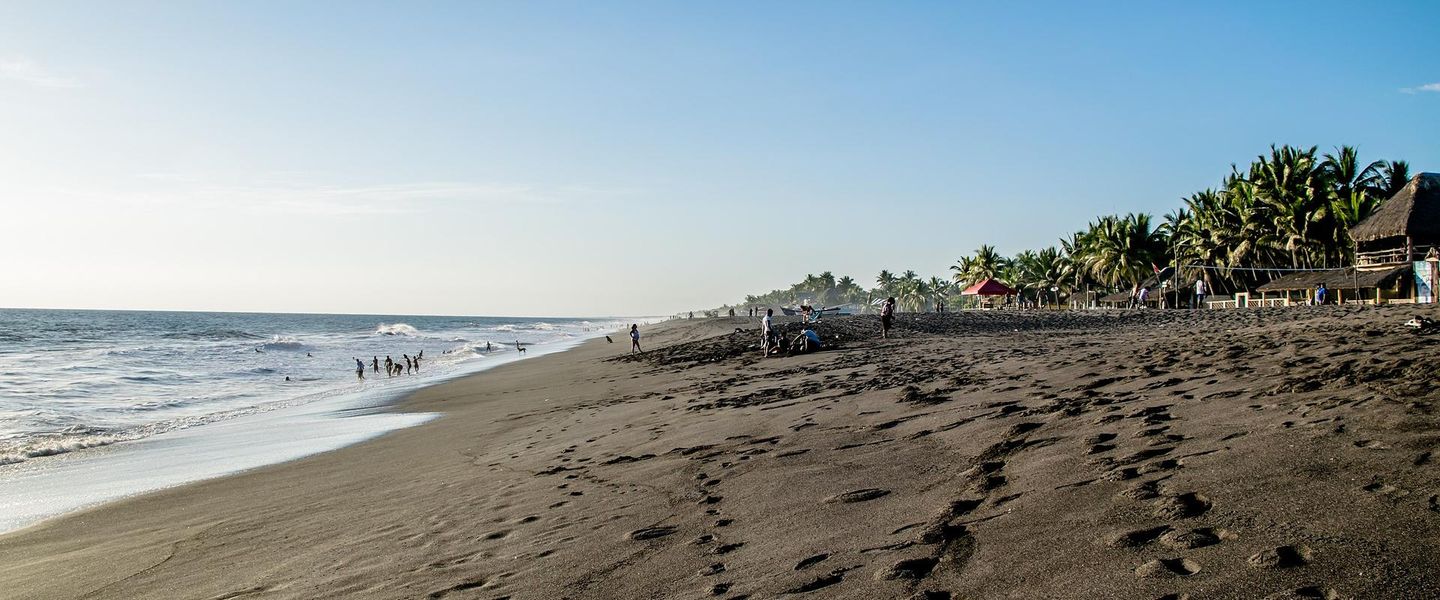


Explore Guatemala’s Pacific Lowlands for black-sand beaches, mangroves, Maya archaeology, wildlife and fertile coastal landscapes.
Read more about Pacific Lowlands
When is the best time to visit Pacific Lowlands?
Best: December–February · 30–31°C| Month | High (°C) | Rainfall (mm) |
|---|---|---|
| January (best) | 30 | 2 |
| February (best) | 31 | 2 |
| March | 31 | 3 |
| April | 32 | 6 |
| May | 32 | 11 |
| June | 33 | 16 |
| July | 32 | 16 |
| August | 32 | 16 |
| September | 32 | 16 |
| October | 31 | 11 |
| November | 31 | 6 |
| December (best) | 30 | 3 |
Getting to and around Pacific Lowlands
How to get there
Transportation
Top city travel guides in Pacific Lowlands
The cities of Pacific Lowlands, and the easiest places to base yourself.
-

-

-

-

-

-


Swipe for more cities
Destinations in Pacific Lowlands
Resorts, valleys and scenic spots worth a trip of their own.
-

-

-

-

-


Swipe for more destinations
Best attractions in Pacific Lowlands
The Pacific Lowlands offer a varied set of attractions shaped by coast, agriculture, archaeology and tropical wetlands. Tak'alik Ab'aj near El Asintal is the region’s leading heritage site, with monumental plazas and carved stones that document centuries of cultural change. Around Monterrico and Hawaii, boat excursions pass through mangrove channels and lagoons, while conservation projects focus on Pacific sea turtles and coastal habitat. The beaches are generally broad and dark with volcanic sand, although surf conditions make some stretches better for walking and fishing than swimming. Inland, Retalhuleu is home to Xetulul, a large theme park with architectural features inspired by different parts of Guatemala, and Xocomil, a water park; both are established family attractions rather than expressions of the natural landscape. Sipacate-Naranjo National Park preserves mangroves, estuaries and coastal ecosystems in Escuintla, while Manchón-Guamuchal on the western coast is valued for wetlands and birdlife. Market towns, sugar-country roads, fishing ports and plantation landscapes add context, but visits are most rewarding when distances, heat and transport limitations are planned carefully.
-
Park
Parque Central de Antigua Guatemala
Experience the vibrant heart of Antigua at Parque Central, a historic plaza surrounded by colonial architecture and bustling with local life.
-
Amusement park
IRTRA Mundo Petapa
Experience thrilling rides, live entertainment, and family fun at Guatemala City's premier amusement park, IRTRA Mundo Petapa.
-
Park
Plaza de la Constitución
Discover Guatemala City's heart: Plaza de la Constitución, a historic square surrounded by iconic landmarks and vibrant culture.
-
Tourist attraction
Arco de Santa Catalina
Discover the iconic Arco de Santa Catalina in Antigua, Guatemala, a vibrant symbol of colonial history and architectural beauty.


Best landmarks in Pacific Lowlands
Tak'alik Ab'aj is the Pacific Lowlands’ most significant archaeological landmark, with terraces, plazas, altars and carved monuments set near the foothills in Retalhuleu Department. Its location illustrates the historical importance of routes between the coast and highlands. Along the shore, the black volcanic beaches at Monterrico, Hawaii, Iztapa and Puerto San José are defining geographical landmarks, formed from material carried southwards from Guatemala’s volcanic belt. The mangrove waterways of Sipacate-Naranjo National Park and the wetlands of Manchón-Guamuchal are equally important natural landmarks, marking the fragile meeting point of rivers, lagoons and ocean. The old port identities of San José and Champerico recall the era when Pacific shipping and railways supported export agriculture. Inland, the extensive sugar-cane landscapes and plantation roads are contemporary landmarks of Guatemala’s agro-industrial economy, though many are private and should not be entered without permission. These places together reveal a region shaped as much by water, trade and cultivation as by formal monuments.
-
Amusement park
Xetulul Guatemala
Experience the thrill of Xetulul Guatemala, an amusement park filled with exciting rides, captivating shows, and delicious dining options for the whole family.
-
Hotel
Tikal Futura
Discover unparalleled comfort and cultural immersion at Tikal Futura, your home away from home in Guatemala City.
-
National park
Tikal National Park
Discover the ancient treasures of Tikal National Park, where history meets breathtaking natural beauty in Guatemala's lush rainforest.
-
Tourist attraction
Cerro de La Cruz
Discover the breathtaking views of Antigua Guatemala from Cerro de La Cruz, a scenic viewpoint perfect for travelers seeking beauty and tranquility.

Explore Pacific Lowlands on the map
Plan your trip on one map. See where the top cities, national parks and sights are, and book hotels and experiences in a few clicks.
Best hotels in Pacific Lowlands
Best restaurants in Pacific Lowlands
Food in the Pacific Lowlands reflects Guatemala’s national maize-based cuisine alongside coastal seafood and abundant tropical produce. In beach communities, menus commonly include fish, prawns and other seafood, often prepared simply with rice, salad, tortillas or plantain; availability depends on the catch and season. Inland markets and comedor-style eateries serve familiar Guatemalan dishes such as pepián, tamales, chuchitos and grilled meats, while fruit drinks and shaved ice are welcome in the heat. The agricultural plain supplies sugar, bananas, plantains, mangoes and other produce, and market towns such as Escuintla, Mazatenango and Retalhuleu offer the broadest choice of cafés, bakeries and restaurants. Coastal hotels tend to provide more varied international food, whereas smaller villages may have limited evening options. Visitors should carry cash for roadside stalls and local eateries, ask about ingredients where allergies are a concern, and treat regional seafood as seasonal rather than assuming every dish is available year-round.
-
American
Tony Roma's
Experience the best of American cuisine at Tony Roma's in Guatemala City - savoring barbecue ribs, seafood delights, and more!
-
Restaurant
San Martín
Experience the best of Guatemalan flavors at San Martín Bakery & Restaurant - where tradition meets culinary excellence.
-
Restaurant
Antigua Boreal - Deep Dish pizza
Experience the best deep-dish pizza in Antigua Guatemala at Antigua Boreal - where flavor meets tradition in every slice.
-
Restaurant
Los Tres Tiempos • Centro Histórico
Experience the exquisite flavors of Guatemalan cuisine at Los Tres Tiempos, a top-tier restaurant in the heart of Guatemala City's historic center.
Best bars in Pacific Lowlands
Evening life in the Pacific Lowlands is generally relaxed and local rather than centred on a large nightclub scene. Monterrico has the most developed beach-oriented nightlife, with hotel bars, casual restaurants and occasional music, while Puerto San José and Iztapa offer informal places to eat and drink near working coastal communities. In Escuintla, Retalhuleu and Mazatenango, nightlife is more likely to involve bars, cafés, restaurants and town-centre socialising than purpose-built clubs. Larger hotels and tourism complexes may have organised evening entertainment, but schedules are variable and should be checked locally. In smaller villages, evenings often end early, particularly outside holiday periods. Drink responsibly, arrange transport before leaving a venue, and avoid walking alone on quiet beaches or poorly lit roads after dark.
-
Hotel
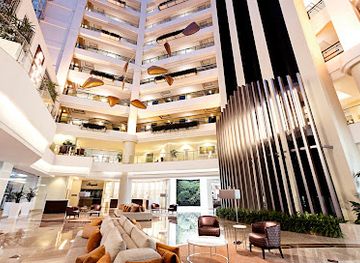
Tikal Futura
Experience luxury and comfort at Tikal Futura, the premier hotel in Guatemala City, offering easy access to culture, history, and modern amenities.
-
Shopping mall
Plaza Fontabella
Discover the charm of Plaza Fontabella, Guatemala City's ultimate shopping and dining destination, blending style, culture, and entertainment.
-
Mexican
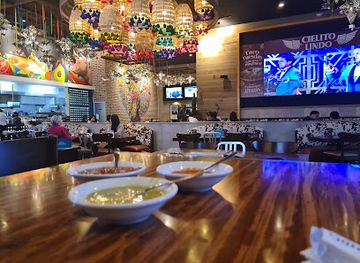
Cielito Lindo, Paseo Miraflores
Experience the vibrant flavors of authentic Mexican cuisine at Cielito Lindo, a must-visit taco restaurant in Guatemala City.
-
Pizza
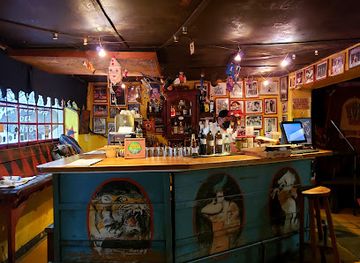
Circus Bar
Discover Circus Bar in Panajachel, where pizza, Italian cuisine, and a whimsical atmosphere create unforgettable dining experiences.
Best nightclubs in Pacific Lowlands
Evening life in the Pacific Lowlands is generally relaxed and local rather than centred on a large nightclub scene. Monterrico has the most developed beach-oriented nightlife, with hotel bars, casual restaurants and occasional music, while Puerto San José and Iztapa offer informal places to eat and drink near working coastal communities. In Escuintla, Retalhuleu and Mazatenango, nightlife is more likely to involve bars, cafés, restaurants and town-centre socialising than purpose-built clubs. Larger hotels and tourism complexes may have organised evening entertainment, but schedules are variable and should be checked locally. In smaller villages, evenings often end early, particularly outside holiday periods. Drink responsibly, arrange transport before leaving a venue, and avoid walking alone on quiet beaches or poorly lit roads after dark.
-
Night club
Club La Aurora
Discover the electric nightlife of Guatemala City at Club La Aurora, where music, dancing, and vibrant energy await every visitor.
-
Bowling alley
Planet Bowl bowling alleys
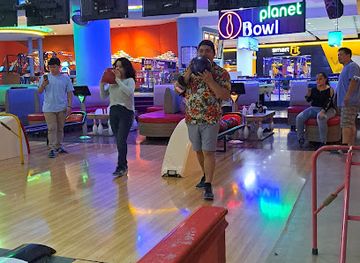
Experience the ultimate bowling adventure at Planet Bowl, the premier family-friendly entertainment center in Guatemala City.
-
Bar
Las Cien Puertas
Discover the vibrant nightlife of Guatemala City at Las Cien Puertas, a lively bar offering a unique blend of local drinks and cultural ambiance.
-
Bar
Ulew Cocktail Bar
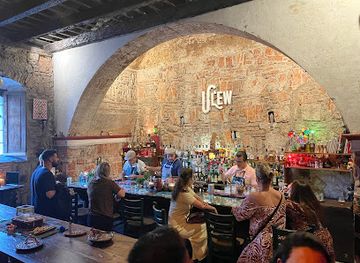
Experience the vibrant nightlife of Antigua Guatemala at Ulew Cocktail Bar, where expertly crafted cocktails and a lively atmosphere await.

Best shops in Pacific Lowlands
Shopping in the Pacific Lowlands is concentrated in the market towns rather than in resort-style retail districts. Escuintla, Mazatenango and Retalhuleu have traditional markets and busy commercial streets where visitors can find fruit, vegetables, clothing, household goods, snacks and everyday Guatemalan products. Coastal communities sell practical beach goods, casual clothing, seafood and small souvenirs, but the selection is usually modest. Local food products make useful purchases, including coffee from nearby volcanic areas, chocolate, tropical fruit products, sweets and regional spices; check packaging and transport restrictions before buying fresh produce. Retalhuleu and surrounding towns also provide access to craft shops and woven goods associated with wider Guatemalan traditions, although the most extensive artisan shopping is generally found in the highlands. Bargaining may be accepted in informal markets but is not appropriate in every shop, so ask politely and pay in quetzales where possible.
-
Shopping mall
Oakland Place Guatemala
Explore Oakland Place: Guatemala City's ultimate shopping destination with diverse stores and delightful dining options.
-
Shopping mall
Portales Mall
Discover vibrant shopping, diverse dining, and entertainment at Portales Mall in Guatemala City, the ultimate destination for tourists.
-
Market
Mercado Central
Explore Mercado Central, a vibrant hub of local culture, crafts, and culinary delights in the heart of Guatemala City.
-
Shopping mall
Tikal Futura Centro Comercial
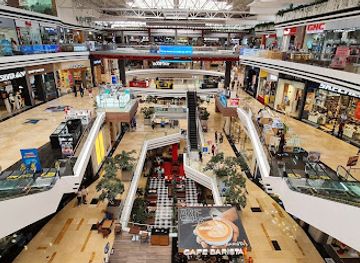
Discover Tikal Futura Centro Comercial - Guatemala City's vibrant shopping mall with diverse stores, delicious dining, and entertainment options.
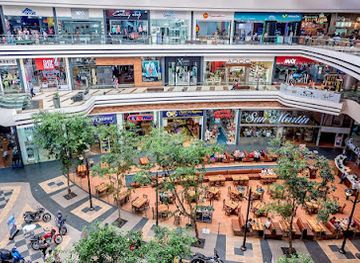
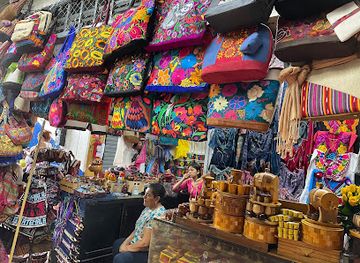
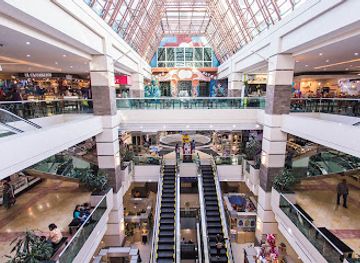
Get your free copy of our complete guide to Pacific Lowlands, delivered straight to you.
Everything on this page, from attractions and restaurants to essentials and local phrases, in one PDF you can read offline, print or share.
Already have an account? Sign in
Your Pacific Lowlands guide is ready.
We'll send it to · Not you? Sign out

Getting your guide ready…
We are putting together a fresh copy of the Pacific Lowlands guide. This can take up to a minute.
This can take a few moments. If your browser asks, choose Allow so the download can start. You'll find the guide in your Downloads folder.
Nothing happened? Download it again
Sorry, the guide is taking longer than usual. Please try again in a minute, or get it by email instead.
Pacific Lowlands essentials
Currency and Payment
Safety
Emergency Situations
Do's and Don'ts
Local Tips
From Eve
Local phrases worth knowing
You don't need to get them perfect. A few words go a long way, and locals appreciate the effort.
Basics
| English | Local | Say it |
|---|---|---|
| Hello | Hola | [oh-lah] |
| Goodbye | Adiós | [ah-dee-ohs] |
| Yes | Sí | [see] |
| No | No | [noh] |
| Please/You're welcome | Por favor/De nada | [por fah-vor/deh nah-dah] |
| Thank you | Gracias | [grah-syahs] |
| Excuse me/Sorry | Perdón | [pehr-dohn] |
| How are you? | ¿Cómo estás? | [koh-moh ehs-tahs] |
| Fine. And you? | Bien. ¿Y tú? | [byen. ee too] |
| Do you speak English? | ¿Hablas inglés? | [ah-blahs een-glehs] |
| I don't understand | No entiendo | [noh ehn-tyen-doh] |
Eating & Drinking
| English | Local | Say it |
|---|---|---|
| I'd like to see the menu, please | Me gustaría ver el menú, por favor | [meh goo-stah-ree-ah vehr el meh-noo, por fah-vor] |
| I don't eat meat | No como carne | [noh koh-moh kahr-neh] |
| Cheers! | ¡Salud! | [sah-lood] |
| I would like to pay, please | Me gustaría pagar, por favor | [meh goo-stah-ree-ah pah-gar, por fah-vor] |
Emergencies
| English | Local | Say it |
|---|---|---|
| Help! | ¡Ayuda! | [ah-yoo-dah] |
| Go away! | ¡Vete! | [veh-teh] |
| Call the Police! | ¡Llama a la policía! | [yah-mah ah lah poh-lee-see-ah] |
| Call a doctor! | ¡Llama a un doctor! | [yah-mah ah oon dok-tor] |
| I'm lost | Estoy perdido | [ehs-toy pehr-dee-doh] |
| I'm ill | Estoy enfermo/a | [ehs-toy en-fehr-moh/ah] |
Shopping
| English | Local | Say it |
|---|---|---|
| I'd like to buy... | Me gustaría comprar... | [meh goo-stah-ree-ah kom-prar] |
| I'm just looking | Solo estoy mirando | [soh-loh ehs-toy mee-rahn-doh] |
| How much is it? | ¿Cuánto cuesta? | [kwahn-toh kwes-tah] |
| That's too expensive | Es demasiado caro | [es deh-mah-see-ah-doh kah-roh] |
| Can you lower the price? | ¿Puedes bajar el precio? | [pweh-des bah-har el preh-syo] |
Time & Numbers
| English | Local | Say it |
|---|---|---|
| What time is it? | ¿Qué hora es? | [keh oh-rah es] |
| It's one o'clock | Es la una | [es lah oo-nah] |
| Half past (10) | Y diez y media | [ee dyehs ee meh-dee-ah] |
| Morning | Mañana | [mah-nyah-nah] |
| Afternoon | Tarde | [tahr-deh] |
| Evening | Noche | [noh-cheh] |
| Yesterday | Ayer | [ah-yer] |
| Today | Hoy | [oy] |
| Tomorrow | Mañana | [mah-nyah-nah] |
| 1 | Uno | [oo-noh] |
| 2 | Dos | [dohs] |
| 3 | Tres | [tres] |
| 4 | Cuatro | [kwah-troh] |
| 5 | Cinco | [seen-koh] |
| 6 | Seis | [says] |
| 7 | Siete | [syay-teh] |
| 8 | Ocho | [oh-choh] |
| 9 | Nueve | [nweh-veh] |
| 10 | Diez | [dyehs] |
Transport & Directions
| English | Local | Say it |
|---|---|---|
| Where's a/the...? | ¿Dónde está un/una...? | [dohn-deh ehs-tah oon/oo-nah] |
| What's the address? | ¿Cuál es la dirección? | [kwahl es lah dee-rehk-syohn] |
| Can you show me (on the map)? | ¿Puedes mostrarme (en el mapa)? | [pweh-des mohs-trar-meh en el mah-pah] |
| When's the next (bus)? | ¿Cuándo es el próximo (bus)? | [kwahn-doh es el prohk-see-moh] |
| A ticket (to ....) | Un boleto (a ....) | [oon boh-leh-toh ah] |
History of Pacific Lowlands
Early Pacific settlements and Tak'alik Ab'aj
The Pacific plain was settled long before the formation of the later Maya kingdoms. Its rivers, fertile soils and access to coastal trade supported communities involved in agriculture and long-distance exchange. Tak'alik Ab'aj, near El Asintal in Retalhuleu, is the region’s most important archaeological evidence of this long development. Occupied for many centuries, the site contains plazas, terraces, monuments and carved stonework reflecting changing cultural influences between the Pacific coast and the Maya world. Its position on routes connecting the coast with the highlands helped make it an important ceremonial and commercial centre.
Maya political and commercial networks
During the pre-Columbian period, the Pacific Lowlands formed part of a wider network linking communities in present-day Guatemala, Chiapas and El Salvador. The plain produced cacao, salt, cotton and other valuable goods, while rivers and overland routes connected coastal settlements with highland markets. Different linguistic and political communities interacted through trade, alliance and conflict. Although many centres declined or changed before the arrival of the Spanish, the archaeological landscape demonstrates that the Pacific coast was not peripheral but an active zone of cultural exchange.
Spanish conquest and colonial agriculture
Spanish forces incorporated the Pacific plain into colonial Guatemala during the sixteenth century. Indigenous communities were reorganised under colonial authority, while estates and towns developed around agriculture and livestock. Cacao, sugar and other crops became important commodities, and coastal routes linked the plain with colonial settlements in the highlands. Churches, town plans and landholding patterns altered the earlier landscape, while Indigenous communities retained languages, agricultural knowledge and social traditions that continue to shape the region.
Liberal reforms and plantation expansion
The nineteenth-century Liberal reforms transformed landholding and production throughout southern Guatemala. Large estates expanded, particularly in areas suited to coffee, sugar and commercial agriculture, while communal and smallholder landholdings faced increasing pressure. The coastal plain became one of the country’s principal export-producing zones. This transformation created wealth for landowners and helped build transport infrastructure, but it also produced unequal labour relations and seasonal dependence on plantation employment. Many of the region’s present-day agricultural patterns and social divisions have roots in this period.
Ports, railways and export economies
During the late nineteenth and early twentieth centuries, ports such as San José and Champerico, together with railway connections to the interior, strengthened Guatemala’s export economy. Coffee from the volcanic slopes and lowland products moved towards the Pacific coast for shipment, while imported goods travelled inland. Railways and port facilities encouraged the growth of nearby towns and commercial estates, although their importance later declined as road transport and new logistical systems developed. Remnants of this maritime and railway history remain part of the identity of several coastal communities.
Sugar, agro-industry and contemporary change
During the twentieth century, mechanised sugar production expanded across the Pacific plain, joining older agricultural systems based on cattle, cotton, coffee and subsistence crops. Processing plants, irrigation and transport networks altered both the economy and the appearance of the countryside. At the same time, coastal fishing communities and small farmers continued to depend on rivers, estuaries and seasonal resources. Today the region combines large-scale agro-industry with tourism, conservation initiatives, market towns and traditional livelihoods, while facing continuing pressures from water use, habitat loss and climate-related flooding.
Pacific Lowlands in Photos
Browse through our photo collection highlighting the charm and character of the destination.
Neighbouring regions of Pacific Lowlands
The closest regions to Pacific Lowlands, if you have time for more than one.
-

-

-

-

-


Swipe for more regions
Explore more
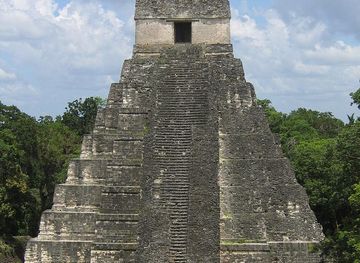
Explore more of Guatemala
Discover Guatemala: A land of ancient Mayan wonders, breathtaking natural beauty, and vibrant cultural experiences. Perfect for history buffs, nature lovers, and adventure seekers.
Explore Guatemala