

Grandes Rocques Travel Guide - Free Web & App
Your ultimate guide to Grandes Rocques. Discover top landmarks, proposed trips, and local tips. Free on the web or via the Evendo companion app.


Grandes Rocques, Guernsey, is a west-coast beach for tidal walks, sea views, sunsets and easy access to Cobo, island heritage and outdoor escapes.
A West-Coast Shore
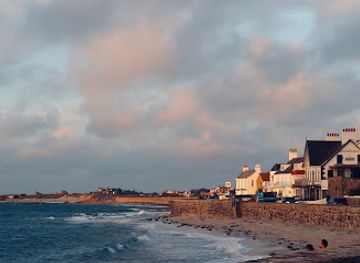
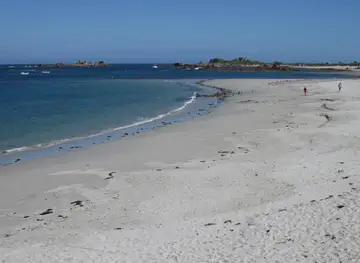
Grandes Rocques is a small coastal destination on Guernsey’s west side, valued for its broad intertidal shore, open sea views and straightforward access to one of the island’s most exposed maritime landscapes. The name is associated with the rocky coastal setting, where sand, shingle and granite outcrops are revealed and reshaped by the tide. The shoreline faces the Atlantic approaches, making it particularly atmospheric when westerly weather moves across the Channel Islands, while calm days bring extensive views towards nearby headlands and offshore waters.Read more about Grandes Rocques
Landscape and Local Character
Exploring the Area
When is the best time to visit Grandes Rocques?
Best: July–September · 21–23°C| Month | High (°C) | Rainfall (mm) |
|---|---|---|
| January | 11 | 81 |
| February | 10 | 71 |
| March | 12 | 61 |
| April | 13 | 51 |
| May | 17 | 41 |
| June | 20 | 30 |
| July (best) | 22 | 20 |
| August (best) | 23 | 23 |
| September (best) | 21 | 30 |
| October | 17 | 41 |
| November | 14 | 51 |
| December | 12 | 61 |
Getting to and around Grandes Rocques
How to get there
Transportation
Best attractions in Grandes Rocques
The principal attraction at Grandes Rocques is the shore itself, where granite outcrops, sand and intertidal ground create a changing coastal scene governed by the tide. It is well suited to quiet exploration, sea watching and photography, with the open western aspect often producing striking light in the late afternoon. The beach can be combined with nearby Cobo Bay, a larger and more sheltered west-coast beach with a stronger concentration of visitor facilities, and Vazon Bay, another prominent coastal stop. Inland, Guernsey’s narrow lanes lead through agricultural parishes marked by granite walls, traditional houses and small fields. The wider western coastline also contains wartime remains and viewpoints, although these should be visited as separately identified sites rather than assumed to stand within Grandes Rocques. For museums, historic streets and cultural attractions, St Peter Port is the island’s main visitor centre and lies beyond the immediate beach setting.
-
Tourist attraction
Beau Sejour Leisure Centre
Guernsey's premier leisure destination: fitness, sports, entertainment, and community activities for all ages and abilities.
-
Tourist attraction
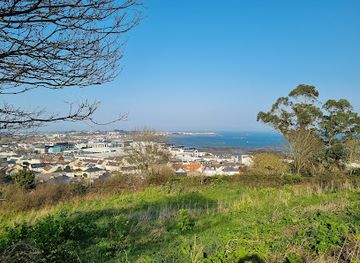
Le Creux es Faies
Explore Le Creux ès Faies, a Neolithic passage tomb on Guernsey's west coast, steeped in ancient history and enchanting folklore.
-
Tourist attraction
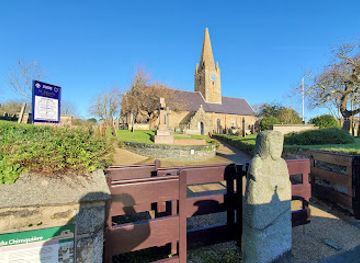
La Gran’mère du Chimquière
Discover Guernsey's ancient past at La Gran'mère du Chimquière, a Neolithic statue steeped in folklore and tradition, located at St. Martin's Church.
-
Tourist attraction
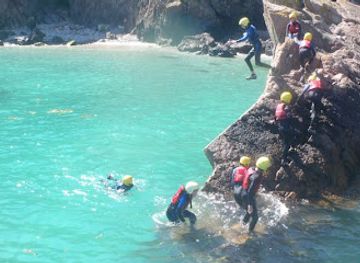
Outdoor Guernsey Ltd
Unforgettable Guernsey adventures: kayaking, climbing, coasteering & more. Explore the island's wild beauty with expert guides. All ages & abilities welcome.
Best landmarks in Grandes Rocques
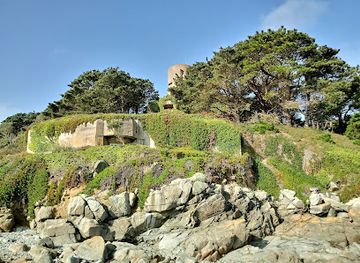
Grandes Rocques is primarily a natural landmark: a west-facing Guernsey shore where granite geology, tidal movement and Atlantic exposure combine in a compact coastal setting. Its significance lies in the visible relationship between rock platform, beach and sea rather than in a major monument or historic building. The wider coastline around Cobo and Vazon provides further examples of Guernsey’s granite headlands, low cliffs and sheltered bays. Guernsey’s coastal identity is also marked by defensive works from the German Occupation, but individual bunkers and batteries should be treated as separately located heritage features and not automatically attributed to Grandes Rocques. Nearby Cobo Bay is a useful companion landmark for understanding the western shore’s larger beach landscape, while the island’s historic churches, granite houses and St Peter Port fortifications provide architectural points of contrast beyond the immediate destination.
-
Museum
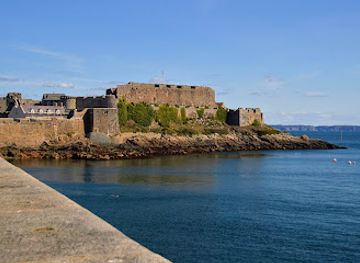
Castle Cornet
Explore the rich history and stunning views of Castle Cornet in Guernsey, where every corner tells a story of the past.
-
Gastropub
The Rockmount - Randalls
Experience the essence of Guernsey at The Rockmount, where local flavors meet stunning coastal views in a vibrant gastropub setting.
-
Chapel
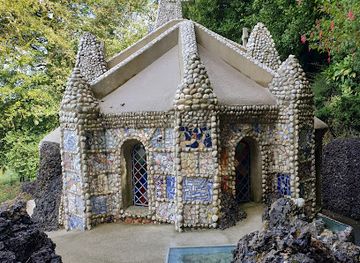
The Little Chapel
Discover the enchanting Little Chapel in Guernsey, a stunning architectural gem adorned with colorful mosaics and surrounded by serene gardens.
-
Park
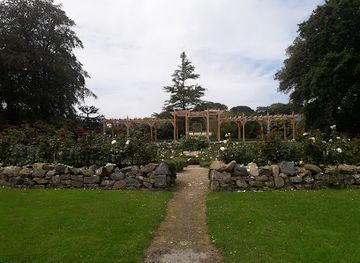
Saumarez Park
Discover the serene beauty and historical charm of Saumarez Park in Guernsey, a perfect retreat for nature lovers and families.
Explore Grandes Rocques on the map
Plan your trip on one map. See where the top attractions, landmarks, restaurants and hotels are, and book hotels and experiences in a few clicks.
Best hotels in Grandes Rocques
Best restaurants in Grandes Rocques
Grandes Rocques itself has limited dining provision, so visitors generally look to nearby Cobo, the surrounding west-coast villages or St Peter Port for meals and refreshments. Guernsey’s food culture reflects its island setting, with local dairy products, carefully grown produce, seafood and shellfish featuring alongside British and French influences. Menus and availability vary, but visitors may encounter Guernsey cream, locally produced cheese, fresh fish and seasonal ingredients in the island’s cafés, pubs and restaurants. Cobo is the most convenient nearby place to combine a beach visit with established hospitality, while St Peter Port offers the broadest range of cafés, restaurants and food shops. Those exploring the coast for several hours should carry water and provisions rather than expecting a restaurant directly at the shore, particularly outside the busier visitor season.
-
Brasserie
Dix Neuf
Discover Dix Neuf in Guernsey: A delightful brasserie offering breakfast, lunch, and wine experiences that showcase local flavors.
-
Gastropub
The Rockmount - Randalls
Experience coastal dining like never before at The Rockmount in Guernsey—where local flavors meet stunning views.
-
Restaurant
Crabby Jack's
Experience coastal dining at Crabby Jack's in Guernsey - where fresh seafood meets stunning ocean views.
-
Brasserie
Christies Brasserie
Experience exquisite local cuisine at Christies Brasserie in Guernsey – where fresh ingredients meet stunning views.
Best bars in Grandes Rocques
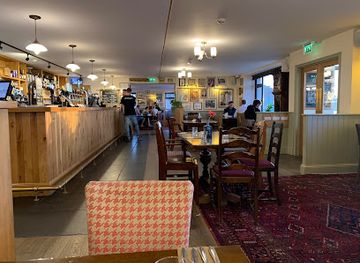
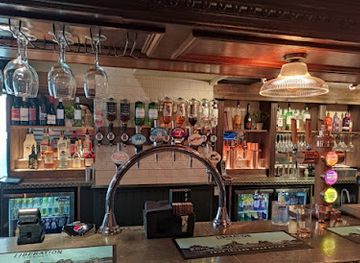
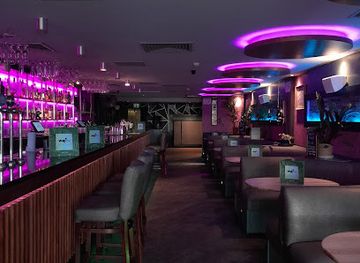
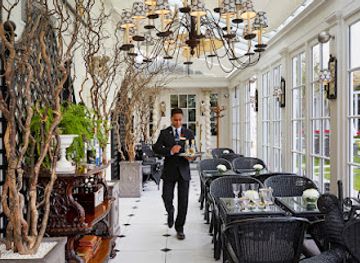
Grandes Rocques is a quiet coastal area rather than a nightlife destination, and there is no substantial cluster of bars or nightclubs directly on the beach. Evening activity is more likely to centre on pubs, restaurants and hotel bars in nearby Cobo and other western settlements, where the atmosphere is generally relaxed and tied to dining, conversation and sea views. For a wider choice of pubs, wine bars, live entertainment and late-evening venues, visitors should travel to St Peter Port, Guernsey’s main urban centre. The island’s evenings are often best suited to a coastal sunset walk followed by a meal or drink in a nearby settlement, with venue availability and transport options varying by season.
-
Gastropub
The Rockmount - Randalls
Experience the best of Guernsey's culinary scene at The Rockmount, a vibrant gastropub offering fresh, local flavors and stunning coastal views.
-
Pub
Thomas De La Rue
Experience the charm of Thomas De La Rue, Guernsey's premier gastropub with delightful food, drinks, and a vibrant atmosphere.
-
Pub
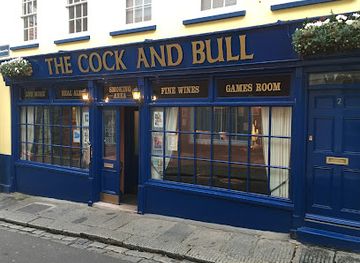
The Cock and Bull
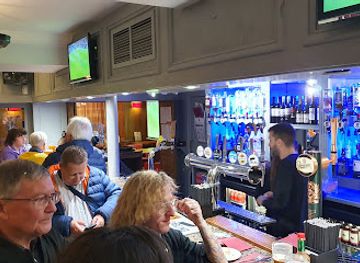
Discover the lively atmosphere of The Cock and Bull, a premier pub in St. Peter Port, known for its extensive beer selection and live music events.
-
Grill
The Doghouse
Experience the vibrant culinary scene at The Doghouse, Guernsey's top gastropub known for its delicious grill dishes and live music.
Best nightclubs in Grandes Rocques
Grandes Rocques is a quiet coastal area rather than a nightlife destination, and there is no substantial cluster of bars or nightclubs directly on the beach. Evening activity is more likely to centre on pubs, restaurants and hotel bars in nearby Cobo and other western settlements, where the atmosphere is generally relaxed and tied to dining, conversation and sea views. For a wider choice of pubs, wine bars, live entertainment and late-evening venues, visitors should travel to St Peter Port, Guernsey’s main urban centre. The island’s evenings are often best suited to a coastal sunset walk followed by a meal or drink in a nearby settlement, with venue availability and transport options varying by season.
-
Cocktail bar
Amigos
Experience the vibrant nightlife of Guernsey at Amigos, where expertly crafted cocktails and a lively atmosphere await you.
-
Bar
Mojito
Experience the vibrant nightlife of Guernsey at Mojito, where delicious cocktails and a lively atmosphere await you.
-
Bar
PingQuay
Discover the vibrant atmosphere and stunning waterfront views at PingQuay, Guernsey's premier bar destination for tourists.
-
Bar
The Crown Club at Old Government House Hotel
Discover The Crown Club at Old Government House Hotel, Guernsey's premier bar and lounge, offering exquisite cocktails and gourmet dining in a luxurious setting.


Best shops in Grandes Rocques
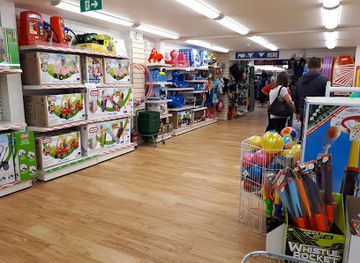
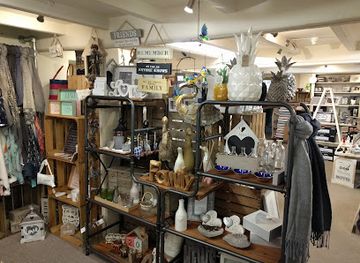
Shopping at Grandes Rocques is limited to what may be available in the surrounding west-coast settlements, so the beach should not be approached as a retail destination. Nearby villages and visitor hubs may provide basic provisions, cafés and locally made products, while St Peter Port has Guernsey’s most concentrated selection of independent shops, galleries, food retailers and practical outdoor suppliers. Regional purchases can include Guernsey dairy products, local food, crafts, artwork and island-themed goods, although exact stock varies between businesses and seasons. Farm shops and small producers are often found along the island’s rural roads rather than at the shoreline itself. Visitors planning a longer coastal walk should obtain supplies before setting out and should not rely on finding a permanent shop immediately beside Grandes Rocques.
-
Department store
Aladdin's Cave
Discover the charm of Aladdin's Cave in Guernsey, a unique department store offering an eclectic selection of goods for every taste.
-
Gift shop
Guernsey Candles
Explore Guernsey Candles - A Treasure Trove of Handcrafted Candles and Unique Gifts in the Heart of Guernsey.
-
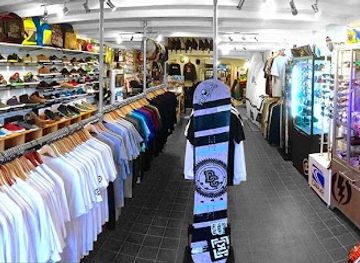
Surf shop
Yakwax Surf & Skate Shop
Explore the best in surf and skate culture at Yakwax Surf & Skate Shop, featuring top brands and expert advice in Guernsey.
-
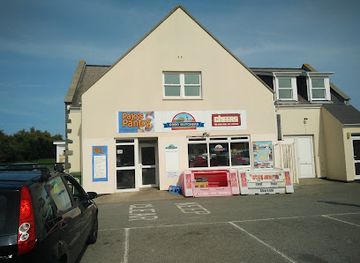
Liquor store
Cheers Grandes Rocques
Explore Cheers Grandes Rocques in Guernsey for an exceptional selection of local wines, beers, and spirits, perfect for every traveler’s taste.
Get your free copy of our complete guide to Grandes Rocques, delivered straight to you.
Everything on this page, from attractions and restaurants to essentials and local phrases, in one PDF you can read offline, print or share.
Already have an account? Sign in
Your Grandes Rocques guide is ready.
We'll send it to · Not you? Sign out

Getting your guide ready…
We are putting together a fresh copy of the Grandes Rocques guide. This can take up to a minute.
This can take a few moments. If your browser asks, choose Allow so the download can start. You'll find the guide in your Downloads folder.
Nothing happened? Download it again
Sorry, the guide is taking longer than usual. Please try again in a minute, or get it by email instead.
Grandes Rocques essentials
Currency and Payment
Safety
Emergency Situations
Do's and Don'ts
Local Tips
From Eve
Local phrases worth knowing
You don't need to get them perfect. A few words go a long way, and locals appreciate the effort.
Basics
| English | Local | Say it |
|---|---|---|
| Hello | Salut | [sa-lu] |
| Goodbye | Aurevoir | [o-re-vwah] |
| Yes | Oui | [wee] |
| No | Non | [non] |
| Please/You're welcome | S'il vous plaît/De rien | [seel voo pleh / de ree-ehn] |
| Thank you | Merci | [mehr-see] |
| Excuse me/Sorry | Excusez-moi/Désolé | [ex-cu-zay mwah / deh-zoh-leh] |
| How are you? | Comment ça va? | [kom-mohn sa vah] |
| Fine. And you? | Bien, et toi? | [byen, ey twah] |
| Do you speak English? | Parlez-vous anglais? | [par-lay voo ahn-glay] |
| I don't understand | Je ne comprends pas | [zhuh nuh kohm-prahnd pah] |
Eating & Drinking
| English | Local | Say it |
|---|---|---|
| I'd like to see the menu, please | Je voudrais voir le menu, s'il vous plaît | [zhuh voo-dray vwar luh men-yoo, seel voo pleh] |
| I don't eat meat | Je ne mange pas de viande | [zhuh nuh mahnj pah duh vee-ahnd] |
| Cheers! | Santé! | [sahn-tay] |
| I would like to pay, please | Je voudrais payer, s'il vous plaît | [zhuh voo-dray pay-ay, seel voo pleh] |
Emergencies
| English | Local | Say it |
|---|---|---|
| Help! | Au secours! | [oh se-kur] |
| Go away! | Allez-vous en! | [al-lay voo ahn] |
| Call the Police! | Appelez la Police! | [ah-peh-lay lah po-lees] |
| Call a doctor! | Appelez un médecin! | [ah-peh-lay uh meh-deh-sahn] |
| I'm lost | Je suis perdu | [zhuh swee pair-doo] |
| I'm ill | Je suis malade | [zhuh swee mah-lahd] |
Shopping
| English | Local | Say it |
|---|---|---|
| I'd like to buy... | Je voudrais acheter... | [zhuh voo-dray ash-tay...] |
| I'm just looking | Je regarde juste | [zhuh ruh-gard zhoost] |
| How much is it? | Combien ça coûte? | [kom-byen sa koot] |
| That's too expensive | C'est trop cher | [say troh sher] |
| Can you lower the price? | Pouvez-vous baisser le prix? | [poo-veh voo beh-say luh pree] |
Time & Numbers
| English | Local | Say it |
|---|---|---|
| What time is it? | Quelle heure est-il? | [kel er ay-teel] |
| It's one o'clock | Il est une heure | [eel ay tun er] |
| Half past (10) | Dix heures et demi | [dees er ay dem-ee] |
| Morning | Matin | [ma-tan] |
| Afternoon | Après-midi | [ah-pray mee-dee] |
| Evening | Soir | [swah] |
| Yesterday | Hier | [yair] |
| Today | Aujourd'hui | [oh-zhoor-dwee] |
| Tomorrow | Demain | [deh-mahn] |
| 1 | Un | [uhn] |
| 2 | Deux | [duh] |
| 3 | Trois | [twah] |
| 4 | Quatre | [kat] |
| 5 | Cinq | [sank] |
| 6 | Six | [sees] |
| 7 | Sept | [set] |
| 8 | Huit | [weet] |
| 9 | Neuf | [nuf] |
| 10 | Dix | [dees] |
Transport & Directions
| English | Local | Say it |
|---|---|---|
| Where's a/the...? | Où est le/la...? | [oo ay luh / lah] |
| What's the address? | Quelle est l'adresse? | [kel ay la-dress] |
| Can you show me (on the map)? | Pouvez-vous me montrer (sur la carte)? | [poo-veh voo muh mohn-tray (soor lah kart)] |
| When's the next (bus)? | Quand est le prochain (bus)? | [kahn ay luh pro-shahn (bus)] |
| A ticket (to ....) | Un billet (pour ....) | [uhn bee-yay (poor)] |
History of Grandes Rocques
Granite Shores and Tidal Change
Grandes Rocques belongs to Guernsey’s wider western coastal landscape, formed from ancient granite and shaped over long geological periods by weathering, marine erosion and changing sea levels. The visible meeting of rock, sand and tide is therefore part of a much older physical story than the island’s human history. Guernsey’s exposed west coast has developed a distinctive pattern of small bays, headlands and intertidal platforms, with the appearance of individual beaches changing according to tide, storm conditions and sediment movement.
Early Settlement on Guernsey
Guernsey has been occupied since prehistoric times, and evidence across the island includes megalithic monuments, burial sites and other traces of early communities. Grandes Rocques was not a separate historic town, but its shore formed part of an island environment in which coastal resources, agriculture and maritime movement were important. The surrounding parishes retain the field patterns, lanes and scattered settlement that developed through centuries of farming, while the coast provided seasonal access to seaweed, shellfish and fishing grounds where local conditions permitted.
A Maritime and Agricultural Island
Through the medieval and early modern periods, Guernsey’s economy combined agriculture, fishing, coastal trade and seafaring. The western bays were connected to nearby farming communities by lanes and tracks rather than by dense urban development. Guernsey’s position between Britain and France brought commercial opportunity as well as strategic vulnerability, and the island’s coastal settlements were shaped by the demands of shelter, land use and defence. The open shore at Grandes Rocques remains easier to understand when viewed within this wider relationship between island communities and the sea.
War, Tourism and Conservation
Guernsey’s German Occupation from 1940 to 1945 left defensive structures across the coastline, though individual remains should be identified on site rather than assumed to belong to Grandes Rocques itself. After the war, Guernsey’s beaches increasingly became part of a visitor economy founded on walking, sea bathing, scenery and mild maritime conditions. Modern appreciation of Grandes Rocques centres on access to the coast while recognising the need to manage tidal risks, protect wildlife and respect the wider island landscape.
Grandes Rocques in Photos
Browse through our photo collection highlighting the charm and character of the destination.
Cities in Grandes Rocques
The towns and cities of Grandes Rocques, and the easiest places to base yourself.
-

-

-

-

-

-


Swipe for more cities
Neighbouring destination travel guides
The closest destinations to Grandes Rocques, if you have time for more than one.
-

-
-

-

-


Swipe for more destinations
Explore more

Explore more of Guernsey
Discover Guernsey, where French and British cultures blend seamlessly amidst stunning coastal scenery, rich history, and delectable cuisine in the charming Channel Islands.
Explore Guernsey