

Rousse Tower Travel Guide - Free Web & App
Your ultimate guide to Rousse Tower. Discover top landmarks, proposed trips, and local tips. Free on the web or via the Evendo companion app.


Rousse Tower, Guernsey: discover a late-eighteenth-century coastal defence tower, granite headlands, nearby bays, island walks and maritime heritage.
A Coastal Defence Tower
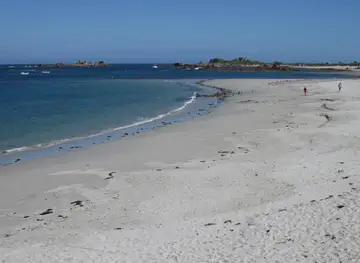
Rousse Tower stands above Guernsey’s rugged north-western shore, where granite cliffs, rocky shelves and small bays give the coastline a distinctly maritime character. It is one of the island’s compact coastal defence towers, built during a period when Guernsey’s exposed position in the English Channel made protection from seaborne attack a pressing concern. Rather than being a large fortress or an occupied settlement, Rousse Tower is a small military structure viewed as part of the wider coastal landscape.Read more about Rousse Tower
Exploring the Surrounding Shore
A Small Landmark in a Wider Landscape
When is the best time to visit Rousse Tower?
Best: June–August · 20–22°C| Month | High (°C) | Rainfall (mm) |
|---|---|---|
| January | 12 | 89 |
| February | 12 | 77 |
| March | 13 | 68 |
| April | 15 | 57 |
| May | 18 | 45 |
| June (best) | 20 | 33 |
| July (best) | 22 | 29 |
| August (best) | 22 | 31 |
| September | 21 | 42 |
| October | 18 | 62 |
| November | 15 | 81 |
| December | 13 | 90 |
Getting to and around Rousse Tower
How to get there
Transportation
Best attractions in Rousse Tower
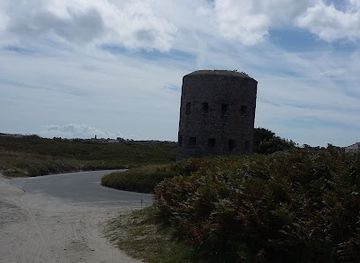
The principal attraction is Rousse Tower itself, a compact coastal defence structure set above Guernsey’s north-western shore. Its interest comes from its military purpose and its position within a landscape of granite outcrops, sea-worn rocks and open Channel views. Nearby Rousse Bay provides a contrasting, more sheltered stretch of coast, while Port Soif and the surrounding west-coast lanes offer opportunities for walking, beach visits and landscape photography. The area is not a large visitor complex, and there is no broad collection of museums or commercial attractions at the tower, so it is best explored as part of a coastal route. Visitors can look for changing tidal patterns and seabirds from suitable viewpoints, while the wider shoreline reveals the relationship between Guernsey’s historic defences and its exposed maritime geography. The surrounding countryside, small bays and traditional lanes add variety to a visit centred on this modest but characterful landmark.
-
Fortress
Loophole Tower No.9 - Jaonneuse Bay
Explore the historic Loophole Tower No.9 at Jaonneuse Bay, a remarkable fortress offering stunning coastal views and a glimpse into Guernsey's military past.
-
Nature preserve
Jardin de Lorette
Immerse yourself in nature's beauty at Jardin de Lorette, a serene preserve in Guernsey perfect for relaxation and exploration amidst vibrant flora.
-
 Hiking area
La Garenne d’Anneville Nature Reserve
Discover the serene landscapes and diverse wildlife at La Garenne d’Anneville Nature Reserve, the perfect hiking escape in Guernsey.
-
Garden
North Side Garden
Explore the serene beauty of North Side Garden in Guernsey, a tranquil oasis perfect for relaxation, picnics, and enjoying nature's wonders.
Best landmarks in Rousse Tower
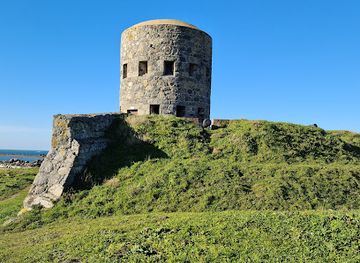
Rousse Tower is the defining man-made landmark, an eighteenth-century military structure whose narrow openings and compact form reflect Guernsey’s historic coastal-defence system. Its setting is equally important: the tower overlooks the granite shoreline of Rousse, where headlands, rock platforms and small bays demonstrate the island’s strong maritime character. Rousse Bay is a notable nearby coastal feature, and Port Soif provides another recognisable point along this part of Guernsey’s shore. Together, these places show how defensive buildings were positioned within a landscape shaped by tides, sea exposure and difficult coastal terrain. The tower is modest compared with Guernsey’s larger forts and batteries, but that scale makes its relationship with the surrounding coast particularly clear. Visitors should view the structure from appropriate public areas and avoid treating a historic defence work as a climbing site.
-
Museum
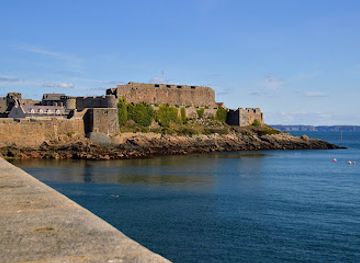
Castle Cornet
Explore the rich history and stunning views at Castle Cornet, Guernsey's iconic fortress showcasing centuries of military heritage.
-
War museum
German Occupation Museum
Discover the untold stories of Guernsey's wartime past at the German Occupation Museum, a unique insight into resilience and history.
-
Island
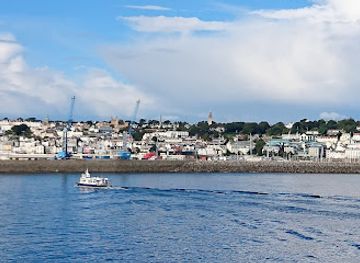
Guernsey
Explore the stunning island of Guernsey, where breathtaking landscapes meet rich history and vibrant local culture for an unforgettable travel experience.
-
Historical place museum
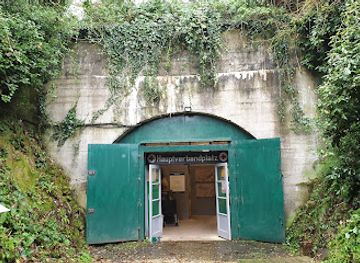
German Underground Hospital
Discover the hidden depths of history at the German Underground Hospital, Guernsey's remarkable World War II museum and historical landmark.
Explore Rousse Tower on the map
Plan your trip on one map. See where the top attractions, landmarks, restaurants and hotels are, and book hotels and experiences in a few clicks.
Best hotels in Rousse Tower
Best restaurants in Rousse Tower
Rousse Tower has no restaurant or café facilities of its own, so dining is generally combined with a visit to Guernsey’s nearby west-coast settlements or with a return to St Peter Port. Around the coastal bays, visitors should plan for a picnic or arrange food before setting out, taking care not to leave litter. Cafés, pubs, bakeries and restaurants are more concentrated in populated parts of the island, where menus may draw on local seafood, dairy produce, seasonal vegetables and the island’s wider Channel Island food traditions. Farm shops and village stores can be useful for provisions where available, although opening arrangements vary. St Peter Port offers the broadest choice of dining styles, while the rural west coast is better suited to a planned meal stop than spontaneous restaurant-hopping close to the tower.
-
Gastropub
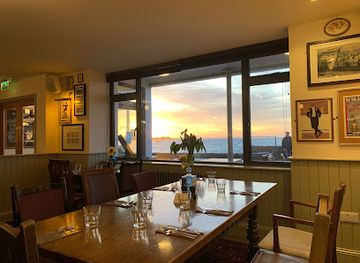
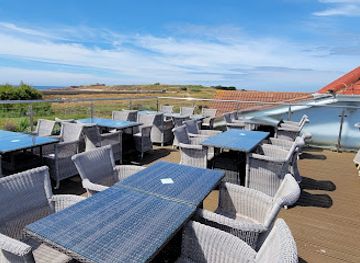
The Rockmount - Randalls
Discover The Rockmount - Randalls: where exquisite gastropub dining meets stunning coastal views in Guernsey.
-
Restaurant
Crabby Jack's
Discover culinary delights at Crabby Jack's by Vazon Bay—where fresh seafood meets breathtaking coastal views.
-
Restaurant
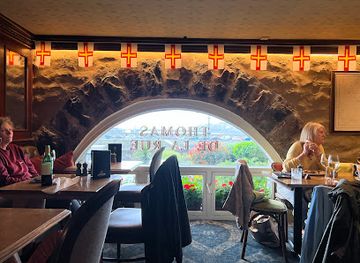
Thomas De La Rue
Experience the best of Guernsey's culinary delights at Thomas De La Rue - where tradition meets modern gastropub culture.
-
Restaurant
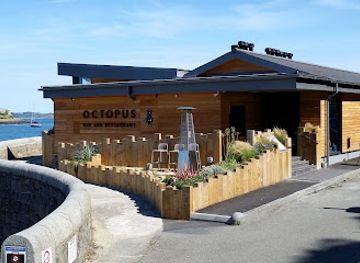
Octopus Restaurant
Experience exquisite seafood dining with stunning coastal views at Octopus Restaurant in St. Peter Port.
Best bars in Rousse Tower
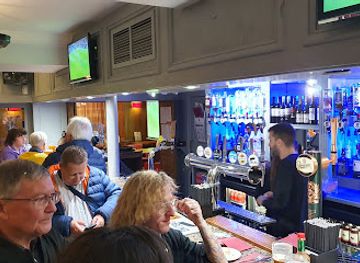
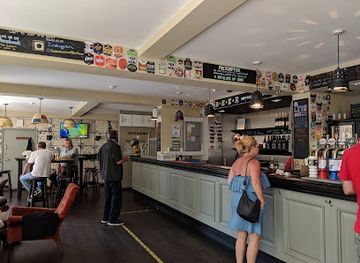
Rousse Tower is a quiet coastal landmark with no nightlife infrastructure, and the surrounding west-coast area is better suited to an evening walk, sunset views or a relaxed drink in an established pub or inn than to late-night entertainment. Evening venues are concentrated in Guernsey’s larger settlements, especially St Peter Port, rather than around the tower itself. Traditional pubs and hotel bars provide the most characteristic local atmosphere, while entertainment and opening arrangements can vary according to the season. Anyone planning to return from the coast after dark should arrange transport in advance, since rural roads are quieter and services are less concentrated than in the capital. The shoreline should only be explored at night with appropriate care, good visibility and awareness of cliffs, tides and uneven ground.
-
Pub
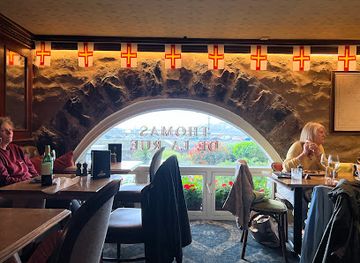
Thomas De La Rue
Experience the vibrant atmosphere, delicious gastropub cuisine, and engaging events at Thomas De La Rue in Guernsey.
-
Pub
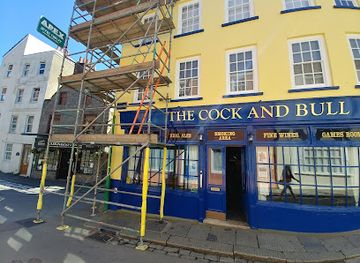
The Cock and Bull
Experience the vibrant atmosphere and local flavors at The Cock and Bull, a must-visit pub in St. Peter Port, Guernsey.
-
Grill
The Doghouse
Explore Guernsey's vibrant culinary scene at The Doghouse, where grilled delights meet live music in a welcoming gastropub atmosphere.
-
Pub
The Golden Lion
Experience the heart of Guernsey's pub culture at The Golden Lion, where local flavors and a vibrant atmosphere await every visitor.
Best nightclubs in Rousse Tower
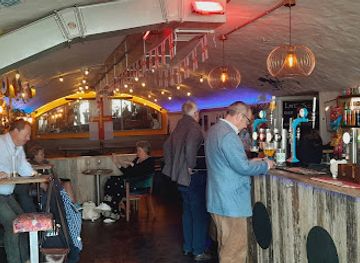
Rousse Tower is a quiet coastal landmark with no nightlife infrastructure, and the surrounding west-coast area is better suited to an evening walk, sunset views or a relaxed drink in an established pub or inn than to late-night entertainment. Evening venues are concentrated in Guernsey’s larger settlements, especially St Peter Port, rather than around the tower itself. Traditional pubs and hotel bars provide the most characteristic local atmosphere, while entertainment and opening arrangements can vary according to the season. Anyone planning to return from the coast after dark should arrange transport in advance, since rural roads are quieter and services are less concentrated than in the capital. The shoreline should only be explored at night with appropriate care, good visibility and awareness of cliffs, tides and uneven ground.
-
Cocktail bar
Amigos
Experience the vibrant cocktail culture of Guernsey at Amigos, where innovative drinks and a lively atmosphere await.
-
Historical place
Rousse Tower
Explore the historic Rousse Tower in Guernsey, a remarkable site offering stunning coastal views and a glimpse into the island's military past.
-
Bar
Mojito
Experience the vibrant nightlife of Guernsey at Mojito, where expertly crafted cocktails and lively ambiance await.
-
Bar
PingQuay
Experience the lively ambiance and stunning waterfront views at PingQuay, Guernsey's go-to bar for relaxation and refreshment.


Best shops in Rousse Tower
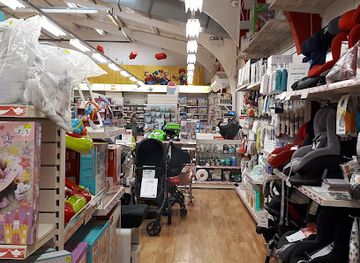
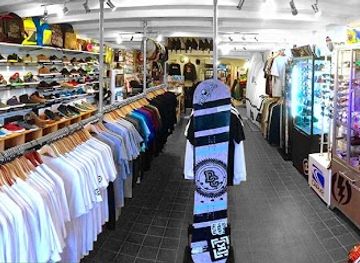
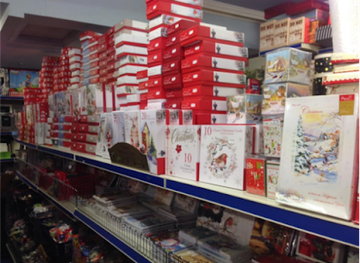
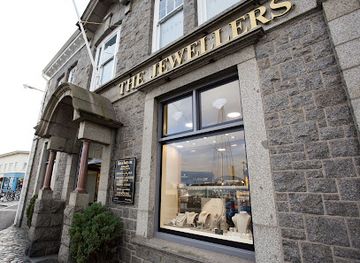
There is no established shopping district at Rousse Tower, and retail facilities around this rural stretch of coast are limited. Visitors should obtain picnic supplies, walking essentials and any specialist equipment before travelling from St Peter Port or another larger settlement. Across Guernsey, independent shops, farm shops, galleries and food producers offer opportunities to buy locally made goods and regional produce, while the capital provides the island’s broadest concentration of retail businesses. Useful purchases may include island food products, crafts, artwork and practical outdoor clothing, but availability varies between businesses and seasons. Shopping close to Rousse should therefore be treated as incidental rather than a central part of the visit, with the tower and surrounding coastline providing the principal reasons to come.
-
Department store
Aladdin's Cave
Shop at Aladdin's Cave, Guernsey's beloved department store, for unique gifts and local treasures in a welcoming atmosphere.
-
Surf shop
Yakwax Surf & Skate Shop
Discover the spirit of adventure at Yakwax Surf & Skate Shop, your destination for surf and skate gear in Guernsey.
-
General store
Keyprice
Explore Keyprice in Guernsey for a delightful shopping experience filled with local products, groceries, and essential items for every traveler.
-
Jeweler
Ray & Scott
Explore Ray & Scott Jewelers in Guernsey for unique, handcrafted jewelry that captures the essence of elegance and sophistication.
Get your free copy of our complete guide to Rousse Tower, delivered straight to you.
Everything on this page, from attractions and restaurants to essentials and local phrases, in one PDF you can read offline, print or share.
Already have an account? Sign in
Your Rousse Tower guide is ready.
We'll send it to · Not you? Sign out

Getting your guide ready…
We are putting together a fresh copy of the Rousse Tower guide. This can take up to a minute.
This can take a few moments. If your browser asks, choose Allow so the download can start. You'll find the guide in your Downloads folder.
Nothing happened? Download it again
Sorry, the guide is taking longer than usual. Please try again in a minute, or get it by email instead.
Rousse Tower essentials
Currency and Payment
Safety
Emergency Situations
Do's and Don'ts
Local Tips
From Eve
Local phrases worth knowing
You don't need to get them perfect. A few words go a long way, and locals appreciate the effort.
Basics
| English | Local | Say it |
|---|---|---|
| Hello | Salut | [sa-loo] |
| Goodbye | Aurevoir | [oh-rev-wahr] |
| Yes | Oui | [wee] |
| No | Non | [nohn] |
| Please/You're welcome | S'il vous plaît/De rien | [see-voo pleh/duh ree-en] |
| Thank you | Merci | [mehr-see] |
| Excuse me/Sorry | Excusez-moi/Désolé | [ex-kew-zay mwah/day-zoh-lay] |
| How are you? | Comment ça va? | [koh-mohn sah vah] |
| Fine. And you? | Bien. Et toi? | [byen. ay twah] |
| Do you speak English? | Parlez-vous anglais? | [par-lay voo ahn-glay] |
| I don't understand | Je ne comprends pas | [zhuh nuh kohm-prahnd pah] |
Eating & Drinking
| English | Local | Say it |
|---|---|---|
| I'd like to see the menu, please | Je voudrais voir le menu, s'il vous plaît | [zhuh voo-dray vwahr luh meh-nyoo, see-voo pleh] |
| I don't eat meat | Je ne mange pas de viande | [zhuh nuh mahnj pah duh vee-and] |
| Cheers! | Santé! | [sahn-tay] |
| I would like to pay, please | Je voudrais payer, s'il vous plaît | [zhuh voo-dray pay-ay, see-voo pleh] |
Emergencies
| English | Local | Say it |
|---|---|---|
| Help! | Au secours! | [oh suh-coor] |
| Go away! | Va-t'en! | [vah-tahn] |
| Call the Police! | Appelez la police! | [ah-peh-lay lah poh-lees] |
| Call a doctor! | Appelez un médecin! | [ah-peh-lay uh may-suh-dahn] |
| I'm lost | Je suis perdu | [zhuh swee pair-doo] |
| I'm ill | Je suis malade | [zhuh swee mah-lahd] |
Shopping
| English | Local | Say it |
|---|---|---|
| I'd like to buy... | Je voudrais acheter... | [zhuh voo-dray ash-tay...] |
| I'm just looking | Je regarde juste | [zhuh ruh-gard zhew-st] |
| How much is it? | Combien ça coûte? | [kohn-byen sah koot] |
| That's too expensive | C'est trop cher | [say troh shair] |
| Can you lower the price? | Pouvez-vous baisser le prix? | [poo-vay voo bay-say luh pree] |
Time & Numbers
| English | Local | Say it |
|---|---|---|
| What time is it? | Quelle heure est-il? | [kell er ay teel] |
| It's one o'clock | Il est une heure | [eel ay tun er] |
| Half past (10) | Dix heures et demi | [dees er ay dem-ee] |
| Morning | Matin | [mah-tan] |
| Afternoon | Après-midi | [ah-pray mee-dee] |
| Evening | Soir | [swah] |
| Yesterday | Hier | [yehr] |
| Today | Aujourd'hui | [oh-zhoor-dwee] |
| Tomorrow | Demain | [duh-mahn] |
| 1 | Un | [uhn] |
| 2 | Deux | [duh] |
| 3 | Trois | [twah] |
| 4 | Quatre | [kat] |
| 5 | Cinq | [sank] |
| 6 | Six | [sees] |
| 7 | Sept | [sett] |
| 8 | Huit | [weet] |
| 9 | Neuf | [nuff] |
| 10 | Dix | [dees] |
Transport & Directions
| English | Local | Say it |
|---|---|---|
| Where's a/the...? | Où est un/le...? | [oo ay uh/luh] |
| What's the address? | Quelle est l'adresse? | [kell ay lad-res] |
| Can you show me (on the map)? | Pouvez-vous me montrer (sur la carte)? | [poo-vay voo muh mohn-tray (soor lah kart)] |
| When's the next (bus)? | Quand est le prochain (bus)? | [kahn ay luh proh-shan (bus)] |
| A ticket (to ....) | Un billet (pour ....) | [uhn bee-yay (poor)] |
History of Rousse Tower
An Exposed Channel Coast
Guernsey’s position close to the French coast made its shores strategically important for centuries. The island’s granite headlands and bays offered useful observation points, but their openness also left them vulnerable to maritime attack and privateering. Rousse’s later military importance therefore developed from its location on the island’s western seaboard, where activity in the English Channel could be monitored and defended.
The Coastal Defence Towers
Rousse Tower belongs to the group of small loophole towers constructed around Guernsey during the late eighteenth century, when Britain was engaged in repeated conflicts with France and other European powers. These compact stone towers were intended to provide local defensive positions for infantry armed through narrow openings, complementing larger batteries and forts rather than replacing them. Their simple form reflects a practical response to the island’s long, irregular coastline.
Changing Military Priorities
As artillery, naval warfare and defensive planning developed, small loophole towers became only one element in a more extensive system of batteries, forts and watch positions across Guernsey. The tower at Rousse remained part of the island’s historic military landscape, even as the immediate strategic circumstances that had led to its construction changed. Its surviving presence records the way local communities adapted exposed coastal ground for national defence.
A Heritage Landmark Today
Rousse Tower is now valued chiefly as a reminder of Guernsey’s coastal history and as a feature within a wider landscape of bays, cliffs and granite shore. Its significance is not based on grand scale but on the way it connects military history with the island’s geography. Visitors encounter it alongside public coastal routes and nearby beaches, while its preservation forms part of Guernsey’s broader care for historic structures and maritime heritage.
Rousse Tower in Photos
Browse through our photo collection highlighting the charm and character of the destination.
Cities in Rousse Tower
The towns and cities of Rousse Tower, and the easiest places to base yourself.
-

-

-

-

-

-


Swipe for more cities
Neighbouring destination travel guides
The closest destinations to Rousse Tower, if you have time for more than one.
-

-

-

-
-


Swipe for more destinations
Explore more

Explore more of Guernsey
Discover Guernsey, where French and British cultures blend seamlessly amidst stunning coastal scenery, rich history, and delectable cuisine in the charming Channel Islands.
Explore Guernsey