

Free Forest Travel Guide & Mobile App
Plan your Forest trip with Evendo. Get free guides to top attractions, restaurants, hotels, and bars. Web access or download the mobile app.


Forest, Guernsey, combines cliff walks, rural lanes, island history and easy access to beaches, churches and the airport, with quiet coastal scenery.
A Quiet Southern Parish
Forest is one of Guernsey’s ten parishes, occupying a largely rural corner of the island between the airport, the southern cliffs and the inland lanes leading towards Saint Andrew and Saint Martin. It is not a conventional town with a dense centre; instead, its identity is shaped by scattered houses, fields, narrow roads, parish amenities and a coastline where high headlands descend towards secluded bays. The parish offers a slower, more spacious introduction to Guernsey than Saint Peter Port, while remaining close to the island’s principal transport links.Read more about Forest
Cliffs, Valleys and Coastal Paths
Parish Heritage and Island History
When is the best time to visit Forest?
Best: June–August · 21–24°C| Month | High (°C) | Rainfall (mm) |
|---|---|---|
| January | 11 | 92 |
| February | 10 | 78 |
| March | 12 | 68 |
| April | 15 | 57 |
| May | 18 | 49 |
| June (best) | 21 | 37 |
| July (best) | 24 | 34 |
| August (best) | 24 | 37 |
| September | 20 | 52 |
| October | 17 | 67 |
| November | 14 | 92 |
| December | 12 | 98 |
Getting to and around Forest
How to get there
Transportation
Best attractions in Forest
Forest’s attractions are chiefly landscape-based and are best experienced at walking pace. The southern cliff paths pass through open heath, fields and granite-lined lanes, with changing views across the Channel and down towards small bays such as Petit Bôt. Forest Church, dedicated to Saint Margaret of Antioch, provides a quiet architectural and historical stop within the parish, while Guernsey Airport offers a practical point of arrival and an unusual feature of the rural landscape. The parish’s wartime remains and coastal structures form part of Guernsey’s broader Occupation heritage, although many are modest and should be viewed from public paths rather than entered. Visitors can also use Forest as a springboard to nearby island attractions, including the German Occupation Museum and German Underground Hospital in neighbouring parishes, or Saint Peter Port’s museums and harbour. The appeal lies in the contrast between open cliff scenery, settled countryside and easy access to the rest of Guernsey.
-
Chapel
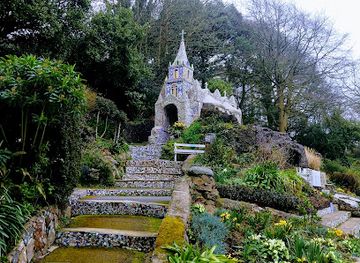
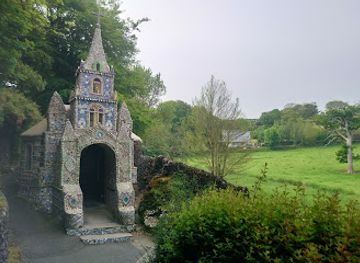
The Little Chapel
Discover Guernsey's enchanting Little Chapel: a miniature marvel of mosaic art, faith, and history in a peaceful valley setting.
5 min drive · 1.7 km from city centre
-
War museum
German Occupation Museum
Explore wartime Guernsey: Discover stories of resilience at the German Occupation Museum, a unique and poignant historical experience.
8 min walk · 0.6 km from city centre

Best landmarks in Forest
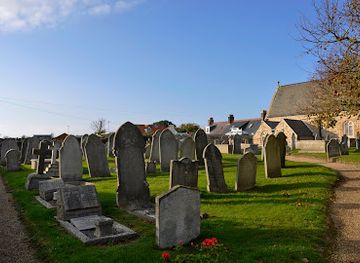
Forest Church, formally associated with Saint Margaret of Antioch, is the parish’s principal historic landmark and reflects the importance of the parish church within Guernsey’s dispersed rural communities. Guernsey Airport is a very different landmark: established before the Second World War and expanded over time, it has become a defining part of Forest’s modern identity and a vital connection with Britain and the neighbouring islands. The parish’s granite walls, old lanes and farm buildings are less monumental but equally characteristic, revealing how local construction and agriculture shaped the landscape. Along the coast, German Occupation structures and defensive remains belong to the island-wide wartime heritage, in which Guernsey was fortified during the period of German control from 1940 to 1945. The southern cliffs and bays themselves are also cultural landmarks, closely tied to the island’s traditions of farming, fishing, navigation and walking.
-
Chapel
The Little Chapel
Discover the artistic beauty and spiritual serenity of The Little Chapel, a unique destination in Guernsey filled with vibrant mosaics and enchanting gardens.
5 min drive · 1.7 km from city centre
-
War museum
German Occupation Museum
Explore the German Occupation Museum in Guernsey for an engaging insight into WWII history and the island's resilient spirit during the occupation.
8 min walk · 0.6 km from city centre
-
Historical place museum
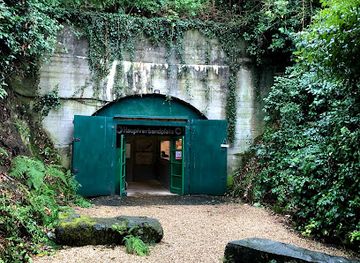
German Underground Hospital
Discover the haunting history of the German Underground Hospital in Guernsey, a unique WWII site showcasing resilience and ingenuity.
7 min drive · 2.2 km from city centre
-
Cafe
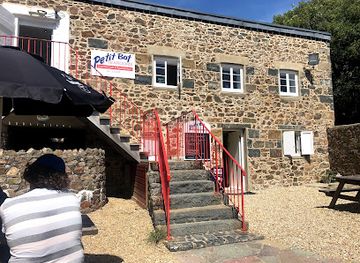
Petit Bot Tearooms
Experience the serene charm of Petit Bot Tearooms, a perfect blend of delicious treats and stunning coastal views in Guernsey.
5 min drive · 1.5 km from city centre
Explore Forest on the map
Plan your Forest trip on one map. See where the top attractions, landmarks, restaurants, bars and hotels are, find what's near where you're staying, and book hotels and experiences in a few clicks.
Best hotels in Forest
Best restaurants in Forest
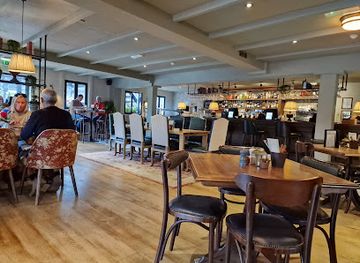
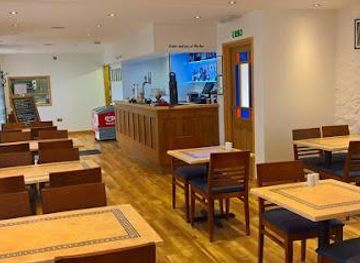
Forest’s dining scene is small-scale and dispersed rather than concentrated in a restaurant quarter. Food is commonly found around the airport, village-style parish facilities, nearby hotels and roadside cafés, while a broader choice lies within a short bus or taxi journey of Saint Peter Port. Local menus draw on the Channel Islands’ maritime position, with seafood, crab, lobster and locally sourced fish appearing alongside dairy products, vegetables and meat from the island and surrounding waters. Guernsey Gâche, a fruit-studded sweet bread, is a traditional bakery speciality, while Guernsey cream features in desserts and afternoon refreshments. The rural setting suits relaxed lunches, café stops and meals attached to country accommodation, with the island’s food culture generally placing more emphasis on fresh produce and regional ingredients than on a single signature dish.
-
Gastropub
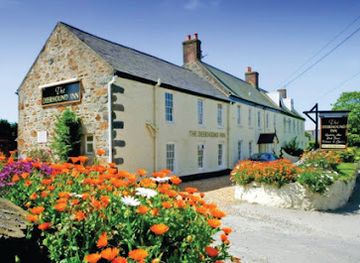
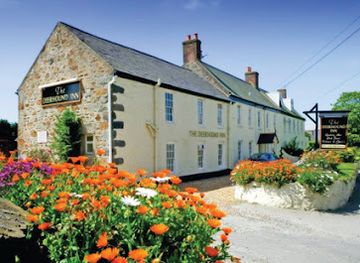
The Deerhound
Discover the charm of The Deerhound in Guernsey - where traditional gastropub meets modern culinary artistry.
11 min walk · 0.9 km from city centre
-
Cafe
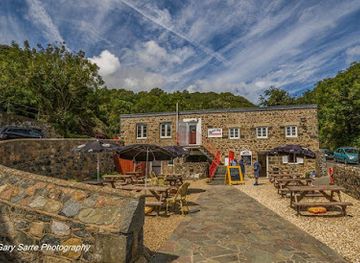
Petit Bot Tearooms
Seaside tea room with bay views and rock pools—Guernsey's perfect coastal refreshment stop.
5 min drive · 1.5 km from city centre
-
 Restaurant
The Farmhouse
Experience the best of Guernsey's culinary delights at The Farmhouse - where tradition meets innovation in every dish.
15 min walk · 1.2 km from city centre
-
Restaurant
Le Gouffre Café
Experience the charm of Le Gouffre Café in Guernsey, where local flavors meet warm hospitality amidst stunning landscapes.
13 min walk · 1.0 km from city centre
Best bars in Forest
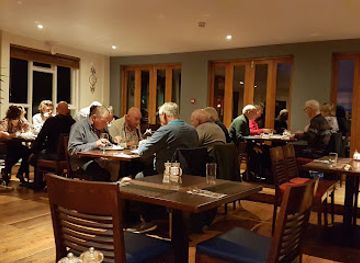
Forest has a quiet evening character, with social life centred on local pubs, hotel bars, parish gatherings and restaurants rather than a dense nightlife district. The airport area and rural roads become subdued after dark, while the greatest choice of pubs, cocktail bars, live music and cultural performances is found in Saint Peter Port. Evenings in Forest are better suited to a leisurely drink, an early meal or a stay in the countryside than to club-hopping. Guernsey’s compact size makes it possible to travel between parishes, but visitors should arrange a taxi or check the late bus situation rather than assume frequent rural services. Coastal walks after dark require particular caution because cliff edges, uneven paths and limited lighting make them unsuitable for casual nighttime exploration.
-
Gastropub
The Deerhound
Discover the culinary delights of The Deerhound in Guernsey, where tradition meets modern gastropub dining in a cozy, inviting atmosphere.
11 min walk · 0.9 km from city centre
-
Bar
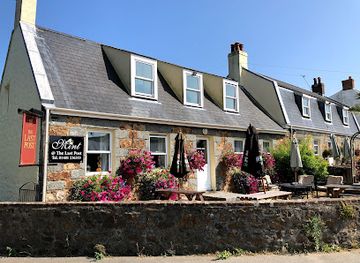
The Last Post - Mint Brasserie
Experience the heart of Guernsey at The Last Post - Mint Brasserie, where local flavors and a cozy atmosphere come together.
6 min drive · 2.1 km from city centre
-
Hotel
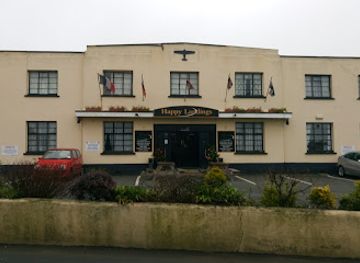
Happy Landings
Experience the perfect blend of comfort and local charm at Happy Landings in Guernsey, where hospitality meets tradition.
7 min walk · 0.6 km from city centre
-
Pub
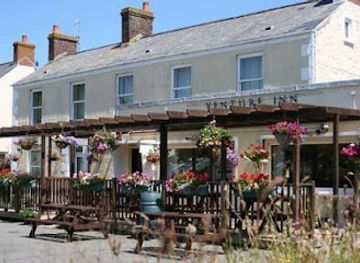
Venture Inn - Randalls
Discover the charm of Venture Inn - Randalls, a cozy pub in Guernsey offering local flavors, friendly service, and a welcoming atmosphere for all.
1 min walk · 0.1 km from city centre
Best shops in Forest
Forest is not a major shopping destination, and its rural character means that retail is mainly practical, local and dispersed. Visitors will find everyday supplies, small businesses and food outlets around parish roads and near the airport, while Saint Peter Port provides Guernsey’s principal concentration of independent shops, galleries, boutiques and larger retailers. Island-made gifts often include locally produced food, confectionery, preserves, textiles, ceramics and crafts, with Guernsey dairy products and traditional baked goods offering more distinctive souvenirs than generic merchandise. The island’s granite heritage is also reflected in craftwork and architectural details, although natural stone should be purchased through reputable sellers rather than removed from walls or the coast. A visit to Forest is therefore better paired with shopping elsewhere on Guernsey than treated as a dedicated retail excursion.
-
Gastropub
The Deerhound
Experience the best of Guernsey at The Deerhound, a charming gastropub and inn serving local flavors in a welcoming atmosphere.
11 min walk · 0.9 km from city centre
-
Cafe
Petit Bot Tearooms
Discover the charm of Petit Bot Tearooms in Guernsey, where delightful treats meet stunning coastal views for a perfect getaway.
5 min drive · 1.5 km from city centre
-
Gas station
Coop En Route Forest
Experience the convenience of Coop En Route Forest in Guernsey, where fueling up meets shopping for local delights amidst stunning landscapes.
1 min walk · 0.1 km from city centre
-
Grocery store
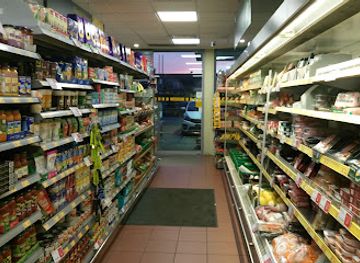
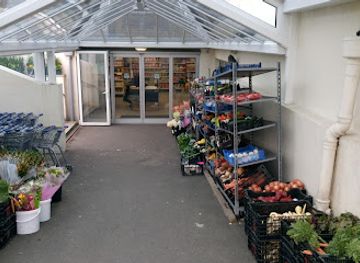
Forest Stores
Experience the local flavors and charm at Forest Stores, the perfect grocery destination in the heart of Guernsey.
8 min walk · 0.6 km from city centre
Get your free copy of our complete guide to Forest, delivered straight to you.
Everything on this page, from attractions and restaurants to essentials and local phrases, in one PDF you can read offline, print or share.
Already have an account? Sign in
Your Forest guide is ready.
We'll send it to · Not you? Sign out

Getting your guide ready…
We are putting together a fresh copy of the Forest guide. This can take up to a minute.
This can take a few moments. If your browser asks, choose Allow so the download can start. You'll find the guide in your Downloads folder.
Nothing happened? Download it again
Sorry, the guide is taking longer than usual. Please try again in a minute, or get it by email instead.
Forest essentials
Currency and Payment
Safety
Emergency Situations
Do's and Don'ts
Local Tips
From Eve
Local phrases worth knowing
You don't need to get them perfect. A few words go a long way, and locals appreciate the effort.
Basics
| English | Local | Say it |
|---|---|---|
| Hello | Allo | [ah-loh] |
| Goodbye | Aurevoir | [oh-rev-wah] |
| Yes | Wi | [wee] |
| No | Non | [non] |
| Please/You're welcome | S'il vous plait | [seel voo pleh] |
| Thank you | Merci | [mehr-see] |
| Excuse me/Sorry | Pardon | [pahr-dohn] |
| How are you? | Comment t'es? | [koh-mohn tay] |
| Fine. And you? | Bien. Et toi? | [byehn. ay twah] |
| Do you speak English? | Tu parles anglais? | [too pahrl ahn-glay] |
| I don't understand | Je comprends pas | [zhuh kohn-prahnd pah] |
Eating & Drinking
| English | Local | Say it |
|---|---|---|
| I'd like to see the menu, please | Je voudrais voir le menu, s'il vous plait | [zhuh voo-dray vwah-r luh meh-noo, seel voo pleh] |
| I don't eat meat | Je ne mange pas de viande | [zhuh nuh mahnj pah duh vyand] |
| Cheers! | Santé! | [sahn-tay] |
| I would like to pay, please | Je voudrais payer, s'il vous plait | [zhuh voo-dray pay-ay, seel voo pleh] |
Emergencies
| English | Local | Say it |
|---|---|---|
| Help! | Aidez-moi! | [ay-day mwah] |
| Go away! | Allez-vous en! | [ah-lay voo zahn] |
| Call the Police! | Appelez la police! | [ah-peh-lay lah poh-leece] |
| Call a doctor! | Appelez un docteur! | [ah-peh-lay uh dohk-tuhr] |
| I'm lost | Je suis perdu | [zhuh swee pair-doo] |
| I'm ill | Je suis malade | [zhuh swee mah-lahd] |
Shopping
| English | Local | Say it |
|---|---|---|
| I'd like to buy... | Je voudrais acheter... | [zhuh voo-dray ah-shet-ay] |
| I'm just looking | Je regarde juste | [zhuh ruh-gahrd zhewst] |
| How much is it? | Combien ça coûte? | [kohm-byehn sah koot] |
| That's too expensive | C'est trop cher | [say troh shayr] |
| Can you lower the price? | Pouvez-vous baisser le prix? | [poo-veh voo bay-say luh pree] |
Time & Numbers
| English | Local | Say it |
|---|---|---|
| What time is it? | Quelle heure est-il? | [kell uhr ay eel] |
| It's one o'clock | Il est une heure | [eel ay ewn uhr] |
| Half past (10) | Dix et demi | [dees ay dehmee] |
| Morning | Matin | [mah-tahn] |
| Afternoon | Après-midi | [ah-pray mee-dee] |
| Evening | Soir | [swah] |
| Yesterday | Hier | [yehr] |
| Today | Aujourd'hui | [oh-zhoor dewee] |
| Tomorrow | Demain | [duh-man] |
| 1 | Un | [uhn] |
| 2 | Deux | [duh] |
| 3 | Trois | [twah] |
| 4 | Quatre | [kah-truh] |
| 5 | Cinq | [sank] |
| 6 | Six | [sees] |
| 7 | Sept | [sept] |
| 8 | Huit | [weet] |
| 9 | Neuf | [nuhf] |
| 10 | Dix | [dees] |
Transport & Directions
| English | Local | Say it |
|---|---|---|
| Where's a/the...? | Où est le/la...? | [oo ay luh/lah] |
| What's the address? | Quelle est l'adresse? | [kell ay lah-dress] |
| Can you show me (on the map)? | Pouvez-vous me montrer (sur la carte)? | [poo-veh voo muh mohn-tray (soor lah kart)] |
| When's the next (bus)? | Quand est le prochain (bus)? | [kahn ay luh proh-shahn (boos)] |
| A ticket (to ....) | Un billet (pour ....) | [uhn bee-yay (poor)] |
History of Forest
Early Settlement and Parish Landscape
Forest’s earliest history belongs to the wider prehistoric settlement of Guernsey, where communities farmed the fertile interior and used the southern coastline for orientation, fishing and access to natural resources. The parish landscape developed through small fields, wooded areas, granite outcrops and lanes linking scattered settlements rather than through a compact urban centre. Evidence for Guernsey’s prehistoric inhabitants survives most clearly in monuments elsewhere on the island, but Forest forms part of the same long-established pattern of rural occupation. Its name reflects the wooded character that once distinguished parts of the area, although much of the modern parish is now open farmland, residential land and coastal heath.
The Medieval Parish Community
During the medieval period, Forest became one of Guernsey’s ecclesiastical parishes, with religious life organised around a parish church and a dispersed farming community. The parish church dedicated to Saint Margaret of Antioch provided a spiritual and social focus, while agriculture shaped daily work and landholding. Guernsey occupied a strategically sensitive position within the Channel Islands, under the influence of the English Crown but close to the Norman and French coasts. Local communities therefore combined insular customs with links to Normandy, maritime trade and the political affairs of the English Channel. The lanes and field boundaries of Forest preserve something of this long rural continuity.
Reformation and Maritime Change
The religious upheavals of the sixteenth century altered parish worship across Guernsey as the island moved from Roman Catholic practice to Protestant forms of Christianity. Forest’s church and community were subsequently shaped by the island’s Reformed religious culture, while commerce and privateering brought greater wealth and risk to Guernsey. Although Forest remained primarily agricultural, its residents participated in an island economy connected to fishing, shipping, stonework and trade. The southern cliffs were also part of a maritime landscape in which coastal observation, small-scale transport and awareness of passing vessels mattered. Rural parishes were not isolated from the commercial and political pressures affecting the wider Channel Islands.
Nineteenth-Century Island Development
The nineteenth century brought gradual changes to Forest through improved roads, population growth, agriculture and stronger links with Saint Peter Port and the island’s harbours. Guernsey granite, horticulture and produce became important parts of the island economy, while improved maritime connections encouraged visitors and seasonal residents. The parish retained its rural structure, but new houses, services and transport routes altered how residents travelled and worked. Victorian interest in coastal scenery also helped establish the southern cliffs as a landscape for walking and viewing rather than solely for farming or navigation. Forest’s modern character began to emerge from this balance between practical rural life and the island’s growing links with tourism.
Occupation and Post-War Transformation
German forces occupied Guernsey from June 1940 until the island’s liberation on 9 May 1945. The occupation brought military construction, restrictions, requisitioning and disruption to everyday life, leaving defensive remains and other wartime traces across the island, including areas associated with Forest’s coast and countryside. After the war, Guernsey rebuilt its economy and gradually expanded its transport infrastructure. Guernsey Airport, opened in 1939 and later developed as a major link with Britain and surrounding islands, became an important feature of Forest’s geography. Today the parish combines this modern gateway with older churches, lanes, fields and cliff paths that reflect several different layers of island history.
Forest in Photos
Browse through our photo collection highlighting the charm and character of the destination.
Cities near Forest
The closest cities to Forest, if you have time for more than one stop.
-

-

-

-

-


Swipe for more cities
Explore more

Explore more of Guernsey
Discover Guernsey, where French and British cultures blend seamlessly amidst stunning coastal scenery, rich history, and delectable cuisine in the charming Channel Islands.
Explore Guernsey