

Free Bijagós Archipelago Travel Guide & Mobile App
Explore Bijagós Archipelago with free travel guides. Discover regional history, expert tips, proposed trips, and audio guides on web or mobile app.


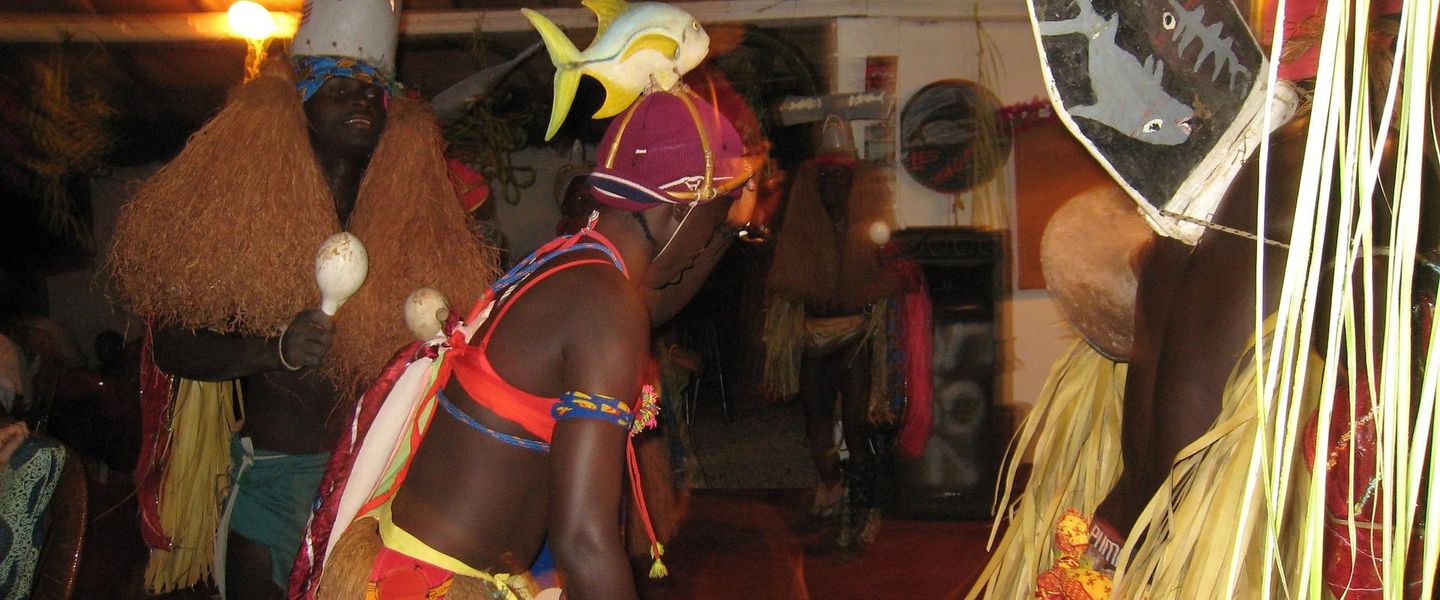


Explore Guinea-Bissau's Bijagós Archipelago for mangroves, turtle beaches, island culture, tidal waterways and wildlife-rich protected landscapes.
Read more about Bijagós Archipelago
When is the best time to visit Bijagós Archipelago?
Best: December–February · 30–31°C| Month | High (°C) | Rainfall (mm) |
|---|---|---|
| January (best) | 30 | 1 |
| February (best) | 31 | 1 |
| March | 31 | 3 |
| April | 32 | 6 |
| May | 32 | 80 |
| June | 31 | 200 |
| July | 31 | 400 |
| August | 30 | 500 |
| September | 30 | 400 |
| October | 30 | 200 |
| November | 30 | 50 |
| December (best) | 30 | 5 |
Getting to and around Bijagós Archipelago
How to get there
Transportation
Best attractions in Bijagós Archipelago
The Bijagós Archipelago offers a nature- and culture-led range of experiences rather than a dense collection of conventional attractions. Bubaque provides the most accessible introduction, with island walks, beaches, mangrove edges, village surroundings and boat excursions arranged through local contacts. Bolama is valued for its former colonial capital, where broad streets and weathered Portuguese-era buildings contrast with a quiet tropical setting. Orango National Park is known for mangroves, tidal wetlands, forest and the possibility of observing saltwater hippopotamuses from a carefully managed distance. The João Vieira-Poilão National Marine Park protects important turtle-nesting islands and marine habitats, while the Urok Islands illustrate community-based management of fisheries, mudflats and mangroves. Birdwatching, fishing landscapes, canoe journeys and intertidal exploration are central activities, particularly for visitors interested in West African coastal ecology. Travel is seasonal and guided access is essential in many locations; the attraction lies as much in reading the tides and meeting communities by arrangement as in reaching a conventional viewpoint.
-
Island
Bubaque
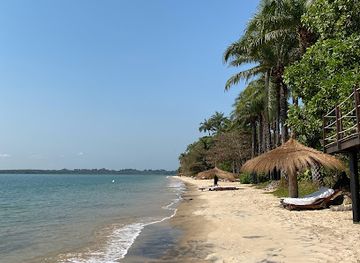
Explore Bubaque Island in Guinea-Bissau: A tranquil paradise of pristine beaches, rich culture, and vibrant biodiversity in the Bijagós Archipelago.
-
Castle
Fort São José da Amura
Uncover the history and beauty of Fort São José da Amura, a stunning castle in Bissau, Guinea-Bissau, offering breathtaking views and rich cultural heritage.
-
Island
Ilha Joao Vieira
Discover the serene beauty of Ilha Joao Vieira, an unspoiled island in Guinea-Bissau, perfect for relaxation and nature adventures.
-
Island
Rubane
Explore the enchanting Rubane Island in Guinea-Bissau, a picturesque paradise with stunning beaches, rich biodiversity, and vibrant local culture.

Best landmarks in Bijagós Archipelago
The most distinctive built landmark in the archipelago is Bolama's former colonial capital, whose spacious streets, administrative ruins and Portuguese-era buildings recall the island's period as the capital of Portuguese Guinea. Their weathered condition is part of the historical landscape, but visitors should take care around unstable structures and avoid entering unsafe interiors. The archipelago's most important natural landmarks are its tidal waterways, mangrove forests and low-lying islands, which change character with the movement of the Atlantic. Orango's wetland channels and forested shores are particularly associated with the presence of saltwater hippopotamuses, while the beaches of João Vieira-Poilão are significant nesting places for marine turtles. Sacred forests and ritual sites on inhabited islands are also culturally important landmarks, although many are not public attractions and may be inaccessible. Rather than a skyline of monuments, the Bijagós is defined by the relationship between village landscapes, colonial remnants, mangroves, mudflats and open sea.
-
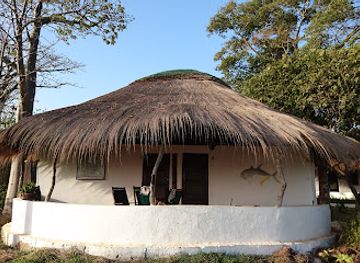
 Hotel
HotelPonta Anchaca
Experience the beauty and luxury of Ponta Anchaca, a tropical retreat in Guinea-Bissau’s breathtaking Bijagos Archipelago with pristine beaches and rich cultural experiences.
-
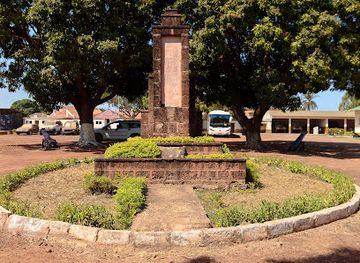
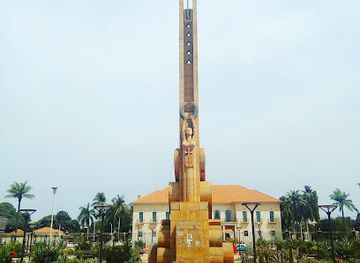
Memorial park
Empire Square
Discover the tranquil beauty and historical significance of Empire Square, a must-visit memorial park in the heart of Bissau, Guinea-Bissau.
-
Hotel
Ile de Kéré
Explore the serene beauty of Île de Kéré, a hidden gem in the Bijagos Archipelago, perfect for relaxation, adventure, and cultural immersion.
-
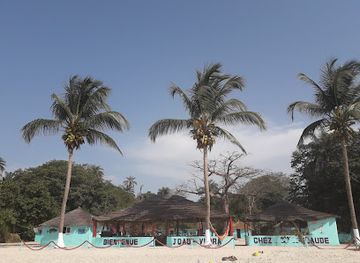
Resort hotel
BOB FISHING CLUB BIJAGOS
Experience the breathtaking beauty of the Bijagos Archipelago at Bob Fishing Club, where adventure meets relaxation in a tropical paradise.
Explore Bijagós Archipelago on the map
Plan your trip on one map. See where the top cities, national parks and sights are, and book hotels and experiences in a few clicks.
Best hotels in Bijagós Archipelago
Best restaurants in Bijagós Archipelago
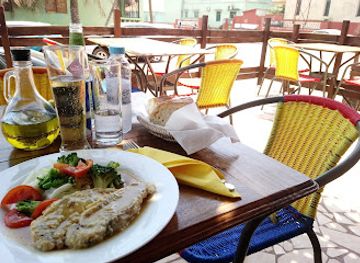
Dining in the Bijagós Archipelago is generally simple, local and closely tied to what can be brought by boat or obtained from island communities. Rice is a staple across Guinea-Bissau, often accompanied by fish, seafood, vegetables, beans or sauces flavoured with chilli and other locally available ingredients. Freshly caught fish may feature prominently in guesthouse meals, while oysters and other estuarine products are part of the wider coastal food culture when seasonally available and responsibly harvested. Bubaque has the greatest choice of guesthouse kitchens, small eateries and informal refreshments, but visitors should expect limited menus and variable supplies rather than a restaurant scene with extensive choice. Bolama and smaller islands offer fewer established dining facilities, making advance arrangements important. Cashew products, tropical fruit and locally produced palm-based drinks may appear in informal settings, though availability varies. Carrying snacks and confirming meal arrangements before remote excursions is sensible.
-
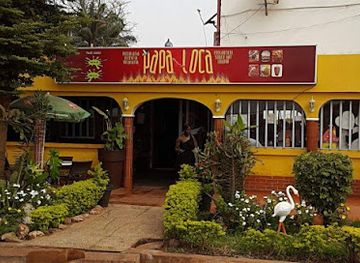
Restaurant
Restaurante Papa Loca
Discover authentic Guinea-Bissauan cuisine at Restaurante Papa Loca in Bissau - where every dish tells a story!
-
Italian
O Bistro
Experience authentic Italian cuisine at O Bistro in Bissau—where tradition meets local flavor.
-
Restaurant
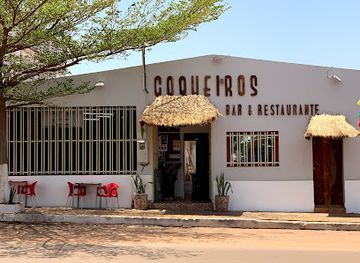
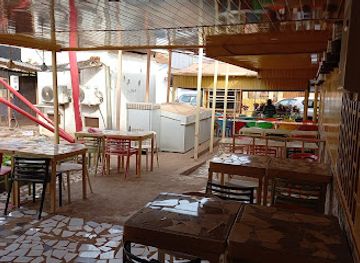
Coqueiros Bissau
Discover authentic Guinea-Bissauan cuisine at Coqueiros Bissau - a vibrant restaurant where flavors come alive.
-
Restaurant
Lá Rosa restaurant مطعم لبناني عربي
Savor authentic Lebanese cuisine at Lá Rosa restaurant in Bissau – where every dish tells a story of flavor and tradition.
Best bars in Bijagós Archipelago
Nightlife in the Bijagós Archipelago is quiet and informal, centred on guesthouse terraces, small local bars and social gatherings rather than nightclubs. Bubaque has the most developed evening scene, with places where residents and visitors may meet over beer, soft drinks or simple meals, and occasional music in a relaxed island setting. On smaller islands, evenings are shaped by darkness, tides and village routines, with little commercial entertainment and few reasons to travel after nightfall. Bolama is similarly low-key, better suited to conversation and observing the town's atmosphere than to late-night activity. Alcohol is available in some settlements, but it is not necessary to engage with local culture; respectful interaction, quiet walks near accommodation and listening to local music are more appropriate than expecting a party destination. Confirm transport arrangements before going out, as boats and most island travel do not operate as a late-night service.
-
Restaurant
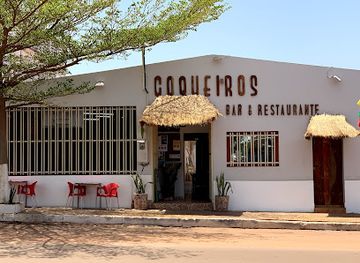
Coqueiros Bissau
Experience the rich culinary heritage of Guinea-Bissau at Coqueiros Bissau, a vibrant restaurant offering local flavors and a welcoming atmosphere.
-
Hotel
Ponta Anchaca
Discover Ponta Anchaca, a luxurious hotel in the stunning Bijagos Archipelago, perfect for relaxation and adventure amidst nature's beauty.
-
Bar
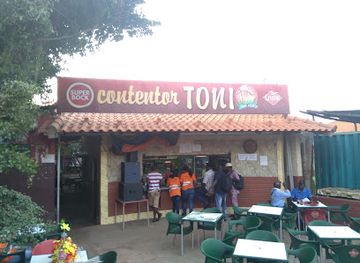
Contentor Di Tony
Discover the vibrant nightlife of Bissau at Contentor Di Tony, where locals and tourists gather for great drinks and unforgettable experiences.
-
Resort hotel
BOB FISHING CLUB BIJAGOS
Experience unparalleled fishing adventures and unwind in the serene beauty of the Bijagos Archipelago at Bob Fishing Club.
Best nightclubs in Bijagós Archipelago
Nightlife in the Bijagós Archipelago is quiet and informal, centred on guesthouse terraces, small local bars and social gatherings rather than nightclubs. Bubaque has the most developed evening scene, with places where residents and visitors may meet over beer, soft drinks or simple meals, and occasional music in a relaxed island setting. On smaller islands, evenings are shaped by darkness, tides and village routines, with little commercial entertainment and few reasons to travel after nightfall. Bolama is similarly low-key, better suited to conversation and observing the town's atmosphere than to late-night activity. Alcohol is available in some settlements, but it is not necessary to engage with local culture; respectful interaction, quiet walks near accommodation and listening to local music are more appropriate than expecting a party destination. Confirm transport arrangements before going out, as boats and most island travel do not operate as a late-night service.
-
Disco club
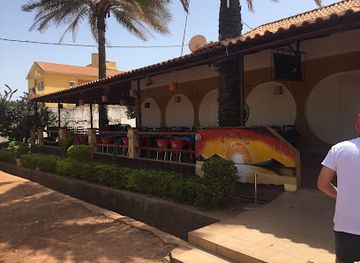
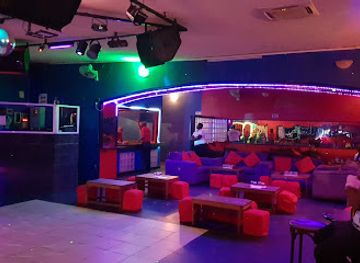
Bambu
Discover the vibrant atmosphere of Bambu, Bissau's top disco club, where music, dance, and nightlife come together in an unforgettable experience.
-
Live music bar
Kings Club
Experience the vibrant nightlife of Bissau at Kings Club, a lively live music bar that showcases local talent and culture.
-
Lounge
Antika Bissau
Discover the vibrant atmosphere of Antika Bissau, a perfect lounge to unwind while experiencing the local culture of Guinea-Bissau.
-
Night club
Discoteca TABANKA
Discover the electrifying nightlife of Bissau at Discoteca TABANKA, where music and culture come alive in a vibrant dance experience.


Best shops in Bijagós Archipelago
Shopping in the Bijagós Archipelago is limited and practical, with the widest choice found in Bubaque rather than in dedicated retail districts. Small shops and market stalls may offer basic food, drinks, household goods and locally used items, while informal stalls sometimes sell simple crafts or produce. Visitors may encounter woven articles, carved objects, baskets, jewellery or other handmade goods, but availability depends on the island, season and individual makers rather than a permanent craft market. Bolama has a slower local trading environment and fewer opportunities for planned souvenir shopping. Regional products associated with Guinea-Bissau, including cashew nuts and locally made food items, can make useful purchases when hygienically packaged and legally transportable. Buy directly and respectfully, ask before photographing craftspeople, and avoid products made from turtle shell, coral, protected woods or other wildlife material. Carrying cash in West African CFA francs is essential, since card payment is rarely available.
-
Supermarket
Santy Comercial
Discover local flavors and essentials at Santy Comercial, the vibrant supermarket in Bissau, Guinea-Bissau, where culture meets convenience.
-
Hotel
Ponta Anchaca
Experience tranquility at Ponta Anchaca, a stunning hotel in the beautiful Bijagos Archipelago, where nature and adventure await.
-
Ice Cream
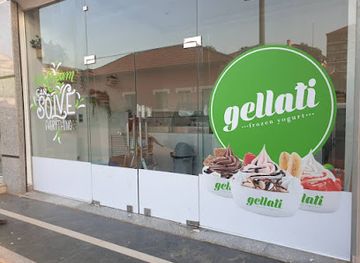
Gelataria Gellati
Discover the delightful flavors of Gelataria Gellati in Bissau, where every scoop is a taste of happiness in a charming setting.
-
Grocery store
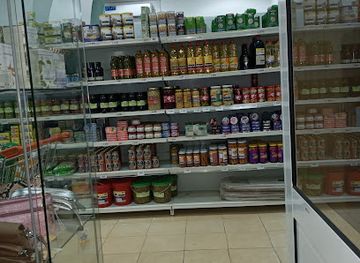
Mini Mercado Alvalade
Explore local flavors and vibrant culture at Mini Mercado Alvalade, a grocery store reflecting the heart of Bissau's culinary heritage.

Get your free copy of our complete guide to Bijagós Archipelago, delivered straight to you.
Everything on this page, from attractions and restaurants to essentials and local phrases, in one PDF you can read offline, print or share.
Already have an account? Sign in
Your Bijagós Archipelago guide is ready.
We'll send it to · Not you? Sign out

Getting your guide ready…
We are putting together a fresh copy of the Bijagós Archipelago guide. This can take up to a minute.
This can take a few moments. If your browser asks, choose Allow so the download can start. You'll find the guide in your Downloads folder.
Nothing happened? Download it again
Sorry, the guide is taking longer than usual. Please try again in a minute, or get it by email instead.
Bijagós Archipelago essentials
Currency and Payment
Safety
Emergency Situations
Do's and Don'ts
Local Tips
From Eve
Local phrases worth knowing
You don't need to get them perfect. A few words go a long way, and locals appreciate the effort.
Basics
| English | Local | Say it |
|---|---|---|
| Hello | Olá | [oh-lah] |
| Goodbye | Adeus | [ah-deh-oos] |
| Yes | Sim | [seem] |
| No | Não | [now] |
| Please/You’re welcome | Por favor/De nada | [por fah-vor/deh nah-dah] |
| Thank you | Obrigado | [oh-bree-gah-doo] |
| Excuse me/Sorry | Desculpe | [des-kool-peh] |
| How are you? | Como você está? | [koh-moo voh-seh eh-stah] |
| Fine. And you? | Bem. E você? | [behm. eh voh-seh] |
| Do you speak English? | Você fala inglês? | [voh-seh fah-lah een-glez] |
| I don't understand | Não entendo | [now en-ten-doo] |
Eating & Drinking
| English | Local | Say it |
|---|---|---|
| I’d like to see the menu, please | Gostaria de ver o menu, por favor | [goh-stah-ree-ah deh vehr oo meh-noo, por fah-vor] |
| I don’t eat meat | Não como carne | [now koh-moo kar-nee] |
| Cheers! | Saúde! | [sah-oo-deh] |
| I would like to pay, please | Gostaria de pagar, por favor | [goh-stah-ree-ah deh pah-gar, por fah-vor] |
Emergencies
| English | Local | Say it |
|---|---|---|
| Help! | Ajuda! | [ah-zhoo-dah] |
| Go away! | Vá embora! | [vah em-boh-rah] |
| Call the Police! | Chame a polícia! | [sha-mee ah poh-lee-see-ah] |
| Call a doctor! | Chame um médico! | [sha-mee oom meh-dee-koh] |
| I’m lost | Estou perdido | [es-toh pair-jee-doo] |
| I’m ill | Estou doente | [es-toh doh-ehn-chee] |
Shopping
| English | Local | Say it |
|---|---|---|
| I’d like to buy... | Gostaria de comprar... | [goh-stah-ree-ah deh kom-prar...] |
| I’m just looking | Estou apenas olhando | [es-toh ah-peh-nas oh-lhan-doo] |
| How much is it? | Quanto custa? | [kwan-toh koos-tah] |
| That’s too expensive | Isso é muito caro | [ee-soh eh mu-een-toh kah-roh] |
| Can you lower the price? | Você pode baixar o preço? | [voh-seh poh-jee bah-ee-shar oo preh-soo] |
Time & Numbers
| English | Local | Say it |
|---|---|---|
| What time is it? | Que horas são? | [kee oh-ras sah-o] |
| It’s one o’clock | É uma hora | [eh oo-mah oh-rah] |
| Half past (10) | Dez e meia | [dehz eh meh-yah] |
| Morning | Manhã | [mahn-yah] |
| Afternoon | Tarde | [tahr-deh] |
| Evening | Noite | [noy-teh] |
| Yesterday | Ontem | [on-tem] |
| Today | Hoje | [oh-zhee] |
| Tomorrow | Amanhã | [ah-mahn-yah] |
| 1 | Um | [oom] |
| 2 | Dois | [doyz] |
| 3 | Três | [trehz] |
| 4 | Quatro | [kwah-tro] |
| 5 | Cinco | [seen-koh] |
| 6 | Seis | [sayz] |
| 7 | Sete | [seh-teh] |
| 8 | Oito | [oy-toh] |
| 9 | Nove | [noh-veh] |
| 10 | Dez | [dehz] |
Transport & Directions
| English | Local | Say it |
|---|---|---|
| Where's a/the...? | Onde está um/a...? | [on-deh es-tah oom/ah...?] |
| What's the address? | Qual é o endereço? | [kwal eh oo en-deh-reh-soo] |
| Can you show me (on the map)? | Você pode me mostrar (no mapa)? | [voh-seh poh-jee meh mohs-trar (noh mah-pah)?] |
| When's the next (bus)? | Quando é o próximo (ônibus)? | [kwan-doo eh oo proh-see-mo (oh-nee-boos)?] |
| A ticket (to ....) | Um bilhete (para ....) | [oom bee-lyeh-tay (pah-rah ....)] |
History of Bijagós Archipelago
Early Bijago Society and Maritime Culture
The islands have long been inhabited by Bijago-speaking communities whose social, religious and economic life developed around forests, rice-growing areas, tidal creeks and the sea. Island communities maintained distinctive political institutions and customary systems, while canoe travel connected settlements and supported fishing, trade and communication. Oral traditions remain important to historical memory. Sacred groves, ritual landscapes and age-related associations continue to shape access to land and community responsibilities, making the archipelago's cultural history inseparable from its environment.
Atlantic Trade and Foreign Contact
From the early modern period, the islands became involved in the wider Atlantic trading world. Portuguese merchants and other coastal traders sought access to people, wax, hides, rice and other goods, although their authority over the islands was often limited and uneven. The intricate waterways made the archipelago difficult for outsiders to control. European contact brought commerce, missionary ambitions and colonial pressure, but island communities retained considerable autonomy and continued to organise their affairs according to local institutions.
Portuguese Colonial Consolidation
Portuguese control over Guinea-Bissau expanded gradually during the nineteenth and early twentieth centuries. Bolama became the colonial capital of Portuguese Guinea in the late nineteenth century, benefiting from its position near navigable waterways and the mainland coast. Colonial administration, trade and military activity left their clearest architectural traces in Bolama, although effective control across the wider archipelago remained limited. Resistance, negotiation and selective cooperation characterised relations between colonial authorities and Bijago communities.
Bolama and the Colonial Capital Era
Bolama's period as capital gave the island a concentration of administrative buildings, residences and public spaces that was unusual elsewhere in the archipelago. The capital was later transferred to Bissau in the twentieth century, reducing Bolama's political importance and contributing to the quiet, weathered character visible today. Its streets and colonial remains provide a physical record of a short-lived administrative experiment, while the surrounding island landscape shows how quickly tropical vegetation can reclaim abandoned or underused urban spaces.
The War of Independence and Guinea-Bissau's Liberation
The armed struggle against Portuguese rule, led by the African Party for the Independence of Guinea and Cape Verde, affected the wider country between the 1960s and the declaration of independence in 1973, recognised by Portugal in 1974. The archipelago's waterways and dispersed settlements formed part of the broader strategic and social landscape of the conflict, even though the most intense fighting occurred elsewhere. Independence ended the colonial political order and placed the islands within the new Republic of Guinea-Bissau.
Conservation and Community-Based Island Management
Late twentieth-century conservation initiatives recognised the archipelago's importance for mangroves, marine life, migratory birds and nesting turtles. The Bijagós Biosphere Reserve was established by UNESCO in 1996, while national parks and community-managed marine areas developed around specific islands and coastal ecosystems. These arrangements reflect both scientific conservation and established local practices governing fisheries, forests and sacred places. Contemporary tourism therefore sits within an ongoing effort to protect biodiversity without separating environmental stewardship from the rights and knowledge of island communities.
Bijagós Archipelago in Photos
Browse through our photo collection highlighting the charm and character of the destination.
Neighbouring regions of Bijagós Archipelago
The closest regions to Bijagós Archipelago, if you have time for more than one.
-

-

-

-

-


Swipe for more regions
Explore more

Explore more of Guinea-Bissau
Discover Guinea-Bissau: An untouched paradise with pristine beaches, rich wildlife, and vibrant culture waiting to be explored in the heart of West Africa.
Explore Guinea-Bissau