

Free Cacheu Region Travel Guide & Mobile App
Explore Cacheu Region with free travel guides. Discover regional history, expert tips, proposed trips, and audio guides on web or mobile app.


Cacheu Region combines Guinea-Bissau’s Atlantic history with mangrove waterways, rural communities, wildlife and quiet beaches near the Senegalese frontier.
Read more about Cacheu Region
When is the best time to visit Cacheu Region?
Best: December–February · 30–32°C| Month | High (°C) | Rainfall (mm) |
|---|---|---|
| January (best) | 30 | 0 |
| February (best) | 32 | 0 |
| March | 33 | 1 |
| April | 35 | 16 |
| May | 35 | 45 |
| June | 34 | 120 |
| July | 31 | 251 |
| August | 31 | 301 |
| September | 31 | 250 |
| October | 32 | 121 |
| November | 31 | 20 |
| December (best) | 30 | 1 |
Getting to and around Cacheu Region
How to get there
Transportation
Top city travel guides in Cacheu Region
The cities of Cacheu Region, and the easiest places to base yourself.
-

-


Swipe for more cities
Best attractions in Cacheu Region
Cacheu Region’s attractions centre on the meeting of river, mangrove, coast and history. In Cacheu town, the fortress, old streets and Museu Memorial de Escravatura e do Tráfico Negreiro provide an important introduction to the region’s role in Atlantic commerce and the history of enslavement. The Parque Natural dos Tarrafes do Rio Cacheu offers a very different experience, with tidal creeks, mangrove forests, mudflats and birdlife best explored with local guidance and attention to the tides. Along the Atlantic coast, the Varela area is associated with sandy beaches, lagoons and a remote atmosphere, although its limited infrastructure makes advance planning essential. Canchungo and São Domingos are useful centres for observing everyday regional life, agricultural trade and journeys through the north. Visitors interested in nature can look for wading birds, fish nurseries and mangrove ecosystems, while those seeking active travel may combine short walks, village visits and boat excursions. The region’s appeal lies less in a dense collection of developed attractions than in the relationship between its historic settlements, working landscapes and protected wetlands.
-
Beach
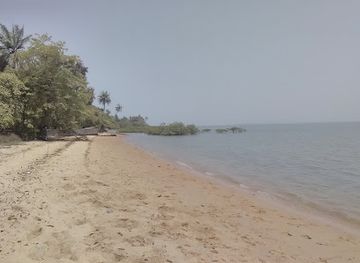
Praia de Ofir
Explore the tranquil shores and captivating beauty of Praia de Ofir, a hidden beach gem in Guinea-Bissau, perfect for relaxation and adventure.
-
Fortress
Fort Cacheu
Explore the historical Fort Cacheu in Guinea-Bissau, a significant site of colonial history and the transatlantic slave trade.
-
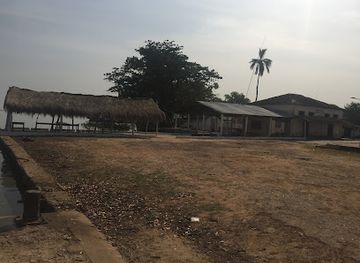
 Church
Cato cacharue chie canacan catige de região cacheu Guiné-Bissau
Discover the serene beauty and rich cultural heritage of Cato Cacharue, a hidden church in Cacheu, Guinea-Bissau.
Best landmarks in Cacheu Region
The Fortaleza de Cacheu is the region’s most recognisable historic structure, standing near the river in the former Portuguese settlement of Cacheu. Its defensive form recalls the town’s position within early colonial commerce, while the surrounding waterfront and modest historic fabric reveal how closely the settlement depended on the river. The Museu Memorial de Escravatura e do Tráfico Negreiro is an important contemporary landmark of remembrance, giving the town a place for interpreting the violence and human consequences of the Atlantic slave trade. The Cacheu River itself is a defining geographical landmark, widening into a tidal estuary bordered by mangrove systems that shape travel, livelihoods and wildlife. In the north-west, the beaches and lagoons around Varela form a contrasting natural landmark, where open Atlantic scenery replaces the enclosed channels of the estuary. The mangrove landscape of Parque Natural dos Tarrafes do Rio Cacheu is less monumental in a conventional architectural sense, but its scale, ecological importance and connection to local communities make it one of the region’s defining places.
-
Cultural center
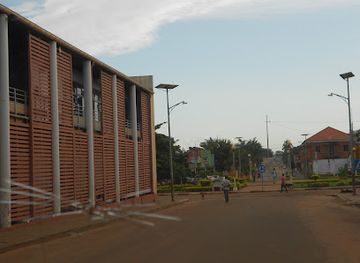
Centro Cultural Franco-Bissau-Guineense
Explore the rich cultural tapestry of Guinea-Bissau at the Centro Cultural Franco-Bissau-Guineense, a hub for art, history, and community engagement.
-
Memorial park
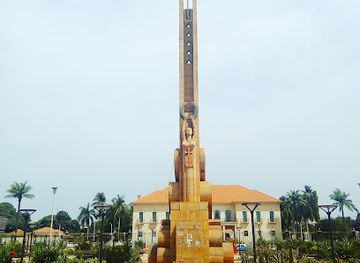
Empire Square
Explore the tranquility and rich history of Empire Square, a serene memorial park in Bissau, Guinea-Bissau, ideal for reflection and cultural engagement.
-
National park
Cufada Lagoons Natural Park
Explore the breathtaking beauty of Cufada Lagoons Natural Park, a national treasure showcasing diverse wildlife and stunning landscapes in Guinea-Bissau.
-
Garden
Praca Titina Silá
Experience tranquility at Praca Titina Silá, a serene garden in Bissau offering lush greenery and a peaceful escape from city life.
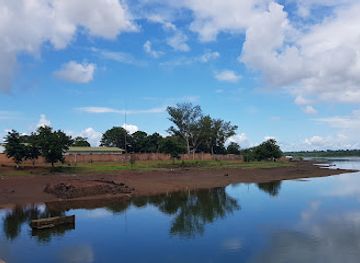

Explore Cacheu Region on the map
Plan your trip on one map. See where the top cities, national parks and sights are, and book hotels and experiences in a few clicks.
Best hotels in Cacheu Region
Best restaurants in Cacheu Region
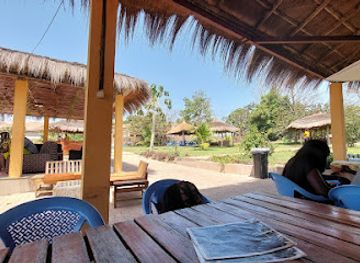
Dining in Cacheu Region is generally informal and closely linked to local markets, household cooking and small eateries rather than a developed restaurant scene. Rice is a staple, often served with fish, chicken, sauces made with palm oil or groundnuts, and vegetables shaped by seasonal availability. Along the rivers and coast, fresh or smoked fish, crab, oysters and other estuarine ingredients may appear, while cashew nuts and fruit reflect one of the region’s important agricultural products. Canchungo, São Domingos and Cacheu offer the best chance of finding simple meals, but choices may be limited and service times flexible. Rural accommodation and community-based visits can sometimes provide meals if arranged in advance. Portuguese and broader West African influences are visible in the use of rice, stews, grilled fish and chilli-based condiments, but recipes vary between communities. Carry snacks and water on long journeys, and ask about ingredients where allergies or dietary restrictions are important.
-
Hotel
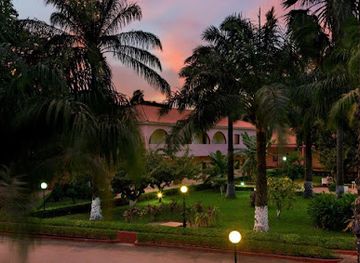
Dunia Hotel Bissau (Azalaï Hotel 24 de Setembro)
Experience comfort and culture at Dunia Hotel Bissau—your perfect retreat in Guinea-Bissau with exquisite dining and leisure options.
-
Restaurant
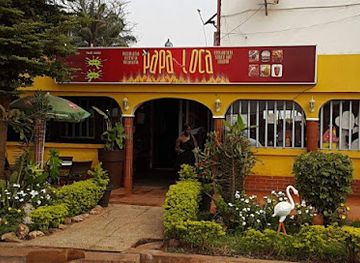
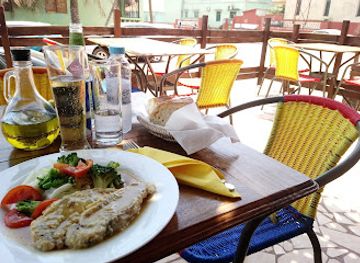
Restaurante Papa Loca
Experience the rich flavors of Guinea-Bissau at Restaurante Papa Loca, where local cuisine meets international flair in a welcoming setting.
-
Italian
O Bistro
Discover authentic Italian flavors at O Bistro in Bissau – where every dish tells a story.
-
Restaurant
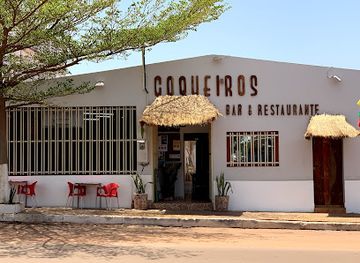
Coqueiros Bissau
Discover the rich flavors of Guinea-Bissau at Coqueiros Bissau, where authentic cuisine meets warm hospitality in the heart of Bissau.
Best bars in Cacheu Region
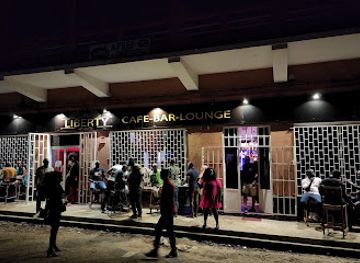
Nightlife in Cacheu Region is modest and concentrated in town-based cafés, bars, restaurants and informal social spaces rather than dedicated clubs. In Cacheu, Canchungo and São Domingos, evenings may involve conversation, music, football and locally available drinks, while smaller villages generally quieten after dark. The region’s appeal is not a major entertainment circuit but the chance to experience everyday social life at an unhurried pace. Some guesthouses or community venues may arrange music or cultural performances, but these should not be assumed to operate on a fixed schedule. Visitors should avoid walking long rural distances at night, keep arrangements discreet and follow local advice about appropriate places to socialise. Alcohol is available, but it is not necessary to participate in the region’s evening culture; shared meals, markets and conversation are equally central to local hospitality.
-
Restaurant
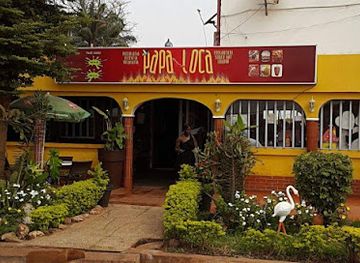
Restaurante Papa Loca
Discover the flavors of Guinea-Bissau at Restaurante Papa Loca, where local ingredients meet vibrant culinary traditions in a cozy atmosphere.
-
Restaurant
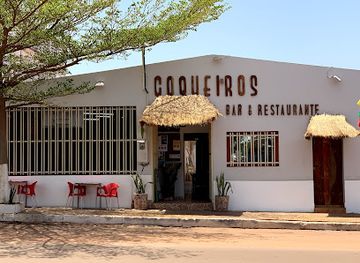
Coqueiros Bissau
Experience the vibrant culinary scene at Coqueiros Bissau, where traditional flavors meet a lively atmosphere in the heart of Guinea-Bissau.
-
Bar
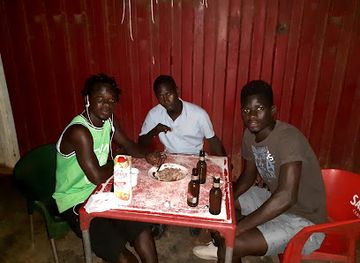
Contentor Di Tony
Discover the heart of Bissau's nightlife at Contentor Di Tony, a vibrant bar offering local drinks and a lively atmosphere.
-
Restaurant
CANAFISTRA Crescendo a Beira Rio
Experience the flavors of Guinea-Bissau at Crescendo a Beira Rio, where local cuisine meets breathtaking river views for an unforgettable dining adventure.
Best nightclubs in Cacheu Region
Nightlife in Cacheu Region is modest and concentrated in town-based cafés, bars, restaurants and informal social spaces rather than dedicated clubs. In Cacheu, Canchungo and São Domingos, evenings may involve conversation, music, football and locally available drinks, while smaller villages generally quieten after dark. The region’s appeal is not a major entertainment circuit but the chance to experience everyday social life at an unhurried pace. Some guesthouses or community venues may arrange music or cultural performances, but these should not be assumed to operate on a fixed schedule. Visitors should avoid walking long rural distances at night, keep arrangements discreet and follow local advice about appropriate places to socialise. Alcohol is available, but it is not necessary to participate in the region’s evening culture; shared meals, markets and conversation are equally central to local hospitality.
-
Bar
Contentor Di Tony
Discover the vibrant nightlife at Contentor Di Tony, a lively bar in Bissau, Guinea-Bissau, offering local drinks and a welcoming atmosphere.
-
Disco club
Bambu
Bambu in Bissau: Dive into a vibrant nightlife experience with electrifying music, dancing, and a lively atmosphere in Guinea-Bissau.
-
Bar
Liberty cafe bar lounge
Experience the vibrant ambiance of Liberty Cafe Bar Lounge in Bissau, a perfect blend of local culture, refreshing drinks, and friendly gatherings.
-
Live music bar
Kings Club
Experience the vibrant nightlife of Bissau at Kings Club, where live music and local culture come alive.



Best shops in Cacheu Region
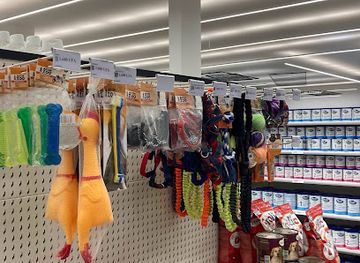
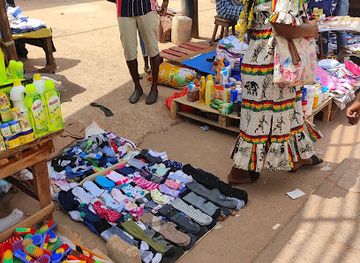
Shopping in Cacheu Region is primarily local and practical, with small markets and roadside stalls supplying food, household goods, clothing and produce rather than specialist retail. Cacheu, Canchungo and São Domingos provide the broadest choice, while village markets offer a closer look at seasonal agriculture and everyday trade. Cashew nuts and related products are among the most characteristic purchases, alongside dried or smoked fish, palm-derived goods and locally made food products when available. Visitors may also find woven items, carved objects, baskets and other crafts, although designs and availability vary and should not be assumed to represent the whole region. Buy directly from makers where possible, agree prices courteously and check that natural materials have been obtained legally, particularly near protected mangrove areas. There is little reason to travel to Cacheu Region for conventional fashion or luxury shopping; its retail interest lies in markets, food products, practical crafts and the relationships behind small-scale commerce.
-
Supermarket
Santy Comercial
Explore the vibrant flavors of Guinea-Bissau at Santy Comercial, Bissau's premier supermarket for local and international goods.
-
Supermarket
Doce Mãe Bandim
Experience the essence of Guinea-Bissau at Doce Mãe Bandim, where local flavors and vibrant culture come together in a bustling supermarket setting.
-
Ice Cream
Gelataria Gellati
Discover the sweet flavors of Gelataria Gellati in Bissau, a delightful ice cream shop perfect for family and friends.
-
Grocery store
Mini Mercado Alvalade
Explore the local flavors and vibrant atmosphere at Mini Mercado Alvalade in Bissau, Guinea-Bissau, the perfect grocery stop for visitors.


Get your free copy of our complete guide to Cacheu Region, delivered straight to you.
Everything on this page, from attractions and restaurants to essentials and local phrases, in one PDF you can read offline, print or share.
Already have an account? Sign in
Your Cacheu Region guide is ready.
We'll send it to · Not you? Sign out

Getting your guide ready…
We are putting together a fresh copy of the Cacheu Region guide. This can take up to a minute.
This can take a few moments. If your browser asks, choose Allow so the download can start. You'll find the guide in your Downloads folder.
Nothing happened? Download it again
Sorry, the guide is taking longer than usual. Please try again in a minute, or get it by email instead.
Cacheu Region essentials
Currency and Payment
Safety
Emergency Situations
Do's and Don'ts
Local Tips
From Eve
Local phrases worth knowing
You don't need to get them perfect. A few words go a long way, and locals appreciate the effort.
Basics
| English | Local | Say it |
|---|---|---|
| Hello | Olá | [oh-lah] |
| Goodbye | Adeus | [ah-deh-oos] |
| Yes | Sim | [seem] |
| No | Não | [now] |
| Please/You're welcome | Por favor | [por fah-vor] |
| Thank you | Obrigado | [oh-bree-gah-doo] |
| Excuse me/Sorry | Desculpe | [des-kool-peh] |
| How are you? | Como você está? | [koh-moo voh-seh es-tah] |
| Fine. And you? | Bem. E você? | [beng. eh voh-seh] |
| Do you speak English? | Você fala inglês? | [voh-seh fah-lah een-glays] |
| I don't understand | Eu não entendo | [eh-oo now en-ten-doo] |
Eating & Drinking
| English | Local | Say it |
|---|---|---|
| I'd like to see the menu, please | Gostaria de ver o menu, por favor | [goh-stah-ree-ah jeh vehr oo meh-noo, por fah-vor] |
| I don't eat meat | Eu não como carne | [eh-oo now koh-moo kar-nee] |
| Cheers! | Saúde! | [sah-oo-deh] |
| I would like to pay, please | Gostaria de pagar, por favor | [goh-stah-ree-ah jeh pah-gar, por fah-vor] |
Emergencies
| English | Local | Say it |
|---|---|---|
| Help! | Ajuda! | [ah-zhoo-dah] |
| Go away! | Vá embora! | [vah em-boh-rah] |
| Call the Police! | Chame a polícia! | [shah-meh ah poh-lee-see-ah] |
| Call a doctor! | Chame um médico! | [shah-meh oom meh-jee-co] |
| I'm lost | Estou perdido | [es-toh per-jee-doo] |
| I'm ill | Estou doente | [es-toh doh-en-chee] |
Shopping
| English | Local | Say it |
|---|---|---|
| I'd like to buy... | Gostaria de comprar... | [goh-stah-ree-ah jeh kom-prah] |
| I'm just looking | Estou apenas olhando | [es-toh ah-peh-nas oh-lyan-doo] |
| How much is it? | Quanto custa? | [kwan-toh koos-tah] |
| That's too expensive | Isso é muito caro | [ee-soh eh moo-ee-toh kah-roh] |
| Can you lower the price? | Você pode baixar o preço? | [voh-seh poh-jee bye-shar oo preh-soh] |
Time & Numbers
| English | Local | Say it |
|---|---|---|
| What time is it? | Que horas são? | [keh oh-ras sah-o] |
| It's one o'clock | É uma hora | [eh oo-mah oh-rah] |
| Half past (10) | Dez e meia | [dez eh may-ah] |
| Morning | Manhã | [mahn-yah] |
| Afternoon | Tarde | [tahr-deh] |
| Evening | Noite | [noy-chee] |
| Yesterday | Ontem | [on-tem] |
| Today | Hoje | [oh-zhee] |
| Tomorrow | Amanhã | [ah-mahn-yah] |
| 1 | Um | [oom] |
| 2 | Dois | [doyz] |
| 3 | Três | [trehz] |
| 4 | Quatro | [kwah-tro] |
| 5 | Cinco | [seen-koh] |
| 6 | Seis | [says] |
| 7 | Sete | [seh-chee] |
| 8 | Oito | [oy-toh] |
| 9 | Nove | [noh-veh] |
| 10 | Dez | [dez] |
Transport & Directions
| English | Local | Say it |
|---|---|---|
| Where's a/the...? | Onde está um/a...? | [on-deh es-tah oom/ah] |
| What's the address? | Qual é o endereço? | [kwal eh oo en-deh-reh-soo] |
| Can you show me (on the map)? | Você pode me mostrar (no mapa)? | [voh-seh poh-jee meh mos-trar (no mah-pah)] |
| When's the next (bus)? | Quando é o próximo (ônibus)? | [kwan-doo eh oo proh-see-mo (oh-nee-boos)] |
| A ticket (to ....) | Um bilhete (para ....) | [oom bee-lyeh-tay (pah-rah)] |
History of Cacheu Region
Early Communities and Riverine Exchange
Long before European arrival, the waterways and coastal plains of present-day Cacheu Region supported communities whose livelihoods combined rice cultivation, fishing, hunting, gathering and trade. The Cacheu River connected inland settlements with the Atlantic and with wider networks extending towards Casamance and the Upper Guinea coast. The region’s cultural landscape was shaped by several peoples, including Balanta, Manjaco, Papel, Felupe and others, whose languages, social institutions and agricultural practices remain important today. Mangrove management and wet-rice cultivation developed in close relationship with the tides, soils and seasonal rainfall of the coastal environment.
Portuguese Settlement at Cacheu
Cacheu became one of the earliest permanent Portuguese footholds on the coast of Guinea in the seventeenth century. Its river position made it useful for commerce, diplomacy and military projection, linking Portuguese traders with inland suppliers and Atlantic shipping. The settlement was never comparable in scale to a major colonial capital, but its fortified presence marked the beginning of a long and often coercive Portuguese involvement in the region. The surviving Fortaleza de Cacheu and the town’s colonial traces are reminders of this early phase of European expansion along the Upper Guinea coast.
The Atlantic Slave Trade
From the early modern period, Cacheu and the surrounding river system were drawn into the Atlantic slave trade. Captives were transported through coastal trading posts and shipped to destinations in the Atlantic world, while European commercial interests competed with African political authorities and merchants. The trade brought violence, displacement and profound social disruption, consequences that outlasted the period of active export. Cacheu’s memorial museum and historical sites provide space for confronting this past, including the region’s connection to wider systems of colonial exploitation, rather than viewing the old fort solely as an architectural curiosity.
Colonial Consolidation and Regional Trade
Portuguese control remained uneven for much of the colonial era, but administration gradually expanded through military posts, trading stations, mission activity and taxation. Groundnut production, rice, palm products and other agricultural commodities became increasingly linked to colonial commercial structures. Canchungo and other settlements developed as local centres within this changing system, while river transport and roads connected rural producers to markets. Colonial boundaries and administrative practices also affected established communities and patterns of authority. Many present-day roads, town layouts and institutional relationships in Cacheu Region have roots in this period, although they were reshaped after independence.
War of Independence and National Liberation
The armed struggle against Portuguese rule, led by the African Party for the Independence of Guinea and Cape Verde, transformed Guinea-Bissau during the 1960s and early 1970s. Rural areas of the north, including parts of the wider Cacheu zone, were affected by mobilisation, military operations, displacement and the creation of alternative administrative structures. Independence was declared in 1973 and recognised by Portugal in 1974 after the Portuguese Revolution. The conflict remains part of national memory, and its legacy can be understood through local recollections, veterans’ histories and the political importance of northern Guinea-Bissau.
Post-Independence Rural Change
After independence, Cacheu Region continued to rely heavily on agriculture, fishing and cross-border trade. Cashew production became increasingly important to household incomes and the national export economy, while rice cultivation, palm products and artisanal fishing remained central to local livelihoods. The region’s proximity to Senegal has encouraged movement and commerce but has also made transport and border arrangements significant practical concerns. More recently, conservation initiatives around the Cacheu mangroves have highlighted the value of wetlands for biodiversity, fisheries and climate resilience, while also raising the need to balance protection with community access to natural resources.
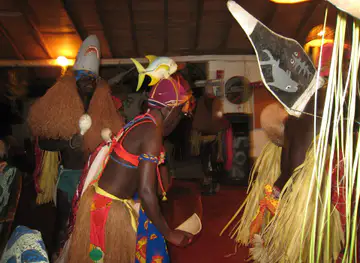
Cacheu Region in Photos
Browse through our photo collection highlighting the charm and character of the destination.
Neighbouring regions of Cacheu Region
The closest regions to Cacheu Region, if you have time for more than one.
-

-

-

-
-


Swipe for more regions
Explore more

Explore more of Guinea-Bissau
Discover Guinea-Bissau: An untouched paradise with pristine beaches, rich wildlife, and vibrant culture waiting to be explored in the heart of West Africa.
Explore Guinea-Bissau