

Free Bolama Region Travel Guide & Mobile App
Explore Bolama Region with free travel guides. Discover regional history, expert tips, proposed trips, and audio guides on web or mobile app.


Explore Guinea-Bissau’s Bolama Region for Bijagós islands, mangroves, marine parks, wildlife, colonial history and community-led travel.
Read more about Bolama Region
When is the best time to visit Bolama Region?
Best: December–February · 30–31°C| Month | High (°C) | Rainfall (mm) |
|---|---|---|
| January (best) | 30 | 0 |
| February (best) | 31 | 0 |
| March | 33 | 1 |
| April | 34 | 8 |
| May | 34 | 25 |
| June | 33 | 150 |
| July | 31 | 300 |
| August | 30 | 350 |
| September | 30 | 250 |
| October | 31 | 150 |
| November | 30 | 50 |
| December (best) | 30 | 1 |
Getting to and around Bolama Region
How to get there
Transportation
Best attractions in Bolama Region
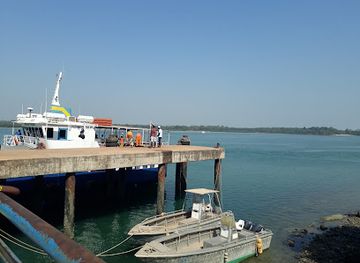
Bolama Region’s attractions are primarily ecological, maritime and cultural. Bubaque provides the most accessible introduction to the Bijagós Archipelago, with boat excursions, island walks, beaches, mangrove edges and opportunities to learn about local livelihoods. Bolama town offers a contrasting experience: its quiet streets and weathered Portuguese-era buildings reveal the former capital’s colonial history. Orango National Park is important for wetlands, mangroves, birdlife and the possibility of seeing hippopotamuses in an island environment, while the João Vieira-Poilão National Marine Park protects marine habitats and sea-turtle nesting areas. The Urok Community Marine Protected Area demonstrates how conservation can be linked with local management of fisheries, forests and tidal resources. Visits to villages, rice-growing areas and palm landscapes can be rewarding when arranged with community permission. The region is not designed around large museums, amusement parks or dense sightseeing circuits; its appeal lies in the slow movement between islands, observation of wildlife, interpretation of Bijagós culture and the changing relationship between land and tide. Conditions are seasonal, and protected-area visits should be planned with local guides rather than treated as independent day trips.
-
Island
Ilha de Bubaque
Explore Ilha de Bubaque: A serene island paradise in Guinea-Bissau, rich in biodiversity and vibrant culture, perfect for relaxation and adventure.
-
Island
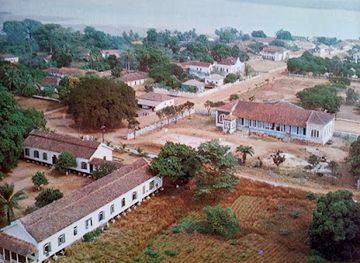
Ilha de Bolama
Explore the untouched beauty and vibrant culture of Ilha de Bolama, a serene island paradise in Guinea-Bissau, perfect for nature lovers and adventurers.
Best landmarks in Bolama Region
The most recognisable historic landmark in the region is Bolama town’s former colonial civic landscape, whose broad layout and large public buildings reflect its role as Portuguese Guinea’s capital from 1879 to 1941. Weathering and limited maintenance are part of the town’s present reality, so the buildings should be viewed as a fragile historical environment rather than a restored monument complex. The Bijagós Archipelago itself is a major geographical landmark: its maze of islands, channels, mangroves and intertidal flats gives the region a form unlike Guinea-Bissau’s mainland. Orango’s wetlands and island habitats are significant natural landmarks within the national park, while João Vieira-Poilão is especially associated with protected marine territory and sea-turtle nesting beaches. Bubaque’s waterfront and landing areas provide a practical vantage point on the archipelago’s tidal life, though they are working environments rather than formal promenades. Across the islands, sacred forests and customary places may be culturally important but are not automatically open to visitors; their significance should be explained by a local guide and respected without intrusion.
-
Hotel
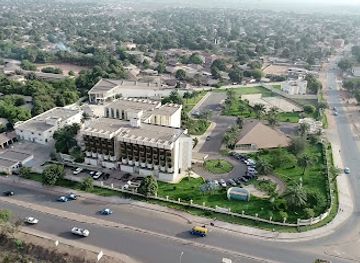
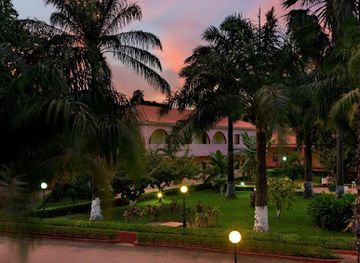
Hala Hotel & Aqua Park
Experience luxury and adventure at Hala Hotel & Aqua Park in Bissau, Guinea-Bissau, where relaxation meets excitement for the whole family.
-
Restaurant
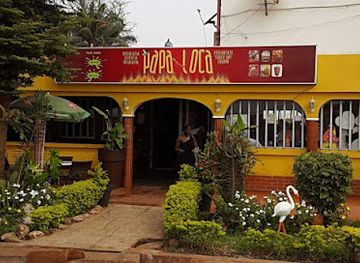
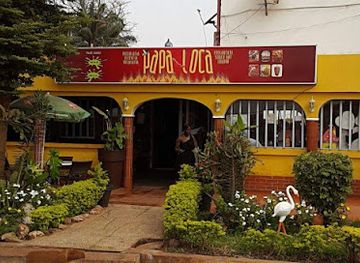
Restaurante Papa Loca
Discover the vibrant flavors of Guinea-Bissau at Restaurante Papa Loca, a culinary gem in the heart of Bissau, perfect for tourists seeking authentic local cuisine.
-
 Hotel
HotelPonta Anchaca
Discover the captivating beauty of Ponta Anchaca, a tranquil hotel in Guinea-Bissau's stunning Bijagos Archipelago, offering relaxation and adventure.
-
Cultural center
Centro Cultural Franco-Bissau-Guineense
Discover the vibrant culture of Guinea-Bissau at the Centro Cultural Franco-Bissau-Guineense, a hub for art, music, and community events.
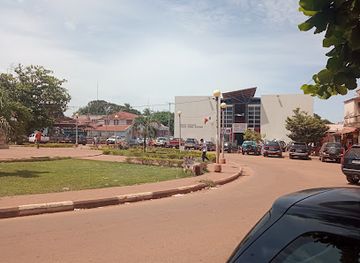
Explore Bolama Region on the map
Plan your trip on one map. See where the top cities, national parks and sights are, and book hotels and experiences in a few clicks.
Best hotels in Bolama Region
Best restaurants in Bolama Region
Dining in Bolama Region is closely connected to island supplies, fishing and seasonal availability rather than a large restaurant industry. Meals commonly draw on rice, fish, seafood, vegetables, cassava and locally available palm products, with chilli-based sauces and other West African flavours appearing according to the cook and community. In Bubaque, guesthouses and small eateries are the most dependable places to arrange meals, while food in smaller settlements is generally provided through prior local arrangements. Bolama offers simple eating options, but visitors should not expect a broad choice of cafés or international menus. Fresh fish can be central to coastal meals, although conservation rules and local availability differ between islands. Portuguese influences form part of the region’s historical background, but the food culture is fundamentally shaped by Bijagós and wider Guinean traditions. Travellers with dietary requirements should explain them in advance and carry suitable snacks, since provisioning becomes more difficult away from Bubaque and the mainland.
-
Restaurant
Dunia Hotel Bissau (Azalaï Hotel 24 de Setembro)
Experience comfort and culture at Dunia Hotel Bissau—your ideal base for exploring the beauty of Guinea-Bissau.
-
Restaurant
Restaurante Papa Loca
Experience authentic Guinea-Bissauan cuisine at Restaurante Papa Loca in Bissau—where every meal tells a story.
-
Italian
O Bistro
Experience authentic Italian cuisine at O Bistro in Bissau - where every dish is crafted with love and tradition.
-
Restaurant
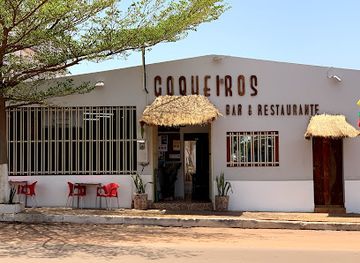
Coqueiros Bissau
Discover authentic Guinea-Bissauan cuisine at Coqueiros Bissau, where every dish tells a story and every meal is a celebration.
Best bars in Bolama Region
Nightlife in Bolama Region is low-key and community-oriented rather than centred on clubs. Bubaque has the widest choice of small bars, guesthouse terraces and informal evening meeting places, where visitors may find local beer, soft drinks, music and conversation. In Bolama and the smaller islands, evenings are quieter and tend to revolve around accommodation, village social life or locally organised music and dance rather than late-night venues. There is little reason to expect a substantial nightclub scene, and opening arrangements can change with season, supply and local events. Visitors should avoid treating ceremonies or traditional performances as commercial nightlife: participation and photography depend on community permission. In remote areas, limited electricity and weak connectivity make darkness part of the experience, so carry a torch and arrange your return from any evening outing in advance. Alcohol should be consumed cautiously, particularly before boat travel or walks in isolated areas.
-
Restaurant
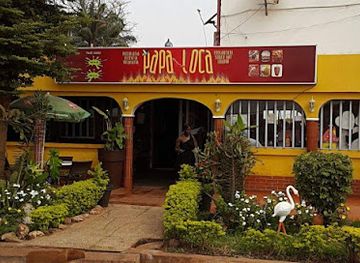
Restaurante Papa Loca
Discover authentic Guinean cuisine at Restaurante Papa Loca, where every dish tells a story and every meal is a celebration.
-
Restaurant
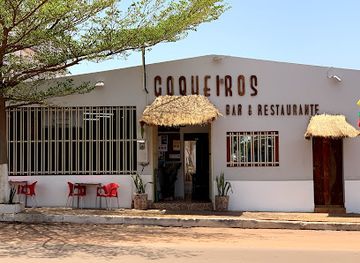
Coqueiros Bissau
Discover the culinary delights of Coqueiros Bissau, a vibrant restaurant in the heart of Bissau offering authentic local cuisine and a friendly atmosphere.
-
Bar
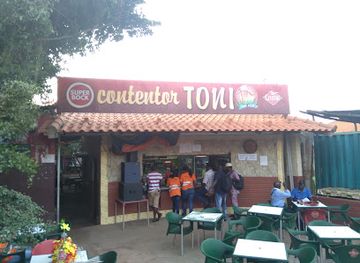
Contentor Di Tony
Experience the vibrant atmosphere of Contentor Di Tony, Bissau's perfect bar for relaxation and local culture.
-
Restaurant
Contentor do Zema-Bar Metro Lavapies
Experience the authentic flavors of Guinea-Bissau at Contentor do Zema-Bar Metro Lavapies, where local culinary traditions come alive.
Best nightclubs in Bolama Region
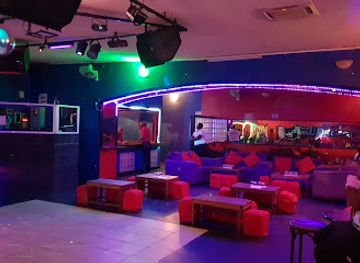
Nightlife in Bolama Region is low-key and community-oriented rather than centred on clubs. Bubaque has the widest choice of small bars, guesthouse terraces and informal evening meeting places, where visitors may find local beer, soft drinks, music and conversation. In Bolama and the smaller islands, evenings are quieter and tend to revolve around accommodation, village social life or locally organised music and dance rather than late-night venues. There is little reason to expect a substantial nightclub scene, and opening arrangements can change with season, supply and local events. Visitors should avoid treating ceremonies or traditional performances as commercial nightlife: participation and photography depend on community permission. In remote areas, limited electricity and weak connectivity make darkness part of the experience, so carry a torch and arrange your return from any evening outing in advance. Alcohol should be consumed cautiously, particularly before boat travel or walks in isolated areas.
-
Live music bar
Kings Club
Experience the vibrant nightlife of Bissau at Kings Club, where live music and local culture come together in a celebratory atmosphere.
-
Night club
Discoteca TABANKA
Dance the night away at Discoteca TABANKA, Bissau's hottest night club, where vibrant music and lively atmosphere await every visitor.
-
Night club
Pub Balafon
Experience the pulsating nightlife at Pub Balafon in Baiana, Guinea-Bissau, where music, culture, and vibrant energy come together for an unforgettable evening.
-
Night club
Vip Club Bissau
Discover the vibrant nightlife of Bissau at Vip Club Bissau, where local music and dancing create an unforgettable experience.
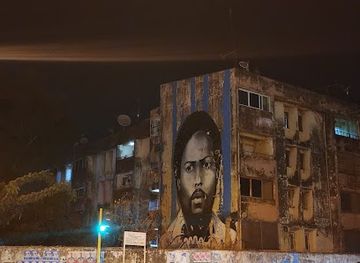
Best shops in Bolama Region
Shopping in Bolama Region is limited and practical, with the most useful supplies concentrated in Bubaque and additional options available before departure from Bissau. Small local shops and markets may sell rice, fresh produce, fish, drinks, household items and basic travel provisions, but stock is irregular and imported goods can be scarce. In Bolama and smaller island settlements, shopping is more closely tied to local trading days and informal vendors than to permanent retail streets. Visitors may find woven items, carved objects, palm-derived products or other locally made goods, although availability varies and not every item is produced for tourism. Ask before photographing or buying culturally significant objects, and avoid purchasing products made from protected wildlife, turtle parts or unverified natural materials. Regional food products and craft purchases should be transported with care because boat journeys, heat and humidity can damage them. Carry reusable bags and limit disposable packaging, as waste collection and disposal facilities are constrained on many islands.
-
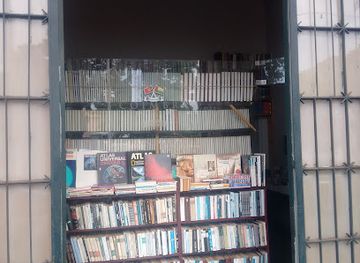
Book store
Livraria Coimbra
Explore Livraria Coimbra, a cozy bookstore in Bissau, Guinea-Bissau, perfect for book lovers and cultural enthusiasts.
-
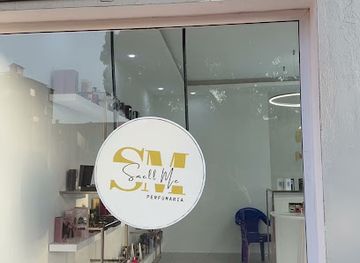
Perfume store
SmellMe Perfumaria
Discover the essence of luxury at SmellMe Perfumaria, Bissau's premier destination for exquisite fragrances and personalized service.
-
Produce market
Mercado de Caju
Immerse yourself in local culture at Mercado de Caju, Bolama's vibrant produce market showcasing fresh local flavors and community spirit.
-
Shopping mall
Ganó&Ganó
Discover Ganó&Ganó in Bissau, a shopping paradise blending local culture with modern conveniences for a unique retail experience.
Get your free copy of our complete guide to Bolama Region, delivered straight to you.
Everything on this page, from attractions and restaurants to essentials and local phrases, in one PDF you can read offline, print or share.
Already have an account? Sign in
Your Bolama Region guide is ready.
We'll send it to · Not you? Sign out

Getting your guide ready…
We are putting together a fresh copy of the Bolama Region guide. This can take up to a minute.
This can take a few moments. If your browser asks, choose Allow so the download can start. You'll find the guide in your Downloads folder.
Nothing happened? Download it again
Sorry, the guide is taking longer than usual. Please try again in a minute, or get it by email instead.
Bolama Region essentials
Currency and Payment
Safety
Emergency Situations
Do's and Don'ts
Local Tips
From Eve
Local phrases worth knowing
You don't need to get them perfect. A few words go a long way, and locals appreciate the effort.
Basics
| English | Local | Say it |
|---|---|---|
| Hello | Olá | [oh-lah] |
| Goodbye | Adeus | [ah-deh-oos] |
| Yes | Sim | [seem] |
| No | Não | [now] |
| Please/You're welcome | Por favor | [poor fah-vor] |
| Thank you | Obrigado | [oh-bree-gah-doo] |
| Excuse me/Sorry | Desculpe | [deh-scool-peh] |
| How are you? | Como está? | [koh-moo es-tah] |
| Fine. And you? | Estou bem. E você? | [es-toh baym. eh voh-seh] |
| Do you speak English? | Você fala inglês? | [voh-seh fah-lah een-glez] |
| I don't understand | Não entendo | [now en-ten-do] |
Eating & Drinking
| English | Local | Say it |
|---|---|---|
| I'd like to see the menu, please | Gostaria de ver o menu, por favor | [goh-stah-ree-ah djee vehr oo meh-noo, poor fah-vor] |
| I don't eat meat | Não como carne | [now koh-moo kar-nee] |
| Cheers! | Saúde! | [sah-oo-dee] |
| I would like to pay, please | Gostaria de pagar, por favor | [goh-stah-ree-ah djee pah-gar, poor fah-vor] |
Emergencies
| English | Local | Say it |
|---|---|---|
| Help! | Ajuda! | [ah-zhoo-dah] |
| Go away! | Vá embora! | [vah em-boh-rah] |
| Call the Police! | Chame a polícia! | [sha-mee ah poh-lee-syah] |
| Call a doctor! | Chame um médico! | [sha-mee oom meh-jee-koh] |
| I'm lost | Estou perdido | [es-toh pehr-dee-doo] |
| I'm ill | Estou doente | [es-toh do-ehn-chee] |
Shopping
| English | Local | Say it |
|---|---|---|
| I'd like to buy... | Gostaria de comprar... | [goh-stah-ree-ah djee kohm-prar] |
| I'm just looking | Estou apenas olhando | [es-toh ah-peh-nahs oh-lhan-doh] |
| How much is it? | Quanto custa? | [kwahn-toh koos-tah] |
| That's too expensive | Isso é muito caro | [ee-soo eh mooy-toh kah-roh] |
| Can you lower the price? | Você pode baixar o preço? | [voh-seh poh-jee bye-shar oo pray-soo] |
Time & Numbers
| English | Local | Say it |
|---|---|---|
| What time is it? | Que horas são? | [keh oh-ras sow] |
| It's one o'clock | É uma hora | [eh oo-mah oh-rah] |
| Half past (10) | Meia hora (10) | [may-ah oh-rah (diez)] |
| Morning | Manhã | [mahn-yah] |
| Afternoon | Tarde | [tahr-deh] |
| Evening | Noite | [noy-tah] |
| Yesterday | Ontem | [on-tem] |
| Today | Hoje | [oh-zhee] |
| Tomorrow | Amanhã | [ah-mahn-yah] |
| 1 | Um | [oom] |
| 2 | Dois | [doysh] |
| 3 | Três | [tresh] |
| 4 | Quatro | [kwah-troh] |
| 5 | Cinco | [seen-koh] |
| 6 | Seis | [says] |
| 7 | Sete | [seh-chee] |
| 8 | Oito | [oy-toh] |
| 9 | Nove | [noh-veh] |
| 10 | Dez | [dez] |
Transport & Directions
| English | Local | Say it |
|---|---|---|
| Where's a/the...? | Onde está um/a...? | [on-deh es-tah oom/ah] |
| What's the address? | Qual é o endereço? | [kwahl eh oo en-deh-re-soo] |
| Can you show me (on the map)? | Você pode me mostrar (no mapa)? | [voh-seh poh-jee meh mohs-trar (noh mah-pah)] |
| When's the next (bus)? | Quando é o próximo (ônibus)? | [kwahn-doo eh oo proh-see-moo (oh-nee-boos)] |
| A ticket (to ....) | Um bilhete (para ....) | [oom bee-lyeh-tay (pah-rah)] |
History of Bolama Region
Early Bijagós Island Societies
Long before European colonisation, the islands supported complex Bijagós communities organised through village institutions, age grades, farming, fishing and ritual authority. Rice cultivation, palm resources and maritime knowledge allowed people to live across a landscape divided by mangrove channels and tidal flats. Social organisation differed between islands, and customary rules governed access to land, forests and sacred places. These systems remain important to cultural identity and influence how visitors should approach communities and protected landscapes today.
Portuguese Contact and Coastal Trade
Portuguese navigators and traders reached the rivers and islands of the Guinea coast from the fifteenth century onwards, but effective control over the Bijagós Archipelago was limited for centuries. European commerce intersected with existing African trading networks and later with the Atlantic slave trade. The islands’ geography, seafaring communities and resistance to outside authority made permanent occupation difficult. As a result, Portuguese influence was long concentrated in trading posts and coastal settlements rather than extending evenly across Bijagós society.
Bolama and the Colonial Capital
Bolama became the capital of Portuguese Guinea in 1879, reflecting Portugal’s attempt to strengthen administrative control over the territory. Its planned streets, public buildings and later colonial residences gave the island an urban role out of proportion to its population. Portugal and Britain had earlier disputed sovereignty over the island, with the issue eventually settled in Portugal’s favour through international arbitration in the late nineteenth century. The town’s remaining civic architecture records this period of imperial administration.
Colonial Rule and Island Economies
During the twentieth century, Portuguese rule expanded through taxation, administrative structures and commercial agriculture, although its reach remained uneven across the archipelago. Rice farming, fishing, palm products and other local activities continued alongside colonial economic demands. Roads and public services were limited on many islands, reinforcing the importance of waterways. The colonial capital moved from Bolama to Bissau in 1941, reducing Bolama’s administrative importance and contributing to the town’s later decline.
The War of Independence, 1963–1974
Guinea-Bissau’s anti-colonial war began in 1963 under the African Party for the Independence of Guinea and Cape Verde, or PAIGC. The struggle affected the wider country through military operations, displacement and political mobilisation, although the archipelago’s scattered islands created a different strategic environment from the mainland. Portugal recognised Guinea-Bissau’s independence in 1974 after the Carnation Revolution in Portugal. The transition ended formal colonial rule but left major challenges in transport, public administration and infrastructure.
Independence and the Bijagós Cultural Landscape
Since independence, the Bijagós islands have remained central to debates about customary authority, conservation, development and national identity. Government institutions, local communities, researchers and conservation organisations have worked to protect marine habitats while sustaining fishing, farming and cultural practices. Community-based management is especially important because many islands are difficult to administer from the mainland. The region’s contemporary character therefore reflects not only colonial remnants and national history, but also the continuing authority of Bijagós institutions.
Protected Areas and Conservation
From the late twentieth century onwards, Guinea-Bissau established protected areas in the archipelago to conserve mangroves, wetlands, marine habitats and threatened wildlife. Orango National Park and the João Vieira-Poilão National Marine Park are among the best-known examples, while the Urok Community Marine Protected Area represents a strong community-centred approach. Conservation has focused on sea turtles, hippopotamuses, migratory birds, fish nurseries and island ecosystems. These designations have also encouraged carefully managed nature tourism, although infrastructure remains modest.
Bolama Region in Photos
Browse through our photo collection highlighting the charm and character of the destination.
Neighbouring regions of Bolama Region
The closest regions to Bolama Region, if you have time for more than one.
-
-

-

-

-


Swipe for more regions
Explore more

Explore more of Guinea-Bissau
Discover Guinea-Bissau: An untouched paradise with pristine beaches, rich wildlife, and vibrant culture waiting to be explored in the heart of West Africa.
Explore Guinea-Bissau