

Free Bissau Region Travel Guide & Mobile App
Explore Bissau Region with free travel guides. Discover regional history, expert tips, proposed trips, and audio guides on web or mobile app.


Bissau Region combines estuary views, Portuguese-era streets, political history, lively markets and Guinea-Bissau’s most accessible urban culture.
Read more about Bissau Region
When is the best time to visit Bissau Region?
Best: December–February · 29–30°C| Month | High (°C) | Rainfall (mm) |
|---|---|---|
| January (best) | 29 | 1 |
| February (best) | 30 | 2 |
| March | 31 | 4 |
| April | 32 | 13 |
| May | 33 | 55 |
| June | 32 | 150 |
| July | 30 | 350 |
| August | 30 | 450 |
| September | 30 | 350 |
| October | 31 | 150 |
| November | 30 | 30 |
| December (best) | 29 | 5 |
Getting to and around Bissau Region
How to get there
Transportation
Top city travel guides in Bissau Region
The cities of Bissau Region, and the easiest places to base yourself.

Swipe for more cities
Best attractions in Bissau Region
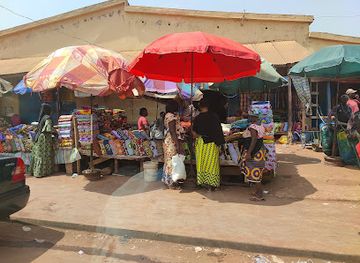
Bissau’s attractions are predominantly urban, historical and cultural rather than purpose-built tourist sites. The fortified complex of São José da Amura, the colonial-era streets of Bissau Velho and the waterfront around Pidjiguiti form the core of the capital’s historical geography, although access to official and military locations must be confirmed locally. Bandim Market offers an intense introduction to the city’s commercial life, with food, clothing and household goods moving through one of the country’s principal trading centres. Cultural organisations, galleries and civic initiatives provide opportunities to explore Guinean music, visual arts and the memory of the independence struggle, though opening arrangements can be irregular. The Geba estuary and riverside areas add a broad tropical setting to the city, especially in the late afternoon. Bissau is also the practical base for arranging excursions to other parts of Guinea-Bissau, but destinations in Biombo, Cacheu or the Bijagós Archipelago lie outside Bissau Region and should be planned as separate journeys rather than assumed to be city attractions.
-
Market
Mercado de Bandé
Discover the charm of Mercado de Bandé, Bissau's lively market, where local culture, flavors, and crafts come alive!
-
Memorial park
Empire Square
Explore the serene beauty of Empire Square in Bissau, a memorial park celebrating Guinea-Bissau's rich history and cultural resilience amidst lush greenery.
-
Museum
BISSAU
Explore Bissau, the vibrant capital of Guinea-Bissau, rich in history, culture, and artisanal markets, perfect for an enriching travel experience.
-
Tourist attraction
Bissau Sign
Discover the vibrant Bissau Sign, a captivating landmark in Guinea-Bissau that embodies the local culture and offers fantastic photo opportunities.


Best landmarks in Bissau Region
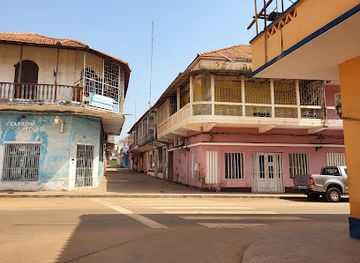
The Fortaleza de São José da Amura is Bissau’s most imposing historic landmark, a fortified Portuguese structure associated with the colonial administration and later national political history. Its military significance means that access and photography may be restricted, so it should be viewed according to current local instructions. Bissau Velho contains the capital’s most concentrated collection of Portuguese-era urban fabric, including weathered façades, arcades and civic buildings that reflect the port’s former administrative role. Pidjiguiti port is a landmark of national memory because the 1959 dockworkers’ massacre helped radicalise the independence movement; the waterfront is therefore both a working environment and a place of remembrance. The Praça dos Heróis Nacionais and surrounding government architecture express the symbolism of the independent state, while the broad Geba estuary provides Bissau with its defining geographical setting. These landmarks are best understood together, as evidence of a city shaped by Atlantic commerce, colonial rule, anti-colonial struggle and post-independence political change.
-
 Hotel
HotelHotel CEIBA
Discover luxury and comfort at Hotel CEIBA in Bissau, the perfect base for exploring Guinea-Bissau's vibrant culture and beautiful landscapes.
-
Hotel
Dunia Hotel Bissau (Azalaï Hotel 24 de Setembro)
Experience the charm of Bissau at Dunia Hotel, where comfort meets culture in the heart of Guinea-Bissau.
-
Restaurant
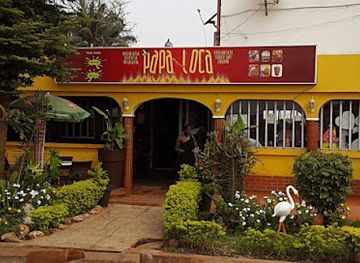
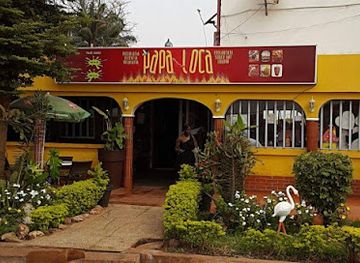
Restaurante Papa Loca
Experience the rich culinary heritage of Guinea-Bissau at Restaurante Papa Loca, where every dish tells a story of local flavor and tradition.
-
Restaurant
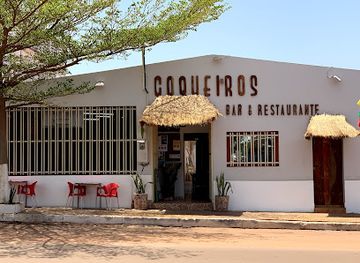
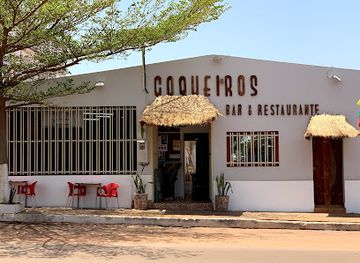
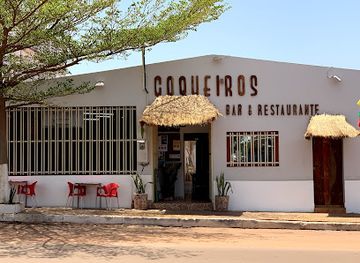
Coqueiros Bissau
Experience the vibrant flavors of Guinea-Bissau at Coqueiros Bissau, where local cuisine meets a welcoming atmosphere for an unforgettable dining experience.

Explore Bissau Region on the map
Plan your trip on one map. See where the top cities, national parks and sights are, and book hotels and experiences in a few clicks.
Best hotels in Bissau Region
Best restaurants in Bissau Region
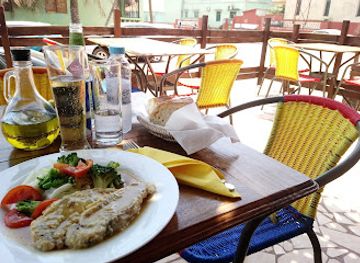
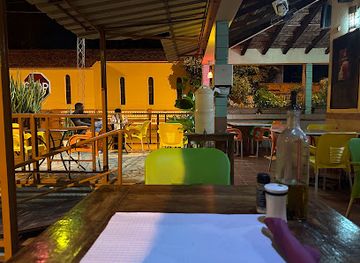
Dining in Bissau combines West African staples, Portuguese influences and ingredients drawn from the country’s rivers, mangroves and agricultural areas. Rice is central to many meals, often accompanied by fish, prawns, chicken, beans or sauces based on onion, chilli, palm oil or cashew. Grilled fish and seafood are widely available, while tropical fruit, peanuts and cashews appear in snacks and desserts. The capital has the country’s broadest choice of restaurants, cafés, hotel dining rooms and informal eateries, ranging from simple plates served in busy neighbourhoods to more polished establishments aimed at international visitors. Portuguese-style cooking can appear alongside dishes associated with Guinea-Bissau and neighbouring West Africa, but menus and supply vary. Bandim and other urban markets are useful for seeing local produce, though visitors should choose cooked food carefully and drink treated or bottled water. Meals may take time, and confirming what is available before ordering is often more useful than relying on a fixed menu.
-
Restaurant
Dunia Hotel Bissau (Azalaï Hotel 24 de Setembro)
Discover comfort and culture at Dunia Hotel Bissau – where local charm meets modern hospitality in Guinea-Bissau.
-
Restaurant
Restaurante Papa Loca
Experience the vibrant flavors of Guinea-Bissau at Restaurante Papa Loca - where every meal tells a story.
-
Italian
O Bistro
Discover authentic Italian flavors at O Bistro in Bissau – a culinary gem offering delicious dishes and a welcoming ambiance.
-
Restaurant
Coqueiros Bissau
Experience the rich flavors of Guinea-Bissau at Coqueiros Bissau – a culinary haven in the heart of Bissau.
Best bars in Bissau Region
Bissau has the country’s most developed evening scene, but nightlife remains modest and locally oriented rather than concentrated in a large club district. Hotel bars, independent cafés, restaurants and neighbourhood bars provide spaces for conversation, music and football, while live performances and dancing appear through changing local programmes rather than a dependable nightly schedule. Portuguese and West African influences overlap in the city’s music culture, with Guinea-Bissau Creole featuring prominently in everyday social life. The waterfront and central districts can be pleasant in the early evening, but visitors should arrange reliable transport and avoid walking alone on poorly lit streets later at night. Outside the capital, evening entertainment is generally quieter and centred on community gatherings, restaurants and informal bars. Alcohol is available, but it is not necessary to experience Bissau’s social or cultural life; respectful conversation, music and shared meals are equally important parts of the city’s evening character.
-
Restaurant
Dunia Hotel Bissau (Azalaï Hotel 24 de Setembro)
Experience the comfort and charm of Dunia Hotel Bissau, a perfect blend of relaxation and local culture in Guinea-Bissau.
-
Restaurant
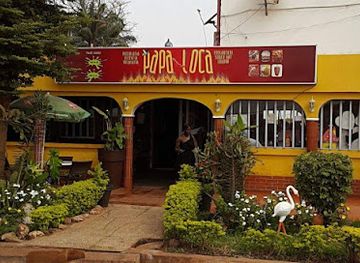
Restaurante Papa Loca
Experience the authentic culinary delights of Guinea-Bissau at Restaurante Papa Loca, a must-visit dining destination in Bissau.
-
Italian
O Bistro
Experience authentic Italian cuisine at O Bistro in Bissau, where delectable dishes and a cozy atmosphere await every traveler.
-
Restaurant
Coqueiros Bissau
Discover the vibrant flavors of Guinea-Bissau at Coqueiros Bissau, a must-visit restaurant offering authentic local cuisine in a welcoming atmosphere.
Best nightclubs in Bissau Region
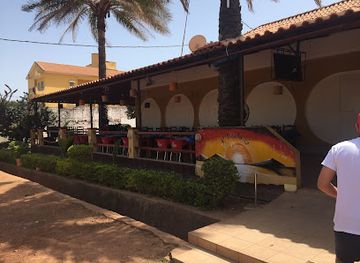
Bissau has the country’s most developed evening scene, but nightlife remains modest and locally oriented rather than concentrated in a large club district. Hotel bars, independent cafés, restaurants and neighbourhood bars provide spaces for conversation, music and football, while live performances and dancing appear through changing local programmes rather than a dependable nightly schedule. Portuguese and West African influences overlap in the city’s music culture, with Guinea-Bissau Creole featuring prominently in everyday social life. The waterfront and central districts can be pleasant in the early evening, but visitors should arrange reliable transport and avoid walking alone on poorly lit streets later at night. Outside the capital, evening entertainment is generally quieter and centred on community gatherings, restaurants and informal bars. Alcohol is available, but it is not necessary to experience Bissau’s social or cultural life; respectful conversation, music and shared meals are equally important parts of the city’s evening character.
-
Bar
Contentor Di Tony
Immerse yourself in the lively ambiance of Contentor Di Tony, a must-visit bar in Bissau, Guinea-Bissau, where locals and tourists come together.
-
Disco club
Bambu
Experience the vibrant nightlife of Bissau at Bambu Disco Club—where music, dance, and culture collide for an unforgettable night out.
-
Bar
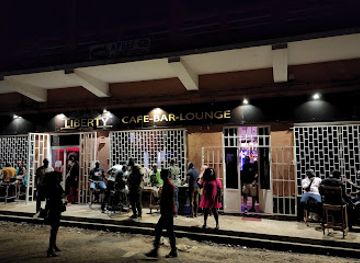
Liberty cafe bar lounge
Discover the lively nightlife and local culture at Liberty Cafe Bar Lounge in Bissau, where every night is a celebration.
-
Live music bar
Kings Club
Discover the vibrant nightlife at Kings Club, Bissau's premier live music bar, where local rhythms and culture come alive.


Best shops in Bissau Region
Shopping in Bissau is concentrated in markets, informal trading areas and small independent shops rather than large modern retail centres. Bandim Market is the principal commercial landmark, selling clothing, footwear, household goods, food and imported products in a dense, energetic environment; visitors should keep belongings secure and use a trusted local guide if unsure of the layout. Smaller shops and street stalls around central Bissau are useful for bottled drinks, snacks, textiles and everyday necessities. Cashews, peanuts, dried foods and locally produced ingredients can make practical gifts, provided they are properly packaged for travel. Handicrafts, woven items, jewellery and carved objects may be available, but quality and provenance vary, so buy respectfully and avoid anything made from protected wildlife or uncertain materials. Bargaining is common in some markets but should be polite and proportionate. The capital offers the widest choice in Guinea-Bissau, while shopping beyond Bissau depends more heavily on local markets and seasonal availability.
-
Hotel
Dunia Hotel Bissau (Azalaï Hotel 24 de Setembro)
Experience the vibrant culture and comfort at Dunia Hotel Bissau, your gateway to the heart of Guinea-Bissau.
-
Restaurant
Restaurante Papa Loca
Discover the culinary delights of Guinea-Bissau at Restaurante Papa Loca, where local flavors and vibrant atmosphere come together for an unforgettable dining experience.
-
Italian
O Bistro
Experience authentic Italian cuisine at O Bistro in Bissau, where every dish promises a delightful taste of Italy amidst local charm.
-
Supermarket
Santy Comercial
Experience the local culture and flavors of Guinea-Bissau at Santy Comercial, a vibrant supermarket in Bissau offering diverse products.
Get your free copy of our complete guide to Bissau Region, delivered straight to you.
Everything on this page, from attractions and restaurants to essentials and local phrases, in one PDF you can read offline, print or share.
Already have an account? Sign in
Your Bissau Region guide is ready.
We'll send it to · Not you? Sign out

Getting your guide ready…
We are putting together a fresh copy of the Bissau Region guide. This can take up to a minute.
This can take a few moments. If your browser asks, choose Allow so the download can start. You'll find the guide in your Downloads folder.
Nothing happened? Download it again
Sorry, the guide is taking longer than usual. Please try again in a minute, or get it by email instead.
Bissau Region essentials
Currency and Payment
Safety
Emergency Situations
Do's and Don'ts
Local Tips
From Eve
Local phrases worth knowing
You don't need to get them perfect. A few words go a long way, and locals appreciate the effort.
Basics
| English | Local | Say it |
|---|---|---|
| Hello | Olá | [oh-lah] |
| Goodbye | Adeus | [ah-deh-oos] |
| Yes | Sim | [seem] |
| No | Não | [now] |
| Please/You're welcome | Por favor | [poor fah-vor] |
| Thank you | Obrigado | [oh-bree-gah-doo] |
| Excuse me/Sorry | Desculpe | [deh-skool-pay] |
| How are you? | Como você está? | [koh-moo voh-seh eh-stah] |
| Fine. And you? | Bem. E você? | [baym. eh voh-seh] |
| Do you speak English? | Você fala inglês? | [voh-seh fah-lah een-glays] |
| I don't understand | Eu não entendo | [eh-oo now en-ten-doo] |
Eating & Drinking
| English | Local | Say it |
|---|---|---|
| I'd like to see the menu, please | Gostaria de ver o menu, por favor | [goh-stah-ree-ah jeh vehr oh meh-noo, poor fah-vor] |
| I don't eat meat | Eu não como carne | [eh-oo now koh-moo kar-nee] |
| Cheers! | Saúde! | [sah-oo-deh] |
| I would like to pay, please | Gostaria de pagar, por favor | [goh-stah-ree-ah jeh pah-gahr, poor fah-vor] |
Emergencies
| English | Local | Say it |
|---|---|---|
| Help! | Ajuda! | [ah-zhoo-dah] |
| Go away! | Vá embora! | [vah em-boh-rah] |
| Call the Police! | Chame a polícia! | [shah-meh ah poh-lee-see-ah] |
| Call a doctor! | Chame um médico! | [shah-meh oong meh-dee-coh] |
| I'm lost | Estou perdido | [eh-stoh pehr-jee-doo] |
| I'm ill | Estou doente | [eh-stoh do-ehn-chee] |
Shopping
| English | Local | Say it |
|---|---|---|
| I'd like to buy... | Gostaria de comprar... | [goh-stah-ree-ah jeh kohm-prahr] |
| I'm just looking | Estou apenas olhando | [eh-stoh ah-peh-nas ohl-yahn-doo] |
| How much is it? | Quanto custa? | [kwahn-toh koos-tah] |
| That's too expensive | É muito caro | [eh moo-ee-toh kah-roh] |
| Can you lower the price? | Você pode baixar o preço? | [voh-seh poh-jee bah-ee-shar oh preh-soh] |
Time & Numbers
| English | Local | Say it |
|---|---|---|
| What time is it? | Que horas são? | [keh oh-ras sow] |
| It's one o'clock | É uma hora | [eh oo-mah oh-rah] |
| Half past (10) | Meia hora (10) | [may-ah oh-rah] |
| Morning | Manhã | [mahn-yah] |
| Afternoon | Tarde | [tahr-deh] |
| Evening | Noite | [noy-tay] |
| Yesterday | Ontem | [on-tay] |
| Today | Hoje | [oh-zhay] |
| Tomorrow | Amanhã | [ah-mahn-yah] |
| 1 | Um | [oom] |
| 2 | Dois | [doys] |
| 3 | Três | [trays] |
| 4 | Quatro | [kwah-troh] |
| 5 | Cinco | [seen-koh] |
| 6 | Seis | [says] |
| 7 | Sete | [seh-tay] |
| 8 | Oito | [oy-toh] |
| 9 | Nove | [noh-veh] |
| 10 | Dez | [dehz] |
Transport & Directions
| English | Local | Say it |
|---|---|---|
| Where's a/the...? | Onde fica um/a...? | [on-deh fee-kah oom/ah] |
| What's the address? | Qual é o endereço? | [kwahl eh oh en-deh-reh-soh] |
| Can you show me (on the map)? | Você pode me mostrar (no mapa)? | [voh-seh poh-jee meh mohs-trahr (noh mah-pah)] |
| When's the next (bus)? | Quando é o próximo (ônibus)? | [kwahn-doo eh oh proh-see-moh (oh-nee-boos)] |
| A ticket (to ....) | Um bilhete (para ....) | [oom bee-lyeh-tay (pah-rah)] |
History of Bissau Region
Papel and Coastal West African Foundations
Before Portuguese colonial rule, the area around present-day Bissau was inhabited and used by Papel communities, while the wider coast was connected to the political, agricultural and trading networks of several neighbouring peoples. Rice cultivation, fishing, mangrove gathering and commerce shaped life around the estuary. These societies were not simply a backdrop to colonial history: their landholding, political authority and cultural practices continued to influence relations with Portuguese traders and officials and remain part of the capital’s regional identity.
Portuguese Trading Post and Fortified Settlement
Portuguese traders established a presence at Bissau during the early modern period, but their control remained limited for much of the eighteenth and nineteenth centuries. The construction and consolidation of the Fortaleza de São José da Amura in the eighteenth century reflected Portugal’s effort to secure its position on the Geba estuary. Bissau developed as a port and administrative centre linked to Atlantic commerce, although Portuguese authority beyond the settlements was uneven and depended on negotiation, military pressure and relationships with local communities.
Colonial Administration and Urban Development
During the late nineteenth and twentieth centuries, Portugal strengthened its administration in what became Portuguese Guinea. Bissau expanded around the port and colonial administrative quarter, with roads, public buildings, commercial premises and housing that still shape Bissau Velho and surrounding districts. The urban plan expressed colonial hierarchy, but the city also became a meeting place for people from many parts of the territory. Groundnuts, rice, timber and other commodities moved through the port, while African workers, traders and migrants sustained the city’s everyday economy.
The Pidjiguiti Massacre of 1959
On 3 August 1959, a strike by dockworkers at Bissau’s Pidjiguiti port was violently suppressed by Portuguese security forces. The deaths that followed became a defining memory in Guinea-Bissau’s national history and were later commemorated as evidence of the brutality of colonial rule. Pidjiguiti helped radicalise political opposition and is closely associated with the independence struggle led by the African Party for the Independence of Guinea and Cape Verde, or PAIGC. The port remains one of the capital’s most politically significant places.
War for Independence and the Birth of a State
The PAIGC launched an armed struggle against Portugal in 1963, and fighting spread through much of Portuguese Guinea. Although major military operations took place outside Bissau, the capital was the colonial centre whose control carried decisive political importance. Guinea-Bissau declared independence in 1973, and Portugal recognised it after the Carnation Revolution in 1974. Bissau then became the capital of an independent state, with the former colonial administrative landscape adapted to national institutions and new political symbols.
Post-Independence Politics and the 1998–1999 Conflict
The decades after independence brought political instability, military influence and economic difficulty. In 1998, a conflict between President João Bernardo Vieira and General Ansumane Mané developed into a civil war that heavily affected Bissau. Fighting damaged buildings, displaced residents and disrupted public services before a regional intervention and negotiated settlement brought the conflict to an end in 1999. The war remains visible in the capital’s damaged or altered buildings and helps explain why Bissau’s infrastructure and institutions have developed unevenly.
Contemporary Bissau and Cultural Renewal
In the twenty-first century, Bissau has remained Guinea-Bissau’s principal centre of government, commerce, education, media and cultural activity. Its population has grown through migration from other regions, giving the capital a strongly national character rather than a single ethnic identity. Artists, musicians, civic organisations and cultural institutions continue to reinterpret anti-colonial history and everyday experience. At the same time, unreliable infrastructure, seasonal flooding and political uncertainty influence ordinary life and require visitors to approach the city with flexibility and respect.
Bissau Region in Photos
Browse through our photo collection highlighting the charm and character of the destination.
Neighbouring regions of Bissau Region
The closest regions to Bissau Region, if you have time for more than one.
-

-

-

-

-


Swipe for more regions
Explore more

Explore more of Guinea-Bissau
Discover Guinea-Bissau: An untouched paradise with pristine beaches, rich wildlife, and vibrant culture waiting to be explored in the heart of West Africa.
Explore Guinea-Bissau